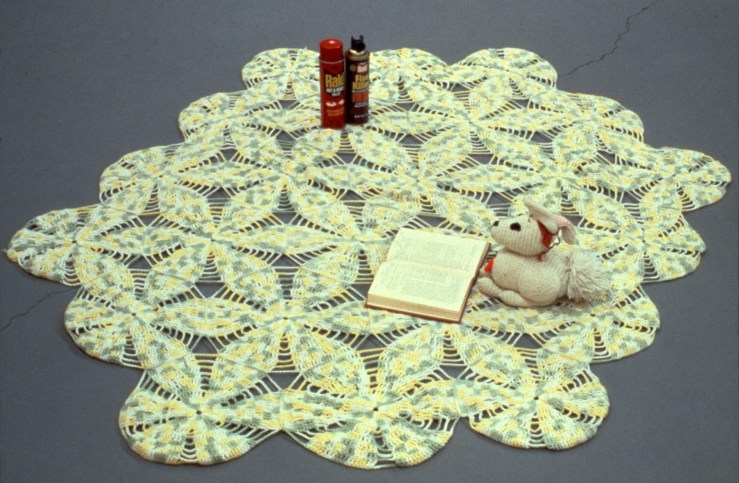
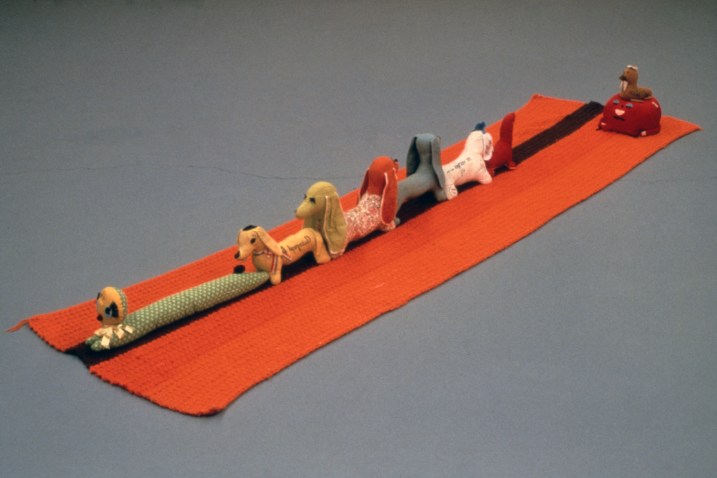
Arena #10 (Dogs) — Mike Kelley

(Via/more).

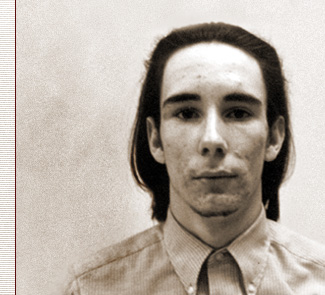
RIP Mike Kelley

RIP artist/musician Mike Kelley. (Obit/more).

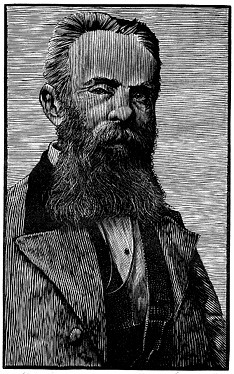
Herman Melville (Portrait) — Barry Moser

Detail from The Triptych of the Mystical Marriage of Saint Catherine — Hans Memling

“A Well-Meaning, Sincere Hypocrite” — William Gaddis on His Title Character, JR (And Capitalism)

More from William Gaddis’s 1986 Paris Review interview:

INTERVIEWER

Is JR’s story something you extrapolated from life only, or did you rely on sociologies devoted to how the corporate world works upon social values, human qualities, and relationships in American culture?

GADDIS

The boy himself is a total invention, completely sui generis. The reason he is eleven is because he is in this prepubescent age where he is amoral, with a clear conscience, dealing with people who are immoral, unscrupulous; they realize what scruples are, but push them aside, whereas his good cheer and greed he considers perfectly normal. He thinks this is what you’re supposed to do; he is not going to wait around; he is in a hurry, as you should be in America—get on with it, get going. He is very scrupulous about obeying the letter of the law and then (never making the distinction) evading the spirit of the law at every possible turn. He is in these ways an innocent and is well-meaning, a sincere hypocrite. With Bast, he does think he’s helping him out. As for the corporate world, I do read the newspapers, clip things, ideas, articles, and just use them as fodder. But all that hardly requires a text in sociology. And this may be the place to make a further point. I’m frequently seen in the conservative press as being out there on the barricades shouting: Down with capitalism! I do see it in the end as really the most workable system we’ve produced. So what we’re talking about is not the system itself, but its abuses, I don’t mean criminal but the abundant abuses just within the letter of the law. The essential question is whether it can survive these abuses given free rein and whether these abuses are inherent in the system itself. I should think it is perfectly clear in my work—calling attention, satirizing these abuses—that our best hope lies in bringing things under better and more equitable control, cutting back the temptations to unmitigated greed and bemused dishonesty . . . in other words that these abuses the system has fostered are not essential, but running out of moral or ethical control can certainly threaten its survival.

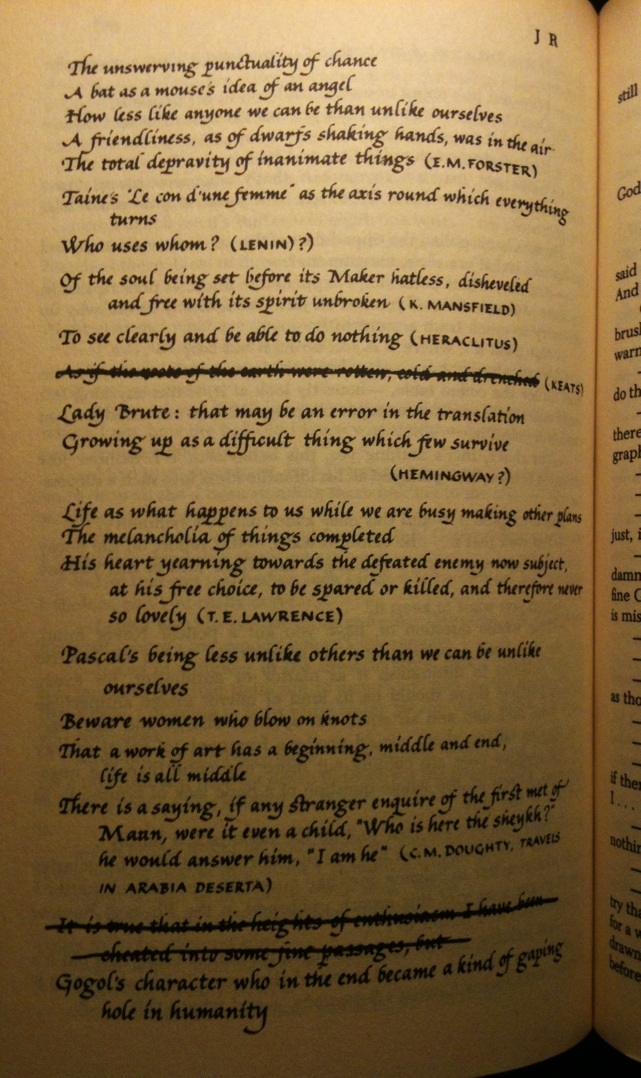
“The Unswerving Punctuality of Chance” (And Other Citations from William Gaddis’s Novel JR)

20120128-185406.jpg

In JR, the sprawling novel of capitalism and art by William Gaddis, Jack Gibbs loads his pockets with crumpled newspaper clippings, racing forms, and citations for a book he’s working on. “More trash,” he mutters about this list (which appears on page 486 of my Penguin Twentieth Century Classics Edition).

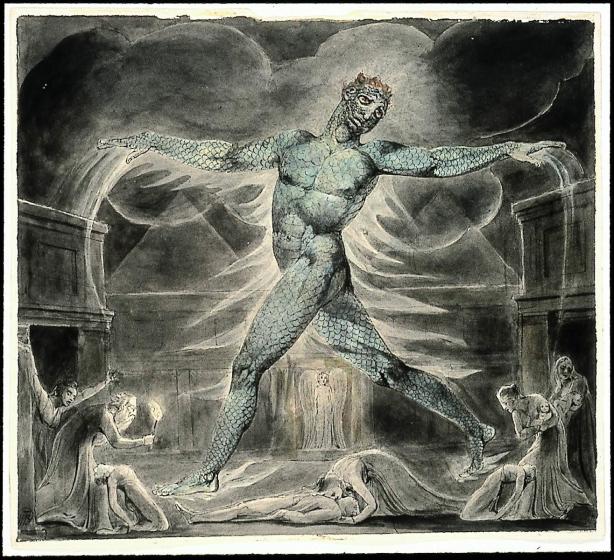
Pestilence: Death of the First-Born — William Blake

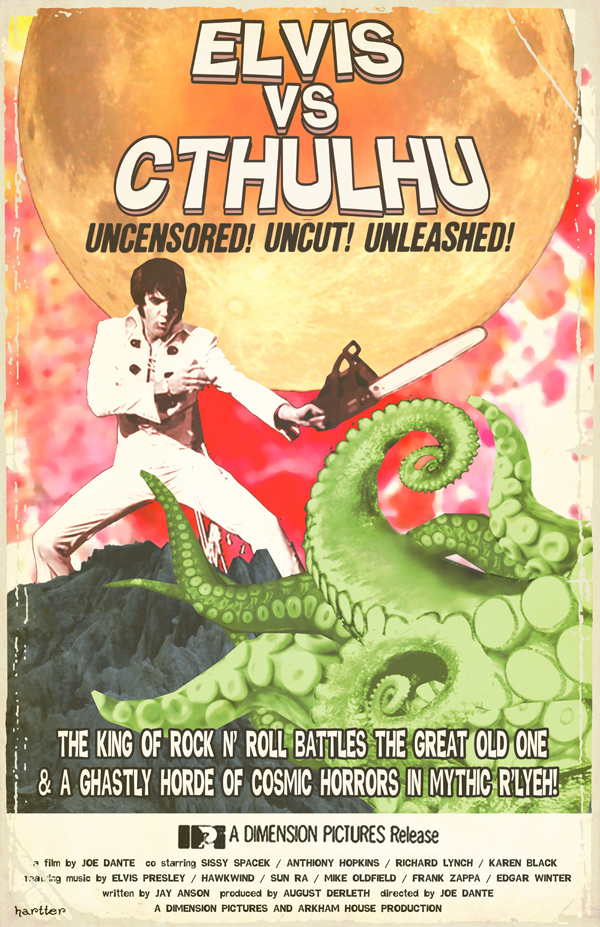
Elvis Vs. Cthulhu (And Other Alternate Universe Movie Posters by Sean Hartter)

Sean Hartter’s fantabulous collection of movie poster designs from an alternate dimension relay such a precise aesthetic that they almost make me sad that these movies don’t exist. Still, I find some consolation by imagining scenes from, say, a Jodorowsky-helmed Star Wars or  Vincent D’Onofrio in an x-rated version of Avatar. (Thanks to Tilford for the tip).

As studios increasingly rely on franchises—and rebooting those franchises every decade—it makes sense that franchise titles will continue to evolve like comic books have, with new artists (directors, producers, writers, etc.) doing their “take” on the property.

A few of Hartter’s images, but I suggest getting lost in his site:

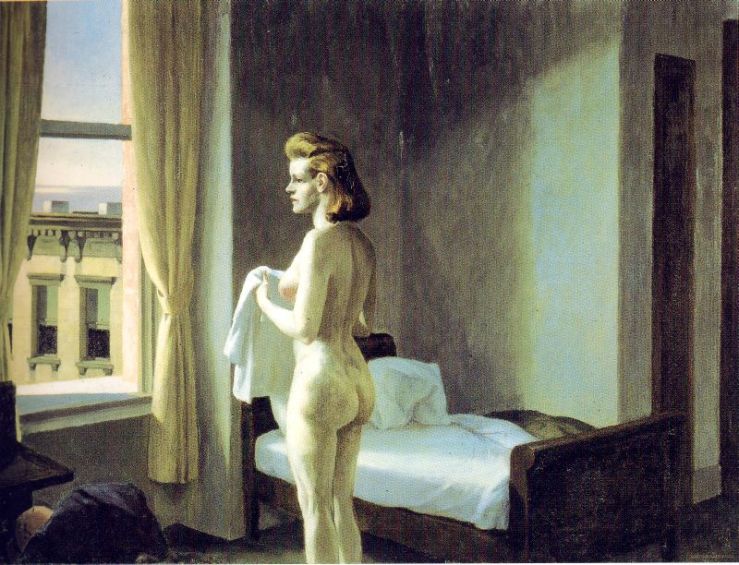
Morning in a City — Edward Hopper

Wonder Woman (Bondage) — Bill Sienkiewicz

(Via).

Pages from Joseph Cornell’s Imaginary Journal

Check out the Peabody Essex Museum’s marvelous interactive exhibit Navigating the Imagination, which lets you view (and play with) the works of artist Joseph Cornell.  The images here come from a 1911 textbook that Cornell transformed into a magical book object, full of illustrations, collages, quotes, and cut outs (you can peruse the entire book).

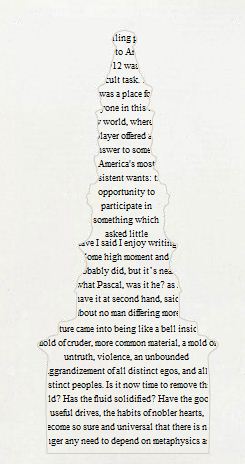
Bonus: Make your own Word Tower in the “Crystal Cage” machine. Here’s mine; I used snips from open tabs on my browser (two pieces from Gaddis and a Nietzsche):

Carousel-Animal Opera — Joseph Cornell

Girl in Bed — John Currin

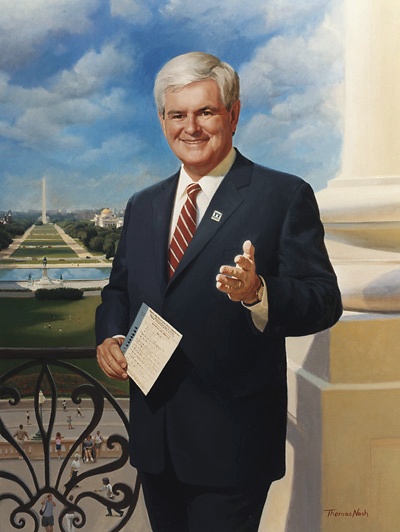
Newt Gingrich (And Other Portraits of Old, Rich White Men) by Thomas V. Nash

I recently saw this portrait of current Republican nomination candidate/constant font of regressive ideas Newt Gingrich on an image board I frequent. It’s by Georgia-based portrait artist Thomas Nash, whose website I had to visit after seeing this picture.

For some reason I can’t quite articulate, Nash’s portraits are surreal to me. I don’t think it’s purposeful, of course—he’s clearly a technically competent artist whose oil paintings are meant to confer a sense of power twinned in benevolence.

It must be my own sense of history, of power, of irony, that makes me feel thoroughly creeped out by this portrait of Newt—the manically glib glint in his eye (his left eyebrow ever-so slightly arched in cocky condescension), the sinister light that seems to emanate from his upraised, extended left hand, the mysterious document casually clutched in his right, the phallic authority of the Washington Monument jutting out from the Mall in the background as tiny tourists mill about, one even pausing to aim his camera from behind the scroll work at the viewer . . .

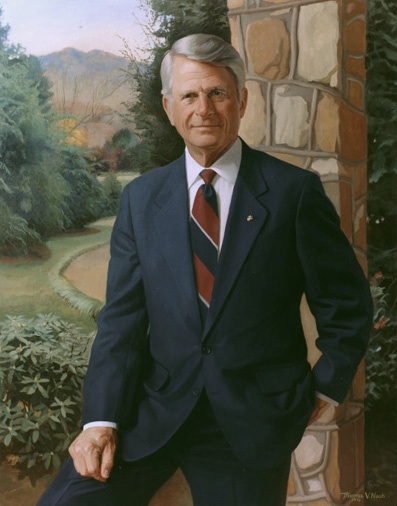
It’s odd, malevolent, and engrossing, but when paired against the other portraits in Nash’s collection of “Men,” like former Democratic Senator (and George W. Bush supporter) Zell Miller, it seems even more sinister and ironic to me, as if some evil scream lurked in the background, suppressed, detained, a black hood over its metaphorical head:
Or these guys:

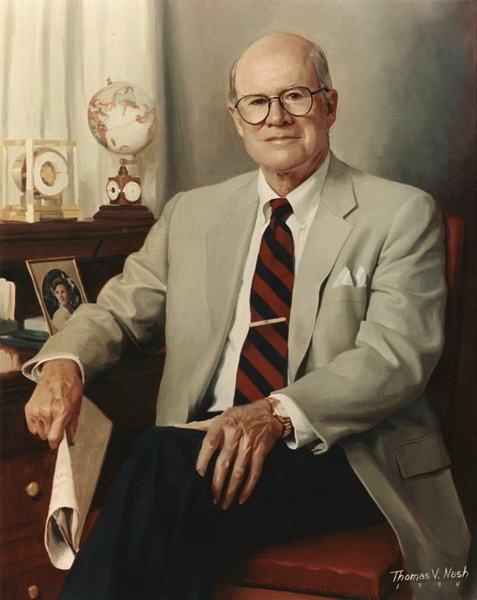
In some sense, these paintings strike me as the strange dry twins of the work of sensualist John Currin, a subjective claim that is perhaps unsupportable but nevertheless seems true to me.

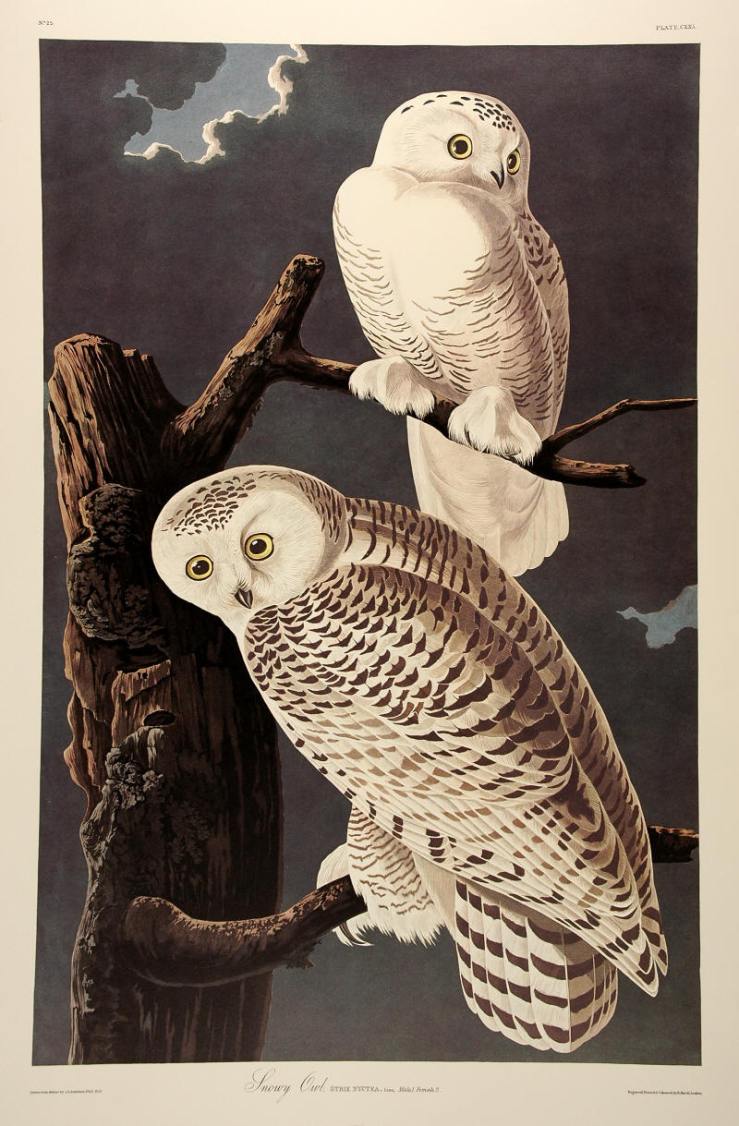
Snowy Owl — John James Audubon

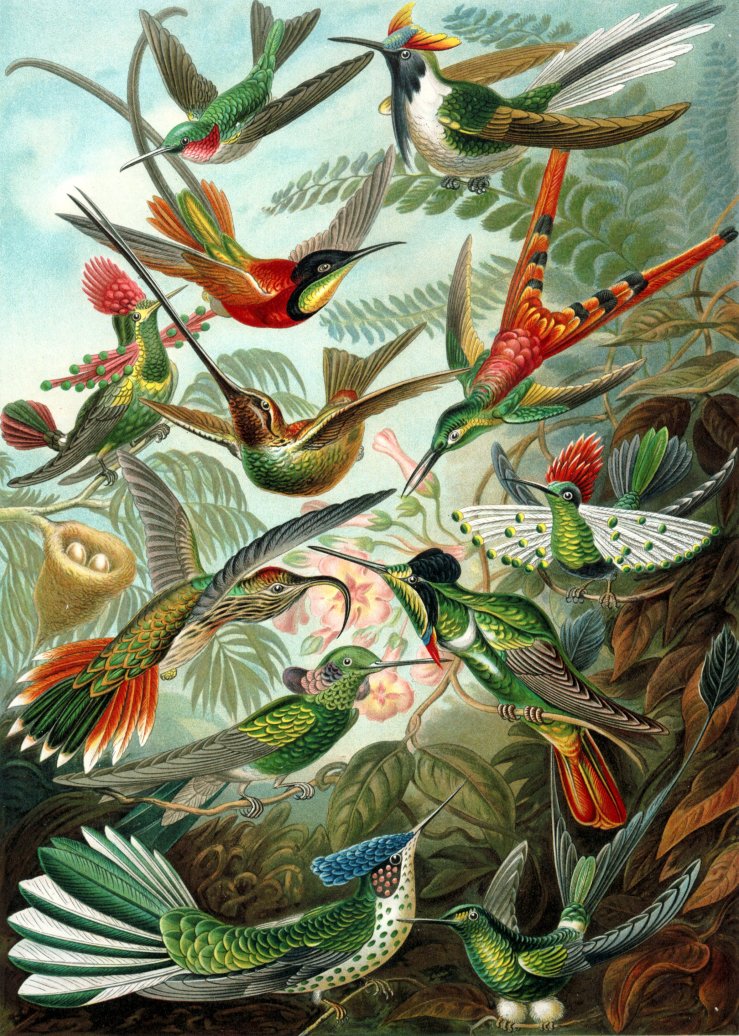
Trochilidae — Ernst Haeckel

The Last Supper — An Excerpt from Peter Greenaway’s Installation