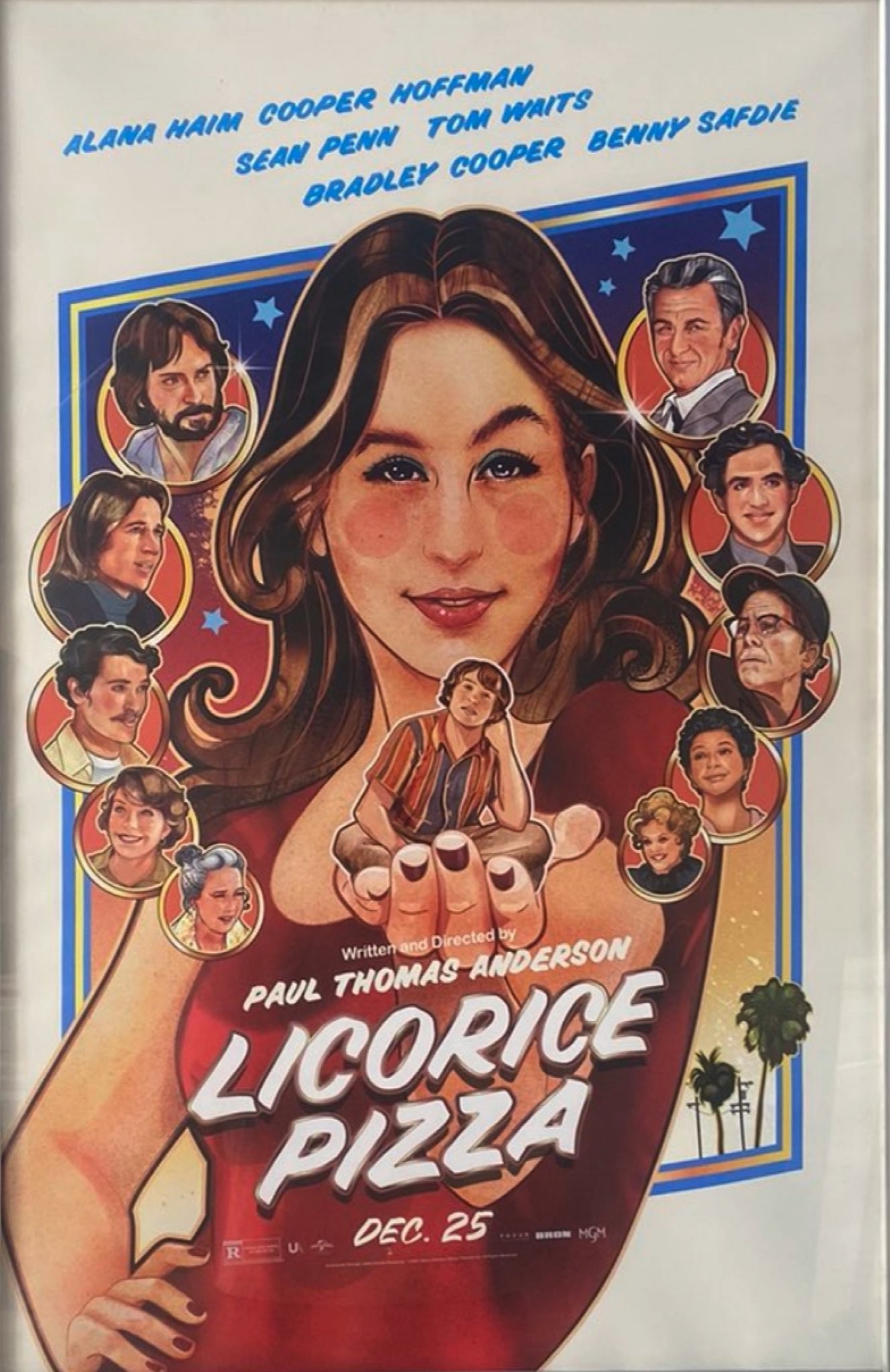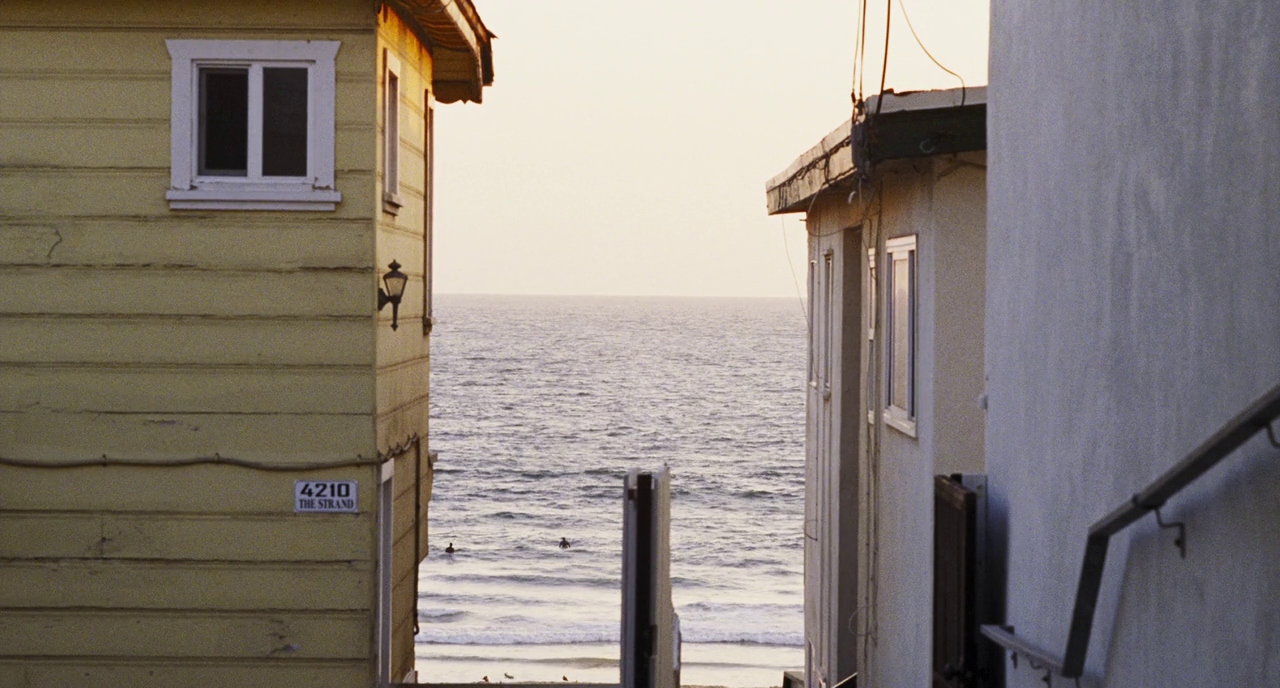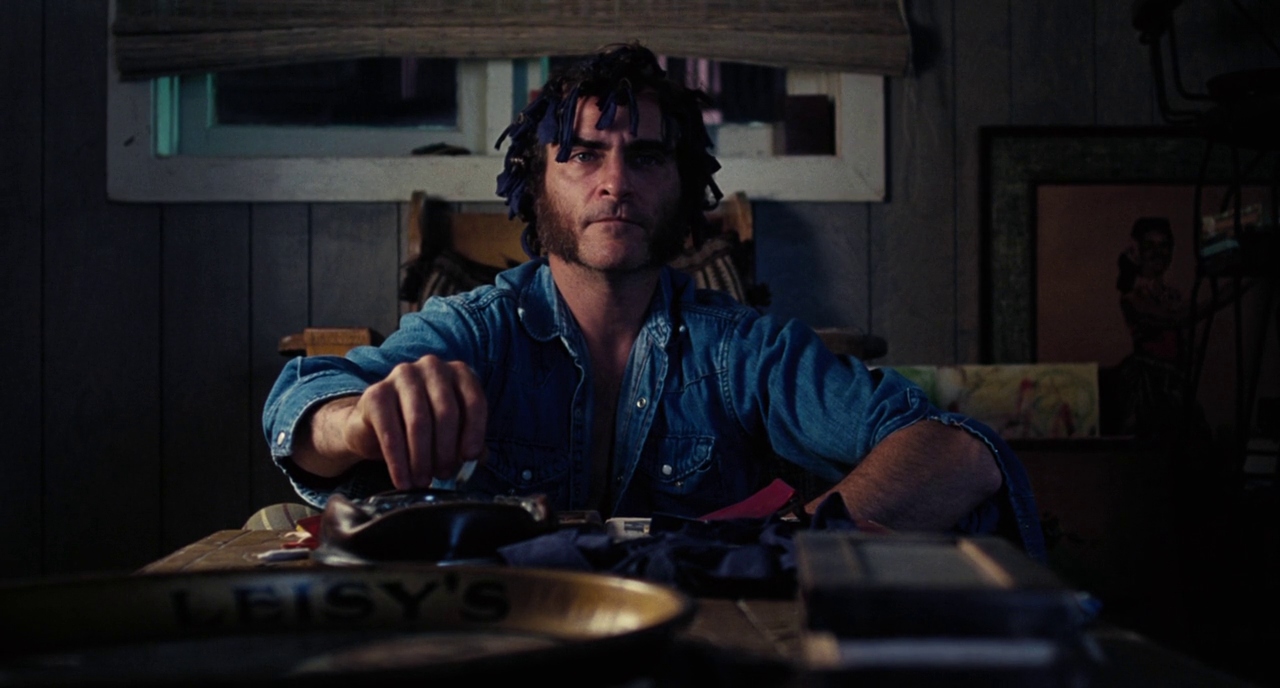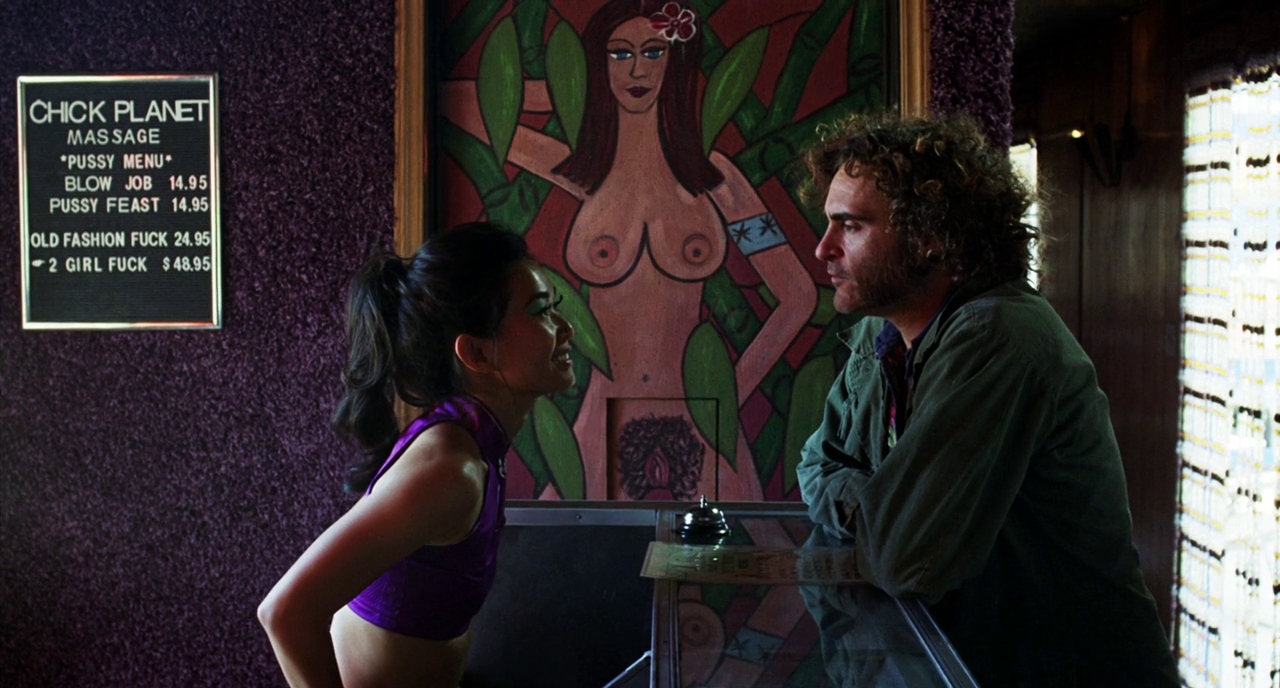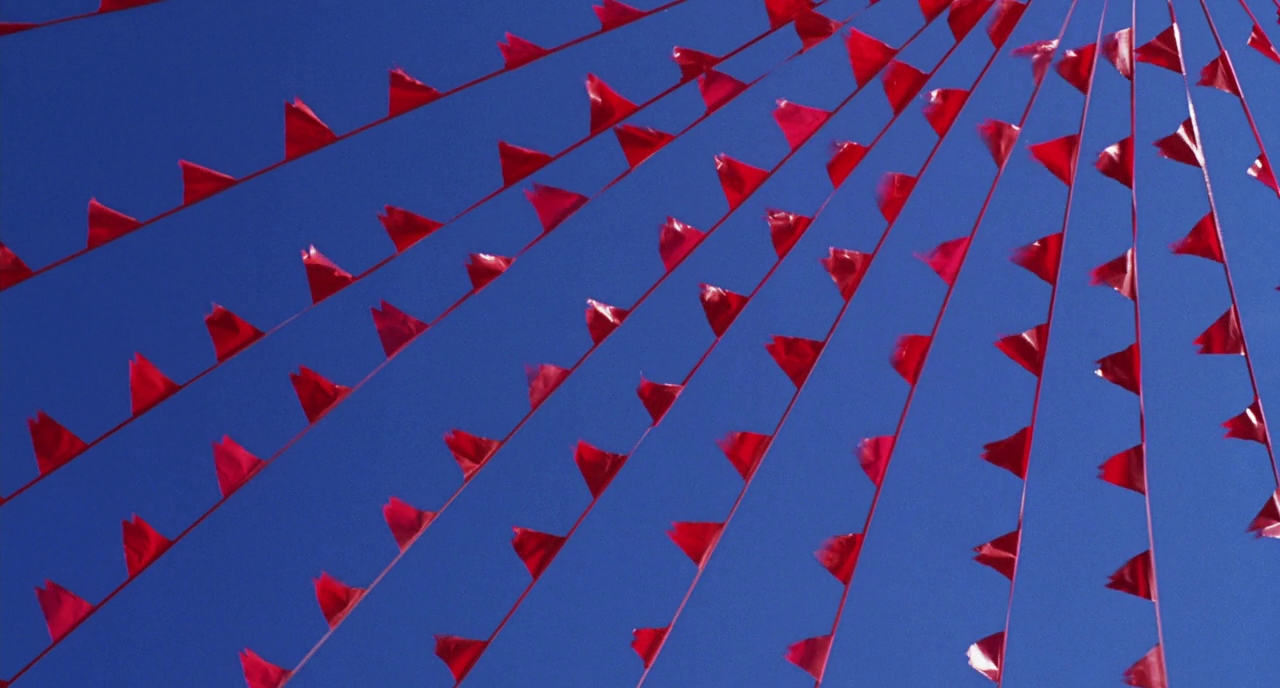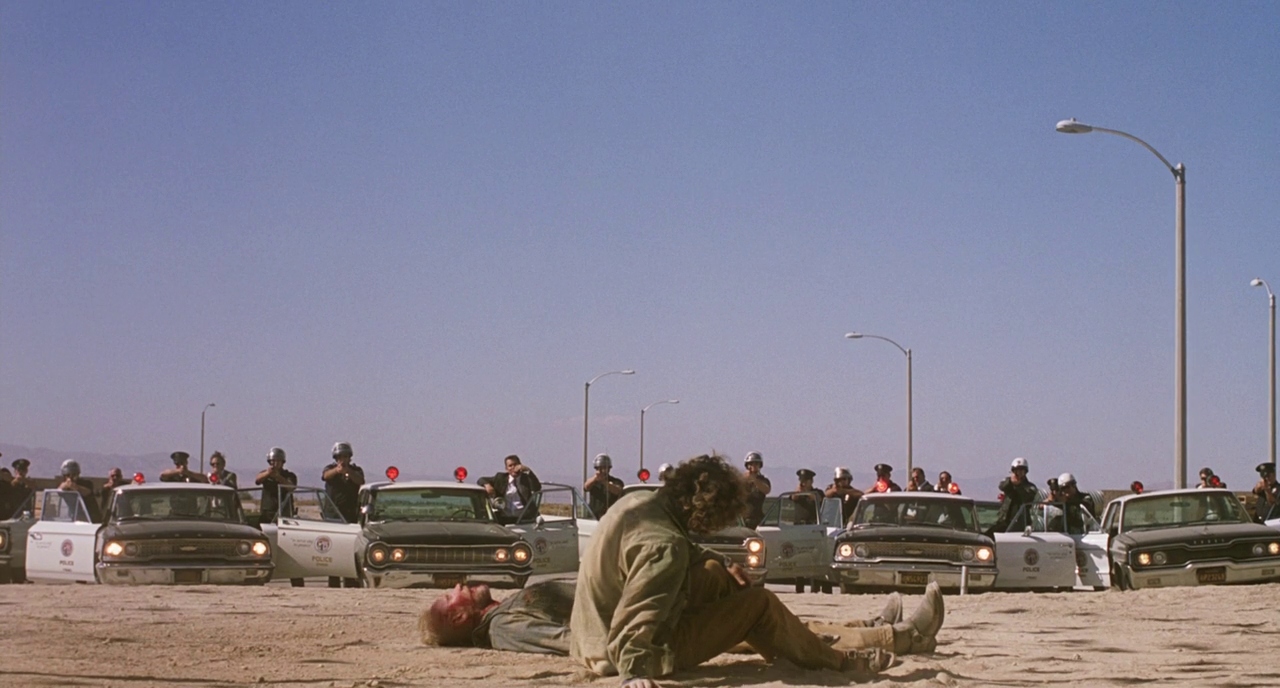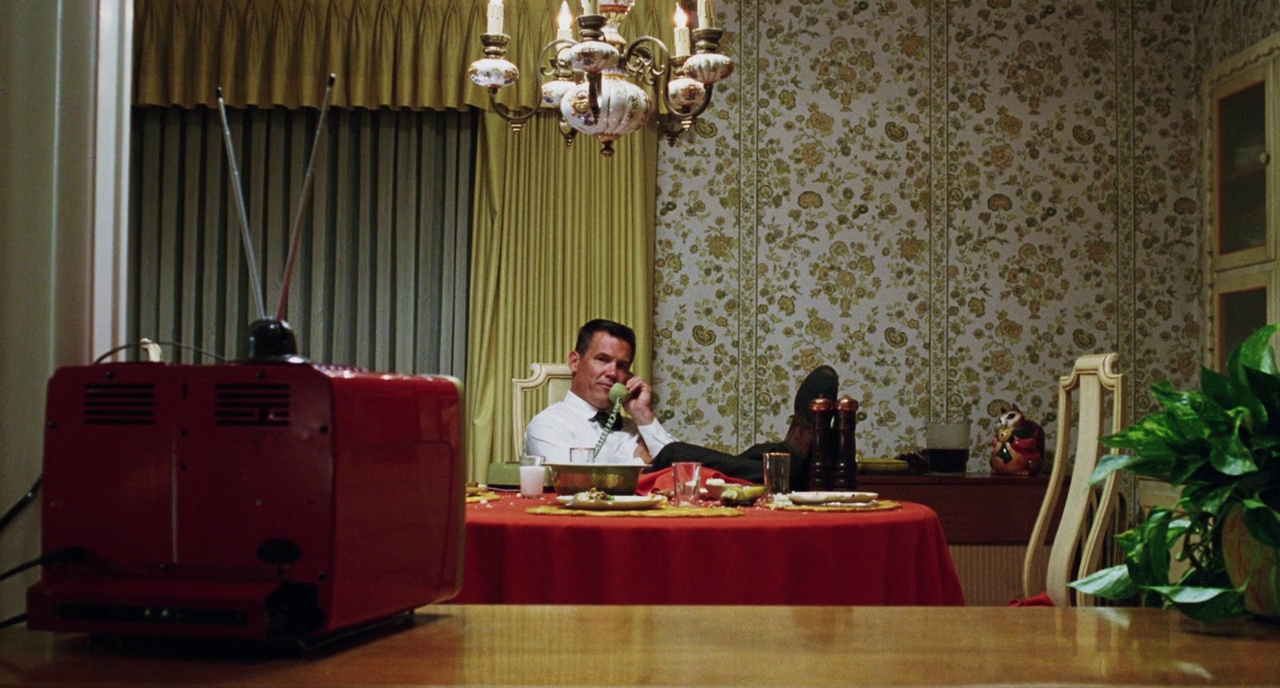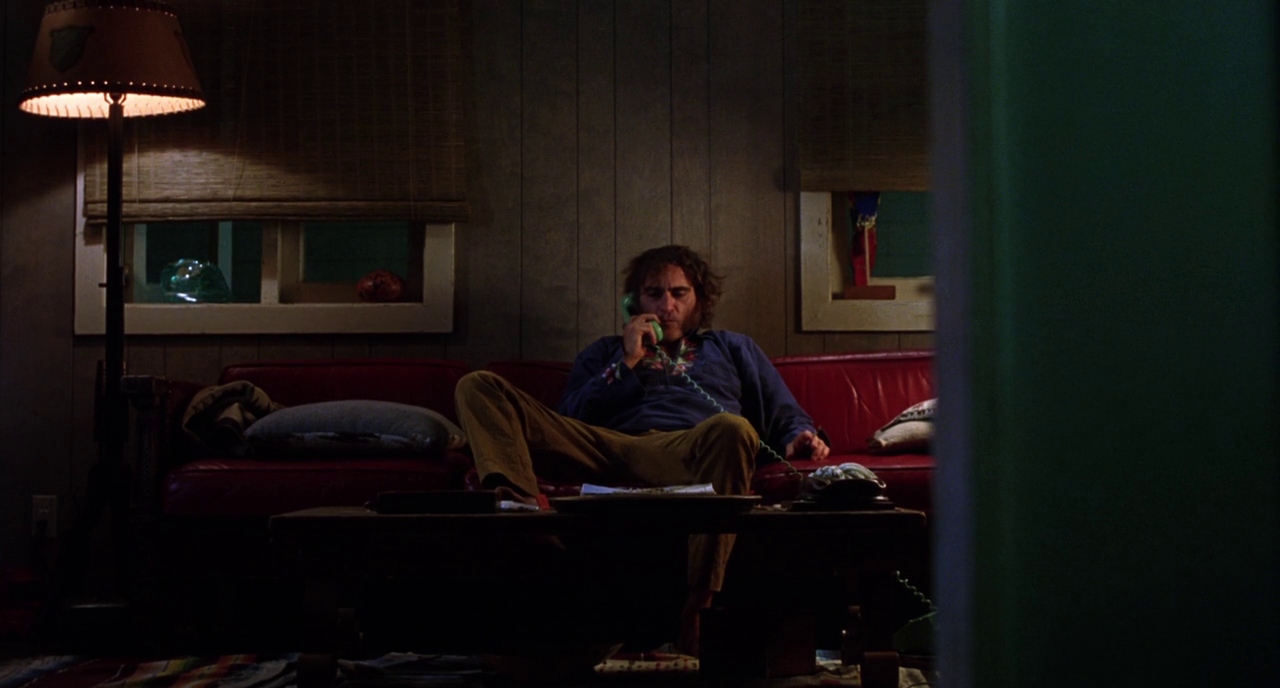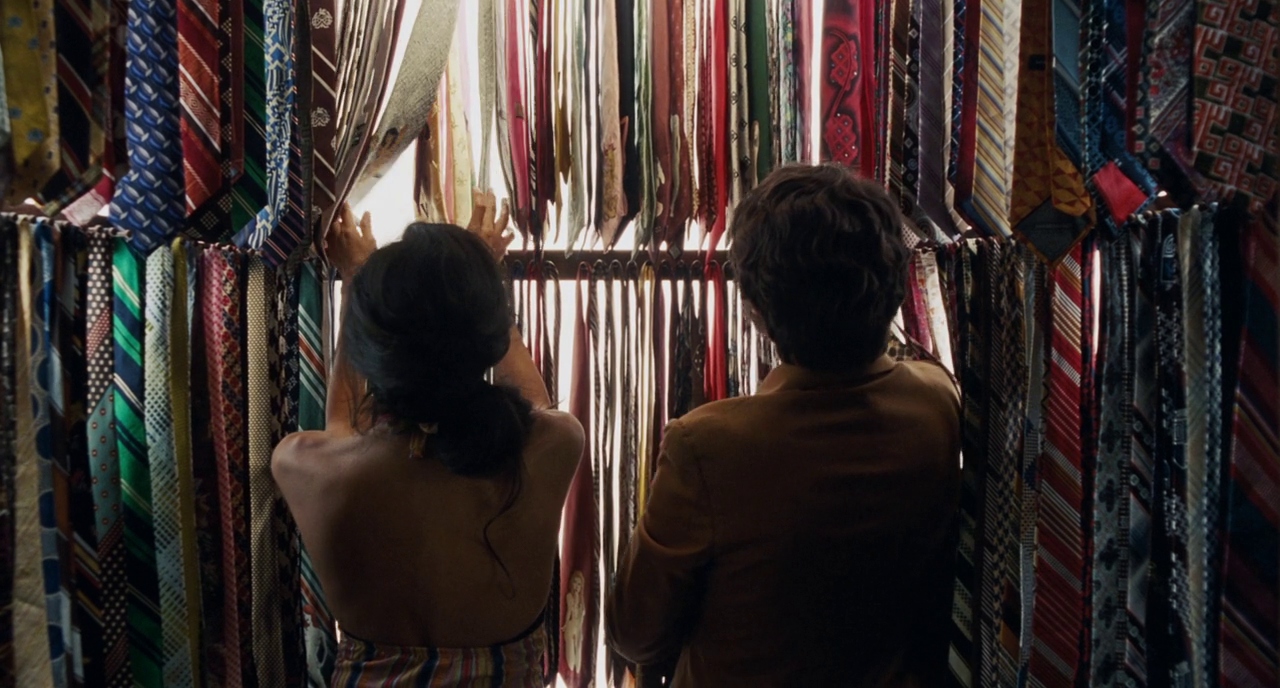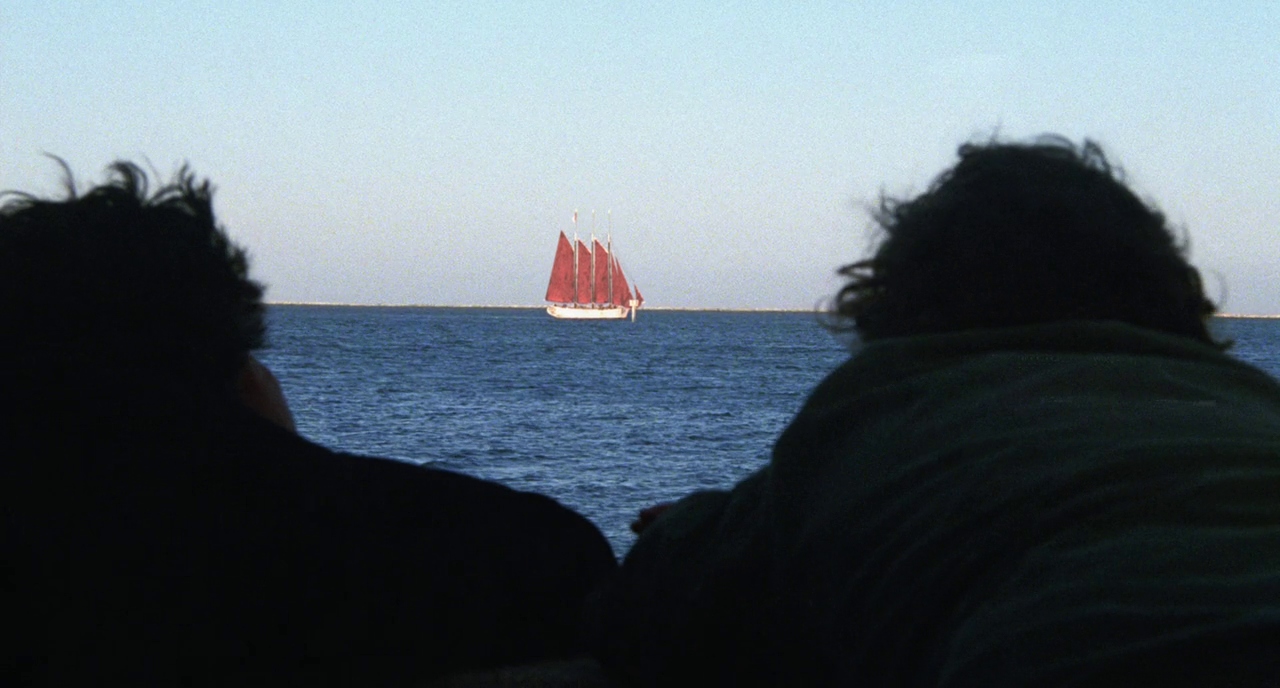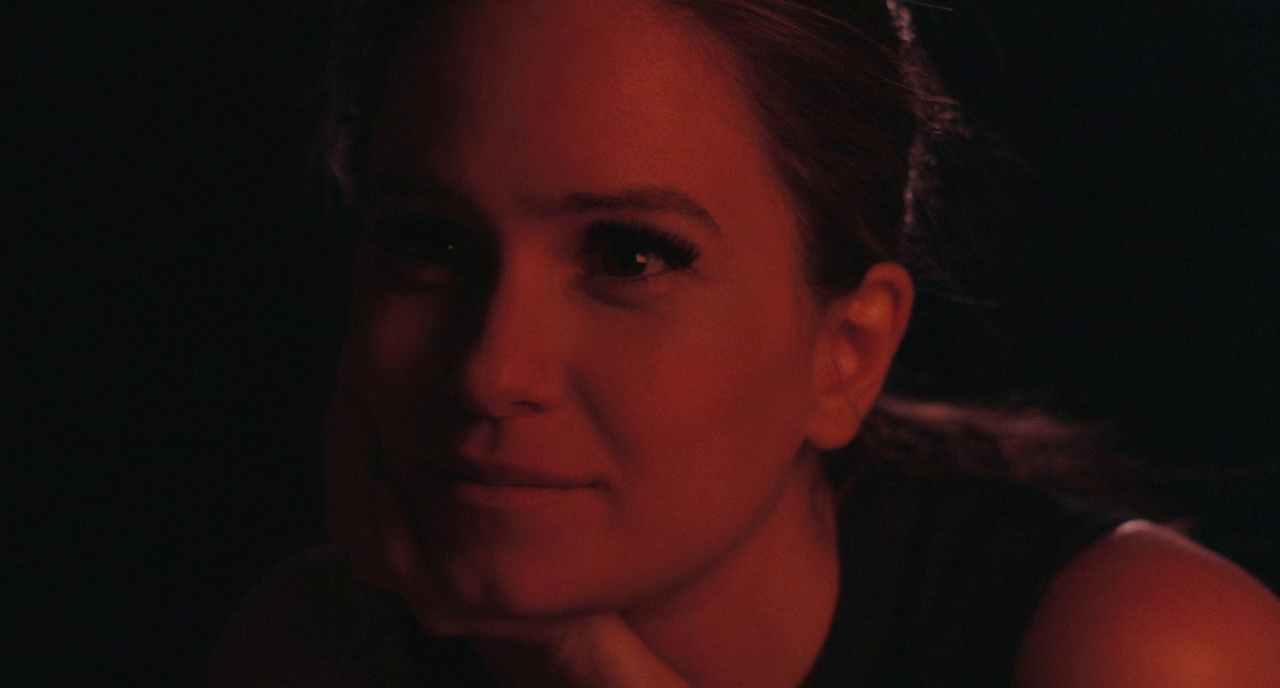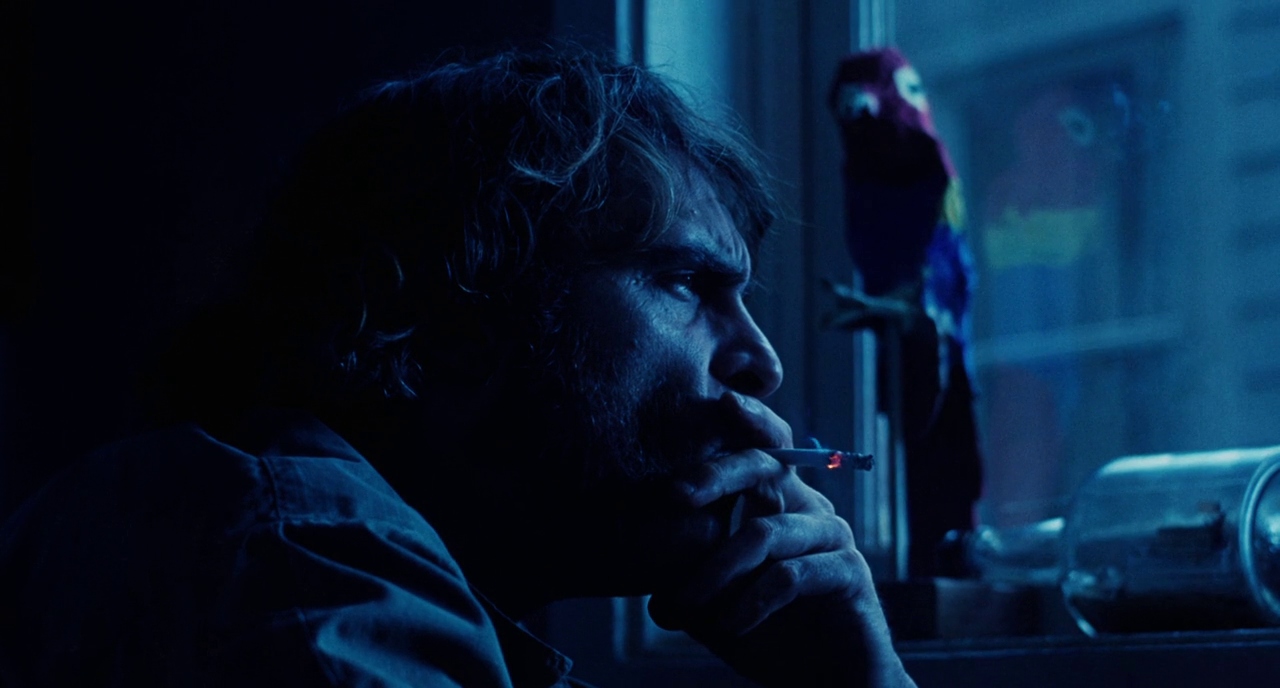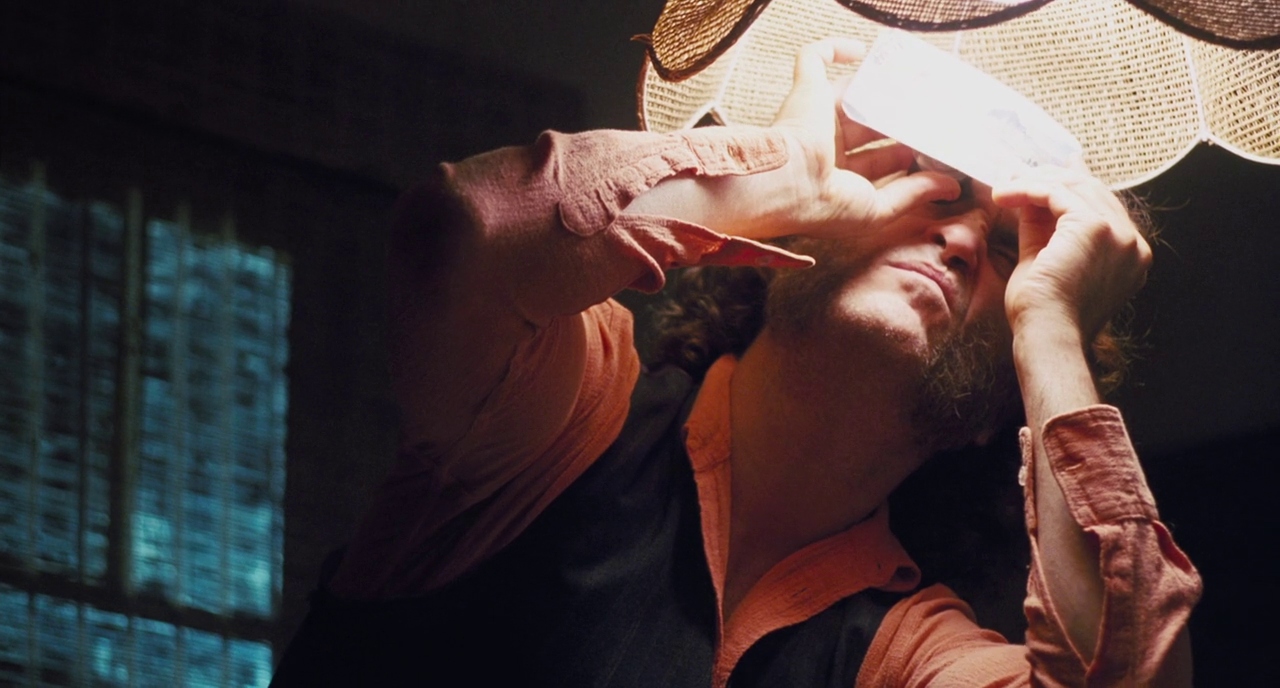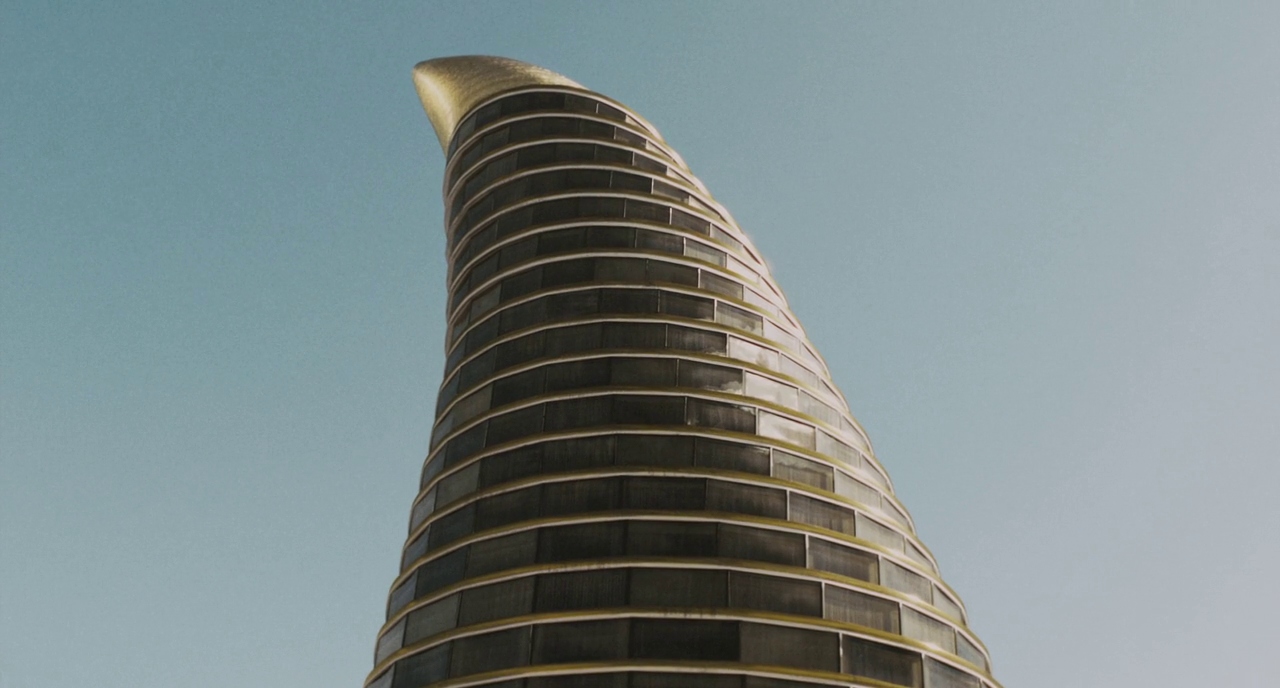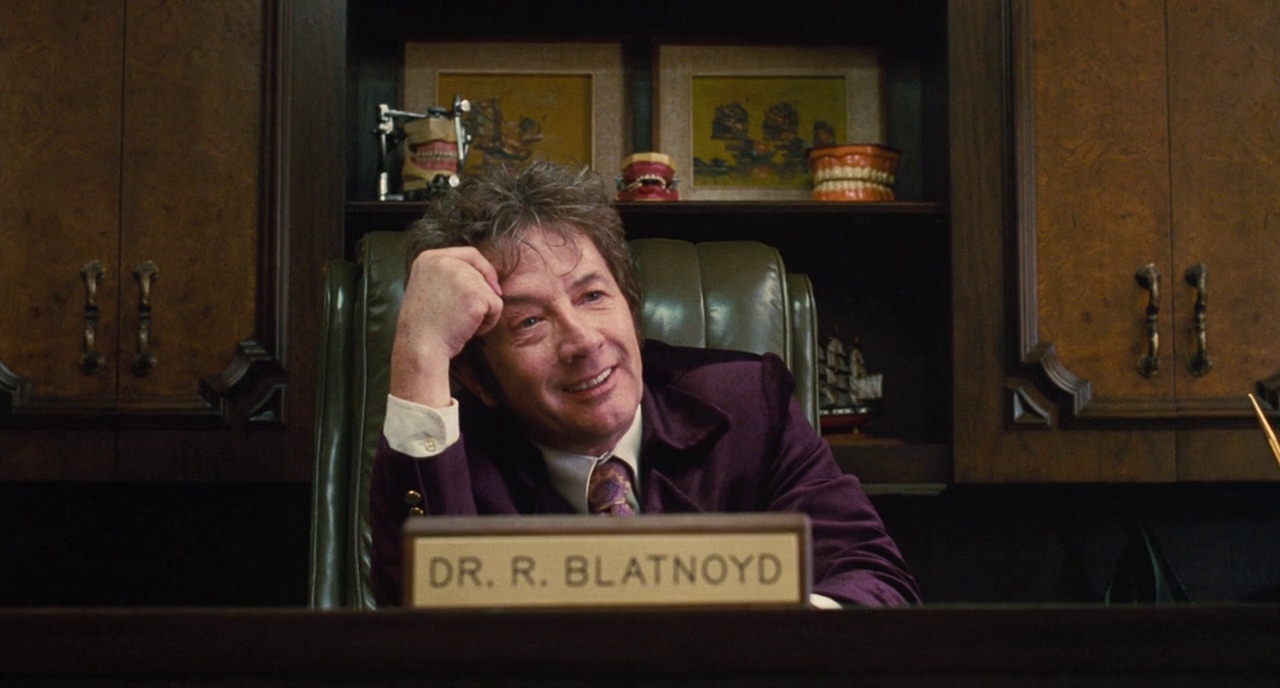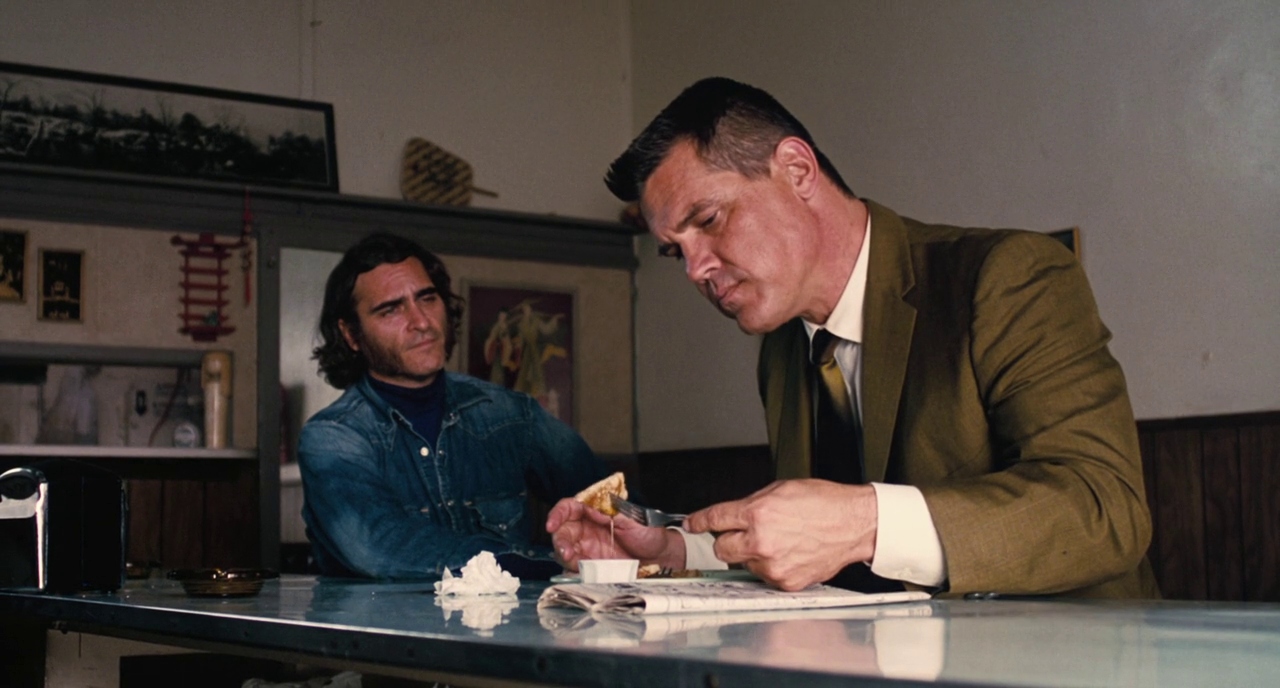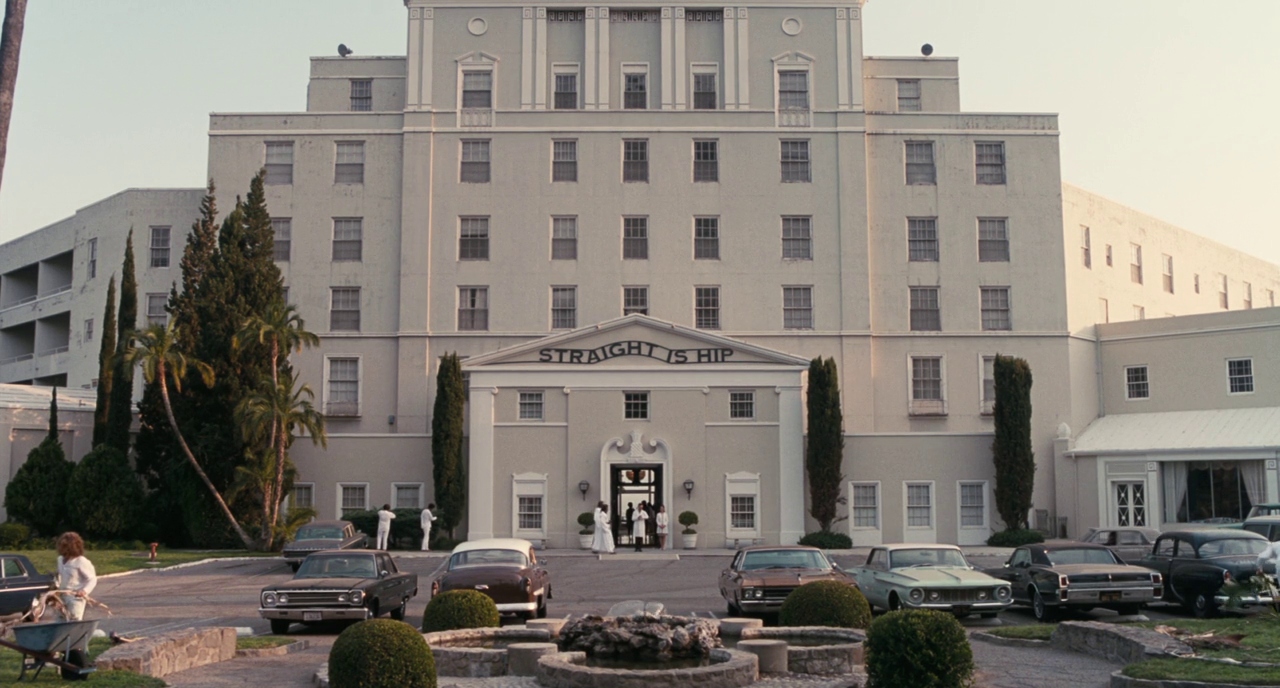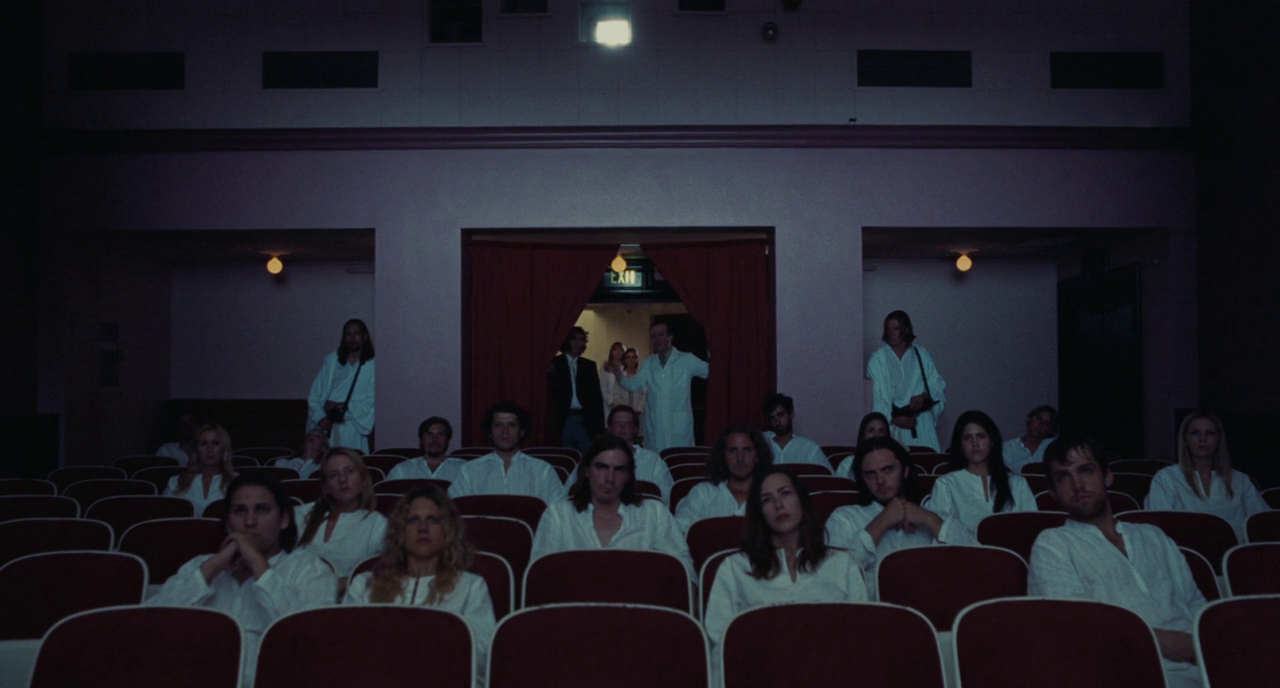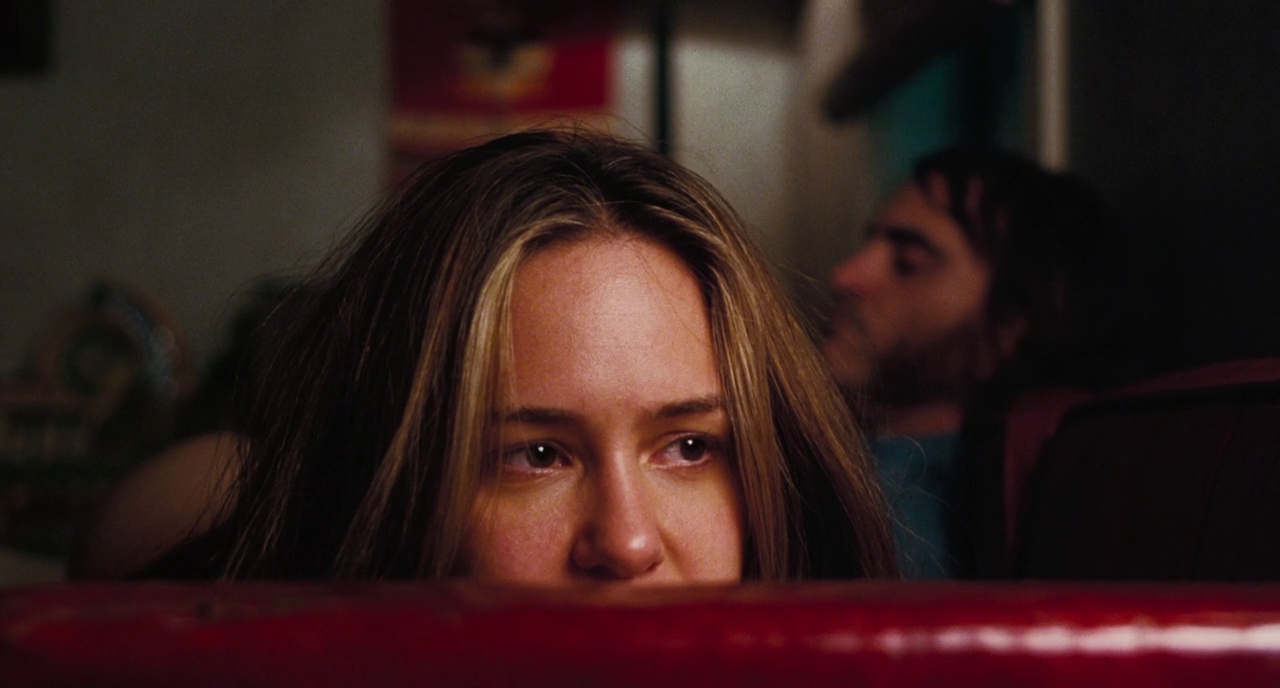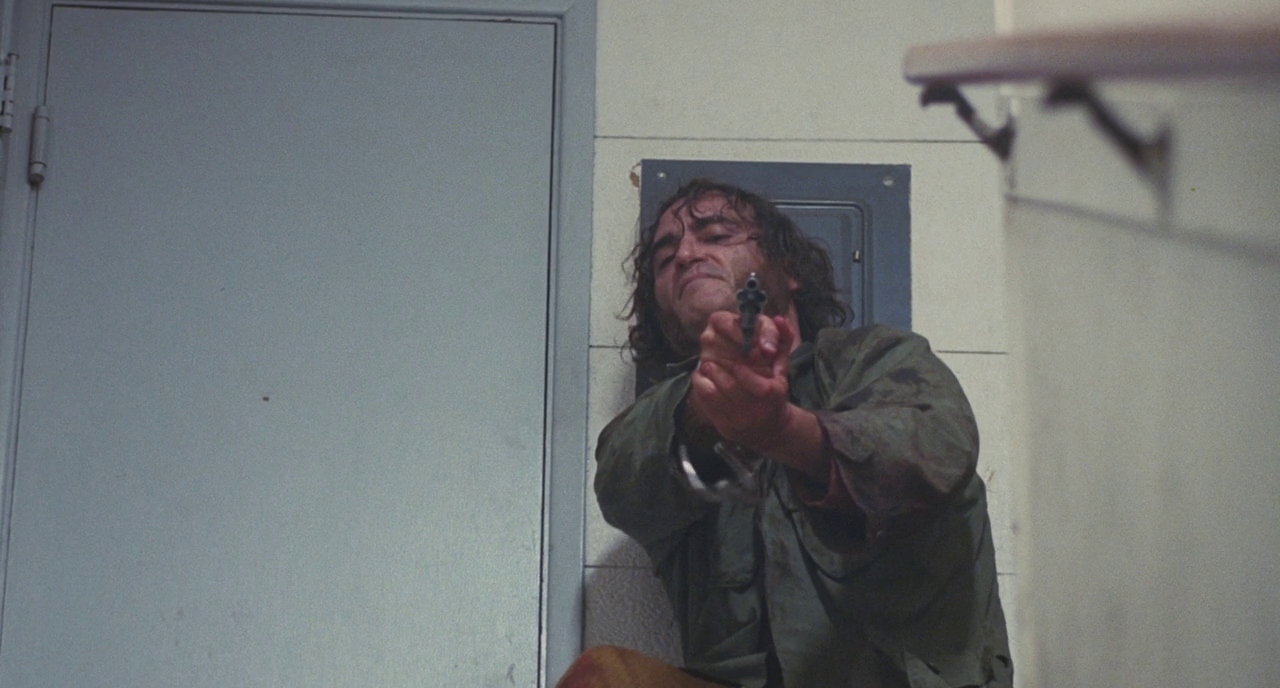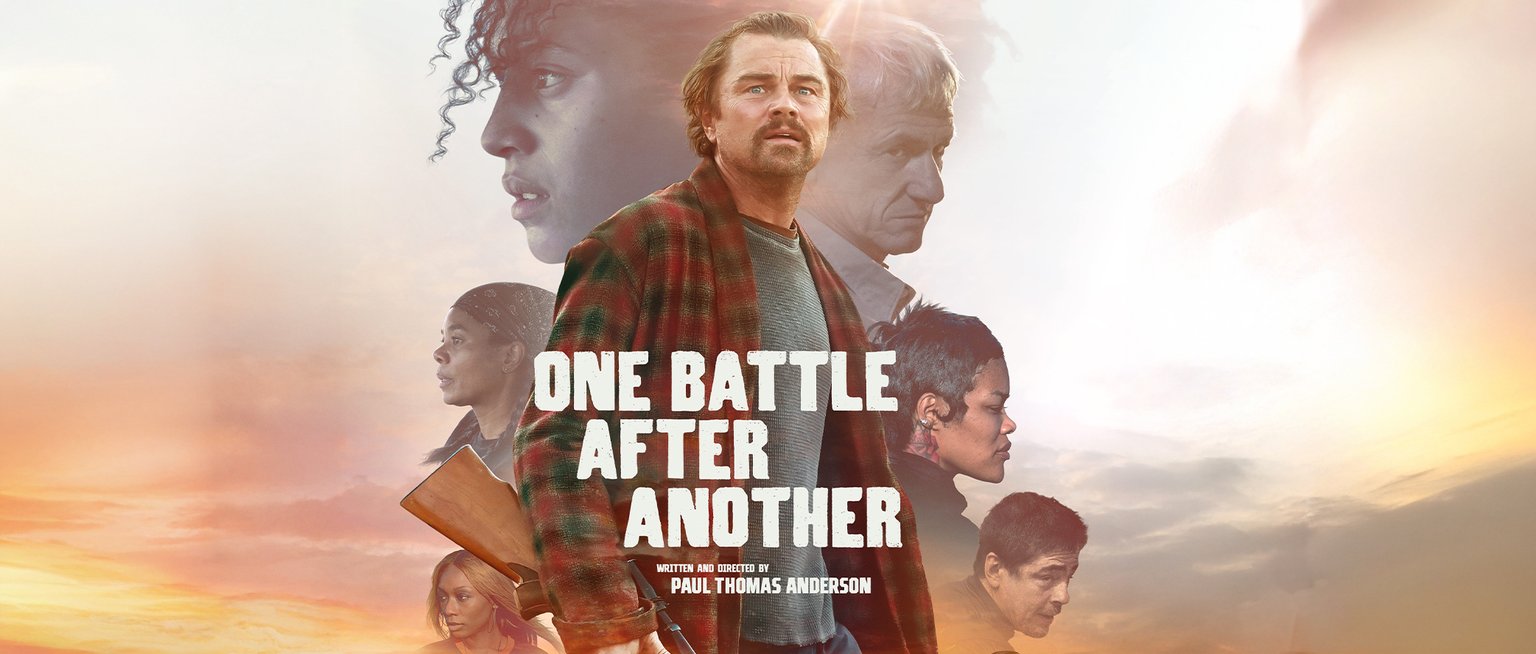
Paul Thomas Anderson’s One Battle After Another is a frenetic, vital reimagining of Thomas Pynchon’s Vineland

Paul Thomas Anderson’s One Battle After Another takes Thomas Pynchon’s 1990 novel Vineland and sets it ablaze, reshaping its abstract paranoia and fractured narrative into something both deliriously immediate and ominously timeless.

The bones of Pynchon’s original are still present: a family broken by state violence; a daughter growing up without a mother; a father caught between shame and reluctant resistance. In PTA’s feverish recasting of Vineland, Zoyd Wheeler becomes Bob Ferguson (Leonardo DiCaprio), a former “Rocket Man” revolutionary burning out the past in a haze of weed smoke. Frenesi Gates is reimagined as Perfidia Beverly Hills (Teyana Taylor), a revolutionary addicted to the sexual thrill of power. Prairie Wheeler morphs into Willa (Chase Infiniti — and like wow jeez that’s a Pynchonian name the young actress has there, isn’t it?). And villainous Brock Vond is warped into Colonel Lockjaw (Sean Penn), a grotesque embodiment of authoritarian menace. Timelines collapse into themselves, Reagan-era dread transposes into our own disturbed now. Vineland is set in 1984; in One Battle After Another, PTA shows that we’ve never really moved on from that dystopian year. PTA condenses Vineland’s sprawling flashbacks and absurd digressions into an action-forward narrative that’s far more linear yet equally dizzying. The result is enthralling.

The film’s plot might be distilled simply from its title. One Battle After Another follows the trajectory of most of Pynchon’s fiction: individual resistance to authoritarian evil. In PTA’s film, that resistance takes the form of the French 75, a loose clandestine revolutionary group to which Bob and his partner Perfidia once belonged. There’s really no retiring for French 75 agents though, and soon Willa is tangled in the same web her parents sought to sunder in their radical actions. Penn’s maniacal Colonel Lockjaw hunts her down. She’s on the run, and so is papa Bob.
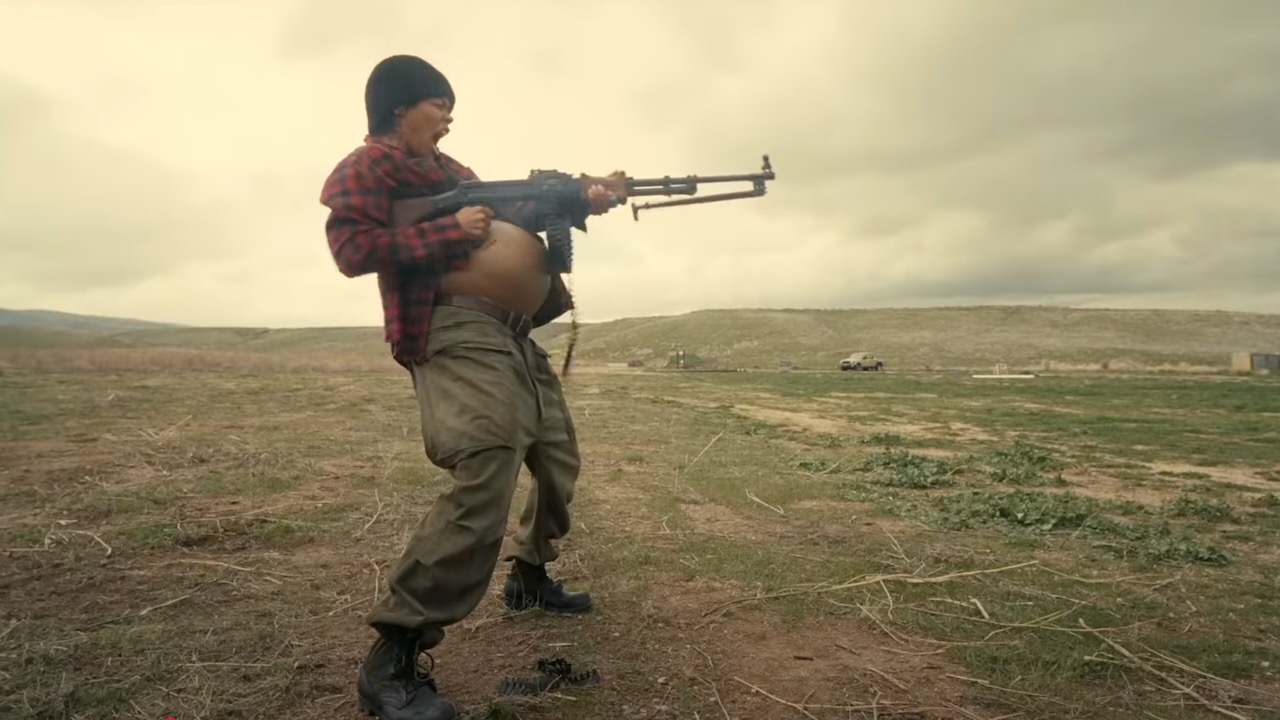
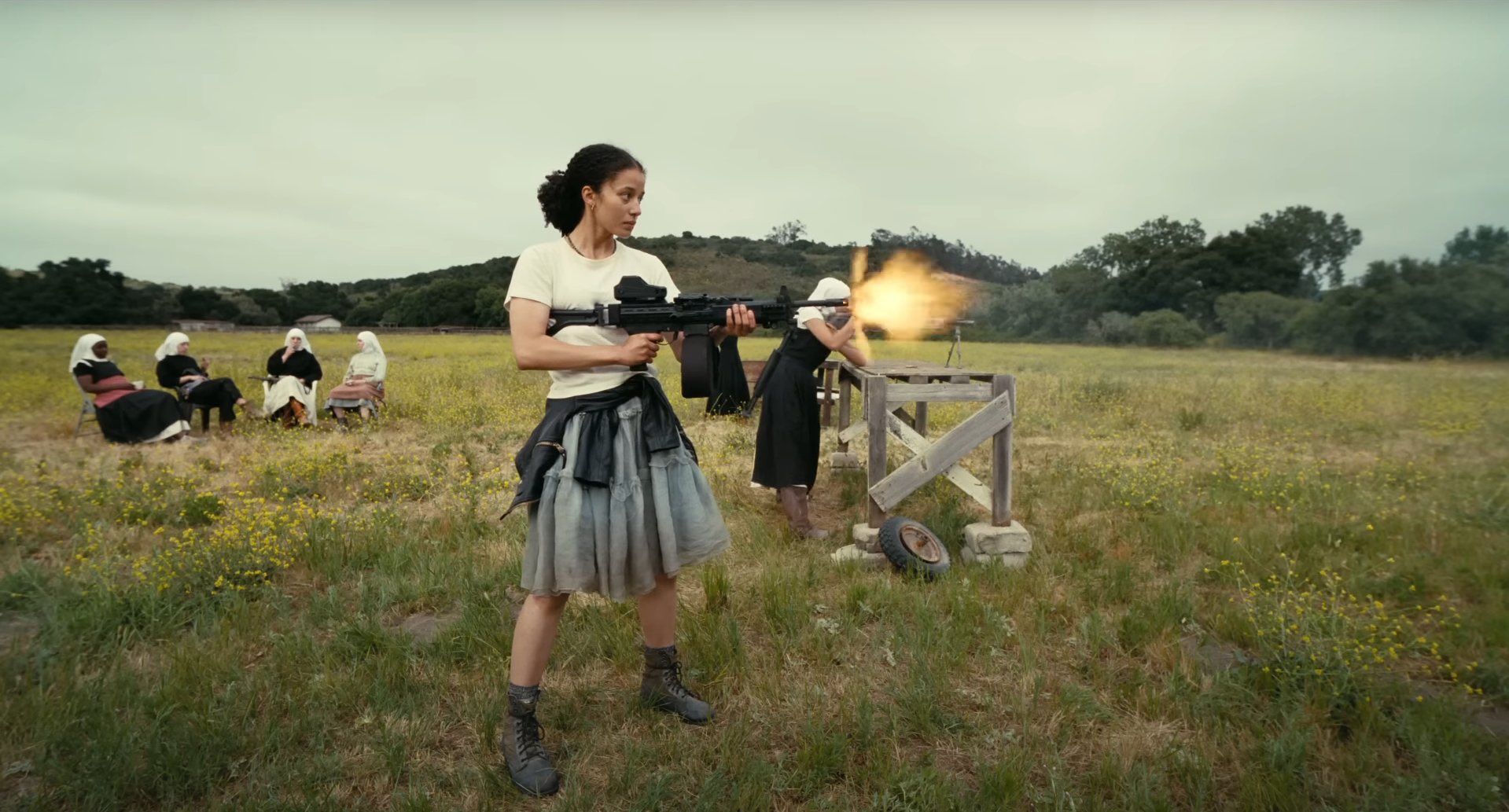
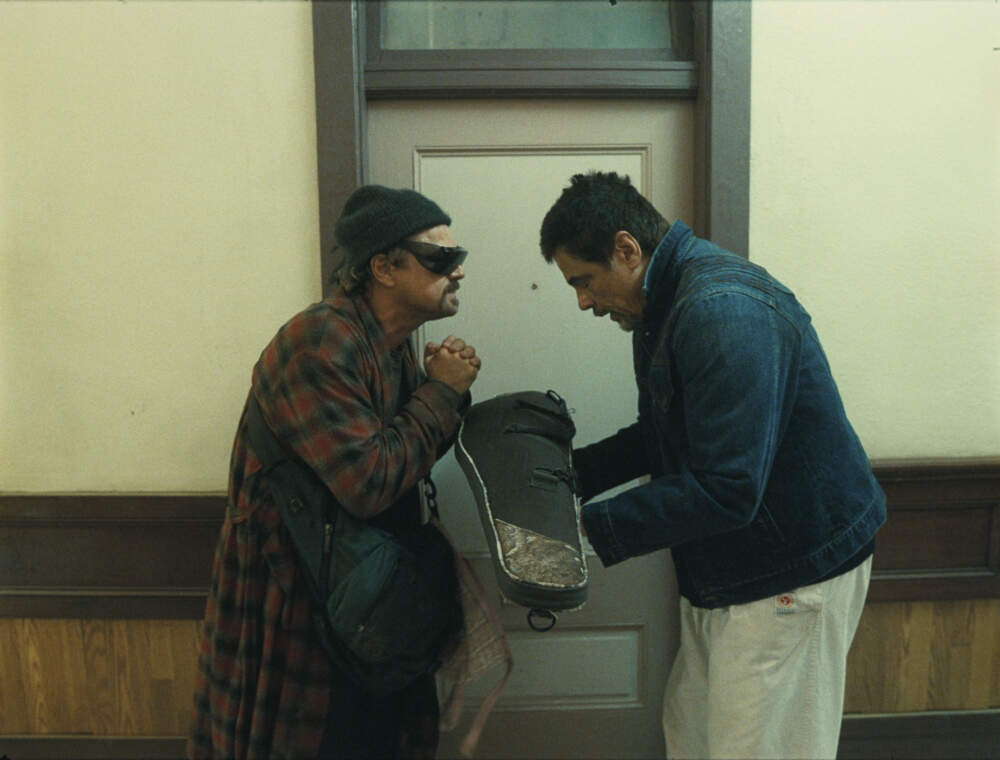
Pynchon’s novels frequently contrast Us vs Them systems — preterite vs. elect; misfits vs. authoritarians; freaks vs. the Man. And like Pynchon’s work, One Battle After Another shows the invisible overlapping and hierarchical confusions these Us/Them systems engender. The French 75’s sympathies directly correlate with the values of the immigrant community in Baktan Cross, the fictional sanctuary city Bob and Willa take refuge in. The de facto leader of these immigrants, Francisco (Benicio Del Toro), aids Bob in his fevered search for Willa. Francisco’s zen calm offers a counterbalance to Bob’s mania. Another Us group are the Sisters of the Brave Beaver (One Battle After another is crammed with Pynchonian vagina jokes), weed-growing nuns who offer Willa a brief safe harbor.
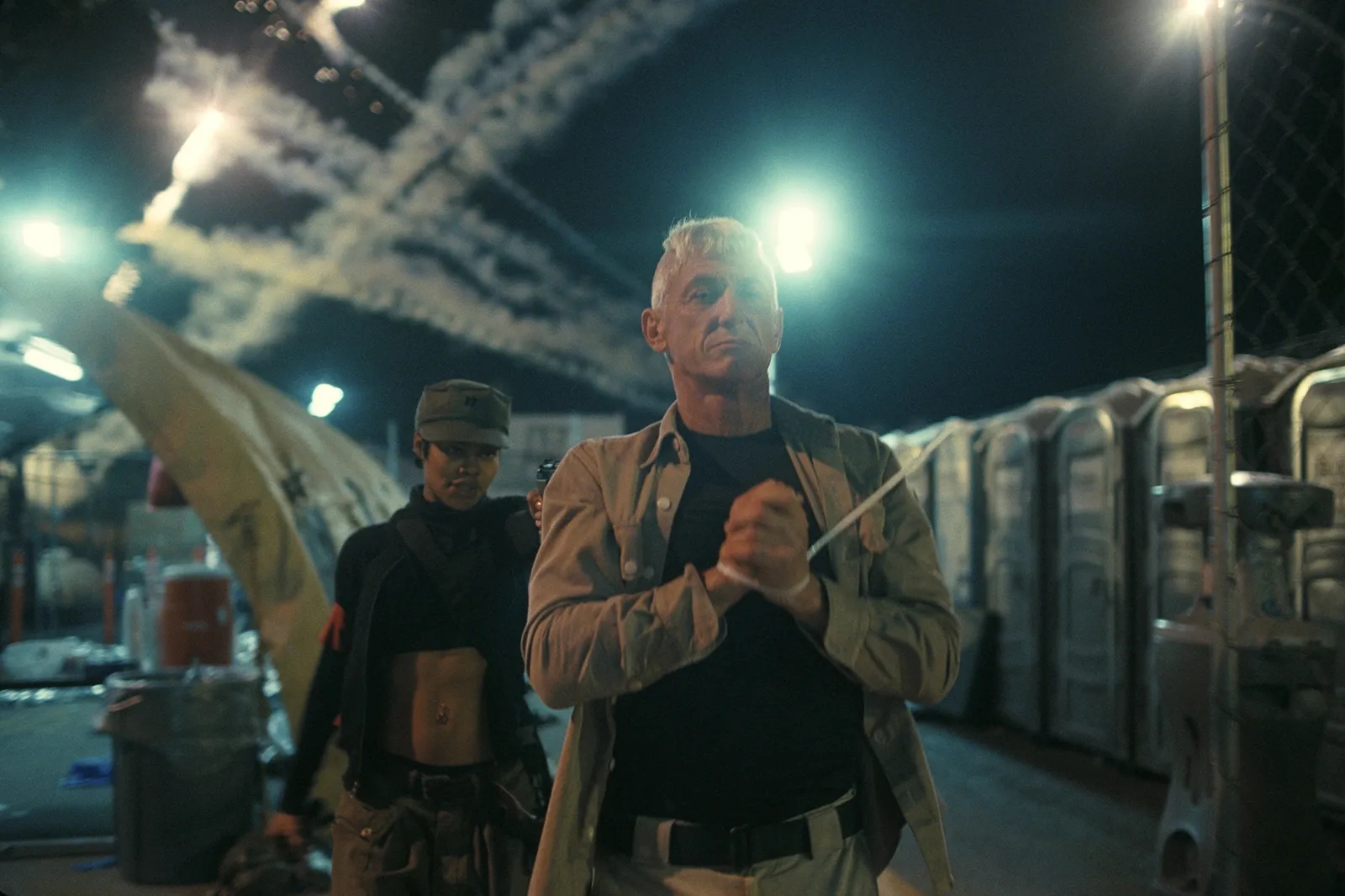
These disparate pockets of rebellion resist the tyranny of the modern racist capitalist system, embodied by Colonel Lockjaw and the military forces he commands (seemingly without any government oversight). We first meet Lockjaw running a migrant detention center — one of many timely PTA updates to Vineland — and his weird, forced, masochistic machismo plays out on the screen with a mix of menace and despair. For all his power and evil though, there’s yet another Them he isn’t part of. That would be the Christmas Adventurers Club, a shadowy cabal of elites on a racist mission to rid the world of “freaks.” Lockjaw would do quite literally anything to become a member of this club; his drive to to become even more Them propels the narrative while showing that Us-Them systems rely on hierarchies to perpetuate oppression.

One Battle After Another zigzags through a whirlwind of absurdity, suffocating paranoia, and frantic action. The film balances chaotic humor with a darker exploration of the emotional impulses that underlie power and attraction. Colonel Lockjaw’s obsessive fixation on Perfidia (arguably the film’s closest connection to Vineland) underscores the irrational power dynamics of obsession and control. PTA frames their relationship—along with Lockjaw’s obsession with Willa—as a twisted mirror reflecting the power imbalances that define both the personal and the political in Us-Them systems. PTA’s films have always explored systems of exploitation that grind people down and the outsiders who try to navigate them; One Battle After Another is, thus far, his most sustained, howling effort in this vein.
The film is gorgeous, too, as fans would expect from PTA. Michael Bauman’s cinematography conveys frenzied energy without sacrificing cohesion or clarity. There are several outstanding set pieces, including a beautiful sequence in which Bob does his best to keep up with a trio of skateboarders traversing rooftops at night, their figures silhouetted against the flames of a riot below. The film’s climactic three-car chase scene is particularly magnificent, its every twist and turn symbolizing not just physical pursuit, but deeper spirals of control, conflict, and paranoia. It made me physical ill. (That’s high praise.)

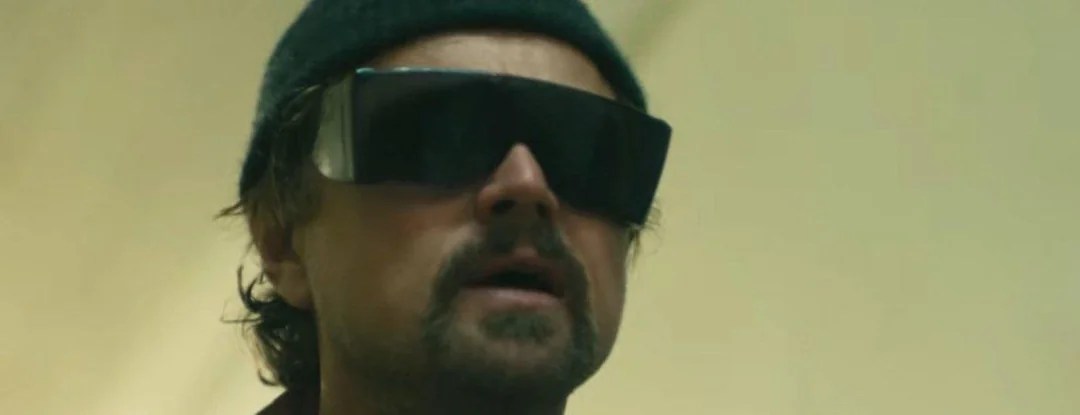
And while, yes, One Battle After Another is a bona fide action film, it’s still larded with strange little morsels that we’d expect from a PTA film — the image of Lockjaw licking his comb before taking it to his hair, his face contorted in anxious hope, or Bob, in his threadworn bathrobe, shoplifting a pair of cheap sunglasses. (Parenthetically, while the bathrobe is on my mind — Battle plays as a sinister inversion to The Big Lebowski. I will file the pair away for a future double feature.) One of the film’s funniest moments comes from Willa, who, despite being apparently subjugated by Lockjaw, nevertheless delivers the kind of crushing blow that can only come from a teen: “Why is your shirt so tight?” Indeed, Chase Infiniti’s portrayal of Willa is a revelation. In a movie crammed with paranoia and plot twists, she imbues in Willa a kind of moral force. She’s not an anchor exactly, because nothing is steady here. But maybe she’s the string you follow through the labyrinth.
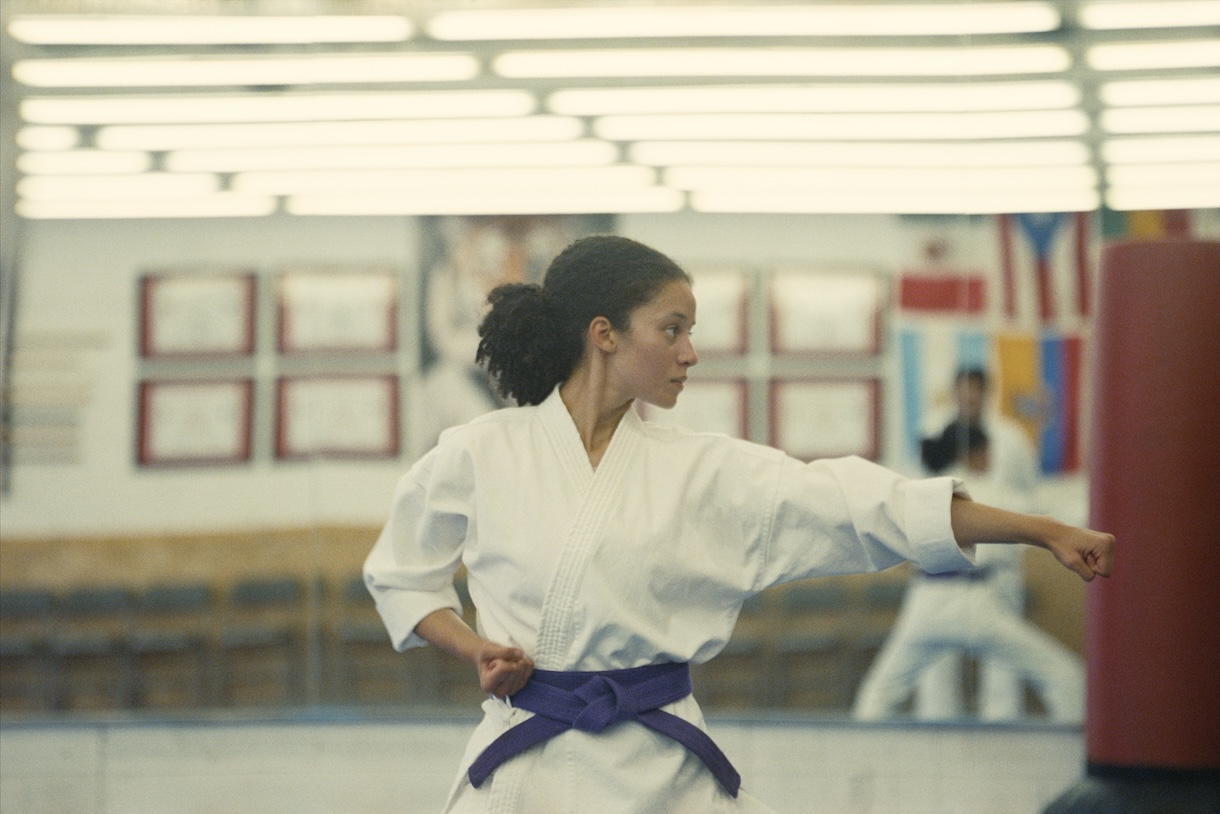
One Battle After Another is almost three hours long, but it never drags, thanks to the tight direction and enthralling plot. Long-time PTA collaborator Jonny Greenwood’s score also keeps the film moving at a quick pace. The score is ever-present — something that usually irritates me in a film — but here the music provides emotional cohesion. It’s also just really fucking pretty.  Frenetic drumming and altered pianos meet up with swelling strings that suggest sirens, banshees. Take “Mean Alley,” for example, which initially greets the ear as if the guitar is out of tune, but then coheres into beautiful dissonance. And although Greenwood’s wall-to-wall score leaves little room for the needle drops we might expect from a PTA joint, the film deploys Tom Petty’s “American Girl” in a moment of transcendent bliss that brought a tear to my eye.

Pynchon has always soundtracked his novels. Pynchonwiki gives close to 400 musical references for Vineland, but I don’t think any of these tracks ended up in One Battle After Another. My giving this data is a weak way of transitioning to the sentence, This is a film inspired by Vineland, not an adaptation of it. And while PTA captures the soul of the book, the vibe, or spirit, or whatever you like to call it, is decidedly different: darker, edgier, uglier. He captures the same strange humor and frustration of Vineland, but it’s amplified here with a chaotic energy that matches our current moment.
It’s also instructive to compare One Battle After Another to PTA’s earlier Pynchon adaptation, Inherent Vice. While Inherent Vice was a hazy sunsoaked journey through the disorienting aftereffects of the muddled sixties, One Battle After Another feels darker, more urgent, as if the timeline of history has compressed itself into an unyielding present. Both films deal with the fracturing of the American dream, but One Battle After Another does so with a sharper edge, drawing clearer political parallels. In some ways, PTA’s Inherent Vice is closer to Pynchon’s Vineland in tone and theme, less angular, more forgiving.

With both of his Pynchon films, PTA foregrounds a sweet final note, a belief in love as a sustaining force against Them. To borrow my favorite lines from Pynchon’s opus Gravity’s Rainbow: “They are in love. Fuck the war.” In his adaptation of Inherent Vice, PTA pulled a loose thread from the novel to neatly weave back into a prettier picture. He allows Doc Sportello to restore the heroin-addicted musician Coy to his family. One Battle offers a similarly fractured, imperfect restoration of family, a rewriting of rat-sins answered on the ghost of radio waves. He cleans up Pynchon’s messiness, but doesn’t sacrifice the deep danger that underwrites radical love.

One Battle After Another feels dangerously prescient, or, more accurately, a diagnosis of the big ugly now. In PTA’s Inherent Vice, there was an underlying fractured partnership between Us and Them; weirdo Doc Sportello tried to find some kind of brotherhood of man with The Man, Detective Bigfoot. No humanity can be extended to Lockjaw — not even from the club that will refuse him. They are unforgiving of any perceived impurity. The themes of mass surveillance, state violence, and detention resonate deeply in today’s climate. The recent death of Assata Shakur—possibly one inspiration for Perfidia Beverly Hills—adds a haunting layer to the film’s exploration of systemic oppression, the ways in which the state seeks to control and erase voices of resistance. The political urgency is palpable, and will undoubtedly alienate a large section of the genpop normies that Warner Brothers has heavily advertised the film to. Some folks will always root for Them.

But fuck Them. One Battle After Another is a triumph, a dizzying, chaotic masterpiece that never loses its grip on the present—one battle after another, all too real, all too important. See it on the biggest screen you can.
More New Cult Canon

(Context, entries 1-8)

(9-14)

15. Battle Royale, Kinji Fukasaku (2000)

I actually rewatched Battle Royale just the other week. In retrospect, it’s difficult to assess the film against the influence it’s had, especially on video games. In his 2008 New Cult Canon entry, Scott Tobias described the film as “Lord Of The Flies meets The Most Dangerous Game meets perhaps the cruelest year of teenage life.” I think what many of us remember about Battle Royale is first the concept, so widely imitated, and then the violence—but it’s actually a gentler film, with hints of Rebel without a Cause (Nicholas Ray, 1955). It’s also kinda goofy and disjointed.

6/10

Alternate: I don’t think they’re widely available as legal streams, but you could track down Kinji Fukasaku’s early 1970’s crime films, the Battles without Honor or Humanity series.

Alternate alternate: 10 minutes of Friedkin on Fukasaku:

16. Dead Man, Jim Jarmusch (1995)

A perfect film, one that seems better every time I see it. Gary Farmington is amazing as William Blake’s spiritual guide (“Stupid fucking white man” is a sublime line reading), and Jarmusch has a loaded bench to bounce pretty boy Depp off of (Iggy Pop is particularly scary, but Robert Mitchum seems an embodiment of evil from a truly different time—magnificent).

10/10

Alternate: El Topo, Alejandro Jodorowsky (1970)

17. Wet Hot American Summer, David Wain (2001)

I have no idea if Wet Hot American Summer holds up well—I think I was always part of its intended audience, part of the tail end of the “Reagan-era latchkey kids who grew up watching” the kind of films Wain’s movie is—satirizing?—on television. I watched Wet Hot American Summer approximately 100 times in 2003; it was one of a handful of DVDs on repeat at my best friend’s childhood house, where my unemployed unstructured ass spent a few nights a week crashing. His folks were in the beginning of a (permanent) separation, and the house seemed to have been ceded to a loose configuration of a dozen or so of us. We’d drink tallboys on the beach, stumble in, and fall asleep to The Royal Tenenbaums (Wes Anderson, 2001) or Reign of Fire (Rob Bowman, 2002) or Human Nature (Michel Gondry, 2001) or Wet Hot American Summer. There were probably others, but those are the ones I remember.
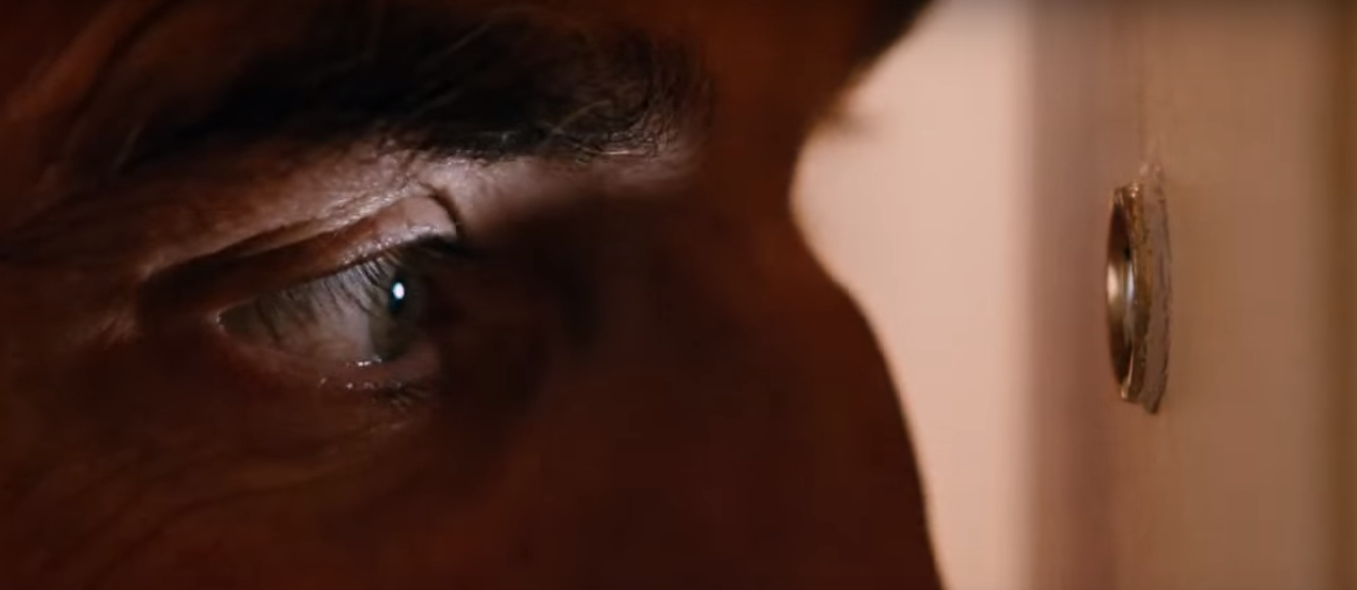
10/10

Alternate: Porky’s, Roy Clark (1981)

18. The Boondock Saints, Troy Duffy (1999)

The Boondock Saints is a truly awful film. It is relentlessly stupid and when it is funny, it is funny by accident—except when Willem Dafoe’s charm takes over one of the scenes he’s chewing up. The viewer can almost sense Dafoe rewriting Duffy’s sketchy, shoddy, nonsensical script in real time. For all its retrograde bluster (and poor filmmaking), The Boondock Saints actually has a viewpoint.

3/10

Alternate: Payback, Brian Helgeland (1999)

19. Punch-Drunk Love, Paul Thomas Anderson (2002)

Another perfect film. In his original New Cult Canon, Tobias suggested that,

Punch-Drunk Love marked the moment when Anderson threw away the stylistic
crutches of forbears like Martin Scorsese and Robert Altman, and came into his
own as an original filmmaker. That doesn’t mean he’s discarded these and other
influences altogether, which isn’t something he could or would want to do. But Punch-Drunk
Love
has a unique texture that’s unmistakably Anderson’s, marked by a wired, coked-up
intensity and a yen for discord. It’s a film that sets viewers on edge from the
start, almost daring you not to like it.

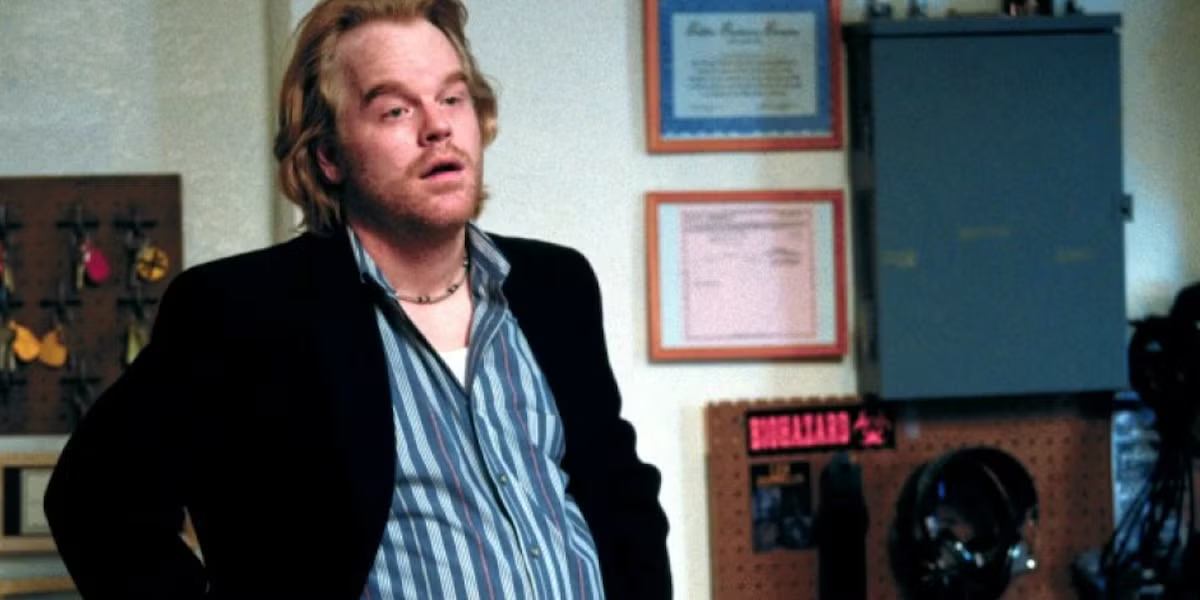
Philip Seymour Hoffman might have stolen the film from Sandler, had he been in it more than the few minutes he’s actually on screen (he’s looming larger in our memory, as always).

10/10

Alternate: Popeye, Robert Altman (1980)

20. Wild Things, John McNaughton (1998)

This is another film that I watched because Tobias wrote about it. I had actually seen McNaughton’s film Henry: Portrait of a Serial Killer entirely by mistake at a “party”; this probably happened around the same time that Wild Things released to theaters. But I never would have connected the two. I thought Wild Things was a different kind of trash than the trash it actually is. Tobias’s write-up makes an argument for Wild Things as high camp, a film told entirely within a set of quotation marks. I think he’s a bit too generous in his admiration for McNaughton’s film, but I ultimately enjoyed it.

6/10

Alternate: Bad Lieutenant: Port of Call New Orleans, Werner Herzog (2009)

Paul Thomas Anderson talks Licorice Pizza, other stuff

Paul Thomas Anderson is interviewed in Variety about his new film, Licorice Pizza.

From the interview, on what inspired Licorice Pizza:

A very long time ago I was walking around my neighborhood, and I passed Portola Middle School. It was picture day, and I saw this very energetic teenager flirting with the girl who was taking pictures. It was an instantly good premise. What happens if you have a kid invite an older woman to dinner, and what if that girl against her better judgment says yes? That seemed ripe for humor. That didn’t go anywhere, but then I had a friend who grew up in the San Fernando Valley. He was a child actor who got involved in the waterbed business. And he told me all these stories, and each one was more wonderful than the last. Like there was this time he’d appeared in the movie “Yours, Mine and Ours” with Lucille Ball, and he was on his way to New York for a publicity tour and needed a chaperone. He ended up hiring a burlesque dancer who lived in his neighborhood to take him. And Lucille Ball was on her second marriage to Gary Morton, and she used to scream “Gary!” all the time. That was my friend’s name, so he’d think, ‘Holy shit, she’s yelling at me.” But she was screaming at her husband.

Watch the trailer for Licorice Pizza, Paul Thomas Anderson’s latest film


Licorice Pizza will be in theaters around Thanksgiving.

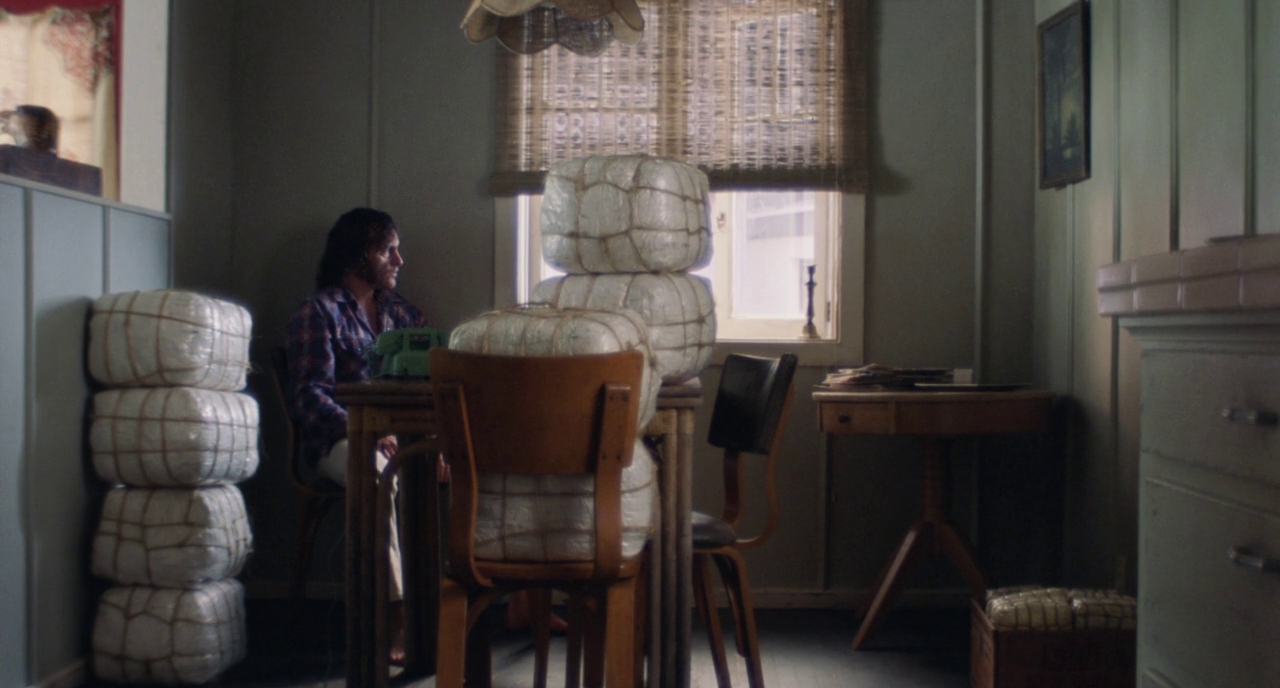
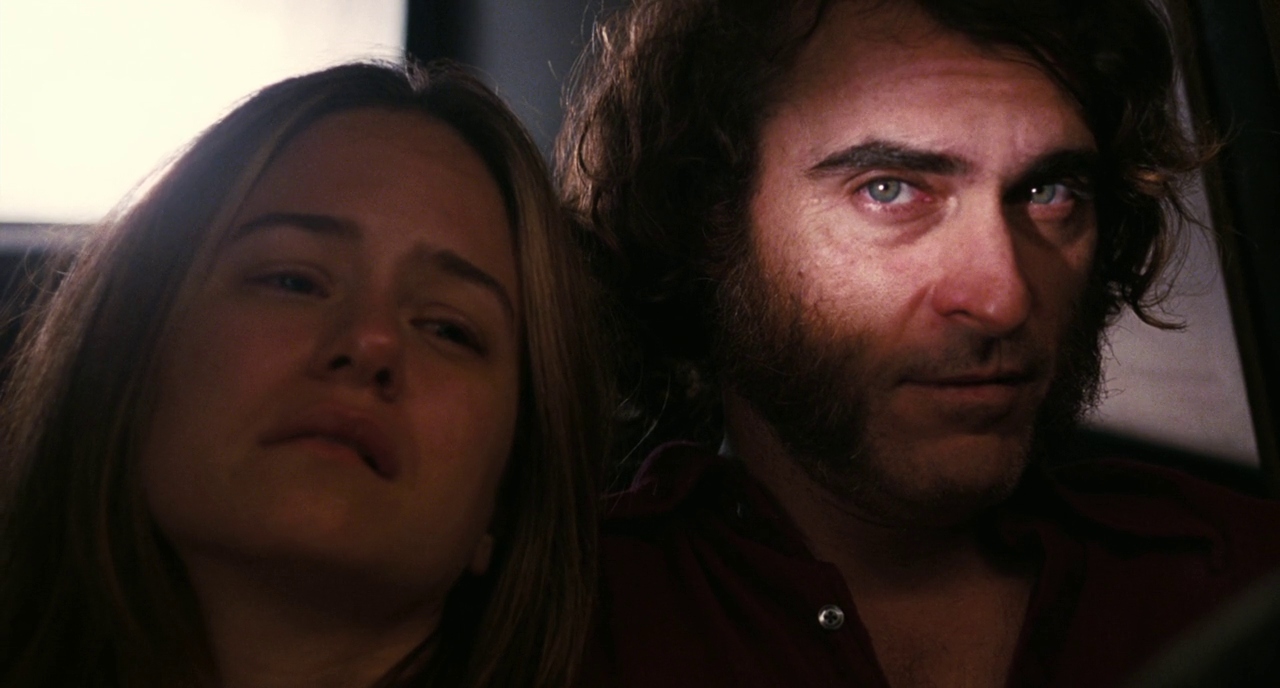
29 still frames from Paul Thomas Anderson’s Inherent Vice

01 (498)03 (497)04 (498)07 (498)11 (508)12 (508)14 (508)16 (508)17 (508)19 (508)22 (508)27 (508)29 (507)30 (507)32 (506)34 (506)36 (505)40 (505)42 (501)45 (496)46 (494)47 (488)48 (488)49 (487)50 (483)55 (467)60 (447)61 (432)65 (337)

From Inherent Vice, 2014. Directed by Paul Thomas Anderson with cinematography by Robert Elsit. Via Film Grab.

Three potential starting points for reading Thomas Pynchon

image1

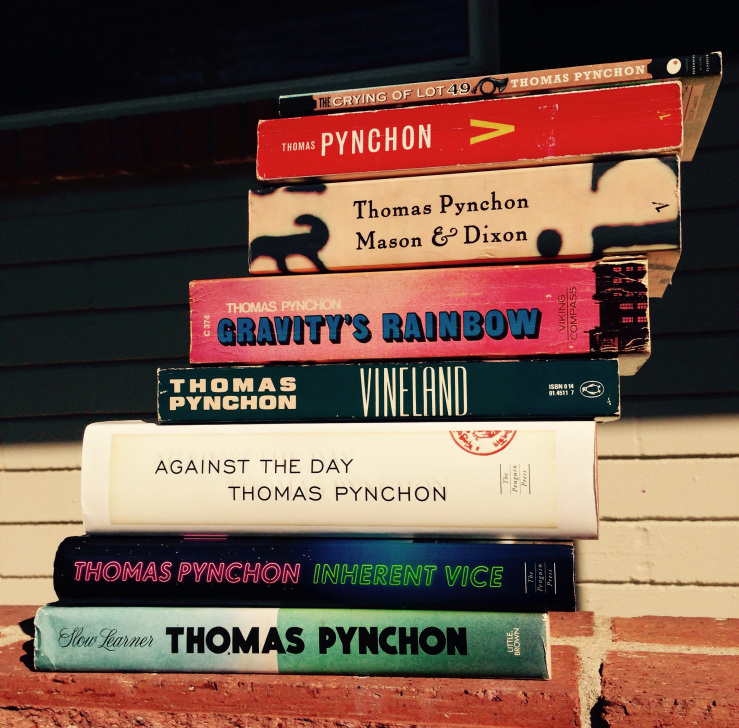
Today is Pynchon in Public Day, so here are three books that I think may make good entry points for those interested in, but perhaps unnecessarily daunted by, Thomas Pynchon. My intuition is that many readers’ first experiences reading Pynchon may have been like mine: I read The Crying of Lot 49 as a college assignment, found it bewildering and baffling, and despite understanding almost none of it, I then attempted Gravity’s Rainbow (the key word is attempted (failed will also do in a pinch)).

Many readers start with The Crying of Lot 49 because it’s short. While I like the novel (I wrote about it here), it’s also extraordinarily dense, a box so crammed with jokes and japes that some fail to spring out at full force. Lot 49 is a much better reading experience after you’ve read more of Pynchon.

Lots of readers new to Pynchon plunge into Gravity’s Rainbow, probably because it’s famous. I love love love Gravity’s Rainbow, but along with Mason & Dixon (which may be my favorite Pynchon novel), I do not think it is a good starting place for Pynchon. Gravity’s Rainbow is a rich, ringing vortex, a seven-hundred-and-something pager that almost necessitates that its reader immediately reread it. Gravity’s Rainbow is a very funny and very tragic book, and I think it is the work of genius that its reputation suggests—but it’s also one of the few books I can think of that get put on lists of Big Difficult Novels that is, actually, Difficult.

So here are my suggestions for starting places for Pynchon.

img_2195

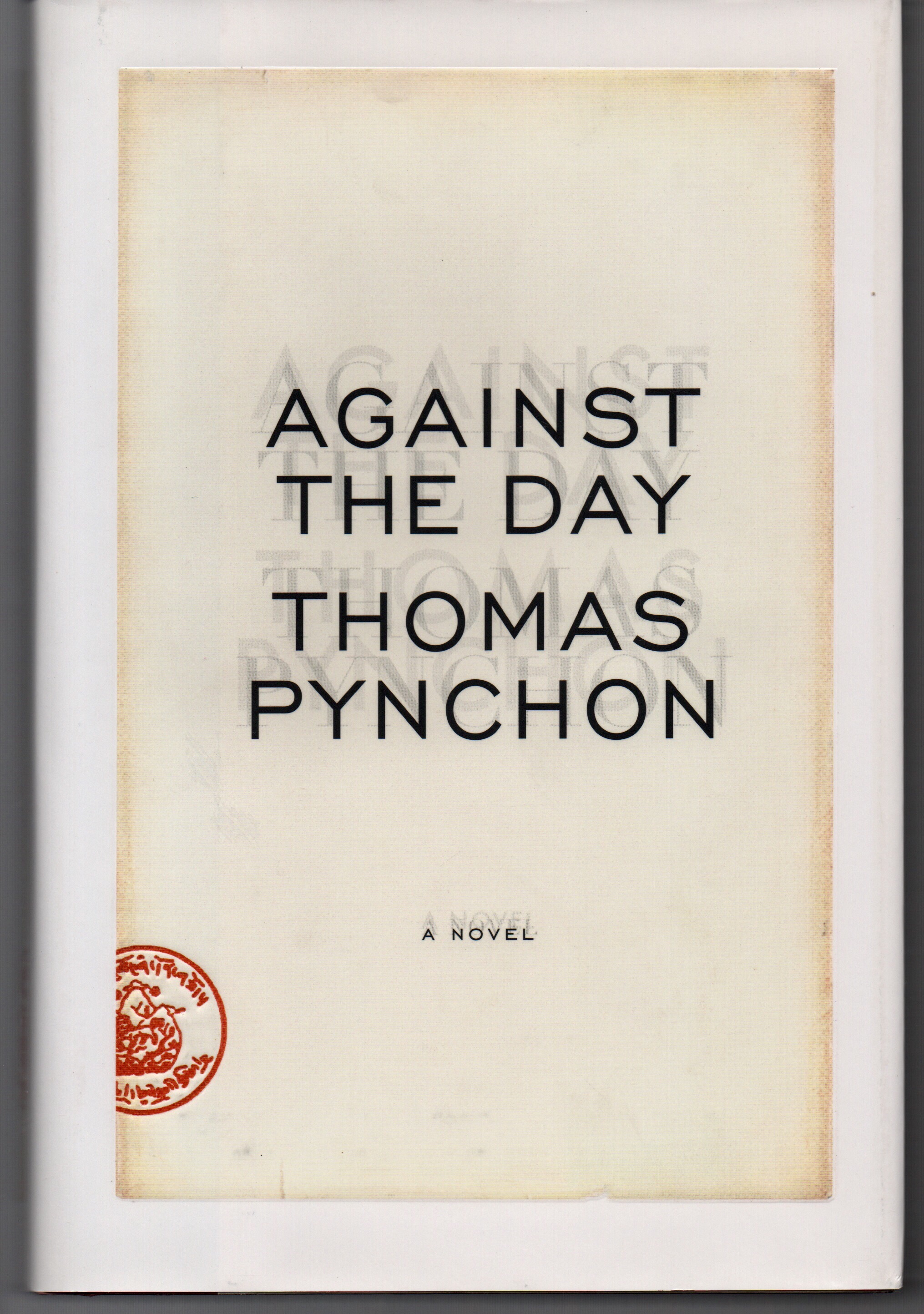
Against the Day, 2006.

Okay. So maybe you’re saying, Waitisn’t that one, like, really long? Reader, you’re correct. At 1,085 pages Against the Day is Pynchon’s longest novel to date. But it’s also one of his most accessible, and, most importantly, it offers a condensation of Pynchon’s Big Ideas and Big Themes. (I wrote a list of 101 possible descriptors for Against the Day, if you’re interested in a short take; I also riffed on the book at some length in a series of posts).

img_2194

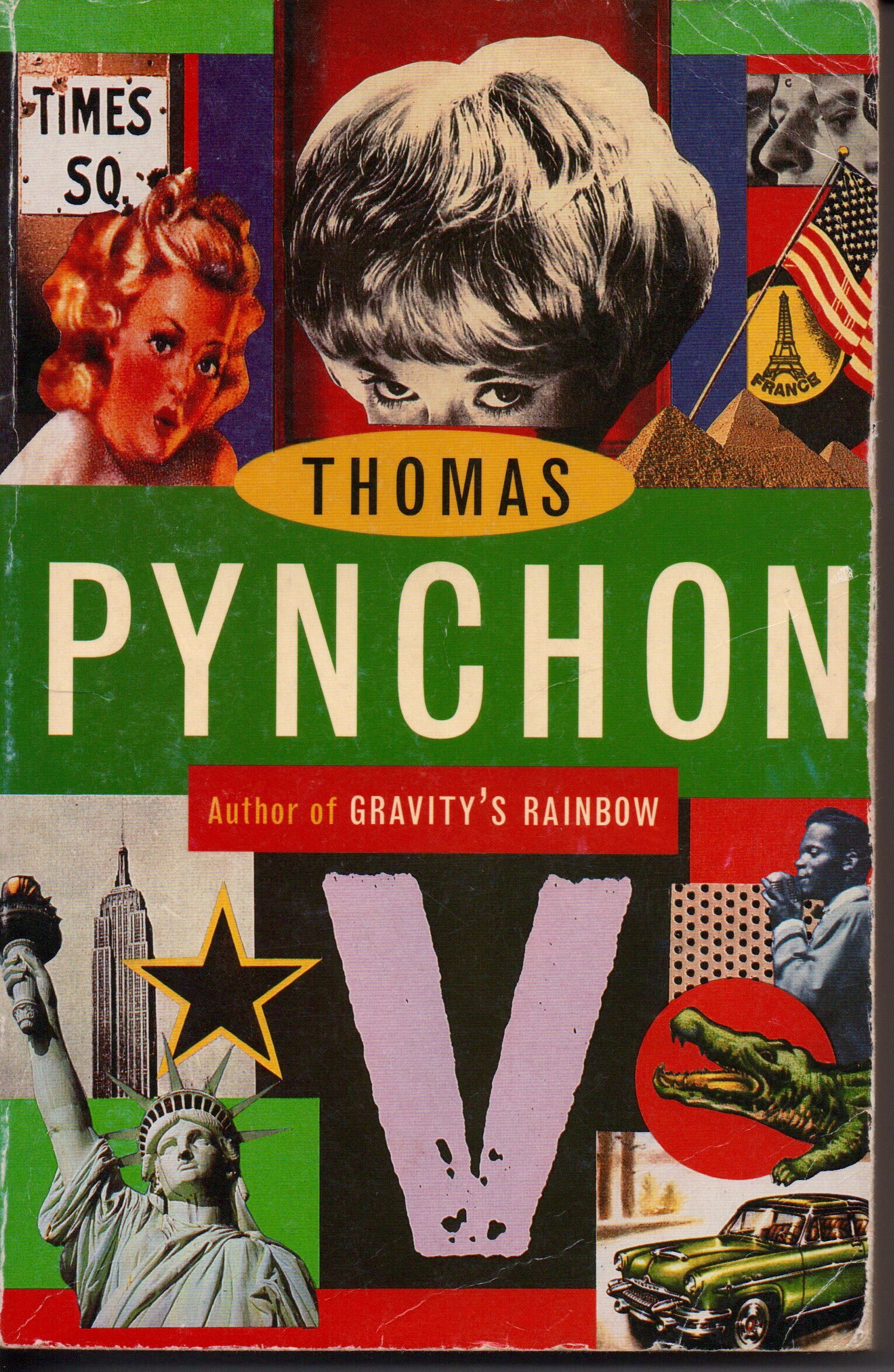
V., 1963.

V. is Thomas Pynchon’s first novel. It’s also the first Pynchon novel I read and loved and (possibly) understood. Like Against the DayV. lays out many of the themes and styles (and even a character or two) that appear elsewhere Pynchon’s oeuvre. In a loose sense, V. feels like a dress rehearsal for Gravity’s Rainbow. Oh, it’s also pretty discursive—in fact, you can read chunks of it almost as short stories. In fact, here’s a good way to break into Pynchon: Get V., and read Ch. 9–it stands on its own as a long short story, the tale of Kurt Mondaugen—and colonialism, siege paranoia, dark dread, etc.

img_2197

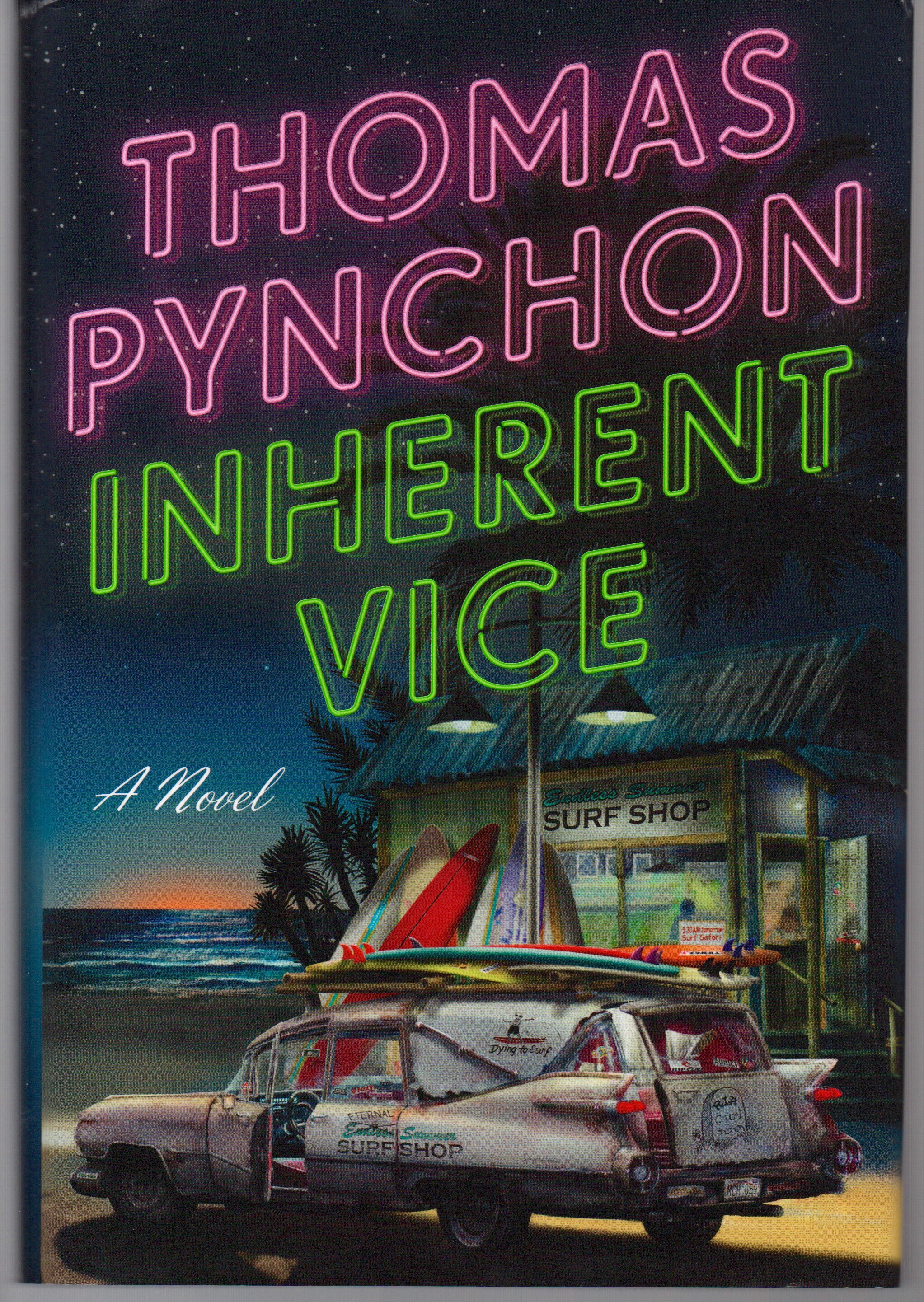
Inherent Vice, 2009.

I’ve heard Inherent Vice dismissed as “Pynchon lite,” which may be true—I’ve read the book twice now and if its shaggy threads connect, I can’t see it (unlike, say, Gravity’s Rainbow, which resolves like a complicated math problem). Still, Inherent Vice makes a nice gateway drug to Pynchon—it’s funny and loose, and even though it rambles through an enormous cast of characters and settings, it’s ultimately far, far more contained than sprawling novels like Mason & Dixon and Gravity’s Rainbow. Paul Thomas Anderson’s film adaptation also makes an interesting visual counterpart to the novel—which it somehow simultaneously condenses and expands. Inherent Vice—the novel—also seems to me a kind of bookend or sequel to The Crying of Lot 49. (I wrote a bit about that here).

Last thought: Ignore my suggestions. Pick any novel that interests you by Pynchon and dive in. Don’t get too frustrated if you’re not sure what’s going on. A lot of the time, that’s the point of it all. Enjoy it.

[Ed. note–Biblioklept ran a version of this post on 8 May 2016].

Are you okay, brother?

Paul Thomas Anderson on writing Phantom Thread

Omelette à la Alma | Phantom Thread riff


title2bcard

Rambling Preamble 

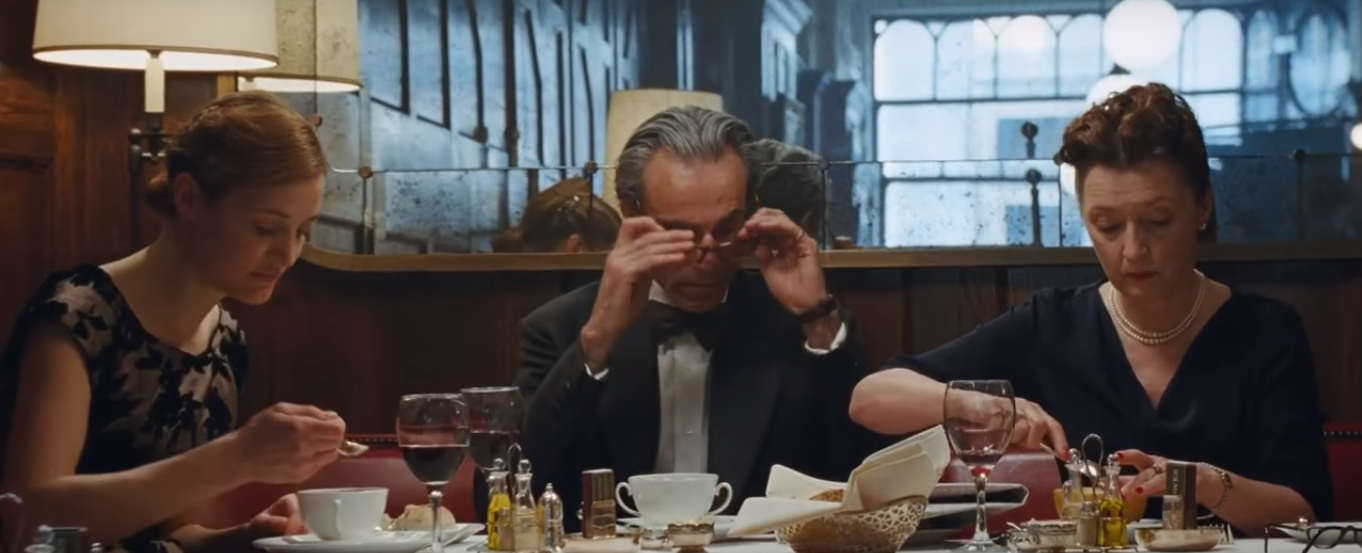
Phantom Thread (2017) is the eighth feature film by writer-director Paul Thomas Anderson. I have been a fan of Anderson’s work since I saw Boogie Nights (1997) in my freshman year of college, and have watched each of his subsequent films in the theater. The theater is the proper place to watch Anderson’s lush, luscious films, although they are also so strong as narratives that they hold up just fine on, say, a 19″ Toshiba television with a built-in VCR, which is how I repeatedly watched Blockbuster-remaindered cassettes of Boogie Nights and Magnolia (1999) circa 1998-2001. But again: The theater is the proper place to see an Anderson film, and Phantom Thread is exceptionally lovely on the big screen—one doesn’t so much watch it as imbibe it, or perhaps, in a reversal of that metaphor, sink into it. What I’m saying is: Watch Phantom Thread in the theater.

Is “Watch it in the theater” not enough in the way of argument, reader? Perhaps you want, like, details?

Here are some details I knew going in to the film (I generally try to avoid reviews and any press on any film I plan to see): The film was written and directed by Paul Thomas Anderson; the film stars Daniel Day-Lewis portraying a fashion designer; the film is set sometime in the 1950s.

My wife and I went to see the film yesterday afternoon and we loved it, then discussed it at length at dinner, and then again this morning over breakfast (perhaps prompted by “breakfast” itself, one of the film’s motifs). It’s a strange, beautiful, perplexing romantic comedy that will disarm and unsettle audiences. I can’t wait to see it again.


Screenshot 2018-02-04 at 3.27.03 PM

The Plot and the Major Characters

1950s. London and countryside environs. Reynolds Jeremiah Woodcock (Daniel Day-Lewis) is a famous fashion designer who dresses the highest of high in European society. He and his sister Cyril (Lesley Manville) run the House of Woodcock, following a precise, obsessive routine. At the film’s outset, Reynolds meets Alma (Vicky Krieps), a waitress in a countryside restaurant. He asks her to dinner that night, and from there the two enter into a strange relationship. The film’s trajectory explores the conflicts and confluences of that strange relationship, tracing how Reynolds’ and Alma’s romance intertwines with Cyril, business, design, and art. (Oh. And Reynolds’ and Cyril’s dead mother).


Cinematography, Score, Costume Design and Set Design

Gorgeous. Like I said, go see the film—the aesthetics are marvelous, rich, sumptuous. I’ve been writing about Paul Thomas Anderson as an auteur (and will continue to do so), but his production team is fantastic, and I think there’s an implicit argument in Phantom Thread itself against the whole auteur concept. (If you listen to or read interviews with Anderson, he will often use the pronoun “We” when discussing his work).


Screenshot 2018-02-04 at 3.26.09 PM

Phantom Thread’s Place in Paul Thomas Anderson’s Filmography

Phantom Thread might be Anderson’s “best” film to date: it is certainly one of the best-acted, best-shot, and best-directed, and its editing and pace move with a more precise rhythm than his looser and more sprawling films. I loved it, but it’s not necessarily my favorite Anderson film. If pressed to choose a favorite, I might point to the weird sprawl of Inherent Vice (2014) or the perfect imperfection of The Master (2012)—or just settle on There Will Be Blood (2007). Many Anderson fans point to Anderson’s shortest film, Punch-Drunk Love (2002) as his best.

In some ways, Phantom Thread has more in common with Punch-Drunk Love than his other films. They are both romantic comedies featuring emotionally-challenged leads who find their way to a strange resolution. In any case, Phantom Thread is an engaging character study focused on just a few intense personalities—like The MasterPunch-Drunk Love, or There Will Be Blood. It’s more focused in its vision than Boogie Nights or Magnolia, and more emotionally “true” than Anderson’s first feature, Hard Eight (1996). Those first three films seem to me particularly beholden to Martin Scorsese and Robert Altman, but Phantom Thread continues to show Anderson overcoming his anxiety of influence. (Although I’ll admit that I was occasionally reminded of Scorsese’s The Age of Innocence (1993) while watching Phantom Thread—probably because of the luxuriant imagery. And Daniel Day-Lewis. Anderson’s film is superior).


The Goddamn Movie Trailer


The discussion of the film that follows contains spoilers, including descriptions of the film’s ending 

Continue reading “Omelette à la Alma | Phantom Thread riff”

Three potential starting points for reading Thomas Pynchon

image1

Today is Pynchon in Public Day, so here are three books that I think may make good entry points for those interested in, but perhaps unnecessarily daunted by, Thomas Pynchon. My intuition is that many readers’ first experiences reading Pynchon may have been like mine: I read The Crying of Lot 49 as a college assignment, found it bewildering and baffling, and despite understanding almost none of it, I then attempted Gravity’s Rainbow (the key word is attempted (failed will also do in a pinch)).

Many readers start with The Crying of Lot 49 because it’s short. While I like the novel (I wrote about it here), it’s also extraordinarily dense, a box so crammed with jokes and japes that some fail to spring out at full force. Lot 49 is a much better reading experience after you’ve read more of Pynchon.

Lots of readers new to Pynchon plunge into Gravity’s Rainbow, probably because it’s famous. I love love love Gravity’s Rainbow, but along with Mason & Dixon (which may be my favorite Pynchon novel), I do not think it is a good starting place for Pynchon. Gravity’s Rainbow is a rich, ringing vortex, a seven-hundred-and-something pager that almost necessitates that its reader immediately reread it. Gravity’s Rainbow is a very funny and very tragic book, and I think it is the work of genius that its reputation suggests—but it’s also one of the few books I can think of that get put on lists of Big Difficult Novels that is, actually, Difficult.

So here are my suggestions for starting places for Pynchon.

img_2195

Against the Day, 2006.

Okay. So maybe you’re saying, Waitisn’t that one, like, really long? Reader, you’re correct. At 1,085 pages Against the Day is Pynchon’s longest novel to date. But it’s also one of his most accessible, and, most importantly, it offers a condensation of Pynchon’s Big Ideas and Big Themes. (I wrote a list of 101 possible descriptors for Against the Day, if you’re interested in a short take; I also riffed on the book at some length in a series of posts).

img_2194

V., 1963.

V. is Thomas Pynchon’s first novel. It’s also the first Pynchon novel I read and loved and (possibly) understood. Like Against the DayV. lays out many of the themes and styles (and even a character or two) that appear elsewhere Pynchon’s oeuvre. In a loose sense, V. feels like a dress rehearsal for Gravity’s Rainbow. Oh, it’s also pretty discursive—in fact, you can read chunks of it almost as short stories. In fact, here’s a good way to break into Pynchon: Get V., and read Ch. 9–it stands on its own as a long short story, the tale of Kurt Mondaugen—and colonialism, siege paranoia, dark dread, etc.

img_2197

Inherent Vice, 2009.

I’ve heard Inherent Vice dismissed as “Pynchon lite,” which may be true—I’ve read the book twice now and if its shaggy threads connect, I can’t see it (unlike, say, Gravity’s Rainbow, which resolves like a complicated math problem). Still, Inherent Vice makes a nice gateway drug to Pynchon—it’s funny and loose, and even though it rambles through an enormous cast of characters and settings, it’s ultimately far, far more contained than sprawling novels like Mason & Dixon and Gravity’s Rainbow. Paul Thomas Anderson’s film adaptation also makes an interesting visual counterpart to the novel—which it somehow simultaneously condenses and expands. Inherent Vice—the novel—also seems to me a kind of bookend or sequel to The Crying of Lot 49. (I wrote a bit about that here).

Last thought: Ignore my suggestions. Pick any novel that interests you by Pynchon and dive in. Don’t get too frustrated if you’re not sure what’s going on. A lot of the time, that’s the point of it all. Enjoy it.

[Ed. note–Biblioklept ran a version of this post on 8 May 2016].

Jon Brion talks about scoring Punch-Drunk Love

Three Books (that are good starting points for reading Thomas Pynchon)

Today is Pynchon in Public Day, so today’s Three Books blog offers three books that I think may make good entry points for those interested in, but perhaps unnecessarily daunted by, Thomas Pynchon. My intuition is that many readers’ first experiences reading Pynchon may have been like mine: I read The Crying of Lot 49 as a college assignment, found it bewildering and baffling, and despite understanding almost none of it, I then attempted Gravity’s Rainbow (the key word is attempted (failed will also do in a pinch)).

Many readers start with The Crying of Lot 49 because it’s short. While I like the novel (I wrote about it here), it’s also extraordinarily dense, a box so crammed with jokes and japes that some fail to spring out at full force. Lot 49 is a much better reading experience after you’ve read more of Pynchon.

Lots of readers new to Pynchon plunge into Gravity’s Rainbow, probably because it’s famous. I love love love Gravity’s Rainbow, but along with Mason & Dixon (which may be my favorite Pynchon novel), I do not think it is a good starting place for Pynchon. Gravity’s Rainbow is a rich, ringing vortex, a seven-hundred-and-something pager that almost necessitates that its reader immediately reread it. Gravity’s Rainbow is a very funny and very tragic book, and I think it is the work of genius that its reputation suggests—but it’s also one of the few books I can think of that get put on lists of Big Difficult Novels that is, actually, Difficult.

So here are my suggestions for starting places for Pynchon.

img_2195

Against the Day by Thomas Pynchon. First edition Penguin hardback, 2006. Jacket design my Michael Ian Kaye.

Okay. So maybe you’re saying, Waitisn’t that one, like, really long? Reader, you’re correct. At 1,085 pages Against the Day is Pynchon’s longest novel to date. But it’s also one of his most accessible, and, most importantly, it offers a condensation of Pynchon’s Big Ideas and Big Themes. (I wrote a list of 101 possible descriptors for Against the Day, if you’re interested in a short take; I also riffed on the book at some length in a series of posts).

img_2194

V. by Thomas Pynchon. Vintage UK trade paperback edition (1995). Cover by Paul Burgess.

V. is Thomas Pynchon’s first novel. It’s also the first Pynchon novel I read and loved and (possibly) understood. Like Against the DayV. lays out many of the themes and styles (and even a character or two) that appear elsewhere Pynchon’s oeuvre. In a loose sense, V. feels like a dress rehearsal for Gravity’s Rainbow. Oh, it’s also pretty discursive—in fact, you can read chunks of it almost as short stories. In fact, here’s a good way to break into Pynchon: Get V., and read Ch. 9–it stands on its own as a long short story, the tale of Kurt Mondaugen—and colonialism, siege paranoia, dark dread, etc.

img_2197

Inherent Vice by Thomas Pynchon. First edition hardback, Penguin, 2009. Jacket design by Tal Goretsky and Darren Haggar; image credited to Darshan Zenith and Cruiser Art.

I’ve heard Inherent Vice dismissed as “Pynchon lite,” which may be true—I’ve read the book twice now and if its shaggy threads connect, I can’t see it (unlike, say, Gravity’s Rainbow, which resolves like a complicated math problem). Still, Inherent Vice makes a nice gateway drug to Pynchon—it’s funny and loose, and even though it rambles through an enormous cast of characters and settings, it’s ultimately far, far more contained than sprawling novels like Mason & Dixon and Gravity’s Rainbow. Paul Thomas Anderson’s film adaptation also makes an interesting visual counterpart to the novel—which it somehow simultaneously condenses and expands. Inherent Vice—the novel—also seems to me a kind of bookend or sequel to The Crying of Lot 49. (I wrote a bit about that here).

Last thought: Ignore my suggestions. Pick any novel that interests you by Pynchon and dive in. Don’t get too frustrated if you’re not sure what’s going on. A lot of the time, that’s the point of it all. Enjoy it.

Joanna Newsom’s “Divers” (directed by Paul Thomas Anderson)

[stammers, laughs]

IMG_0302

Video for Joanna Newsom’s “Sapokanikan” (directed by Paul Thomas Anderson)

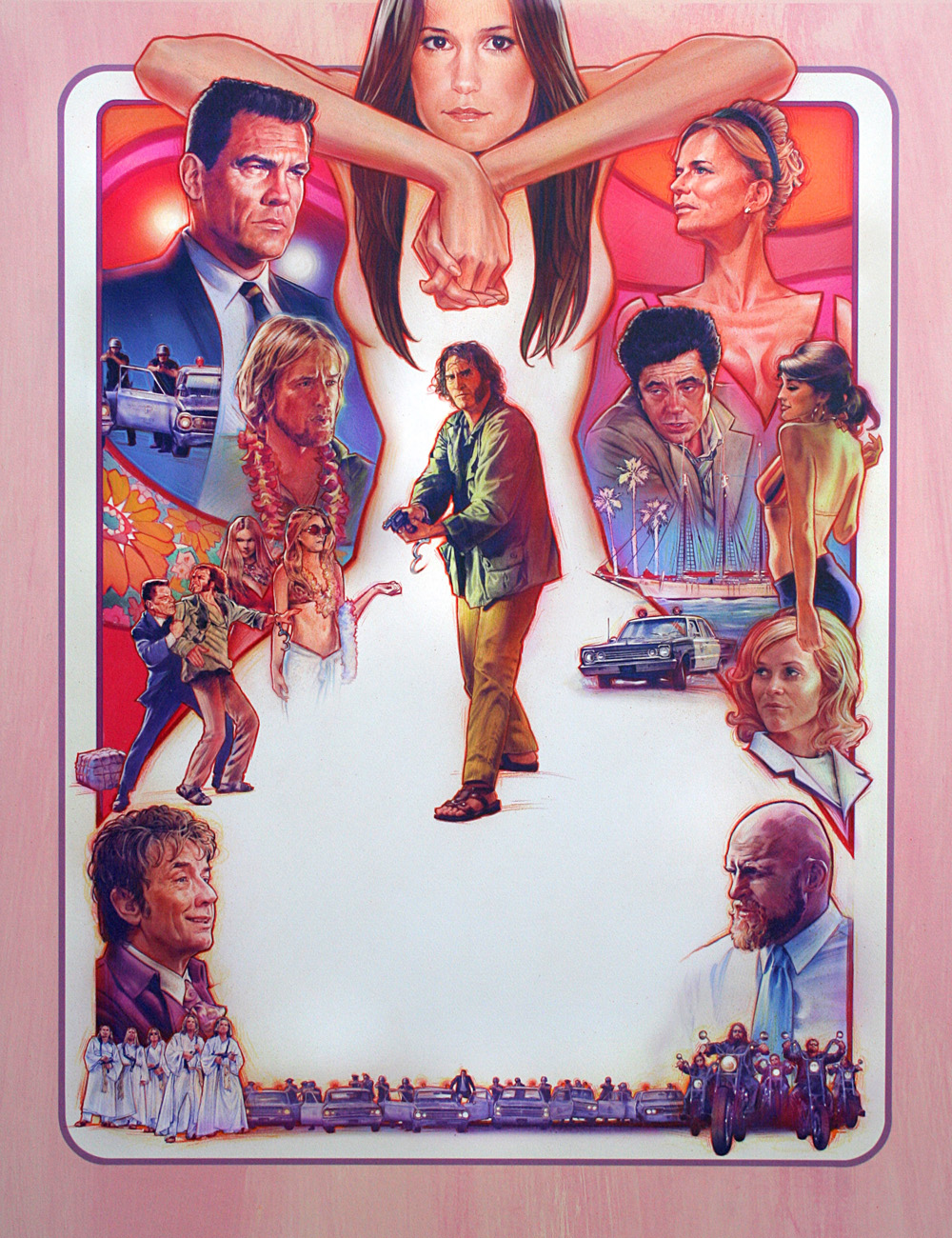
Inherent Vice Film Poster — Steve Chorney

Inherent-Vice-Poster-comp-Small

Hearing Paul Thomas Anderson

Edited by Jacob T. Swinney. Via AV Club.