
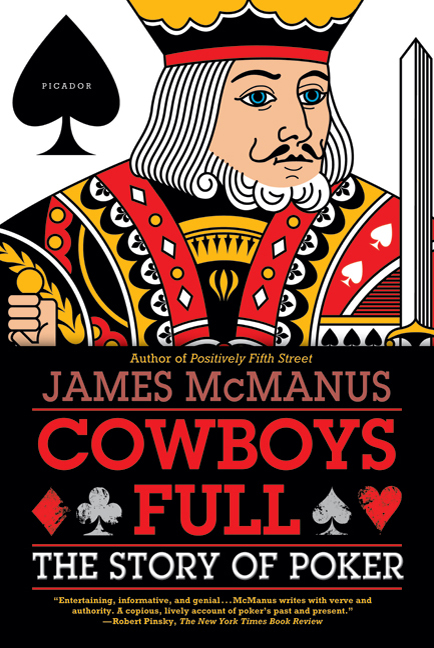
Jim McManus’s Cowboys Full is a thorough and energetic history of poker. Or, perhaps more accurately, Cowboys Full is a history of how power, will, and guile intersect with luck to shape national destinies. McManus examines poker’s political and cultural influence, from its origins in China to the game’s explosive popularity online today. McManus delineates his program in his first chapter, “Pokerticians,” an overview of the book that details how poker has had a lasting impact on world politics. Covering the gambling habits of Presidents and generals, kings and clerics, McManus’s book makes a strong case for poker as a metaphor of power and capitalism.
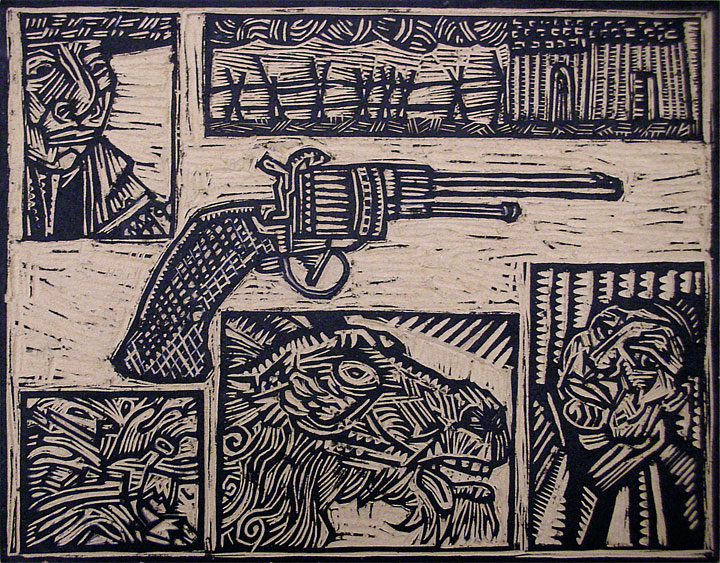
This is no dry history tome, however. McManus is a professional poker player and a professional writer, and Cowboys Full reads with a vigor that approximates the energy of a good game. While American presidents and politicians dominate his narrative, there are also outlaws, cowboys, and confidence men. And writers. Lots and lots of writers. McManus draws not just from earlier histories of poker, but also from novelists like Herman Melville and Mark Twain. He prefaces each of his chapters with a quote, usually from a novel or short story or poem, and I’ll confess I warmed quickly to the book after the first two chapters led with some heavy lines from Cormac McCarthy’s Blood Meridian (McManus also quotes from No Country for Old Men and uses The Road as a visual reference point). He’s also keen on Bob Dylan.
Of course, this is a history of poker (or “The Story of Poker,” rather, as its subtitle declares), and there’s plenty of poker here–famous games, cheating scams, and today’s big names–but not so much to elicit a yawn from a non-player (or a casual player like myself). The second half of the book moves to Las Vegas, detailing the ins and outs of big tournament action. It also seeks to explain how Texas Hold ‘Em became a spectator sport by the middle of the aughties. But McManus’s book does not fetishize (or unduly valorize) the superstars (and wannabes) of big time poker, and the narrative never falls into the kind of catty tell-all tone that often marks insider stories. McManus is more concerned with philosophy and game theory.
At its core, Cowboys Full is a cultural history of poker, and like the talk at many friendly games, there’s a rambling fluidity to McManus’s narrative, a willingness to run on and overflow in disparate directions. At the same time, there’s a considerable syntactic focus: McManus is handy with punchy sentences and sharp anecdotes, and he keeps most of his chapters short and lively. This is a fun book to read. Cowboys Full is well-researched, with a helpful index and a glossary of terms, but it should not be mistaken for a didactic theory manual or a comprehensive account of everything that ever happened in poker. Instead, McManus has given us a rewarding a volume that uses its subject to enlarge our understanding of both our past and our present–and maybe our future. Recommended.
Cowboys Full is new in trade paperback this week from Picador this week.



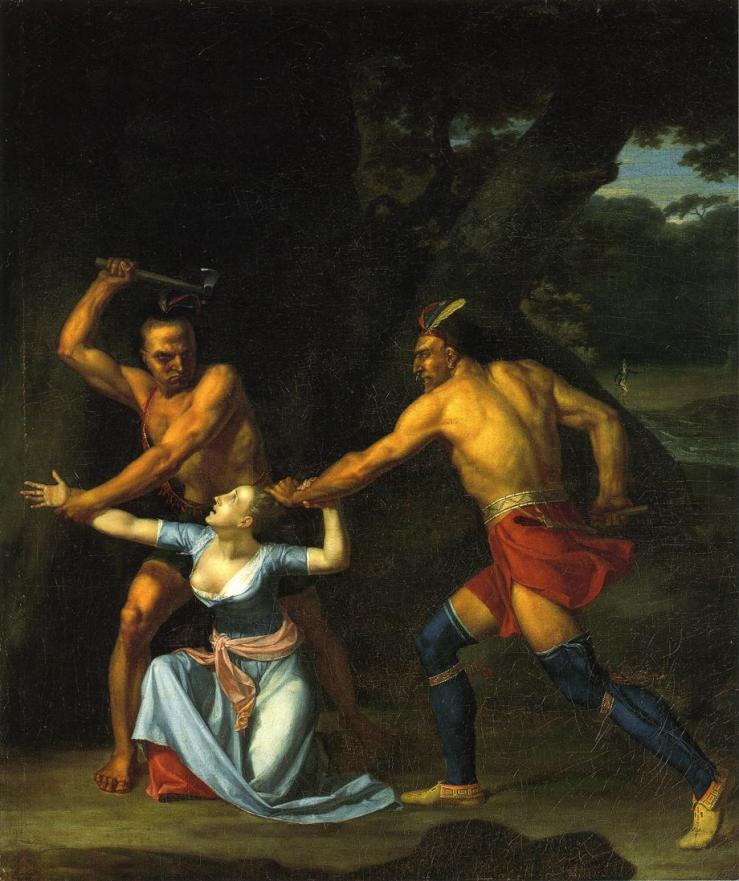

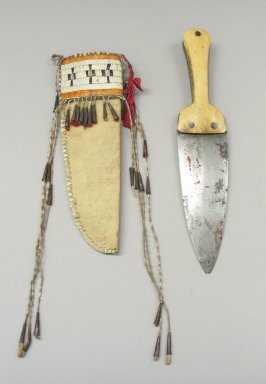
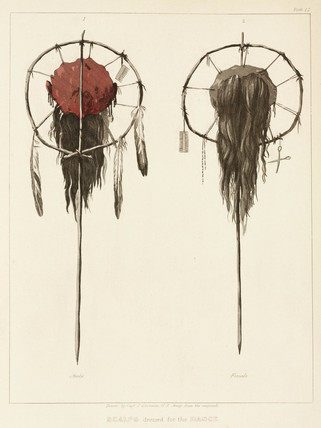

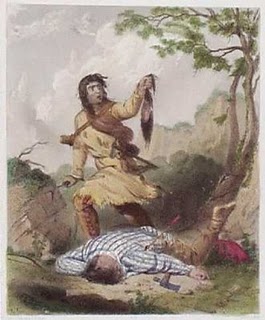


 In his
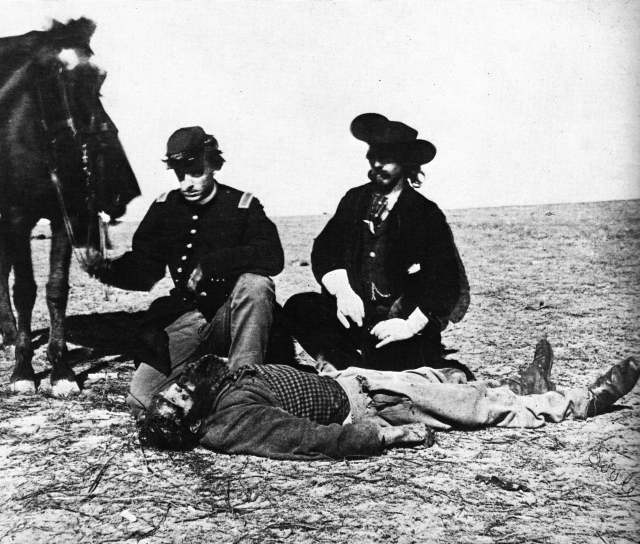
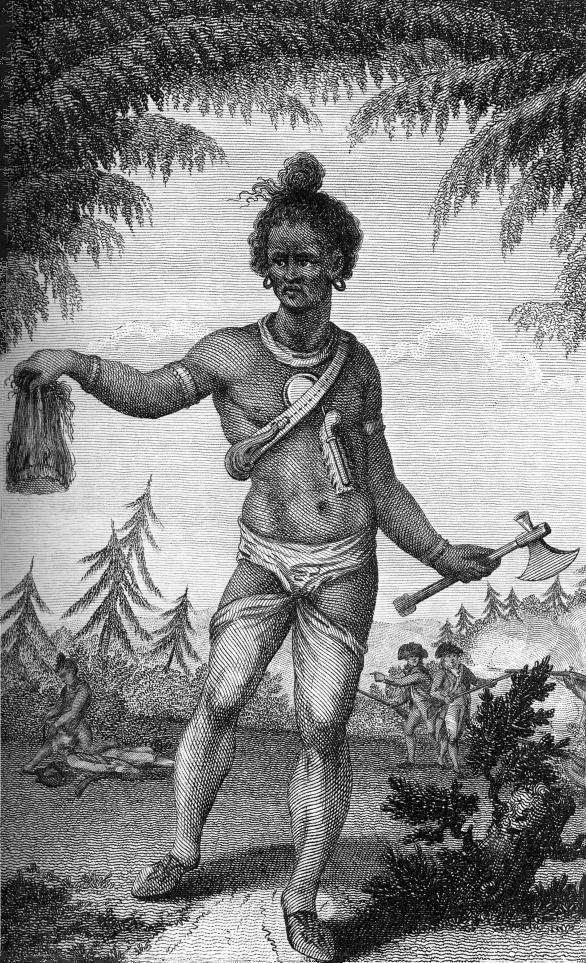
 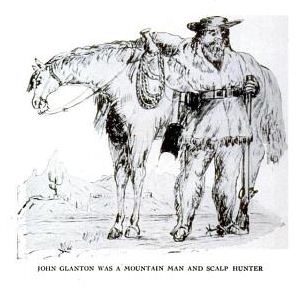 According to Chamberlain, John Glanton was born in South Carolina and migrated to Stephen Austin’s settlement in Texas. There he fell in love with an orphan girl and was prepared to marry her. One day while he was gone, Lipan warriors raided the area scalping the elderly and the children and kidnapping the women- including Glanton’s fiancee. Glanton and the other settlers pursued and slaughtered the natives, but during the battle the women were tomahawked and scalped. Legend has it, Glanton began a series of retaliatory raids which always yielded “fresh scalps.” When Texas fought for its independence from Mexico, Glanton fought with Col. Fannin, and was one of the few to escape the slaughter of that regiment at the hands of the Mexican Gen. Urrea- the man who would eventually employ Glanton as a scalp hunter. During the Range Wars, Glanton took no side but simply assassinated individuals who had crossed him. He was banished, to no avail, by Gen. Sam Houston and fought as a “free Ranger” in the war against Mexico. Following the war he took up the Urrea’s offer of $50 per Apache scalp (with a bonus of $1000 for the scalp of the Chief Santana). Local rumor had it that Glanton always “raised the hair” of the Indians he killed and that he had a “mule load of these barbarous trophies, smoke-dried” in his hut even before he turned professional.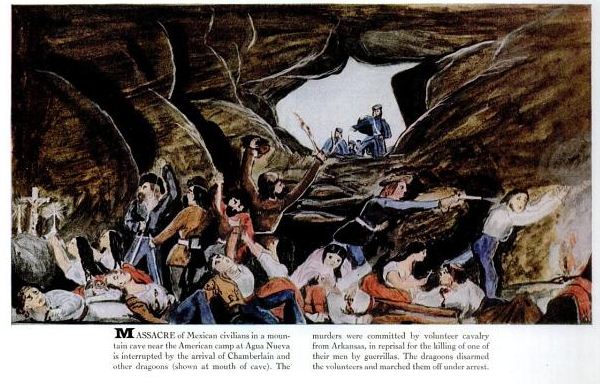
 It’s fascinating to note how much of the Judge is already there–the pedophilia, the marksmanship, the scholarship, and, most interesting of all, the lack of hair. Confession goes on to detail the killing, scalping, raping, and raiding spree that comprises the center of Blood Meridian. Chamberlain even describes the final battle with the Yumas, an event that signals the dissolution of the Glanton gang in McCarthy’s novel.
 Content aside, Chamberlain’s prose also seems to presage McCarthy’s prose. In his book
  You can view many of Chamberlain’s paintings and read an edit of his Confession in three editions of Life magazine from 1956, digitally preserved thanks to Google Books–here’s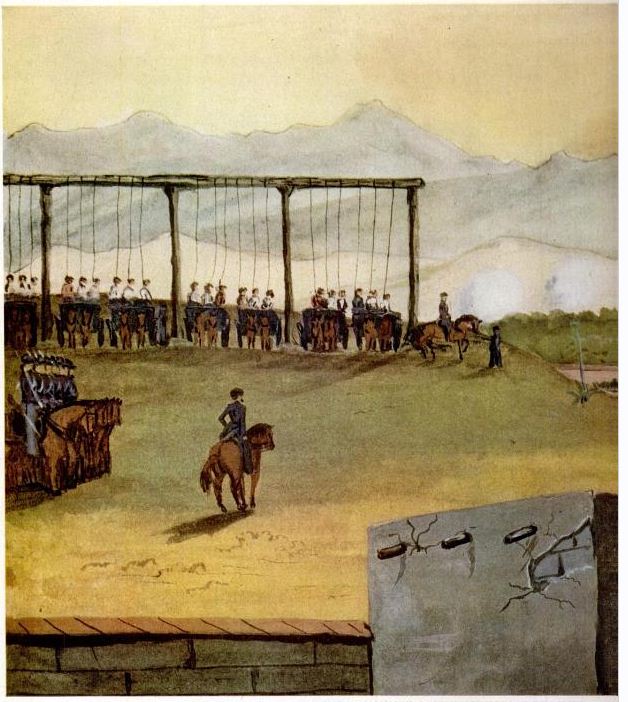
 Biblioklept