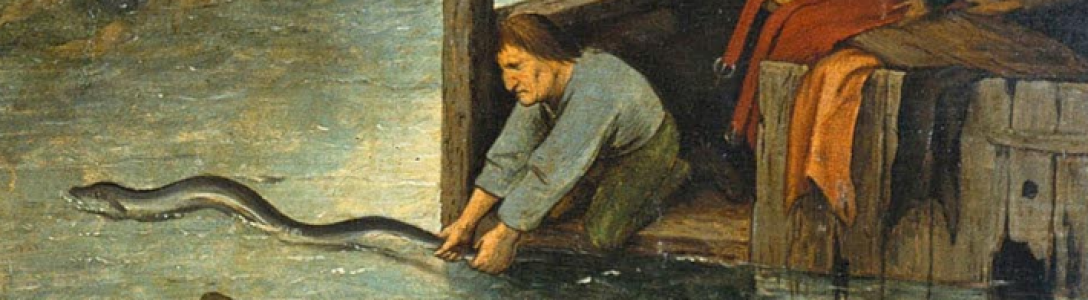
“A Note on Realism” — Robert Louis Stevenson

“A Note on Realism” by Robert Louis Stevenson

Style is the invariable mark of any master; and for the student who does not aspire so high as to be numbered with the giants, it is still the one quality in which he may improve himself at will.  Passion, wisdom, creative force, the power of mystery or colour, are allotted in the hour of birth, and can be neither learned nor simulated.  But the just and dexterous use of what qualities we have, the proportion of one part to another and to the whole, the elision of the useless, the accentuation of the important, and the preservation of a uniform character from end to end—these, which taken together constitute technical perfection, are to some degree within the reach of industry and intellectual courage.  What to put in and what to leave out; whether some particular fact be organically necessary or purely ornamental; whether, if it be purely ornamental, it may not weaken or obscure the general design; and finally, whether, if we decide to use it, we should do so grossly and notably, or in some conventional disguise: are questions of plastic style continually rearising.  And the sphinx that patrols the highways of executive art has no more unanswerable riddle to propound.

In literature (from which I must draw my instances) the great change of the past century has been effected by the admission of detail.  It was inaugurated by the romantic Scott; and at length, by the semi-romantic Balzac and his more or less wholly unromantic followers, bound like a duty on the novelist.  For some time it signified and expressed a more ample contemplation of the conditions of man’s life; but it has recently (at least in France) fallen into a merely technical and decorative stage, which it is, perhaps, still too harsh to call survival.  With a movement of alarm, the wiser or more timid begin to fall a little back from these extremities; they begin to aspire after a more naked, narrative articulation; after the succinct, the dignified, and the poetic; and as a means to this, after a general lightening of this baggage of detail.  After Scott we beheld the starveling story—once, in the hands of Voltaire, as abstract as a parable—begin to be pampered upon facts.  The introduction of these details developed a particular ability of hand; and that ability, childishly indulged, has led to the works that now amaze us on a railway journey.  A man of the unquestionable force of M. Zola spends himself on technical successes.  To afford a popular flavour and attract the mob, he adds a steady current of what I may be allowed to call the rancid.  That is exciting to the moralist; but what more particularly interests the artist is this tendency of the extreme of detail, when followed as a principle, to degenerate into merefeux-de-joie of literary tricking.  The other day even M. Daudet was to be heard babbling of audible colours and visible sounds. Continue reading ““A Note on Realism” — Robert Louis Stevenson”
Susan Sontag’s List of Novels with Cinematic Structure

Novels with cinematic structure:

Hemingway, In Our Time

Faulkner,

[Horace] McCoy, They Shoot Horses, Don’t They?

Robbe-Grillet, Les Gommes [The Erasers]

[Georges] Bernanos, M. Ouine

I[vy] Compton-Burnett,

V Woolf, Between the Acts

Philip Toynbee, Tea with Mrs. Goodman

des Forêts, Les Mendiants

his first novel—multiple pov [points of view]

[Barnes,] Nightwood

Reverzy, Le Passage

Burroughs,

[John] Dos Passos

Firbank, CapriceVainglory; and [Inclinations] (trilogy)

Jap[anese] writer [Yasunari Kawabata] (N.B. visual sense, suppleness of changing scenes)—Snow Country, etc.

Dickens (cf. Eisenstein)—

There are people who thought with camera eye (a unified p-o-v that displaces itself) before the camera

N[athaniel] West,

Blechman

“new novelists”: Claude Simon, Le Palace

Claude Ollier, La Mis-en-Scène

(all based on organization of a decor (N[orth] Africa)

–From an entry dated 6/26/66 Paris in Susan Sontag’s notebook, published as part of As Consciousness Is Harnessed to Flesh. (I’ve maintained the bracketed editorial intrusions of the published text, even with they did not seem necessary).

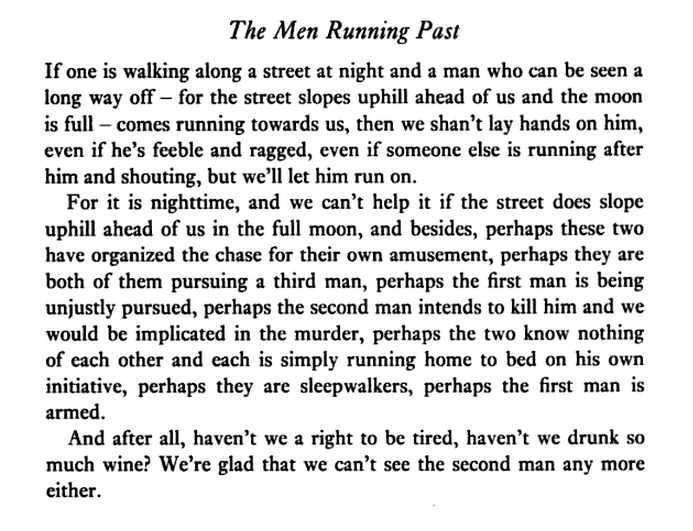
“The Men Running Past” — Franz Kafka

kafka

Watch This Terrible Book Trailer for Thomas Pynchon’s New Novel Bleeding Edge (Or Don’t)

I don’t know, I’m guessing this is intentionally awful. I mean, book trailers are supposed to be awful, right?

“The two basic stories of all times are Cinderella and Jack the Giant Killer” and other notes from F. Scott Fitzgerald

  1. Art invariably grows out of a period when in general the artist admires his own nation and wants to win its approval. This fact is not altered by the circumstances that his work may take the form of satire for satire is the subtle flattery of a certain minority in a nation. The greatest artists grow out of these periods as the tall head of the crop. They may seem not to be affected but they are.
  2. Great art is the contempt of a great man for small art.
  3. The queer slanting effect of the substantive, the future imperfect, a matter of intuition or ear to O’Hara, is unknown to careful writers like Bunny and John.
  4. When the first rate author wants an exquisite heroine or a lovely morning, he finds that all the superlatives have been worn shoddy by his inferiors. It should be a rule that bad writers must start with plain heroines and ordinary mornings, and, if they are able, work up to something better.
  5. Man reads good reviews of his book so many times that he begins finally to remodel his style on them and use their rhythms.
  6. Realistic details like Dostoiefski glasses
  7. The two basic stories of all times are Cinderella and Jack the Giant Killer—the charm of women and the courage of men. The 19th century glorified the merchant’s cowardly son. Now a reaction.
  8. The Steinbeck scene. Out of touch with that life. The exact observation there.
  9. The episodic book, (Dos P. + Romaine etc.) may be wonderful, but the fact remains that it is episodic, and and such definition implies a limitation. You are with the character until the author gets tired of him—then you leave him for a while. In the true novel, you have to stay with the character all the time, and you acquire a sort of second wind about him, a depth of realization.
  10. In a short story, you have only so much money to buy just one costume. Not the parts of many. One mistake in the shoes or tie, and you’re gone.
  11. Play—For Act II. Something happens that to audience, changes entire situation, such as significant suitcase to country, or old terror apparently buried in Act I.

—From F. Scott Fitzgerald’s The Notebooks.

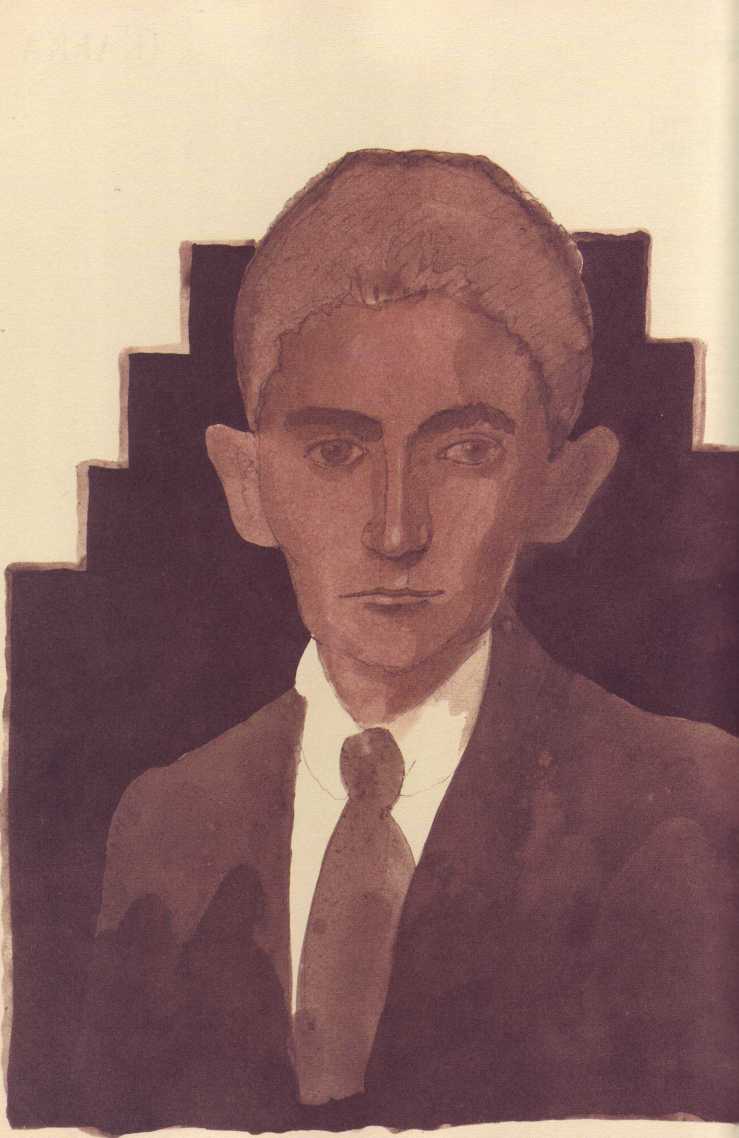
Portrait of Franz Kafka — Milton Glaser

kafka milton glaser

(Via).

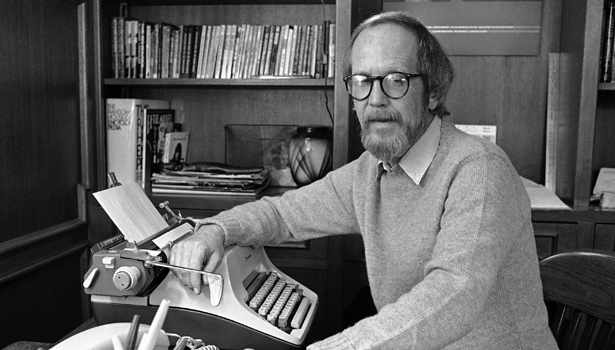
RIP Elmore Leonard

Elmore Leonard 1983

RIP Elmore Leonard, 1925 – 2013

elmore-leonard-writing-advice

Félix Fénéon at the Revue Blanche — Felix Vallotton

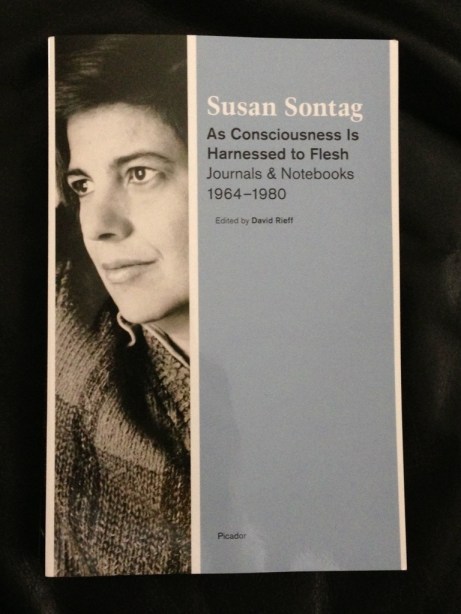
Susan Sontag’s Notebooks, 1964-1980 (Book Acquired, 7.09.2013)

20130717-120722.jpg

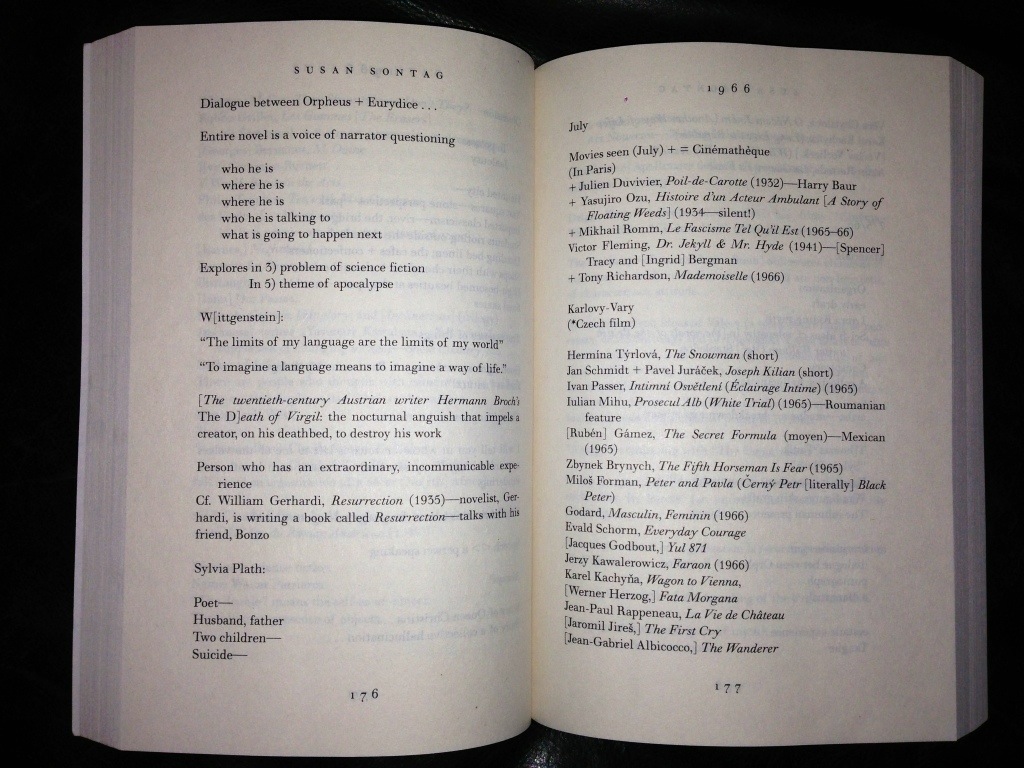
I’ve been—I don’t know—strolling through Susan Sontag’s journals and notebooks this past week. Collected as As Consciousness Is Harnessed to Flesh and new from Picador, this volume picks up where Reborn left off. I’ll be doing a full write up some time this month—really more about writer notebooks (I love Hawthorne’s in particular). Until then—a sample spread from the summer of ’66:

20130717-120729.jpg

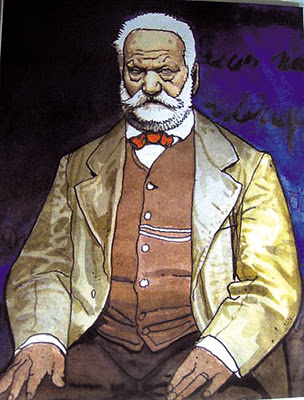
Portrait of Victor Hugo — Moebius

23993e0e301661297cd7e1d072471f1c

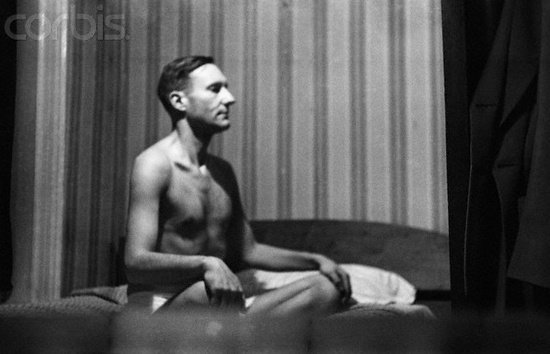
Topless William Burroughs

topless burroughs

Truman Capote (1954) — Andy Warhol

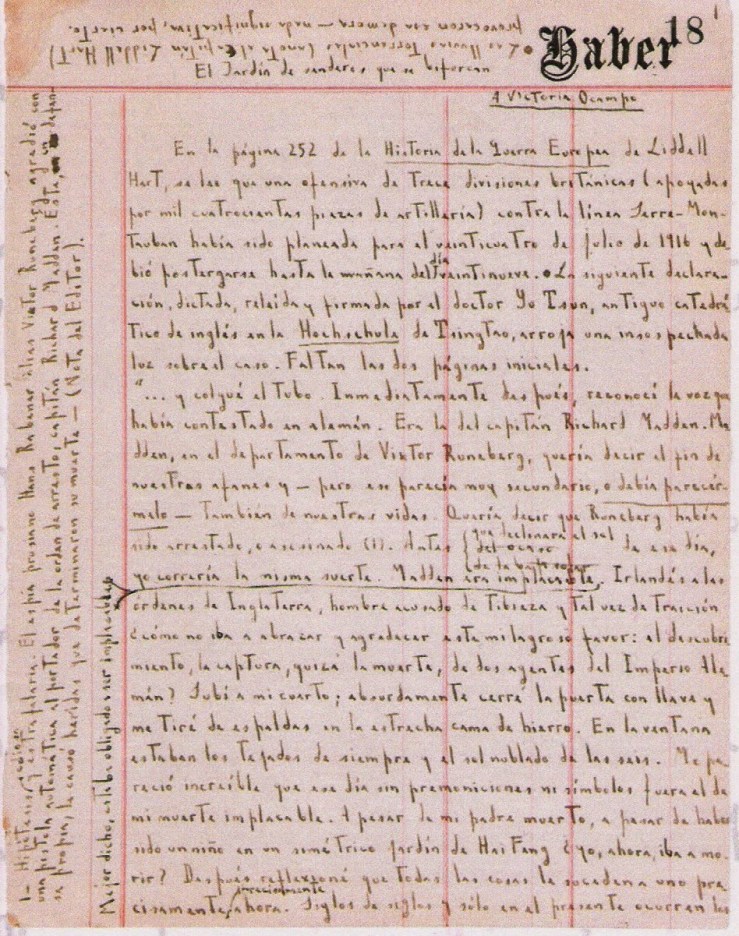
Handwritten Manuscript Page for Jorge Luis Borges’s “The Garden of Forking Paths”

borges manuscript

(Via).

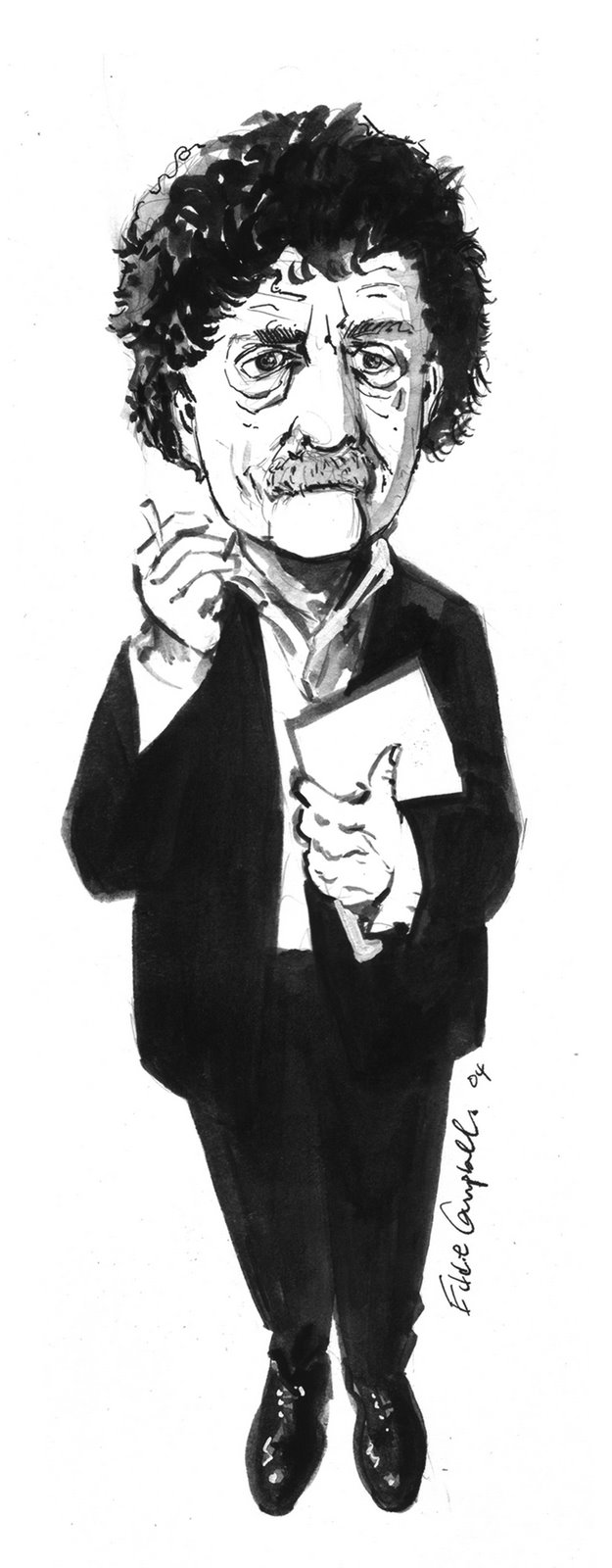
Portrait of Kurt Vonnegut — Eddie Campbell

Kurt Vonnegut

(Via).

Smoking Makes You Look Cool (Part III)

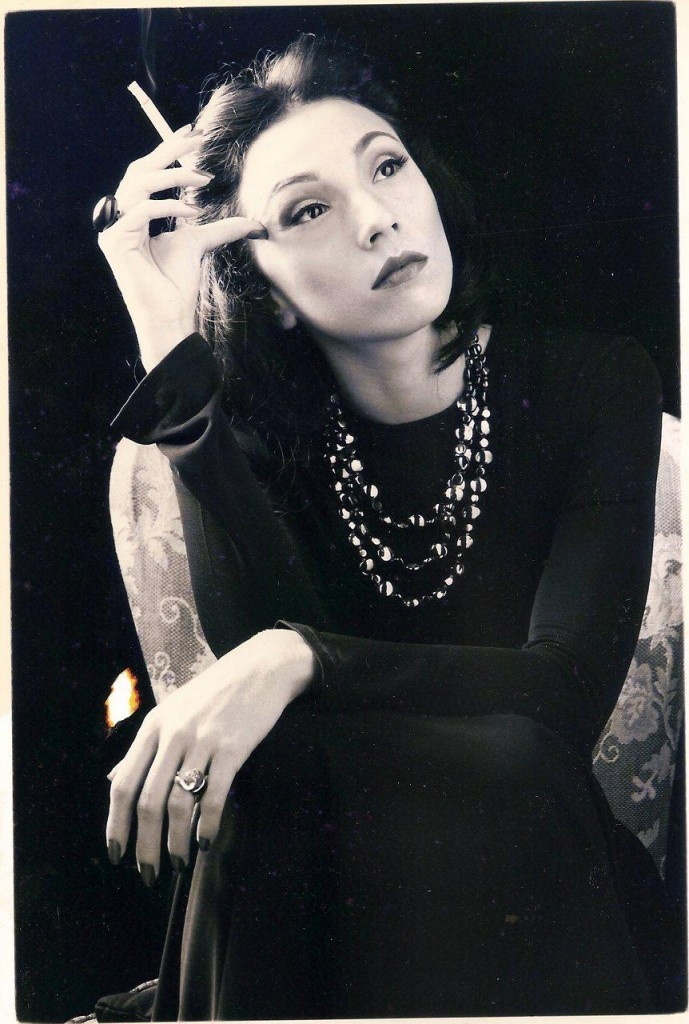
Clarice Lispector
Clarice Lispector
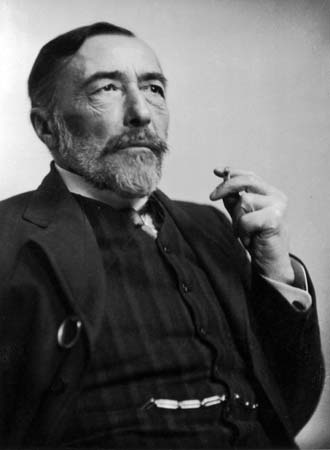
conrad
Joseph Conrad
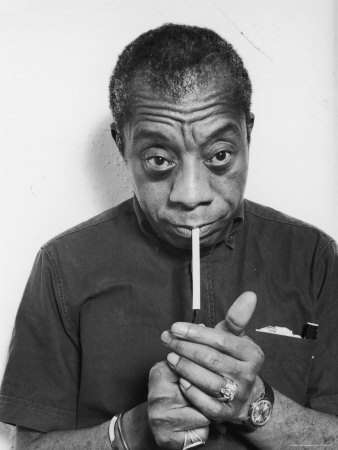
james baldwin
James Baldwin
Barry Hannah
Barry Hannah
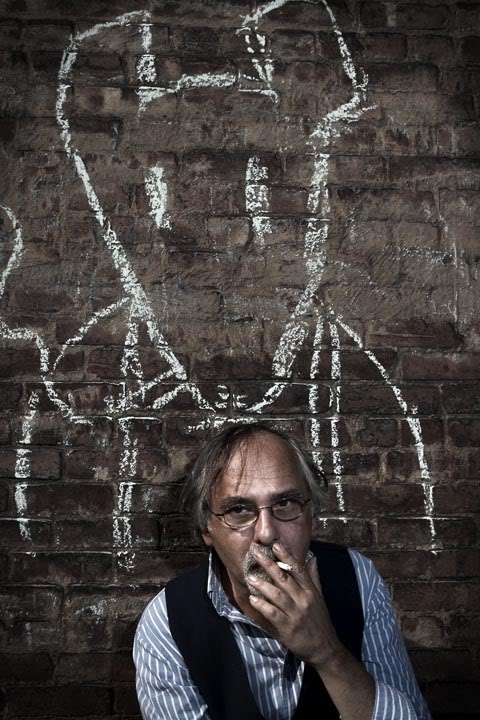
art spiegelman
Art Spiegelman
paul bowles
Paul Bowles
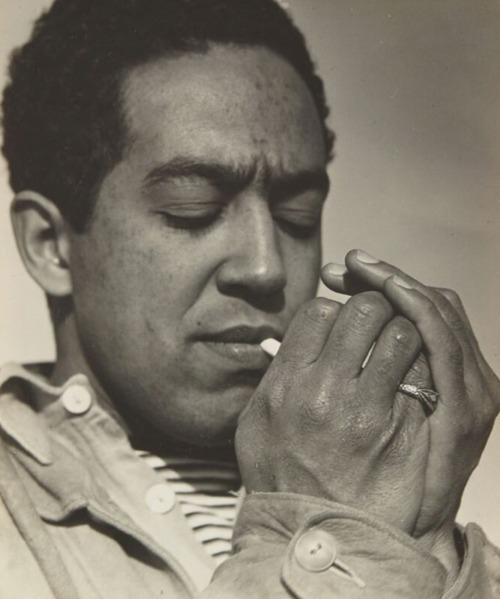
langston hughes
Langston Hughes
images (1)
Patricia Highsmith
T.S._Eliot,_1923
T.S.Eliot

(Parts I and II (don’t worry, everyone already yelled at me re: “smoking unhealthy,” etc., and yes, whole post was probably just an excuse to run that pic of Lispector)).


Conversation with Smaug — J.R.R. Tolkien

smaug tolkien

Elmore Leonard Talks About His Writing Process