Head with Broken Pot — Georgia O’Keeffe

Four paintings (Georges Perec)

There are four paintings on the walls.

The first is a still life that despite its modern manner is strongly reminiscent of those compositions constructed on the theme of the five senses which were so common throughout Europe from the end of the Renaissance to the eighteenth century: on a table, there is an ashtray with a lighted Havana, a book of which the title and subtitle can be seen – The Unfinished Symphony: A Novel – though the name of the author is hidden, a bottle of rum, a cup-and-ball, and, in a shallow bowl, a pile of dried fruit, walnuts, almonds, apricot halves, prunes, etc.

The second depicts a street on the edge of a city, at night, alongside wasteland. To the right, a metal pylon with crossbars supporting at each point of intersection a large, lighted electric lamp. To the left, a constellation of stars reproduces precisely the inverse image of the pylon (base in the sky, apex towards the ground). The sky is covered in a flower pattern (dark blue on a lighter background) identical to the shapes made by frost on glass.

The third is of a legendary beast, the tarand, first described by Gelon the Sarmatian:

A tarand is an animal as big as a bullock, having a head like a stag, or a little bigger, two stately horns with large branches, cloven feet, hair long like that of a furred Muscovite, I mean a bear, and a skin almost as hard as steel armour. The Scythian said that there are but few tarands to be found in Scythia, because it varieth its colour according to the diversity of the places where it grazes and abides, and represents the colour of the grass, plants, trees, shrubs, flowers, meadows, rocks, and generally of all things near which it comes. It hath this in common with the sea-pulp, or polypus, with the thoes, with the wolves of India, and with the chameleon; which is a kind of lizard so wonderful, that Democritus hath written a whole book of its figure, and anatomy, as also of its virtue”“and property in magic. This I can confirm, that I have seen it change its colour, not only at the approach of things that have a colour, but by its own voluntary impulse, according to its fear or other affections: as for example, upon a green carpet, I have certainly seen it become green; but having remained there some time, it turned yellow, blue, tanned and purple, in course, in the same manner as you sec a turkey-cock’s comb change colour according to its passions. But what we find most surprising in this tarand is, that not only its face and skin, but also its hair could take whatever colour was about it.

The fourth picture is a black-and-white reproduction of a painting by Forbes called A Rat Behind the Arras. This painting was inspired by a true story which took place at Newcastle-upon-Tyne during the winter of 1858.

From Georges Perec’s novel Life A User’s Manual. English translation by David Bellos.

Girl Yawning — Edvard Munch

Selections from One-Star Amazon Reviews of Chinua Achebe’s Things Fall Apart

[Ed. note: The following citations come from one-star Amazon reviews of Chinua Achebe’s novel Things Fall Apart. (See also: Mary Shelley’s Frankenstein, Thomas Pynchon’s Gravity’s RainbowGeorge Orwell’s 1984, Herman Melville’s Moby-Dick, James Joyce’s Ulysses and David Markson’s Wittgenstein’s Mistress). I’ve preserved the reviewers’ own styles of punctuation and spelling].

There were too many details

no plot, lousy tales, and distant characters.

Gnerally, I am extremely open-minded about other cultures,

Don’t buy this unless you need it for some reason out of your control.

DOES THIS GUY EVEN KNOW WHAT THE FUDGE HE IS TALKING ABOUT!

I read two chapters and quit It was horrible, and I say BAH!!!!!!!!!BAH!!!!!!!and a BOOOOOOOO!!!!!

This is one of those “politically correct” books they force you to read in school, in hope of “broadening our horizons” and “opening our minds.”

The main character had a lot of mental problems, including violence, chauvinism, and overambition to become the ‘model citizen’ of his tribe. I had no sympathy for him, neither should you.

Throught the book the auther keeps bringing in new charecters that have almost the identicle spelling of another and it gets very confusing

While Chinua Achebe claims to be an African freedom activist, her(? I can never figure out these new-fangled names) style of writing is stereotypical of the reactionary Brench and their quest to retain Africa.

The author seems to have some sort of infatuation with yams, because the entire book revolves around idiotic descriptions of yams and characters struggling with their declining yam output.

I found this story went no where, there were no real accomplishments done by the main character, his could have check in to an asylum for a year, dealt with his tribal issues, what he missed out on as a kid, came back to his tribe and really made a difference with his people. Instead, we just see some ones life that just gets worse.

This story could have been told in about 20 pages, but streches out into a full book that finally makes a point in the very last pages. Achebe’s work needs some fine tuning.

Why coudln’t they just at least change the names you could at least pronoucne it, ne ways if you plan on reading it, your want lots of time, so u can understand it.

“THINGS FALL APART” IS LIKE ABOUT A GUY WHO GROWS YAMS AND BEATS HIS FAMILY, AND IT JUST TALKS ABOUT THAT THE WHOLE TIME ITS A TERRIBLE HORRIBLE BOOK!

Almost nothing happens for the first 100 pages except we find out that he has three wives and he beats his kids. GREAT, That took 100 pages to say!!

If your looking for a good novel about African people by an African writer, it’s not here. Try Toni Morrison.

Anyone with sense would be rooting for the imperialists by the end of this book.

the writer is only famous because he is a minority.

the story have no point at all.

It draged on and on.

It was like reading a quick obituary.

the names are way too hard to pronounce.

All you never wanted to know about yams… and other such things

This book is way too confusing for the average reader (I am an honors student) and even the more advanced reader would find difficulty reading this book.

Better by far to have young atudents enjoy ayn rand tom woods and john allison milton friedman and peter schiff adn be poastive free neterpirse and successful.

the only thing you’ll enjoy is saying Okwonko over and over again

This makes Africa look worse, not better….

No one cared about Okonkwo’s yams!

How DARE we let children read this book.

it just SUXED

In retrospect, the story lived up to it’s name.
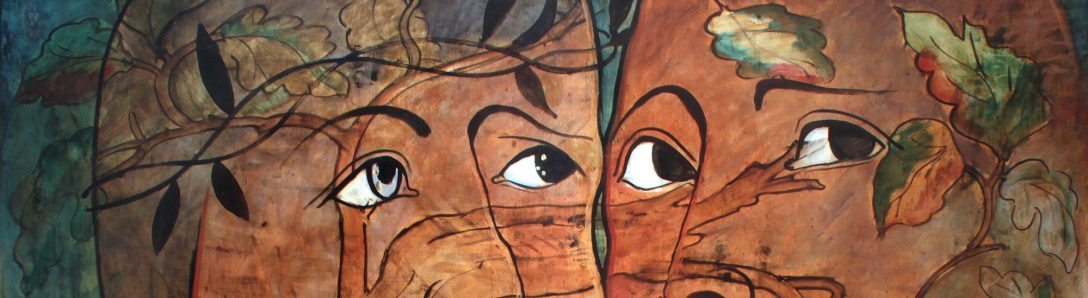
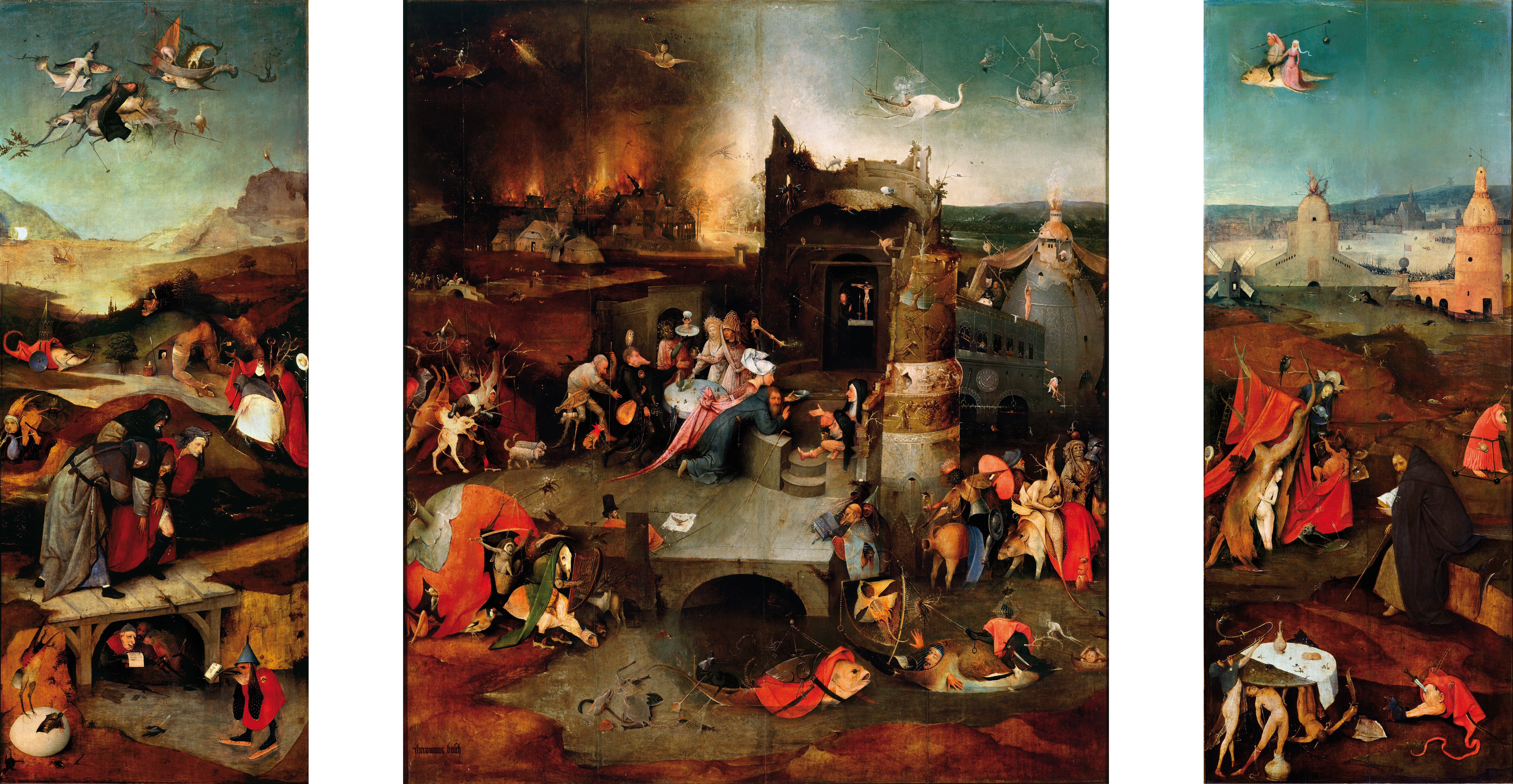
The Temptation of St. Anthony (Detail) — Hieronymus Bosch

7

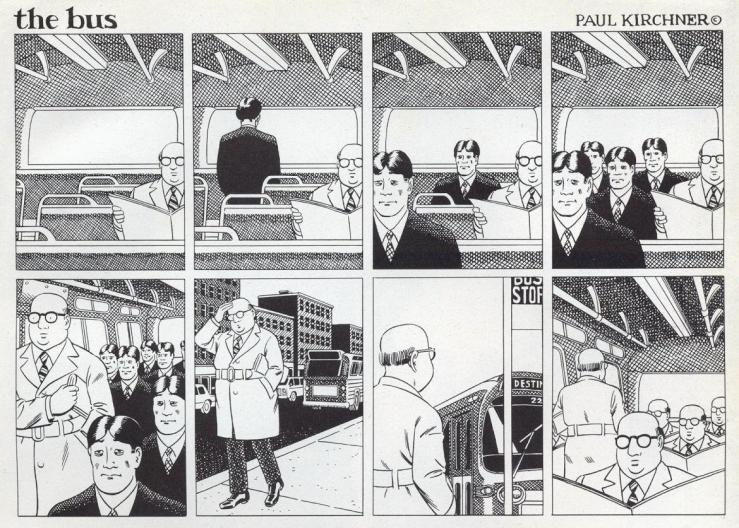
The Bus — Paul Kirchner

e

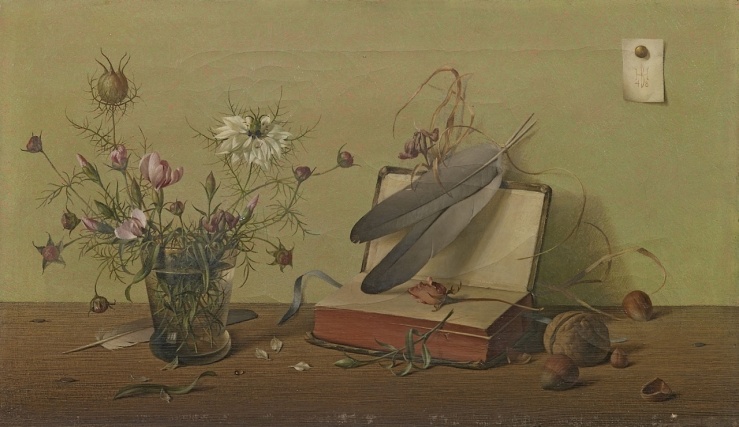
Still Life with Flowers, Book, Nuts and Feathers — Herbert Böttger

tumblr_nf3d7fgU9u1rwu8obo1_1280

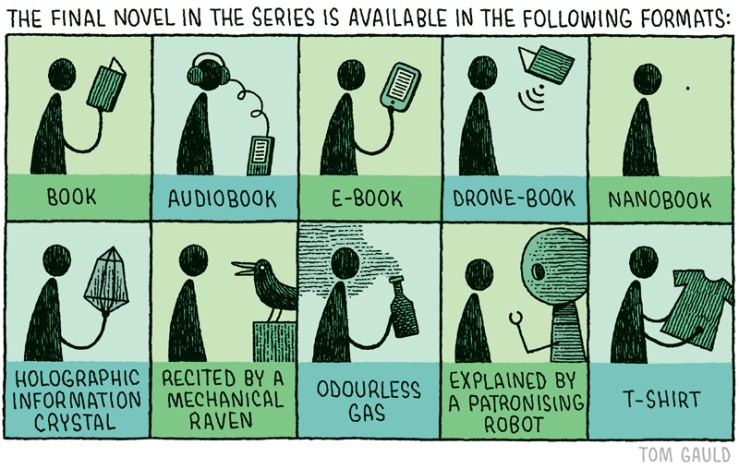
The final novel in the series is available in the following formats: (Tom Gauld)

tumblr_nexntvmgXr1rwkrdbo1_1280

The Skeleton Has the Shell — Paul Delvaux

A bunch of clips of Jean-Luc Godard being ornery

“I know of two kinds of writers” — Jorge Luis Borges

I know of two kinds of writers: those whose central preoccupation is a verbal technique, and those for whom it is human acts and passions. The former tend to be dismissed as “Byzantine” or praised as “pure artists.” The latter, more fortunately, receive the laudatory epithets “profound,” “human,” or “profoundly human,” and the flattering vituperative “savage.” The former is Swinburne or Mallarme; the latter, Celine or Theodore Dreiser. Certain exceptional cases display the virtues and joys of both categories. Victor Hugo remarked that Shakespeare contained Gongora; we might also observe that he contained Dostoevsky…Among the great novelists, Joseph Conrad was perhaps the last who was interested both in the techniques of the novel and in the fates and personalities of his characters. The last that is until the tremendous appearance of Faulkner.

From Borges’ 1937 review of William Faulkner’s Absalom! Absalom!. Originally published in the Argentine magazine El Hogar, part of Borges’ “The Literary Life” column. Republished in Selected Non-Fictions.

The Temptation of St. Anthony (Detail) — Hieronymus Bosch

6

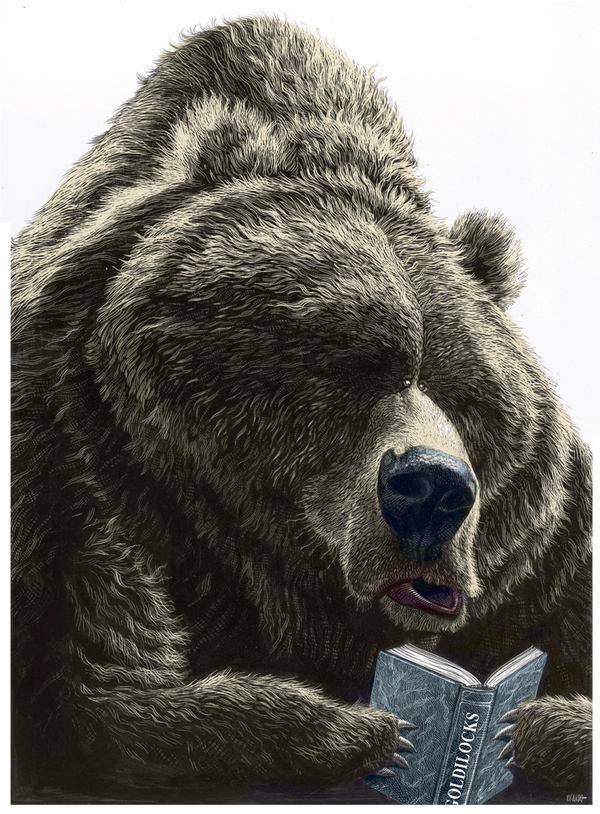
Goldilocks — Ricardo Martinez

419c70eccd30c17f71836912aea2a650

The Kiss — Theodore Gericault

“Kisses” — Robert Herrick

kisses

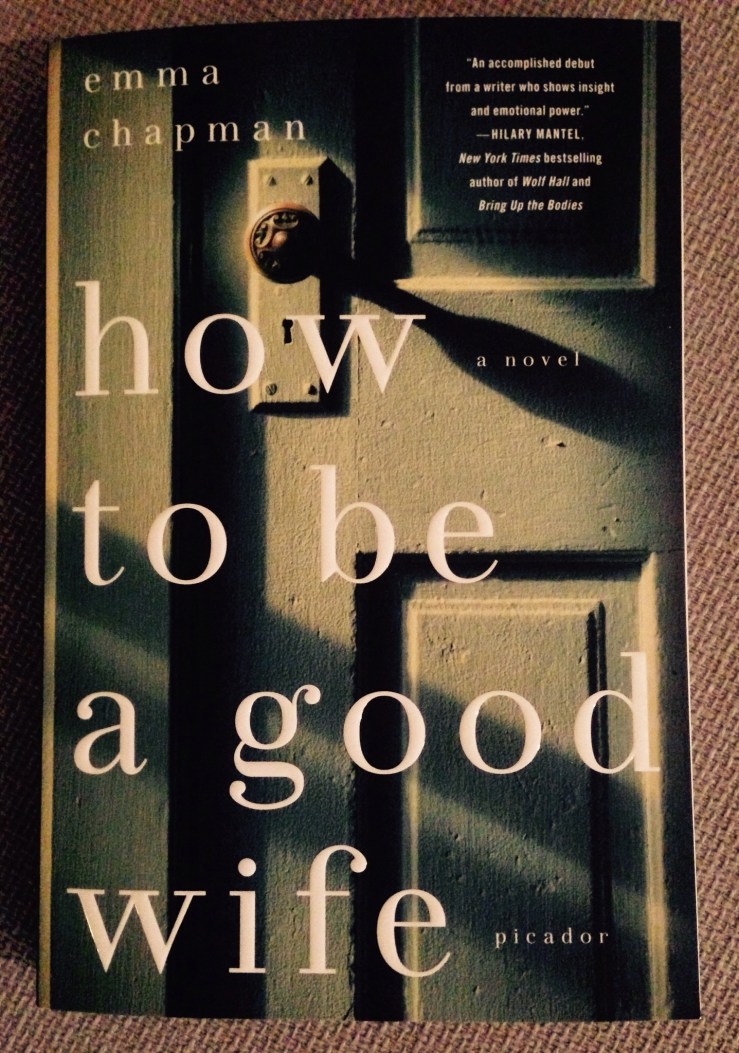
How to Be a Good Wife (Book Acquired, Some Time in October, 2014)


IMG_3591.JPG

Emma Chapman’s novel How to Be a Good Wife is new in trade paperback from Picador. Their blurb:

Marta and Hector have been married for a long time. Through the good and bad; through raising a son and sending him off to life after college. So long, in fact, that Marta finds it difficult to remember her life before Hector. He has always taken care of her, and she has always done everything she can to be a good wife—as advised by a dog-eared manual given to her by Hector’s aloof mother on their wedding day.

But now, something is changing. Small things seem off. A flash of movement in the corner of her eye, elapsed moments that she can’t recall. Visions of a blonde girl in the darkness that only Marta can see. Perhaps she is starting to remember—or perhaps her mind is playing tricks on her. As Marta’s visions persist and her reality grows more disjointed, it’s unclear if the danger lies in the world around her, or in Marta herself. The girl is growing more real every day, and she wants something.

New Will Oldham Interview in BOMB

The controlling idea, I think, is not supposed to be about the performer, but the listener. The performer is always going to dominate and control the whole experience, but as much as you drain expression out of the performance, it’s still going to be completely dominated by the performer. You can get people to sand off those portions of the performance that maybe allow the individual more access and the listening experience to have more to it. If it’s all about the performer’s idiosyncrasies and emotions, then there is no room for the audience. Some audience members might like that kind of music, but take something hyper-emotive, like Janis Joplin, and I’ll think, Ok, Janis, there is no room for me in these songs, so I’ll just turn this off and listen to something else.

From an interview with Will Oldham (Bonnie ‘Prince’ Billy) in the new issue of BOMB.

And Oldham’s latest video, which I would probably totally hate if I didn’t love it so goddamn much: