
Two Plants, 1980 by Lucian Freud (1922-2011)

Two Plants, 1980 by Lucian Freud (1922-2011)
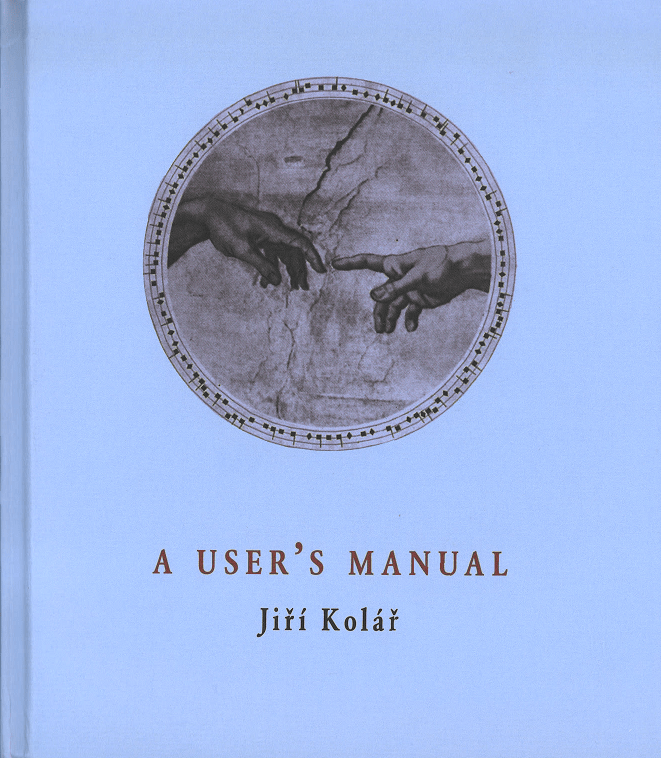
I’ve been slowly enjoying the poems and collages that comprise Jiří Kolář’s collection A User’s Manual (in English translation by Ryan Scott). There are 52 poems and collages here. Each poem is a kind of surrealist recipe, a set of commands that I’ve been trying to follow (in my imagination, I mean).
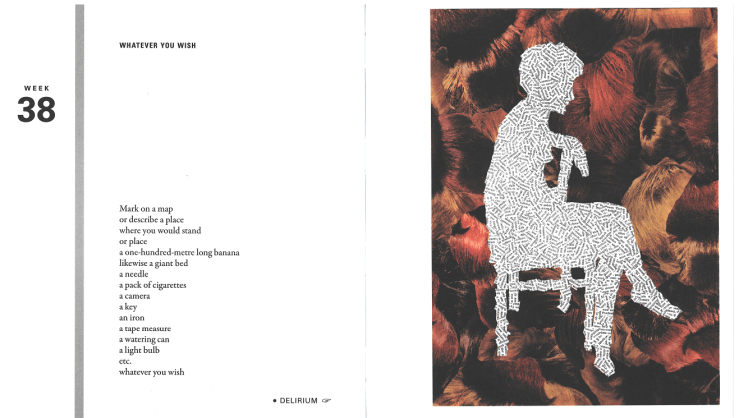
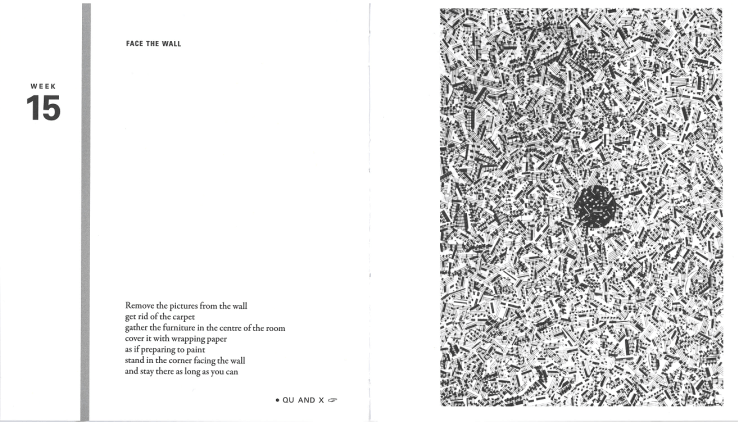
The book itself is beautiful—hardback with full color and black and white illustrations, it fits perfectly with the aesthetic that its publisher Twisted Spoon has been developing for ages now.
Here’s Twisted Spoon’s blurb:
Written in the 1950s and ’60s, the “action poems” comprising a A User’s Manual were published in their complete form in 1969 when they were paired with the 52 collages of Weekly 1967, the first of Kolář’s celebrated series in which he commented visually on a major event for each week of
the year. Taking the form of directives, largely absurd, the poems mock communist society’s officialese while offering readers an opportunity to create their own poetics by performing the given directions. The collages on the facing pages to the poems are composed of layered documents, image cutouts, newspaper clippings, announcements, letter fragments, reports, or decontextualized words, oftentimes forming concrete patterns or the outlines of figures, to create a sort of “evidential” report on the year. Text and image taken together, the volume displays Kolář’s enduring interest in extracting poetry from the mundane to demolish the barrier separating art from reality, or even to elevate reality itself through this dual poetics to the level of art. What art historian Arsén Pohribný wrote about Weekly 1968 equally applies to Weekly 1967: it “shocks with its abrupt stylistic twists” and is “a Babylonian, hybrid parable of multi-reality.” The volume also includes the complete Czech text as an appendix.
“Ode to Dirt”
by
Sharon Olds
Dear dirt, I am sorry I slighted you,
I thought that you were only the background
for the leading characters—the plants
and animals and human animals.
It’s as if I had loved only the stars
and not the sky which gave them space
in which to shine. Subtle, various,
sensitive, you are the skin of our terrain,
you’re our democracy. When I understood
I had never honored you as a living
equal, I was ashamed of myself,
as if I had not recognized
a character who looked so different from me,
but now I can see us all, made of the
same basic materials—
cousins of that first exploding from nothing—
in our intricate equation together. O dirt,
help us find ways to serve your life,
you who have brought us forth, and fed us,
and who at the end will take us in
and rotate with us, and wobble, and orbit.

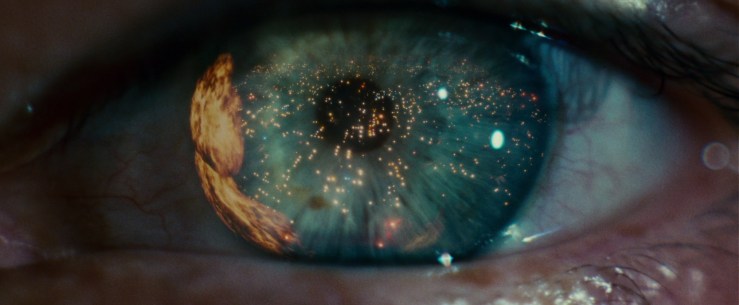
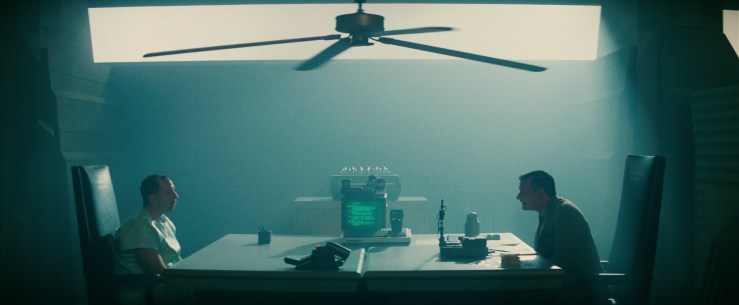
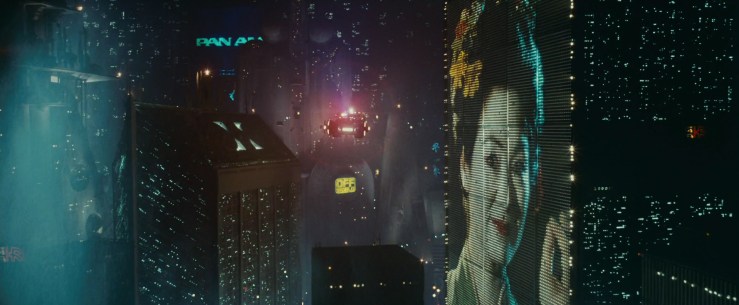


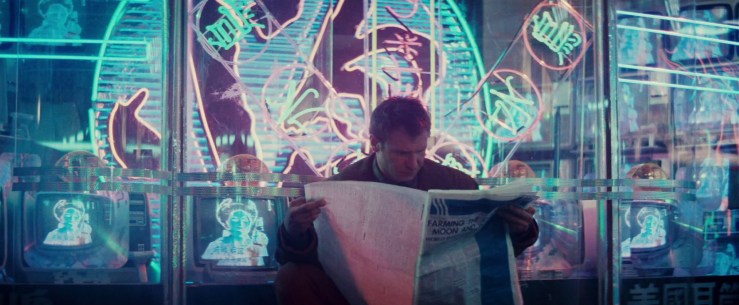
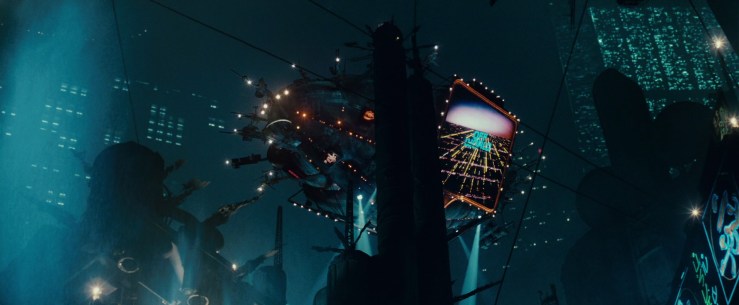

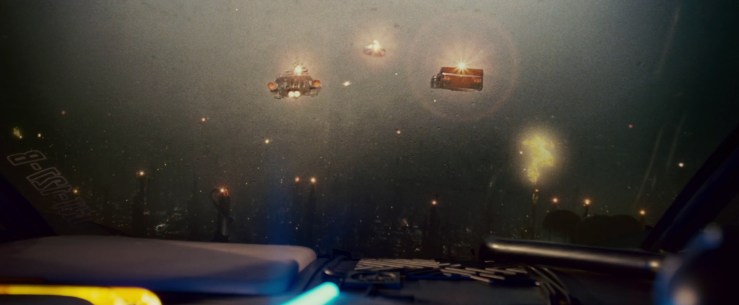

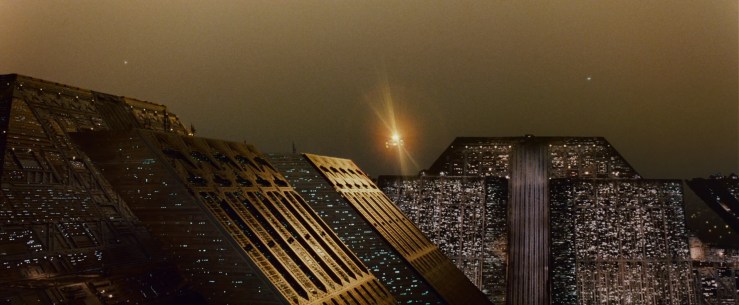
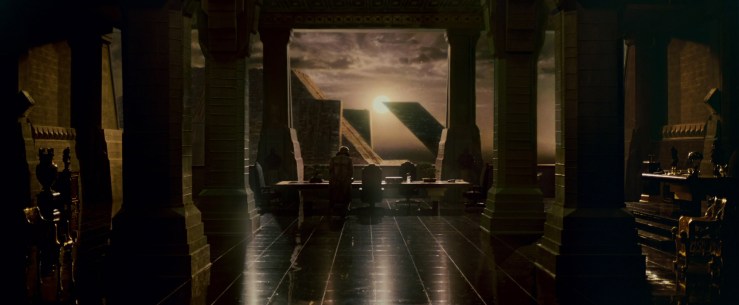
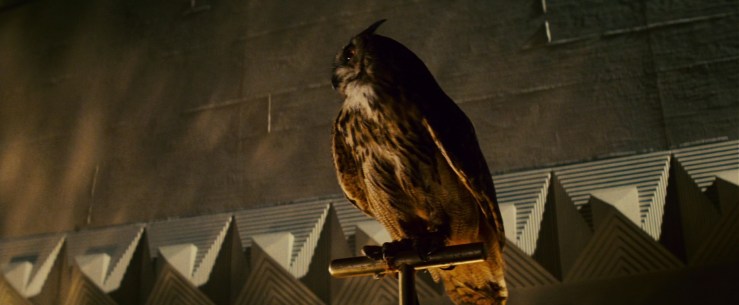
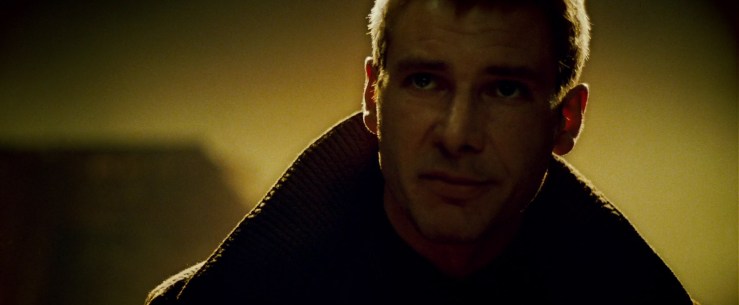
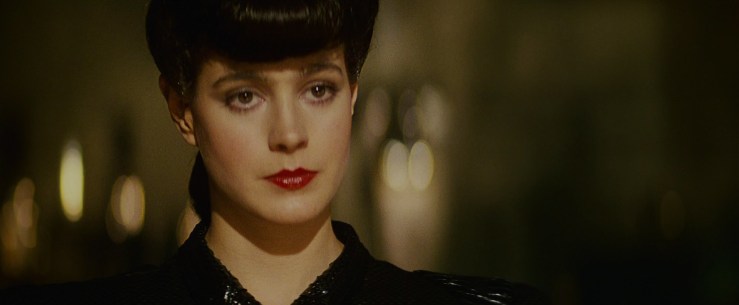
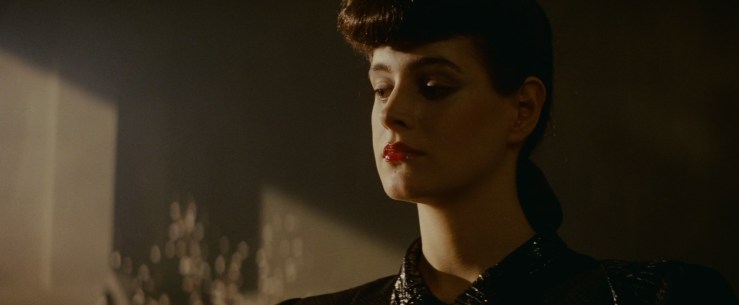
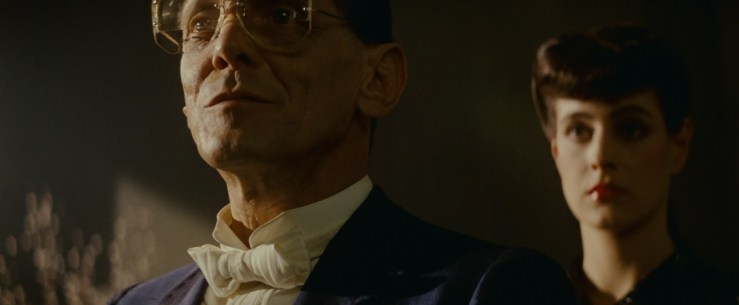

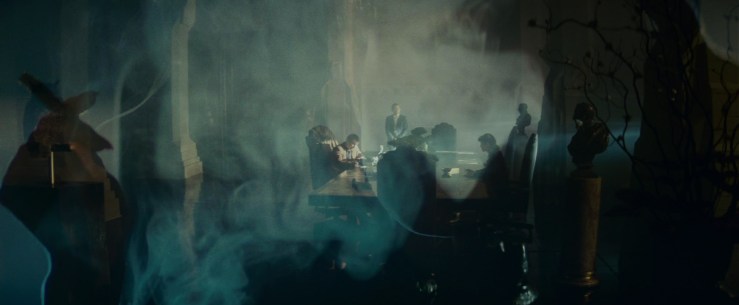

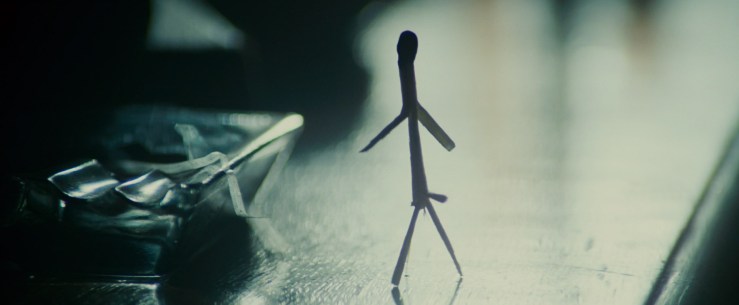
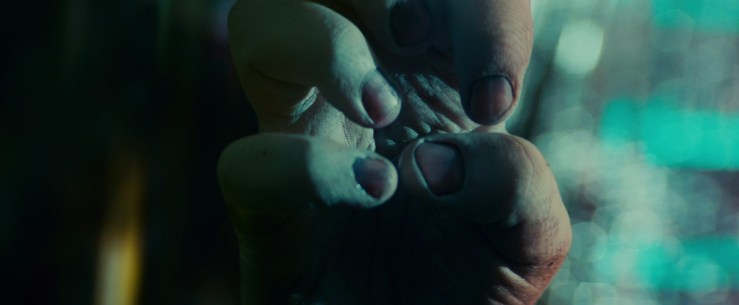
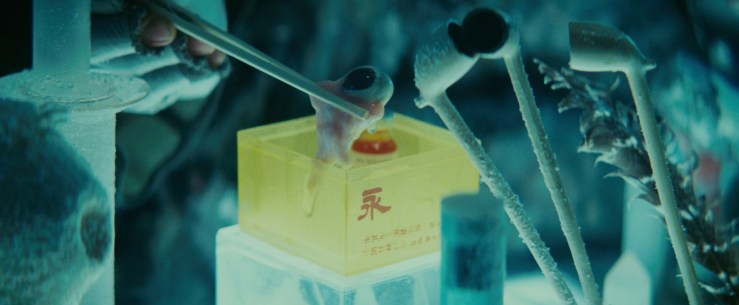


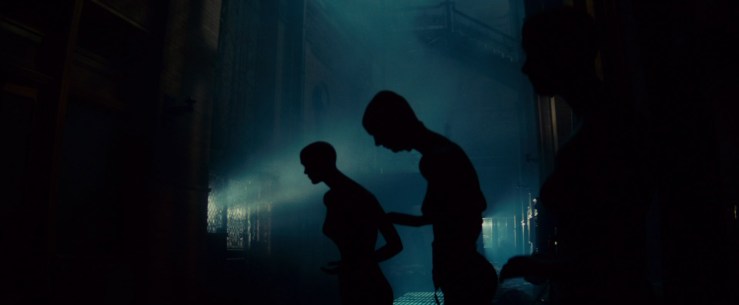


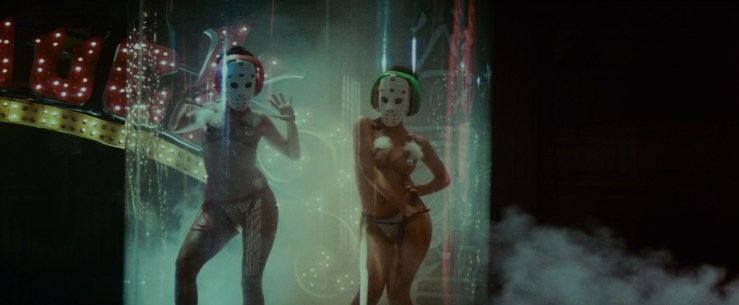
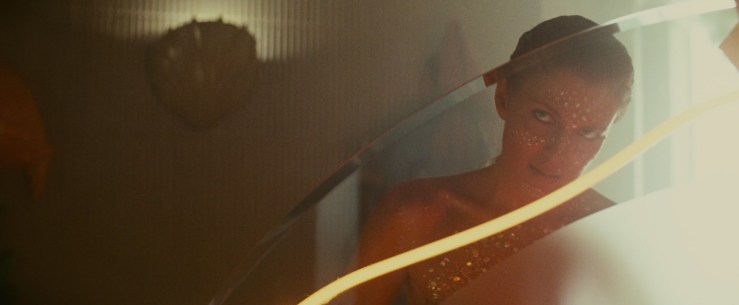
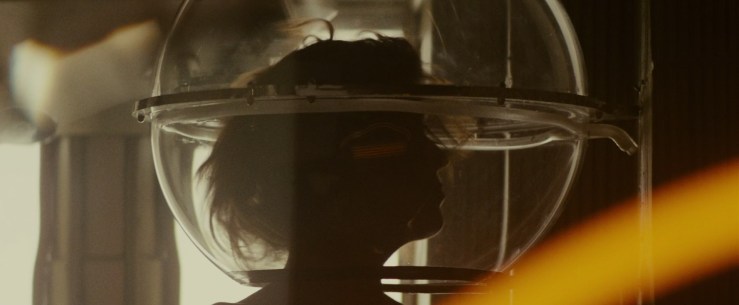
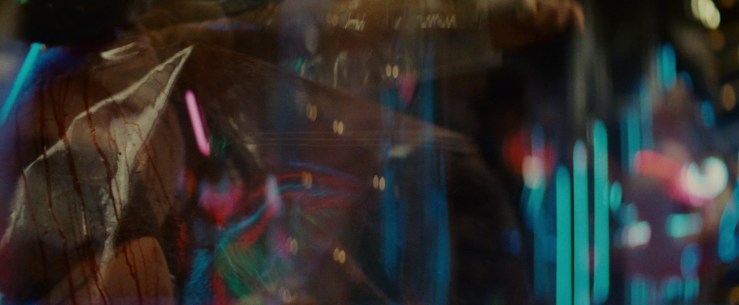
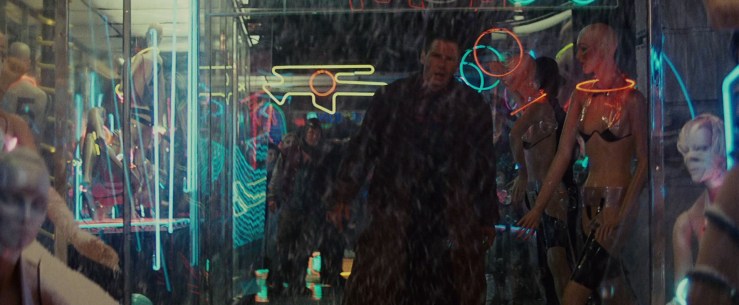
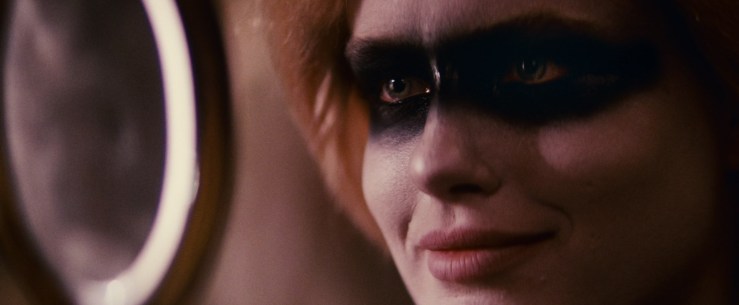

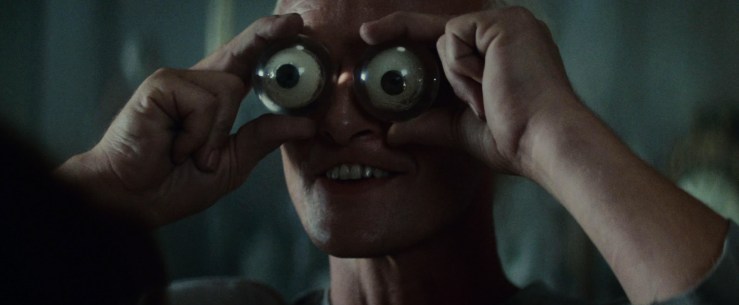
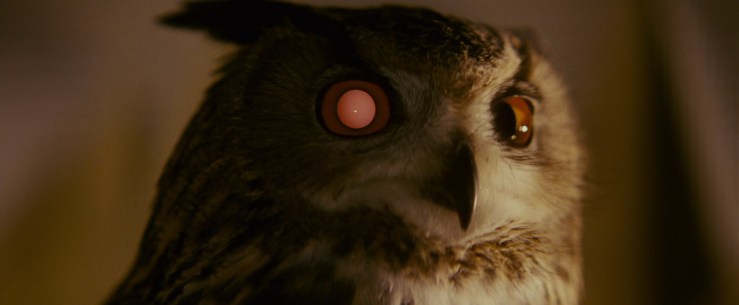

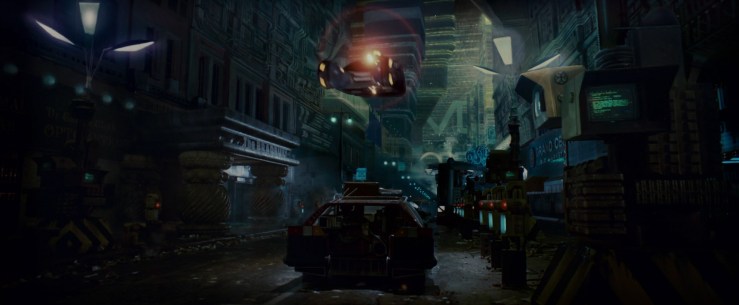
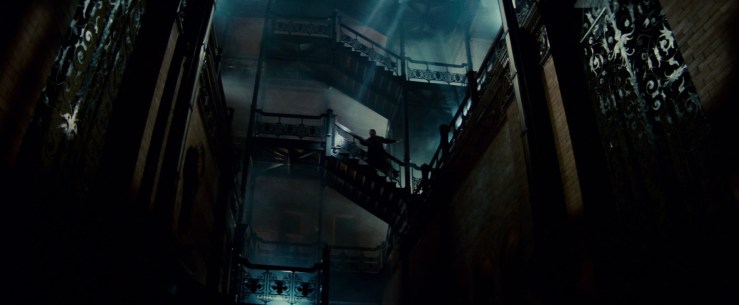
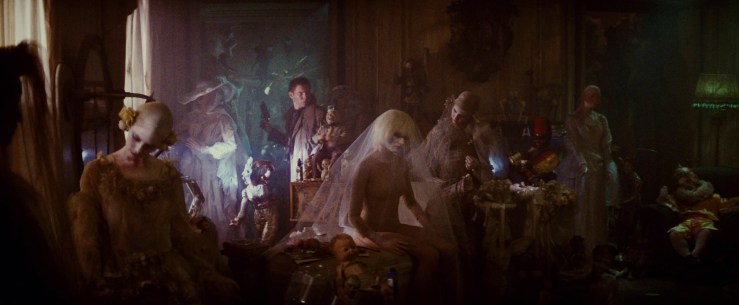
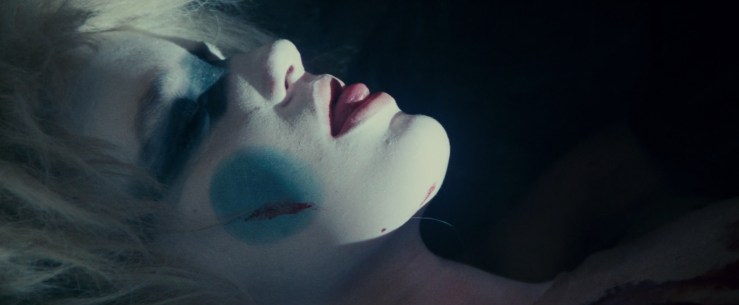
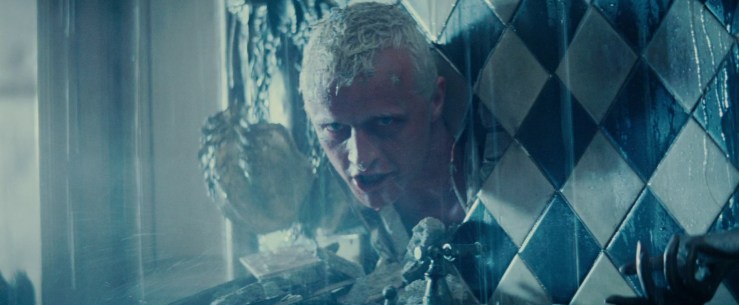
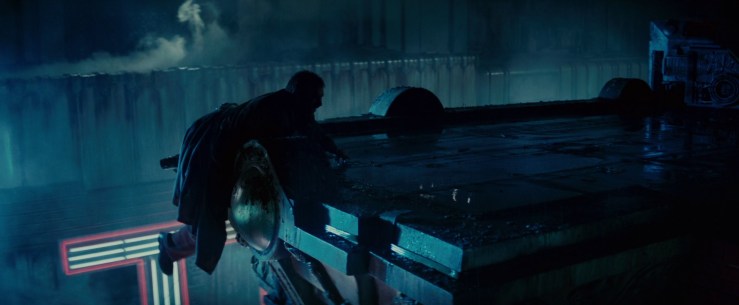
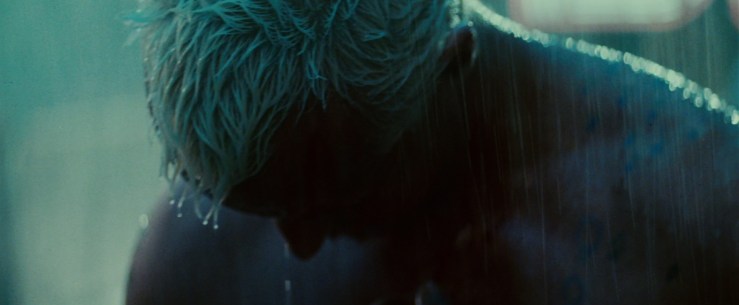

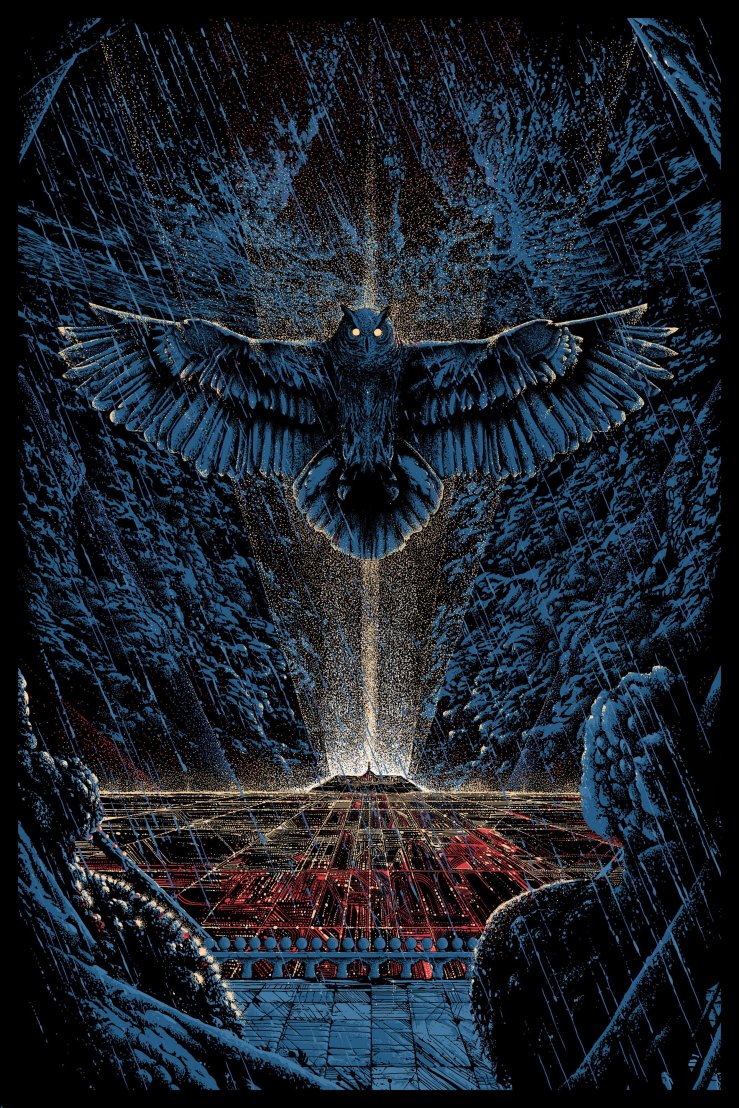
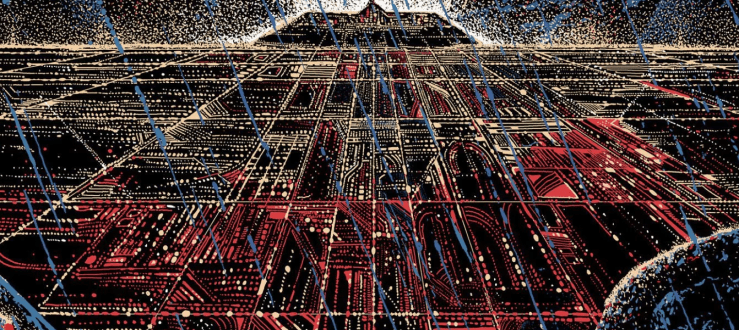
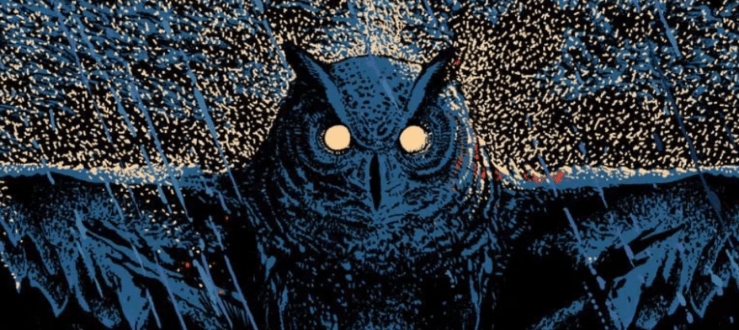
From Blade Runner, 1982. Directed by Ridley Scott with cinematography by Jordan Cronenweth. Via Screen Musings.

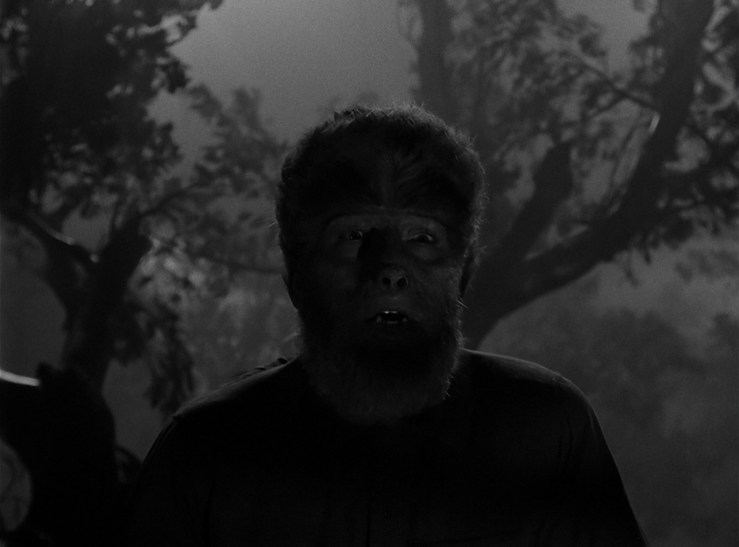
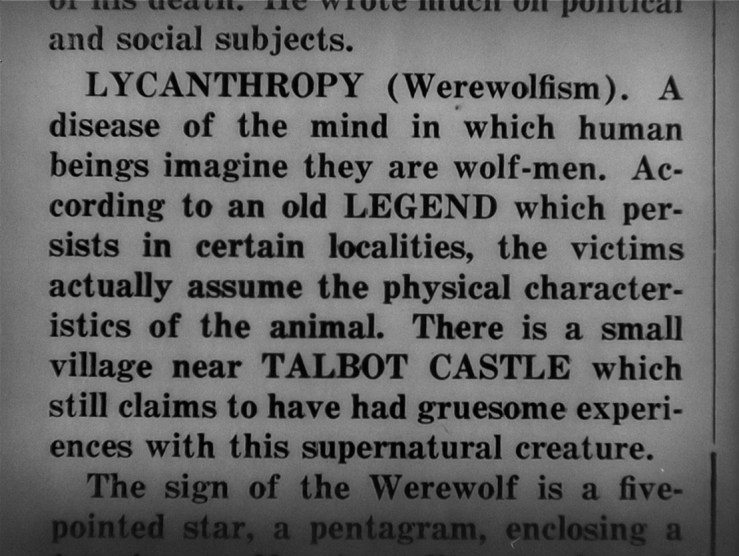
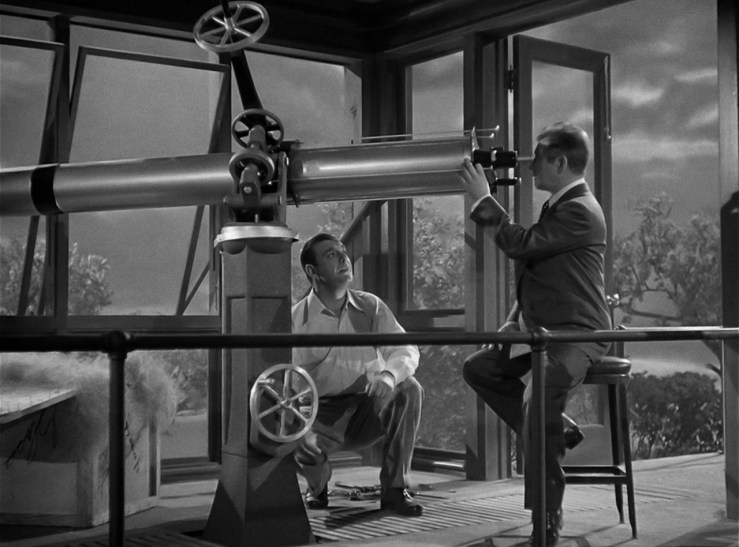
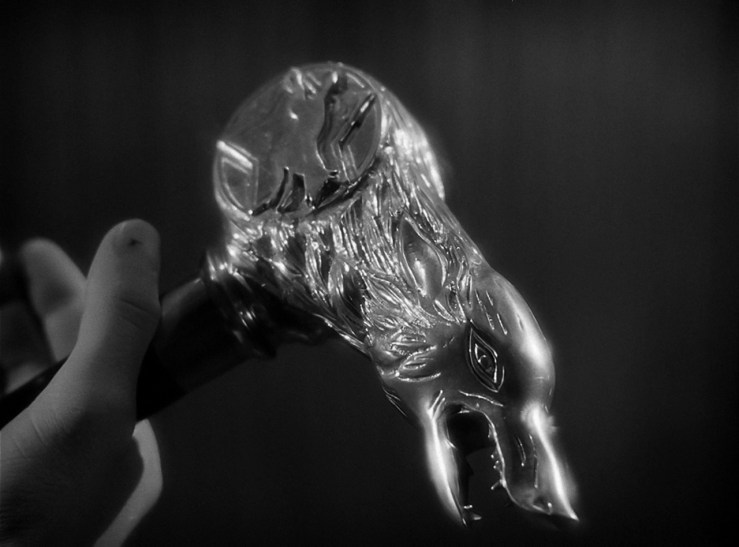
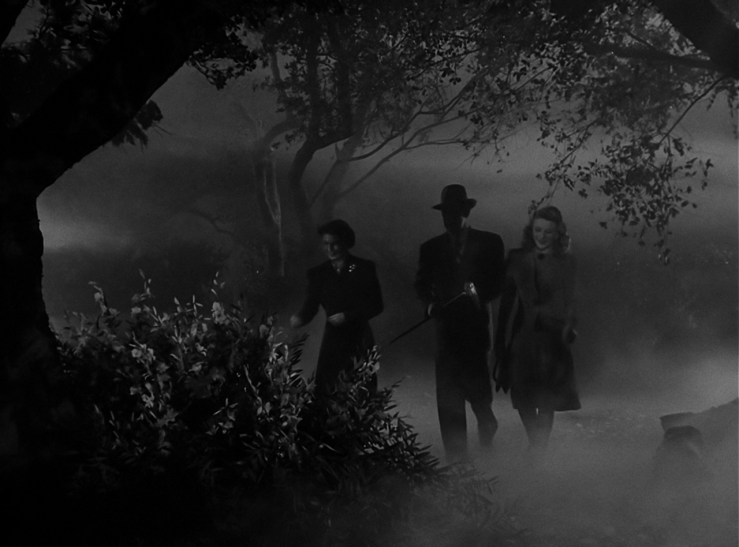
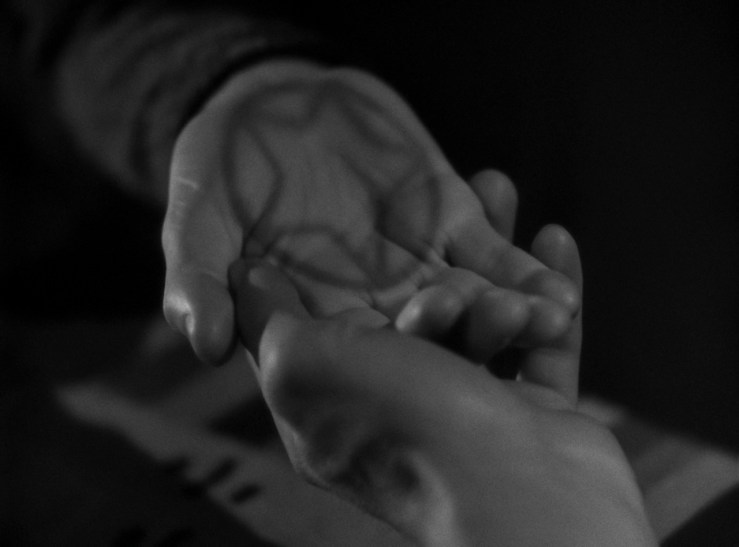
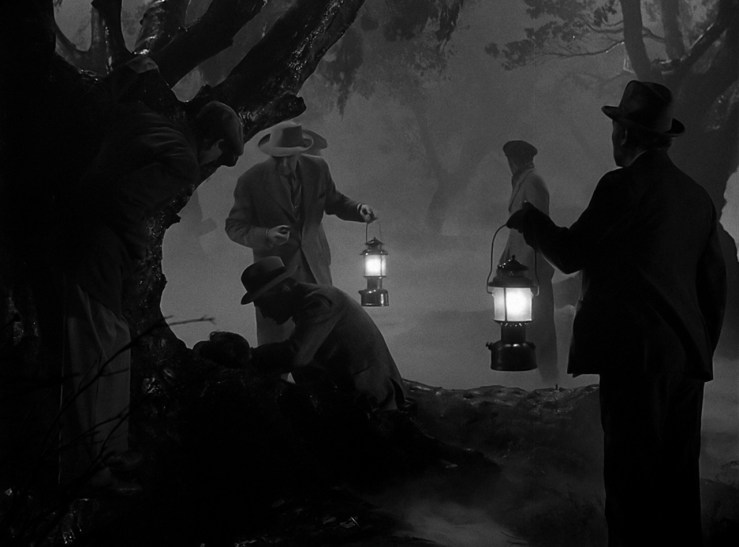
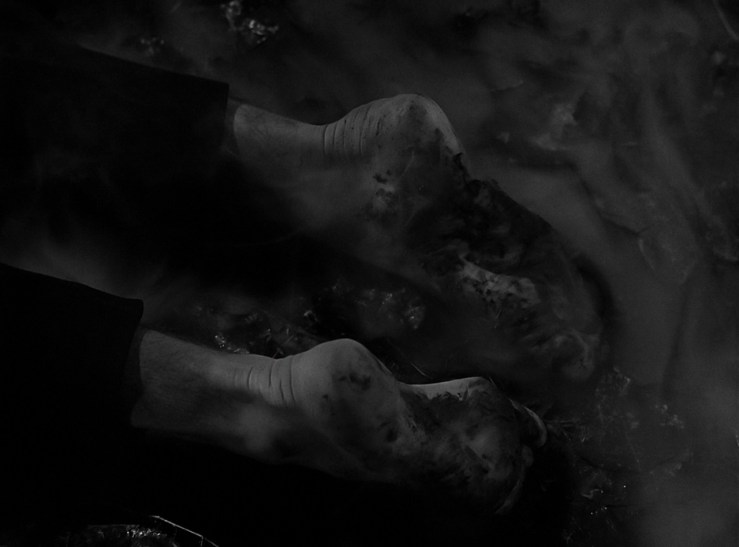
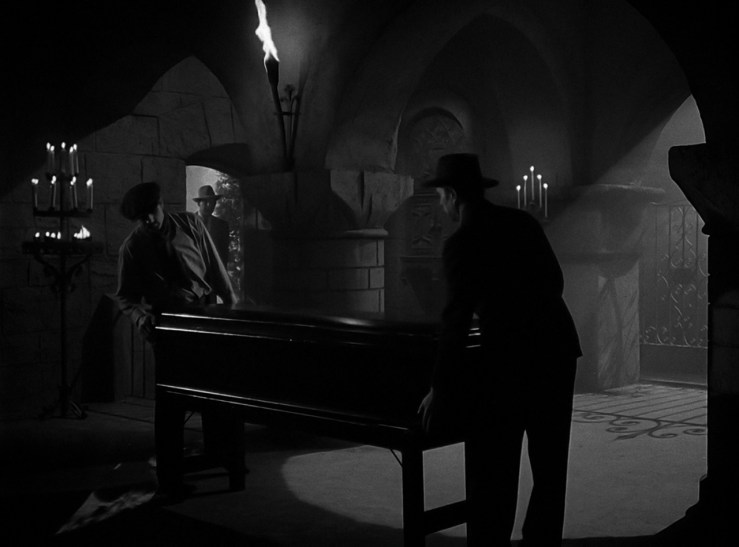
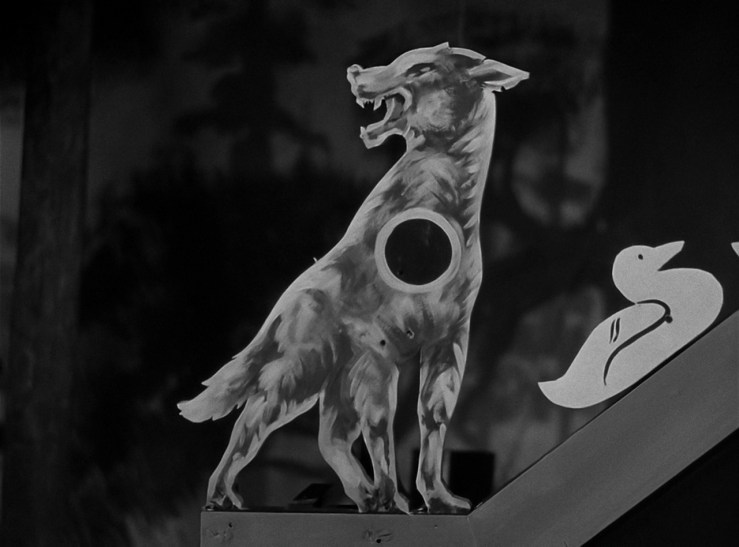
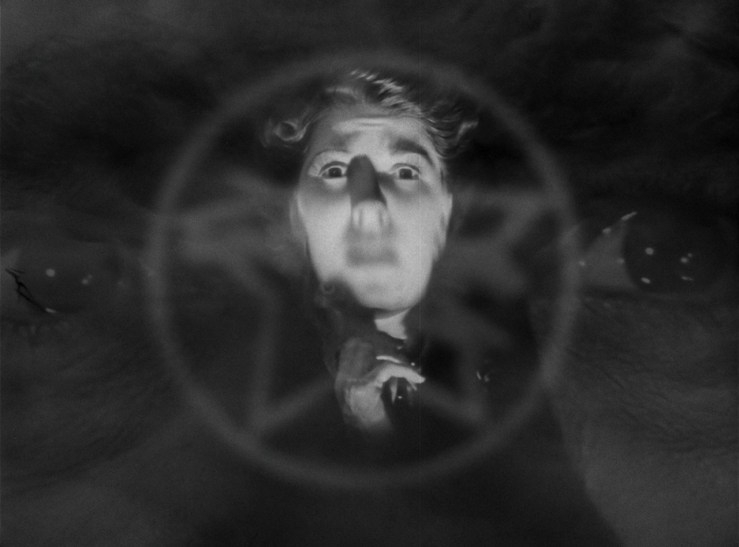

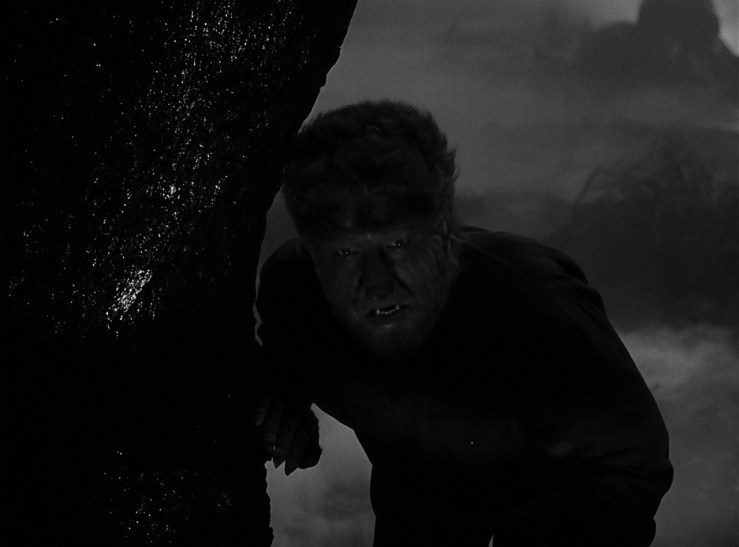
From The Wolf Man, 1941. Directed by George Waggner with cinematography by Joseph A. Valentine. Via Film Grab.
“All Hallow’s Eve”
by
Dorothea Tanning
Be perfect, make it otherwise.
Yesterday is torn in shreds.
Lightning’s thousand sulfur eyes
Rip apart the breathing beds.
Hear bones crack and pulverize.
Doom creeps in on rubber treads.
Countless overwrought housewives,
Minds unraveling like threads,
Try lipstick shades to tranquilize
Fears of age and general dreads.
Sit tight, be perfect, swat the spies,
Don’t take faucets for fountainheads.
Drink tasty antidotes. Otherwise
You and the werewolf: newlyweds.

Fairy Mab, 1820 by Henry Fuseli (1741–1825)

Natural History of Selborne: Bat and Spider, 1932 by Gertrude Hermes (1901–1983)

New York, New York 10008, 1967 by Nemesio Antúnez (1918–1993)

Vision of Medea, 1828 by Joseph Mallord William Turner (1775–1851)
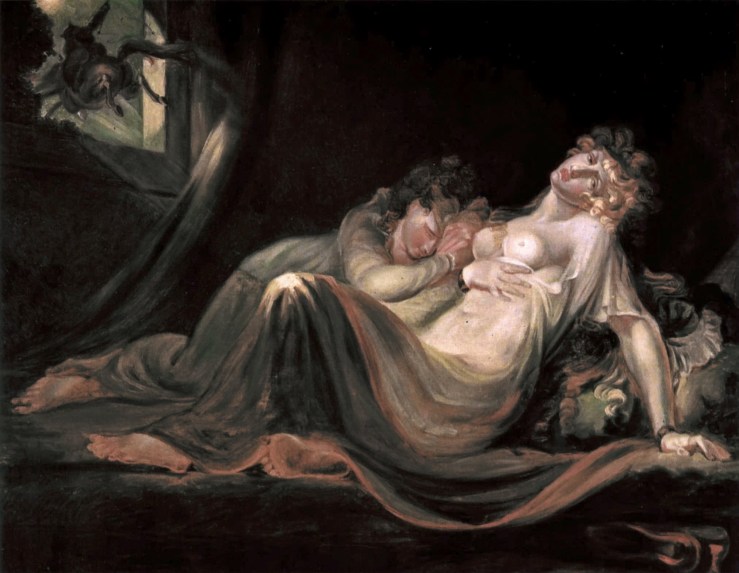
The Incubus Leaving Two Sleeping Women, 1793 by Henry Fuseli (1741–1825)

The Weeping Woman, 1942 by Raúl Anguiano (1915–2006)

Paroxysm, 1963 by Carlos Raquel Rivera (1923–1999)

Complete Tales & Poems by Edgar Allan Poe. Fat trade paperback by Vintage; most recent date indicates 1975 but that can’t be right. No designer credited.
You know Poe.

Tell My Horse by Zora Neale Hurston. 1983 trade paperback edition from Turtle Island. Neither designer nor photographer are credited.
A wonderful and weird trip to Jamaica and Haiti…and zombies!

From Hell by Alan Moore & Eddie Campbell. 2004 irregular-big trade paperback from Top Shelf. No designer/artist credited, but it’s clearly Campbell’s work.
One of my favorite scary novels ever. I reviewed it like a decade ago on this site. I found this postcard in it, a collage by the surealist Jacques Prévert:

The postcard, from James Cooke, included this text, a quote of Cormac McCarthy’s horror novel Blood Meridian:
They entered the city haggard and filthy and reeking with the blood of the citizenry for whose protection they had contracted.
James won a postcard-based contest on this site like a decade ago, god love him.
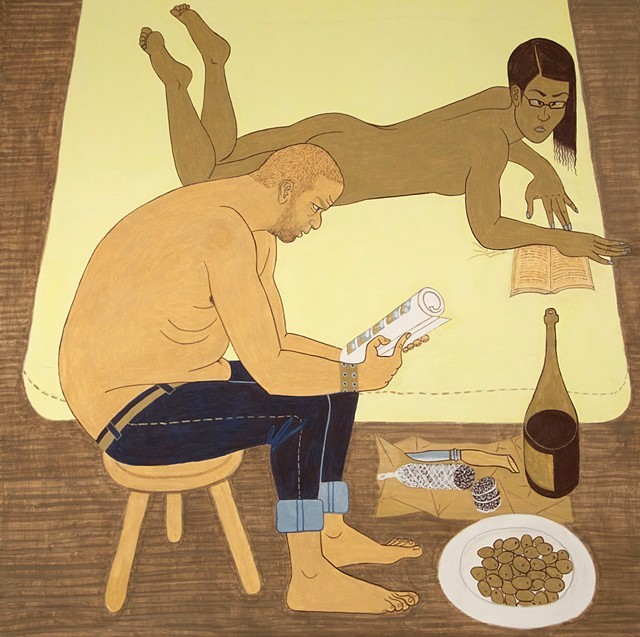
À la bonne franquette (A Simple Meal), 2019 by Yves Tessier (b. 1955)
 Biblioklept