The Mother Conspiracy (Gravity’s Rainbow)

Otto is earnestly explaining his views on the Mother Conspiracy. It’s not often a sympathetic girl will listen. The Mothers get together once a year, in secret, at these giant conventions, and exchange information. Recipes, games, key phrases to use on their children. “What did yours use to say when she wanted to make you feel guilty?”

“‘I’ve worked my fingers to the bone!’” sez the girl.

“Right! And she used to cook those horrible casseroles, w-with the potatoes, and onions—”

“And ham! Little pieces of ham—”

“You see, you see? That can’t be accidental! They have a contest, for Mother of the Year, breast-feeding, diaper-changing, they time them, casserole competitions, ja—then, toward the end, they actually begin to use the children. The State Prosecutor comes out on stage. ‘In a moment, Albrecht, we are going to bring your mother on. Here is a Luger, fully loaded. The State will guarantee you absolute immunity from prosecution. Do whatever you wish to do—anything at all. Good luck, my boy.’ The pistols are loaded with blanks, natürlich, but the unfortunate child does not know this. Only the mothers who get shot at qualify for the finals.

Here they bring in psychiatrists, and judges sit with stopwatches to see how quickly the children will crack. ‘Now then, Olga, wasn’t it nice of Mutti to break up your affair with that long-haired poet?’ ‘We understand your mother and you are, ah, quite close, Hermann. Remember the time she caught you masturbating into her glove? Eh?’ Hospital attendants stand by to drag the children off, drooling, screaming, having clonic convulsions. Finally there is only one Mother left on stage. They put the traditional flowered hat on her head, and hand her the orb and scepter, which in this case are a gilded pot roast and a whip, and the orchestra plays Tristan und Isolde.

From Thomas Pynchon’s novel Gravity’s Rainbow.
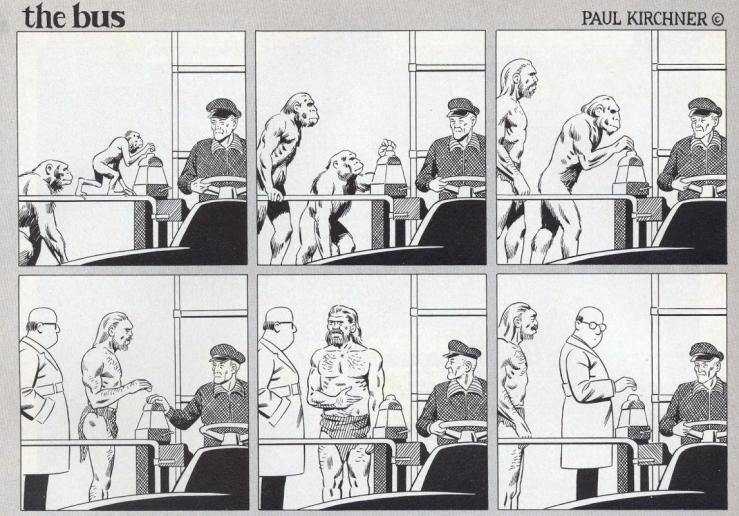
The Bus — Paul Kirchner

GyUprmZ - Imgur

Portrait of the Artist’s Mother

Portrait of the Artist’s Mother — Vincent van Gogh
The Artist’s Mother — Pierre-Auguste Renoir
Portrait of the Artist’s Mother — Camille Pissarro

Continue reading “Portrait of the Artist’s Mother”

“Mothers” — William Gaddis

“Mothers” by William Gaddis

When Ralph Waldo Emerson informed—or rather, perhaps, warned us—that we are what our mothers made us, we might dismiss it as received opinion and let it go at that, like the broken clock which is right twice a day, like the self-evident answer contained in Freud’s oft-quoted query “What do women want?” when, as nature’s handmaid, she must want what nature wants which is, quite simply, More. But which woman? Whose mother, Emerson’s? A woman so in thrall to religion that we confront another dead end; or Freud’s? or even one’s own, even mine, offering an opportune bit of wisdom to those of us engaged in the creative arts, where paranoia is almost an occupational hazard: “Bill, just try to remember,” she said, “there is much more stupidity than there is malice in the world,” an observation lavish with possibilities recalling Anatole France finding the fool more dangerous than the rogue because “the rogue does at least take a rest sometimes, the fool never.”

This is hardly to see stupidity and malice as mutually exclusive: look at your morning paper, where their combined forces explode exponentially (women and children first) from Bosnia to Belfast, unlike the international “intelligence community” so self-contained in its malice-free exercises that it generally ensnares only its own dubious cast of players. Of further importance is the distinction between stupidity and ignorance, since ignorance is educable, while stupidity’s self-serving mission is the cultivation and exploitation of ignorance, as politicians are keenly aware.

How, then, might Emerson’s mother have seen herself stumbling upon Thomas Carlyle’s vision of her son as a “hoary-headed and toothless baboon”? Or Freud’s, in the gross unlikelihood of her reading the Catholic World’s review of her son’s book Moses and Monotheism as “poorly written, full of repetitions . . . and spoiled by the author’s atheistic bias and his flimsy psychoanalytic fancies”? Goethe’s Wilhelm Meister dismissed as “sheer nonsense” by the Edinburgh Review and, a good century later, the hero of Saul Bellow’s Dangling Man ridiculed as a “pharisaical stinker” in Time magazine, John Barth’s The End of the Road recommended by Kirkus Reviews “for those schooled in the waste matter of the body and the mind,” and William Faulkner’s Absalom, Absalom! shrugged off as the “final blowup of what was once a remarkable, if minor, talent” by The New Yorker magazine where, just forty years later, “a group of avant-garde critics has put forward the idea that books should be made unreadable. This movement has manifest advantages. Being unreadable, the text repels reviewers, critics, anthologists, academic literati, and other parasitical forms of life,” indicting the author of the novel J R wherein “to produce an unreadable text, to sustain this foxy purpose over 726 pages, demands rare powers. Mr. Gaddis has them.” “You’re a fool, a fool!” the distraught mother of Dostoevski’s ill-fated hero Nikolay Stavrogin cries out at the “parasitical forms of life” surrounding her. “You’re all ungrateful fools. Give me my umbrella!”

(“Mothers” is collected in The Rush to Second Place).

The Guest — Francesco Balsamo

opere05

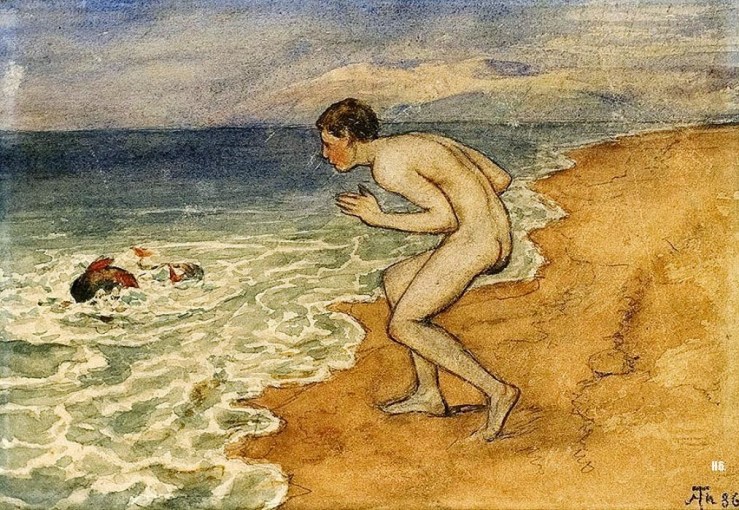
On the Beach — Hans Thoma

On the beach. 1886. Hans Thoma

Pynchon in Public, 8 May 2015


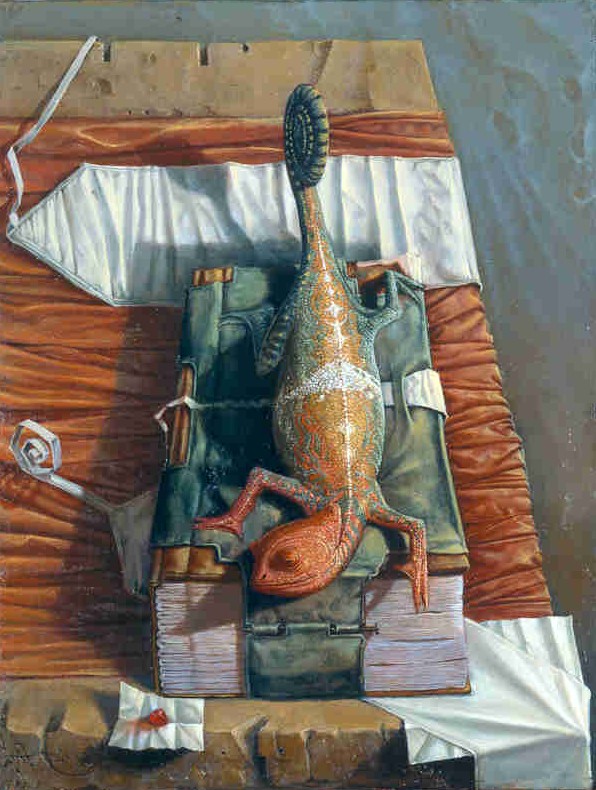
Chameleon with a Grain of Pomegranate — Agostino Arrivabene

tumblr_lxi0pf85ce1qhvnw6o1_1280

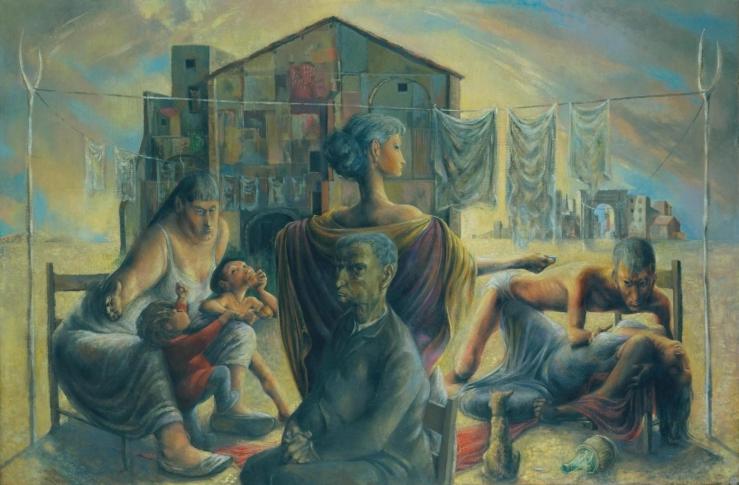
The Captive Seven — Michael Ayrton

The Captive Seven 1949-50 Michael Ayrton 1921-1975 Presented by the Friends of the Tate Gallery 1990 http://www.tate.org.uk/art/work/T05854

Watch a film about Thomas Pynchon, A Journey into the Mind of P


This 2002 documentary by Donatello Dubini and Fosco Dubini is kind of a mess, but it’s a fun mess. Interviews with old friends, like Jules Siegel, superfans and webdudes, and critics (George Plimpton shows up a few times), are interspliced with a lot of stock footage. The Residents’ fantastic pop appropriations from The Third Reich Rock n’ Roll help to stitch the movie together. The film occasionally indulges in a kind of obvious paranoid rambling, and the last section, detailing an attempt to photograph Thomas Pynchon (you remember that silly CNN report?) is not nearly as interesting as Allen Rush or other Pynchonians analyses…. Sort of a for completists only deal.

Invocation — Remedios Varo

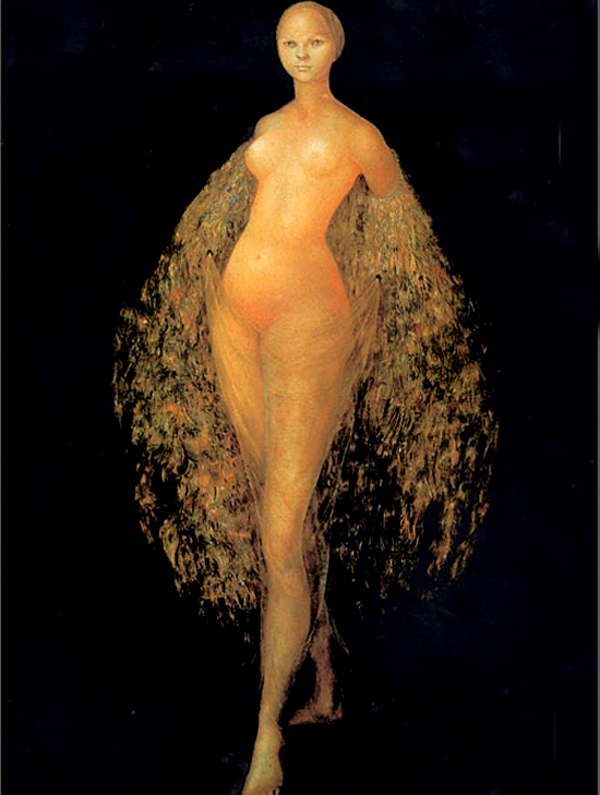
La Femme Lune — Leonor Fini

tumblr_l21vzkX54e1qa7guao1_r1_1280

What the hell is Pynchon in Public Day?

image

Pynchon in Public Day is tomorrow, May 8th–that’s Pynchon’s birthday if you’re keeping score. (He’ll be 78 tomorrow. Last year I put together links for his auspicious 77th birthday).

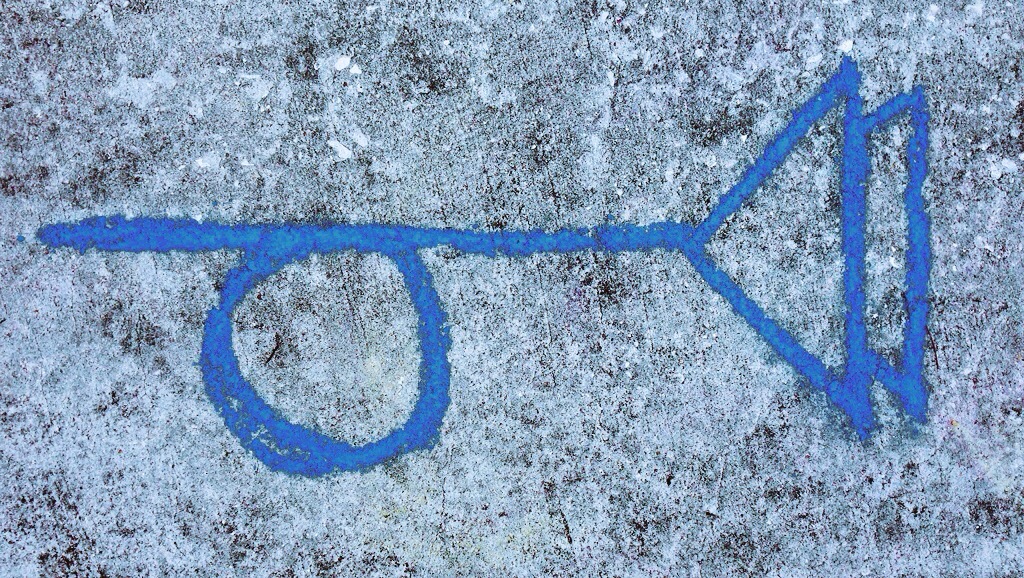
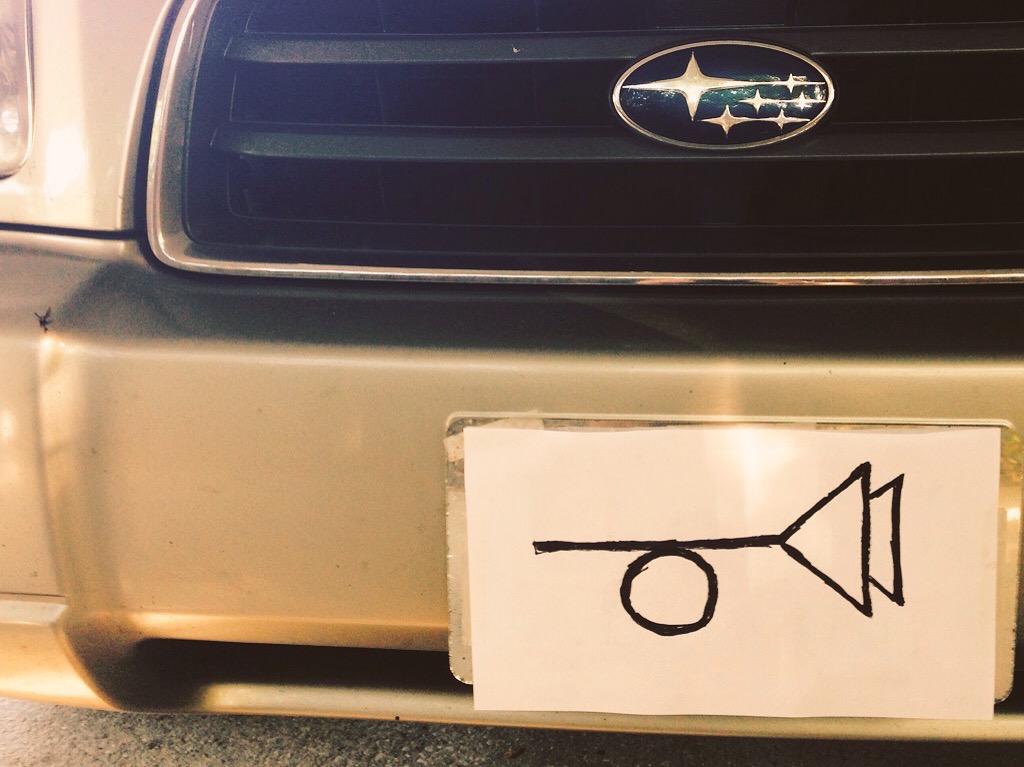
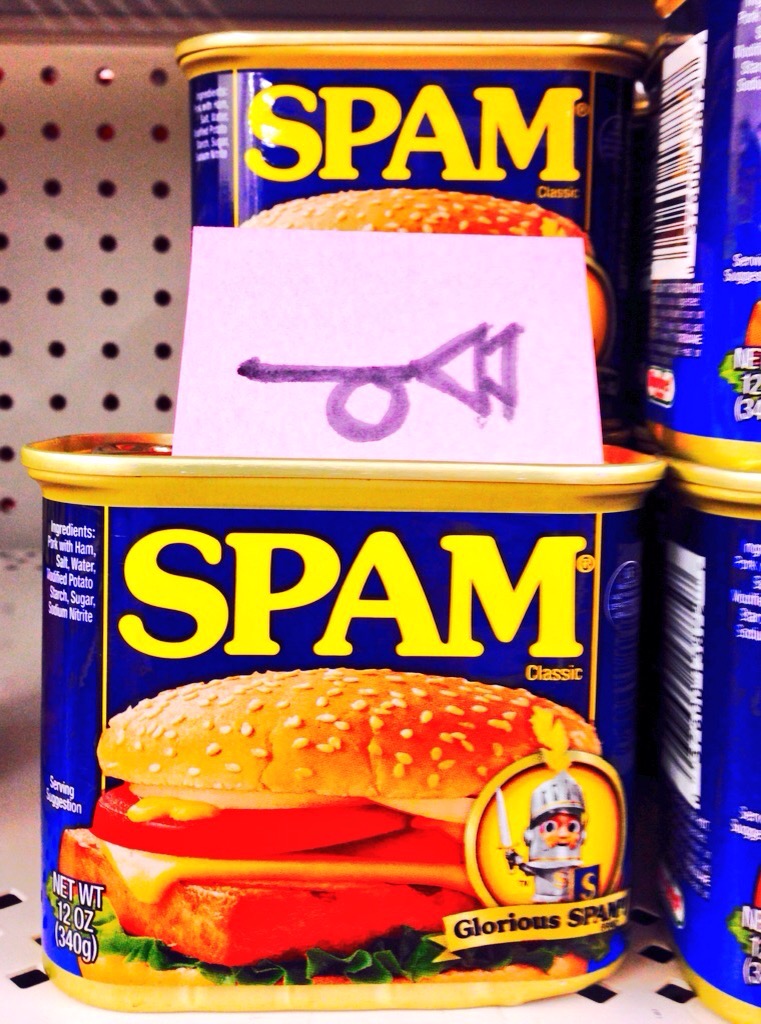
For the past couple of years, I’ve seen the phrase Pynchon in Public pop up in my Twitter timeline, often as a hashtag. I had a (willfully) vague idea about what Pynchon in Public was all about–like, reading Pynchon publicly, posting the W.A.S.T.E. horn in public places, leaving books about. Making the secret sign. Etc.

But so and anyway: I’ve been reading or re-reading Pynchon more or less non-stop for the past two years, after diving for reasons I can’t recall into Against the Day, following that up with Mason & Dixon, and then going through The Crying of Lot 49 and Inherent Vice again. (In the deepest and most sincere spirit of my Pynchon-reading-experience, I abandoned Bleeding Edge twice during this time). I’m rereading Gravity’s Rainbow now after just having finished it (after years of false starts). Reading it again is like reading it for the first time, and as I progress (and sometimes retreat) through the Zone, I experience a sympathetic fragmentation, a scattering, a sense that the novel is consuming me. Another way of saying this is that Gravity’s Rainbow is a scary book, and all of Pynchon is scary in the sense that it’s all just one big book. It kinda sorta worms its way into the ear of one’s consciousness, wriggles (Ruggles?) behind the old brainpan, performs a paranoid song and dance routine. Other fun and games too.

Wait, what? Continue reading “What the hell is Pynchon in Public Day?”

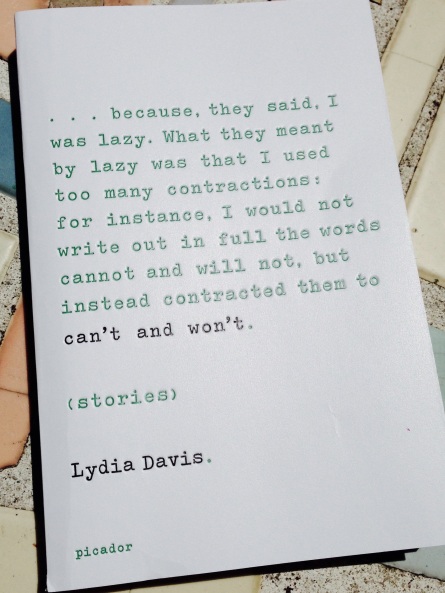
This is not a review of Lydia Davis’s Can’t and Won’t

This is the part of the not-review where I include a picture I took of the book to accompany the not-review:

image

This is the part of the not-review where I briefly restage Lydia Davis’s publishing history to provide some context for readers new to her work.

This is the part of the not-review where I submit that anyone already familiar with Lydia Davis’s short fiction is likely to already hold an opinion on it that won’t (but could) be changed by Can’t and Won’t.

This is the part of the not-review where I dither pointlessly over whether or not the stories in Can’t and Won’t are actually stories or something other than stories.

This is the part of the not-review where I state that I don’t care if the stories in Can’t and Won’t are actually stories or something other than stories.

This is the part of the not-review where I explain that I have found a certain precise aesthetic pleasure in most of Can’t and Won’t that radiates from the savory contradictory poles of identification and alienation.

This is the part of the not-review where I cite an example of identification with Davis’s narrator-persona-speaker:

IMG_6074

This is the part of the not-review where I claim that I used scans of the text to preserve the look and feel of Lydia Davis’s prose on the page.

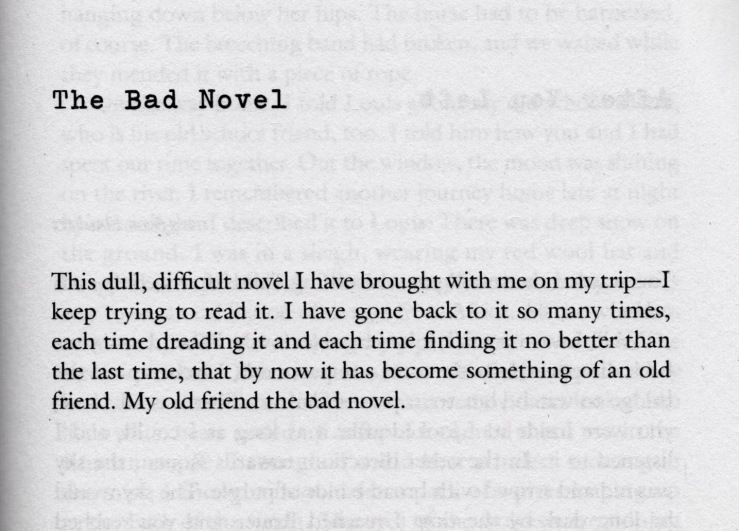
This is the part of the not-review where I say that some of my favorite moments in Can’t and Won’t are Davis’s expressions of frustrated boredom with literature (or do I mean publishing?), like in the longer piece “Not Interested.”

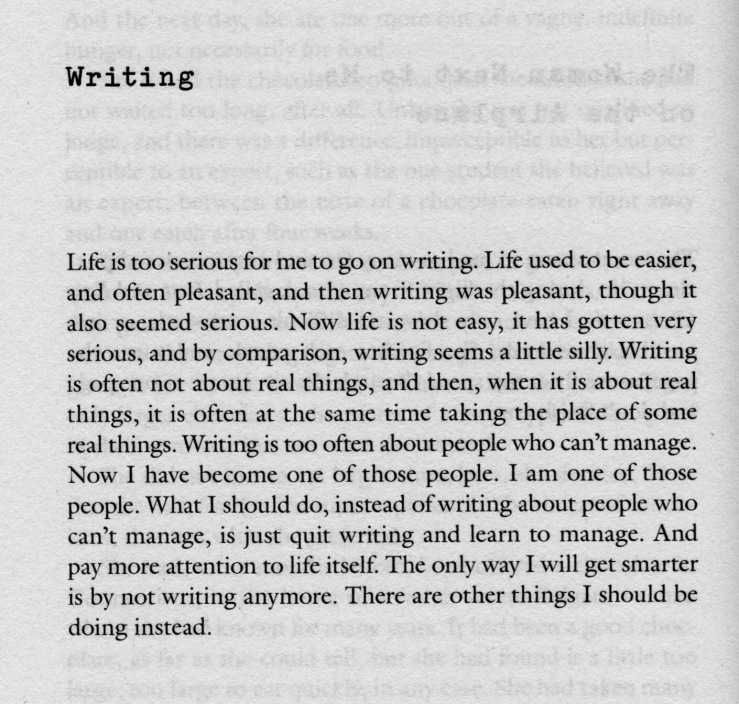
This is the part of the not-review where I point out that Davis’s speaker-narrator-persona expresses frustration with the act of writing itself:

IMG_6072

This is the part of the not-review where I dither pointlessly over distinctions between Davis the author and Davis the persona-speaker-narrator.

This is the part of the not-review where I point out that (previous dithering and frustration-with-writing aside) writing itself is a major concern of Can’t and Won’t:

IMG_6070

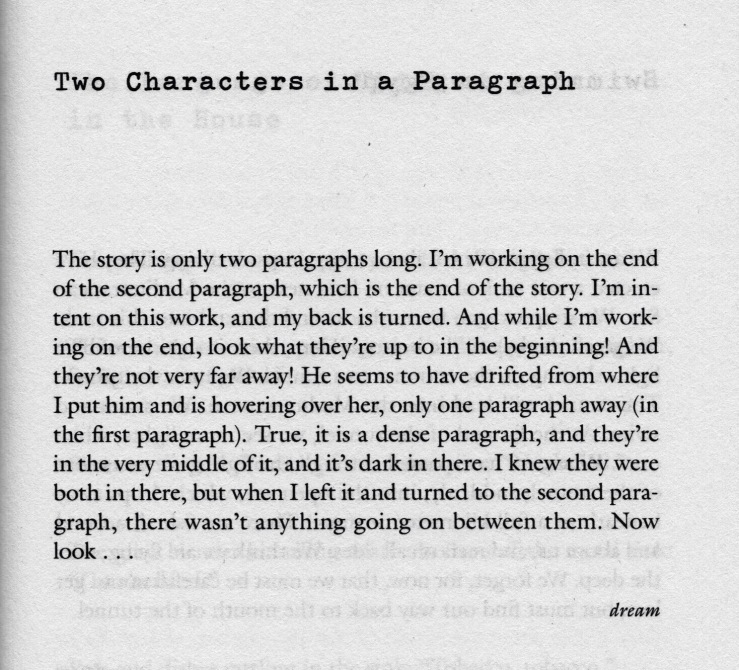
This is the part of the not-review where I say that many of the stories in Can’t and Won’t are labeled dream, and I often found myself not really caring for these dreams (although I like the one above), but maybe I didn’t really care for the dreams because of their being tagged as dreams. (This is the part of the not-review where I point out that our eyes glaze over when anyone tells us their literal dreams).

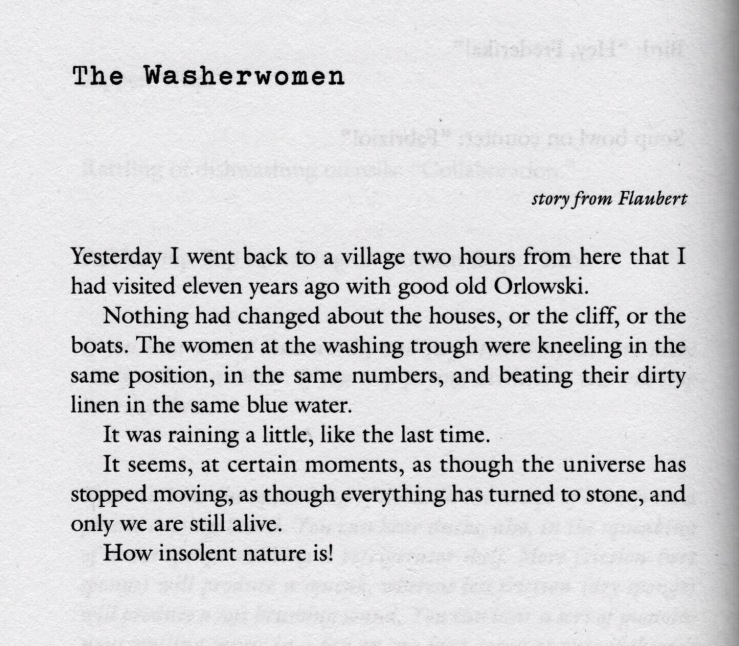
This is the part of the not-review where I transition from stories tagged dream to stories tagged story from Flaubert, like this one:

IMG_6076

This is the part of the not-review where I say how much I liked the stories from Flaubert stories in Can’t and Won’t.

This is the part of the not-review where I mention Davis’s translation work, but don’t admit that I didn’t make it past the first thirty pages of her Madame Bovary. 

This is the part of the not-review where I needlessly reference my review of The Collected Stories of Lydia Davis and point out that that collection is not so collected now.

This is the part of the not-review where I pointlessly dither over post-modernism, post-postmodernism, and Davis’s place in contemporary fiction. (This is the part of the not-review where I needlessly cram in the names of other authors, like Kafka and Walser and Bernhard and Markson and Adler and Miller &c.).

This is the part of the not-review where I claim that nothing I’ve written matters because Davis makes me laugh (this is also the part of the not-review where I use the adverb “ultimately,” a favorite crutch):

IMG_6077

This is the part of the not-review where I point out that Can’t and Won’t is not for everybody, but I very much enjoyed it.

This is the part of the not-review where I mention that the publisher is FS&G/Picador, and that the book is available in the usual formats.

The New Generation — Jan Toorop

The politics was all theatre, all just to keep the people distracted (Gravity’s Rainbow)

It means this War was never political at all, the politics was all theatre, all just to keep the people distracted… secretly, it was being dictated instead by the needs of technology… by a conspiracy between human beings and techniques, by something that needed the energy-burst of war, crying, “Money be damned, the very life of [insert name of Nation] is at stake,” but meaning, most likely, dawn is nearly here, I need my night’s blood, my funding, funding, ahh more, more… . The real crises were crises of allocation and priority, not among firms—it was only staged to look that way—but among the different Technologies, Plastics, Electronics, Aircraft, and their needs which are understood only by the ruling elite…

Yes but Technology only responds (how often this argument has been iterated, dogged and humorless as a Gaussian reduction, among the younger Schwarzkommando especially), “All very well to talk about having a monster by the tail, but do you think we’d’ve had the Rocket if someone, some specific somebody with a name and a penis hadn’t wanted to chuck a ton of Amatol 300 miles and blow up a block full of civilians? Go ahead, capitalize the T on technology, deify it if it’ll make you feel less responsible—but it puts you in with the neutered, brother, in with the eunuchs keeping the harem of our stolen Earth for the numb and joyless hardons of human sultans, human elite with no right at all to be where they are—”

We have to look for power sources here, and distribution networks we were never taught, routes of power our teachers never imagined, or were encouraged to avoid… we have to find meters whose scales are unknown in the world, draw our own schematics, getting feedback, making connections, reducing the error, trying to learn the real function… zeroing in on what incalculable plot? Up here, on the surface, coaltars, hydrogenation, synthesis were always phony, dummy functions to hide the real, the planetary mission yes perhaps centuries in the unrolling… this ruinous plant, waiting for its Kabbalists and new alchemists to discover the Key, teach the mysteries to others…

From page 521 of Thomas Pynchon’s novel Gravity’s Rainbow

“Population Explosion” — Archibald MacLeish

Screenshot 2015-05-07 at 8