Denis Johnson’s Train Dreams is a perfect novella

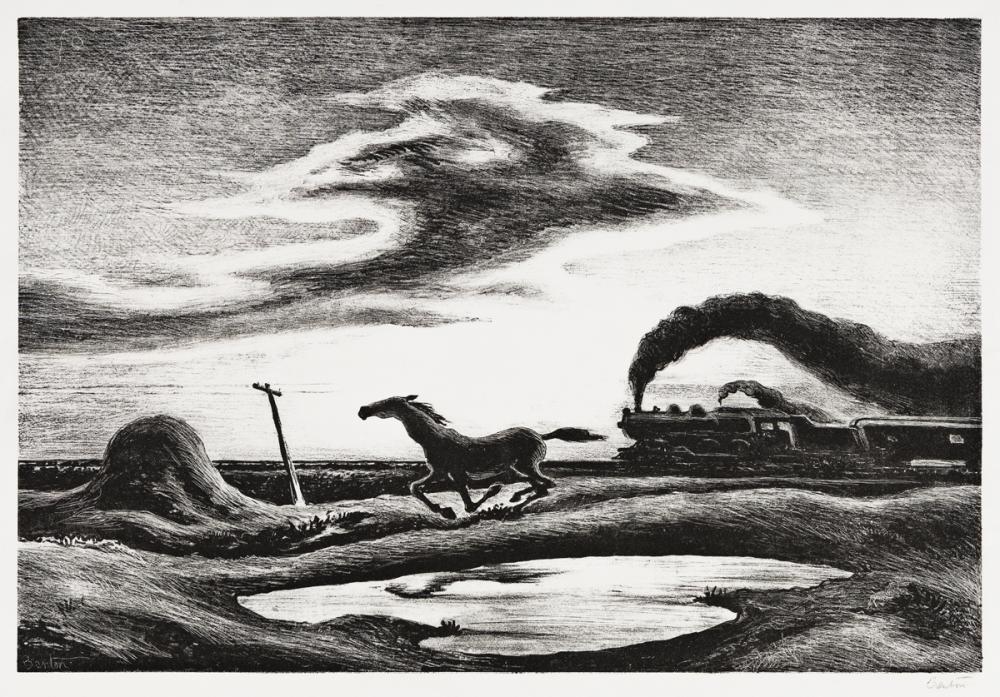
The Race, 1942 by Thomas Hart Benton (1889-1975)

With blunt grace, Denis Johnson navigates the line between realism and the American frontier myth in his perfect novella Train Dreams. In a slim 116 pages, Johnson communicates one man’s life story with a depth and breadth that actually lives up to the book’s blurb’s claim to be an “epic in miniature.”  I read it in one sitting on a Sunday afternoon, occasionally laughing aloud at Johnson’s wry humor, several times moved by the pathos of the narrative, and more than once stunned at the subtle, balanced perfection of Johnson’s prose, which inheres from sentence to paragraph to resonate throughout the structure of the book.

The opening lines hooked me:

In the summer of 1917 Robert Grainier took part in an attempt on the life of a Chinese laborer caught, or anyway accused of, stealing from the company stores of the Spokane International Railway in the Idaho Panhandle.

Three of the railroad gang put the thief under restraint and dragged him up the long bank toward the bridge under construction fifty feet above the Moyea River. A rapid singsong streamed from the Chinaman voluminously. He shipped and twisted like a weasel in a sack, lashing backward with his one free fist at the man lugging him by the neck.

The matter-of-fact violence here complicates everything that follows in many ways, because Grainier it turns out is pretty much that rare thing, a good man, a simple man who tries to make a life in the Idaho Panhandle at the beginning of the 20th century. The rest of the book sees him trying—perhaps not consciously—to somehow amend for the strange near-lynching he abetted.

Grainier works as a day laborer, felling the great forests of the American northwest so that a network of trains can connect the country. Johnson resists the urge to overstate the obvious motifs of expansion and modernity here, instead expressing depictions of America’s industrial growth at a more personal, even psychological level:

Grainier’s experience on the Eleven-Mile Cutoff made him hungry to be around other such massive undertakings, where swarms of men did away with portions of the forest and assembled structures as big as anything going, knitting massive wooden trestles in the air of impassable chasms, always bigger, longer, deeper.

Grainier’s hard work keeps him from his wife and infant daughter, and the separation eventually becomes more severe after a natural calamity, but I won’t dwell on that in this review, because I think the less you know about Train Dreams going in the better. Still, it can’t hurt to share a lovely passage that describes Grainier’s courtship with the woman who would become his wife:

The first kiss plummeted him down a hole and popped him out into a world he thought he could get along in—as if he’d been pulling hard the wrong way and was now turned around headed downstream. They spent the whole afternoon among the daisies kissing. He felt glorious and full of more blood than he was supposed to have in him.

The passage highlights Johnson’s power to move from realism into the metaphysical and back, and it’s this precise navigation of naturalism and the ways that naturalism can tip the human spirit into supernatural experiences that makes Train Dreams such a strong little book. In the strange trajectory of his life, Grainier will be visited by a ghost and a wolf-child, will take flight in a biplane and transport a man shot by a dog, will be tempted by a pageant of pulchritude and discover, most unwittingly, that he is a hermit in the woods. In Johnson’s careful crafting, these events are not material for a grotesque picaresque or a litany of bizarre absurdities, but rather a beautiful, resonant poem-story, a miniature history of America.

Train Dreams is an excellent starting place for those unfamiliar with Johnson’s work, and the book will rest at home on a shelf with Steinbeck’s naturalist evocations or Cormac McCarthy’s Border Trilogy. I have no idea why the folks at FS&G waited almost a decade to publish it (Train Dreams was originally published in a 2002 issue of The Paris Review), but I’m glad they did, and I’m glad the book is out now in trade paperback from Picador, where it should gain a wider audience. Very highly recommended.

[Ed. note: Biblioklept originally published this review in May of 2012. I still haven’t seen the Clint Bentley-directed film adaptation.]

Paul Thomas Anderson’s One Battle After Another is a frenetic, vital reimagining of Thomas Pynchon’s Vineland

Paul Thomas Anderson’s One Battle After Another takes Thomas Pynchon’s 1990 novel Vineland and sets it ablaze, reshaping its abstract paranoia and fractured narrative into something both deliriously immediate and ominously timeless.

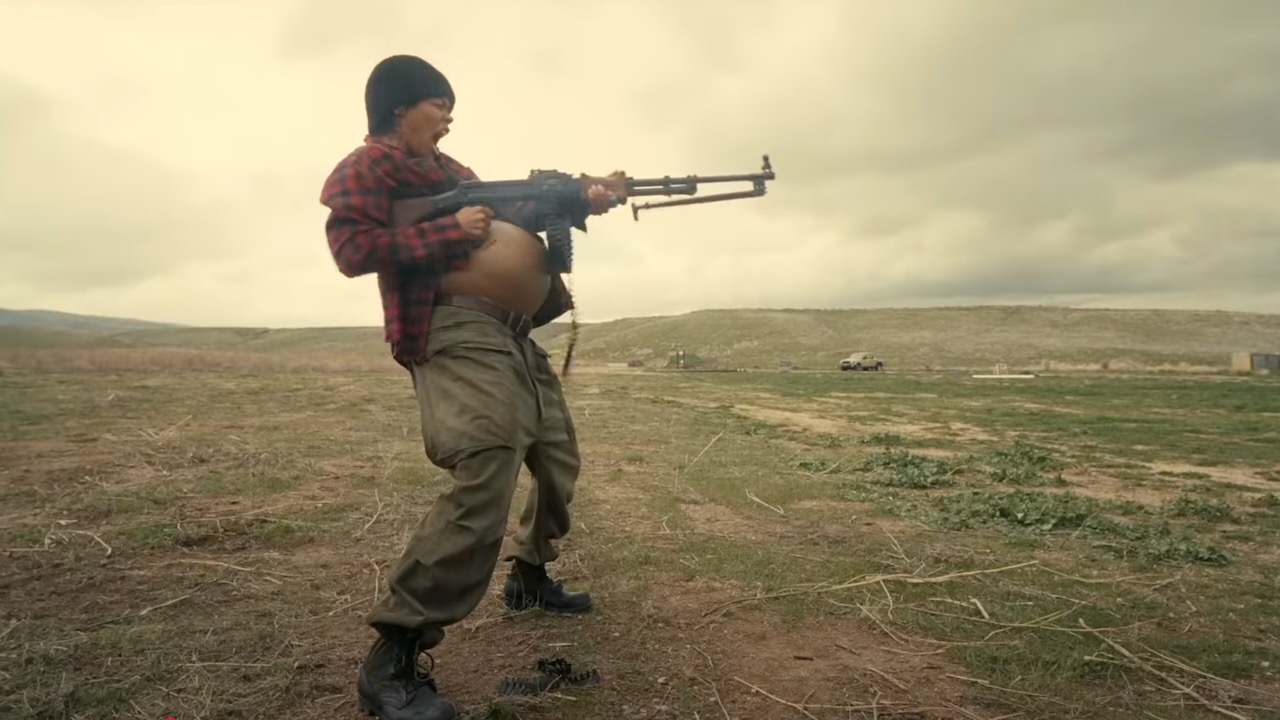
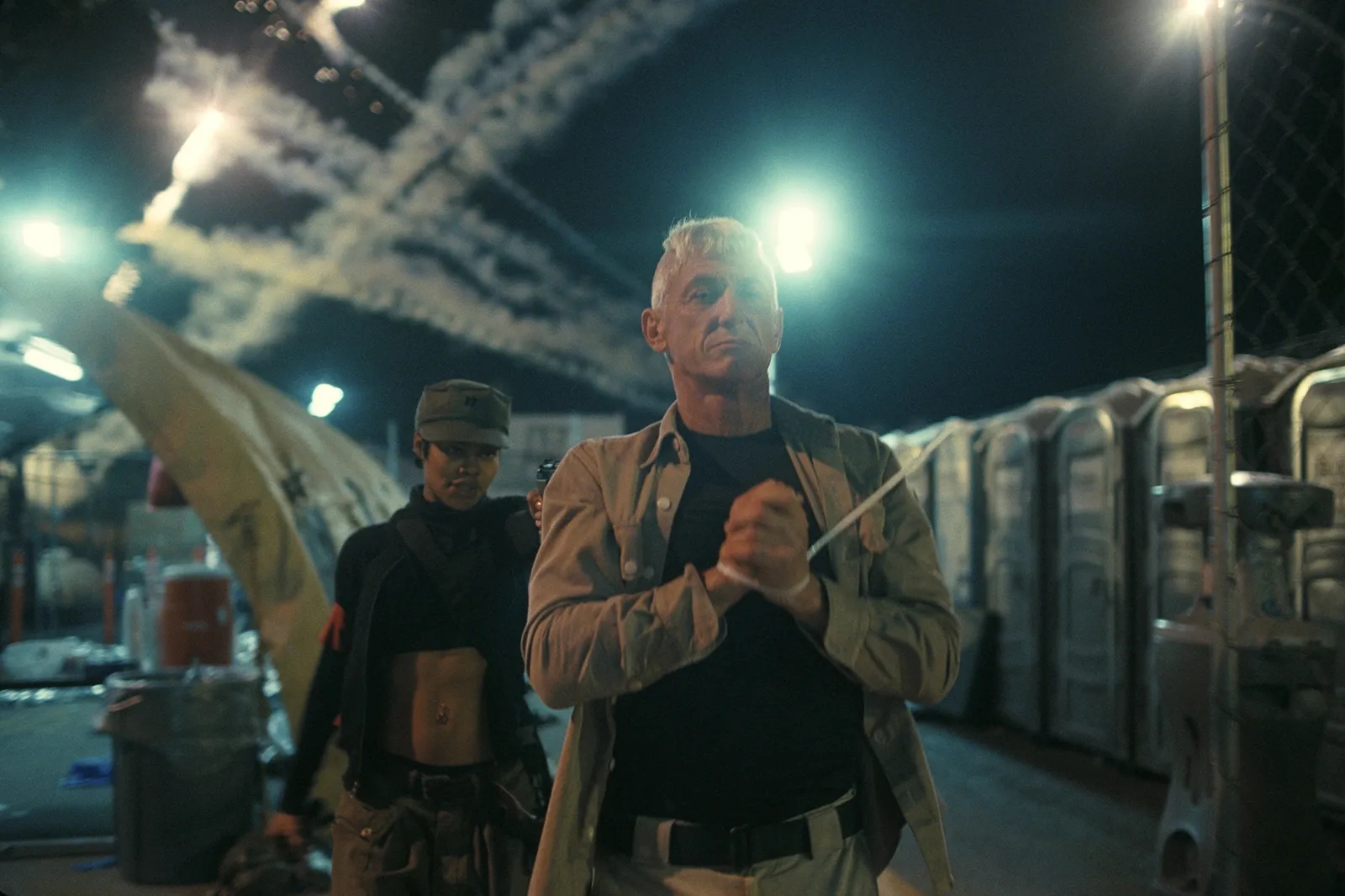
The bones of Pynchon’s original are still present: a family broken by state violence; a daughter growing up without a mother; a father caught between shame and reluctant resistance. In PTA’s feverish recasting of Vineland, Zoyd Wheeler becomes Bob Ferguson (Leonardo DiCaprio), a former “Rocket Man” revolutionary burning out the past in a haze of weed smoke. Frenesi Gates is reimagined as Perfidia Beverly Hills (Teyana Taylor), a revolutionary addicted to the sexual thrill of power. Prairie Wheeler morphs into Willa (Chase Infiniti — and like wow jeez that’s a Pynchonian name the young actress has there, isn’t it?). And villainous Brock Vond is warped into Colonel Lockjaw (Sean Penn), a grotesque embodiment of authoritarian menace. Timelines collapse into themselves, Reagan-era dread transposes into our own disturbed now. Vineland is set in 1984; in One Battle After Another, PTA shows that we’ve never really moved on from that dystopian year. PTA condenses Vineland’s sprawling flashbacks and absurd digressions into an action-forward narrative that’s far more linear yet equally dizzying. The result is enthralling.

The film’s plot might be distilled simply from its title. One Battle After Another follows the trajectory of most of Pynchon’s fiction: individual resistance to authoritarian evil. In PTA’s film, that resistance takes the form of the French 75, a loose clandestine revolutionary group to which Bob and his partner Perfidia once belonged. There’s really no retiring for French 75 agents though, and soon Willa is tangled in the same web her parents sought to sunder in their radical actions. Penn’s maniacal Colonel Lockjaw hunts her down. She’s on the run, and so is papa Bob.

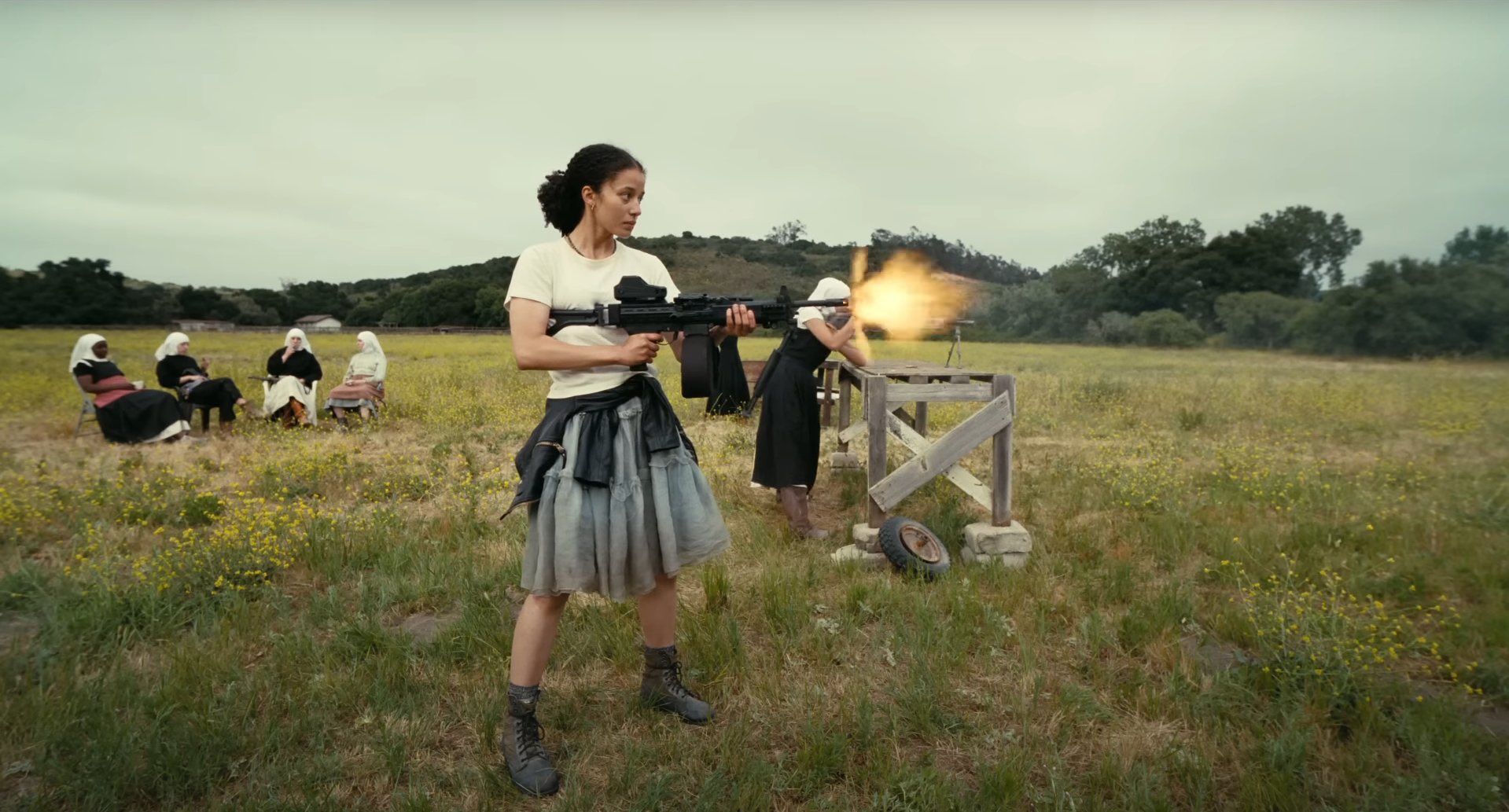
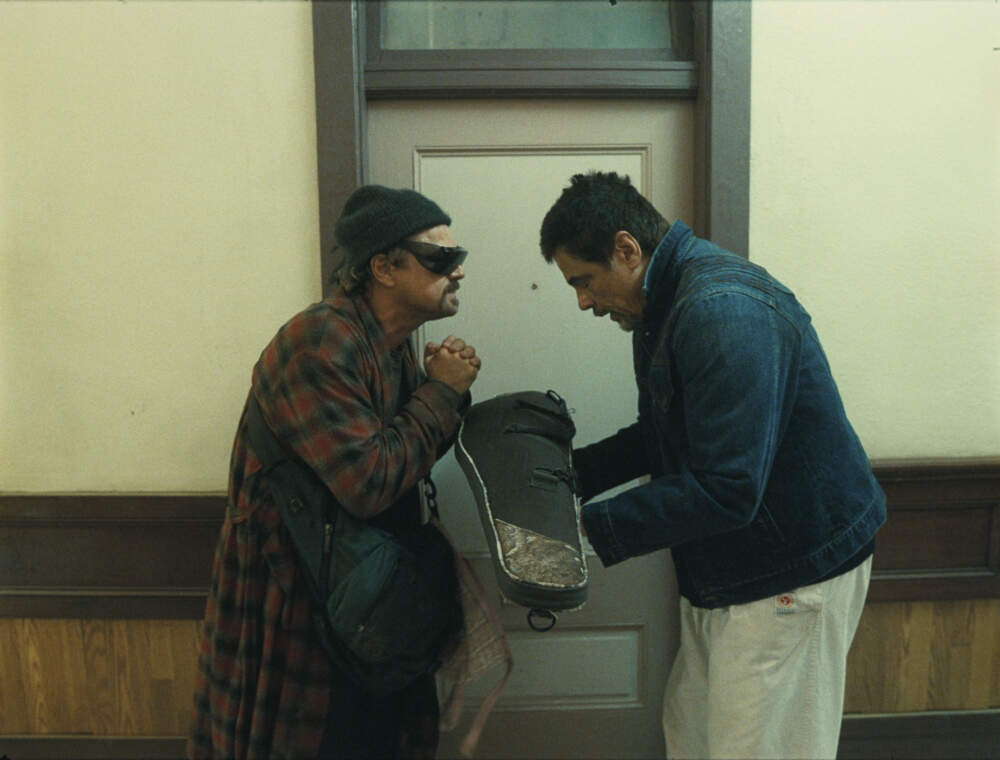
Pynchon’s novels frequently contrast Us vs Them systems — preterite vs. elect; misfits vs. authoritarians; freaks vs. the Man. And like Pynchon’s work, One Battle After Another shows the invisible overlapping and hierarchical confusions these Us/Them systems engender. The French 75’s sympathies directly correlate with the values of the immigrant community in Baktan Cross, the fictional sanctuary city Bob and Willa take refuge in. The de facto leader of these immigrants, Francisco (Benicio Del Toro), aids Bob in his fevered search for Willa. Francisco’s zen calm offers a counterbalance to Bob’s mania. Another Us group are the Sisters of the Brave Beaver (One Battle After another is crammed with Pynchonian vagina jokes), weed-growing nuns who offer Willa a brief safe harbor.

These disparate pockets of rebellion resist the tyranny of the modern racist capitalist system, embodied by Colonel Lockjaw and the military forces he commands (seemingly without any government oversight). We first meet Lockjaw running a migrant detention center — one of many timely PTA updates to Vineland — and his weird, forced, masochistic machismo plays out on the screen with a mix of menace and despair. For all his power and evil though, there’s yet another Them he isn’t part of. That would be the Christmas Adventurers Club, a shadowy cabal of elites on a racist mission to rid the world of “freaks.” Lockjaw would do quite literally anything to become a member of this club; his drive to to become even more Them propels the narrative while showing that Us-Them systems rely on hierarchies to perpetuate oppression.

One Battle After Another zigzags through a whirlwind of absurdity, suffocating paranoia, and frantic action. The film balances chaotic humor with a darker exploration of the emotional impulses that underlie power and attraction. Colonel Lockjaw’s obsessive fixation on Perfidia (arguably the film’s closest connection to Vineland) underscores the irrational power dynamics of obsession and control. PTA frames their relationship—along with Lockjaw’s obsession with Willa—as a twisted mirror reflecting the power imbalances that define both the personal and the political in Us-Them systems. PTA’s films have always explored systems of exploitation that grind people down and the outsiders who try to navigate them; One Battle After Another is, thus far, his most sustained, howling effort in this vein.

The film is gorgeous, too, as fans would expect from PTA. Michael Bauman’s cinematography conveys frenzied energy without sacrificing cohesion or clarity. There are several outstanding set pieces, including a beautiful sequence in which Bob does his best to keep up with a trio of skateboarders traversing rooftops at night, their figures silhouetted against the flames of a riot below. The film’s climactic three-car chase scene is particularly magnificent, its every twist and turn symbolizing not just physical pursuit, but deeper spirals of control, conflict, and paranoia. It made me physical ill. (That’s high praise.)

And while, yes, One Battle After Another is a bona fide action film, it’s still larded with strange little morsels that we’d expect from a PTA film — the image of Lockjaw licking his comb before taking it to his hair, his face contorted in anxious hope, or Bob, in his threadworn bathrobe, shoplifting a pair of cheap sunglasses. (Parenthetically, while the bathrobe is on my mind — Battle plays as a sinister inversion to The Big Lebowski. I will file the pair away for a future double feature.) One of the film’s funniest moments comes from Willa, who, despite being apparently subjugated by Lockjaw, nevertheless delivers the kind of crushing blow that can only come from a teen: “Why is your shirt so tight?” Indeed, Chase Infiniti’s portrayal of Willa is a revelation. In a movie crammed with paranoia and plot twists, she imbues in Willa a kind of moral force. She’s not an anchor exactly, because nothing is steady here. But maybe she’s the string you follow through the labyrinth.

One Battle After Another is almost three hours long, but it never drags, thanks to the tight direction and enthralling plot. Long-time PTA collaborator Jonny Greenwood’s score also keeps the film moving at a quick pace. The score is ever-present — something that usually irritates me in a film — but here the music provides emotional cohesion. It’s also just really fucking pretty.  Frenetic drumming and altered pianos meet up with swelling strings that suggest sirens, banshees. Take “Mean Alley,” for example, which initially greets the ear as if the guitar is out of tune, but then coheres into beautiful dissonance. And although Greenwood’s wall-to-wall score leaves little room for the needle drops we might expect from a PTA joint, the film deploys Tom Petty’s “American Girl” in a moment of transcendent bliss that brought a tear to my eye.

Pynchon has always soundtracked his novels. Pynchonwiki gives close to 400 musical references for Vineland, but I don’t think any of these tracks ended up in One Battle After Another. My giving this data is a weak way of transitioning to the sentence, This is a film inspired by Vineland, not an adaptation of it. And while PTA captures the soul of the book, the vibe, or spirit, or whatever you like to call it, is decidedly different: darker, edgier, uglier. He captures the same strange humor and frustration of Vineland, but it’s amplified here with a chaotic energy that matches our current moment.

It’s also instructive to compare One Battle After Another to PTA’s earlier Pynchon adaptation, Inherent Vice. While Inherent Vice was a hazy sunsoaked journey through the disorienting aftereffects of the muddled sixties, One Battle After Another feels darker, more urgent, as if the timeline of history has compressed itself into an unyielding present. Both films deal with the fracturing of the American dream, but One Battle After Another does so with a sharper edge, drawing clearer political parallels. In some ways, PTA’s Inherent Vice is closer to Pynchon’s Vineland in tone and theme, less angular, more forgiving.

With both of his Pynchon films, PTA foregrounds a sweet final note, a belief in love as a sustaining force against Them. To borrow my favorite lines from Pynchon’s opus Gravity’s Rainbow: “They are in love. Fuck the war.” In his adaptation of Inherent Vice, PTA pulled a loose thread from the novel to neatly weave back into a prettier picture. He allows Doc Sportello to restore the heroin-addicted musician Coy to his family. One Battle offers a similarly fractured, imperfect restoration of family, a rewriting of rat-sins answered on the ghost of radio waves. He cleans up Pynchon’s messiness, but doesn’t sacrifice the deep danger that underwrites radical love.

One Battle After Another feels dangerously prescient, or, more accurately, a diagnosis of the big ugly now. In PTA’s Inherent Vice, there was an underlying fractured partnership between Us and Them; weirdo Doc Sportello tried to find some kind of brotherhood of man with The Man, Detective Bigfoot. No humanity can be extended to Lockjaw — not even from the club that will refuse him. They are unforgiving of any perceived impurity. The themes of mass surveillance, state violence, and detention resonate deeply in today’s climate. The recent death of Assata Shakur—possibly one inspiration for Perfidia Beverly Hills—adds a haunting layer to the film’s exploration of systemic oppression, the ways in which the state seeks to control and erase voices of resistance. The political urgency is palpable, and will undoubtedly alienate a large section of the genpop normies that Warner Brothers has heavily advertised the film to. Some folks will always root for Them.

But fuck Them. One Battle After Another is a triumph, a dizzying, chaotic masterpiece that never loses its grip on the present—one battle after another, all too real, all too important. See it on the biggest screen you can.

43 minutes of This Heat playing live in 1980

“Two Old-Timers” — F. Scott Fitzgerald

“Two Old-Timers”

by

F. Scott Fitzgerald


PHIL MACEDON, once the Star of Stars, and Pat Hobby, script writer, had collided out on Sunset near the Beverly Hills Hotel. It was five in the morning and there was liquor in the air as they argued and Sergeant Gaspar took them around to the station house. Pat Hobby, a man of forty-nine, showed fight, apparently because Phil Macedon failed to acknowledge that they were old acquaintances.

He accidentally bumped Sergeant Gaspar who was so provoked that he put him in a little barred room while they waited for the Captain to arrive.

Chronologically Phil Macedon belonged between Eugene O’Brien and Robert Taylor. He was still a handsome man in his early fifties and he had saved enough from his great days for a hacienda in the San Fernando Valley; there he rested as full of honors, as rollicksome and with the same purposes in life as Man o’ War.

With Pat Hobby life had dealt otherwise. After twenty-one years in the industry, script and publicity, the accident found him driving a 1935 car which had lately become the property of the Acme Loan Co. And once, back in 1928, he had reached a point of getting bids for a private swimming pool.

He glowered from his confinement, still resenting Macedon’s failure to acknowledge that they had ever met before.

“I suppose you don’t remember Coleman,” he said sarcastically. “Or Connie Talmadge or Bill Corker or Allan Dwan.”

Macedon lit a cigarette with the sort of timing in which the silent screen has never been surpassed, and offered one to Sergeant Gaspar.

“Couldn’t I come in tomorrow?” he asked. “I have a horse to exercise—”

“I’m sorry, Mr. Macedon,” said the cop— sincerely for the actor was an old favorite of his, “The Captain is due here any minute. After that we won’t be holding you.”

“It’s just a formality,” said Pat, from his cell.

“Yeah, it’s just a—” Sergeant Gaspar glared at Pat, “It may not be any formality for you. Did you ever hear of the sobriety test?”

Macedon flicked his cigarette out the door and lit another.

“Suppose I come back in a couple of hours,” he suggested.

“No,” regretted Sergeant Gaspar. “And since I have to detain you, Mr. Macedon, I want to take the opportunity to tell you what you meant to me once. It was that picture you made, The Final Push, it meant a lot to every man who was in the war.”

“Oh, yes,” said Macedon, smiling.

“I used to try to tell my wife about the

war—how it was, with the shells and the machine guns—I was in there seven months with the 26th New England—but she never understood. She’d point her finger at me and say ‘Boom! you’re dead,’ and so I’d laugh and stop trying to make her understand.”

“Hey, can I get out of here?” demanded Pat.

“You shut up!” said Gaspar fiercely. “You probably wasn’t in the war.”

“I was in the Motion Picture Home Guard,” said Pat, “I had bad eyes.”

“Listen to him,” said Gaspar disgustedly, “That’s what all them slackers say. Well, the war was something. And after my wife saw that picture of yours I never had to explain to her. She knew. She always spoke different about it after that—never just pointed her finger at me and said ‘Boom!’ I’ll never forget the part where you was in that shell hole. That was so real it made my hands sweat.”

“Thanks,” said Macedon graciously. He lit another cigarette, “You see, I was in the war myself and I knew how it was. I knew how it felt.”

“Yes sir,” said Gaspar appreciatively, “Well, I’m glad of the opportunity to tell you what you did for me. You—you explained the war to my wife.”

“What are you talking about?” demanded Pat Hobby suddenly, “That war picture Bill Corker did in 1925?”

“There he goes again,” said Gaspar. “Sure

—The Birth of a Nation. Now you pipe down till the Captain comes.”

“Phil Macedon knew me then all right,” said Pat resentfully, “I even watched him work on it one day.”

“I just don’t happen to remember you, old man,” said Macedon politely, “I can’t help that.”

“You remember the day Bill Corker shot that shell hole sequence don’t you? Your first day on the picture?”

There was a moment’s silence.

“When will the Captain be here?” Macedon asked.

“Any minute now, Mr. Macedon.”

“Well, I remember,” said Pat, “—because I was there when he had that shell hole dug. He was out there on the back lot at nine o’clock in the morning with a gang of hunkies to dig the hole and four cameras. He called you up from a field telephone and told you to go to the costumer and get into a soldier suit. Now you remember?”

“I don’t load my mind with details, old man.”

“You called up that they didn’t have one to fit you and Corker told you to shut up and get into one anyhow. When you got out to the back lot you were sore as hell because your suit didn’t fit.”

Macedon smiled charmingly.

“You have a most remarkable memory. Are you sure you have the right picture and the right actor?” he asked.

“Am I !” said Pat grimly, “I can see you right now. Only you didn’t have much time to complain about the uniform because that wasn’t Corker’s plan. He always thought you were the toughest ham in Hollywood to get anything natural out of—and he had a scheme. He was going to get the heart of the picture shot by noon—before you even knew you were acting. He turned you around and shoved you down into that shell hole on your fanny, and yelled ‘Camera.’ ”

“That’s a lie,” said Phil Macedón, “I got down.”

“Then why did you start yelling?” demanded Pat. “I can still hear you: ‘Hey, what’s the idea!

Is this some ………….. gag? You

get me out of here or I’ll walk out on you!’

“—and all the time you were trying to claw your way up the side of that pit, so damn mad you couldn’t see. You’d almost get up and then you’d slide back and lie

there with your face working—till finally you began to bawl and all this time Bill had four cameras on you. After about twenty minutes you gave up and just lay there, heaving. Bill took a hundred feet of that and then he had a couple of prop men pull you out.”

The police Captain had arrived in the squad car. He stood in the doorway against the first grey of dawn.

“What you got here, Sergeant? A drunk?”

Sergeant Gaspar walked over to the cell, unlocked it and beckoned Pat to come out. Pat blinked a moment—then his eyes fell on Phil Macedón and he shook his finger at him.

“So you see I do know you,” he said. “Bill Corker cut that piece of film and titled it so you were supposed to be a doughboy whose pal had just been killed. You wanted to climb out and get at the Germans in revenge, but the shells bursting all around and the concussions kept knocking you back in.”

“What’s it about?” demanded the Captain.

“I want to prove I know this guy,” said Pat, “Bill said the best moment in the picture was when Phil was yelling ‘I’ve already broken my first finger nail!’ Bill titled it ‘Ten Huns will go to hell to shine your shoes!”

“You’ve got here ‘collision with alcohol,’ ” said the Captain looking at the blotter, “Let’s take these guys down to the hospital and give them the test.”

“Look here now,” said the actor, with his flashing smile, “My name’s Phil Macedón.”

The Captain was a political appointee and very young. He remembered the name and the face but he was not especially impressed because Hollywood was full of has-beens.

They all got into the squad car at the door.

After the test Macedón was held

at the station house until friends could arrange bail. Pat Hobby was discharged but his car would not run, so Sergeant Gaspar offered to drive him home.

“Where do you live?” he asked as they started off.

“I don’t live anywhere tonight,” said Pat. “That’s why I was driving around. When a friend of mine wakes up I’ll touch him for a couple of bucks and go to a hotel.” “Well now,” said Sergeant Gaspar, “I got a couple of bucks that ain’t working.”

The great mansions of Beverly Hills slid by and Pat waved his hand at them in salute.

“In the good old days,” he said, “I used to be able to drop into some of those houses day or night. And Sunday mornings—”

“Is that all true you said in the station,” Gaspar asked, “—about how they put him in the hole?” “Sure, it is,” said Pat. “That guy needn’t have been so upstage. He’s just an old timer like me.”
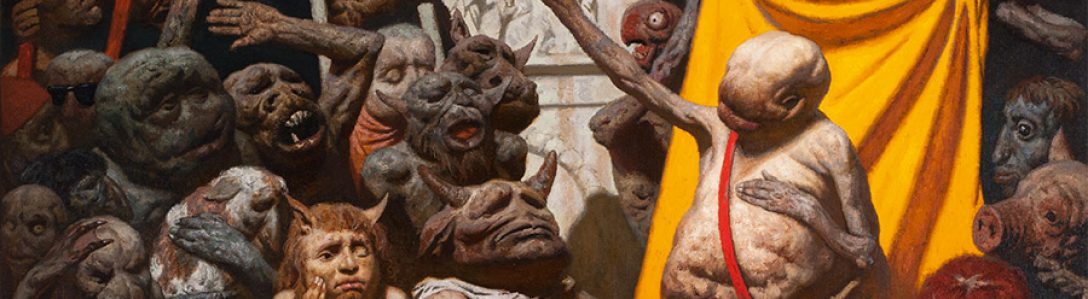
Watch William Friedkin’s first film, the 1962 documentary The People vs. Paul Crump

I’ve been listening to William Friedkin read his 2013 memoir The Friedkin Connection on my daily commute and loving it so far. The first chapter, “Chicago,” details the making of his first film, a 1962 documentary called The People vs. Paul Crump. A chance meeting with a death row priest at a cocktail party leads Friedkin to make his documentary, despite having no real knowledge of how to make a film at all. (He even claims to have never have seen a documentary film at that point in his life.) From his memoir:

[Cinematographer Wilmer] Butler and I were editing the film each night as we got the dailies from the lab. Most of the time we worked at my apartment. My mother would make us lunch and dinner, and we’d work on weekends twelve or fifteen hours a day, with an old pair of rewinds and a 16 mm. viewer and splicer we had “liberated” from the WGN-TV newsroom. Splicing was done with glue, not clear cellophane tape, which came in several years later.

One evening, Ernie Lucas, a veteran TV director, happened to pass by on his way to pick up copy for the ten o’clock news. He was surprised to see us in a film editing bay in the newsroom, since we were involved exclusively with “live” telecasts. He expressed shock that we were editing our negative, and that we were not handling it carefully with white cotton gloves. “What are you guys doing?” he asked. We told him we were working on a short film for our own amusement. “But you’re cutting the negative; you’re not supposed to even touch it.”

“Why not?” We were confused.

Ernie was patient.

“Don’t you know that camera negative is never touched until you have a final edited work print?” he asked.

“What’s a work print?”

Ernie explained that a work print was made immediately after the negative was developed, and that it was this work print that you cut and recut, and only when you were finished was the negative conformed to the work print version. Neither did we know that the work print, negative, and 16 mm. sound track had to be edge-numbered simultaneously, so that picture and sound could be synchronized. Consecutive serial numbers were printed on the edges of these elements at intervals of a foot. Since we didn’t realize this, parts of our negative were scratched and torn, spliced and respliced, until we could belatedly apply edge-numbering. We had to “match” our synch-sound interviews by lip-reading, which took weeks, and we had no idea how to achieve a final print.

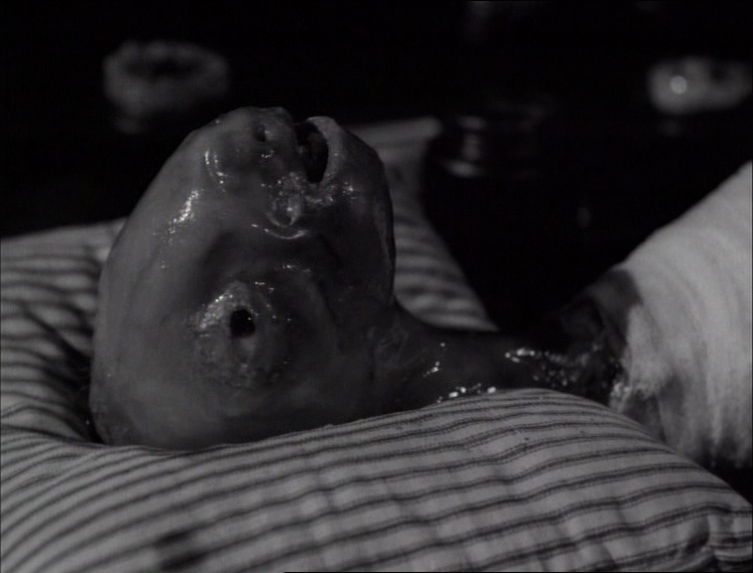
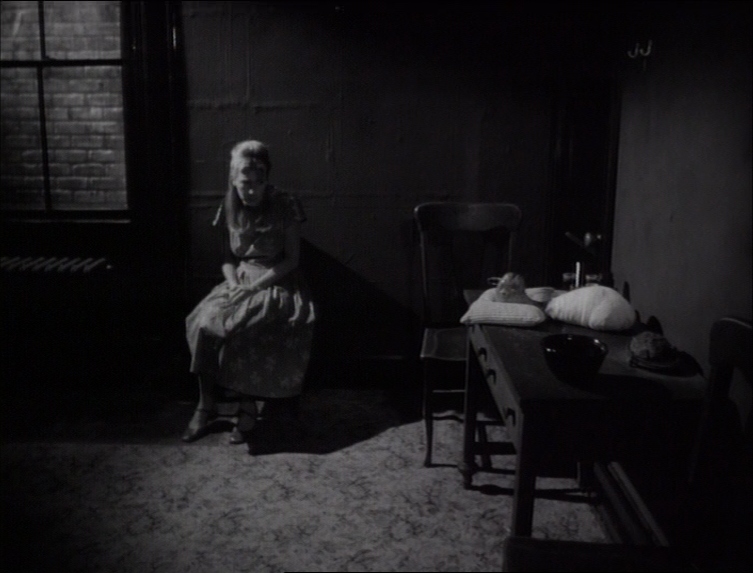
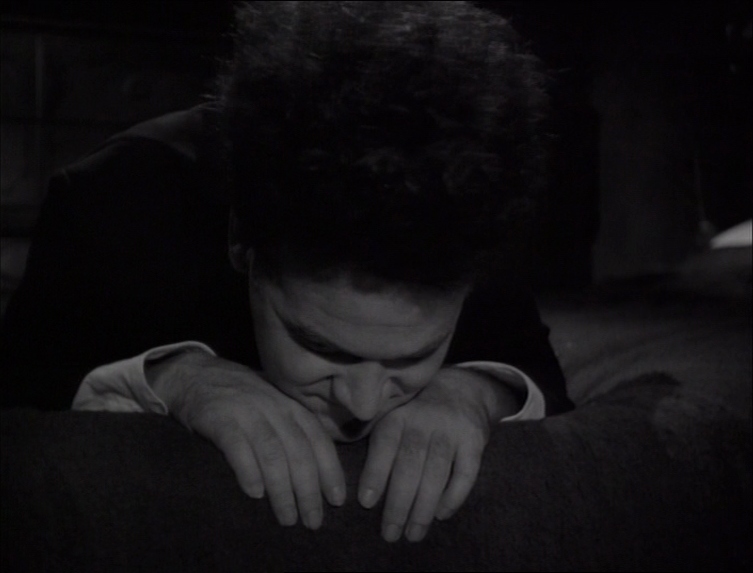
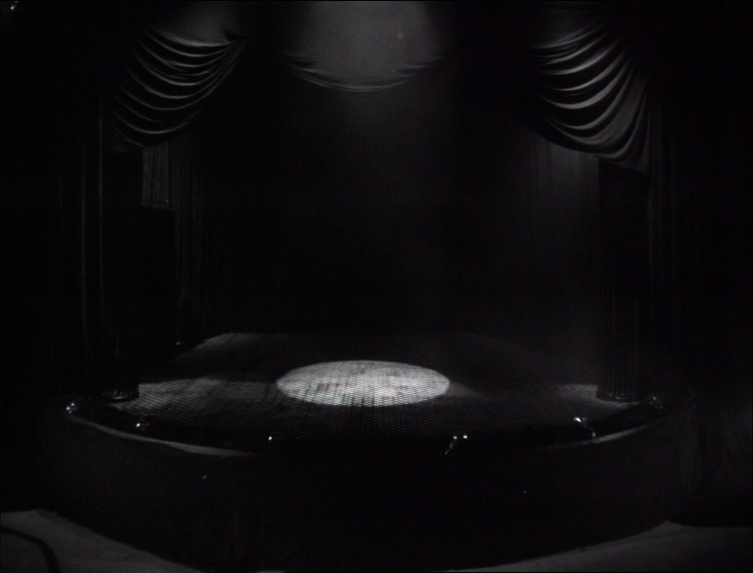
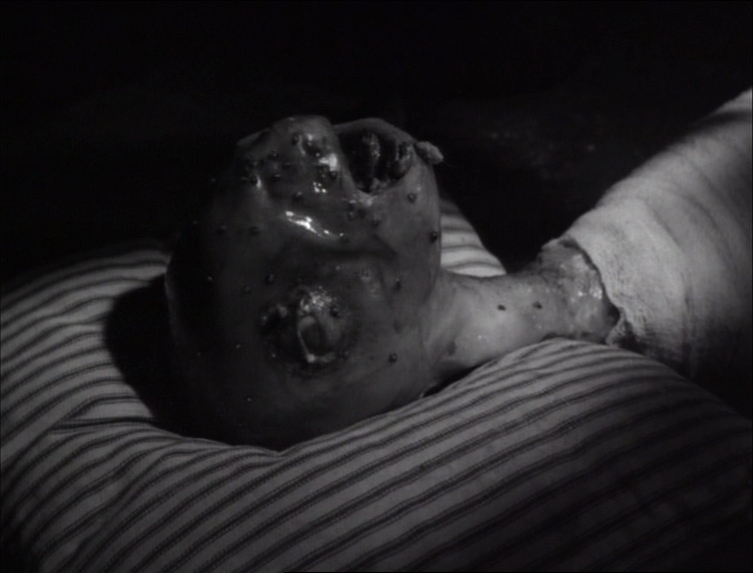
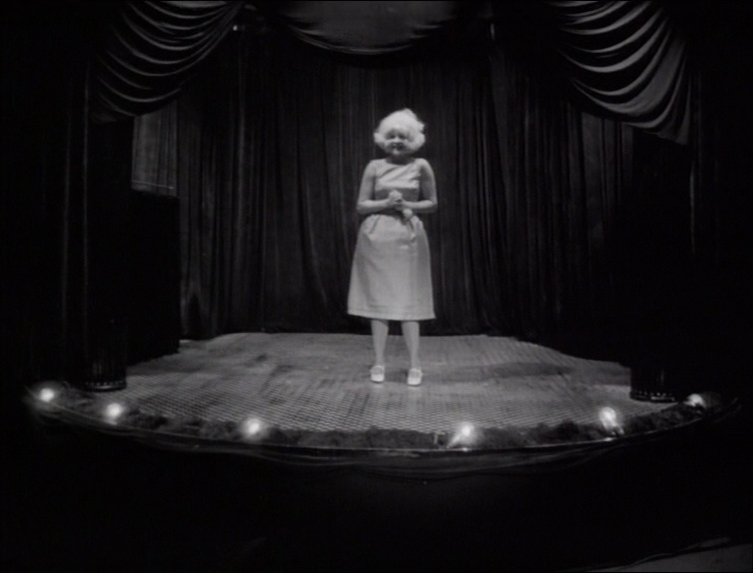
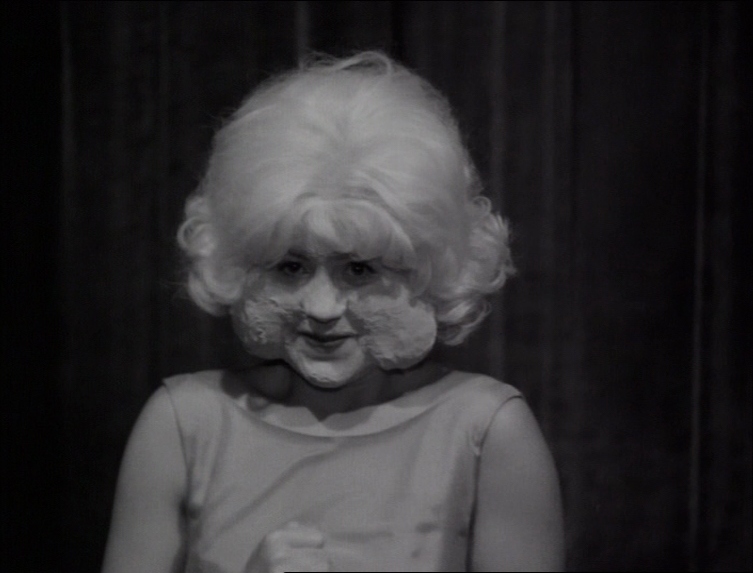
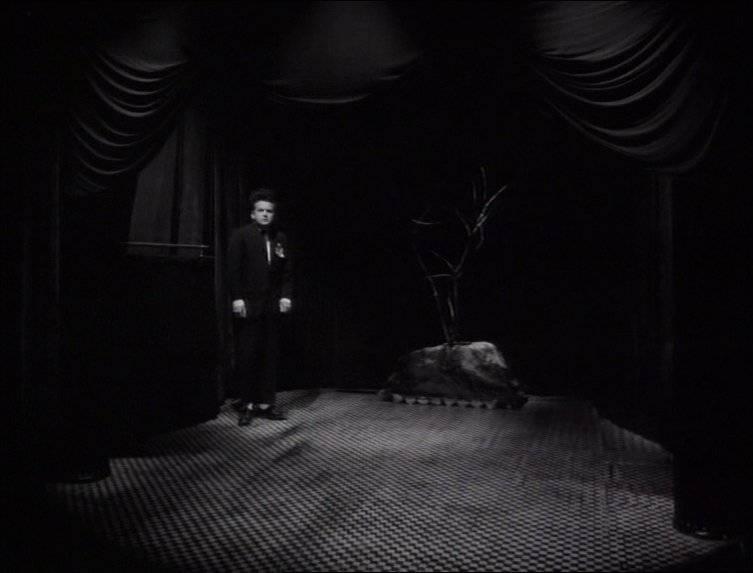
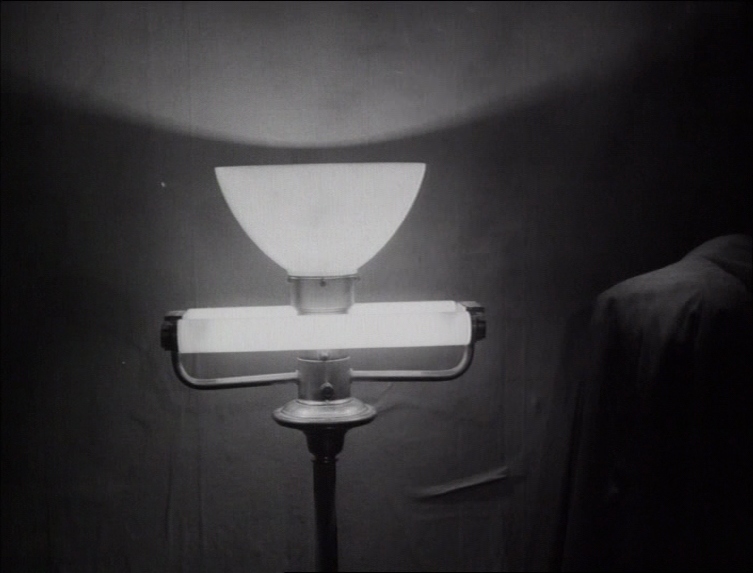
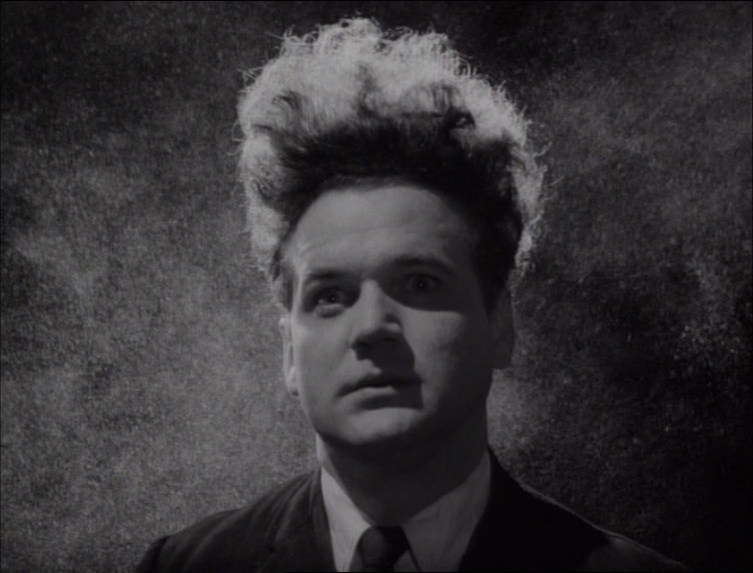
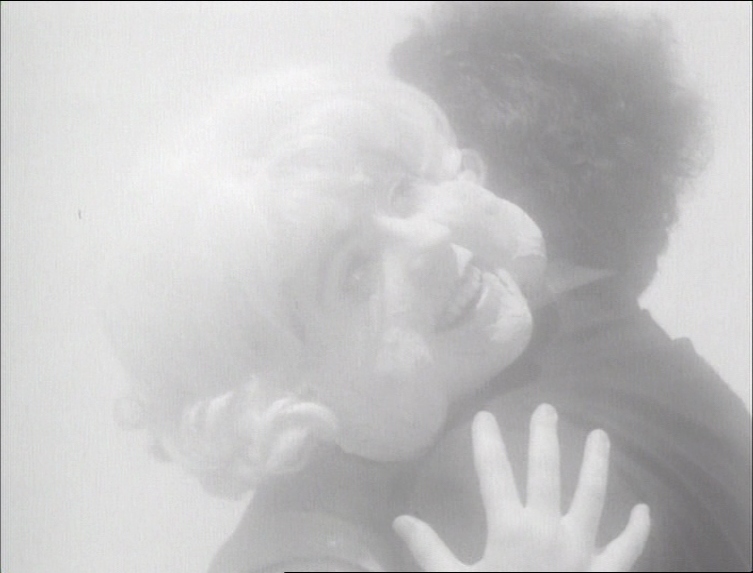
30 frames from David Lynch’s Eraserhead

From Eraserhead, 1977. Directed by David Lynch with cinematography by Frederick Elmes and Herbert Cardwell. Via Film Grab.

Revisiting Scott Tobias’s The New Cult Canon

Today was the last meeting for a Tuesday-Thursday comp class that has been, or maybe I can now say had been, a fucking grind.

One bright spot was a student professing an interest in film. A few weeks ago he told me about watching Battleship Potemkin (Eisenstein, 1925), and asked for recommendations. I rattled off titles, unsure how soaked he (and by extent, all) younger persons might be in (my notions of) the contemporary film canon. There are so many options now competing for eyeballs and earholes. We didn’t all grow up with our dad finishing a third beer and then insisting we stay up too late on a Sunday to catch the second half of For a Few Dollars More on the superstation. I suggested he work at checking off AFI’s “100 Years” list like I did back in circa 1998. “If something yanks at you, watch it again.”

But the kid wanted something stranger, and he followed up today. I rattled off titles, told him to email me, I’d send him a list, which he did, and then I did, send him a list that is — which was fun for me — and then I realized that I should really point him to film critic Scott Tobias’s series The New Cult Canon.

Back when the internet was still pretty good, Tobias wrote weekly column on a film he dared to place in his “New Cult Canon” — a continuation of film critic Danny Peary’s Cult Movies books. Tobias’s series ran at The AV Club (during the site’s glory years before capitalist hacks gutted it). Tobias’s New Cult Canon project intersected with an apparent wider access to films, whether it was your local library’s extensive DVD collection, Netflix sending you a disc through the USPS, or, y’know, internet piracy. Offbeat was now on the path, if you knew where to tread.

So for a few years, The New Cult Canon was a bit of a touchstone for me. It offered leads to new film experiences, made me revisit films I’d seen with an uncritical eye in the past through a new lens, and even aggravated with endorsements that I could never agree with. I loved The New Cult Canon column, and I was happy when Tobias revived it a few years ago on The Reveal.

But back to where I started, with the kid who wanted some film recommendations, wanted to immerse himself over the winter break (I’m pretty sure he used the verb immerse) — I didn’t follow up with an email to this link on IMDB of Tobias’s The New Cult Canon, which I’d to found to share with the kid who wanted some film recommendations–I started this blog instead.

As of now, there are 176 entries in The New Cult Canon. The first 162 were part of the series; original run at the AV Club. Coming across the original list this evening made me want to revisit the films, catch some of the ones I didn’t find or make time for before, and generally, like share.

The current media environment seems primed for ready-made cult movies. Film like, say, Late Night with the Devil (Cairnes, 2023) or Possessor (B. Cronenberg, 2020) are fun and compelling — but they also fit neatly into a specific market niche. (Where is the dad three beers deep who compels his youngan to stick it out with the second half of Under the Silver Lake (Mitchell, 2018)?

(If I review the previous paragraph, which I won’t, I’ll conclude I’m spoiled. Long live weird films.)

So let’s go:

Links on titles go to Tobias’s original write-ups. (I’d love to see a book of these.)

Arbitrary 0-10 score, based on How I Am Feeling At This Particular Moment.

The Alternate isn’t offered as a superior or inferior recommendation, just an alternate (unless it is offered as such).


  1. Donnie Darko, Richard Kelly (2001)

I love Donnie Darko. I can’t remember how I first came across it, but I had the DVD and I would make people watch it. This kind of thing is maybe embarrassing to admit now; I think Donnie Darko hit a bad revisionist patch. Especially after Southland Tales and The Box.

When the director’s cut was released in theaters, sometime around 2005, I made some friends watch it with me in the theater. They fucking hated it.

I watched it with my son earlier this year and it was not nearly as weird as I’d remembered it and he enjoyed it and so did I. He got the E.T. reference and thought Patrick Swayze was a total creep.

8.5/10

Alternate: Southland Tales, Richard Kelly, 2006. (Look for the Cannes cut online.)

2. Morvern Callar, Lynne Ramsay, 2002

I knew about Morvern Callar because of its soundtrack (which was a totally legitimate way to know about a film two or three decades ago). I didn’t search Lynne Ramsay’s film out until after Tobias’s review.

This film made my stomach hurt and I never want to see it again. (Not a negative criticism.)

I feel the same way about the other two Ramsay films I’ve seen, We Need to Talk About Kevin (2011) and You Were Never Really Here (2017).

6.5/10

Alternate: You Were Never Really Here, Lynne Ramsay, 2017.

3. Irma Vep, Olivier Assayas, 1996

Minor fun, very French, ultimately ephemeral.

6/10

Alternate: Irma Vep, Olivier Assays, 2022 — an eight-episode HBO miniseries.

4. Miami Blues, George Armitage, 1990

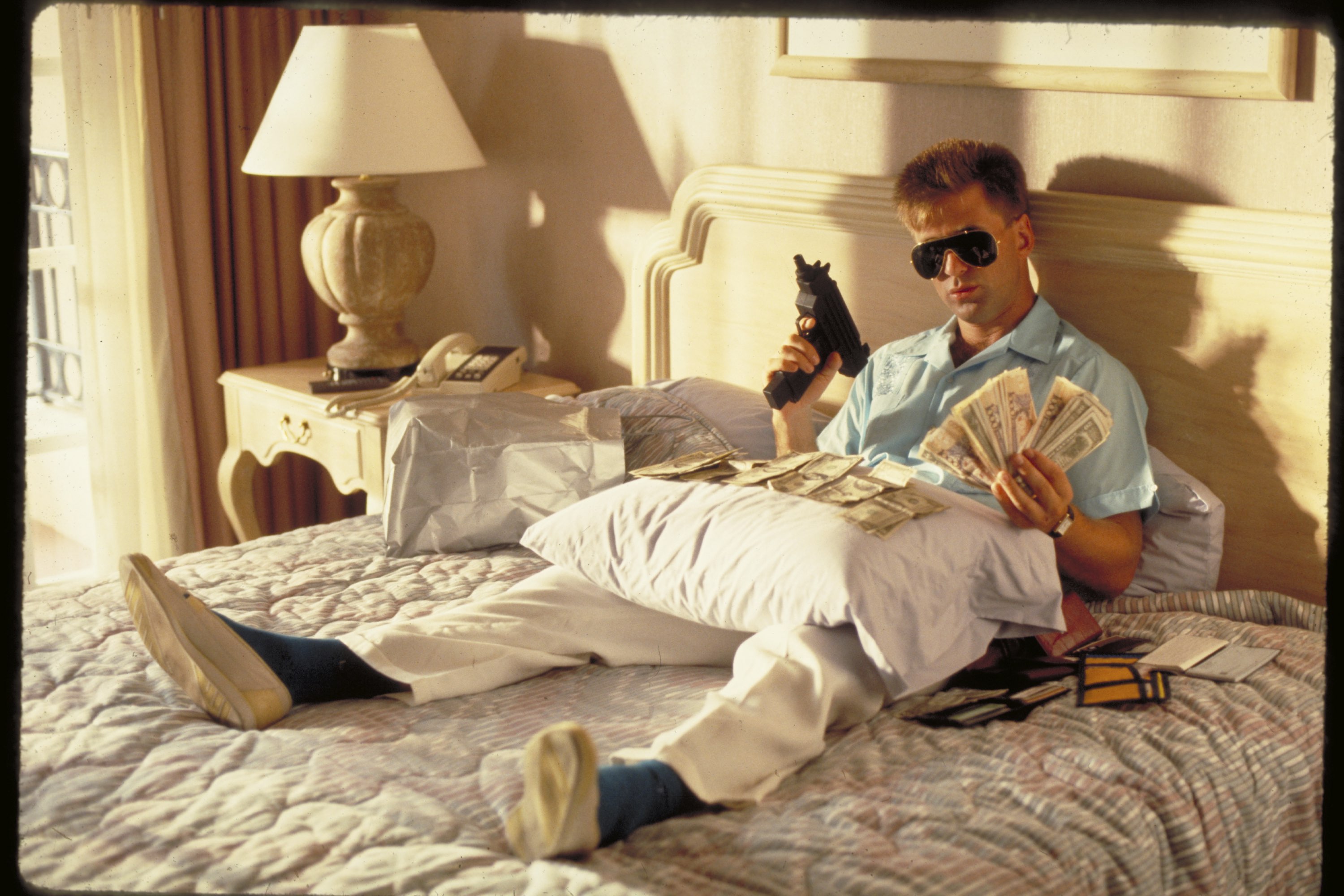
Miami Blues is a very strange film. Except that it’s not strange: it’s a tonally-coherent, self-contained, “pastel-colored neo-noir,” as Tobias writes—but it feels like it comes from a different world. Alec Baldwin and Jennifer Jason Leigh seem, I dunno—skinnier? Is skinnier the right word?—here. The thickness of fame doesn’t stick to them so heavily. Miami Blues is fun but also mean-spirited, vicious even. It’s also the first entry on here that I would never have watched had it not been on Tobias’s recommendation.

7.5/10

Alternate: Grosse Pointe Blank, George Armitage, 1997

5. Babe: Pig in the City, George Miller, 1998

Yeah, she thinks she’s Babe: Pig in the City.

A perfect film.

10/10

Alternate: The Road Warrior, George Miller, 1981

6. They Live, John Carpenter, 1988

Another perfect movie, and one that only gets better with the years, through no fault of its own. They Live was certainly on the list I emailed the student. Roddy Piper (a rowdy man, by some accounts), also starred in Hell Comes to Frogtown (Donald G. Jackson and RJ Kizer, 1988) the same year, a very bad film, but also maybe a cult film.

10/10

Alternate: Like literally any John Carpenter film.

7. Clerks, Kevin Smith, 1994

I hate and have always hated Clerks and every other Kevin Smith film I’ve seen. I remember renting it from Blockbuster my junior year of high school because of some stupid fucking write up in Spin or Rolling Stone and thinking it was bad cold garbage, not even warm garbage — poorly-shot, poorly-acted, unfunny. Even at (especially at?j sixteen, Smith’s vision of reality struck me as emotionally-stunted, stupid, etiolated, and even worse, dreadfully boring. I remember sitting through Chasing Amy and Dogma in communal settings, thinking, What the fuck is this cold, cold garbage?

But Tobias’s inclusion of Smith’s bad awful retrograde shit makes sense — Clerks spoke to a significant subset in the nineties, no matter how bad the film sucks.

0.5/10

Alternate: As Smith has never made an interesting film, let alone a good one, my instinct is to go to Richard Linklater’s Slacker (1990) — but that shows up later in the New Cult Canon. So, I dunno–a better film about friends and problematic weirdos: Ghost World, Terry Zwigoff, 2001

8. Primer, Shane Carruth (2004)

Let’s not end on a sour note.

I think that it was Tobias’s New Cult Canon series that hipped me to Primer, Shane Carruth’s brilliant lo-fi take on time travel. Carruth made the film for under ten grand, but it looks great and is very smart, and most of all, trusts its audience by throwing them into the deep end. (Primer is perhaps the inverse of Clerks. I hate that sentence, but I won’t delete it. They don’t belong in the same universe, these films; Primer builds its time machine out there!)

10/10

Alternate: Upstream Color, Shane Carruth, 2013

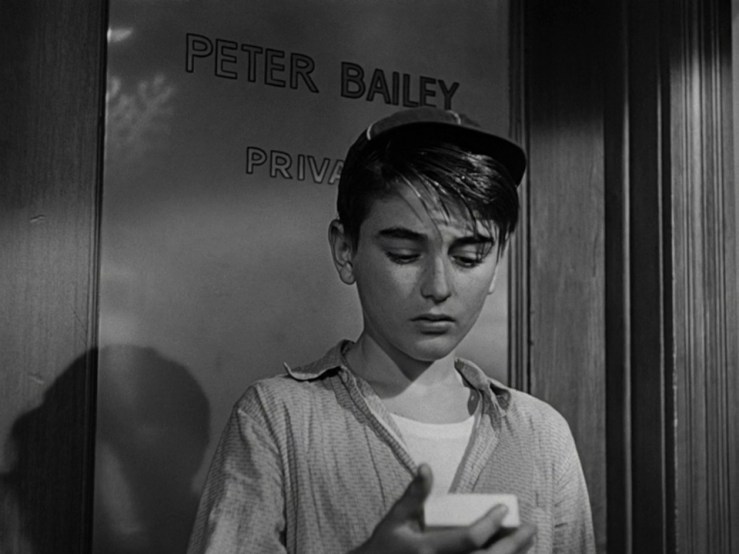
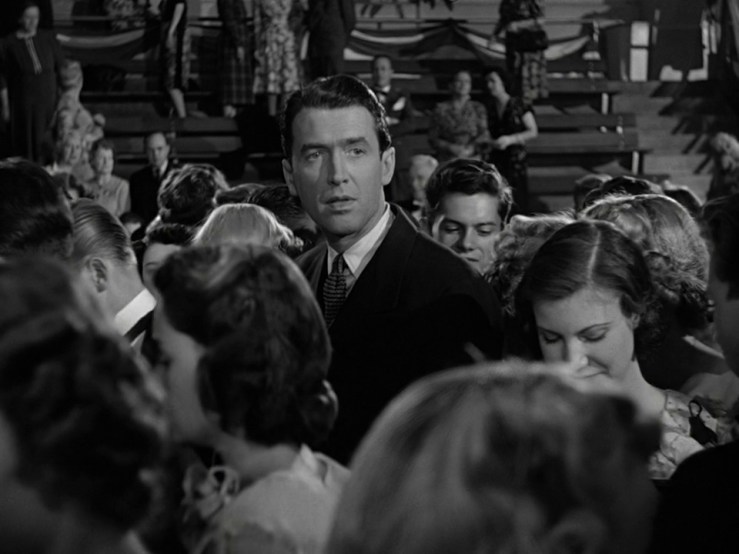
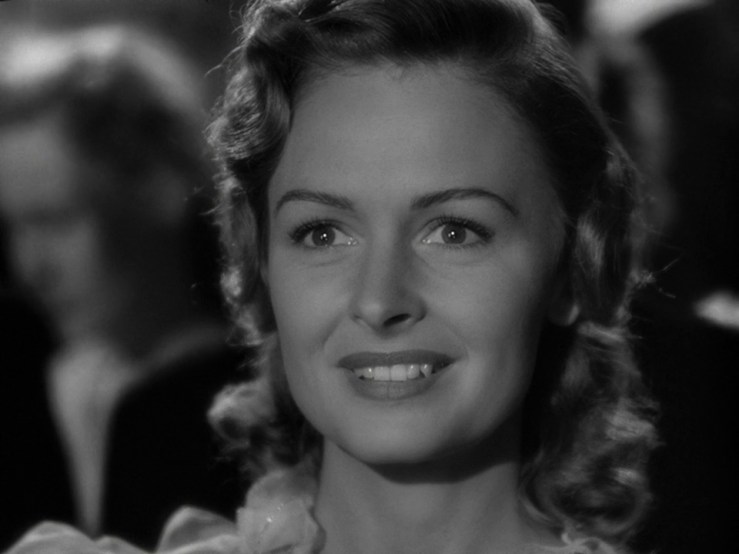
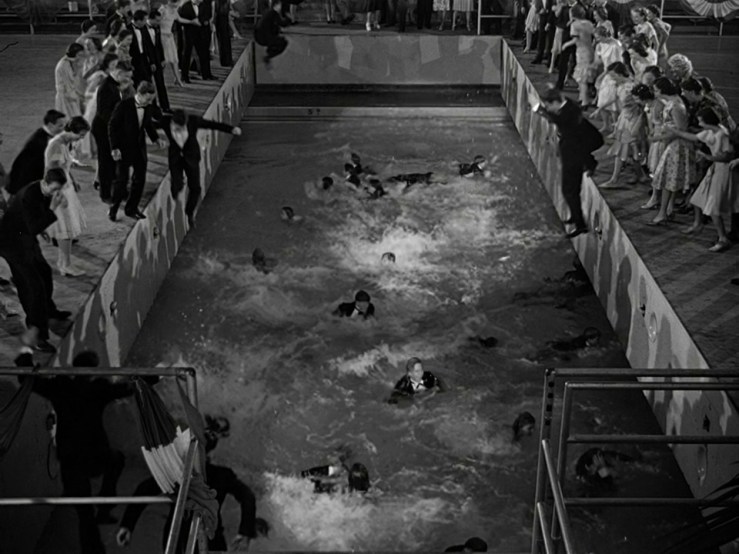
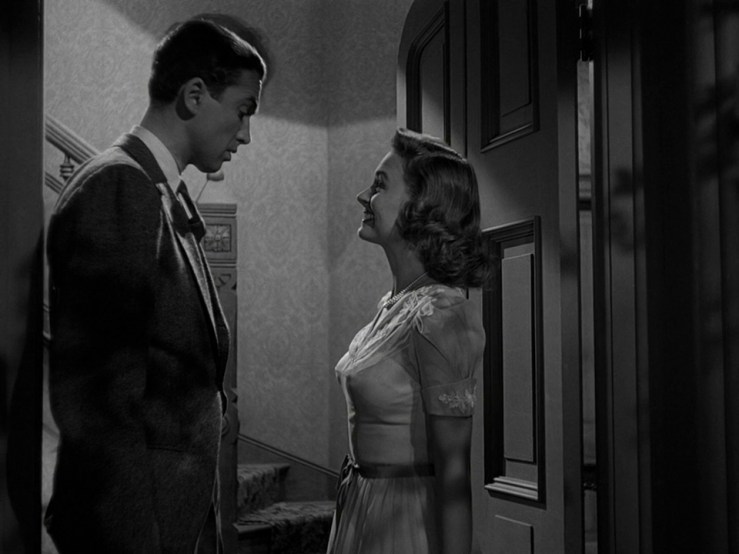
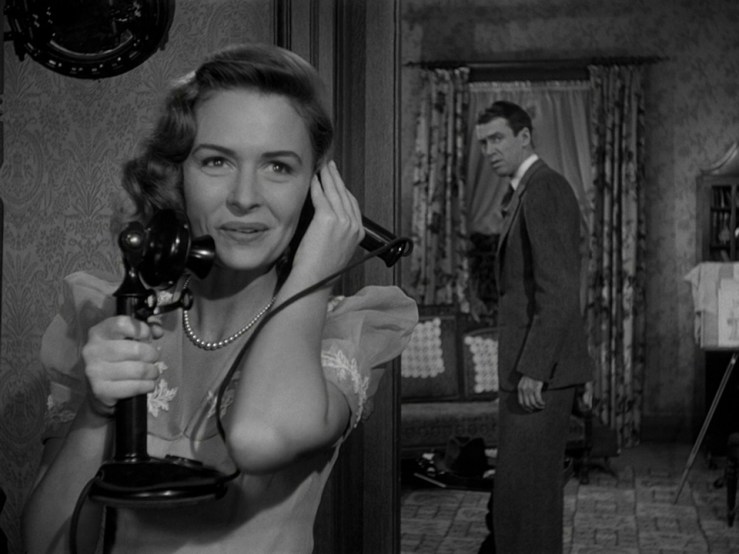
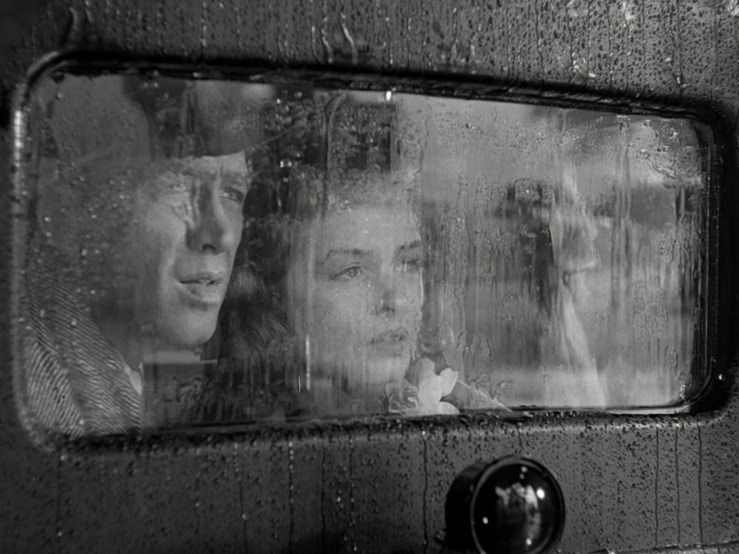
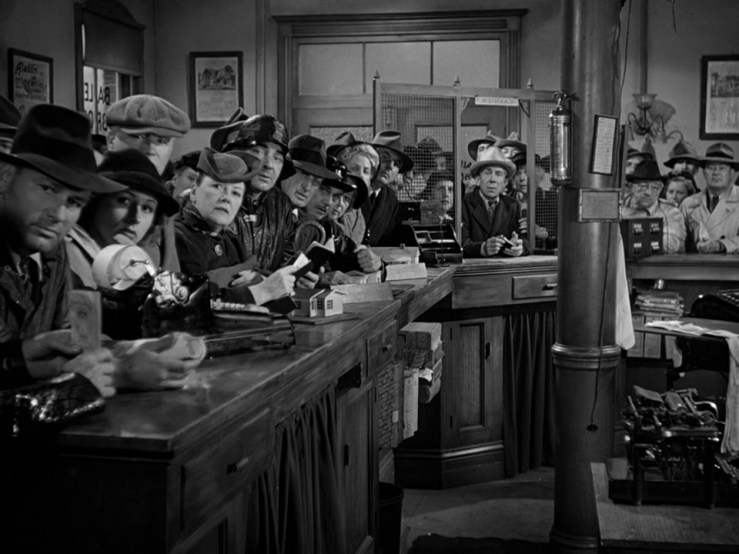
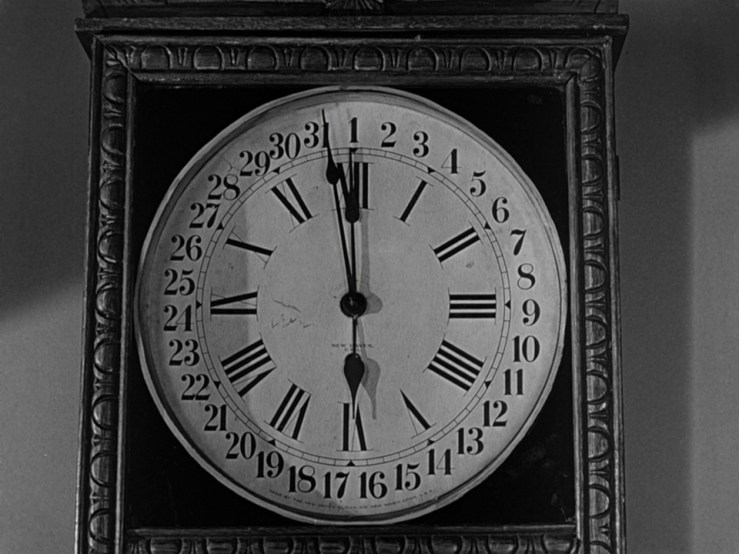
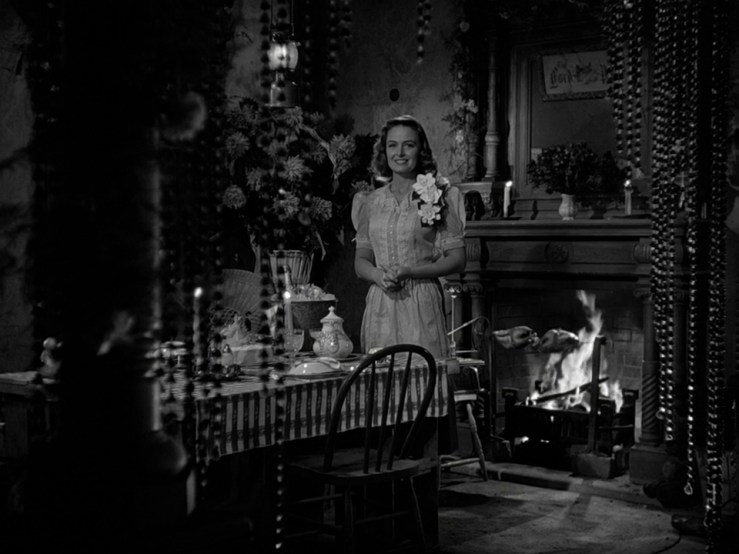
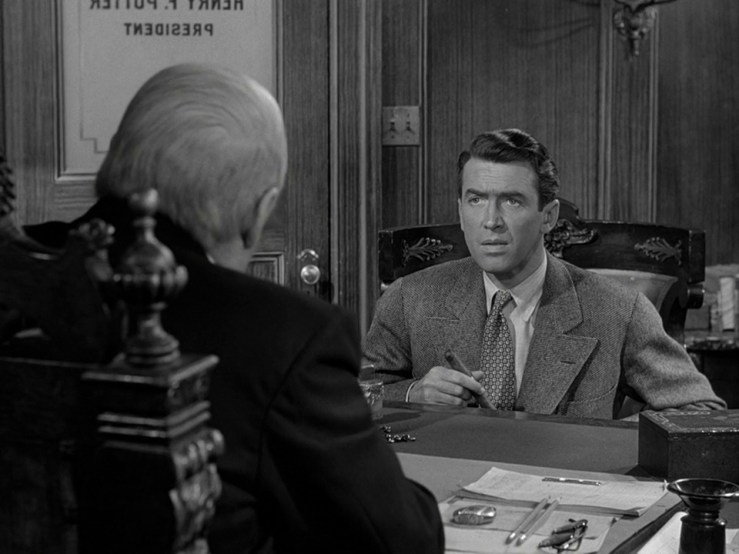
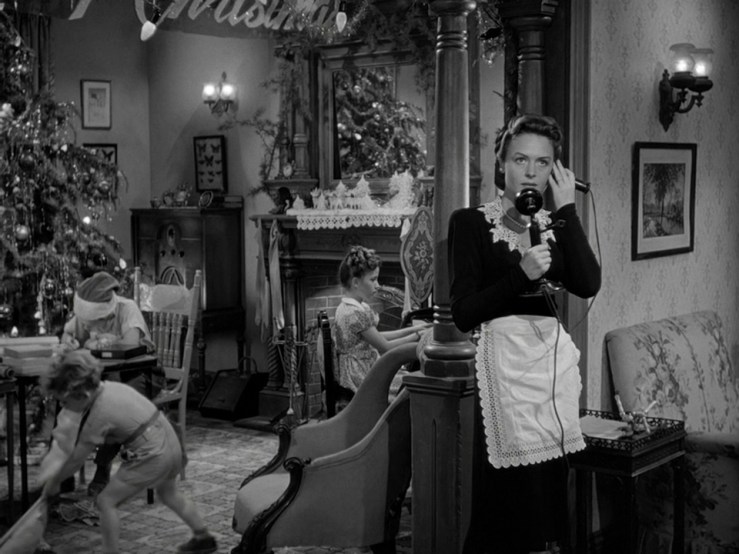
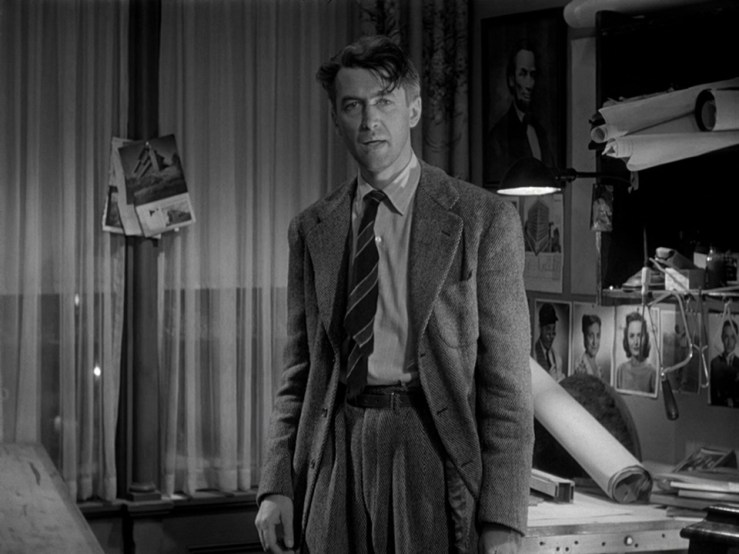
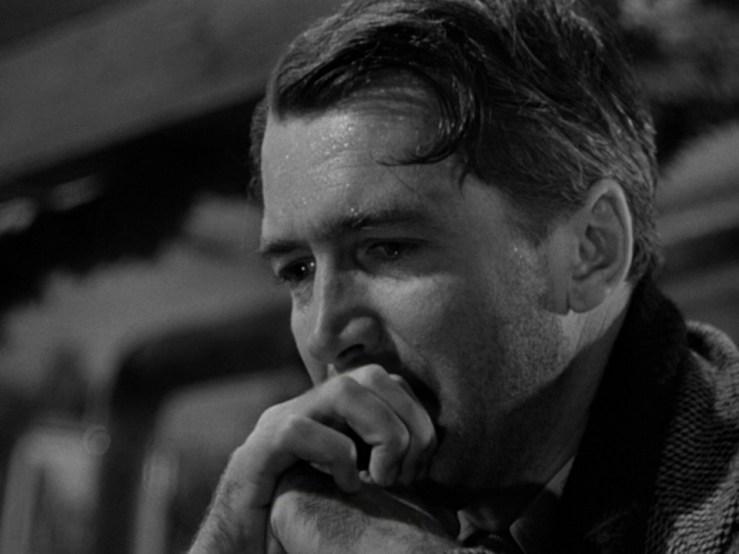
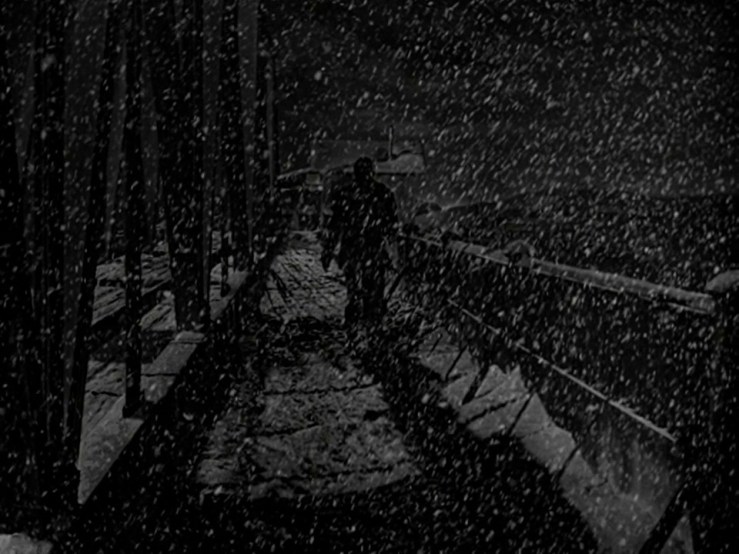
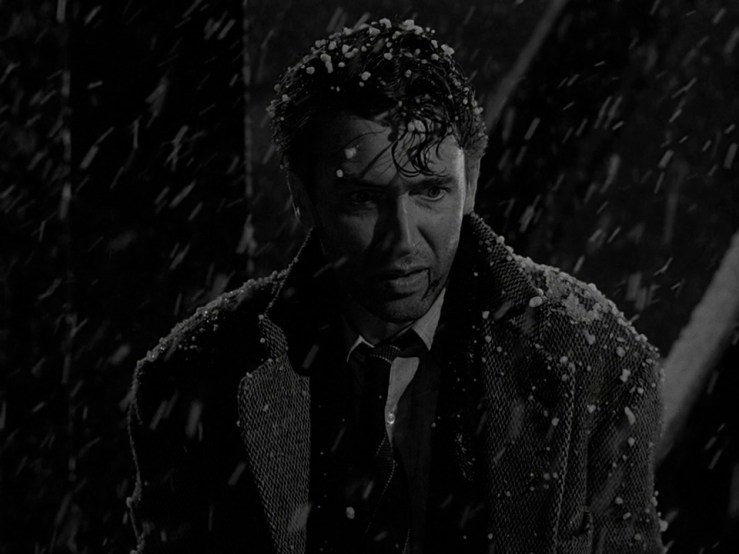
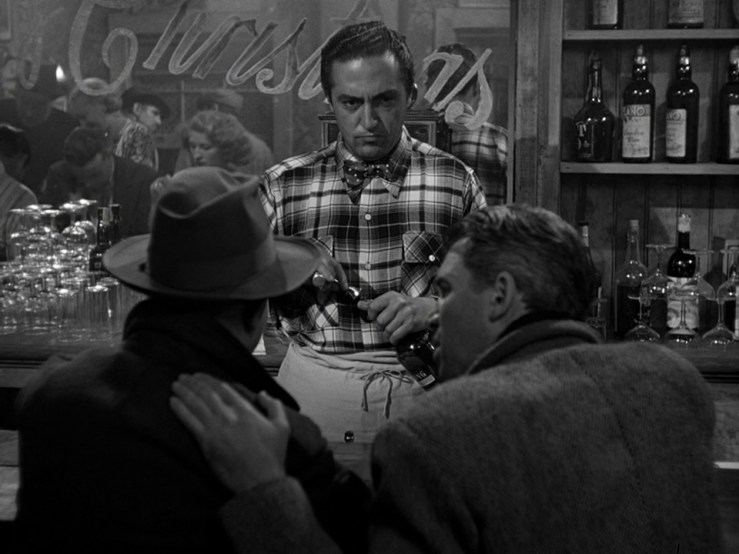
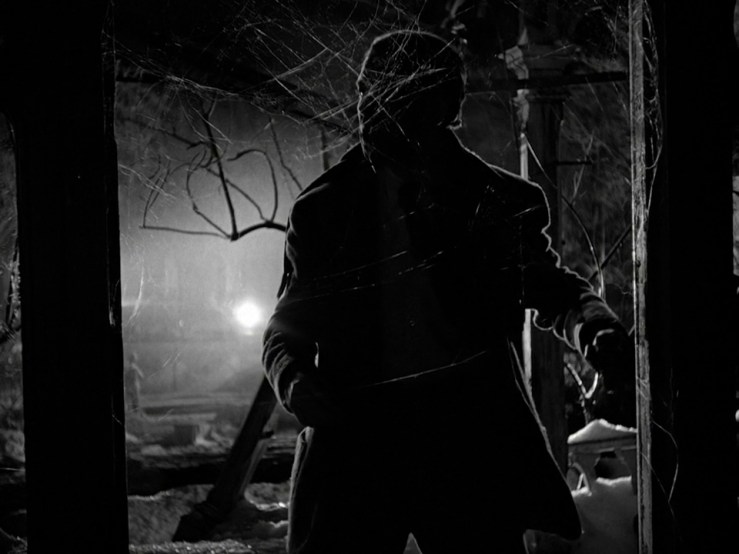
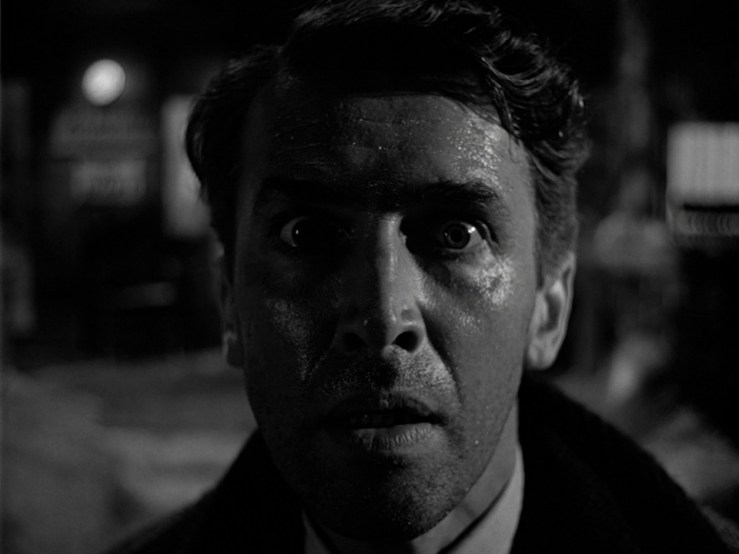
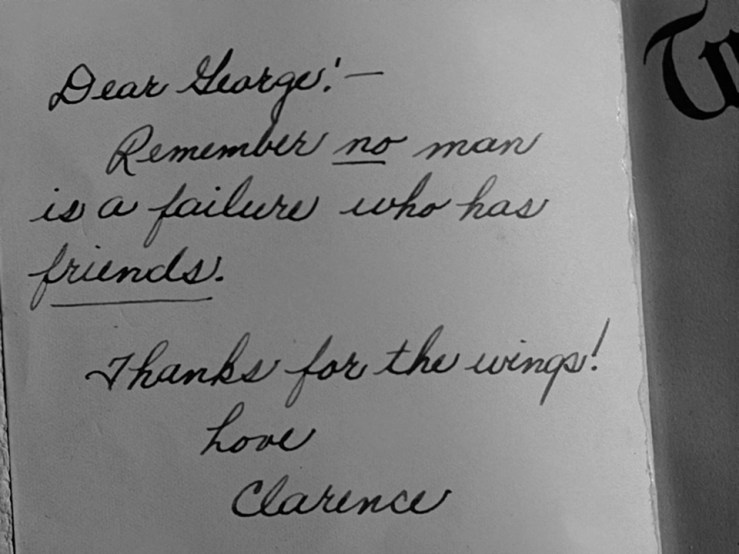
35 frames from Frank Capra’s It’s a Wonderful Life

From It’s a Wonderful Life, 1946. Directed by Frank Capra; cinematography by Joseph Walker and Joseph Biroc. Via FilmGrab.

A review of Alasdair Gray’s novel Poor Things (and an anticipation of Yorgos Lanthimos’ film adaptation)

I. What I read

I read Alasdair Gray’s 1992 novel Poor Things. It was the second time I’d read the novel. I first read it close to ten years ago, after I read Gray’s superior but more flawed cult novel Lanark (1981).

II. What I remembered from that first reading

The basic contours of the plot; the postmodernist matryoshka-doll structure; the typography; the engravings; the art.

III. Why I reread it

Director Yorgos Lanthimos has adapted Poor Things into a film. The four films I have seen by him (Dogtooth, 2009; The Lobster, 2015; The Killing of a Sacred Deer, 2017; The Favourite, 2018) are formally daring, horrific, hallucinatory, and darkly funny. 

(The final two minutes of The Favourite are absolutely hypnotic.)

I had the good fortune to see all of these films cold, with no awareness of plot or structure, and I have extended this gift to myself again with Lanthimos’ adaptation of Gray’s novel: I have avoided watching any of the trailers for the film or reading any reviews or other bright clippings. I do know the identity of some of the actors involved, but do not know which characters they play. (I assume Emma Stone is Bella.)

Of course, in rereading the source novel, I have perhaps primed myself to a first viewing of Lanthimos’ Poor Things by setting Lanthimos’ vision against its literary and visual antecedent. This might be a way of saying I am not going into his film cold.

IV. About the plot of Alasdair Gray’s Poor Things

Poor Things riffs on Shelley’s Frankenstein. 

It is also a passionate defense for rationality, sexuality, feminism, and humanism. It is set primarily in the nineteenth century and in Glasgow, Scotland, but it is also set elsewhen and elsewhere.

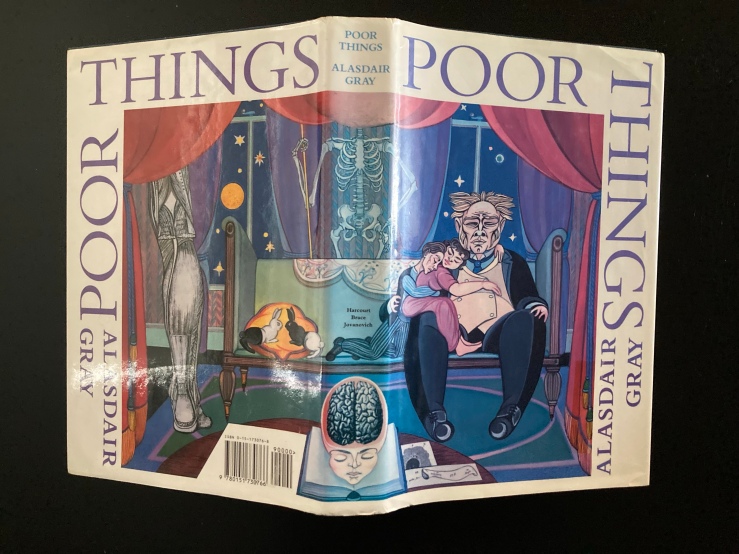
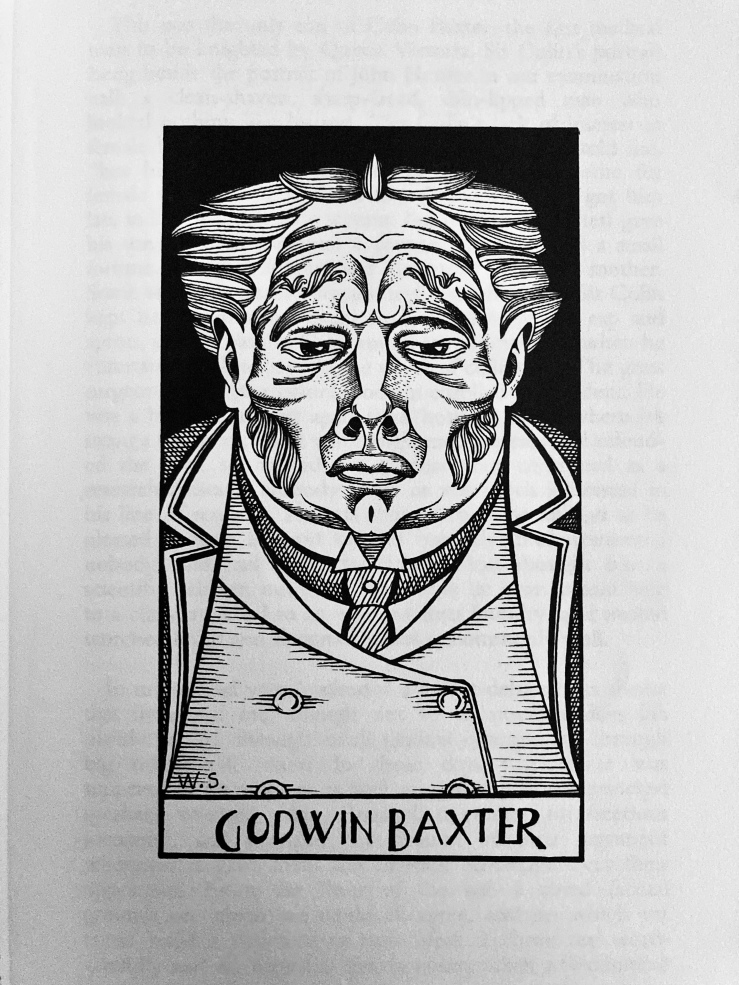
There are three primary characters: Archibald McCandless, Bella Caledonia, and Godwin Baxter. They are depicted rather allegorically on Gray’s wonderful cover for his novel, Archie and Bella cuddled up to God:

Godwin is not a mad scientist, but he does undertake some radical experiments.

Bella is the chiefest of those experiments. I will not spoil all the details. The narrative hints too that Godwin himself, surgeon son of a famous surgeon, might himself be an experimental creation.

Archibald McCandless, who narrates most of the novel, is of poorer stock than rich Godwin Baxter. A rural bastard with a chip on his shoulder, McCandless finds himself out of sync with his fellow medical students, rich boys all. But he finds a fellow to his liking in weirdo Godwin, through whom he meets Bella. He quickly falls deeply in love with the strange creature.

There are engagements, elopements, entanglements; there are dialectics, debates, debaucheries.

The rest of the plot of Poor Things should not be recounted in too much detail. It draws from Marys Shelley and Wollstonecraft; from Candide and Gray’s Anatomy, from 18th and 19th c. travelogues and Fabian Society tracts.

I should let Bella offer her own (which is to say Gray’s ironic metareflexive) dissection of the novel’s sources. In a letter that appends the narrative proper, she suggests that the “story positively stinks of all that was morbid in that most morbid of centuries, the nineteenth,” cribbing

…episodes and phrases to be found in Hogg’s Suicide’s Grave with additional ghouleries from the works of Mary Shelley and Edgar Allan Poe. What morbid Victorian fantasy has he NOT filched from? I find traces of The Coming Race, Dr. Jekyll and Mr. Hyde, Dracula, Trilby, Rider Haggard’s She, The Case-Book of Sherlock Holmes and, alas, Alice Through the Looking-Glass; a gloomier book than the sunlit Alice in Wonderland. He has even plagiarized work by two very dear friends: G. B. Shaw’s Pygmalion and the scientific romances of Herbert George Wells.

The “he” in the text above is Archibald McCandless (although it is also of course Alasdair Gray).

V. About the structure of Alasdair Gray’s Poor Things

The narrative structure of Gray’s Poor Things is indissoluble from the plot, images, and themes. I have used the word structure in the above; perhaps presentation of events would be better. Nevertheless.

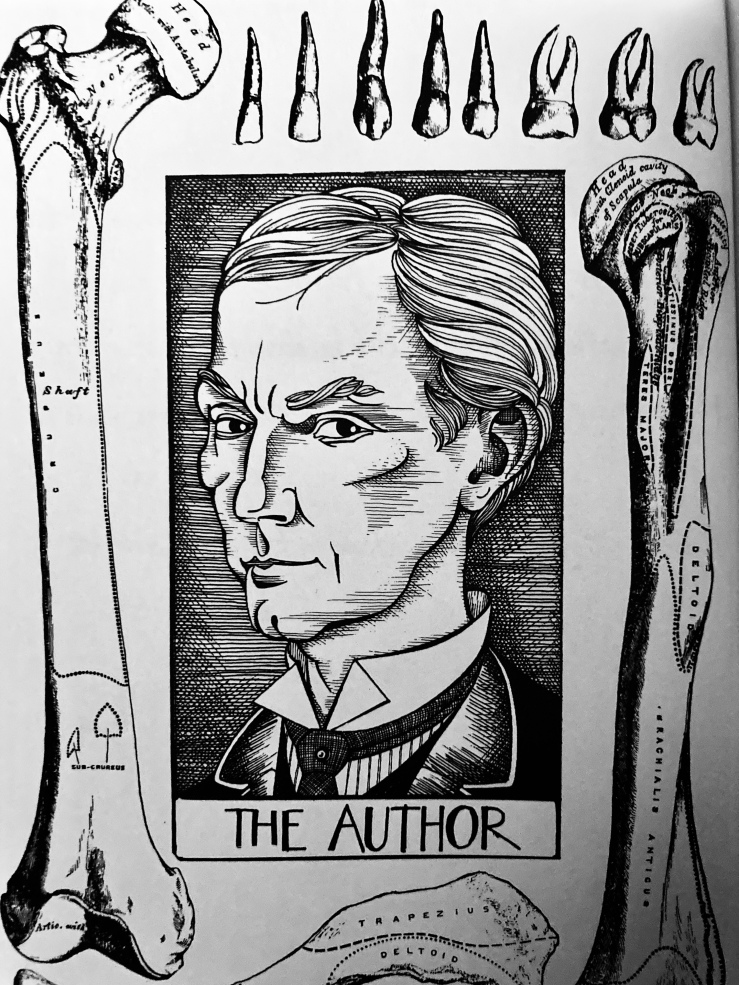
The bulk of the novel consists of a “lost” vanity-press memoir entitled Episodes from the Early Life of Archibald McCandless M.D., Scottish Public Health Officer. This narrative includes the ostensible etchings of one “William Strang” (the illustrations are of course by Gray himself).

Inside McCandless’ Episodes are nested other episodes, purportedly by other authors. First, there’s the letter from Duncan Wedderburn, once a lustful rake, now reduced to lunacy after his entanglement with Bella (his riff on Scotland and The Book of Revelations is a wonderful moment of true crankery).

Then, McCandless’s narrative gives way for quite some time to the purported letters of Bella herself, off adventuring away from Father God and Betrothed Archie. These letters are the philosophical backbone of Poor Things; the moral meat of its plot. McCandless then regains his Episodes; it ends with wonderful gothic violence.

But the novel Poor Things continues. We have another letter from Bella, now much advanced in age, herself a famous doctor, having taken up the family trade. Her silly husband Archie is dead and she’s destroyed all but a single copy of his memoir Episodes—the single copy we’ve just read. Her letter is addressed to the possible future heirs who have failed to materialize, and who thus have been spared the scandal of their antecedent’s apparent lunacy. Bella’s letter seeks to undo the gothic fantasies that preceded it, puncturing McCandless’s swollen fancies with surgical rationality while at the same time reasserting the essential feminist qualities of that precursor text. The effect is somewhat deflationary—but the novel is not yet complete!

Gray’s Poor Things is framed by two bookends, both attributed to “Alasdair Gray.”

The initial frame is “Introduction,” in which Gray explains how a friend found McCandless’s Episodes in a pile of documents that were set to be destroyed, read it, and passed it along to Gray. Gray then explains how he edited together the volume we are about to read (he “unfortunately” managed to lose the original volume in the process), cribbing it together along with Bella’s letter and some other visual materials—an assemblage, a lovely literary Frankenstein’s creature.

The final bookend is “Notes Critical and Historical.” In this section, Gray simultaneously bolsters and undermines all the narrative material that’s come before it. As one might expect from “historical” end notes, Gray (or “Gray”) lards this section with other narrative materials—anecdotes, citations, bibliographies, and interviews, among other apparent ephemera. And yet this conclusion is hardly ephemeral—indeed, the material Gray includes serves to again puncture the narratives that precede it.

Gray’s bookending gambit pays dividends in the last paragraph of the novel, by which I mean the last paragraph of “Notes Critical and Historical.” Again, I will not spoil the content here, but rather suggest that Gray has covered all his bets. The real fun in the novel is to immediately re-read the beginning: flip the frames around. Maybe fan the book about. Facts and fancies may fall out of it.

VI. An anticipation of Yorgos Lanthimos’ film adaptation of Poor Things

I have no strong emotional investment in the quality of a film adaptation of an Alasdair Gray novel. (I’m far more aesthetically invested in a possible video game adaptation of his cult classic Lanark.)

I don’t mean the previous unparantheticalized sentence to sound dismissive; to be very clear, I don’t think I’d object to any novel I loved being adapted to film or any other medium. The filmmaker might fuck up their own adaption but they could never truly affect the novel itself. At one point I think I’d have been aghast at someone’s attempt to adapt Gravity’s Rainbow or Blood Meridian; I’ve felt bad about film adaptations of Under the Volcano and Moby-Dick, no matter how grand their ambitions.

Now, I just don’t give a fuck. Go for it. Something interesting might happen, but you can’t hurt the text. At best, you’ll end up with a New Thing, which is what I expect and hope from Yorgos Lanthimos’ Poor Things. Who knows?

In rereading Gray’s Poor Things, I thought of what other filmmakers might do with the novel. Guillermo del Toro would fuss over its visuals too much at the expense of characterization. (Maybe Matteo Garrone could reign him in.) Jane Campion could likely channel its gothicism, its wit, its intellect. Peter Greenaway in his prime could have made a brilliant series of tableaux from Gray’s material. Gaspar Noé could explode a few pages of its essence over a few hours without ever getting to its core. Wes Anderson might have skillfully arranged its nested narratives, but perhaps too cleanly, too precisely even. Lars Von Trier might lean into the dirt. I suppose I could go on.

But really, while rereading Poor Things the thought that kept coming back to life was, Hey, how will Lanthimos adapt this to film?

VII. A possible answer to the above question

I hope he’s created his own beautiful monster.

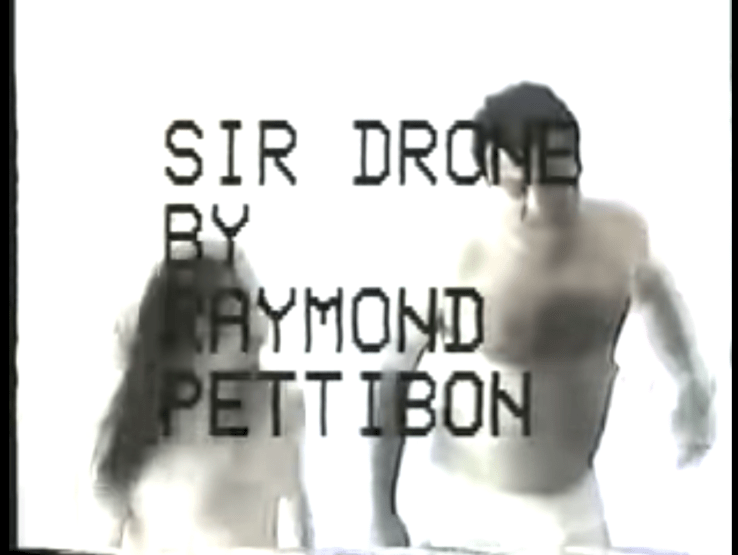
Sir Drone, a film by Raymond Pettibon

Sir Drone is a 1989 film by Raymond Pettibon starring Mike Kelley, Mike Watt, Richie Lee, and Angela Taffe as…Goo.

It takes a brave man to try and trade drug stories toe-to-toe with William Burroughs, and Cronenberg makes only a perfunctory attempt

Photography by Chris Buck and Brian Hamill; art by Nick Van Der Grinten

It’s been half a day and no one has taken a hit of anything stronger than the vodka and Coke Burroughs is nursing. These days, at seventy-seven and post-triple bypass, Burroughs is taking a break from the opiates. The conversation, however, is free to range where Burroughs no longer does.

It takes a brave man to try and trade drug stories toe-to-toe with William Burroughs, and Cronenberg makes only a perfunctory attempt. “I tried opium once, in Turkey, and there I felt like I had a hideous flu, you know? It was like I was sick.”

“You probably were! It can be very nauseating. You had just taken more than you could assimilate.”
“I did take LSD once,” Cronenberg responds. “It was a great trip. It was a very revealing experience to me, because I had intuited that what we consider to be reality is just a construct of our senses. It shows you, in no uncertain terms, that there are any number of realities that you could live, and you could change them and control them. It’s very real, the effects it left.”
Burroughs nods patronizingly, although he was more of an opiate man.

Talk then shifts to over-the-counter drugs one could abuse, which included the availability of codeine in Canada, opium cold-and-flu tablets in France, and “in England,” says Burroughs, “they used to sell Dr. Brown’s Chlorodine. It was morphine, opium, and chloroform. I used to boil out the chloroform.”
“I was chloroformed once,” says Cronenberg, “as a kid, when they took out my tonsils. I still remember what happened when they put this mask over my face. I saw rockets shooting. Streamers of flame, rockets. . . . I can still see it. And that sickly smell.” He makes a face. After discussing insects, gunshot wounds, and snake bites all day, were finally onto something that can gross out Cronenberg.

“I hate general anesthesia,” says Burroughs. “Scares the hell out me. I had to have it when they did the bypass, but I knew where I was. I knew I was in the hospital having an operation, and there was this gas coming into my face like a gray fog. When I cracked my hip, they put a pin in with a local. A spinal. Of course, it ran out and I started screaming.”

“I was in a motorcycle accident where I separated my shoulder,” says Cronenberg. “They took me into the operating room and gave me a shot of Demerol.”

“Demerol,” says Burroughs, brightening a bit. “Did it help?”

“I loved it. It was wonderful.”

“It helps. I had a shot of morphine up here somewhere,” he says, pointing to the top of his shoulder near his neck, “from my bypass operation. She said, ‘This is morphine.’ And I said, ‘Fine!’ ” Burroughs drags out the word in a sigh of bliss. He closes his eyes in an expression of rapt anticipation. “Shoot it in, my dear, shoot it in.” I ask Burroughs if the doctors and nurses at the hospital knew who he was. “Certainly,” he drawls. “The doctor wrote on my chart, ‘Give Mr. Burroughs as much morphine as he wants.’”

From “Which Is the Fly and Which Is the Human?” a 1992 profile in Esquire by Lynn Snowden. The occasion for the article is the release of Cronenberg’s film adaptation of Naked Lunch.

Thanatopsis — Ed Emshwiller

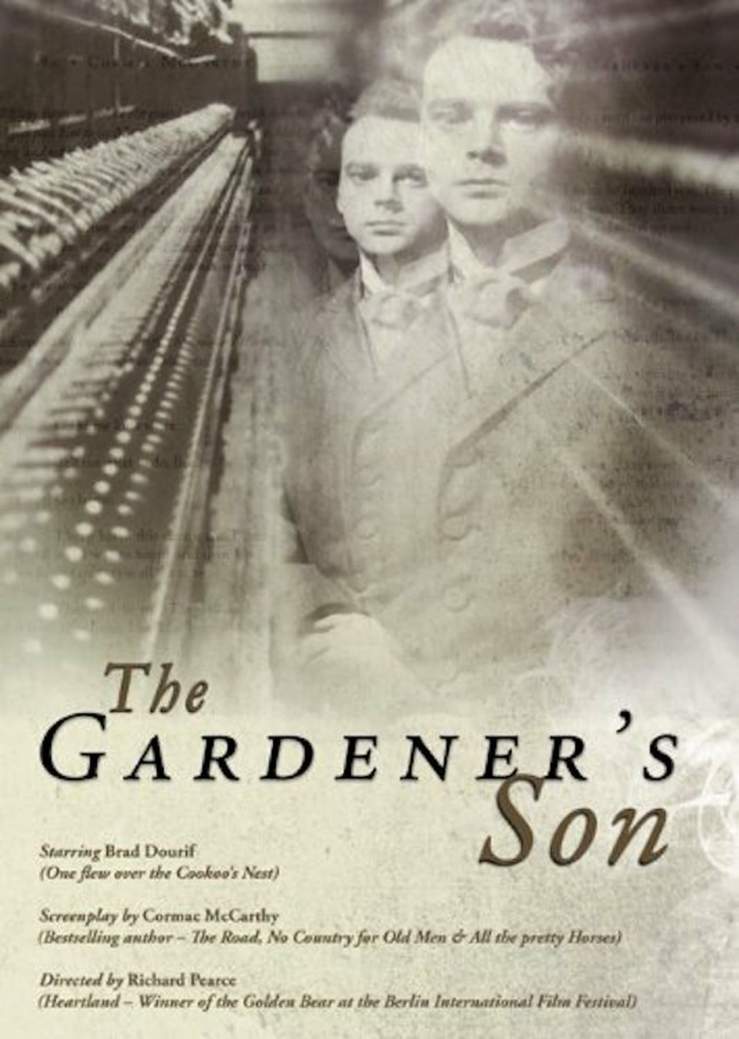
Watch a 1977 PBS film adaptation of Cormac McCarthy’s The Gardener’s Son

Jean-Luc Godard’s film Goodbye to Language

Traffic jam scene, Jean-Luc Godard’s film Weekend

“What Is to Be Done?” — Jean-Luc Godard

“What Is to Be Done?”

by

Jean-Luc Godard

Translation by Mo Tietelbaum

First published in English and French in Afterimage, 1970


  1. We must make political films.

  2. We must make films politically.

  3. 1 and 2 are antagonistic to each other and belong to two opposing conceptions of the world.

  4. 1 belongs to the idealistic and metaphysical conception of the world.

  5. 2 belongs to the Marxist and dialectical conception of the world.

  6. Marxism struggles against idealism and the dialectical against the metaphysical.

  7. This struggle is the struggle between the old and the new, between new ideas and old ones.

  8. The social existence of men determines their thought.

  9. The struggle between the old and the new is the struggle between classes.

  10. To carry out 1 is to remain a being of the bourgeois class.

  11. To carry out 2 is to take up the proletarian class position.

  12. To carry out 1 is to make descriptions of situations.

  13. To carry out 2 is to make concrete analysis of a concrete situation.

  14. To carry out 1 is to make British Sounds.

  15. To carry out 2 is to struggle for the showing of British Sounds on English television.

  16. To carry out 1 is to understand the laws of the objective world in order to explain that world.

  17. To carry out 2 is to understand the laws of the objective worlds in order to actively transform that world.

  18. To carry out 1 is to describe the wretchedness of the world.

  19. To carry out 2 is to show people in struggle.

  20. To carry out 2 is to destroy 1 with the weapons of criticism and self-criticism.

  21. To carry out 1 is to give a complete view of events in the name of truth in itself.

  22. To carry out 2 is not to fabricate over-complete images of the world in the name of relative truth.

  23. To carry out 1 is to say how things are real. (Brecht)

  24. To carry out 2 is to say how things really are. (Brecht)

  25. To carry out 2 is to edit a film before shooting it, to make it during filming and to make it after the filming. (Dziga Vertov)

  26. To carry out 1 is to distribute a film before producing it.

  27. To carry out 2 is to produce a film before distributing it, to learn to produce it following the principle that: it is production which commands distribution, it is politics which commends economy.

  28. To carry out 1 is to film students who write: Unity—Students—Workers.

  29. To carry out 2 is to know that unity is a struggle of opposites (Lenin) to know that the two are one.

  30. To carry out 2 is to study the contradiction between the classes with images and sounds.

  31. To carry out2 is to study the contradiction between the relationships of production and the productive forces.

  32. To carry out 2 is to dare to know where one is, and where one has come from, to know one’s place in the process of production in order then to change it.

  33. To carry out 2 is to know the history of revolutionary struggles and be determined by them.

  34. To carry out 2 is to produce scientific knowledge of revolutionary struggles and of their history.

  35. To carry out 2 is to know that film making is a secondary activity, a small screw in the revolution.

  36. To carry out 2 is to use images and sounds as teeth and lips to bite with.

  37. To carry out 1 is to only open the eyes and the ears.

  38. To carry out 2 is to read the reports of comrade Kiang Tsing.

  39. To carry out 2 is to be militant.

28 still frames from David Lynch’s Mulholland Drive

From Mulholland Drive, 2001. Directed by David Lynch with cinematography by Peter Deming. Via FilmGrab.