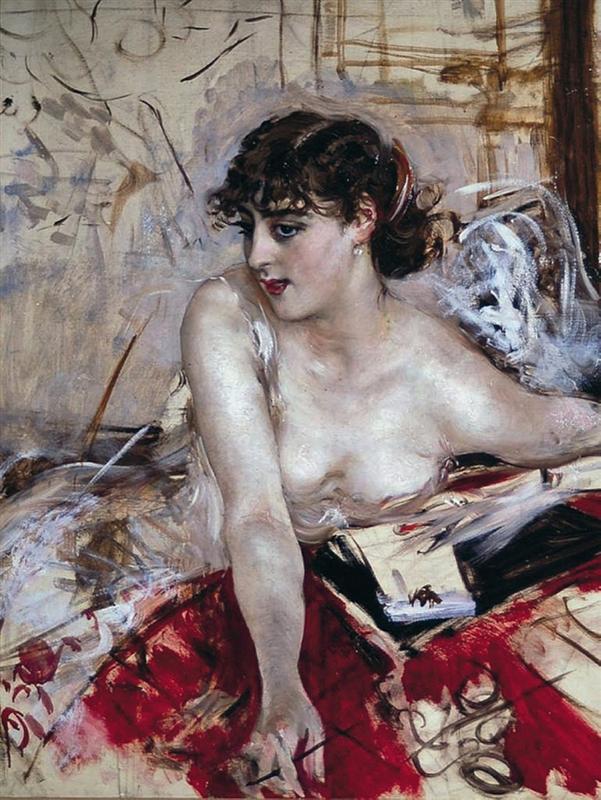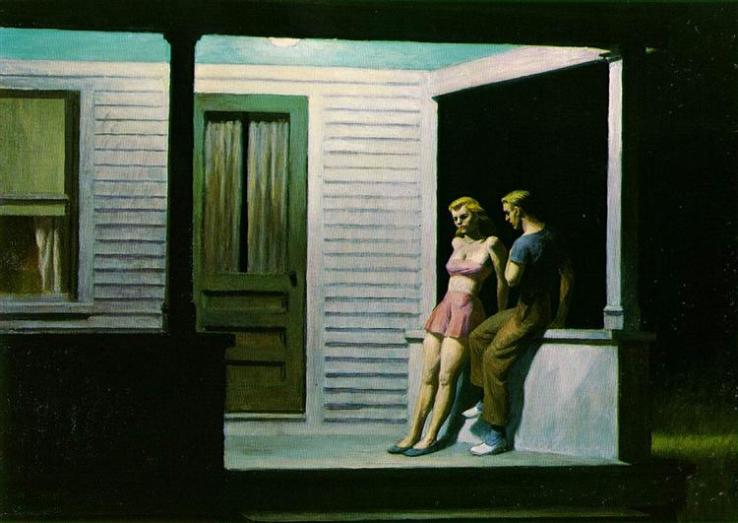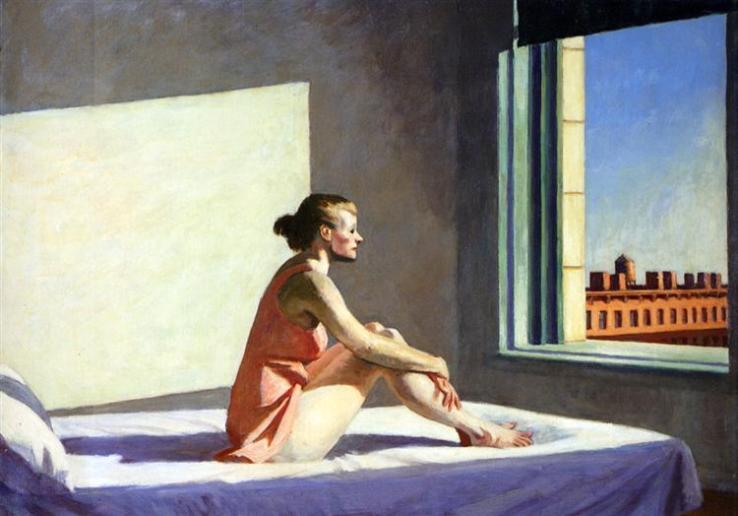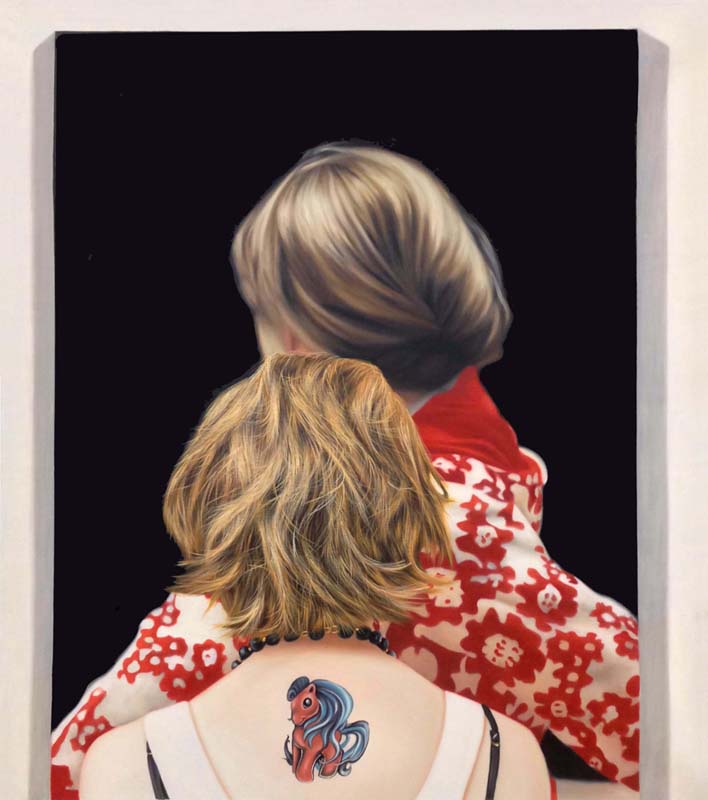
Louis Takes Flight — F. Scott Hess

hess027

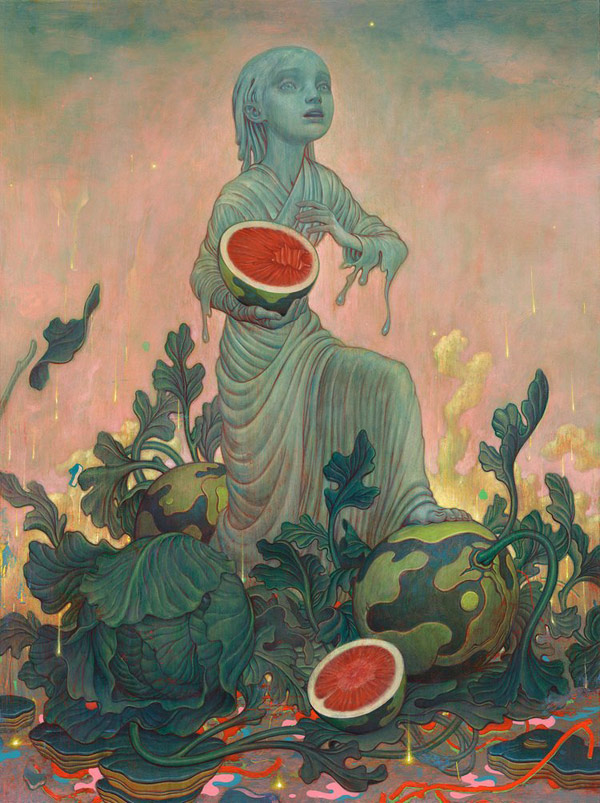
The Green Comet — Michael Hutter

tumblr_ncctksbuz21rlaql2o1_1280

Judith and Holofernes — Jamie Vasta

giuditta

The Temptation of St. Anthony (detail) — Marten de Vos

Screenshot 2016-06-01 at 12.04.21 PM

Persephone — Thomas Hart Benton

01_thomas_hart_benton_persephone_1939_100

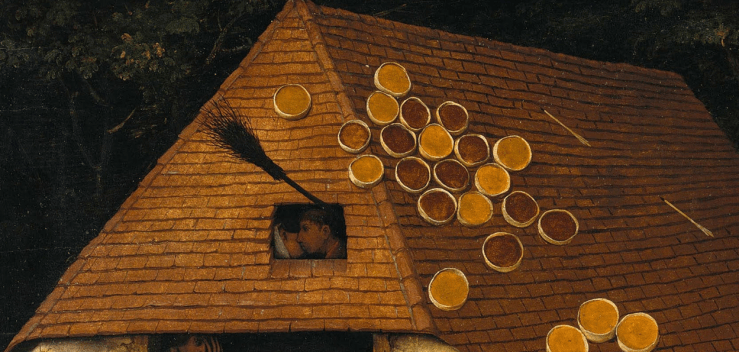
The Temptation of St. Anthony (detail) — Marten de Vos

Screenshot 2016-06-01 at 12.00.37 PM

The Judgment of Paris — Dario Ortiz

darc3ado_ortiz_-_el_juicio_de_paris_o_paris_y_las_prepago

The Temptation of St. Anthony (detail) — Marten de Vos

Screenshot 2016-05-31 at 9.00.26 PM

The Miraculous Draft of Fishes — Konrad Witz

800px-konrad_witz_-_fischzug_petri

The Temptation of St. Anthony (detail) — Marten de Vos

Screenshot 2016-05-31 at 4.16.09 PM

Illustration for Oscar Wilde’s “The Birthday of the Infanta” — James Hill

Birthday Infanta

James Hill’s illustration for “The Birthday of the Infanta” by Oscar Wilde. From The Short Stories of Oscar Wilde, Heritage Press, 1968.


“The Birthday of the Infanta”

by

Oscar Wilde


It was the birthday of the Infanta.  She was just twelve years of age, and the sun was shining brightly in the gardens of the palace.

Although she was a real Princess and the Infanta of Spain, she had only one birthday every year, just like the children of quite poor people, so it was naturally a matter of great importance to the whole country that she should have a really fine day for the occasion.  And a really fine day it certainly was.  The tall striped tulips stood straight up upon their stalks, like long rows of soldiers, and looked defiantly across the grass at the roses, and said: ‘We are quite as splendid as you are now.’  The purple butterflies fluttered about with gold dust on their wings, visiting each flower in turn; the little lizards crept out of the crevices of the wall, and lay basking in the white glare; and the pomegranates split and cracked with the heat, and showed their bleeding red hearts.  Even the pale yellow lemons, that hung in such profusion from the mouldering trellis and along the dim arcades, seemed to have caught a richer colour from the wonderful sunlight, and the magnolia trees opened their great globe-like blossoms of folded ivory, and filled the air with a sweet heavy perfume.

The little Princess herself walked up and down the terrace with her companions, and played at hide and seek round the stone vases and the old moss-grown statues.  On ordinary days she was only allowed to play with children of her own rank, so she had always to play alone, but her birthday was an exception, and the King had given orders that she was to invite any of her young friends whom she liked to come and amuse themselves with her.  There was a stately grace about these slim Spanish children as they glided about, the boys with their large-plumed hats and short fluttering cloaks, the girls holding up the trains of their long brocaded gowns, and shielding the sun from their eyes with huge fans of black and silver.  But the Infanta was the most graceful of all, and the most tastefully attired, after the somewhat cumbrous fashion of the day.  Her robe was of grey satin, the skirt and the wide puffed sleeves heavily embroidered with silver, and the stiff corset studded with rows of fine pearls.  Two tiny slippers with big pink rosettes peeped out beneath her dress as she walked.  Pink and pearl was her great gauze fan, and in her hair, which like an aureole of faded gold stood out stiffly round her pale little face, she had a beautiful white rose.

Continue reading “Illustration for Oscar Wilde’s “The Birthday of the Infanta” — James Hill”

The Veil — Fernand Khnopff

the-veil-1887

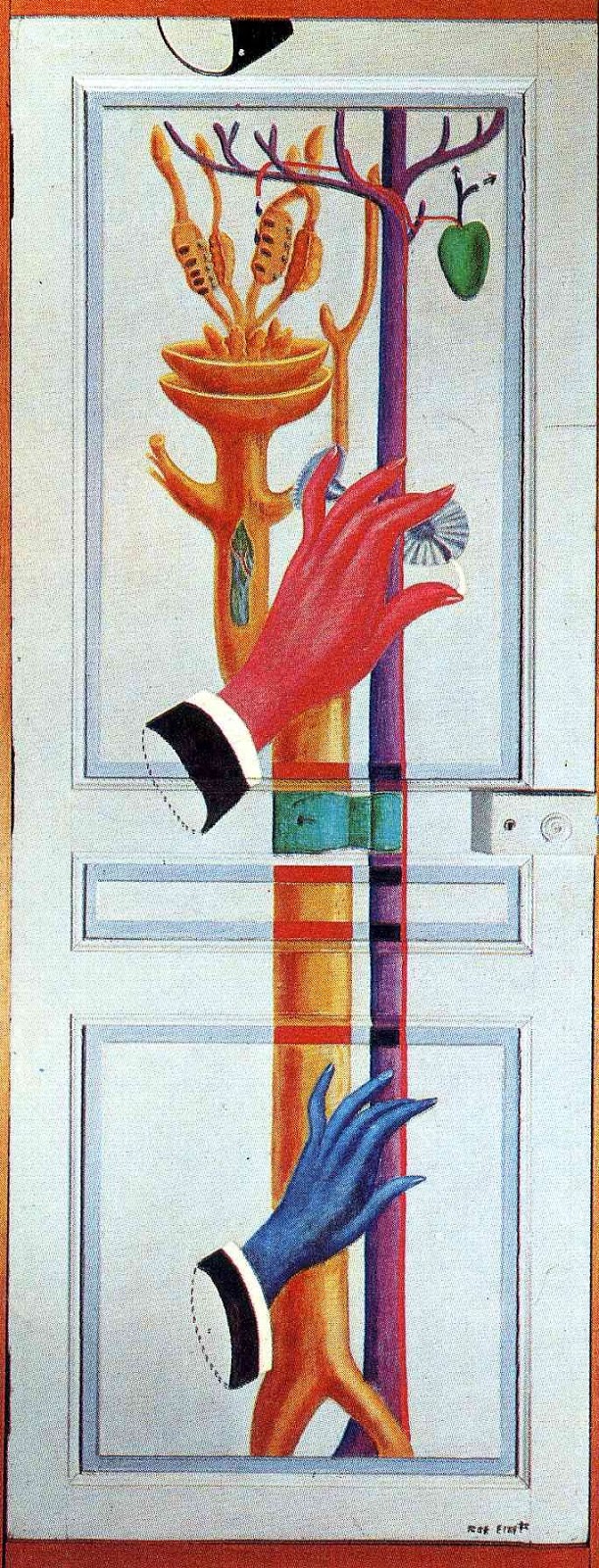
The Eye of Silence — Max Ernst

ds18-145c2a9544f51fcde52

Reviews and riffs of February-May, 2016 (and an unrelated stag)

Hey, wow. Haven’t done one of these in a while.


I reread William Gaddis’s big big novel J R, writing

Only a handful of novels are so perfectly simultaneously comic and tragic. Moby-Dick? Yes. Gravity’s Rainbow? Absolutely. (G R and J R, a duo published two years apart, spiritual twins, massive American novels that maybe America hardly deserves (or, rather: theses novels were/are totally the critique America deserves). I guess maybe what I’m saying is J  R is the Great American Novel to Come (The Recognitions is perhaps overpraised and certainly not Gaddis’s best novel; J R is. The zeitgeist has been caught up to J R, the culture should (will) catch up).


I also read and wrote about Ashley Dawson’s Extinction: A Radical History, a scary little primer that argues mass species extinction is

…the product of a global attack on the commons, the great trove of air, water, plants and creatures, as well as collectively created cultural forms such as language, that have been regarded traditionally as the inheritance of humanity as a whole…capital of course depends on continuous commodification of this environment to sustain its growth.

My reading of Extinction—and hence my writing about it—is/was inextricably bound up in a viewing of Hayao Miyazaki’s 1997 eco-fable 1997 , Mononoke-hime. (The film’s title is usually rendered in English as Princess Mononoke, but I think Spirit-Monster Wolfchild is a more fitting translation). I also linked the book to Gilgamesh and Easter. And I used this gif:

tumblr_inline_o1qoyqk5ln1t6t6sv_500


I wrote a post about listening to audiobook versions of “difficult novels,” taking my lead and license from this big quote from William H. Gass’s essay “The Sentence Seeks Its Form”:

Breath (pneuma) has always been seen as a sign of life . . . Language is speech before it is anything. It is born of babble and shaped by imitating other sounds. It therefore must be listened to while it is being written. So the next time someone asks you that stupid question, “Who is your audience?” or “Whom do you write for?” you can answer, “The ear.” I don’t just read Henry James; I hear him. . . . The writer must be a musician—accordingly. Look at what you’ve written, but later … at your leisure. First—listen. Listen to Joyce, to Woolf, to Faulkner, to Melville.


99 reasons I didn’t read your novel.


tumblr_o71467dk931s4y9aso1_1280

I reviewed Mahendra Singh’s marvelous satire American Candide. Far better than my measly review is a long interview I did with Singh, who is just a damn genius. I’m most grateful for the final exchange of our review, which was not really a part of the official q & a type thing we were doing—rather, I was bemoaning my ability to write anything lately, and Mahendra offered me the following, which I edited into the interview:

The hidden contempt that our culture harbors towards art will drive you nuts if you think about it … so don’t think too much … write instead! And if you can’t write, read smartly. I find great solace in the classics and have devoted most of my life to trying in whatever way I can to perpetuate the classical tradition (in concealment) and create situations where young people can gain access to the eternal truths and beauty of the classical world tradition. We are living in a time of imperial decline and must preserve the best of the past as our ancestors did in similar times of trouble. The pendulum will swing the other way in a few centuries.


Prince died.

I wrote about him in a Three Books post.

The three books had nothing to do with Prince.


Despite some fascinating images, I was not impressed by Ben Wheatley’s film adaptation of Ballard’s High-Rise. I concluded that,

While the High-Rise adaptation delivers Ballardian style, that Ballardian style only points at itself, and not at our Ballardian present, our Ballardian future.


And I wrote about Ferrante, Knausgaard, and their good/bad/ironic book covers.


Here’s that promised stag (by Diego Velazquez):

reproduction_painting5cspain5cvelc3a1zquez20diego20rodriguez20de20silva20159920-2016605chead20of20a20stag

Happy Machine, a surreal short film by Masaaki Yuasa

The Black Stork — Julia Faber

31_blackstorkweb