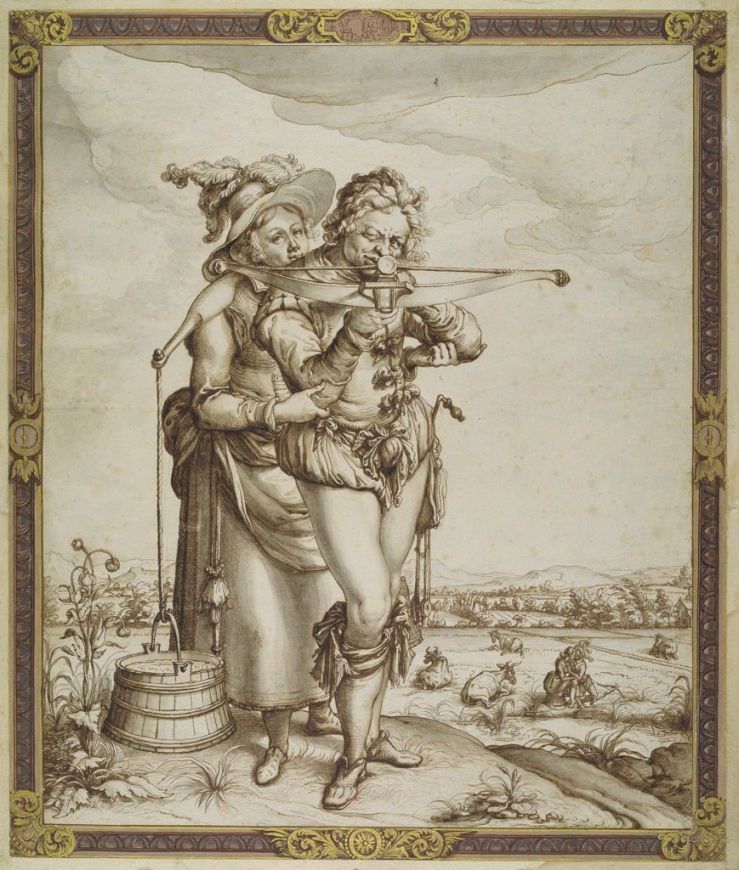
Crossbowman Assisted by a Milkmaid — Jacques de Gheyn II

18773218

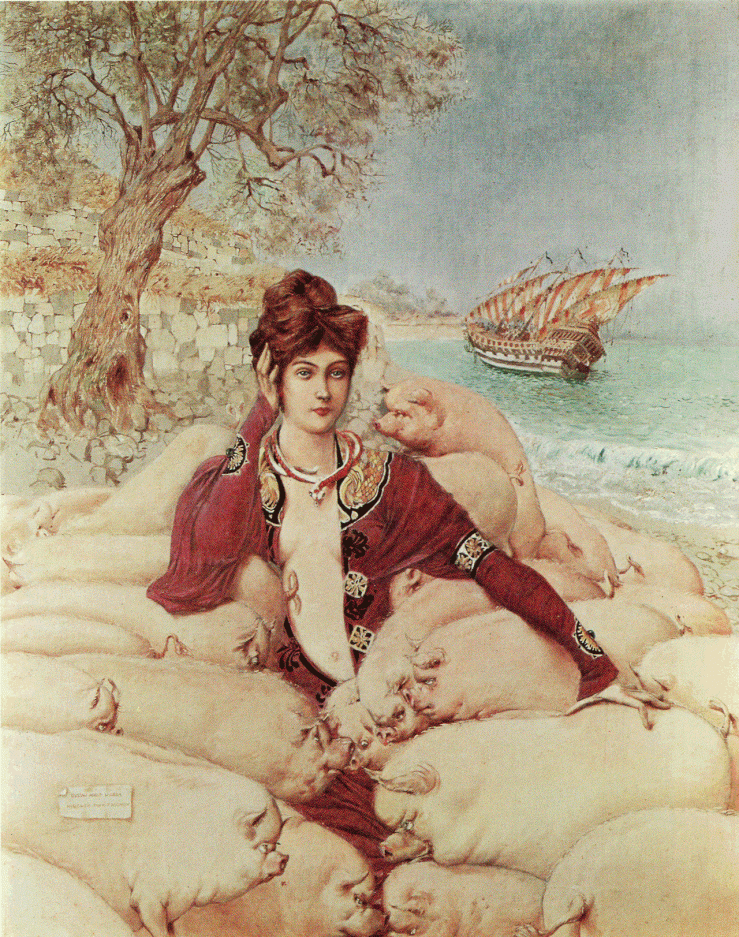
Circe — Gustav-Adolf Mossa

tumblr_na9apljsa81qf8evxo1_1280

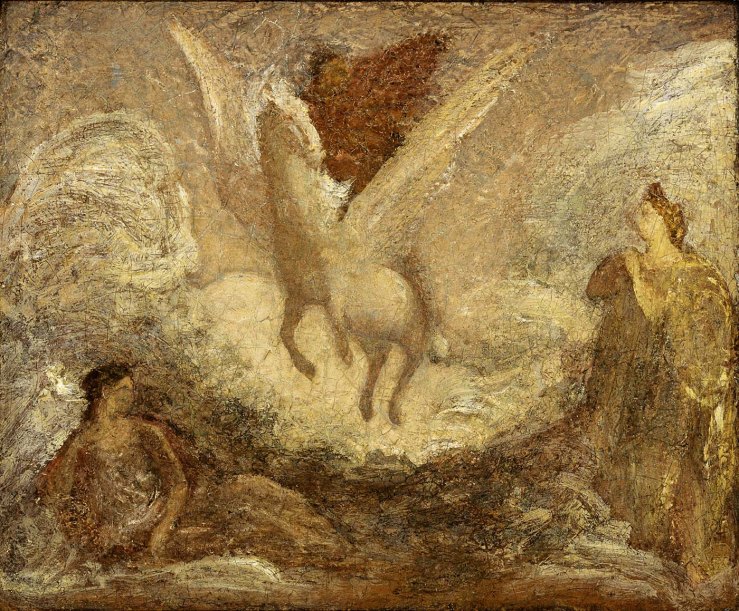
Pegasus Departing — Albert Pinkham Ryder

pegasus-departing-1901

And that is how I have come to discover that I am not pure (Clarice Lispector)

img_3493

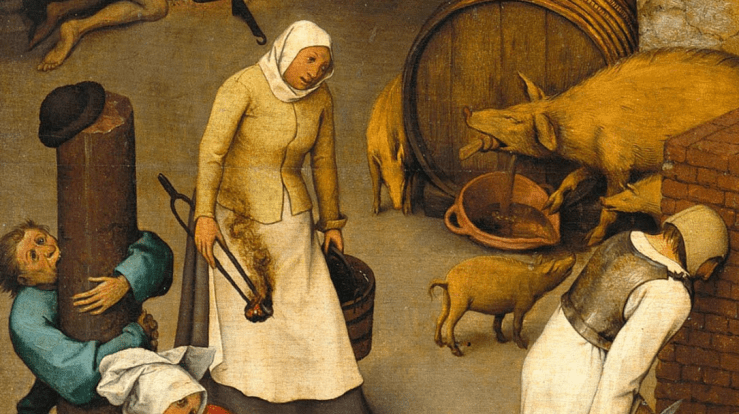
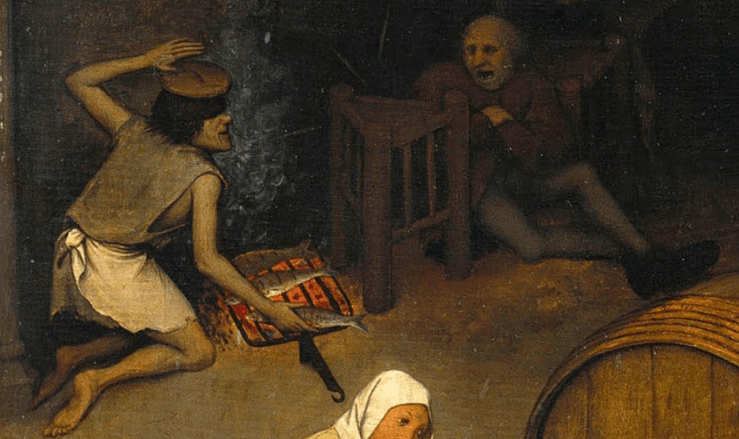
Netherlandish Proverbs (detail) — Pieter Bruegel the Elder

Screenshot 2016-06-26 at 10.59.39 AM

(Last) Three Books (Sunday Comics)

This is the last Three Books post.

I had fun doing this every Sunday but a year seems like long enough. I do, however, like to do a themed post of some kind on Sundays, so I’ll do something with comics each Sunday for a year. Not just cover scans—panels, strips, etc. But this Sunday, three covers/three books:

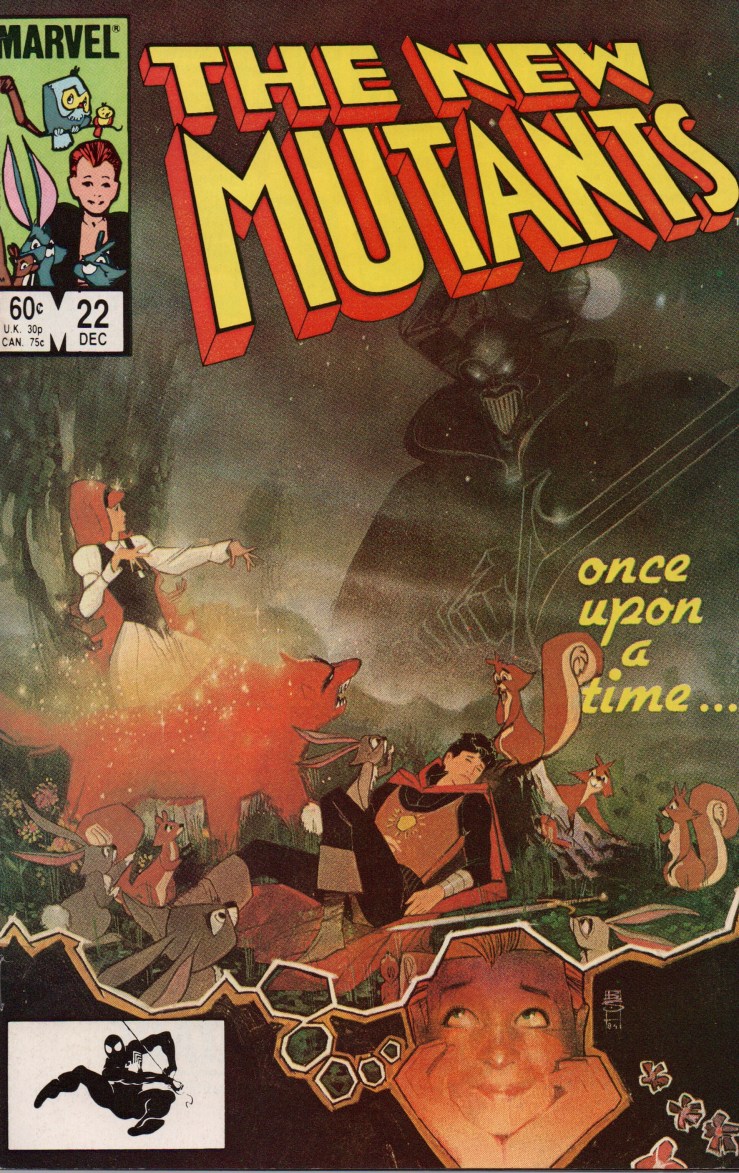
img_3465

The New Mutants Vol. 1, #22, December 1984. Marvel Comics. Issue by Chris Claremont and Bill Sienkiewicz. Cover painting by Sienkiewicz.

I got rid of most of my Marvel Comics collection when I was 13 but could never bear to part with Sienkiewicz’s run on The New Mutants, my favorite comic book. (I wish I had kept more of Claremont’s 1980s run on The Uncanny X-Men).

img_3467

Cerebus #164, November 1992. Aardvark-Vanaheim. Issue (and cover) by Dave Sim and Gerhard. This is the second issue of Cerebus that I bought (issue #163’s cover is not nearly so good, so…not featured today). I had no idea what was going on but loved it. I caught up fairly quickly through Sim’s so-called “phonebooks” of the earlier books. I eventually quit reading Cerebus monthly, but still picked up the big collections, albeit more and more intermittently, until I almost forgot about it altogether. A few years ago I realized that Sim must’ve finished the damn thing (he’d always said it would be 300 issues long and conclude with Cerebus’s death), and I got the final volumes and read them. Let’s just say the first half of Cerebus is much, much better than the second half.

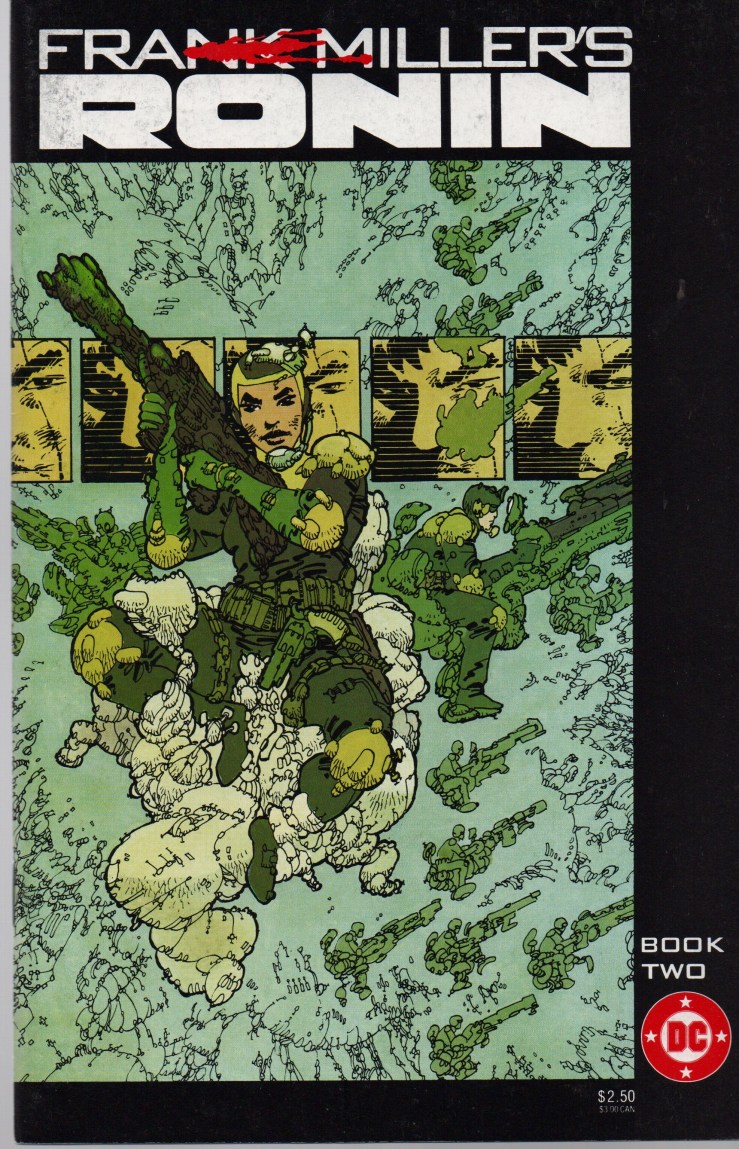
img_3468

Ronin Vol. 1, #2, September 1983. DC Comics. Issue and cover by Frank Miller (colors by Lynne Varley).

Before Frank Miller became a cranky old fascist hack, he made some pretty good comic books. I’m pretty sure The Dark Knight Returns was the last really good thing he did, and that was thirty years ago, but my favorite Miller will likely always be Ronin.

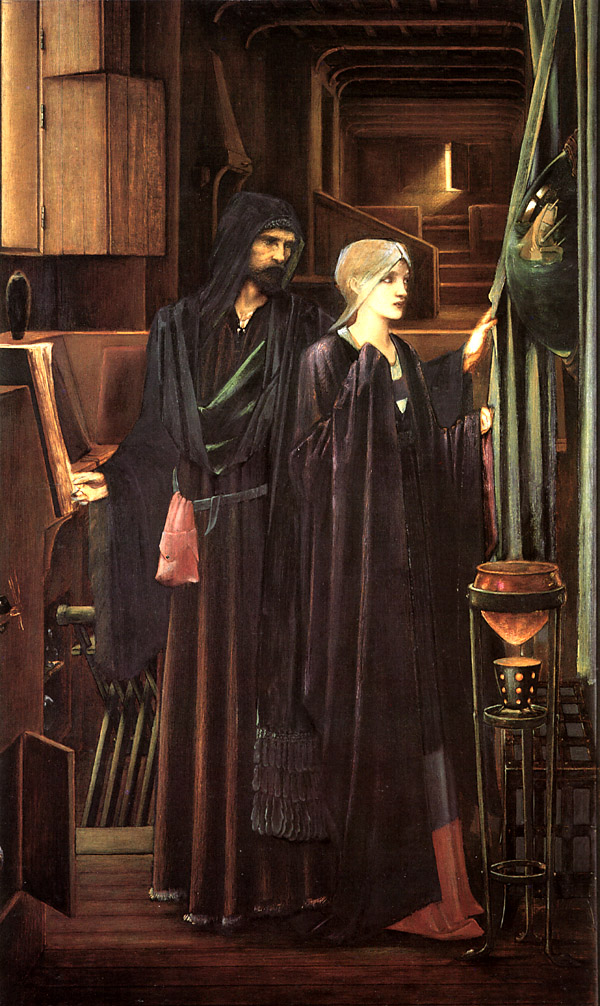
The Wizard — Edward Burne-Jones

the-wizard

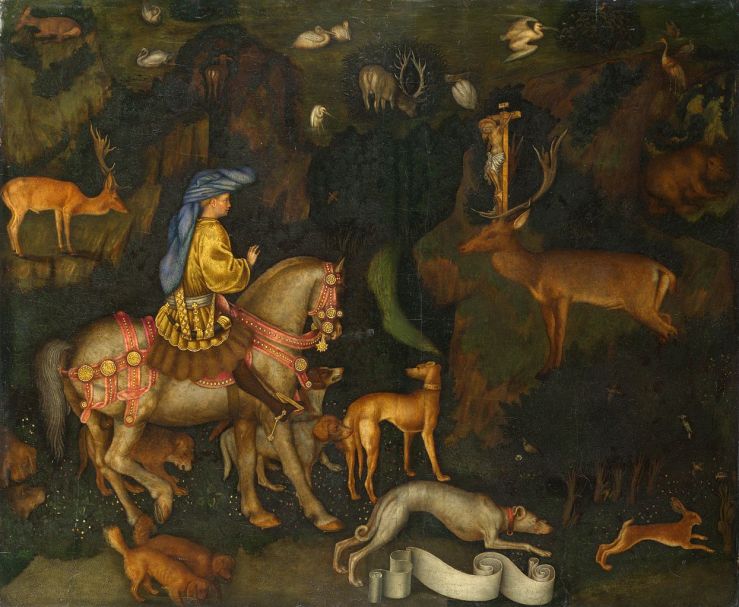
The Vision of St. Eustace — Pisanello

the-vision-of-saint-eustace-1438

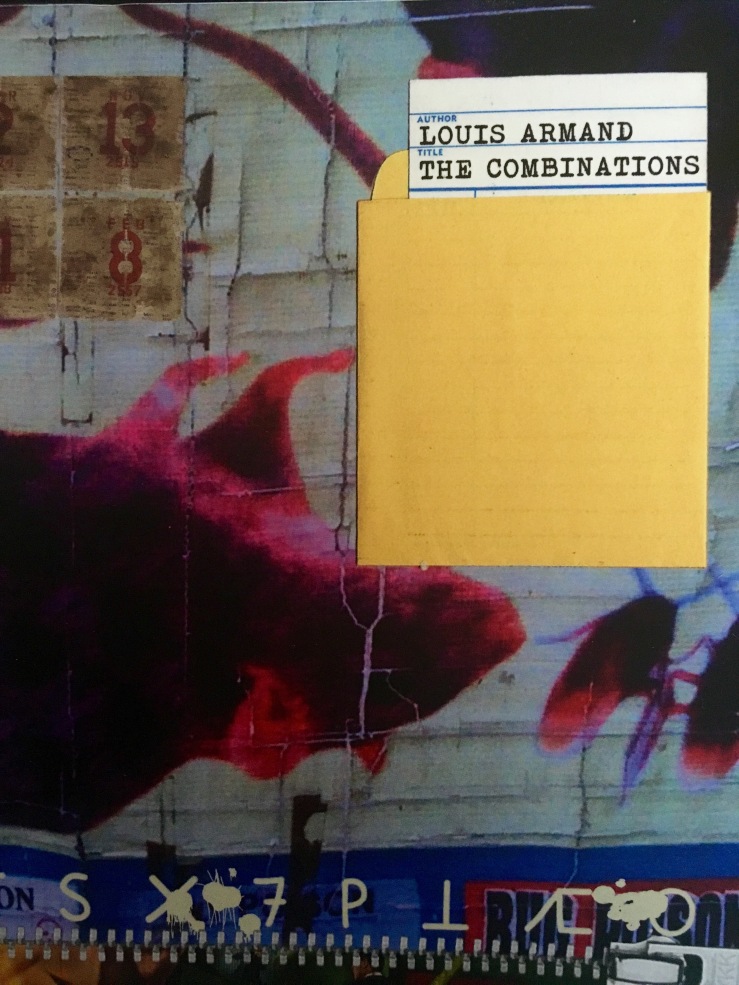
The Combinations (Insanely long book acquired, 9.01.2016)

img_3456

Louis Armand’s novel (or anti-novel, or whatever) is new from Equus Press.

It’s bigger than a brick.

Lots of footnotes, end notes, different fonts, maps, images, etc. The “text proper” (whatever that means) refuses to begin—epigraphs, notes, an “Overture,” etc.

img_3457

Here’s the blurb from Equus:

Fiction. Drama. Art. The “European anti-novel” in all its unrepentant glory is here in THE COMBINATIONS, following in the tradition of Sterne, Rabelais, Cervantes, Joyce, Perec.

In 8 octaves, 64 chapters and 888 pages, Louis Armand’s THE COMBINATIONS is an unprecedented “work of attempted fiction” that combines the beauty & intellectual exertion that is chess with the panorama of futility & chaos that is Prague (a.k.a. “Golem City”), across the 20th-century and before/after. Golem City, the ship of fools boarded by the famed D’s (e.g. John) and K’s (e.g. Edward) of the 16th/17th centuries (who attempted and failed to turn lead into gold), and the infamous H’s (e.g. Adolf, e.g. Reinhard) of the 20th (who attempted and succeeded in turning flesh into soap). Armand’s prose weaves together the City’s thousand-and- one fascinating tales with a deeply personal account of one lost soul set adrift amid the early-90s’ awakening from the nightmare that was the previous half-century of communist Mitteleuropa. THE COMBINATIONS is a text whose 1) erudition dazzles, 2) structure humbles, 3) monotony never bores, 4) humour disarms, 5) relentlessness overwhelms, 6) storytelling captivates, 7) poignancy remains poignant, and 8) style simply never exhausts itself. Your move, Reader.


Moss and Wild Strawberry — John Ruskin

moss-and-wild-strawberry-1872

Friends — Helene Schjerfbeck

301244

zero synthesis (J.G. Ballard’s text collage)

text-collages-by-j-add_ms_88938_3_3a

(Via).

Posted in Art

“Dante and the Lobster,” a short story by Samuel Beckett

“Dante and the Lobster”

by

Samuel Beckett


It was morning and Belacqua was stuck in the first of the canti in the moon. He was so bogged that he could move neither backward nor forward. Blissful Beatrice was there, Dante also, and she explained the spots on the moon to him. She shewed him in the first place where he was at fault, then she put up her own explanation. She had it from God, therefore he could rely on its being accurate in every particular. All he had to do was to follow her step by step. Part one, the refutation, was plain sailing. She made her point clearly, she said what she had to say without fuss or loss of time. But part two, the demonstration, was so dense that Belacqua could not make head or tail of it. The disproof, the reproof, that was patent. But then came the proof, a rapid shorthand of the real facts, and Belacqua was bogged indeed. Bored also, impatient to get on to Piccarda. Still he pored over the enigma, he would not concede himself conquered, he would understand at least the meanings of the words, the order in which they were spoken and the nature of the satisfaction that they conferred on the misinformed poet, so that when they were ended he was refreshed and could raise his heavy head, intending to return thanks and make formal retraction of his old opinion.

He was still running his brain against this impenetrable passage when he heard midday strike. At once he switched his mind off its task. He scooped his fingers under the book and shovelled it back till it lay wholly on his palms. The Divine Comedy face upward on the lectern of his palms. Thus disposed he raised it under his nose and there he slammed it shut. He held it aloft for a time, squinting at it angrily, pressing the boards inwards with the heels of his hands. Then he laid it aside.

He leaned back in his chair to feel his mind subside and the itch of this mean quodlibet die down. Nothing could be done until his mind got better and was still, which gradually it did and was. Then he ventured to consider what he had to do next. There was always something that one had to do next. Three large obligations presented themselves. First lunch, then the lobster, then the Italian lesson. That would do to be going on with. After the Italian lesson he had no very clear idea. No doubt some niggling curriculum had been drawn up by someone for the late afternoon and evening, but he did not know what. In any case it did not matter. What did matter was: one, lunch; two, the lobster; three, the Italian lesson. That was more than enough to be going on with. Continue reading ““Dante and the Lobster,” a short story by Samuel Beckett”

Netherlandish Proverbs (detail) — Pieter Bruegel the Elder

Screenshot 2016-06-26 at 10.57.18 AM

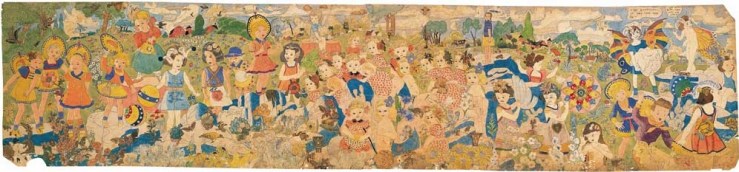
We Will Slam Them with Our Wings — Henry Darger

darger-8

It was September now (Cormac McCarthy’s Suttree)

It was September now, a season of rains. The gray sky above the city washed with darker scud like ink curling in a squid’s wake. The blacks can see the boy’s fire at night and glimpses of his veering silhouette slotted in the high nave, outsized among the arches. All night a ruby glow suffuses the underbridge from his garish chancel lamps. The city’s bridges all betrolled now what with old ventriloquists and young melonfanciers. The smoke from their fires issues up unseen among the soot and dust of the city’s right commerce.

Sometimes in the evening Suttree would bring beers and they’d sit there under the viaduct and drink them. Harrogate with questions of city life.

You ever get so drunk you kissed a nigger?

Suttree looked at him. Harrogate with one eye narrowed on him to tell the truth. I’ve been a whole lot drunker than that, he said.

Worst thing I ever done was to burn down old lady Arwood’s house.”

“You burned down an old lady’s house?

Like to of burnt her down in it. I was put up to it. I wasnt but ten year old.

Not old enough to know what you were doing.

Yeah.–Hell no that’s a lie. I knowed it and done it anyways.

Did it burn completely down?

Plumb to the ground. Left the chimbley standin was all. It burnt for a long time fore she come out.

Did you not know she was in there?

I disremember. I dont know what I was thinkin. She come out and run to the well and drawed a bucket of water and thowed it at the side of the house and then just walked on off towards the road. I never got such a whippin in my life. The old man like to of killed me.

Your daddy?

Yeah. He was alive then. My sister told them deputies when they come out to the house, they come out there to tell her I was in the hospital over them watermelons, she told em I didnt have no daddy was how come I got in trouble. But shit fire I was mean when I did have one. It didnt make no difference.

Were you sorry about it? The old lady’s house I mean.

Sorry I got caught.

Suttree nodded and tilted his beer. It occurred to him that other than the melon caper he’d never heard the city rat tell anything but naked truth.

Another vignette from Cormac McCarthy’s Suttree—a transition scene perhaps, but one that draws Suttree and Harrogate closer, even as it underlines their differences.

In my review of Suttree a few years back, I argued that the novel is a grand synthesis of American literature, brimming with literary allusions. I singled out Faulkner’s “A Rose for Emily” as the basis for a later scene with Harrogate, so I can’t help but think of Faulkner’s “Barn Burning” here.

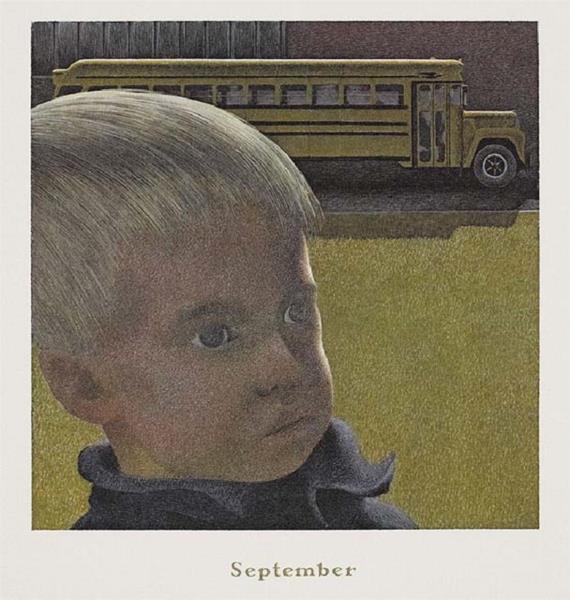
September — Alex Colville

september-1979large