Bored of Hell

img_3055

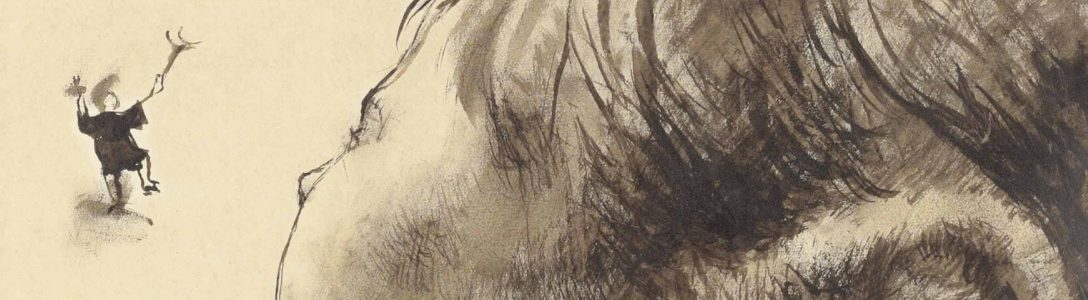
I am bored of Hell, Henri Barbusse’s 1908 novel of voyeurism.

Maybe I should blame the 1966 English translation (from the French) by Robert Baldick, which often feels stuffily stuffy for a book about “childbirth, first love, marriage, adultery, lesbianism, illness, religion and death” (as our dear translator puts it in his brief preface). Maybe I should blame it on Baldick, but that seems rash and wrong, and I have no basis of comparison, do I?

So I blame it on myself, this boredom of Hell.

Why write then? Why not write it off, rather, which is to say, do not write—I don’t know.

I’m bored with Hell and there are half a dozen novels I’ve recently  read (or am reading) that I should commend, recommend, attempt to write about—but here I am bored of Hell, and writing about it. Maybe it’s—and the it here refers to writing about Hell, a book I confesss a boredom of—maybe it’s because I’ve allowed myself over the last few days to good lord skim the goddamned infernal thing, not skimming for a replenishing sustenance, but rather looking for the juicy fat bits, the best bits, in the same way a teenaged version of myself skimmed Henry Miller and Anaïs Nin in a powerful sweat.

(I was a teenage cliché).

Maybe it’s that the best bits of Hell weren’t juicy enough. (In this novel, an unnamed narrator espies all sorts of sensual (and nonsensual) shenanigans through a small hole in his hotel room). Or maybe the juicy bits were juicy, but the translation dried them out. So many of the sentences made me want to close the book. But it’s unfair for me to write this, I suppose, without offering a sample. Here, from early in the novel, is an excerpt that did make me want to keep going:

The mouth is something naked in the naked face. The mouth, which is red with blood, which is forever bleeding, is comparable to the heart: it is a wound, and it is almost a wound to see a woman’s mouth.

And I begin trembling before this woman who is opening a little and bleeding from a smile. The divan yields warmly to the embrace of her broad hips; her finely-made knees are close together, and the whole of the centre of her body is in the shape of a heart.

…Half-lying on the divan, she stretches out her feet towards the fire, lifting her skirt slightly with both hands, and this movement uncovers her black-stockinged legs.

And my flesh cries out…

Those last ellipses were mine. Did you want more? I did, I admit. And yet after 50 pages, I grew bored. The voyeurism was boring—sprawling. Perhaps I’m lazy. Perhaps I want my voyeurism condensed. Maybe…weirder. I don’t know. Reader, I skimmed. I skimmed, like I said, for morsels—but also to the end, the the final chapter, to the final exquisite not boring paragraph, which I’ll share with you now before “I have done,” as the narrator states in this final section. Promised paragraph:

I believe that confronting the human heart and the human mind, which are composed of imperishable longings, there is only the mirage of what they long for. I believe that around us there is only one word on all sides, one immense word which reveals our solitude and extinguishes our radiance: Nothing! I believe that the word does not point to our insignificance or our unhappiness, but on the contrary to our fulfillment and our divinity, since everything is in ourselves.
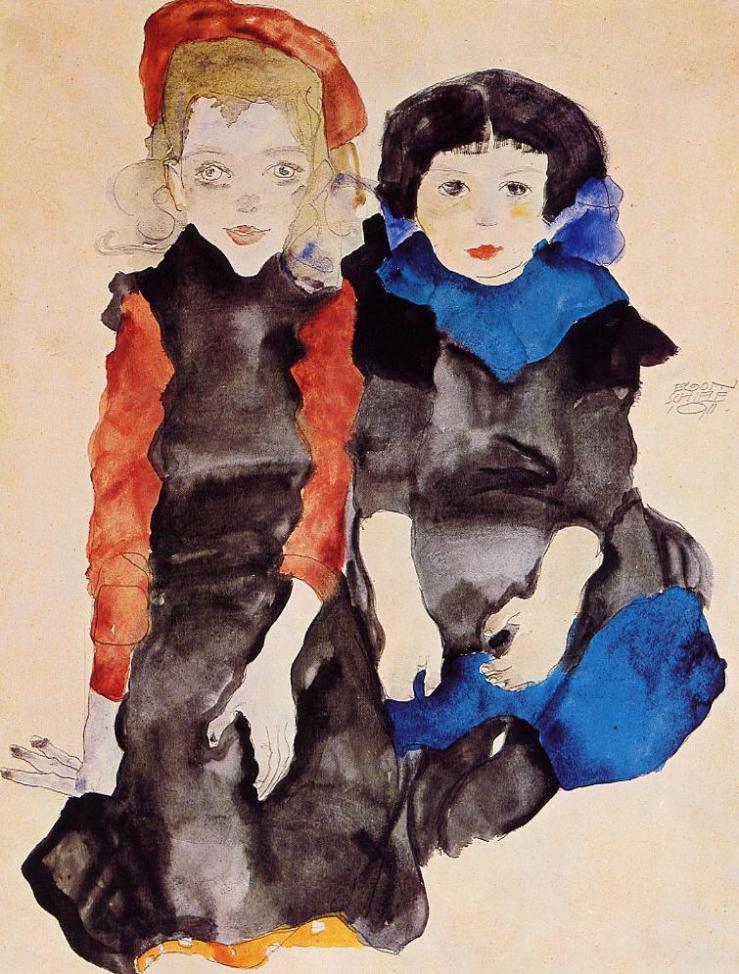
Two Little Girls — Egon Schiele

two-little-girls-1911

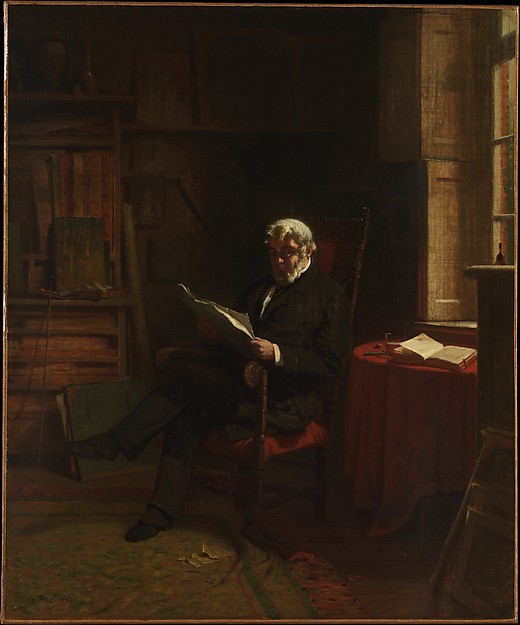
The Morning Paper — John Ferguson Weir

dp211998

Sonic Youth live in Düsseldorf, Germany, 1996

Sonic Youth live in Düsseldorf, Germany in April of 1996. As my buddy Nick points out in the email he sent me with this link: “ridiculously good quality and a killer setlist.”

Continue reading “Sonic Youth live in Düsseldorf, Germany, 1996”

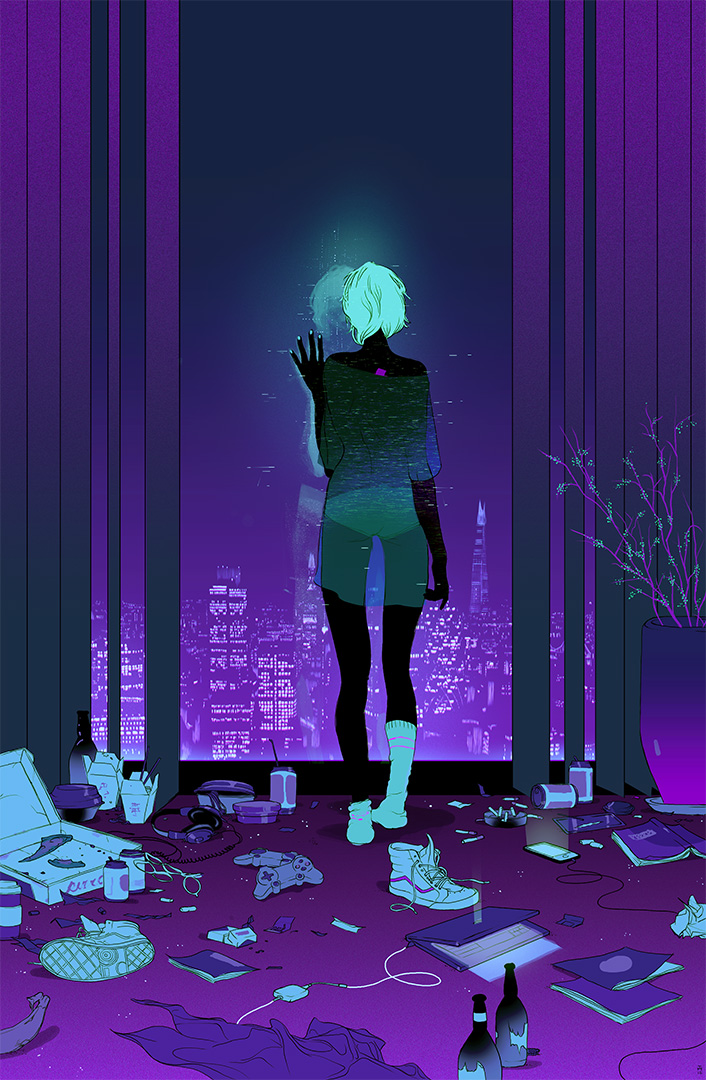
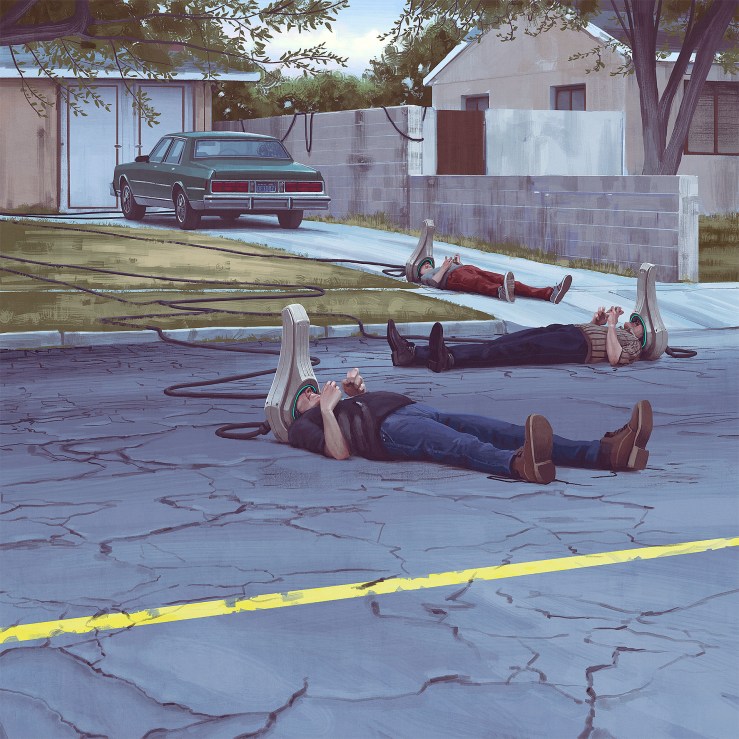
You’re Not Boring Anymore — Tomer Hanuka

youre_not_boring_72

Three Books

img_3030

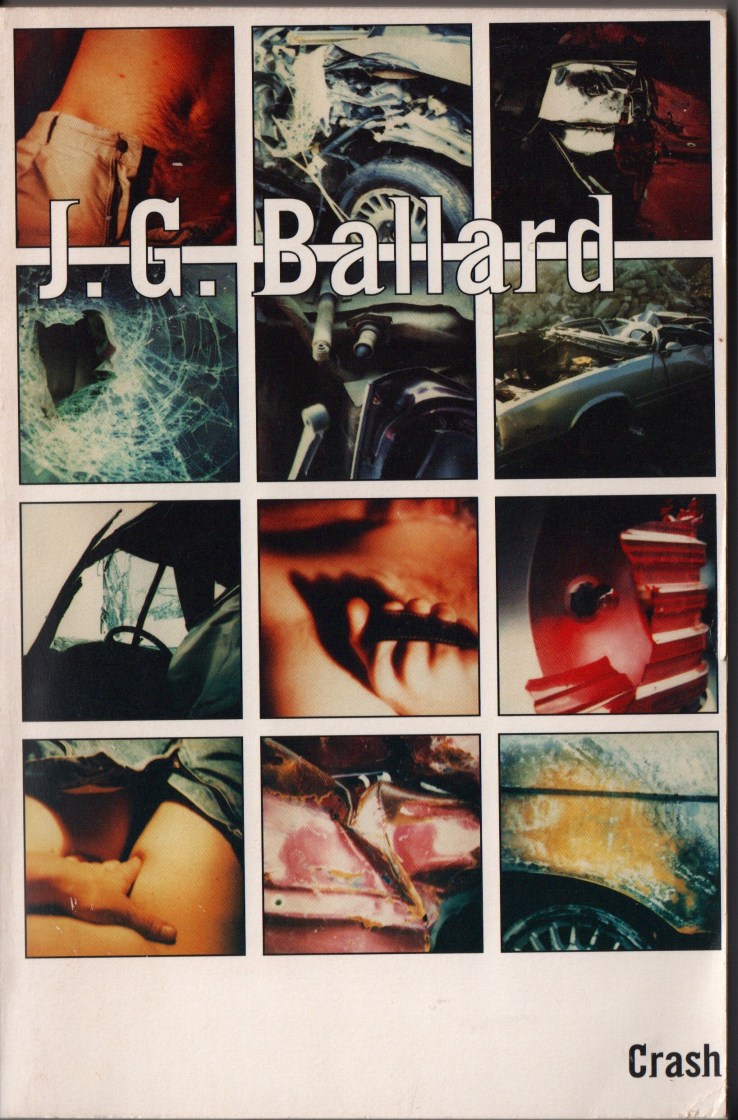
Crash by J.G. Ballard. 1994 trade paperback by Noonday (FS&G). Cover design by Michael Ian Kaye and Melissa Hayden.

I had a redneckish college roommate who was way into cars, so I encouraged him to watch Cronenberg’s adaptation of Crash with me, which he did. He was a nice guy. He watched all of it with me and our other roommate. The rest of the year he would joke, “Hey, let’s go crash this car and have sex!”

img_3031

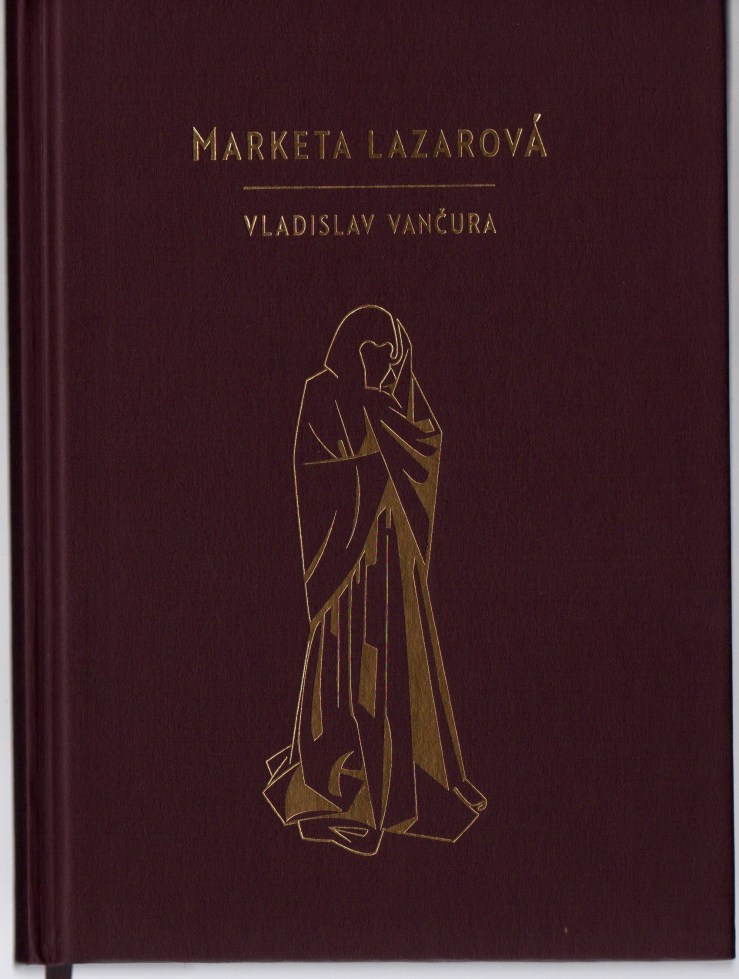
Marketa Lazarova by Vladislav Vančura. (First) English translation by Carleton Bulkin. First edition hardback by Twisted Spoon Press, 2016. Cover by Dan Mayer. A strange and often violent tale of multiple kidnappings and medieval intrigues, Marketa Lazarova reminds me of Le Morte D’Arthur, Nanni Balestrini’s Sandokan (both in its evocations of brutality and in its marvelous poetic prose), Aleksei German’s film Hard to Be a God, Bergman’s film The Virgin Spring, Bolaño’s sweetly ironic narrators, and, uh, Game of Thrones.

img_3029

Masquerade by Kit Wiliams. Eighth edition hardback from Shocken, 1981. While no designer is credited, the cover is obviously one of Williams’s lovely paintings. A puzzle book, a treasure hunt.

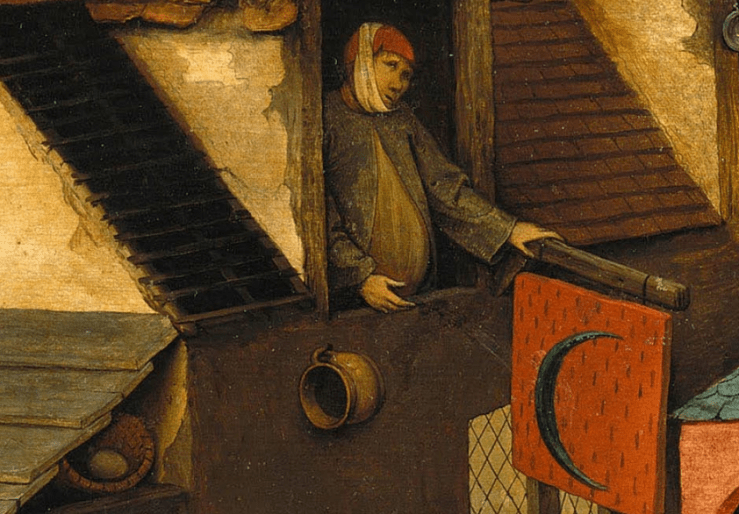
Netherlandish Proverbs (detail) — Pieter Bruegel the Elder

Screenshot 2016-06-26 at 11.28.33 AM

RIP Alan Vega

Nostalgia for a past that never existed

The empty frame where the image of the author is supposed to be (Elena Ferrante)

Evidently, in a world where philological education has almost completely disappeared, where critics are no longer attentive to style, the decision not to be present as an author generates ill will and this type of fantasy. The experts stare at the empty frame where the image of the author is supposed to be and they don’t have the technical tools, or, more simply, the true passion and sensitivity as readers, to fill that space with the works. So they forget that every individual work has its own story. Only the label of the name or a rigorous philological examination allows us to take for granted that the author of Dubliners is the same person who wrote Ulysses andFinnegans Wake. The cultural education of any high school student should include the idea that a writer adapts depending on what he or she needs to express. Instead, most people think anyone literate can write a story. They don’t understand that a writer works hard to be flexible, to face many different trials, and without ever knowing what the outcome will be.

Elena Ferrante in her Paris Review interview, 2015.

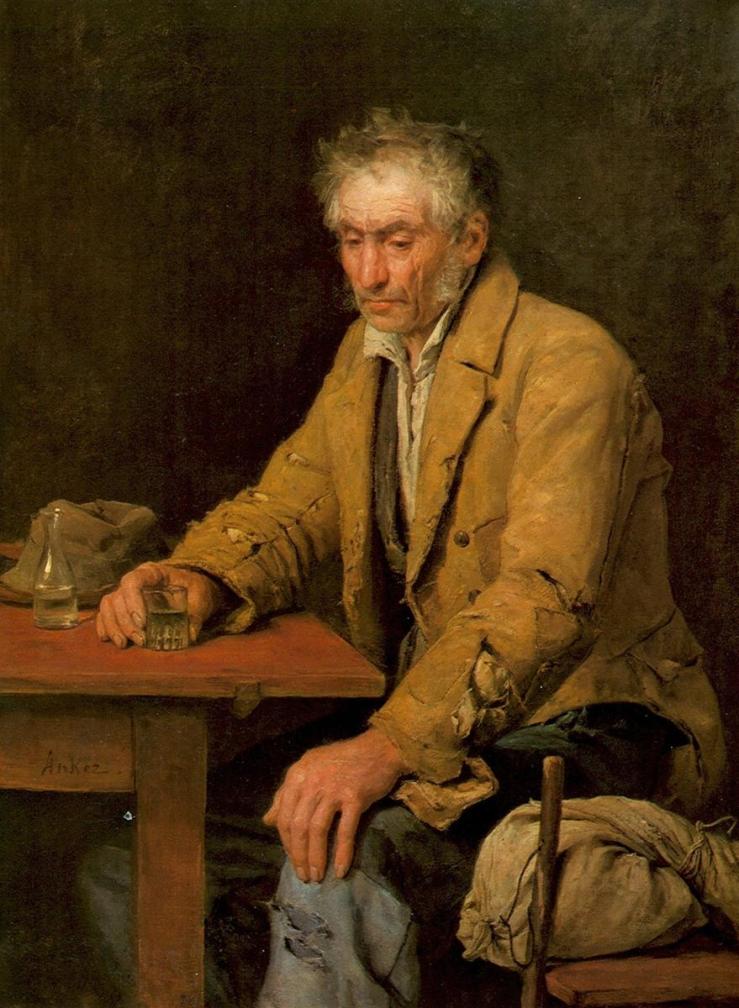
The Drinker — Albert Anker

der-trinker-1868hd

Nude — Edward Weston

hb_2005-100-142

Netherlandish Proverbs (detail) — Pieter Bruegel the Elder

Screenshot 2016-06-26 at 11.12.14 AM

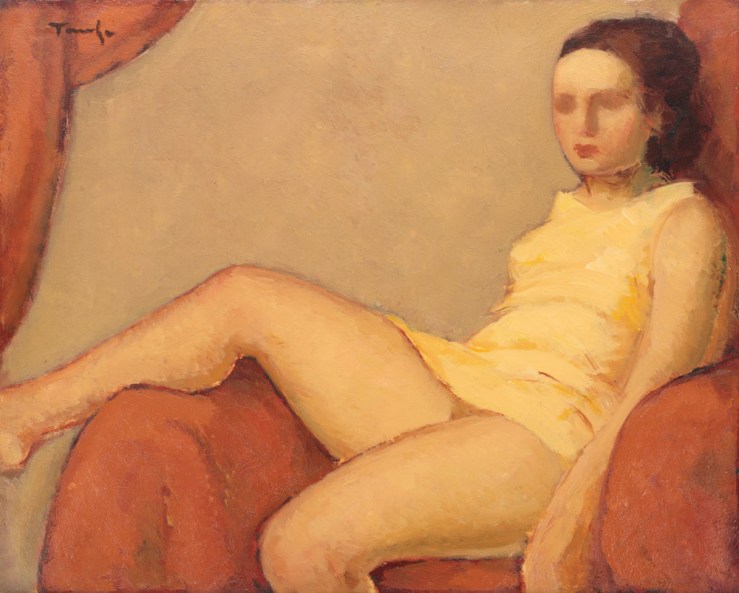
Catrina — Nicolae Tonitza

catrina

The quest is fun, the walking in the dark is fun | Yuri Herrera interviewed at 3:AM Magazine

img_2013

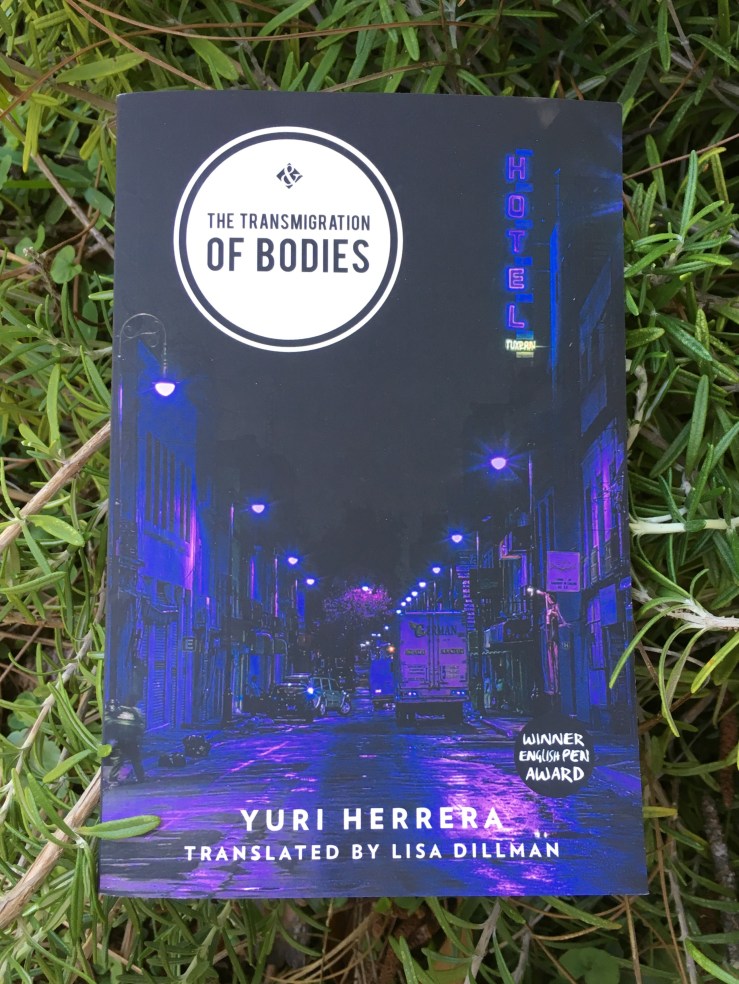
Yuri Herrera was interviewed by Tristan Foster at 3:AM Magazine a few weeks ago. Herrera’s new novella (or “new” in English translation by Lisa Dilman, anyway) is The Transmigration of Bodies and it’s really, really good. I read most of it in one sitting a few months back, and I owe it a proper review. Herrera’s previous novella, Signs Preceding the End of the World, was one of my favorite books published last year.

From the interview:

3:AM: Despite both the seriousness of its themes and the apocalyptic backdrop, Transmigration is full of an absurd kind of fun. I’m thinking here, for instance, of the scene at the strip club; the strippers have taken off everything except for their facemasks, but they use the allure of removing the masks to excite the men watching. Is this writing fun? Is fun crucial to this kind of writing?

YH: The quest is fun, the walking in the dark is fun. To create your own paths in a room without light. Of course, this sometimes is also frustrating, when you just keep bumping into things, most commonly into my own very clumsy self. Eventually you discover that you have not been walking completely in the dark but with some sort of intuitive sense of direction, some creative spine. But until you discover that, you alternate between the joy and the anxiety and puzzling with words.