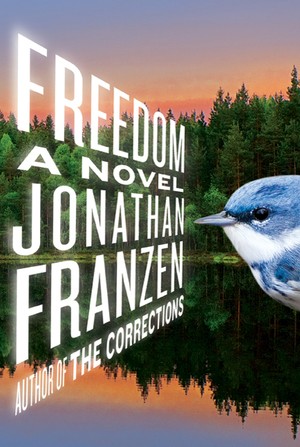
 So, Jonathan Franzen’s Freedom is out today. The follow-up to 2001’s The Corrections was already in a second printing before its release today, pretty much pointing to the book being “the literary event” of 2010 (whatever that means). I haven’t read Freedom yet so I don’t have an opinion about it–but it’s hard to not have an opinion about the opinions about Freedom, at least if you follow literary-type news. The reviews have been overwhelmingly positive, even when they can find something to nitpick or quibble with. Obama picked up a copy last week on vacation. In an act of hyperbole so ridiculous as to turn comical, The Guardian’s Jonathan Jones called it “the novel of the century.” (Nevermind that the century isn’t even a decade old). But it’s probably the fact that Franzen appeared on the cover of Time magazine–the first writer in a decade to do so (the last was Stephen King)–that’s caused some professional jealousy and a backlash against Franzen. Again, this is all before the book has been released.
Yes, Franzenfreude. Authors Jodi Picoult and Jennifer Weiner felt the need to speak out against coverage of Freedom, crying foul that their books were not receiving the same critical attention as the “white male literary darling.” You can read an interview with the pair here, where their position seems to be that their work, frequently on the bestseller lists, is dismissed as genre fare. I don’t know Weiner’s stuff but Picoult’s novels strike me as the sort of maudlin crap that get turned into Lifetime movies (which they do). Picoult and Weiner don’t just play the gender card though. No, they also whip out a populist argument, the idea that literary critics ought to give more weight to “what people actually read.” In a series of recent columns on the attention Freedom has garnered, Lorin Stein pointed out that “It has become immensely hard to get a “literary” writer the attention he or she deserves.” (The comments section of Stein’s posts showcase a remarkable debate about just what “literary fiction” is).
Stein is absolutely right of course. (Weiner and Picoult will have to console themselves by sobbing into their piles of money). Franzen’s Freedom has become an opportunity for those who love literary fiction–which might be an endangered species–to call attention to the fact that novels are important, that they can somehow diagnose and analyze the spirit of an age. In his article for The Guardian, William Skidelsky strips the rhetoric away and gets to the point–
Underneath the words “Great American Novelist”, Time‘s strapline ran: “He’s not the richest or most famous. His characters don’t solve mysteries, have magical powers or live in the future. But in his new novel, Jonathan Franzen shows us all the way we live now.” It isn’t hard to unpick the subtext here: “Remember, folks, there’s such a thing as serious literature; it has little to do with Dan Brown or Harry Potter, and these days most of us tend to ignore it, but it’s actually kind of important.”
At The Faster Times, Lincoln Michel is even brassier–
There has always been a segment of the population that does not like it when intelligent artistic work gets praise. These people cry foul when an Academy Award goes to a well-crafted film with limited distribution instead of the latest Hollywood blockbuster, they moan when magazines cover innovative indie musicians instead of the most recent Nickelback CD, and you better believe they can’t stand it when that elitist literary fiction gets awards and coverage that should be reserved for books that people are “actually reading.”
Much of the critical reception of Freedom, then, is more about how the public–the reading public–is to connect with and interact with novels in an age of new media, in an age where some like to pretend the literary novel has lost its relevance, in an age where bozos go around declaring manifestos against novels. While Freedom need not be the novel to “save” the novel, it also shouldn’t be an occasion for backbiting, jealousy, and backlash. Maybe everyone should just calm down and read the damn thing.
[UPDATE: Read our obligatory review of Freedom].

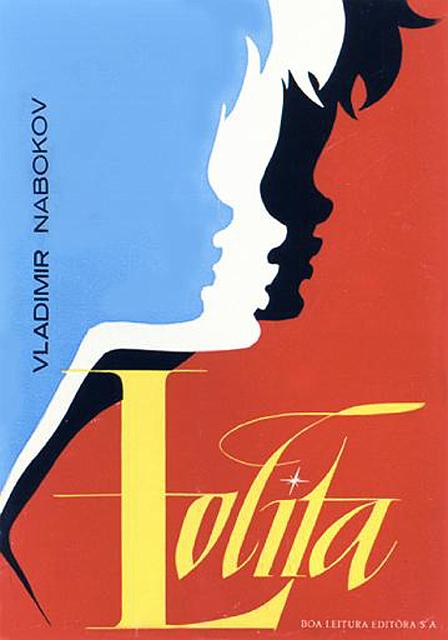 1962, Brazil.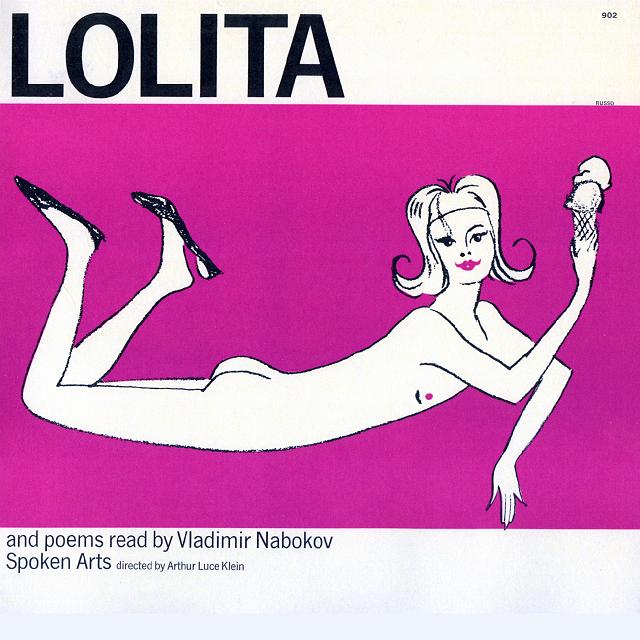
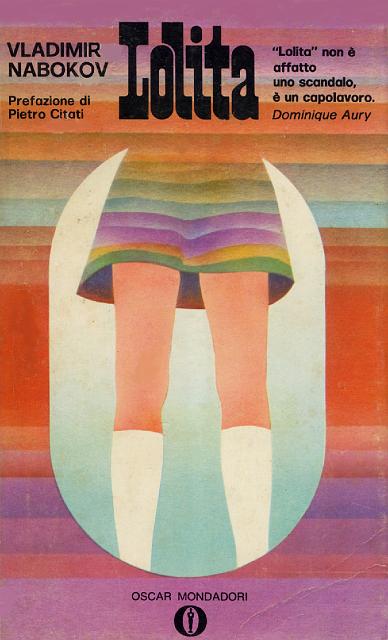
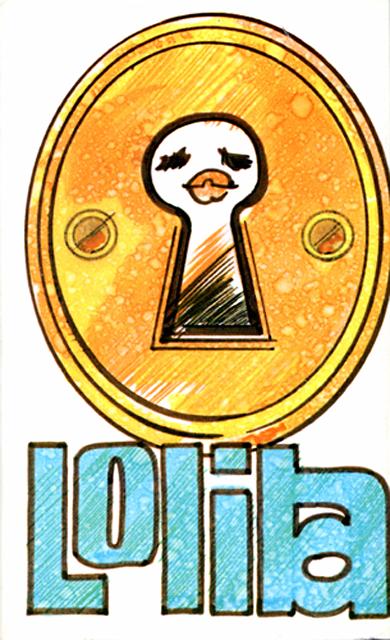
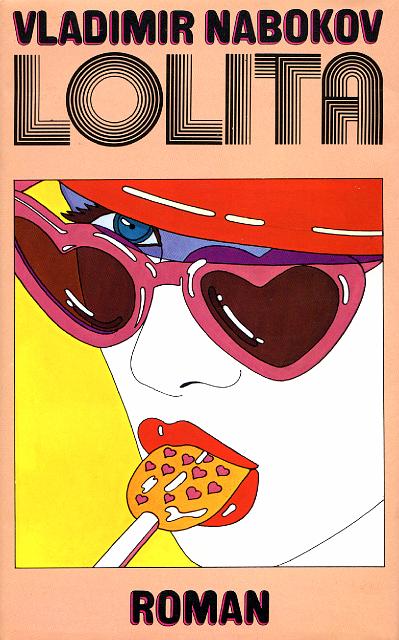
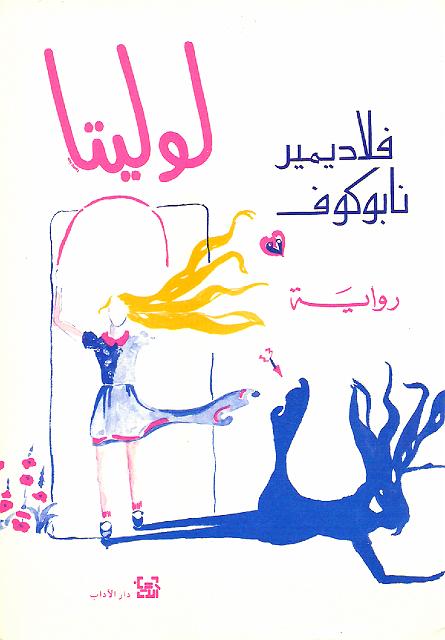
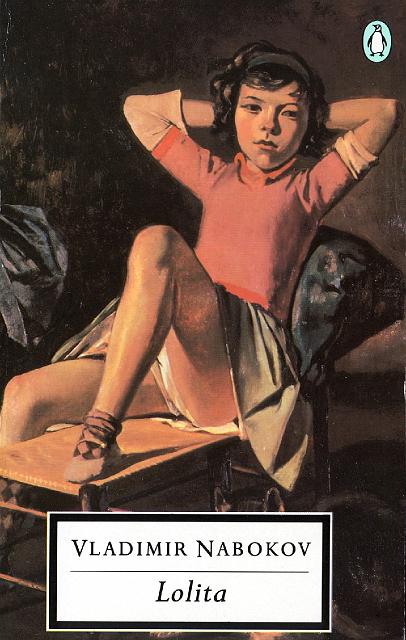
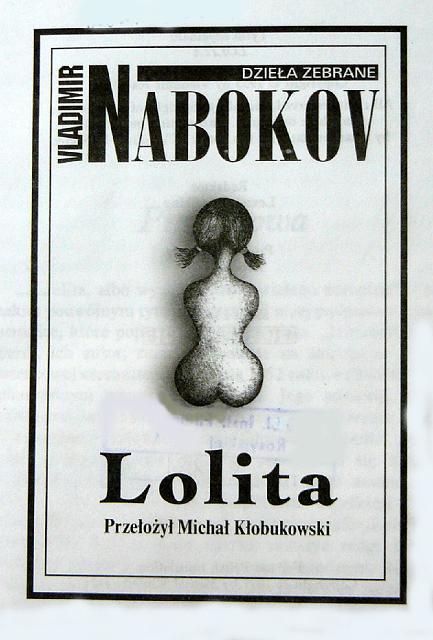


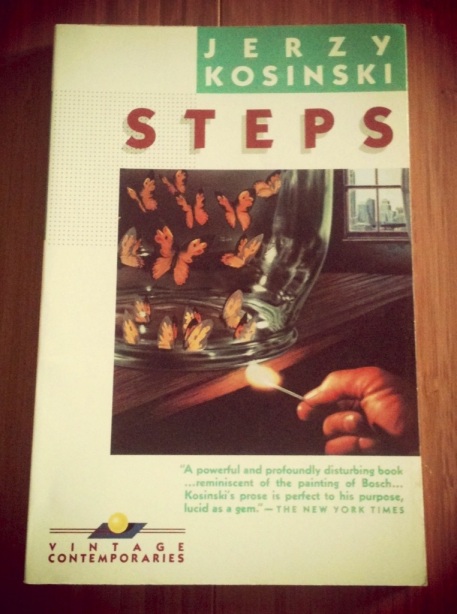
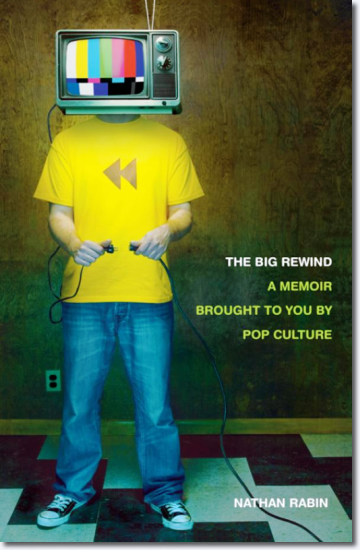 Nearly a year after earning
 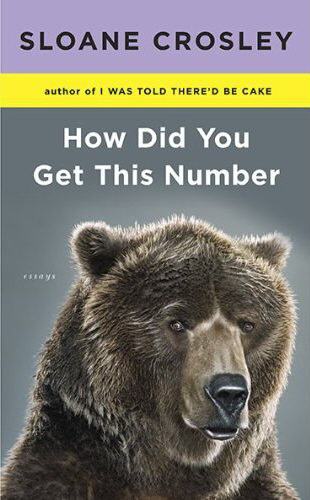 Sloane Crosley’s new collection of memory essays, How Did You Get This Number, finds the witty, observational young lass being witty and observational in and out of New York City–but mostly in. There are trips to Portugal and Paris, and a weird wedding in Alaska. There’s a remembrance of all the childhood pets that didn’t make it. There’s a story about buying furniture of questionable origin off the back of a truck. At times Crosley’s archness can be grating, as dry observations pile one upon the other, but her gift for exacting, sharp detail and her willingness to let her guard down at just the right moment in most of the selections make for a funny and compelling read. I’m still not sure why there’s no question mark in the title, though. How Did You Get This Number is new in hardback from Riverhead Books.
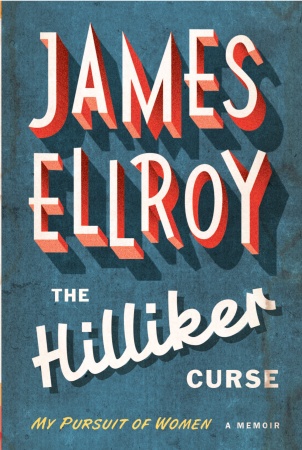 I just got my advance review copy of James Ellroy’s forthcoming memoir The Hilliker Curse, so I haven’t had time to read much of it, but the story so far is morbidly fascinating (like, you know, an Ellroy novel. But this is real. Because it’s a memoir). In 1958, James’s mother Jean Hilliker had divorced her husband and begun binge drinking. When she hit him one night, the ten year old boy wished that she would die. Three months later she was found murdered on the side of the road–the case remains unsolved. The memoir details Ellroy’s extreme guilt; his sincere belief that he had literally cursed his mother pollutes his life, particularly in his complex relationships with women. Full review forthcoming. The Hilliker Curse is available September 7th, 2010 from Knopf.
 Biblioklept