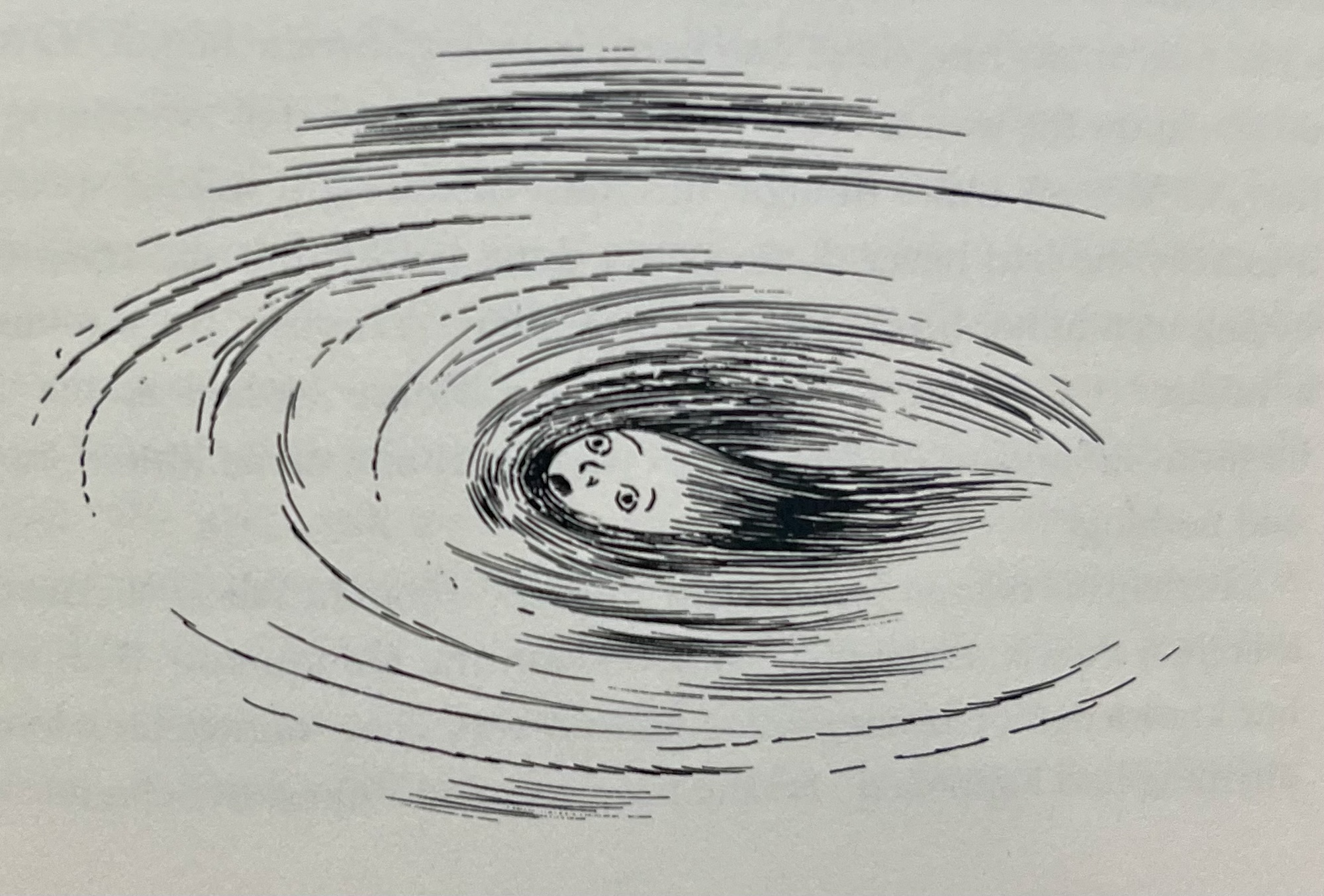
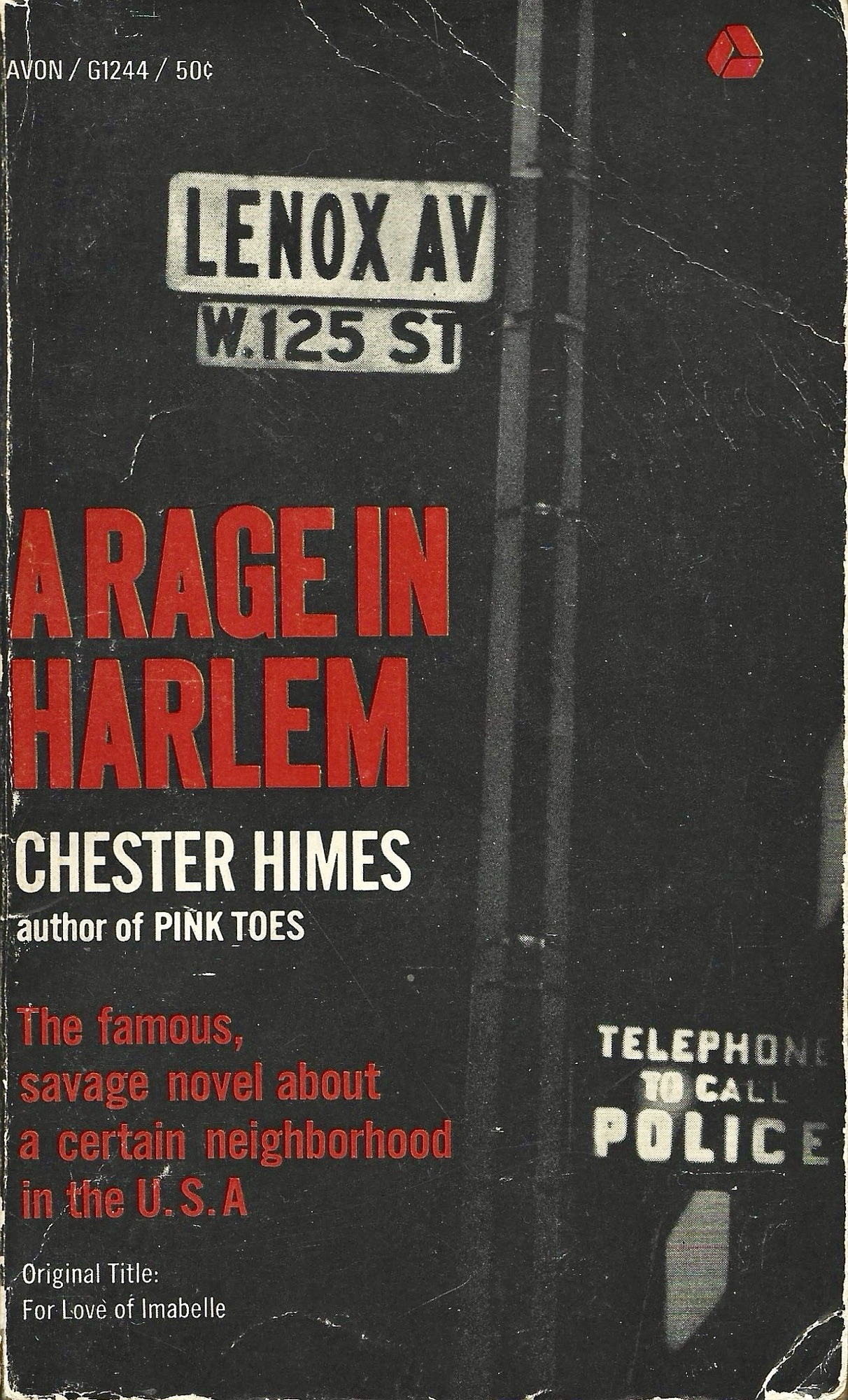
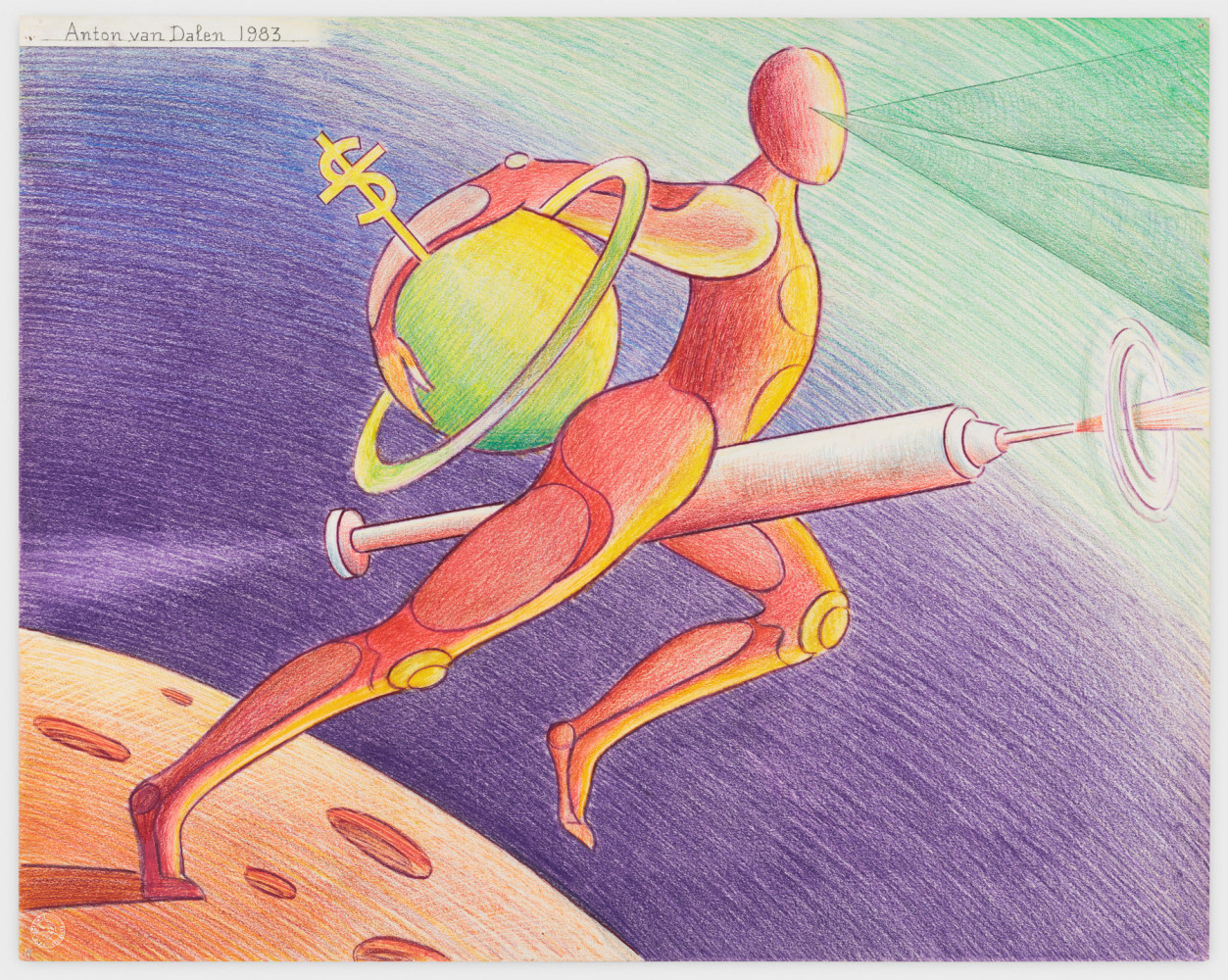
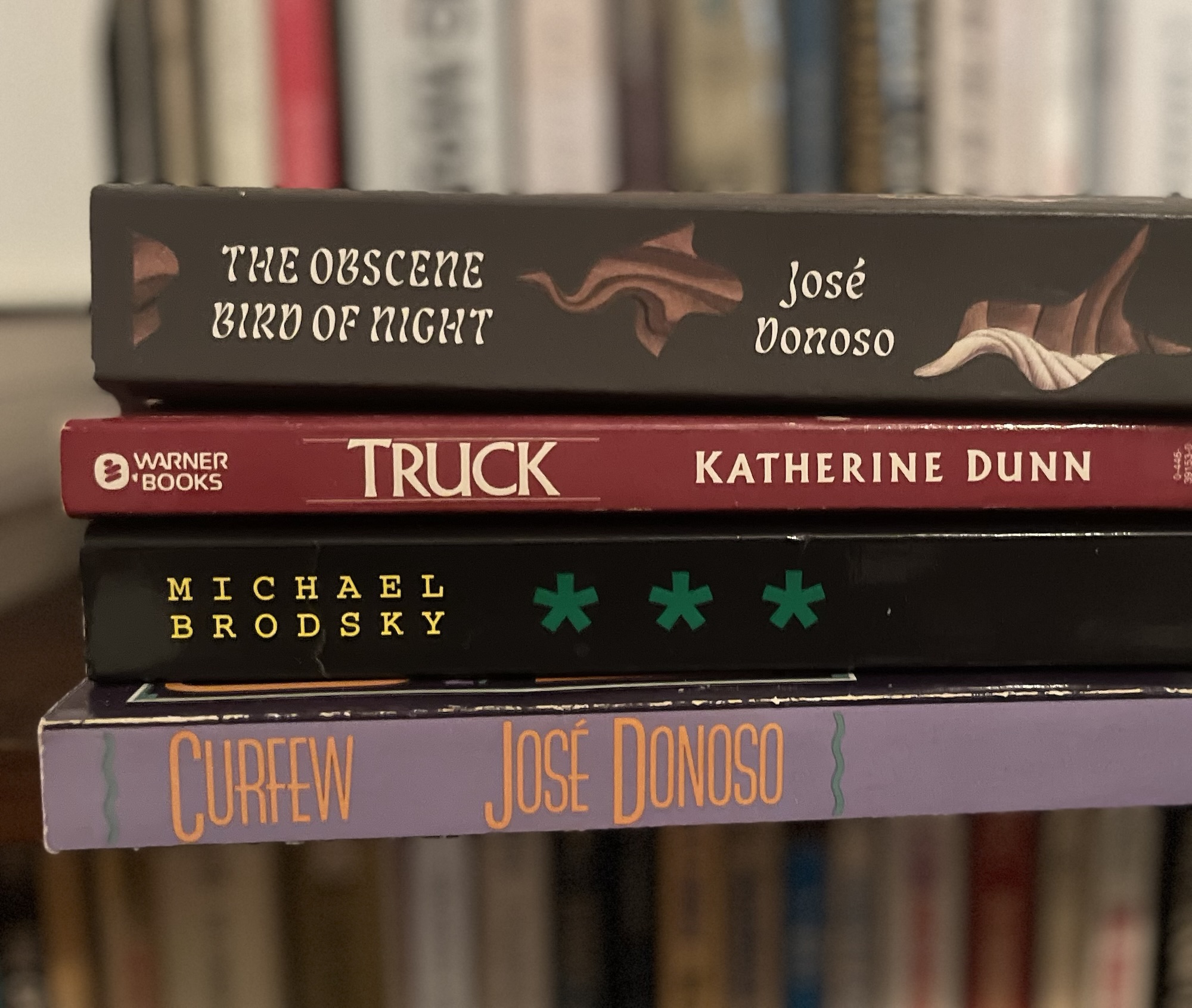
“Samuel Delany’s Babel-17 only looks like a traditional space opera…” — Moebius

October — Karoly Ferenczy

October, 1903 by Karoly Ferenczy (1862-1917)

Mass-market Monday | Angela Carter’s Heroes and Villains

Heroes and Villains, Angela Carver. Pocket Books Edition (1972). No cover artist credited. 176 pages.

While no cover designer or artist for this edition of Angela Carter’s 1969 novel Heroes and Villains, I’m pretty certain that the work is by Gene Szafran.

I wrote briefly on the novel in 2020:

One of Carter’s earlier novels, Heroes and Villains takes place in a post-apocalyptic world where caste lines divide the Professors, the Barbarians, and the mutant Out People. After her Professor stronghold is raided, Marianne is…willingly abducted?…by the barbarian Jewel. Marianne goes to live with the Barbarians, and ends up in a weird toxic relationship with Jewel, marked by rape and violence. Heroes and Villains throws a lot in its pot—what is consent? what is civilization? what is language?—but it’s a muddled, psychedelic mess in the end.

“Marmosets,” a very short story by Clarice Lispector

“Marmosets”

by

Clarice Lispector

translated by Elizabeth Bishop


The first time we had a marmoset was just before New Year’s. We were without water and without a maid, people were lining up to buy meat, the hot weather had suddenly begun—when, dumfounded, I saw the present enter the house, already eating a banana, examining everything with great rapidity, and with a long tail. It looked like a monkey not yet grown; its potentialities were tremendous. It climbed up the drying clothes to the clothesline, where it swore like a sailor, and the banana-peelings fell where they would. I was exhausted already. Every time I forgot and absentmindedly went out on the back terrace, I gave a start: there was that happy man. My younger son knew, before I did, that I would get rid of this gorilla: “If I promise that sometime the monkey will get sick and die, will you let him stay? Or if you knew that sometime he’d fall out the window, somehow, and die down there?” My feelings would glance aside. The filthiness and blithe unconsciousness of the little monkey made me responsible for his fate, since he himself would not take any blame. A friend understood how bitterly I had resigned myself, what dark deeds were being nourished beneath my dreaminess, and rudely saved me: a delighted gang of little boys appeared from the hill and carried off the laughing man. The new year was devitalized but at least monkey-less.

A year later, at a time of happiness, suddenly there in Copacabana I saw the small crowd. I thought of my children, the joys they gave me, free, unconnected with the worries they also gave me, free, and I thought of a chain of joy: “Will the person receiving this pass it along to someone else,” one to another, like a spark along a train of powder. Then and there I bought the one who would be called Lisette.

She could almost fit in one hand. She was wearing a skirt, and earrings, necklace, and bracelet of glass beads. The air of an immigrant just disembarking in her native costume. Like an immigrant’s, too, her round eyes.

This one was a woman in miniature. She lived with us three days. She had such delicate bones. She was of such a sweetness. More than her eyes, her look was rounded. With every movement, the earrings shook; the skirt was always neat, the red necklace glinted. She slept a lot, but, as to eating, she was discreet and languid. Her rare caress was only a light bite that left no mark.

On the third day we were out on the back terrace admiring Lisette and the way she was ours. “A little too gentle,” I thought, missing the gorilla. And suddenly my heart said harshly: “But this isn’t sweetness. This is death.” The dryness of the message left me calm. I said to the children: “Lisette is dying.” Looking at her, I realized the stage of love we had already reached. I rolled her up in a napkin and went with the children to the nearest first-aid station, where the doctor couldn’t attend to her because he was performing an emergency operation on a dog. Another taxi—”Lisette thinks she’s out for a drive, mama”—another hospital. There they gave her oxygen.

And with the breath of life, a Lisette we hadn’t known was revealed. The eyes less round, more secretive, more laughing, and in the prognathous and ordinary face a certain ironic haughtiness. A little more oxygen and she wanted to speak so badly she couldn’t bear being a monkey; she was, and she would have had much to tell. More oxygen, and then an injection of salt solution; she reacted to the prick with an angry slap, her bracelet glittering. The male nurse smiled: “Lisette! Gently, my dear!”

The diagnosis: she wouldn’t live unless there was oxygen at hand, and even then it was unlikely. “Don’t buy monkeys in the street,” he scolded me; “sometimes they’re already sick.” No, one must buy dependable monkeys, and know where they came from, to ensure at least five years of love, and know what they had or hadn’t done, like getting married. I discussed it with the children a minute. Then I said to the nurse: “You seem to like Lisette very much. So if you let her stay a few days, near the oxygen, you can have her.” He was thinking. “Lisette is pretty!” I implored.

“She’s beautiful!” he agreed, thoughtfully. Then he sighed and said, “If I cure Lisette, she’s yours.” We went away with our empty napkin.

The next day they telephoned, and I informed the children that Lisette had died. The younger one asked me, “Do you think she died wearing her earrings?” I said yes. A week later the older one told me, “You look so much like Lisette!”

I replied, “I like you, too.”

Imagine Buster — Samplerman

Imagine Buster, 2024 by Samplerman (Yvan Guillo)

The Oceans of Cruelty (Book acquired, 23 Sept. 2024)

This is an interesting one: The Oceans of Cruelty: Twenty-Five Tales of a Corpse Spirit: A Retelling by Douglas Penick: I think I’ll just keep using the colon the way I use garlic: The book will be out in October, in time for Halloween: Here is publisher NYRB’s blurb: (No colons in their blurb):

One of the oldest books in the world, The Oceans of Cruelty is a sequence of twenty-five tales from India whose central theme is the dark power of storytelling. At the start, a young king falls into the hands of a wicked sorcerer, who orders him to find a vetala, or corpse spirit, to serve him; the young king must do as he is told, and soon enough he is also under the sway of the no less malevolent spirit. Like a bat, the spirit hangs from the branches of a tree, and the king is condemned to bear it on his back through a dark forest as it whispers a riddling story in his ear. These are tales of suicidal passion, clever deceit, patriarchal oppression, and narrow escapes from death, and as long as the king can resolve the problems they pose, his bondage continues; the vampiric creature goes on commanding his attention in the dark. Only when the king is out of answers will he at last be free, though when that comes to pass—well, that’s when the whole story takes a new turn.

Douglas Penick’s re-creation of this ancient work brings out all its humor and horror and vitality, as well its unmistakable relevance in a world of stories gone viral.

“My heart, being hungry” — Edna St. Vincent Millay

Nude Reader — Greg Burak

Nude Reader, 2023 by Greg Burak (b. 1986)

Palestine — Walid Ebeid


Palestine, 2018 by Walid Ebeid (b. 1970)

We have the right to convey the fictive of any reality at all | Gil Orlovitz

We have the right to convey the fictive of any reality at all–and there is nothing that is not real—by any method we wish, and to have as our goal, if we so opt, only that we maintain the reader’s tension, the solitary indication, itself mercurial, of a work-of-art event.

Syntax being nothing more nor less than the codification of selected usages, we may alter syntax or reject it wholly.

We may compose the fictive in such a manner that the result is ambiguous, baffling and sometimes altogether impossible significantly to paraphrase-but so long as the piece seizes and holds the reader, a basic meaning, impossible to state in language as we know it, has been established, a meaning that belongs to a time series of seizing-and-holding.

The notion, we submit, of clarity, remains simply a notion, real enough, of course, under whatever category it is sub-sumed, but of no universal vigor, necessarily, nor marked by socalled objective truth; clarity is a notion identifying a particular social agreement in a one-to-one sense as to what construct evokes similarity of analysis.

Empirically all that is demonstrable is that we experience as creator or audience a series of perceptions. Now, if we set forth that demonstration in the fictive in such a fashion as to generate and sustain tension in the reader whether or not he is mystified by the significs, we have met the sole possible criterion.

We are not of course here in any way concerned with the alleged scalar values of a given fiction-the notion of value belongs to ad hominen pleaders usually involved in depressing or elevating a status for economic reasons—just as we cannot in any way be concerned with the alleged scalar values of the given reader. Fiction and reader are conjoined, and may not with any sense be disjunct if we are trying to penetrate the nature of the esthetic.

Such being the case, I believe we can with some innocence look at the choices of the contemporary avant-garde herein, and digest them according to our lights or chiaroscuras.

We need remember only how much more we usually discern if we take the trouble, to begin with, to clean our own canvasses-within reason.

—Gil Orlovitz


Gil Orlovitz’s introduction to The Award Avant-Garde Reader (1965).

Reification #91 — Dario Maglionico

Reification #91, 2024 by Dario Maglionico (b. 1986)

Mass-market Monday | Robert Coover’s The Public Burning

The Public Burning, Robert Coover. Banatm Books Edition (1978). No cover designer credited. 661 pages.

A 1977 Book Ends column in The New York Times offers a fairly succinct blurb for The Public Burning:

The Public Burning is a blend of fact and fantasy, using dozens of real and fictional names. Among the real persons named in this “metafiction” are President Eisenhower, Senator Joseph McCarthy, J. Edgar Hoover, Billy Graham, Norman Vincent Peale, Edward Teller, Walt Disney, Cecil B. DeMille, former prosecuting attorney Irving Saypol and Judge Irving Kaufman. About one‐half of the novel narrated by Vice President Richard M. Nixon…

The Book Ends piece, which appeared a few months before the book’s publication (and notes the difficulties the book found securing a publisher brave enough to put it out), includes a brief interview with Coover about The Public Burning:

“I had the idea for the book 11 years ago. I thought it would be a novella and not a book of over 500 pages. I felt that the event was something that had been repressed. If you mentioned the Rosenberg case, people were turned off or young persons didn’t know what it had been all about.

“Their execution — plus the prevalence of old‐fashioned American hoopla—gave me the central metaphor for the book. In 1968, I was looking for a narrator. After Nixon was elected President, he served that purpose. He had been a participant in the background of the Rosenberg case. As President, he was powerful, pious and pompous. I needed a clown act to intersperse with the circus act. And so Nixon became the clown. Clowns are sympathetic when you get to know them.”

The Public Burning was the first book I read by Coover, and I read it when I was too young to fully appreciate it; I think I simply wasn’t soaked enough in its history. Revisiting it, even in brief today, reminded me that it’s likely as relevant as ever, and that its diagnoses of the first half of America’s twentieth century is up there with Gravity’s Rainbow or J. R.

Read “Bitterness for Three Sleepwalkers,” a short story by Gabriel García Márquez

“Bitterness for Three Sleepwalkers”

by

Gabriel García Márquez

translated by Gregory Rabassa


Now we had her there, abandoned in a corner of the house. Someone told us, before we brought her things – her clothes which smelled of newly cut wood, her weightless shoes for the mud – that she would be unable to get used to that slow life, with no sweet tastes, no attraction except that harsh, wattled solitude, always pressing on her back. Someone told us – and a lot of time had passed before we remembered it – that she had also had a childhood. Maybe we didn’t believe it then. But now, seeing her sitting in the corner with her frightened eyes and a finger placed on her lips, maybe we accepted the fact that she’d had a childhood once, that once she’d had a touch that was sensitive to the anticipatory coolness of the rain, and that she always carried an unexpected shadow in profile to her body.

All this – and much more – we believed that afternoon when we realized that above her fearsome subworld she was completely human. We found it out suddenly, as if a glass had been broken inside, when she began to give off anguished shouts; she began to call each one of us by name, speaking amidst tears until we sat down beside her; we began to sing and clap hands as if our shouting could put the scattered pieces of glass back together. Only then were we able to believe that at one time she had had a childhood. It was as if her shouts were like a revelation somehow; as if they had a lot of remembered tree and deep river about them. When she got up, she leaned over a little and, still without covering her face with her apron, still without blowing her nose, and still with tears, she told us:

‘I’ll never smile again.’

We went out into the courtyard, the three of us, not talking: maybe we thought we carried common thoughts. Maybe we thought it would be best not to turn on the lights in the house. She wanted to be alone – maybe – sitting in the dark corner, weaving the final braid which seemed to be the only thing that would survive her passage toward the beast.

Outside, in the courtyard, sunk in the deep vapor of the insects, we sat down to think about her. We’d done it so many times before. We might have said that we were doing what we’d been doing every day of our lives.

Yet it was different that night: she’d said that she would never smile again, and we, who knew her so well, were certain that the nightmare had become the truth. Sitting in a triangle, we imagined her there inside, abstract, incapacitated, unable even to hear the innumerable clocks that measured the marked and minute rhythm with which she was changing into dust. ‘If we only had the courage at least to wish for her death,’ we thought in a chorus. But we wanted her like that: ugly and glacial, like a mean contribution to our hidden defects.

We’d been adults since before, since a long time back. She, however, was the oldest in the house. That same night she had been able to be there, sitting with us, feeling the measured throbbing of the stars, surrounded by healthy sons. She would have been the respectable lady of the house if she had been the wife of a solid citizen or the concubine of a punctual man. But she became accustomed to living in only one dimension, like a straight line, perhaps because her vices or her virtues could not be seen in profile. We’d known that for many years now. We weren’t even surprised one morning, after getting up, when we found her face down in the courtyard, biting the earth in a hard, ecstatic way. Then she smiled, looked at us again; she had fallen out of the second-story window onto the hard clay of the courtyard and had remained there, stiff and concrete, face down on the damp clay. But later we learned that the only thing she had kept intact was her fear of distances, a natural fright upon facing space. We lifted her up by the shoulders. She wasn’t as hard as she had seemed to us at first. On the contrary, her organs were loose, detached from her will, like a lukewarm corpse that hadn’t begun to stiffen.

Her eyes were open, her mouth was dirty with that earth that already must have had a taste of sepulchral sediment for her when we turned her face up to the sun, and it was as if we had placed her in front of a mirror. She looked at us all with a dull, sexless expression that gave us – holding her in my arms now – the measure of her absence. Someone told us she was dead; and afterward she remained smiling with that cold and quiet smile that she wore at night when she moved about the house awake. She said she didn’t know how she got to the courtyard. She said that she’d felt quite warm, that she’d been listening to a cricket, penetrating, sharp, which seemed – so she said – about to knock down the wall of her room, and that she had set herself to remembering Sunday’s prayers, with her cheek tight against the cement floor.

We knew, however, that she couldn’t remember any prayer, for we discovered later that she’d lost the notion of time when she said she’d fallen asleep holding up the inside of the wall that the cricket was pushing on from outside and that she was fast asleep when someone, taking her by the shoulders, moved the wall aside and laid her down with her face to the sun.

That night we knew, sitting in the courtyard, that she would never smile again. Perhaps her inexpressive seriousness pained us in anticipation, her dark and willful living in a corner. It pained us deeply, as we were pained the day we saw her sit down in the corner where she was now; and we heard her say that she wasn’t going to wander through the house any more. At first we couldn’t believe her. We’d seen her for months on end going through the rooms at all hours, her head hard and her shoulders drooping, never stopping, never growing tired. At night we would hear her thick body noise moving between two darknesses, and we would lie awake in bed many times hearing her stealthy walking, following her all through the house with our ears. Once she told us that she had seen the cricket inside the mirror glass, sunken, submerged in the solid transparency, and that it had crossed through the glass surface to reach her. We really didn’t know what she was trying to tell us, but we could all see that her clothes were wet, sticking to her body, as if she had just come out of a cistern. Without trying to explain the phenomenon, we decided to do away with the insects in the house: destroy the objects that obsessed her.

We had the walls cleaned; we ordered them to chop down the plants in the courtyard and it was as if we had cleansed the silence of the night of bits of trash. But we no longer heard her walking, nor did we hear her talking about crickets any more, until the day when, after the last meal, she remained looking at us, she sat down on the cement floor, still looking at us, and said: ‘I’m going to stay here, sitting down,’ and we shuddered, because we could see that she had begun to look like something already almost completely like death.

That had been a long time ago and we had even grown used to seeing her there, sitting, her braid always half wound, as if she had become dissolved in her solitude and, even though she was there to be seen, had lost her natural faculty of being present. That’s why we now knew that she would never smile again; because she had said so in the same convinced and certain way in which she had told us once that she would never walk again. It was as if we were certain that she would tell us later: ‘I’ll never see again,’ or maybe ‘I’ll never hear again,’ and we knew that she was sufficiently human to go along willing the elimination of her vital functions and that spontaneously she would go about ending herself, sense by sense, until one day we would find her leaning against the wall, as if she had fallen asleep for the first time in her life. Perhaps there was still a lot of time left for that, but the three of us, sitting in the courtyard, would have liked to hear her sharp and sudden broken-glass weeping that night, at least to give us the illusion that a baby … a girl baby had been born in the house. In order to believe that she had been born renewed.

Plagiarism

Early life

California

Lawman and marriage

First gunfight

Marriage to Urilla Sutherland

Death of Urilla Sutherland

Lawsuits and charges

Pimping arrests in Peoria

Wichita, Kansas

Dodge City and Deadwood

George Hoyt shooting

Move to Tombstone, Arizona

First confrontation with the outlaw Cowboys

Becomes deputy sheriff

Town marshal shot

Shibell election

Loses reappointment

Behan wins election

Relationship with Sadie Marcus

Interest in mining and gambling

Facing down a lynch mob

Stagecoach robbers kill two

September stagecoach robbery

Gunfight at the O.K. Corral

Charged with murder

Cowboys’ revenge

Vendetta ride

Life after Tombstone

Idaho mining venture

California

Later relationship with Josephine

Fitzsimmons-Sharkey fight

Klondike Gold Rush

Saloon ownership and gambling

Life in Los Angeles

Movie connections

Last surviving brother

Hollywood pallbearers

Privately buried

No regrets

Ron Loewinsohn’s Magnetic Field(s) (Book acquired, 20 Sept. 2024)

I finally came across a copy of Ron Loewinsohn’s 1983 novel Magnetic Field(s). 

First three paragraphs, which I read a few minutes ago in a sweat:

Killing the animals was the hard part. “All you’ve got to do,” Jerome had told him, “is keep your cool. There isn’t anybody else’s cool you’ve got to keep, and there isn’t anybody else who will keep yours.” The first time it happened—he had already gone with Jerome five or six times—they were in this backyard when this little black dog (a Scottie?) started yapping up at them and he froze in the first moment and in the next felt his body want to move back over the fence, the way they’d come. But Jerome had simply reached down to pick up a brick that formed part of a kind of border around some flowers—it was all one smooth motion—and bashed in the dog’s head with one good one, and then gave it one more to make sure, the second one making an awful sound as it went into what was left of the dog’s head. There were just these four little legs attached to this furry black body, and where the head had been was just this turmoil of hair and blood and meat and one piece of jagged bone and one eye where it shouldn’t have been, not even not looking at anything, just there; and he looking down at it till Jerome touched him on the chest and then motioned toward the window with one jerk of his thumb.

The first time he’d had to do it himself, they had just stepped into this backyard at the end of the driveway and suddenly there was this big setter—just as surprised as they were. He started to feel himself wanting to turn back out of there, hearing the blood rushing in his ears and thinking he did not want to do this as he reached back, his hand closing around the cold shaft of the tire iron in his back pocket. Behind him Jerome had stopped. He reached out his left hand, offering “something” to the dog, which leaned forward to check it out at the same time that it began to pull its lips back away from its teeth. He brought the tire iron out and down in one sweeping arc into the animal’s head. It actually made a dent in the head and felt something, at first, like hitting a rolled-up rug, except that now there was this dog lying there with its different legs crumpled under it or sticking out in a way that nothing that was alive would lie that way. He just stood there a long moment, looking down at that furry body, hearing himself breathing and hearing the dog not.

Killing the animals was the hard part because they tended to get under his skin; they reminded him of him. Their bodies were complicatedly thick, so that hitting this skull was nothing at all like hitting a rolled-up rug, or a log, things that were solid, the same all the way through. They were made of all those layers of skin and bone and organs, all of which he thought of as easily bruised, especially the organs. They moved like him, they wanted things, they wanted, and they were scared and furious.

Ozymandias — Alasdair Gray

Ozymandias, 2017 by Alasdair Gray (1934-2019)

Mass-market Monday | Billy Budd, Sailor and Other Stories by Herman Melville

Billy Budd, Sailor and Other Stories by Herman Melville, Herman Melville. No collection editor credited. Bantam Books (1989). No cover designer credited. Cover is a detail of Ships and an Approaching Storm Off Owl’s Head, Maine, 1860 by Fitz Hugh Lane. 278 pages.

I read Bartleby in 10th grade and took up I prefer not to as a mantra that I’d throw at poor dear Ms. Hall any time she asked me to do something I didn’t want to do, which was often. I never returned the book at the end of the year. I’m not sure if there is another book in the household, apart from old children’s books, I suppose, that I have read so many times.

I wrote about Bartleby here.

I wrote about Benito Cereno here.

Here is Billy Budd, but just the punctuation:

, , – , – – ‘ – . , , – , . ” ” . , – , . . , , – ‘ ( ) , . . ; , . ; , , . , , . . – – , , – – . . , – – , , , , , , – . , . . . ; ; . – – , , – – , ” , ” ” ” , . , , . . , , , , . , , , , – , , , – , . ‘ , – – – , . . . ; , , . , ‘ – . . , – , , . ‘ , ‘ , . , , . , , . , – – ” . ” – – – – , – , . , , , , , – – , . , . , , . , , . . , ‘ , , ‘ , , , – , . – . ; , , , . ‘ . , – . , , , , , , . , ; : ” , , ‘ . ” ” , , ” , ; ” , . . ” ” , ‘ , . . , – . , , . . ; . ; , . ; , – . , , , ‘ , ‘ , – , . – – , , – – . , – , – – – – . . , . , . , , . , , – – , . . ‘ , ; . ; ‘ . , , – – . , , – – , , . , , ‘ ; ! ” . ” , ” , ; ” , , ! – – – – – , ” ‘ . ” ! ‘ , . , . ; ; , , , , . – – ‘ ? , ” ‘ , ” ; , – – – – ! – – , ” , ” ‘ – . – . , . , – – ‘ . ” . , , – – . – ‘ ; ‘ . – ‘ . ‘ , , , , , , , . , ‘ , – – , – – ; , , – . , , ” – , – – . ” ” , ! ” , , . , ‘ . ; . ‘ , , . , , , , , ‘ , , , . . . , . , , , , . , , , . – – – . , – – . : ‘ ; , – , . , ; , , , , , , . – , ‘ , . ; , , , , , , . , – ; . , , , , . , ‘ – . . – . – . . , , . . , , , , – ‘ , – ; , , , , ; . – – – , , . , , , , , ” , , ‘ . ” ” ‘ ? – – ? ” ” , . ” , , ” ? ” ” , . ‘ . ” ” ? , ” ; ” , . ‘ , ; . ” , , – , , , . . , , , , . ; , , . – , ‘ . , , , – , , ” ‘ – , ” . , ” ‘ – , ” ? ; , , , ; . , , . ‘ , , , , , ‘ . – , , , . , , , – ‘ , , , : – – ” , , , , ? ” ; , ‘ , . , , ; , . , – , , , , , . , , . , , – – . , . ‘ . . – , ‘ , , , . , . . . , , . . – . ; – – – – – , – – – , , ; , ‘ . , . – – – – – , , : ” , ‘ ‘ ! ” ‘ ; ( . . . ) ” . ” , . . , , . , . – , . , , – – – – , ; , , – – – – . , , ; . , . , – – , , , – – , . , , : , , , , . , , – . – . . , . – . – , , , , , . , , ‘ , , , , , , , , . , , , , ‘ , , , , , . , – , . , , , , ; , . , ‘ – , ‘ , , , . , , ; ; ; , , , , , . , , . – – . , , , – – , – – . ; , , , . , . , ‘ ” . ” , , , . , ; , , , , . , . . , , , , , , , , . , , , , . , , – , , , ; , . , . , . : , , – , , ; : , ; , , , , , . – . . . , , , . – , . , . , , , . , . , , , ; , , . – ‘ , – . , , , , . , . , , , , ‘ , ‘ – , . , , . ‘ , , , . – – , , . ; . – – . , , : , , – , ; ‘ , , , , , , , ” ‘ , . ” , ‘ , , , ” , ; , ! ” , ‘ , , , . , . – , . ‘ , , . . , , . , , – , . , ; – – , , , , , . – – , , , . . , , , , . , , . , , , , , . , : ” , . , ” ( ) ” . , ‘ ‘ ? , ‘ – ? ” ; ‘ , . , , . ‘ . , – . ‘ , – . – , . , . , – – . – . , , – ‘ , . , – – , ; – – – , . , , . . ; ; , ‘ , . . , . . ; , , – . , , , ‘ , . , , . . ; , . – – – – ‘ ‘ . , , . , , – – . ‘ , , , , ; , , ; . ‘ – – – , – , , – , . , – . , . , ‘ – , , . , , , , , , ; , ; , , . : – , , . . , ‘ , . , . , , ‘ , . . ‘ , . – , – – . , , , ; . ‘ – – ‘ ‘ . – , , – – – , – – . , , , , , , , – – ‘ , , . , , , ; – – . ‘ – , , , ; , , . ‘ , ‘ , , , – . – . , , , , ‘ , , . ‘ . , . . – . , , – , . , , , ; , . ‘ , ; ‘ , . . , ‘ – , . , ? , . . ” , ? ” . ” , , , ‘ . ” , . – , . , , . , – – , – . ; , , , , , ‘ . – , ‘ . , – , ‘ ” – – – – . ” – , . , , , – ‘ , ? , ‘ ; , , , – – , , ; . , . . . ‘ , , , , , , , . , , – ; , ‘ , , . . , , , – , – , . , . , ‘ . , , ” , , . ” , , , ” , ” ( – – – ) ” . ” ” ! ” , ; ” ? , . ” ” ? ” ; , ” , , . ” ” , . . . ” ” ‘ ‘ , . ” , , . ; – , , , . , – , . ‘ – – . , , , , , – . , – – , , , . , , , . . , , , , , , ” , ! ! ” . , , , , ‘ . . , ” , ” ; , , , ; , ” , ! ” ” , ? ” . , , – – – – , – – . , , , , ; – . , , , ” ! ” – – ? , , , , , ? – ‘ , ‘ ” ” ? , , ‘ , ? , , , , , . , , , ‘ – – – , , . . , , , , . , , , ? – . , . ‘ . ? , . ” . ” . , , , ” , – – – – ‘ . . , , – – – , , ” ” – – , . ” ” , ” , ” – – – , , , , . ” ” , , . , , , . , , , . . . . ‘ . . ? . ” . . , , , . , . , , : ” : . ” ‘ , ‘ . . . , , , . , , . . . . . . . , . . : ‘ , , . : , . , , , ; , – , , , , – – – – . , , , , ” . ” , , , ? , ? ? ? , , ; ; , , . , . , . ? ” ” ? , , – . – – . , , , . ‘ , , , , . , . ; ‘ , , , , . – . , – – , , , , , . , , . ? , , ? . , . , . ‘ . , , ‘ . ‘ . , , , , . , , , , , . , – – . , , – – . ! , – – , , . , ‘ ; , ; ‘ , , . , , . , , . , , . , – – – ‘ – ‘ . – – , – – , – – , ‘ . , , , , . ‘ . – , , , , , . ‘ – – – – – – – , , , , . – – , , – – , – – , – – ; ( ) . , ‘ . , . , ; , , . ; ? ‘ ? , , ” , ” . ‘ , , , , , , ; , . . . , – – ‘ ; – ; , , . , , . , . ; , , , . – , , – ‘ , , . , – ; , . – , , , , , ” , ; . ‘ . , ” ; . – – ; , , , , . . , . , , . , , , , , , – – ; , – , ‘ ; , , , , – , . . ; – . ‘ . , , , . ” ! , ” ; ” , ‘ ? , ! ” ; , . , , . : ” , . ‘ . – – – ‘ – – – – ? ” ” ? ” , . ” , ! ” , ” ” ; ; ” , , , ‘ – – ” , : ” – – – , ‘ – – , , – – ! ” , , ; , , ” – ‘ ‘ – – – ! ” – . ” , ‘ ? ” – ‘ . ; ” , , ? , – – . ” ” , ” , ; ” . ” ” , ? ” , – , ; ” ‘ ! ” . , ‘ , ‘ , , – , , , , , – , . . ; . , , , . ? , ? ? . , – , . ‘ , , . , . . , – , , . , , . – – – , ; , , . , . , , , , . ‘ , , , , , . , , – , , , , . . , . , – . , , , , – , . . , , ; , , , . , . ‘ , ; , , ” ‘ , ? ” ” ? ” . ” , . ” ” , ” , ” ? ” ” , . ‘ – , ‘ – ! ” , , , , , ‘ , ‘ , , , . . , ‘ – – , , ‘ , ” . ” . . , . , – . ‘ , . , , , . ; ‘ . , , , , . ? – , – – – , , , ‘ , . , . , ; , ; , , . , , . . ‘ . , , , , , . , , ; ; – – – , – – , . , – , , , – – – , ; . . , , , , , . , . ‘ – , ; – , . . , , . , , , , . , , , , . . , , . ‘ , . . – – . . , ” – . ” , , . , . . – – , , ; , . , ‘ , , ‘ – , , , , – – , . ‘ , – , , , . , ‘ , , ‘ – , . ‘ , , , . ( ) , , , . , – . , , ‘ . , . , , ‘ . , – – – – , – ; , . . – – – – – . ( – – ) , , . , , , , , , . , , , – . . ‘ , , . – , . , , – – , , – , – – , . – – – . – – ; , , , . , , ‘ , . ‘ – ‘ , , , – – . , . , , , . , , , , ” ? , – – ? ” , , , , , . , , , , , , , , ‘ . : ” , ; . ” , . ( ) , . , . , , , , , . , , . , ‘ ‘ . , . , , : ” , , ‘ – – ” ” ! ” , , , . . , – , . , – , . . , , . , – , , , , ‘ . , , , , , , , . . , ‘ – , , , , . : ” . . ” ” . , – ” ” , ” ; ” – – – – , ‘ , ‘ ? ” ” , ; , . , . ‘ , ‘ ‘ ? – . . – – . ” , , ‘ . ‘ , , . ‘ – – , , , , ‘ , ; , . ‘ , , ‘ , , ‘ – , , , . – – , , , . , ” ‘ , ” , ‘ . ‘ ” – , ” ‘ , : ” , – – , ? , . , ” , ” . , , – – – – . ” ” , ! ” , . , – – – – – , , , . , , . ‘ , ; . , – – – ‘ – – , – – , – . , – , – ‘ , , . – – – – . . , , , ‘ . , – – . , ; . , – . – , , ‘ – ; ‘ ; ‘ , ‘ ; ; , ‘ . , . , ” – – , ‘ ? ” ” , . ” , ” . ! ” , ” . ” ‘ – , – . . ” ? ” ” , . ” ” . . . . . , . . . – – – – , , , . ” , , , . . , ‘ . ‘ : , , , . ‘ . . – – . ” , , ” ; ” , . – – , – – – , ; ” . – , , , . . , – . . ‘ , , . , . ; – . ” , ! ” , ‘ , ” ! . ” ; ; , , , , – ; , , . ‘ , , ‘ . , , , ” , . , . ” , , ‘ , – – , . , , , . ‘ , , – – – ; , . , . ” , ” , ” ! , . ” . , . . . . , ? ; . , , . – ( ) , . . – – , , ” . ” . ” , ” , ” . . ” – – – , – – , , ‘ , , ” , , ” . , – , . ‘ , . ‘ . ” ? ” . ” . . ” ‘ , , . , , . , ‘ , , – – ” ! ! ” ‘ , , , . . , – – ” ! ! ” , , . , . ” ; , ” , ” ” ( ) ” , ” . , , . ” , ” – – ” . – . , . , ” , ” . ” . , , ? – , , . , , , , . . ? , . ? , , . . . ; ‘ . . . ? , ? . . , , ‘ . . , , , . . , , – – – . . , , . ; , , . . , , – . ‘ , , . , ; , , , , . . , , – , , , . . , , – ; . ‘ , . . – . , , , , . ‘ , ‘ . , , . , , , , . – – , , , , . – , . , , . , , , , , ‘ . , , , . . , ‘ , . , , – ; – , , ‘ . – . , , , , , , , ‘ – , – . , ‘ . , . , , , ” . ? ” . : ” . , – – . ‘ . ” ” , , ” , . ” , ! ” , . – , , ” , . – – . . . . , , , ! ” – , , ‘ – – ‘ , ” , . ” ( , ‘ ) ‘ . . . ; ‘ – . ‘ – – – – – , , ; , , , . . ” , ” . ” – – . , , ? ” ‘ , , , , . , , . , . ” . ? ? , ” . ” . , ‘ , , . – – , , ‘ , ‘ . ” , , , . , . , ‘ . . ; : ” – – ‘ , – – , , . ” ” , ” ; ” . , ; , , ‘ , ‘ . ? – – – – – , ” . ” ‘ , – – . ” , , , . , , , . , ” , ” , , ” , , . ” ; , , , , ” , . ” – – – – – , – – , , . , ‘ , . , . , , , – . ‘ , , . , – – ; , ‘ ; . . , – , . . , , . , , , ‘ . : ” , ; , , , , – – – – , , , – – – . , ? , . , , . , . , , . ” : ? . . : ? , , – – ‘ , ? ‘ ? – , ? – – ? . , , . . ? , . , , ‘ , ‘ ? , – . ? . , . . . . ? , . : , . ” . . . ? , ‘ , . ” , ; . ” , , . , , ? ” , . , ; , . ” , . – – – – – ‘ – , . , , , . – ” ” , , ” , ” . . ” ” , . , . . ? . – – . ‘ – – – – . , . ‘ – , , ? . . ‘ , , . , . , ‘ , . ‘ – . ” , , – – – – . ; – – . ” ” ? ” , , . ” , , . , ” ( ‘ ) ” – ; ; ? – – – – , . , ‘ , , . , . . ? . . ? . – – – . . , – – . , . , , , . , , . . , . ” , – , . ‘ . , , , , , , . , – , , – – ‘ – ‘ . . . – – , – , , – . . . , . , . , – , . , ” – . . , . , ‘ . – . ” , – , . , , . – , – – – – – . ; . . – , – – – – . – – , . ‘ . ‘ . , . . . ‘ . , , . , , , ‘ . , , , , . . , , , ‘ , . ‘ . , , . , ; , . ‘ – – ; , ; – – . – , , , . ; , , – – . – , ; – , . . ; – – ; ; . . , . ‘ ‘ . , , . . , , , . ‘ – . , , , – – . , . , , ‘ , , – – – ‘ – , . , , . ‘ – – – . , . ; ‘ . . . – – . ; , – , ‘ , . ‘ , , , . . – . , – – – , , ; , , . ‘ , , , ‘ . . , , – . – ( , , ) , ‘ . , – , – . . – , . . – . – , ‘ . , , ‘ , ‘ – – . . , . , – , . ‘ , . , , , , , , ‘ , . . , , , , , . , . , ; , . . , , – . , , ; , , , , . , , , , ( – ) , , , , , ” ” ( ) ” ? ? ” ‘ , , – . , , – ; . , ; – – . – – – ‘ . , . . ‘ . . , ; , ; , . , – , , ; . ‘ ( ) . , , . , – – . , . ? ; . , – , , – – – . , , . , . . , . ‘ . . , , – – , – – . – , – , . , , . – – , – – – . – . , – . , – . – , . , . , . ‘ , . . , , , – – ” ! ” – – – ‘ ; – , , ‘ . , ‘ , – – ” ! ” , . , , ‘ – , – ‘ . , , , . , ‘ , , , ; , , . , – , , ‘ , . , , , , ” – , ” – – , , , , ” , . . – – ‘ – – , . – – – – . ” ” , ? ” ” , . . ” ” , , ? ” ” . , . – , . , , . ‘ , , – – , – – , ? ” ” . ” ” , . , . ” ” , , ” , ” ‘ , ? ” ” , . , – : – – – . , – – , . , ” , ” – . , . ” . , ‘ , . – , ; , . – , ‘ . , , ‘ ‘ . , . ” , , . ” – , ; , . , – – – . – , ‘ . , ‘ , , – , – ‘ , . . . , , – , , . , – . , – , . , – – ‘ – ; – , ‘ , . , . . , , . . – , . , , ‘ . , – , ; , . , , . , , . ” , ” , ” , ; – . ” . , . – . ‘ . , , , , . . – , . – ‘ . . ; . . ‘ , . . – , . – – . , , , ‘ , , , – ; , ( ) – . – , . ; , , – – ‘ . – . . , . , . , . . , , . , , – – ” , . ” , ‘ , – , , ‘ , . , , , , . , ‘ , , , . : – – ” . . . . , ‘ – – , ‘ , ; , , – . ” , ‘ , . ” , , – , , – , , , ‘ . , & , . , , , . , . ” . . . . . . ” , , . . . , – . – – , – . . ‘ , , . , . , . , , , , , , ; , . ‘ . – ‘ , . – – : – ! ‘ ; ‘ ‘ . – ‘ – , – – – – – , ‘ , ‘ . , , , ; , . , , . ‘ – – ‘ . , ; , , ! . – – ‘ ? ‘ ; . ? ? , ? ; ‘ . – – ! ‘ , . . . ‘ , . , , ‘ . . , ? , , , .