There is nothing in the world worth worship (William H. Gass)

Truthful people are a big pain. That is their aim in life: to be a big pain. Because we naturally love lies. Lies are more fun, far pleasanter to hear, for the most part, and certainly more effective. In fact, they are called for. Parents pretend they want to know whether Gertie is screwing in the parlor and whether Peter is smoking pot in the barn. And if the kids tell the truth, as they are beseeched to do, they will be ragged and snagged and grounded unmercifully. So the kids learn. Lying promotes freedom. Lying guards privacy. Lying saves lives and wins elections. It describes things as they ought to be. Of course, we need to be truthful, but only on occasion.Lying is a vice that succeeds, as so many other vices do, only in an environment of truthfulness. Remember the paradox: Cretans are liars, the Cretan swore. And retell to yourself the fable about the boy who cried, “Wolf … wolf …” one too many times. Vices need virtues and vice versa. I am speaking, of course, about the little lies of daily life, not the big lies of priests and politicians, those who want to fix things and those who want things fixed. 

People who publically complain of sin so often privately enjoy it. Lutherans, for instance, don’t like lust. Catholics and Calvinists are both against it. Mormons allow us several wives but it’s not on account of lust. Baptists are not on lust’s side. If you measure a man by the quality of his enemies, Casanova figures well.

The trouble with temperate people is that they are rarely temperate. All the temperance societies I know promote abstinence. “Nothing too much yet everything a little bit” is not their motto. No. Nothing is the operative word. “Masturbation in moderation” is not their motto. A truly temperate person doesn’t play golf every day. A truly temperate person doesn’t run more than a block a week. A temperate reader won’t read all of Austen or a lot of Balzac. Temperate persons eat sensibly, which means they never diet. But those whose profession is temperance only rail against sex and alcohol, drugs and atheism. Professionally temperate people are cranks. Atheism they ought to like. Atheists admire the word nothing. But they probably don’t admire lust much. Not a single favorable vote from the Methodists. Pietists—nix.

Piety is a nasty little virtue. Reverence for Pa the father, Ra the god, and hurrah the flag. Piety is respect for power and privilege, ancestors and the dead-and-gone deities. There is nothing in the world worth worship.

From William H. Gass’s essay “Lust.” Collected in Life Sentences. 
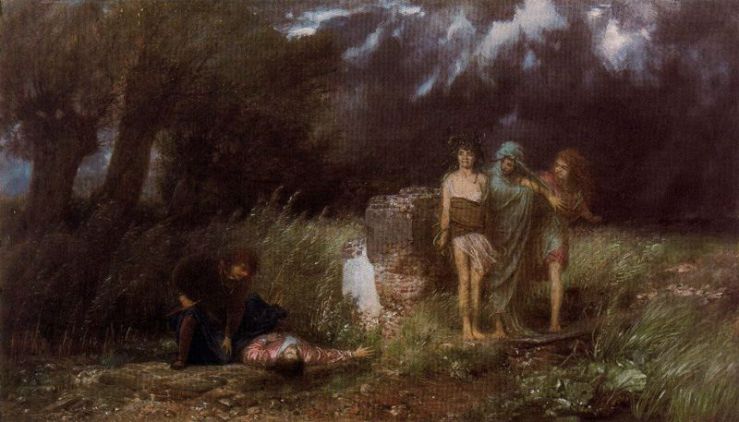
Assassin Pursued by The Furies — Arnold Böcklin

assassin-pursued-by-furies

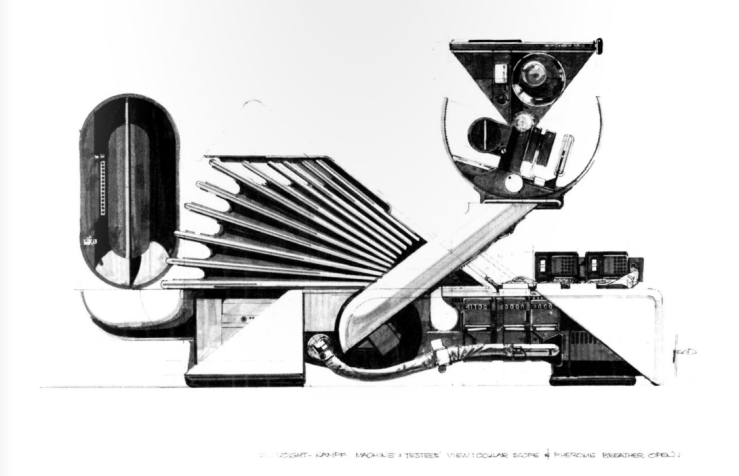
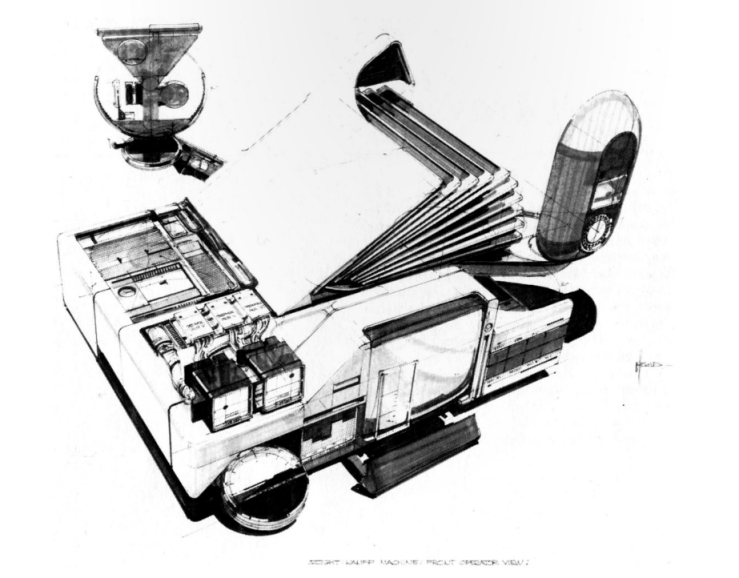
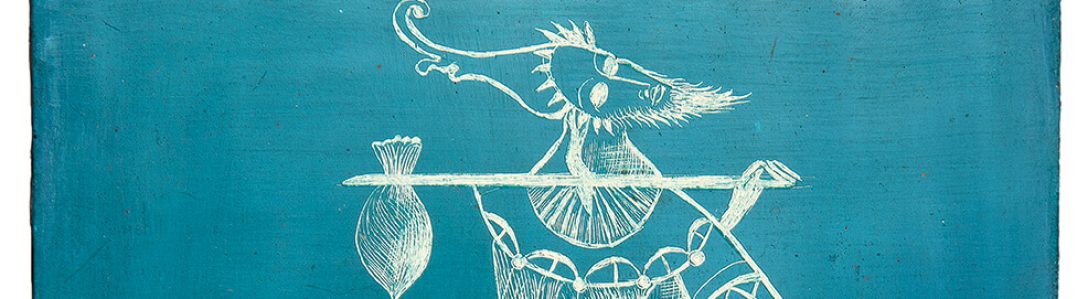
Voight-Kampff machine sketches by Syd Mead

sydmead

sydmead2

All Oscar Wilde

All art is immoral.

All art is quite useless.

All thought is immoral.

All art is at once surface and symbol.

All imitation in morals and in life is wrong.

All beautiful things belong to the same age.

All crime is vulgar, just as all vulgarity is crime.

All charming people are spoiled. It is the secret of their attraction.

All influence is immoral—immoral from the scientific point of view.

All sympathy is fine, but sympathy with suffering is the least fine mode.

All women become like their mothers: that is their tragedy. No man does: that is his.

All bad art comes from returning to life and nature, and elevating them into ideals.

All men are monsters. The only thing to do is to feed the wretches well. A good cook does wonders.

All men are married women’s property. That is the only true definition of what married women’s property really is.

Various aphorisms of Oscar Wilde.

A Hand Puppet — Katsushika Hokusai

a-hand-puppet

King Asa of Juda Destroying the Idols — François de Nomé

franc3a7ois_de_nomc3a9_-_king_asa_of_juda_destroying_the_idols_-_wga16585

The Good Samaritan (After Delacroix) — Vincent van Gogh

the-good-samaritan-after-delacroix-1890

Waiting on the good times now

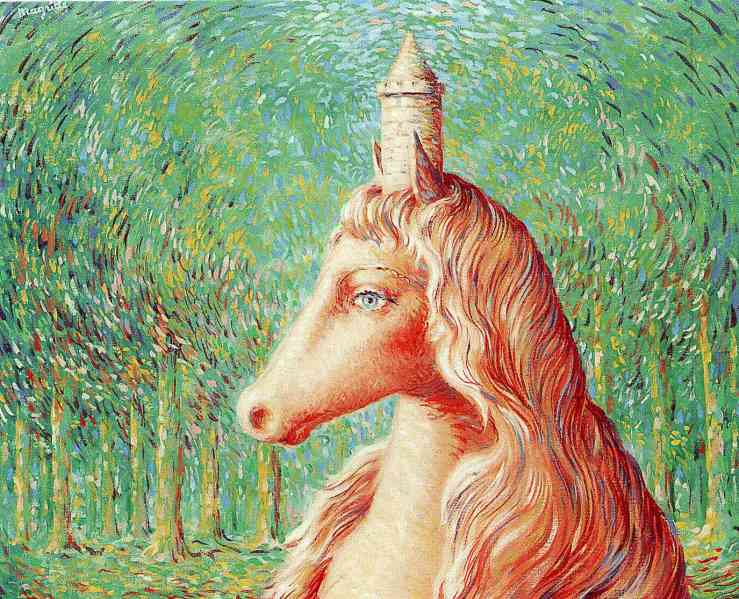
The Fine Idea — Rene Magritte

the-fine-idea-19641

The idea is like grass (Ursula K. Le Guin)

It is of the nature of idea to be communicated: written, spoken, done. The idea is like grass. It craves light, likes crowds, thrives on crossbreeding, grows better for being stepped on.

From Ursula K. Le Guin’s 1974 novel The Dispossessed.

Three Books

IMG_0620

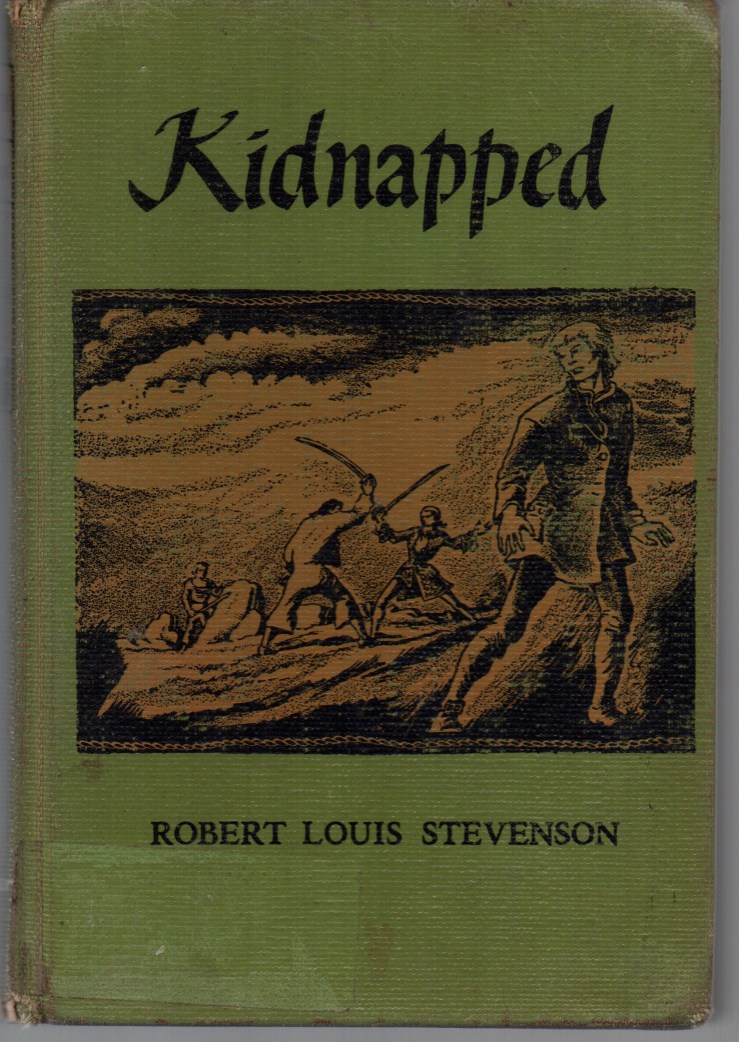
Kidnapped by Robert Louis Stevenson. 1948 Grosset & Dunlop hardback. The designer credit goes to Oscar Ogg, but the dark and often violent images (many in full color) are by Lynd Ward.
IMG_0621

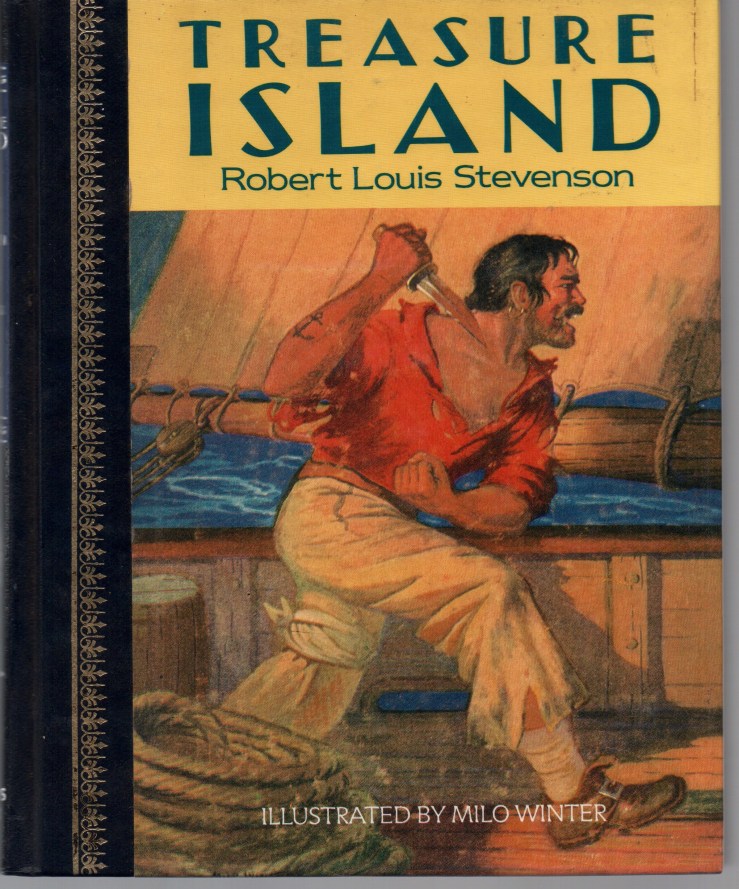
Treasure Island by Robert Louis Stevenson. A 1986 oversized hardback edition from dilithium Press. No designer credited, but he illustrations are by Milo Winter (from a 1915 edition, actually).IMG_0623

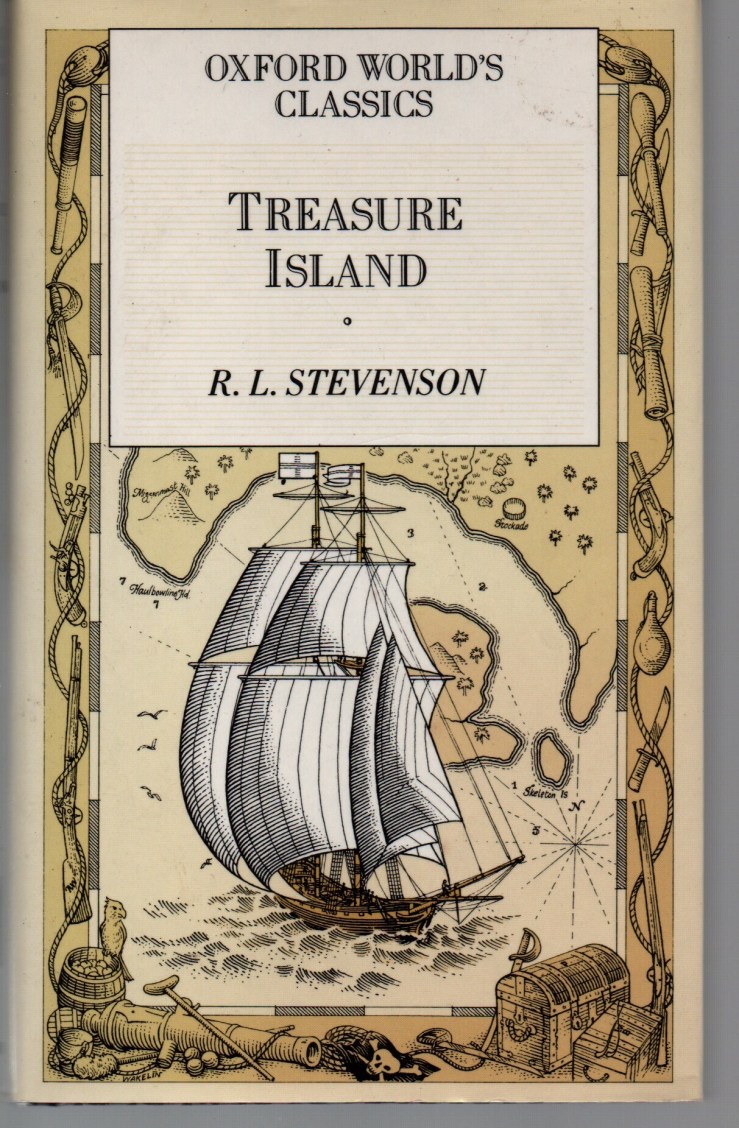
Treasure Island by Robert Louis Stevenson. A tiny little pocket hardback edition by Hamlyn Publishing/ Chancellor Press (1987). No designer credited, but the cover illustration is by Arthur Wakelin. There’s an inscription on the first page from my grandparents, who gave me the book in 1989.

Two graphic novels about Paris reviewed: 750 Years in Paris and The Spectators

IMG_0534

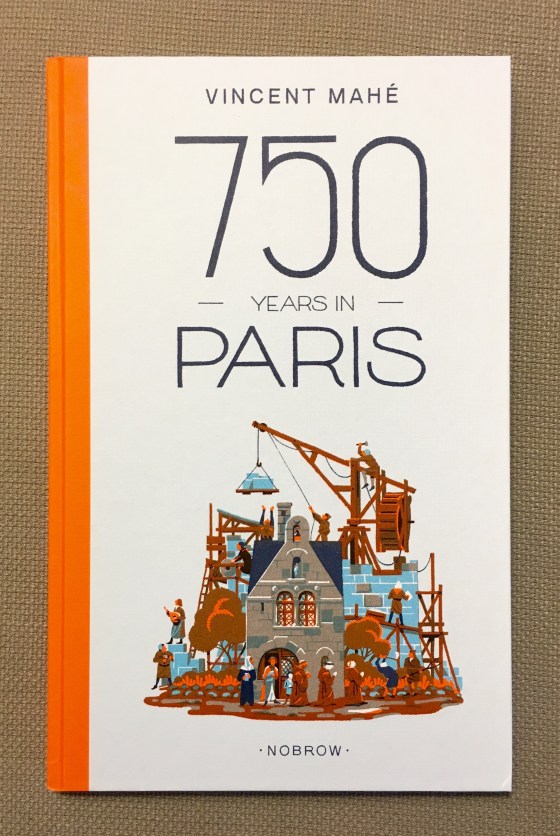
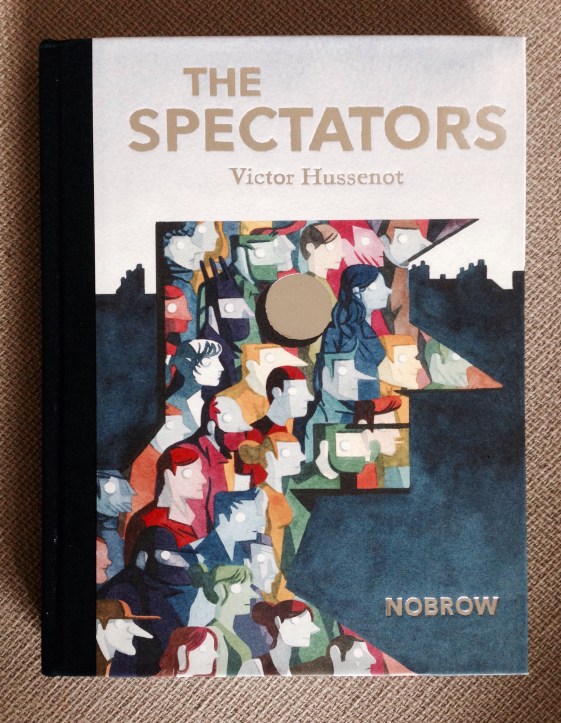
Two new(ish) graphic novels from Nobrow, Vincent Mahé’s 750 Years in Paris and Victor Hussenot’s The Spectators, showcase Paris as an enduring site of progression, turbulence, and renewal, both in culture and consciousness. Mahé’s 750 Years in Paris is a time-machine, putting its viewer in a stationary position to observe the dramatic changes in one building—and French society and culture—over the course of nearly a millennium. Hussenot’s The Spectators is a dream-machine, shuttling its characters through different skins, faces, and eyes. The titular spectators transcend not only time and space, but mind. Both books attest to the power of transformation while subtly noting the various forces that shape identity.

IMG_0614

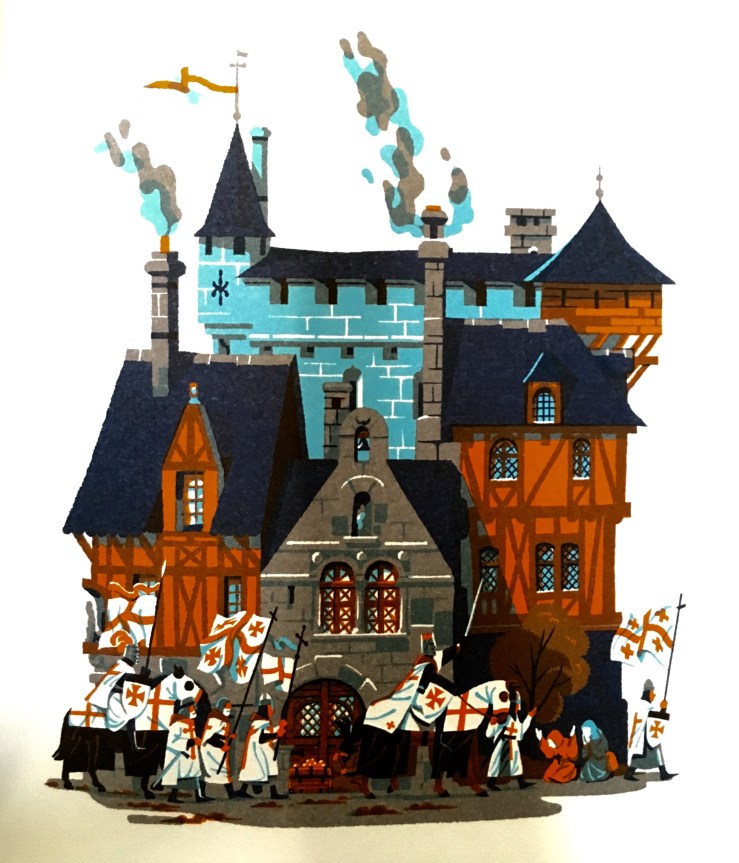
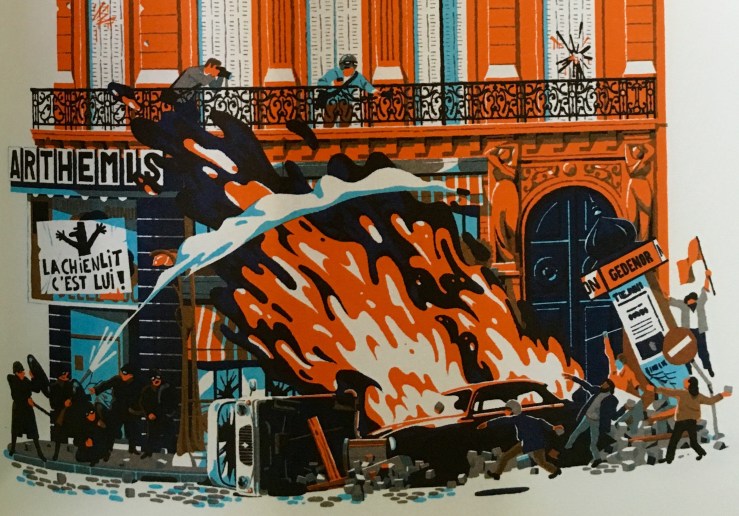
Vincent Mahé’s 750 Years in Paris begins in 1265 and moves its viewer through time to 2015. The book takes us through the Black Death Plague and the 100 Years War, the reigns of Louis XIV and IV, the storming of the Bastille and the Reign of Terror, Napoleon and Hausmann, a grand Metro and a terrible Flood. The second shot in this chronology shows us a Knights Templar procession in 1270. The crusaders remind us that Western history is inextricably bound in violence, religion, and territorial expansion—but also in the exchange of ideas, information, and knowledge. We get to May 1968 with a strong visual context for France’s history of intellectual turbulence.

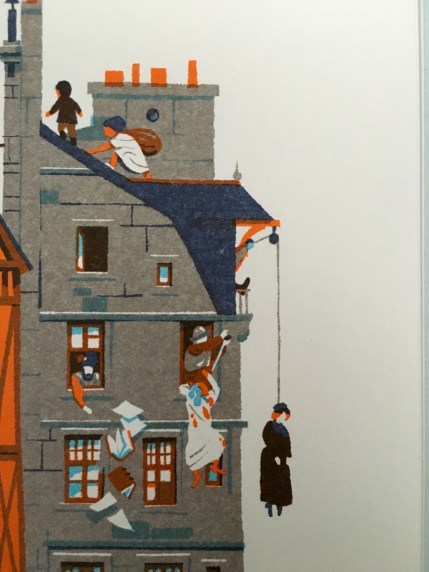
IMG_0613The book ends in 2015; I’ll let Mahé’s image speak for itself:
IMG_0612

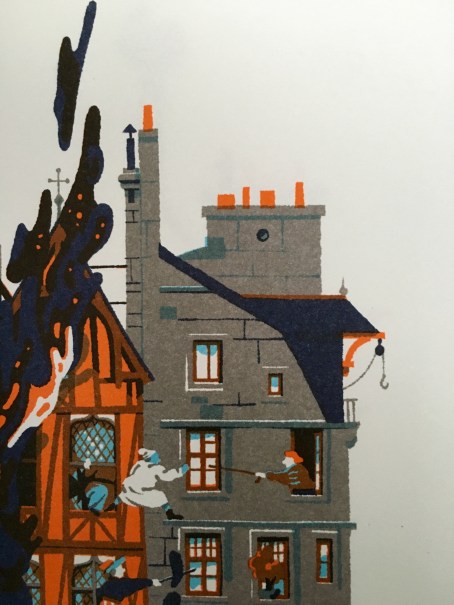
750 Years in Paris shows us that Paris not only survives drastic change, but progresses in the face of violence. When we see, for example, that a winch has been used to hang a Protestant during the St. Bartholomew’s Day Massacre of 1572—

IMG_0615

—it’s worth noting that on the next page, neighbors help each other during a terrible fire. The winch remains in the picture, a visual motif of progress, of building up.IMG_0617

image

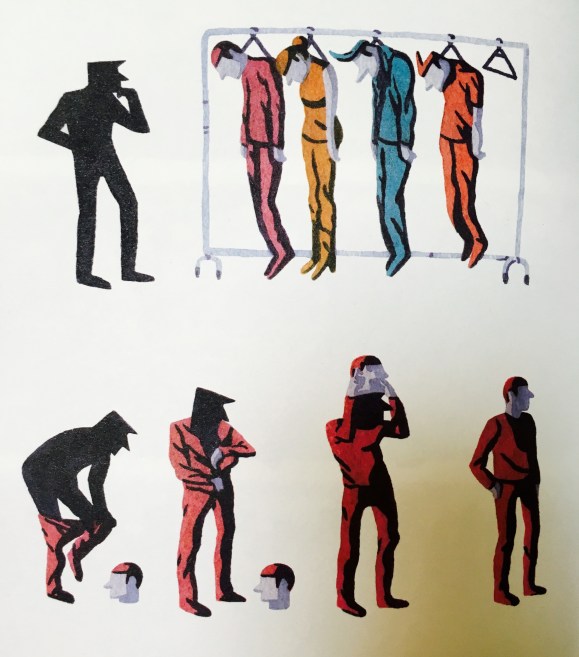
Like every Nobrow title I’ve read, Victor Hussenot’s The Spectators is better experienced than described. Its aesthetic is its narrative and its narrative is its aesthetic, flowing from a lovely dream-logic of identity shifts. Who shall I be today?, the book asks.

IMG_0608

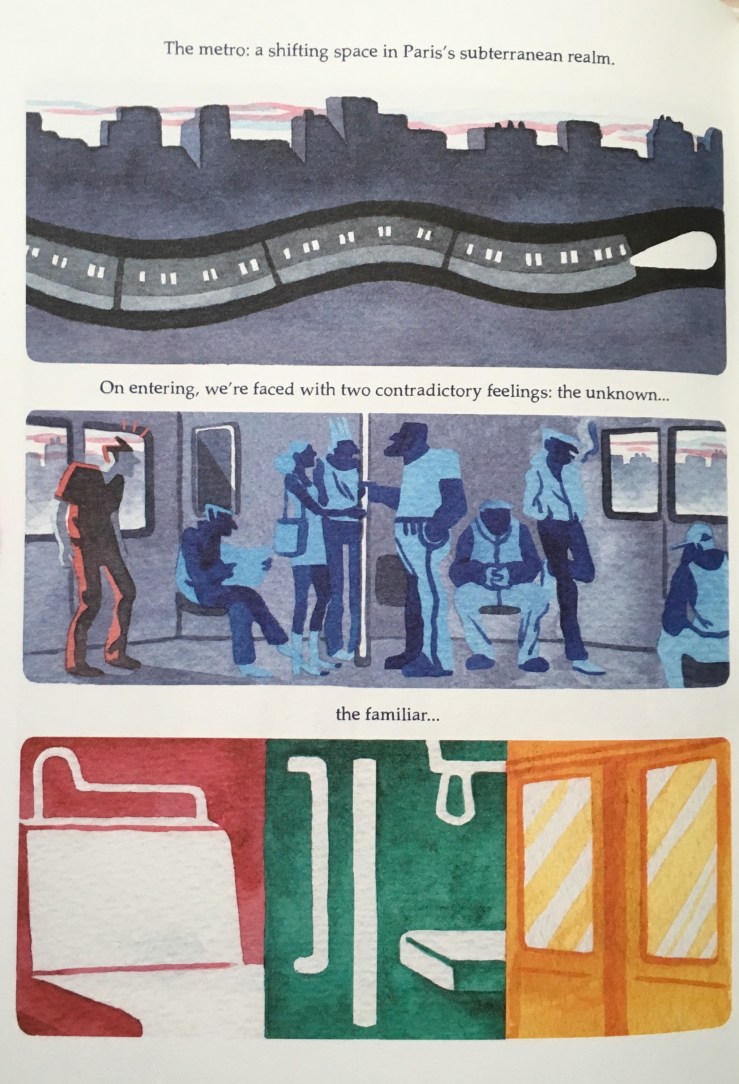
The titular spectators try on different skins, wear different hats, look through different eyes. Paris’s metro becomes a labyrinth dream-lab, where the spectators create the world anew by synthesizing known with unknown:IMG_0609

This vision of synthesis carries the narrative through a poetic examination of individuality and society. How much of me is me? Hussenot frames his characters in the geometry of picture puzzles, only to blur the borders that would constrain them.

It’s possible to imagine the spectators of Hussenot’s book gazing on Mahé’s ever-changing Paris building. Or, conversely, we can take Mahé’s building as one of Hussenot’s spectators—another shapeshifter in a city of shapeshifters.

I’ll close with an image from The Spectators that points towards a dream of synthesis, of infinite perspective, of unity. We have here not just a dream, but a vision of progress:

IMG_0610

Le Guin, Stapledon, and the Brothers Strugatski (Books acquired, 11.13.2015)

IMG_0592

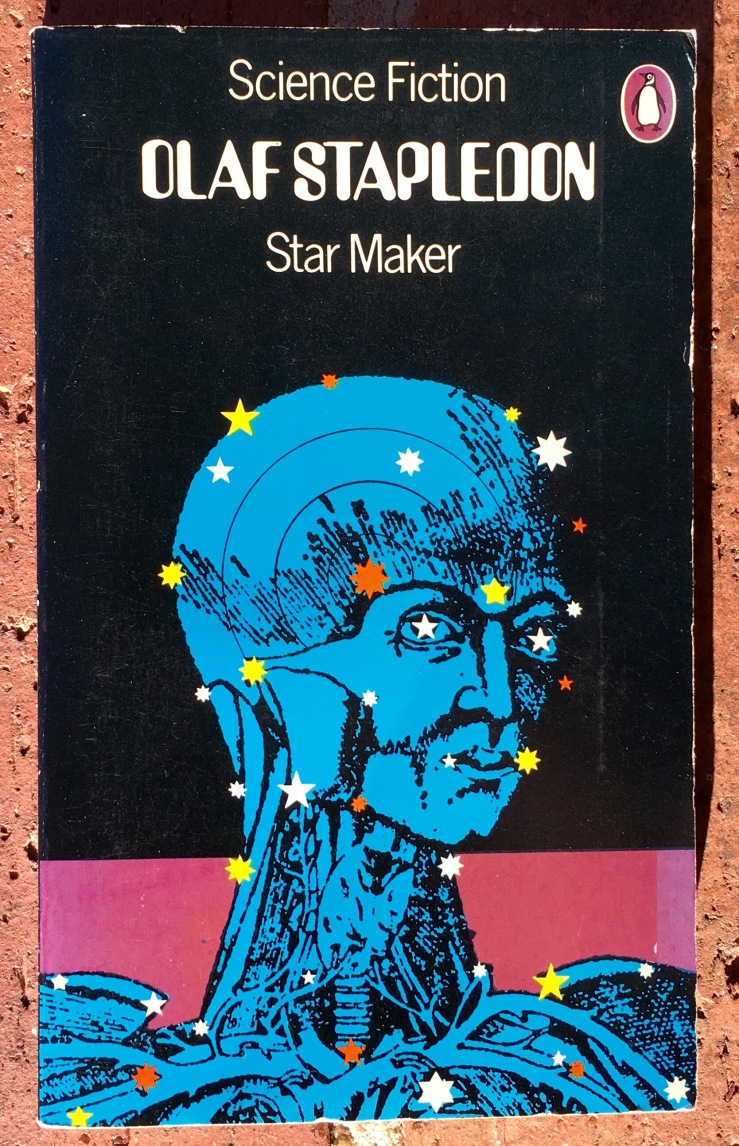
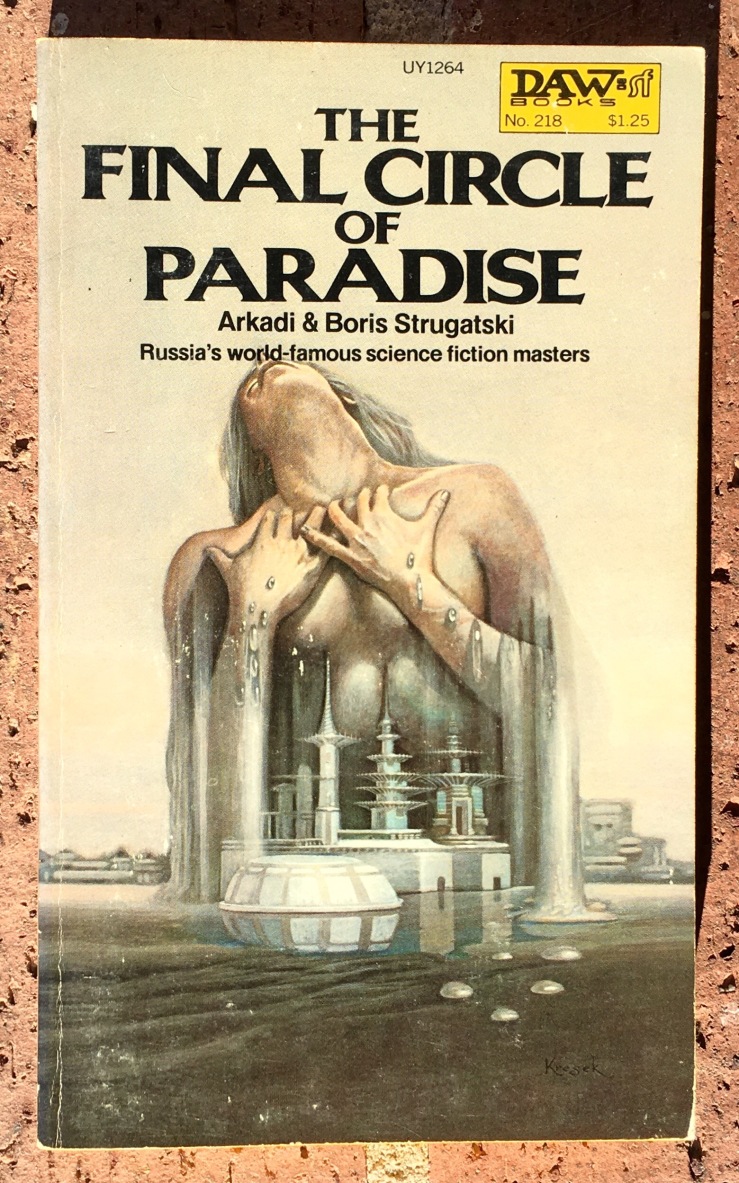
I like to think I know my way around the labyrinthine used bookstore I frequently frequent, but I somehow missed the “Ls” of the Sci-Fi/Fantasy section and wound up in Misc S. I was headed to the “Ls” to pick up another Ursula K. Le Guin novel, after having finished Rocannon’s World this afternoon. (I was looking not-so-specifically for The Word for World Is Forest, which my bookshop somehow didn’t have). Anyway, my eye was drawn to the Penguin edition of Olaf Stapledon’s Star Maker (above), which was one of those yeah, I know, I need to read it books. I also saw another one by the Strugatski bros, which I picked up, even though I still haven’t read Hard to Be a God.
IMG_0593

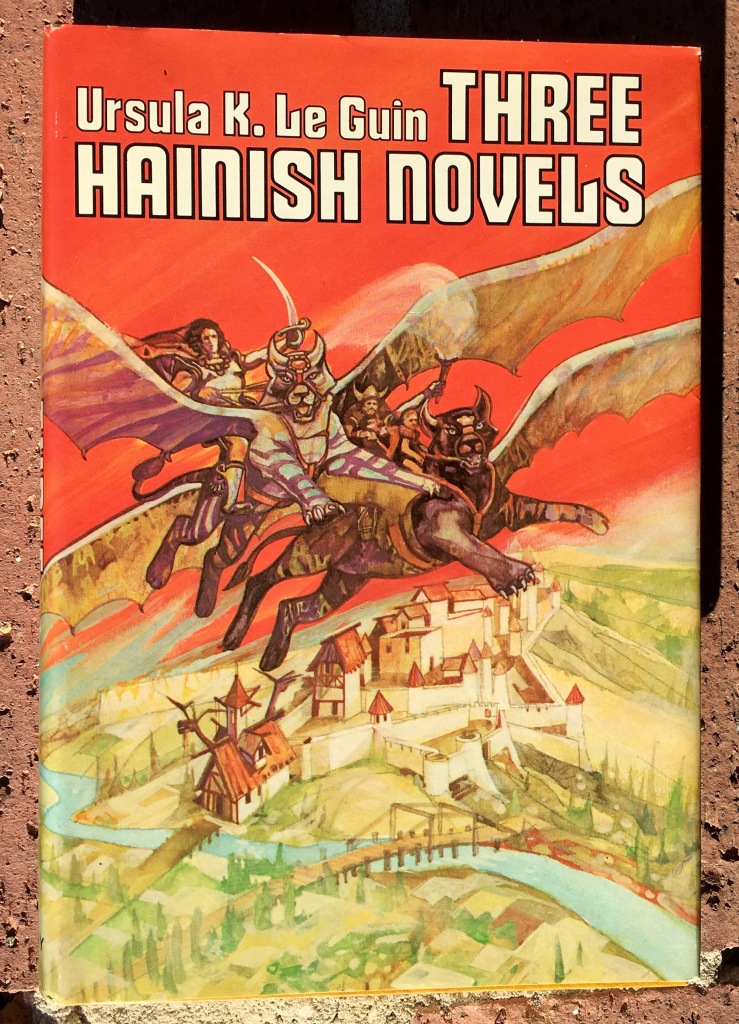
I couldn’t resist this hardback edition of Three Hainish Novels, an Ursula K. Le Guin omnibus, which collects Rocannon’s World with Planet of Exile and City of Illusion. I haven’t read the other two, but I’ll get to them after a rereading of The Dispossessed. IMG_0595

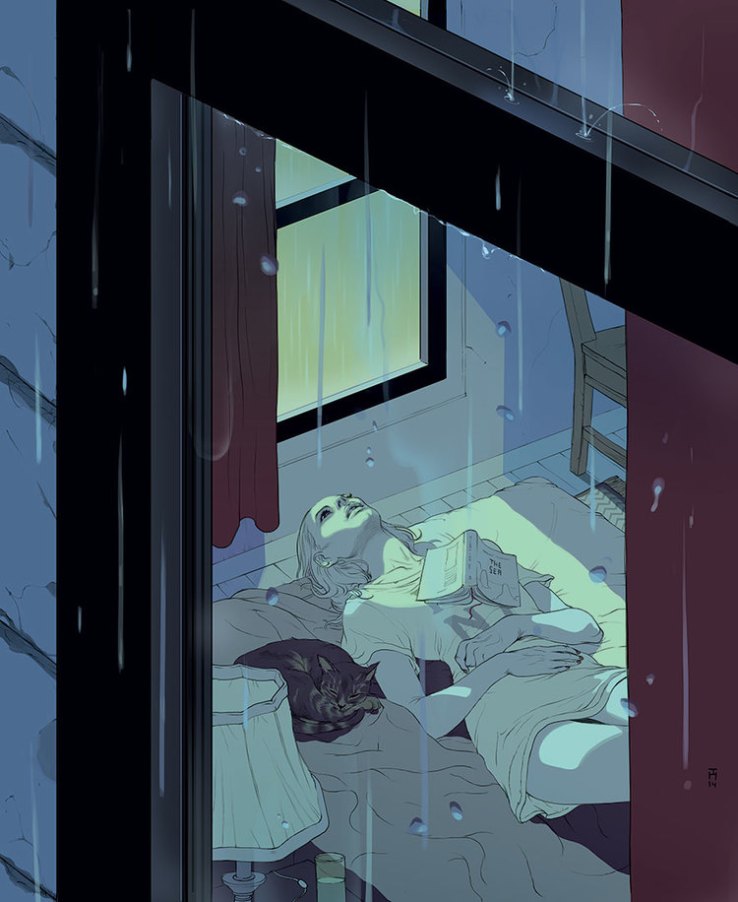
The Sea — Tomer Hanuka

the_sea_bleed_72

The reader is dreaming (Robert Walser/Karl Walser/Lydia Davis)

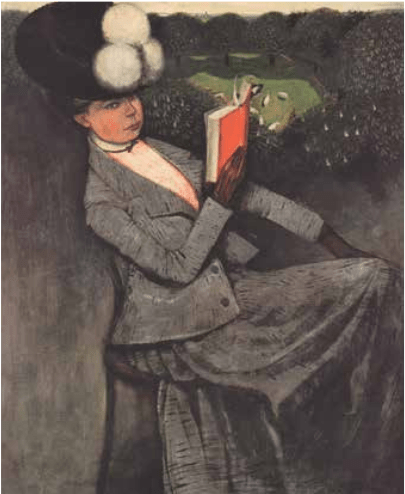
A young lady, a girl of perhaps twenty, is sitting in a chair and reading a book. Or she has just been diligently reading, and now she is reflecting on what she has read. This often happens, that someone who is reading must pause, because all sorts of ideas having to do with the book keenly engage him. The reader is dreaming; perhaps she is comparing the subject matter of the book to her own experiences hitherto; she is thinking about the hero of the book, while she fancies herself almost its heroine.

screenshot-slack-files-com-2015-11-03-15-19-11

Read the rest of Robert Walser’s microessay “Portrait of a Lady” (trans. by Lydia Davis) at The Offing. The painting–Portrait of a Lady—is by Karl Walser, Robert’s older brother.

Entries under “E” from Captain Grose’s Dictionary of the Vulgar Tongue (1811)

The following definitions are from the “E” section of Captain Grose’s Dictionary of the Vulgar Tongue (1811).

EARNEST. A deposit in part of payment, to bind a bargain.

EARTH BATH. A Grave.

EASY. Make the cull easy or quiet; gag or kill him. As easy as pissing the bed.

EASY VIRTUE. A lady of easy virtue: an impure or prostitute.

EAT. To eat like a beggar man, and wag his under jaw; a jocular reproach to a proud man. To eat one’s words; to retract what one has said.

TO EDGE. To excite, stimulate, or provoke; or as it is vulgarly called, to egg a man on. Fall back, fall edge; i.e. let what will happen. Some derive to egg on, from the Latin word, AGE, AGE.

EIGHT EYES. I will knock out two of your eight eyes; a common Billingsgate threat from one fish nymph to another: every woman, according to the naturalists of that society, having eight eyes; viz. two seeing eyes, two bub-eyes, a bell-eye, two pope’s eyes, and a ***-eye. He has fallen down and trod upon his eye; said of one who has a black eye.

ELBOW GREASE. Labour. Elbow grease will make an oak
table shine.

ELBOW ROOM. Sufficient space to act in. Out at elbows;
said of an estate that is mortgaged.

ELBOW SHAKER. A gamester, one who rattles Saint Hugh’s
bones, i.e. the dice.

ELLENBOROUGH LODGE. The King’s Bench Prison. Lord
Ellenborough’s teeth; the chevaux de frize round the top
of the wall of that prison.

ELF. A fairy or hobgoblin, a little man or woman.

EMPEROR. Drunk as an emperor, i.e. ten times as drunk as a lord.

ENGLISH BURGUNDY. Porter.

ENSIGN BEARER. A drunken man, who looks red in the face, or hoists his colours in his drink.

EQUIPT. Rich; also, having new clothes. Well equipt; full of money, or well dressed. The cull equipped me with a brace of meggs; the gentleman furnished me with. a couple of guineas.

ESSEX LION. A calf; Essex being famous for calves, and
chiefly supplying the London markets.

ESSEX STILE. A ditch; a great part of Essex is low marshy
ground, in which there are more ditches than Stiles.

ETERNITY Box. A coffin.

EVES. Hen roosts.

EVE’S CUSTOM-HOUSE, where Adam made his first entry.
The monosyllable.

EVES DROPPER. One that lurks about to rob hen-roosts; also a listener at doors and windows, to hear private conversation.

EVIL. A halter. Cant, Also a wife.

EWE. A white ewe; a beautiful woman. An old ewe, drest lamb fashion; an old woman, drest like a young girl.

EXECUTION DAY. Washing day.

EXPENDED. Killed: alluding to the gunner’s accounts, wherein the articles consumed are charged under the title of expended. Sea phrase.

EYE. It’s all my eye and Betty Martin. It’s all nonsense, all mere stuff.

EYE-SORE. A disagreeable object. It will be an eye-sore as long as she lives, said by a limn whose wife was cut for a fistula in ano.

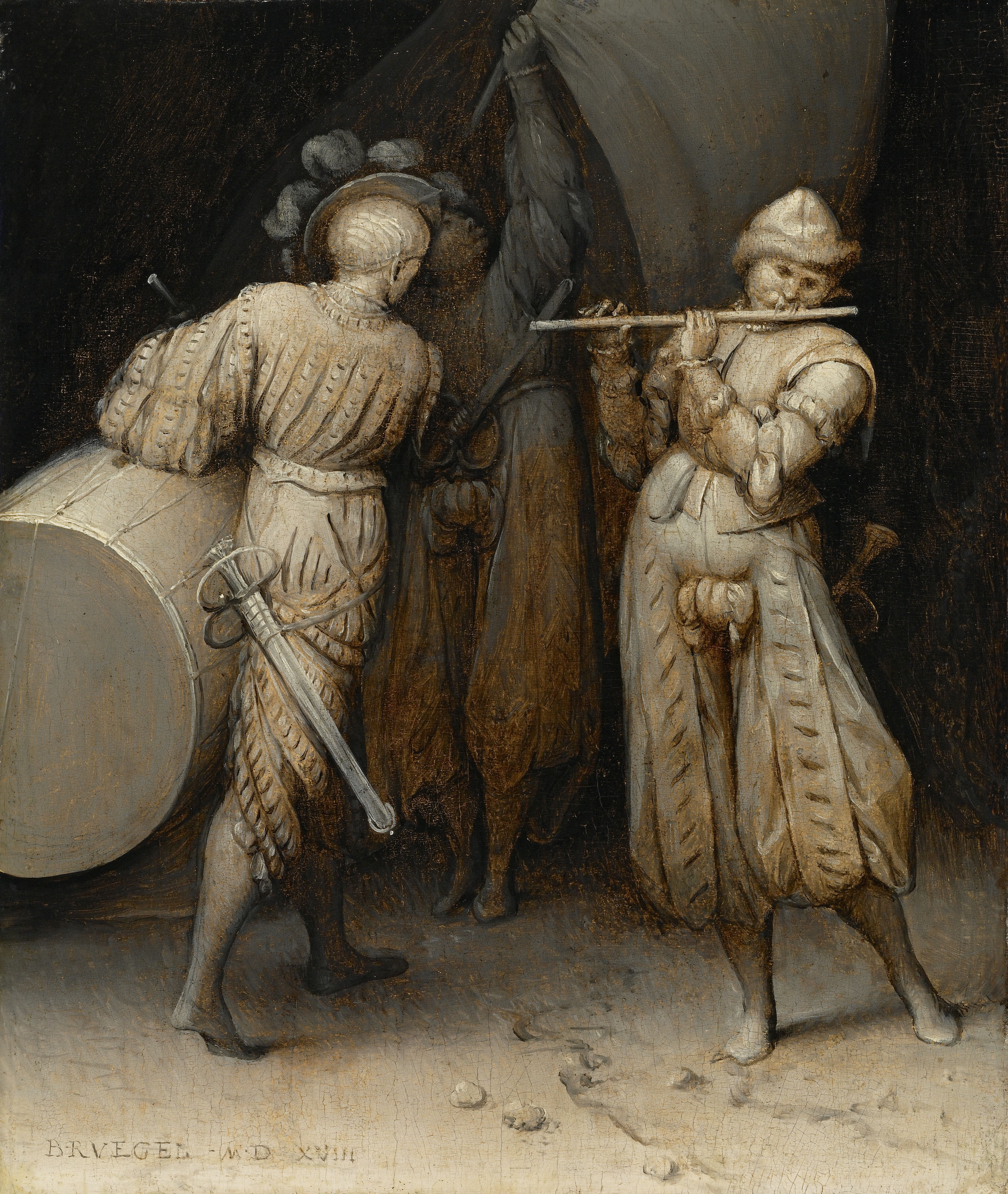
Three Soldiers — Pieter Bruegel the Elder