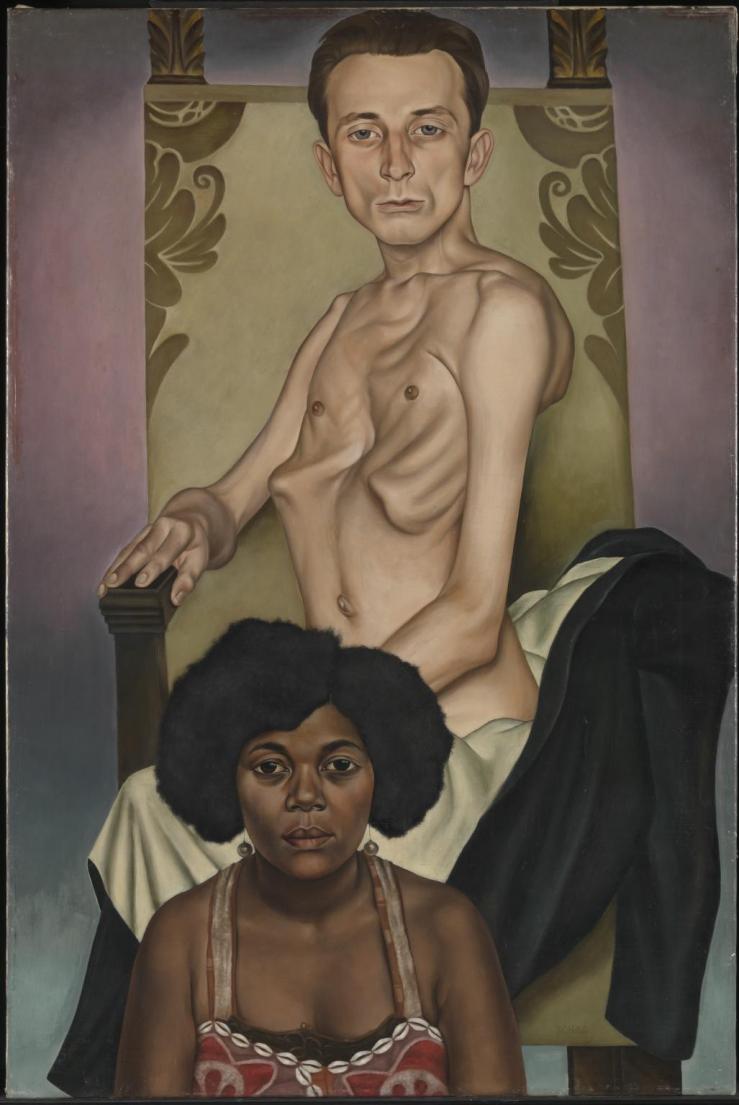
Agosta, the Pigeon-Chested Man, and Rasha, the Black Dove, 1929 by Christian Schad (1894-1982)

Agosta, the Pigeon-Chested Man, and Rasha, the Black Dove, 1929 by Christian Schad (1894-1982)

“Unbe-fucking-lievable,” interjects the ominvalent narrator of Alfred Döblin’s 1929 novel Berlin Alexanderplatz at one point. I’m not sure if the original German (Ist gar nicht zu glauben) conveys the amazed profanity here in Michael Hofmann’s 2018 translation, but “Unbe-fucking-lievable” nevertheless captures the raucous spirit and mutable form of Berlin Alexanderplatz. The novel is a polyglossic spree, an encyclopedic riot, a tragicomic masterpiece of syntax and diction, chopped and screwed, twisted and turned.
What is it about?
The first italicized page summarizes the entire novel in nine neat paragraphs, beginning with this one:
The subject of this book is the life of the former cement worker and haulier Franz Biberkopf in Berlin. As our story begins, he has just been released from prison, where he did time for some stupid stuff; now he is back in Berlin, determined to go straight.
For further clarification: It is the 1920s in Berlin, that slim decadent wedge between those two big wars, and the Weimar capital buzzes with working-class resentment and political unrest. (And drinking. Lots and lots of drinking.)
We soon find out the “stupid stuff” Biberkopf did that landed his ass in jail, and find that the stuff wasn’t so much stupid as stupid and horrific. But by the time we’ve discovered the crimes of Biberkopf, it’s too late: the narrator’s got his sharp teeth sunk into the bit of our brain that pumps sympathy for the supposed hero of the story.
But again: What is it about?
Well:
Biberkopf tries to play it straight, but life on the Alexanderplatz and its seedy environs ain’t easy. He slings newspapers, mixes it up with communists and Nazis alike, and tries to keep his nose clean. But, this being a picaresque tale, he falls in with old associates, falls into old petty crimes, and eventually loses his arm. (Like, literally.) He takes to pimping, thinking it easy, but pimping presents its own problems. There’s love, lust, murder, and betrayal. (And drinking. Lots and lots of drinking.)
What is it about? is not really the right question for Berlin Alexanderplatz. Instead: What is it?
Berlin Alexanderplatz is a literary montage, a vicious collage, an explosion of colors, a carnival of noise and chaos and entropy, told by a narrator who occasionally tries to sort the pieces out for the reader, but usually is more content to drop a metaphorical bomb on us and then spend a dozen or so pages explaining how the bomb got there and who planted it and why the saboteur was so hellbent on destruction in the first place.
Our narrator is a ventriloquist, popping into the consciousnesses and throats of characters major, minor, and peripheral (at best) alike. There’s a cinematic orality to the novel, a shuffling, skipping, vamping voiceyness to Döblin’s prose that Hofmann’s translation renders as a kind of cackling cockney English. It sparks and hoots and howls.
Döblin’s narrator might wander around in Biberkopf’s brain, and then end up in the voice of his girlfriend Mitzi (whom he pimps), or his friend and enemy Reinhold, or just some random cafe sitter or beer drinker at a bar. Döblin’s camera goes anywhere it likes; indeed, Berlin Alexanderplatz is crammed with flights into history, mythology, books of the Bible, math, industry, science. A riff on the First Newtonian Law? Sure. A lengthy treatise on industrial pork butchery? Why not. A retelling of the Book of Job? Of course. Ever wondered why berries sweeten in the cold of winter? Let Döblin’s narrator explain the relationship of temperature, starch, and sugar for you.
Berlin Alexanderplatz is voluminous, exhausting, exhaustive, ecstatic. Döblin’s narrator grabs a hold of a subject, picks at it, puts it down, picks up later. Sometimes these threads coalesce (the Books of Job and Ecclesiastes became refrains); other riffs seem to be included for no reason other than Döblin’s narrator finds them interesting. He gleefully steals from newspapers, injecting the narrative with tangential-at-best stories of the day: murders and plane crashes and invasions and assassination attempts and failures and successes and crimes, large and small. Döblin’s novel aims to be about everything, about both the small and the big worlds his petty criminal antihero Franz Biberkopf is a citizen of.
With its voracious, swirling, omnidirectional scope and undulating stylistic turns, Berlin Alexanderplatz readily recalls James Joyce’s big book Ulysses. Döblin’s novel seems less beholden to a series of correspondences than Joyce’s, however—it’s freer, more anarchic really, roiling around in its own entropy. Both novels are bawdy, smart, and very funny of course. With its celebratory attention to Berlin’s seedier side, Berlin Alexanderplatz also recalls the paintings of Otto Dix, Rudolf Schlichter, and George Grosz (whose 1919 painting Panorama adorns the cover of my NYRB edition). There are also notes of Kubrick here—there’s something of both A Clockwork Orange and Barry Lyndon to Berlin Alexanderplatz: the former’s energetic, horrific violence and pastiche-slang; the latter’s ironic and affecting treatment of the traditional bildungsroman. Döblin’s technique of stealing freely from newspapers also reminds me of Félix Fénéon’s Novels in Three Lines, as well as Doris Lessing’s The Golden Notebook, and segments of William Gaddis’s JR and The Recognitions. (All of these work belong in what the protagonist of William Gass’s novel Middle C dubbed “The Inhumanity Museum.”)
General comparisons of other works to Döblin’s great big fat novel don’t really do Berlin Alexanderplatz justice of course. There is simply no substitute for reading it. It is a novel about itself; it is a novel that one doesn’t so much read for plot (or worse, to learn something); rather, it is a novel that produces waves of feelings, confusions, problems in its reader. It is a novel packed with grotesquerie and excess, yes, and the turbulent humor does not leaven the novel’s core meanness. Berlin Alexanderplatz’s spine is a spike of ice, but lots of wonderful juicy rich fat hangs from that icy spine.
And through its meanness, the novel pushes its hero to a strange redemption of sorts, announced on the novel’s very first page: “The terrible thing that was his life acquires a purpose.”
And do I spoil the final line?
Why not: “We know what we know, we had to pay dearly enough for it.”
I did not pay dearly for Berlin Alexanderplatz, either in my money or in my time. I was rewarded. Very highly recommended.
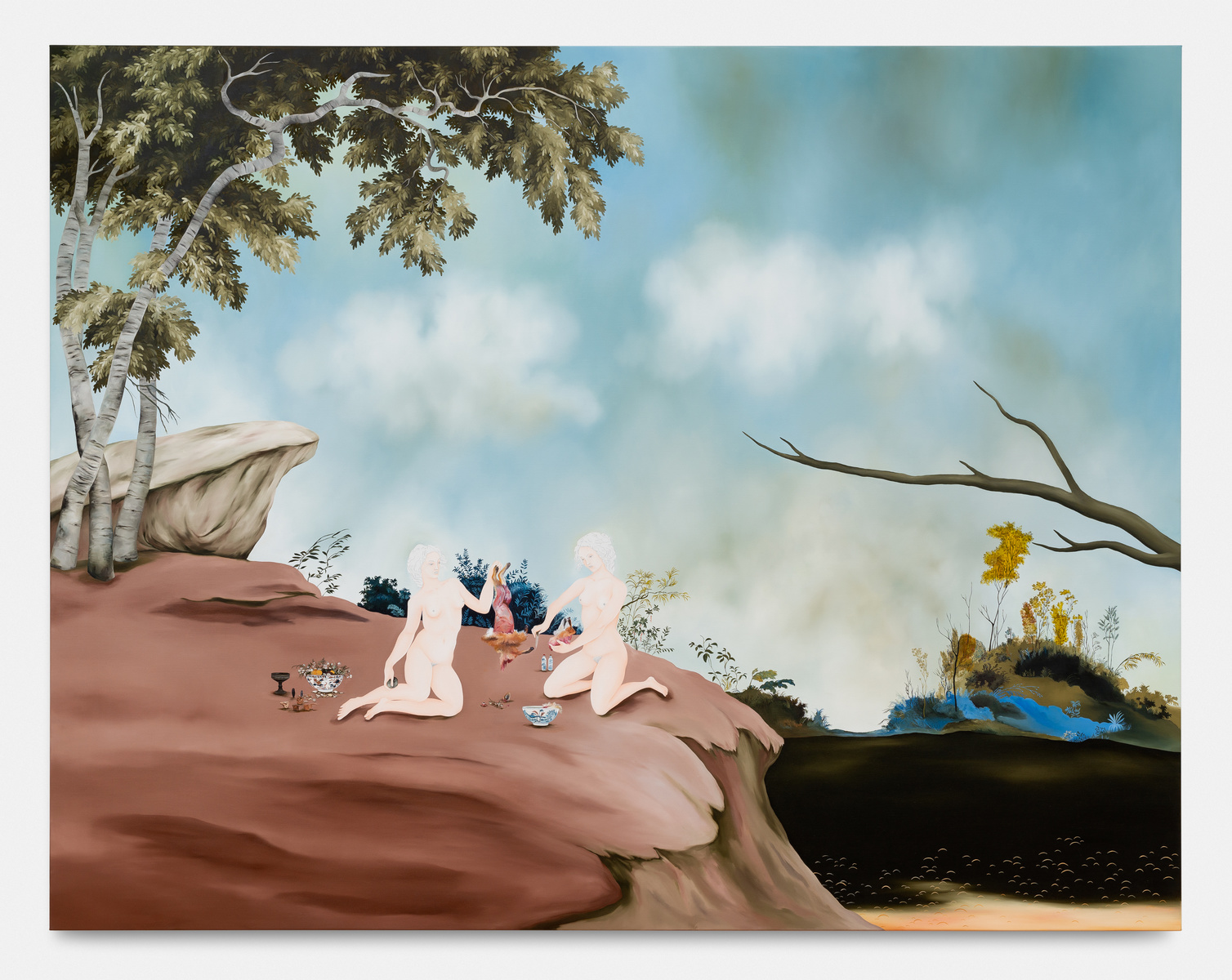
Fantastic Beasts, 2019 by Sanam Khatibi (b. 1979)



Catfish Envy, 1993 by Masami Teraoka (b. 1936)

Don Quixote by Kathy Acker. Grove Press trade paperback, 1986. Cover design by Neil Stuart. Cover illustration by Catherine Denvir.
A messy punkpostmodern cartoon, a big long jazz howl at the moon.

The Egghead Republic by Arno Schmidt; English translation by Michael Horowitz. Marion Boyars trade paperback, 1982. Cover design by Imre Reiner, who likely drew the illustration (although he is not explicitly credited).
I found the first 50 pages utterly exhausting, and there were 100 more. I tried. The cover designer Imre Reiner is most famous for his font designs, but he also illustrated many many books, including a 1941 edition of Cervantes’ Don Quixote.

Sanatorium under the Sign of the Hourglass by Bruno Schulz; English translation by Celina Wieniewska. Cover design by Neil Stuart. Cover illustration by Bruno Schultz. (The novel includes thirty black and white illustrations by Schultz.)
A gross, surreal, dispiriting nightmare. I recall “enjoying” it.

Two Plants, 1980 by Lucian Freud (1922-2011)
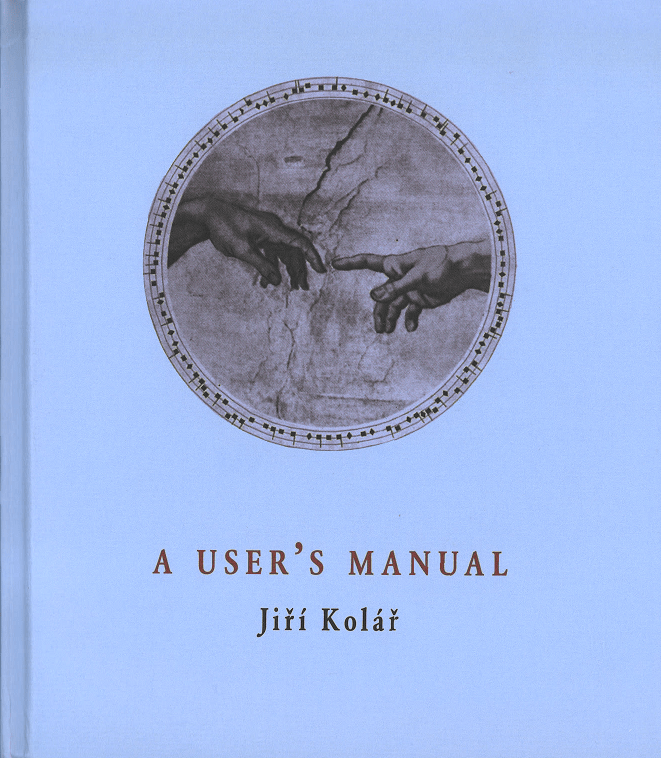
I’ve been slowly enjoying the poems and collages that comprise Jiří Kolář’s collection A User’s Manual (in English translation by Ryan Scott). There are 52 poems and collages here. Each poem is a kind of surrealist recipe, a set of commands that I’ve been trying to follow (in my imagination, I mean).

The book itself is beautiful—hardback with full color and black and white illustrations, it fits perfectly with the aesthetic that its publisher Twisted Spoon has been developing for ages now.
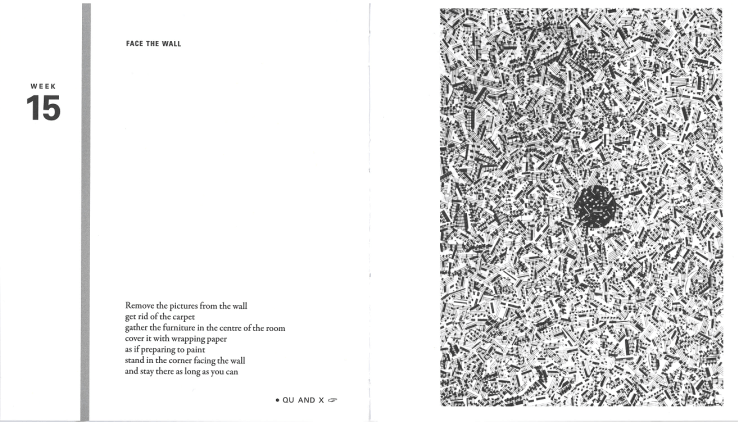
Here’s Twisted Spoon’s blurb:
Written in the 1950s and ’60s, the “action poems” comprising a A User’s Manual were published in their complete form in 1969 when they were paired with the 52 collages of Weekly 1967, the first of Kolář’s celebrated series in which he commented visually on a major event for each week of
the year. Taking the form of directives, largely absurd, the poems mock communist society’s officialese while offering readers an opportunity to create their own poetics by performing the given directions. The collages on the facing pages to the poems are composed of layered documents, image cutouts, newspaper clippings, announcements, letter fragments, reports, or decontextualized words, oftentimes forming concrete patterns or the outlines of figures, to create a sort of “evidential” report on the year. Text and image taken together, the volume displays Kolář’s enduring interest in extracting poetry from the mundane to demolish the barrier separating art from reality, or even to elevate reality itself through this dual poetics to the level of art. What art historian Arsén Pohribný wrote about Weekly 1968 equally applies to Weekly 1967: it “shocks with its abrupt stylistic twists” and is “a Babylonian, hybrid parable of multi-reality.” The volume also includes the complete Czech text as an appendix.
“Ode to Dirt”
by
Sharon Olds
Dear dirt, I am sorry I slighted you,
I thought that you were only the background
for the leading characters—the plants
and animals and human animals.
It’s as if I had loved only the stars
and not the sky which gave them space
in which to shine. Subtle, various,
sensitive, you are the skin of our terrain,
you’re our democracy. When I understood
I had never honored you as a living
equal, I was ashamed of myself,
as if I had not recognized
a character who looked so different from me,
but now I can see us all, made of the
same basic materials—
cousins of that first exploding from nothing—
in our intricate equation together. O dirt,
help us find ways to serve your life,
you who have brought us forth, and fed us,
and who at the end will take us in
and rotate with us, and wobble, and orbit.

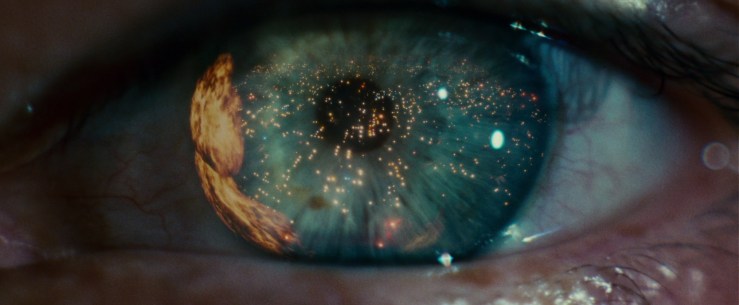
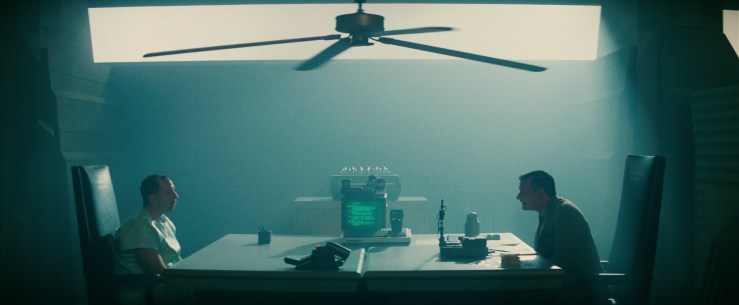
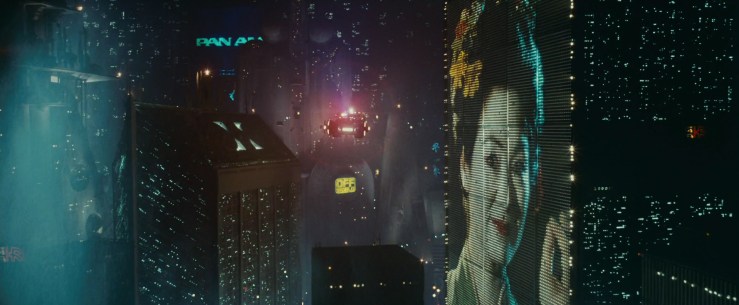



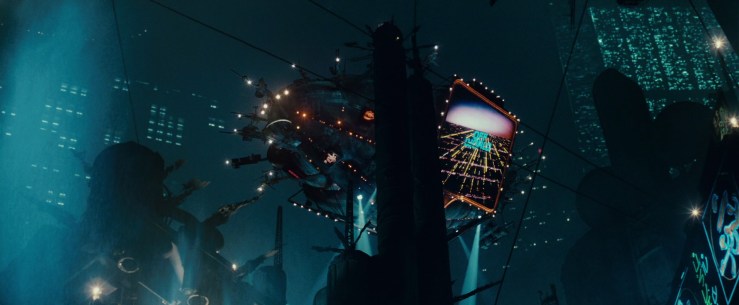
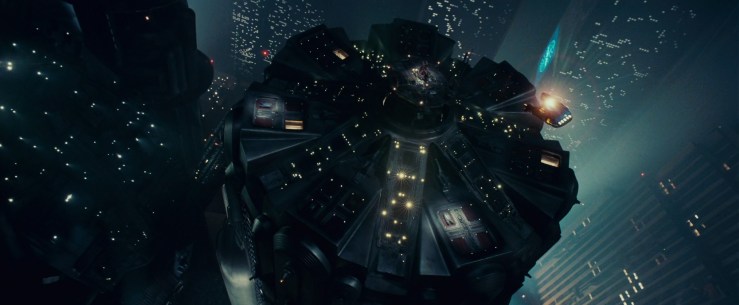
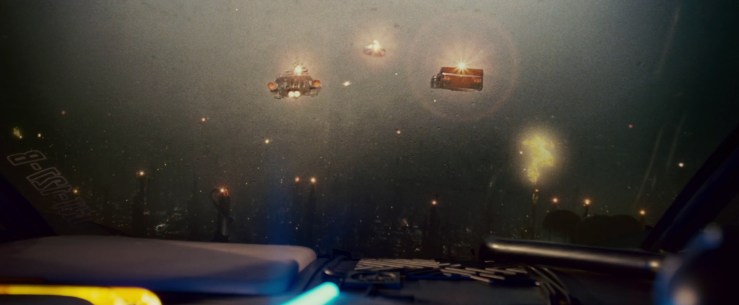

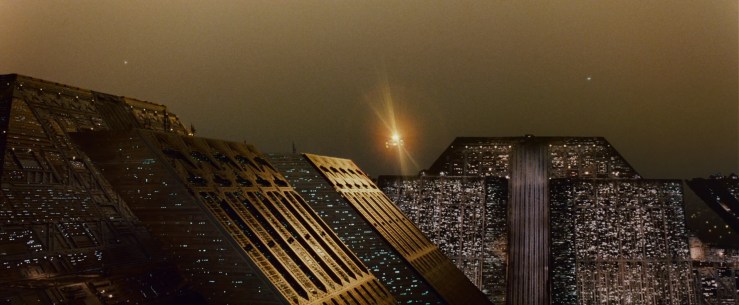
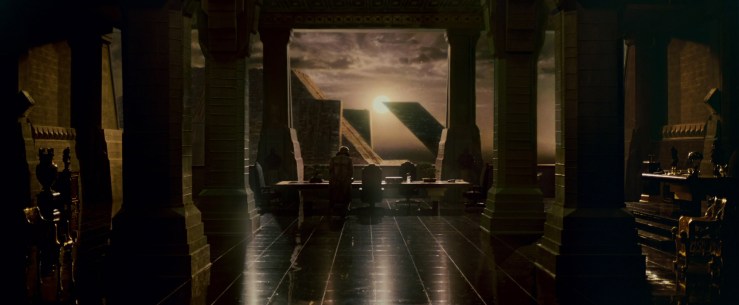
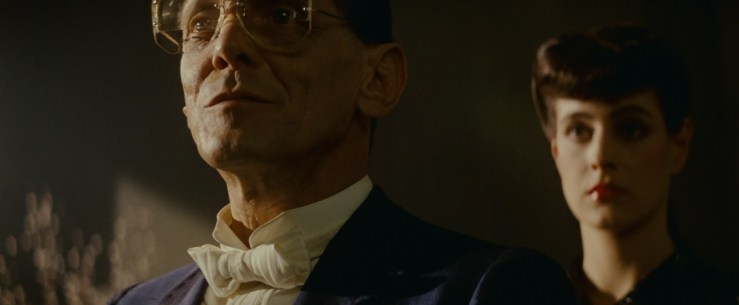

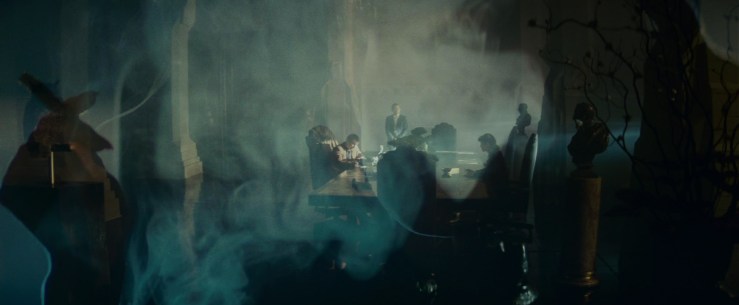

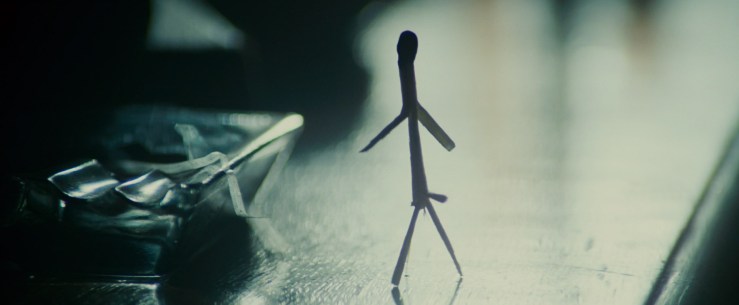
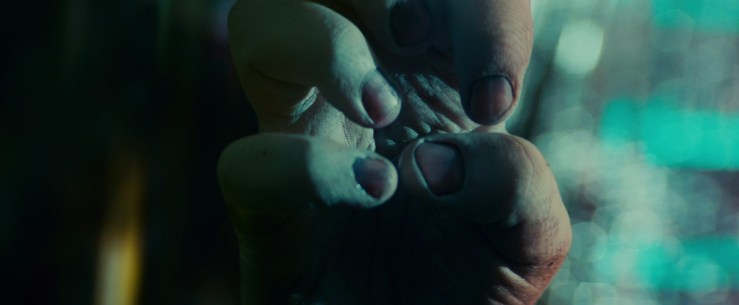
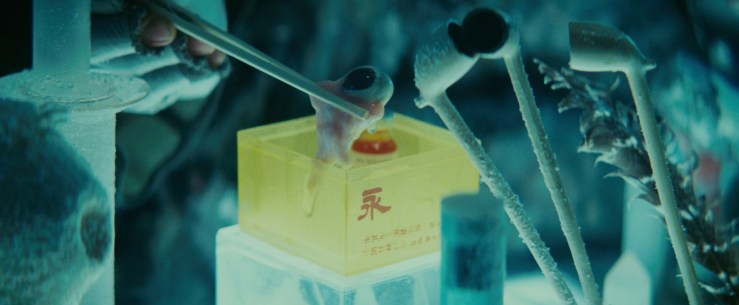


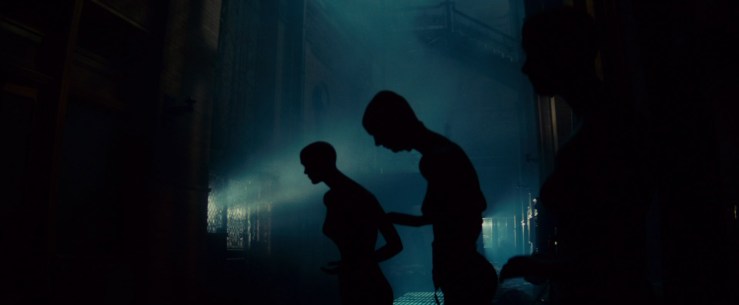


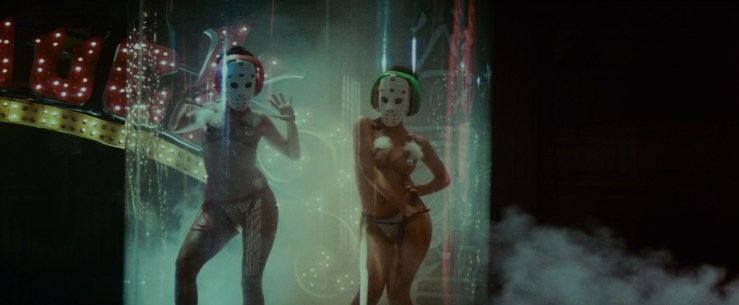
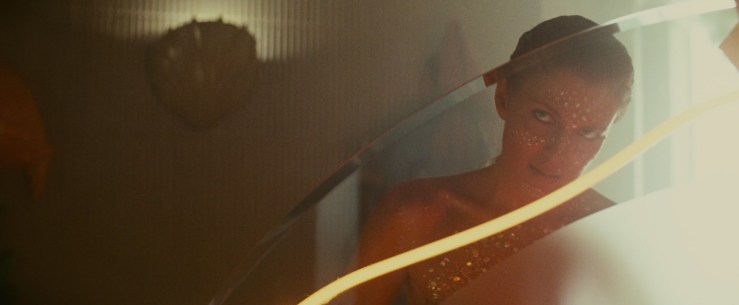
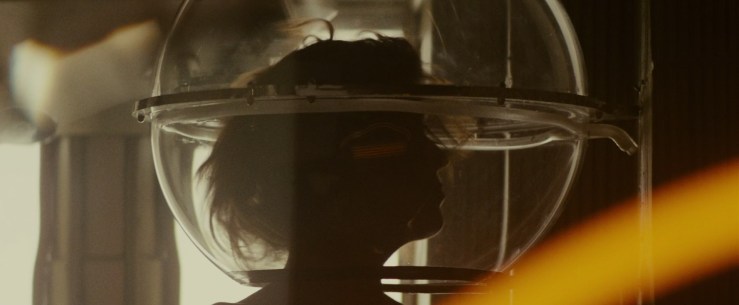
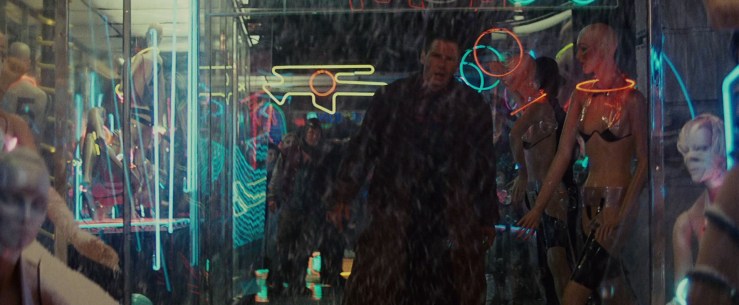
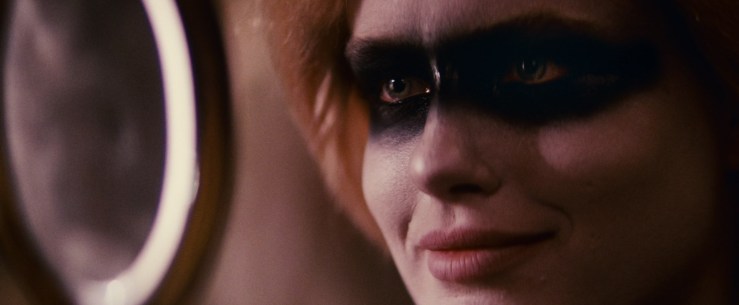

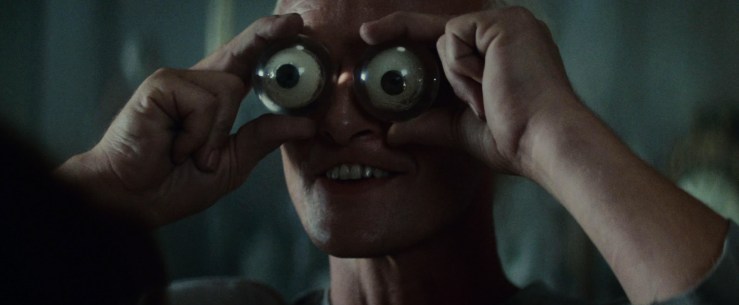
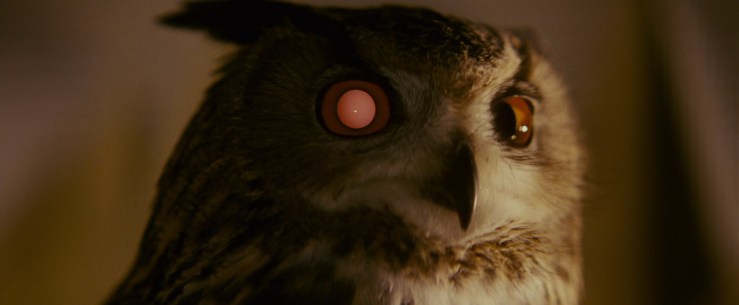

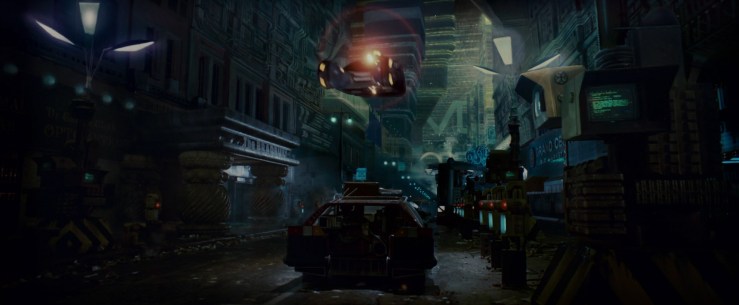
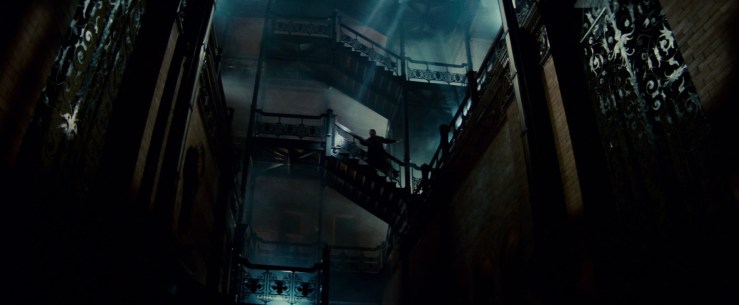
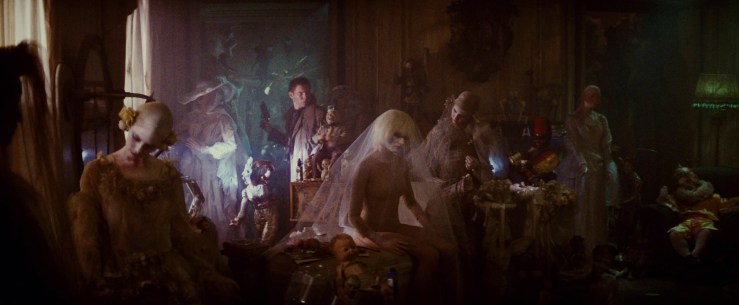
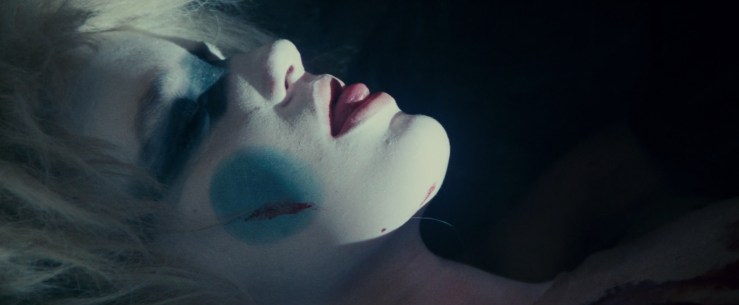
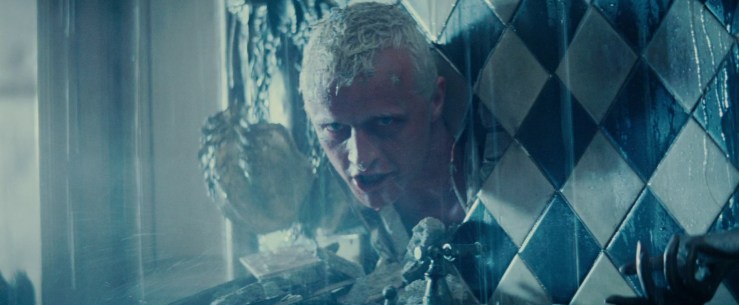
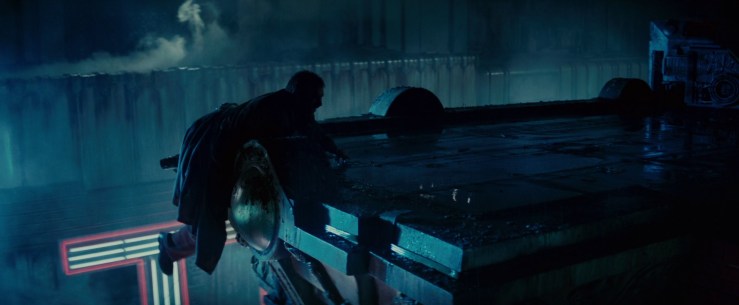
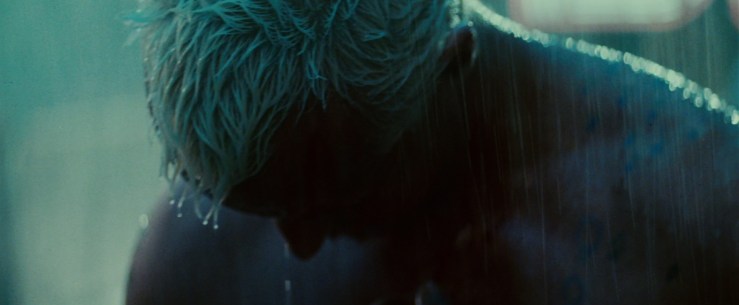

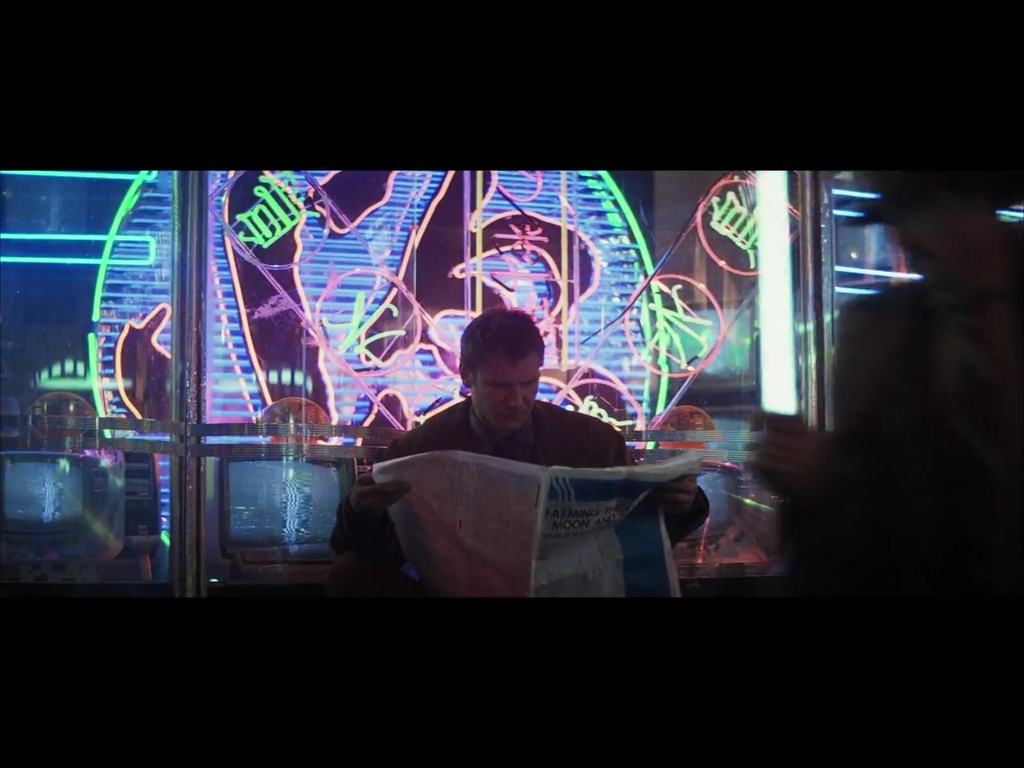
From Blade Runner, 1982. Directed by Ridley Scott with cinematography by Jordan Cronenweth. Via Screen Musings.
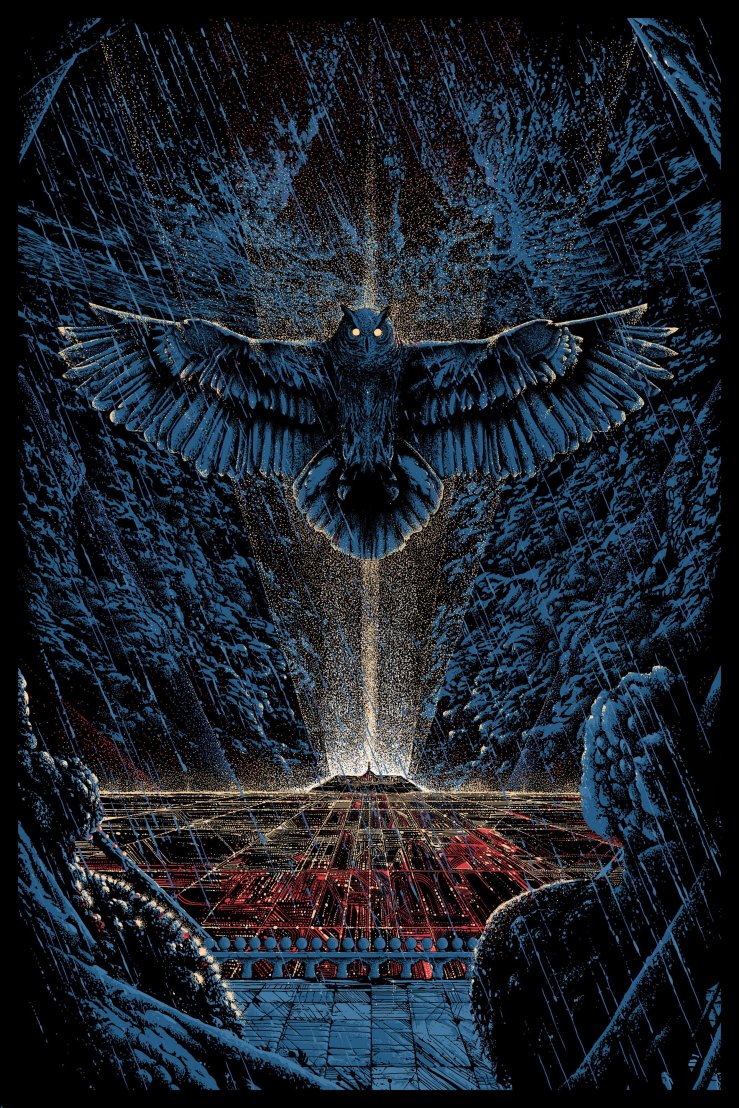

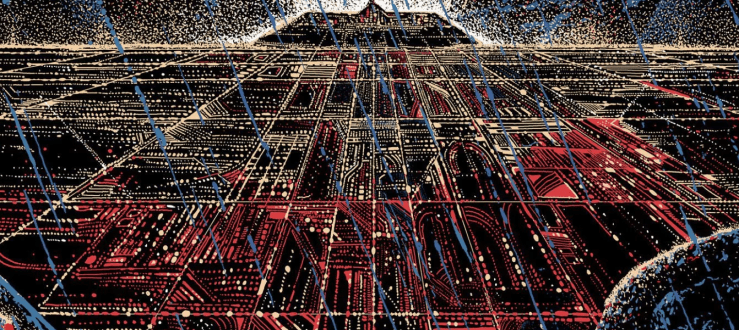
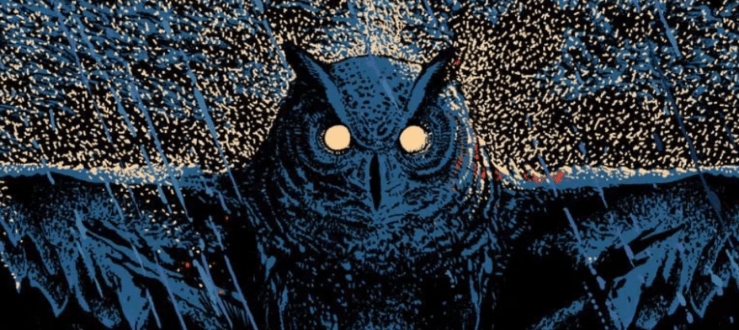
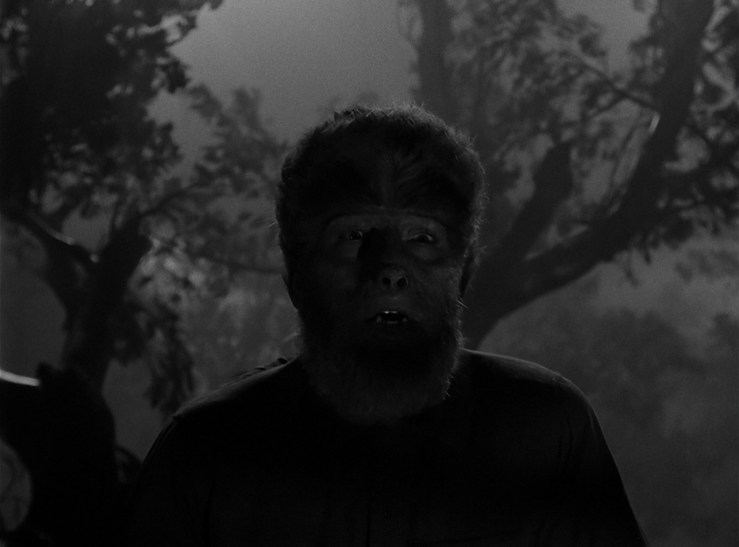
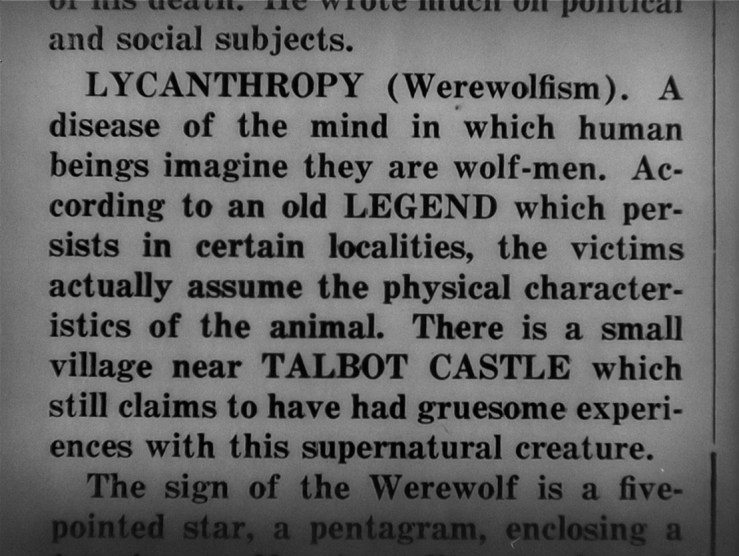
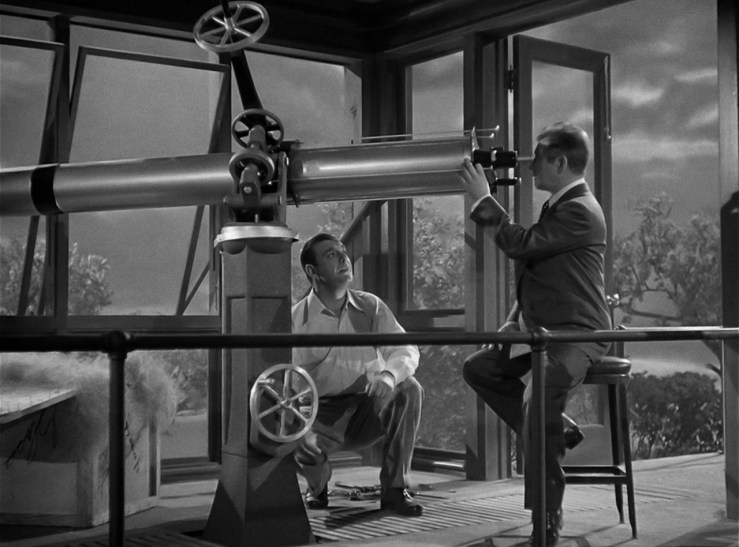
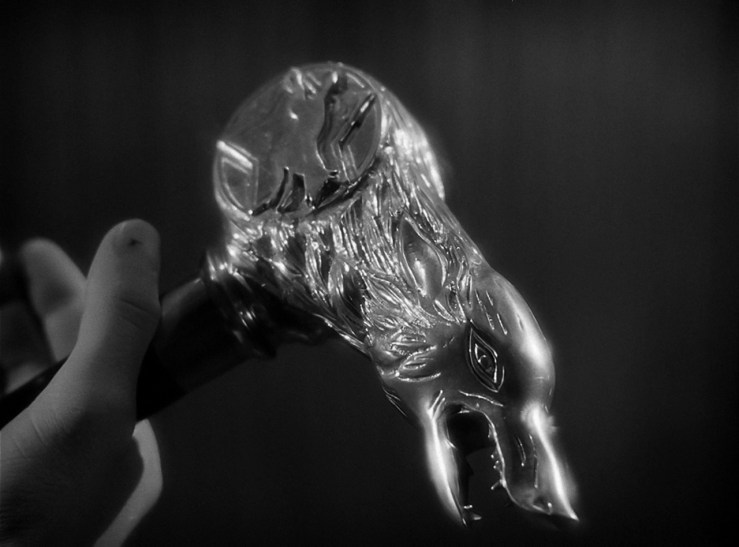
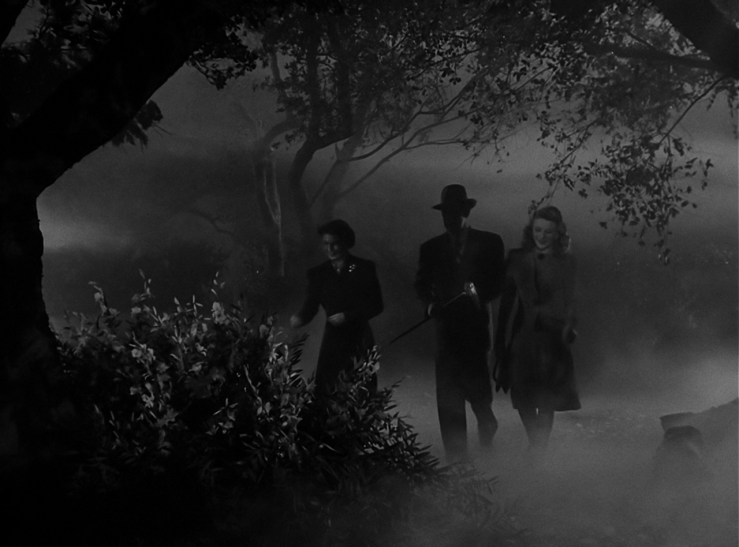
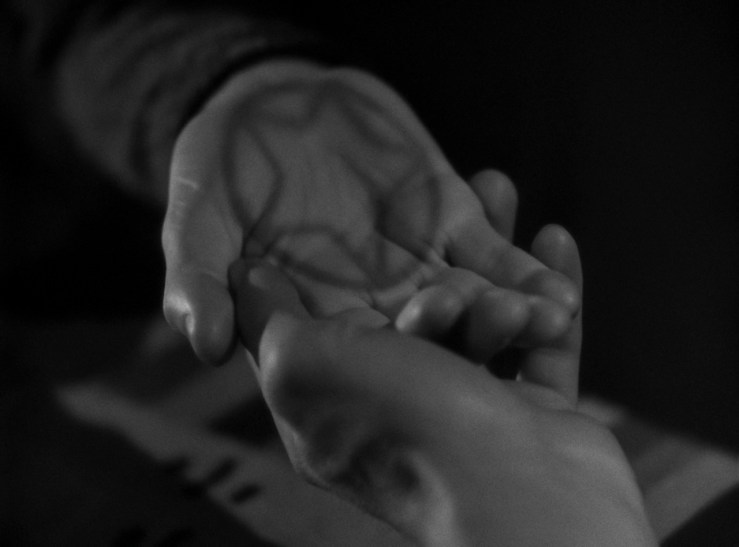
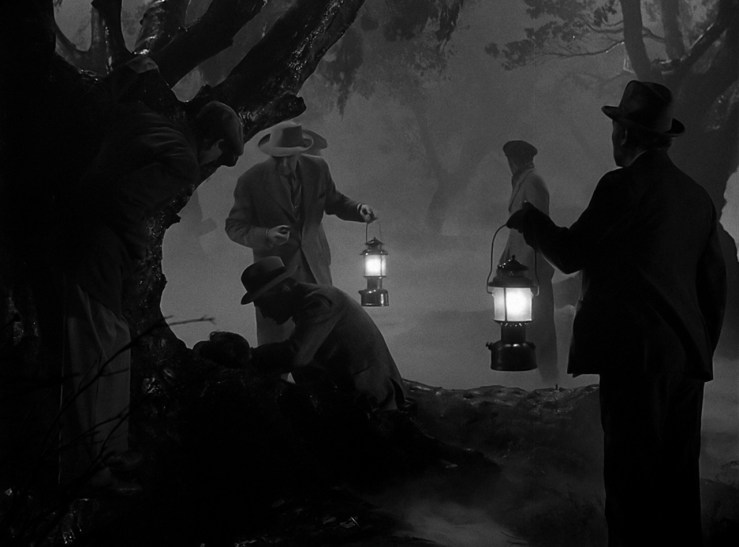
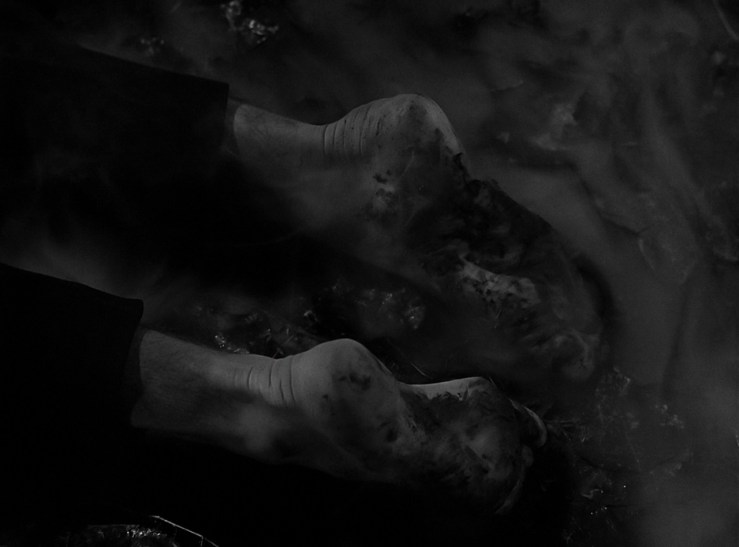
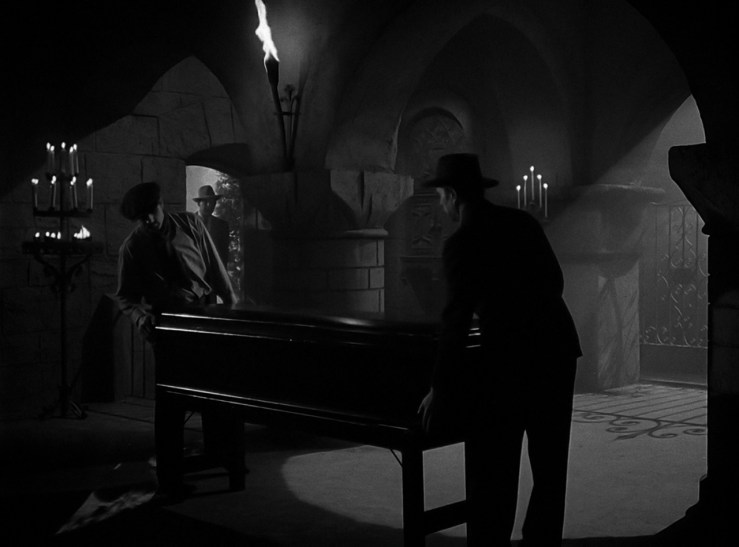
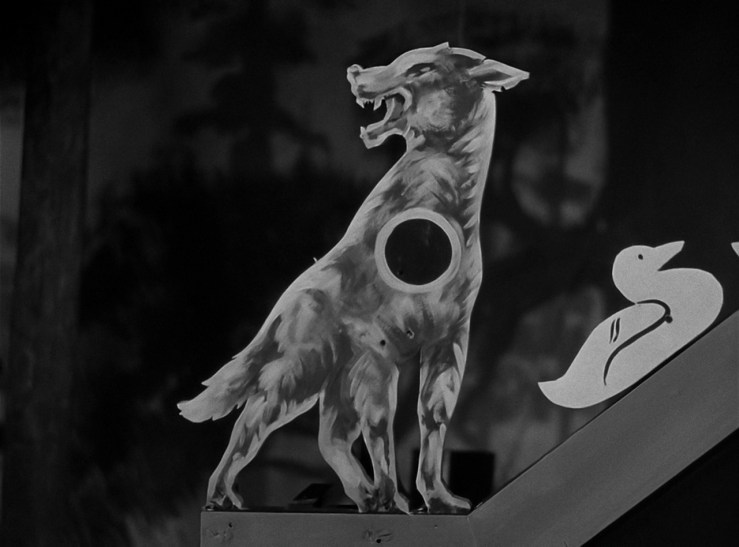
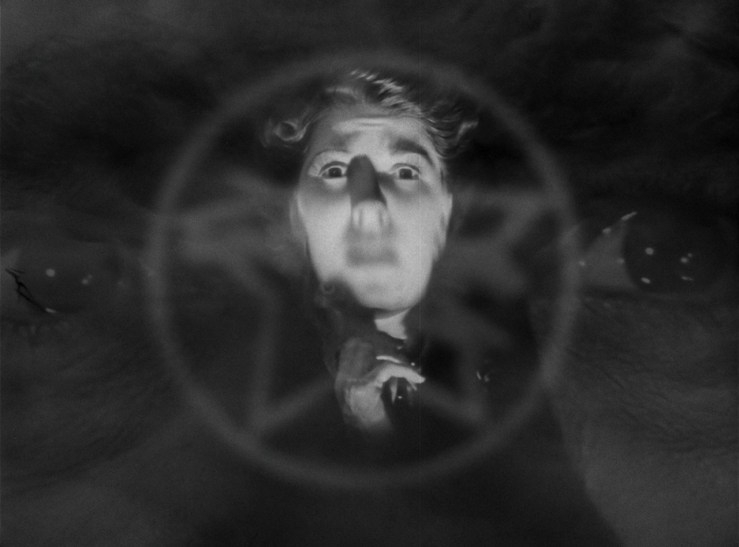

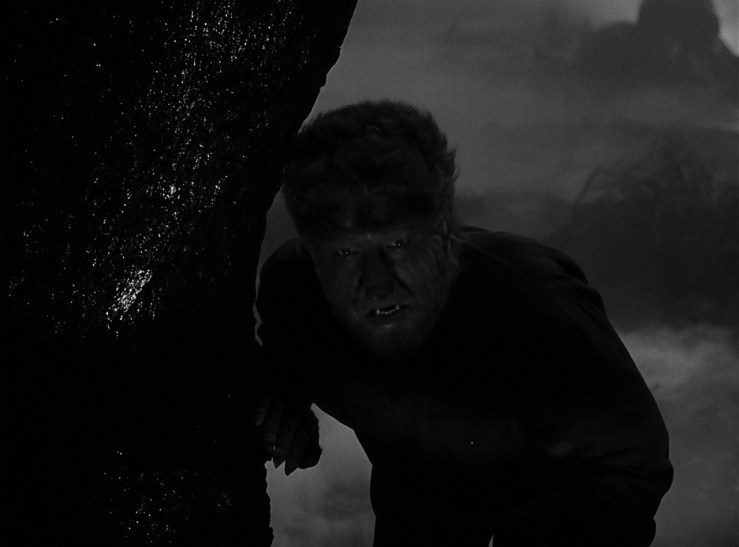
From The Wolf Man, 1941. Directed by George Waggner with cinematography by Joseph A. Valentine. Via Film Grab.
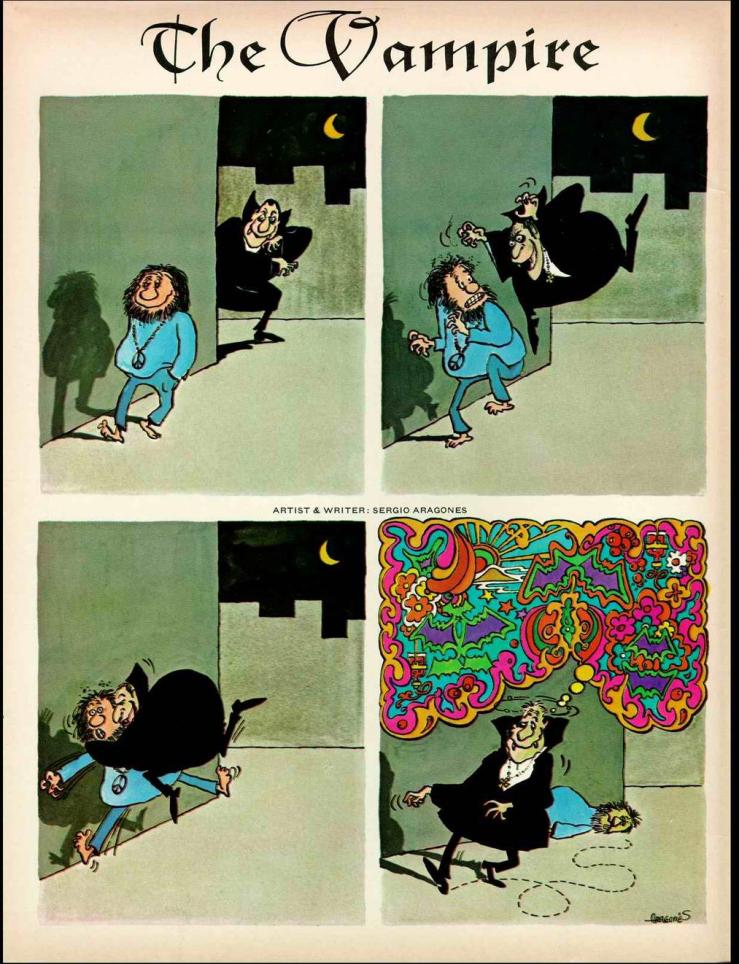
They walked on into the dark and they slept like dogs in the sand and had been sleeping so when something black flapped up out of the night ground and perched on Sproule’s chest. Fine fingerbones stayed the leather wings with which it steadied as it walked upon him. A wrinkled pug face, small and vicious, bare lips crimped in a horrible smile and teeth pale blue in the starlight. It leaned to him. It crafted in his neck two narrow grooves and folding its wings over him it began to drink his blood.
Not soft enough. He woke, put up a hand. He shrieked and the bloodbat flailed and sat back upon his chest and righted itself again and hissed and clicked its teeth.
The kid was up and had seized a rock but the bat sprang away and vanished in the dark. Sproule was clawing at his neck and he was gibbering hysterically and when he saw the kid standing there looking down at him he held out to him his bloodied hands as if in accusation and then clapped them to his ears and cried out what it seemed he himself would not hear, a howl of such outrage as to stitch a caesura in the pulsebeat of the world. But the kid only spat into the darkness of the space between them. I know your kind, he said. What’s wrong with you is wrong all the way through you.
—from Cormac McCarthy’s novel Blood Meridian
“All Hallow’s Eve”
by
Dorothea Tanning
Be perfect, make it otherwise.
Yesterday is torn in shreds.
Lightning’s thousand sulfur eyes
Rip apart the breathing beds.
Hear bones crack and pulverize.
Doom creeps in on rubber treads.
Countless overwrought housewives,
Minds unraveling like threads,
Try lipstick shades to tranquilize
Fears of age and general dreads.
Sit tight, be perfect, swat the spies,
Don’t take faucets for fountainheads.
Drink tasty antidotes. Otherwise
You and the werewolf: newlyweds.

 Biblioklept