
The Expulsion from Eden, c. 1900 by John Roddam Spencer Stanhope (1829–1908)
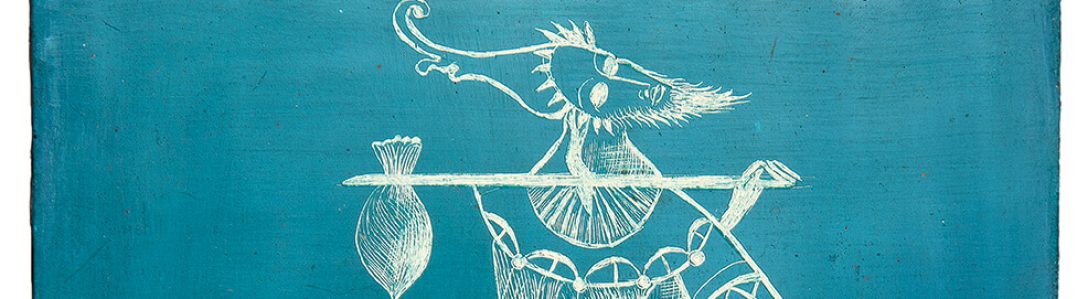
The Expulsion from Eden, c. 1900 by John Roddam Spencer Stanhope (1829–1908)
“An Experiment in Misery”
by
Stephen Crane
It was late at night, and a fine rain was swirling softly down, causing the pavements to glisten with hue of steel and blue and yellow in the rays of the innumerable lights. A youth was trudging slowly, without enthusiasm, with his hands buried deep in his trouser’s pockets, towards the down-town places where beds can be hired for coppers. He was clothed in an aged and tattered suit, and his derby was a marvel of dust-covered crown and torn rim. He was going forth to eat as the wanderer may eat, and sleep as the homeless sleep. By the time he had reached City Hall Park he was so completely plastered with yells of “bum” and “hobo,” and with various unholy epithets that small boys had applied to him at intervals, that he was in a state of the most profound dejection. The sifting rain saturated the old velvet collar of his overcoat, and as the wet cloth pressed against his neck, he felt that there no longer could be pleasure in life. He looked about him searching for an outcast of highest degree that they too might share miseries, but the lights threw a quivering glare over rows and circles of deserted benches that glistened damply, showing patches of wet sod behind them. It seemed that their usual freights had fled on this night to better things. There were only squads of well-dressed Brooklyn people who swarmed towards the bridge.
The young man loitered about for a time and then went shuffling off down Park Row. In the sudden descent in style of the dress of the crowd he felt relief, and as if he were at last in his own country. He began to see tatters that matched his tatters. In Chatham Square there were aimless men strewn in front of saloons and lodging-houses, standing sadly, patiently, reminding one vaguely of the attitudes of chickens in a storm. He aligned himself with these men, and turned slowly to occupy himself with the flowing life of the great street.
Through the mists of the cold and storming night, the cable cars went in silent procession, great affairs shining with red and brass, moving with formidable power, calm and irresistible, dangerful and gloomy, breaking silence only by the loud fierce cry of the gong. Two rivers of people swarmed along the side walks, spattered with black mud, which made each shoe leave a scar-like impression. Overhead elevated trains with a shrill grinding of the wheels stopped at the station, which upon its leg-like pillars seemed to resemble some monstrous kind of crab squatting over the street. The quick fat puffings of the engines could be heard. Down an alley there were sombre curtains of purple and black, on which street lamps dully glittered like embroidered flowers. Continue reading “Read “An Experiment in Misery,” a short story by Stephen Crane”
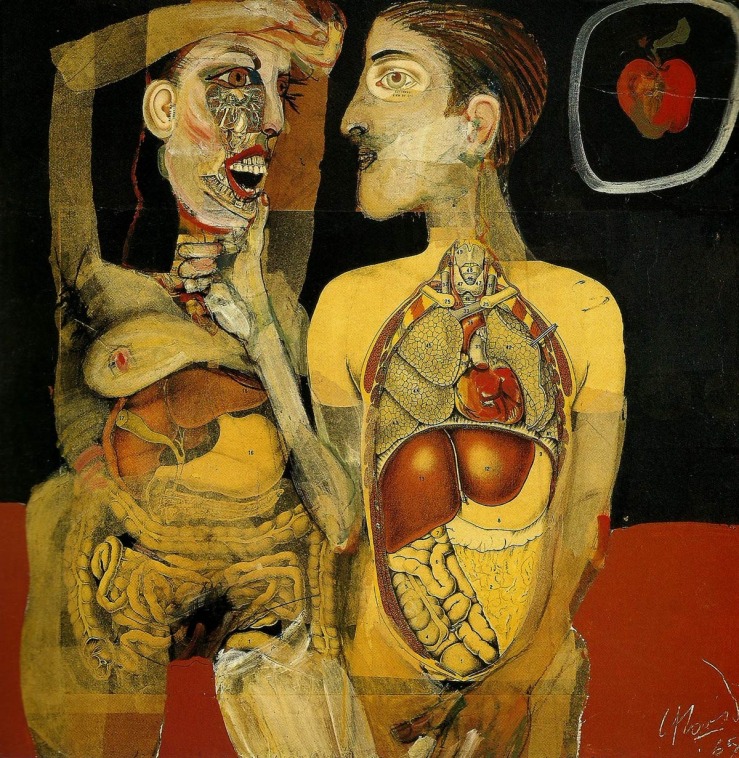
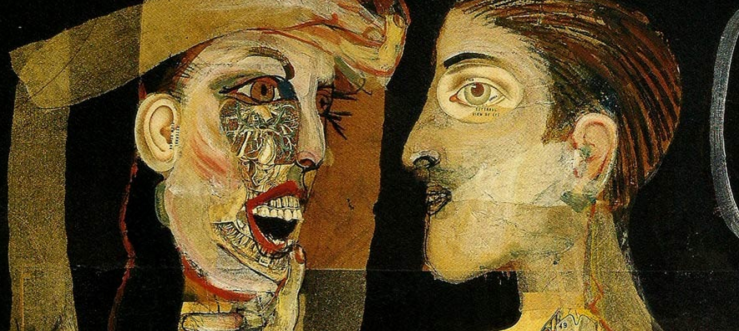


Adan y Eva (Adam and Eve), 1965 by Carlos Alonso (b. 1929)

You probably know Leonora Carrington for her rich, wry surrealist paintings, sculptures, drawings, and sketches. She also wrote rich, wry surrealist tales, which the good people at Dorothy have collected in The Complete Stories of Leonora Carrington.
I kind of flipped out when I first saw the publication announcement for this collection. Her work has been out of print for ages. Years ago, I found a samizdat copy of The Oval Lady (1975) on the internet (and shared some of the stories on this blog), and consumed it in an hour or two. Witty and weird, Carrington’s stuff defies easy allegory or staid symbolism. Her stories are fun but dark, paragraph unfurling into paragraph in a strange dream-logic that recalls her visual skill as a painter.
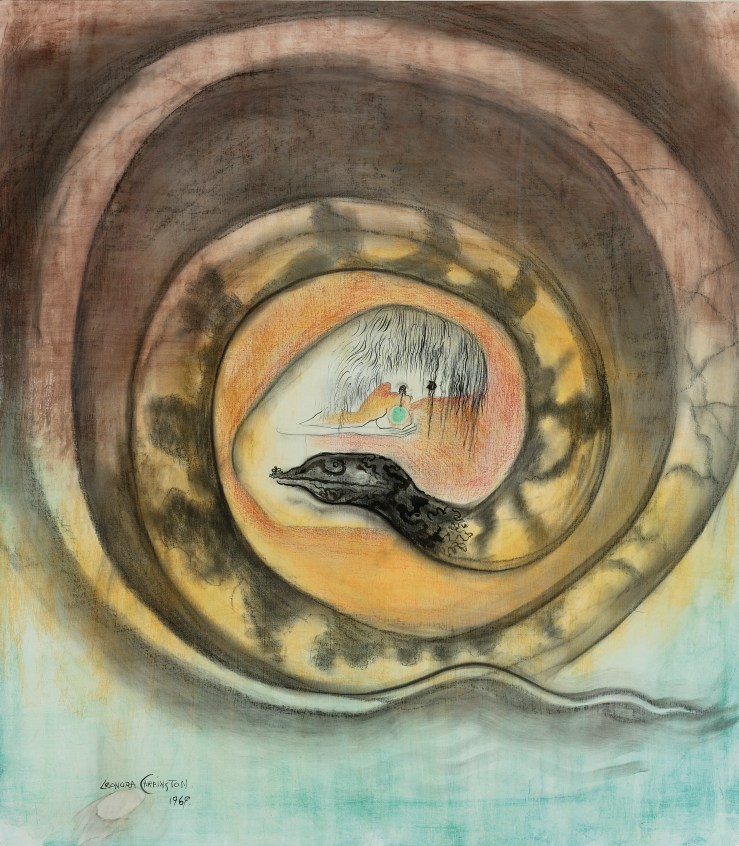
The Complete Stories is so complete that it contains a pawful of unpublished stories, including “Mr. Gregory’s Fly,” which you can read on LitHub. I’ve dipped into the stories a few times, reading slowly—Carrington’s sentences are loaded with imagery, rich, but somehow light and not dense. Full review to come, but for now, here’s Dorothy’s blurb (and a few paintings):
Surrealist writer and painter Leonora Carrington (1917-2011) was a master of the macabre, of gorgeous tableaus, biting satire, roguish comedy, and brilliant, effortless flights of the imagination. Nowhere are these qualities more ingeniously brought together than in the works of short fiction she wrote throughout her life.
Published to coincide with the centennial of her birth, The Complete Stories of Leonora Carrington collects for the first time all of her stories, including several never before seen in print. With a startling range of styles, subjects, and even languages (several of the stories are translated from French or Spanish), The Complete Stories captures the genius and irrepressible spirit of an amazing artist’s life.
Concurrent with The Complete Stories, the NYRBooks will be publishing Carrington’s memoir Down Below and her children’s book The Milk of Dreams.


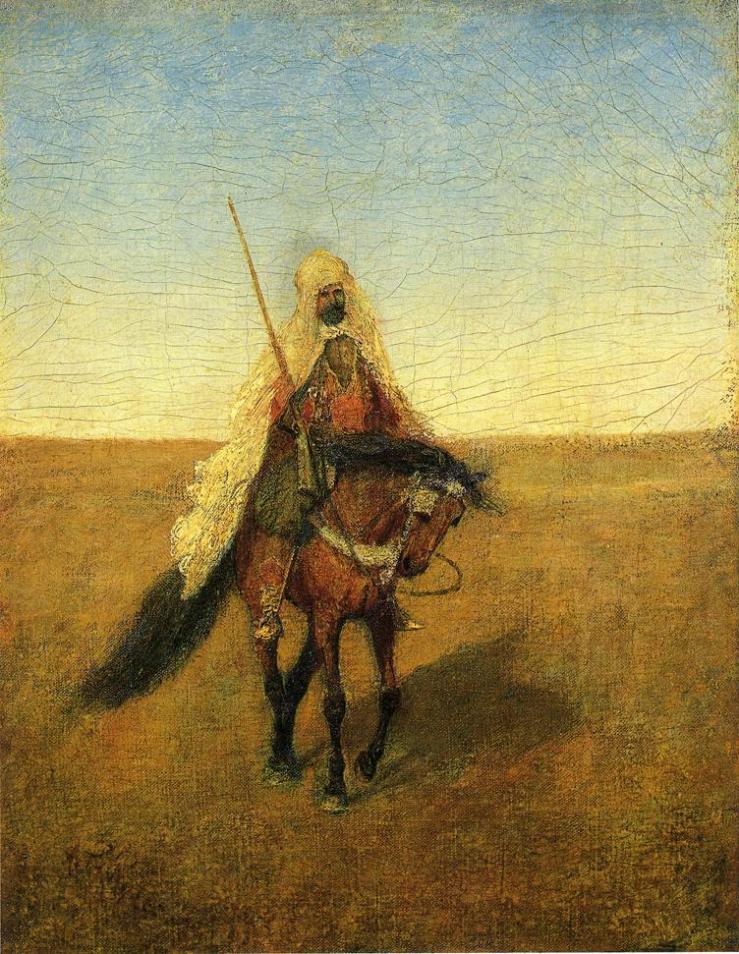

Kniendes Mädchen in orangerotem Kleid (Kneeling Girl in Orane Dress), 1910 by Egon Schiele (1890-1918)


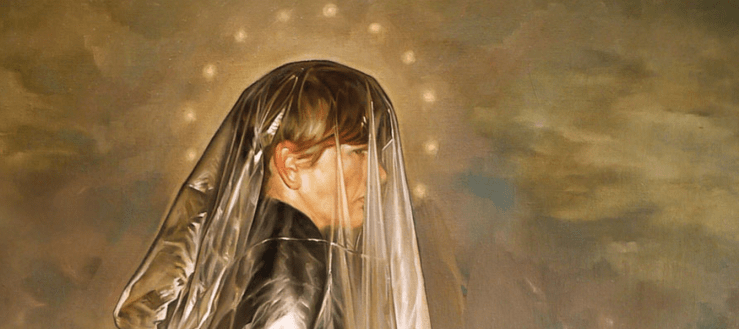
Encounter, 2017 by Niklas Asker (b. 1979)
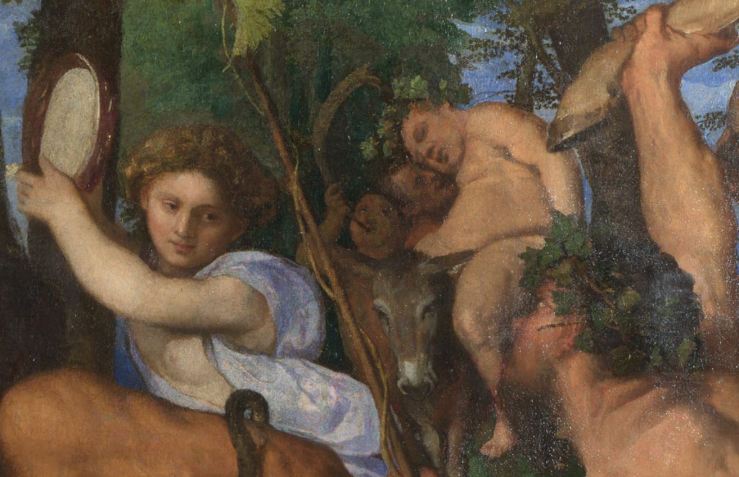
Bacchus and Ariadne (detail),1522–23 by Titian (c. 1488-1576)
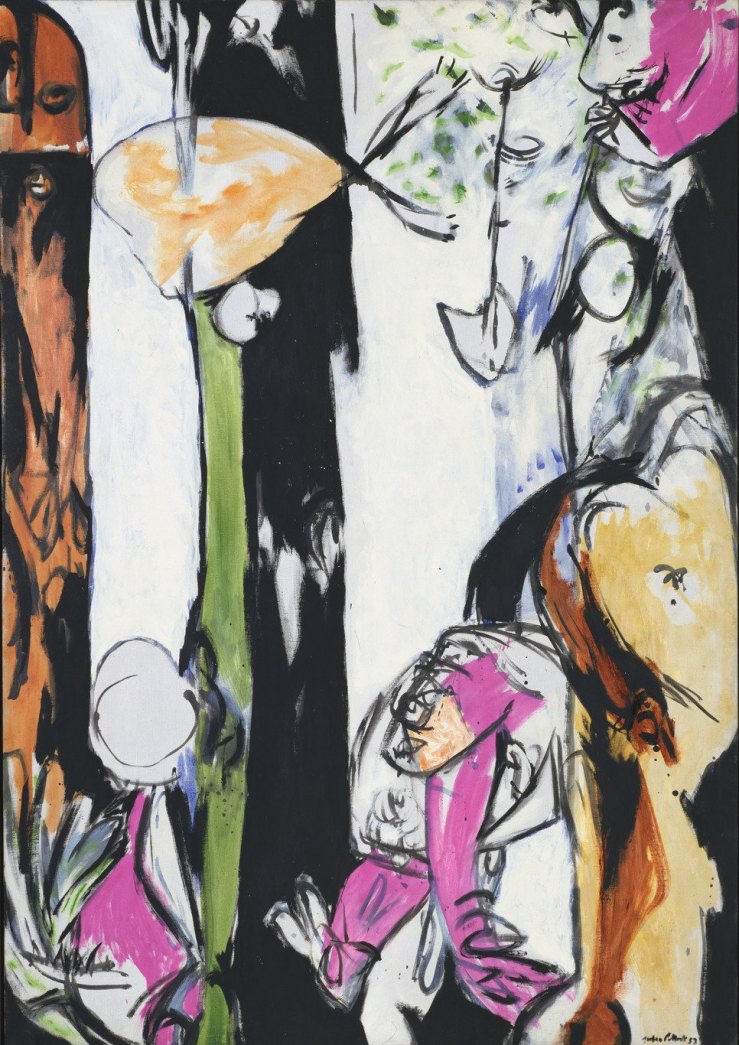
Easter and the Totem, 1953 by Jackson Pollock (1912-56)
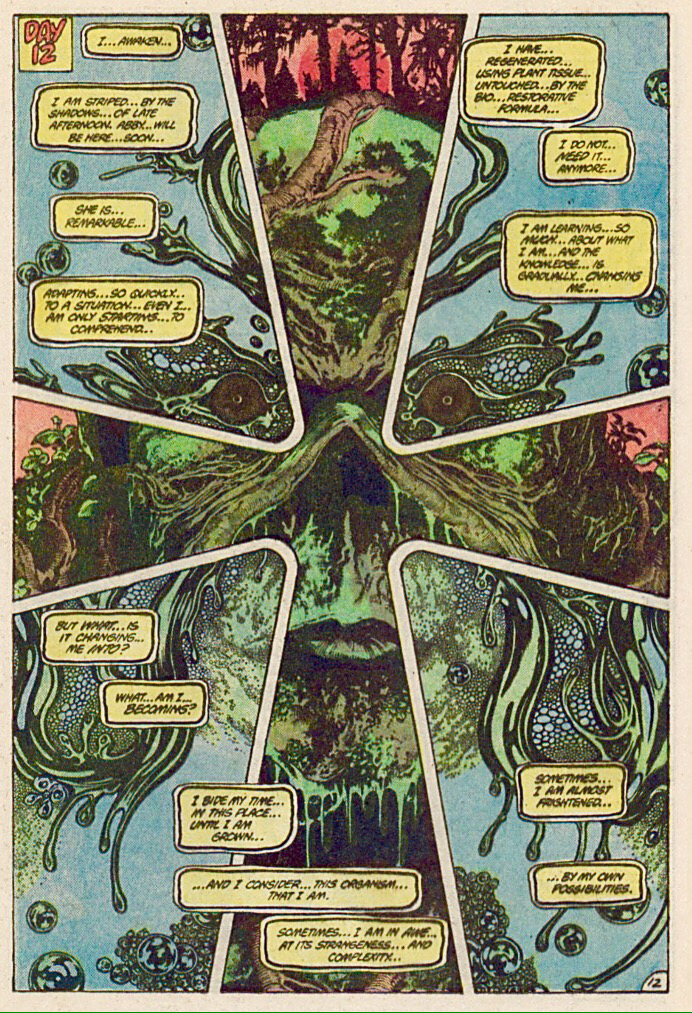
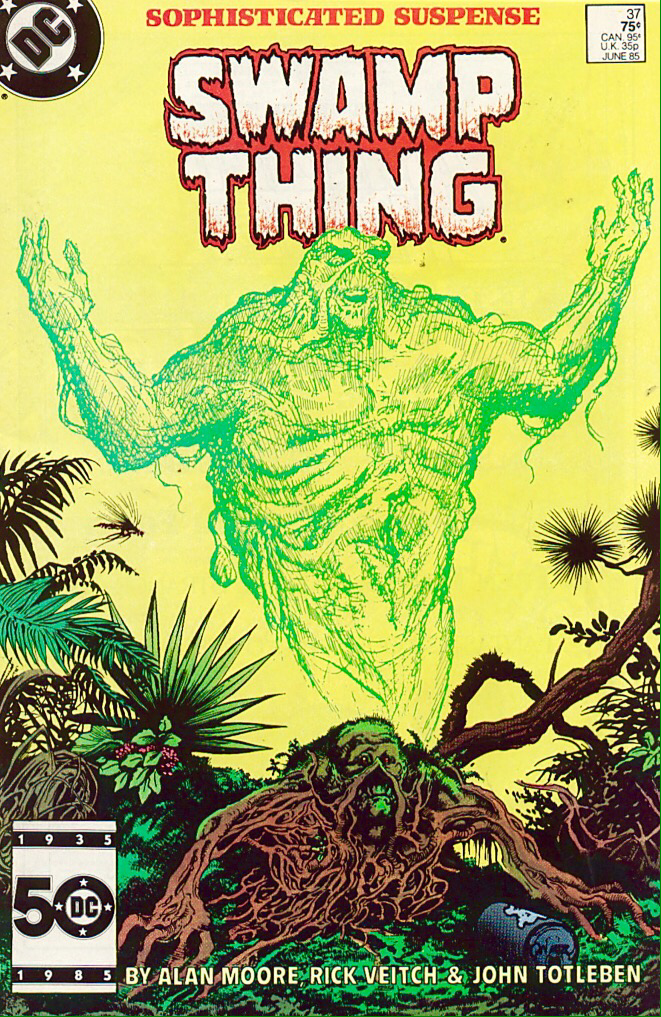
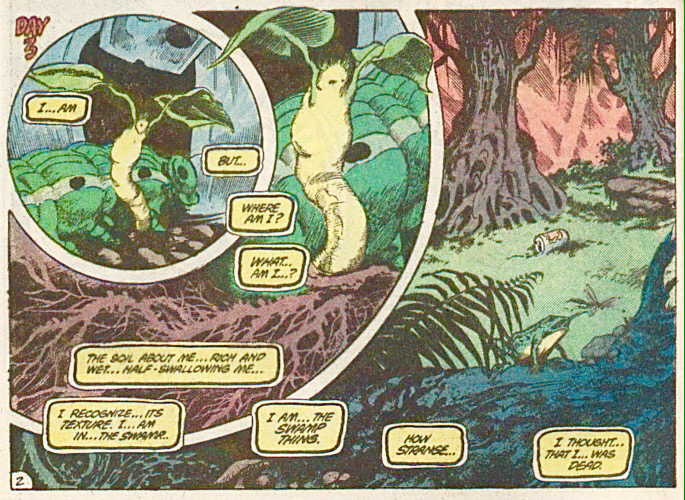
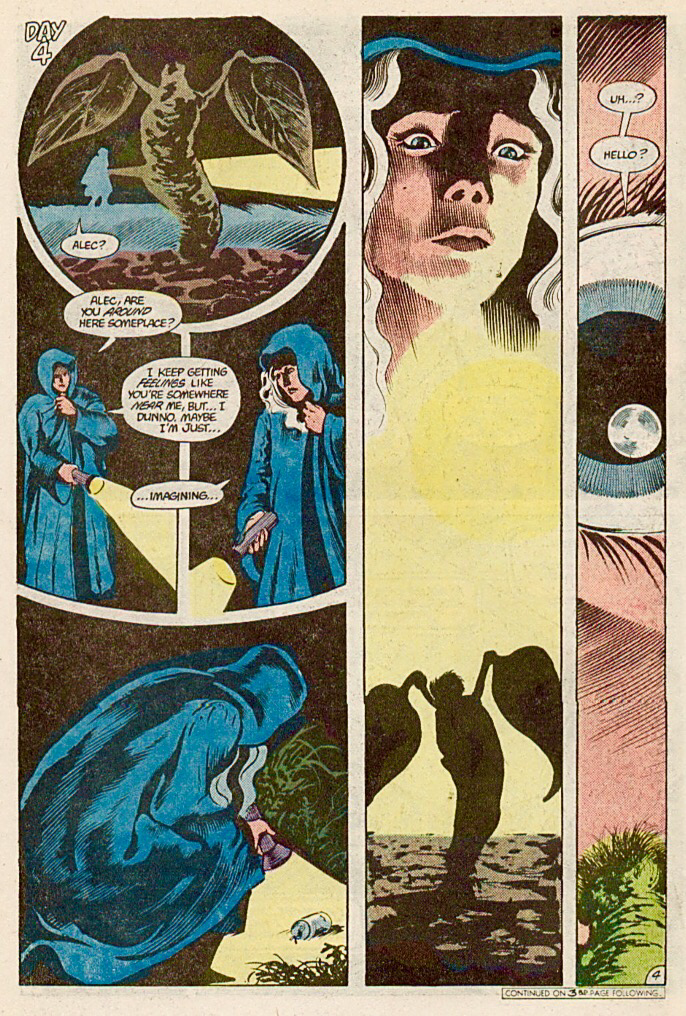
Some panels and the cover of Swamp Thing #37, June 1985. Script by Alan Moore; art by Rick Veitch and John Totleben with coloring by Tatjana Wood. It’s in this issue that Swamp Thing realizes he has the power to resurrect himself. Happy Easter!
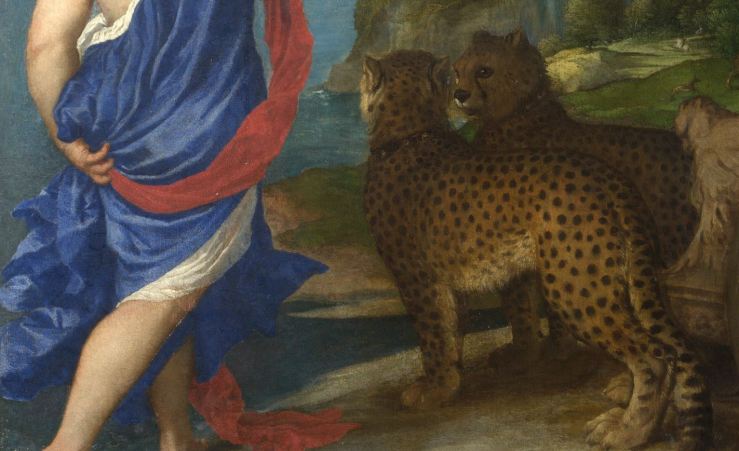
Bacchus and Ariadne (detail),1522–23 by Titian (c. 1488-1576)

Rabbit on a Train by Michael Sowa (b. 1945)

I surprised myself by picking up and rapidly reading Mikhail Bulgakov’s 1925 Soviet satire The Heart of a Dog this week. I read Michael Glenny’s translation (Harcourt Brace, 1968) at a quick clip, finding the novel propulsive and zany. I didn’t know anything about the plot beforehand, which I think helped me to enjoy the novel all the more. I liked The Heart of a Dog more than Bulgakov’s posthumously-published classic, The Master and Margarita. I had a rough idea of Master’s plot, whereas my ignorance of the events in The Heart of a Dog allowed me to ride along its zany track without loaded expectations. Perhaps this first paragraph is a way of saying: The Heart of a Dog is a quick, fun, funny read, probably better read without too much foregrounding.
A bit of foregrounding—not too much—The Heart of a Dog begins with the sad howl of a street mutt in Moscow. We’ll first get to know this dog as Sharik, and then later Poligraf Poligrafovich Sharikov. Sharik opens the novel: “Ooow-ow-ooow-owow! Oh, look at me, I’m dying.” The line is prescient and ironic: Our pup will, in time, be reborn as a human. The basic plot of The Heart of a Dog is a riff on Frankenstein. Eminent surgeon (and vocal critic of the Communist Party) Dr. Philip Philippovich Preobrazhensky finds the poor beast and restores him to the fattest health. Dr. Phil’s scheme though is a bit nefarious though. The not-quite-mad scientist, securing a thief’s corpse, trepans his poor dog’s skull and inserts the rogue’s pituitary gland. He then transplants the human’s testicles into the dog. Hormones and testes turn Sharik into a terrible shape-shifting speechifying brute, a mannerless boor who cannot be trained and who will not abstain from vodka. In time, Sharik (in the guise of Poligraf Poligrafovich) makes Dr. Phil’s life hell, leading the brief novel to its zany climax.
As with The Master and Margarita, I’m sure there was a lot that I missed in The Heart of a Dog. Undoubtedly, some of Bulgakov’s allusive jokes and jabs couldn’t land on my ignorant skull. What did come through though was a mean-but-fun satirical streak, a howling and yapping and biting at power, groupthink, philistinism, and hypocrisy. I liked the book.
I’ve just now (after having written that paragraph) gone back and read Michael Glenny’s April 1968 introduction to the novel (I always skip prefaces and intros). His final paragraph is far finer analysis than I can muster—but I can share it with you:
Like all the best satire, The Heart of a Dog can be read and relished in several ways: On one level it is a comic story of splendid absurdity; it also pokes fun at the discomforts, shortages, and anomalies of life in the Moscow of the twenties. But it has more profound meanings. It is a fierce parable about the Russian Revolution. The “dog” of the story is the Russian people, brutalized and exploited for centuries—treated, in fact, like animals instead of human beings. The weird surgeon, a specialist in rejuvenation (for “rejuvenation” read “revolution”), is the embodiment of the Communist Party—perhaps of Lenin himself—and the drastic transplant operation that he performs in order to transform the dog into the simulacrum of a human being is the revolution itself. In the story this modern Frankenstein is so appalled by the unredeemable beastliness of the creature he has conjured up that he reverses the process and turns his “new man” back into a dog. With this ending Bulgakov implies that he would like to see the whole ghastly experiment of the Revolution canceled out; unfortunately, successful revolutionaries, even when they realize their mistake, cannot reverse history by a stroke of the pen as an artist can with his fictional creatures. The bitter message is that the Russian intelligentsia, which made the Revolution, is hence-forth doomed to live with—and eventually be ruled by—the crude, unstable, and potentially brutal race of hominids—homo sovieticus—which it has called into being. Bulgakov saw the Revolution as a hideously misguided attempt to achieve the impossible—to change humankind. Man is brutish by nature, and “Soviet man,” he warns, is little more than a lout who has been led to believe he is the very pinnacle of creation. The results of giving power to such men will be disastrous; in fact, Stalin’s terror was carried out ten years later by exactly the sort of callous, brutal cretins that Bulgakov satirizes in this grimly prophetic story.
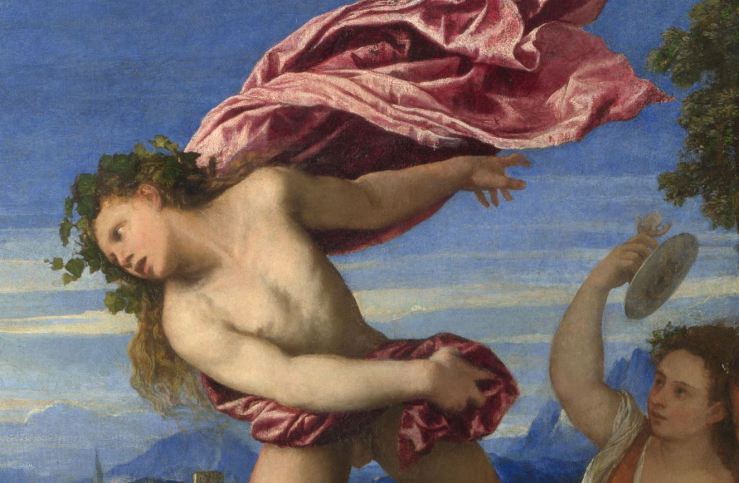
Bacchus and Ariadne (detail),1522–23 by Titian (c. 1488-1576)
 Biblioklept