Hunting with a Decoy — Francisco Goya

e494521a-d1a4-45f2-a4d9-0dab6e023cbf

Selections from One-Star Amazon Reviews of Elena Ferrante’s My Brilliant Friend

[Editorial note: The following citations come from one-star Amazon reviews Elena Ferrante’s novel My Brilliant Friend. I’ve preserved the reviewers’ original punctuation and spelling. I love Ferrante’s novel, by the way. More one-star Amazon reviews].


ugh

Odd book

too wordy

so violent

so bummed

Depressing

It’s a series

stupid critics

Maybe terrific

I was so board

Did outline it all

I loved this book

It simply ended!!

So many characters

Too many characters

Not so Good this time

like Twitter on steroids

angst-filled adolescence

I’m an uncultured swine

Everyone in our book club

reading it for my book club

the ending was a dirty trick

there are over 40 characters

Riddled with punctuation errors

Chick lit with no plot or substance

This book is an exercise in despair

I was looking forward to this trilogy

by far the worst book I have every read

Of course it’s a matter of personal taste

the characters were not very nice people

I consider family sagas my favorite genre

endless clusters of names, names, names

Italian names that are difficult to remember

the characters are unlikable (and confusing)

we finished it only because it was Book Club

I damned near tore out what’s left of my hair

too many characters none of whom are likable

a story of domestic violence and male dominance

This book could not have been written by a woman

the main characters are interdependent in a very sick way

Boring and couldn’t Finnish it despite raves from others.?

Just couldn’t get past the violence and disrespect of people

found myself having to look back to figure out who was who

the two central characters may have been intended to be complex and interesting (and may be across the series) they were boorish and flat

the narrator was dryly describing events, as opposed to us being shown what happens through her interaction with characters and the world around her

the struggle of two smart intelligent girls to escape their poor brutal neighborhood in vain

basically a long list of long Italian names and stereotypes

one of my favorite books is The Brothers Karamazov

Just one self-absorbed observation after another

This book could not have been written by a man

WAY too many characters to keep track of

One of the best books I have ever read!

discussing it at my book club this week

an indulgent description of characters

the words did not flow in an easy way

If there were a zero stars rating

I read a lot in a variety if genres

her prose is dry and impersonal

meandering, fancy Chick Lit

it is the first part of a series

I am an English teacher

the characters are dark

what a very long book

choppy and uneven

too many charactors

more of a YA book

tooooo long !!!’n

laborious at best

like a soap opera

wonderful book

my book club

dix no finish

pure drivel

Pure trash

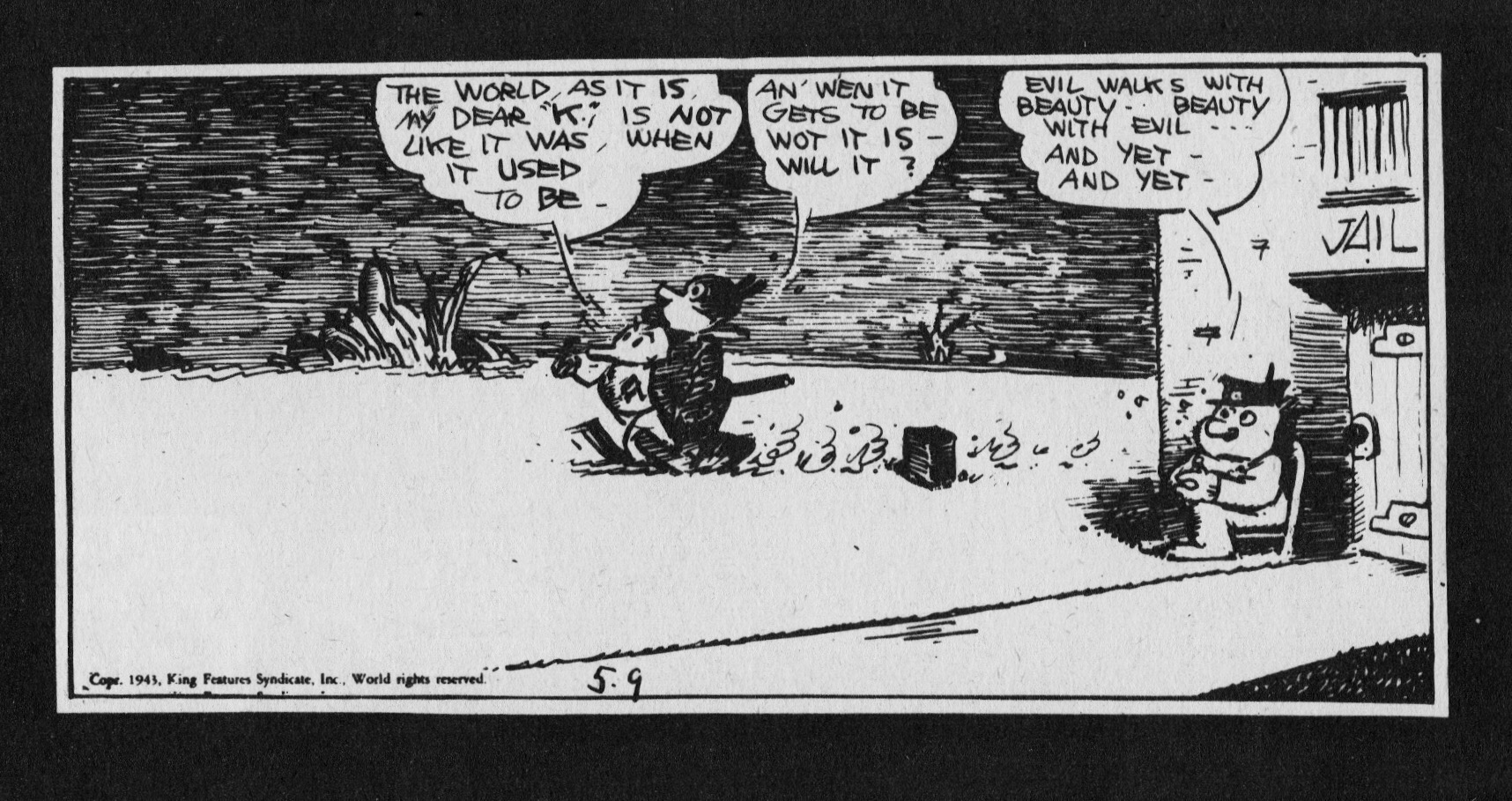
Evil walks with beauty (George Herriman’s Krazy Kat)

img_2417

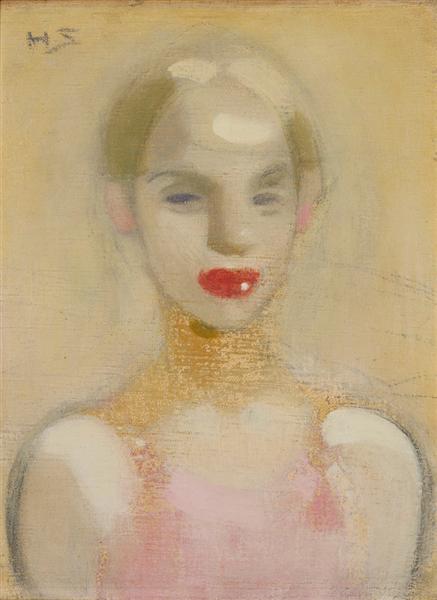
Circus Girl — Helene Schjerfbeck

circus-girl-1916large

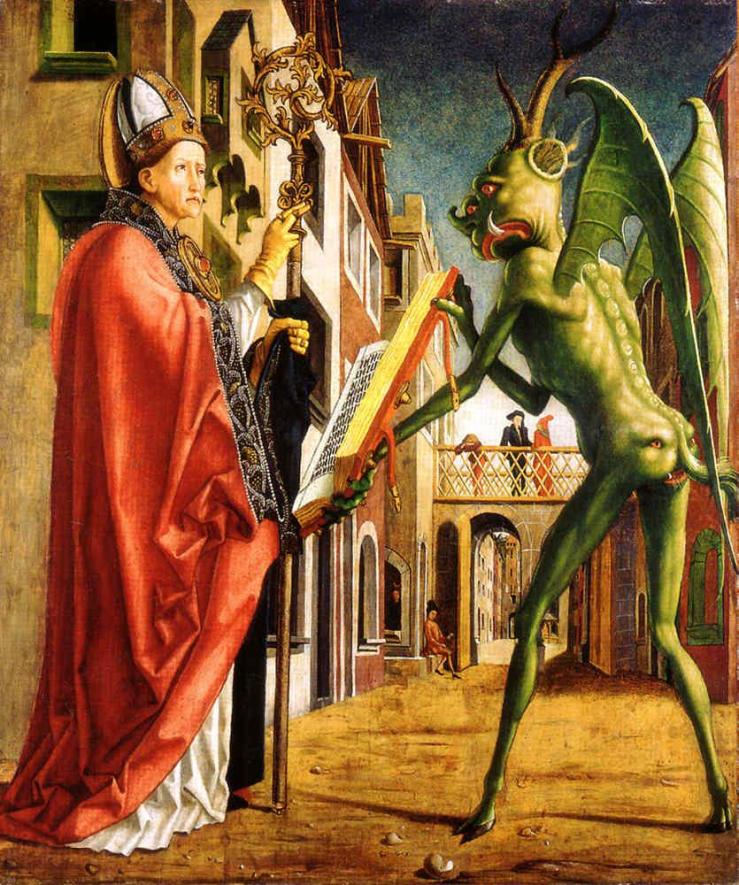
St. Wolfgang and the Devil — Michael Pacher

21272_71fd7e7469f7e841516ffd0264ff8361_large

Messaging — Leonard Koscianski

messaging_web

Loss of the Lisbon Rhinoceros — Walton Ford

walton_ford_uncropped__496982a

Brad Watson’s Miss Jane (Book acquired, 5.12.2016)

Brad Watson’s novel Miss Jane is forthcoming in hardback from W.W. Norton this July. Their blurb:

Astonishing prose brings to life a forgotten woman and a lost world in a strange and bittersweet Southern pastoral.

Since his award-winning debut collection of stories, Last Days of the Dog- Men, Brad Watson has been expanding the literary traditions of the South, in work as melancholy, witty, strange, and lovely as any in America. Inspired by the true story of his own great-aunt, he explores the life of Miss Jane Chisolm, born in rural, early-twentieth-century Mississippi with a genital birth defect that would stand in the way of the central “uses” for a woman in that time and place—namely, sex and marriage.

From the country doctor who adopts Jane to the hard tactile labor of farm life, from the highly erotic world of nature around her to the boy who loved but was forced to leave her, the world of Miss Jane Chisolm is anything but barren. Free to satisfy only herself, she mesmerizes those around her, exerting an unearthly fascination that lives beyond her still.

The Ark of Odysseus — Rudolf Hausner

b1043_z_artist_monographs_fantastic_realism_rudolf_hausner_2

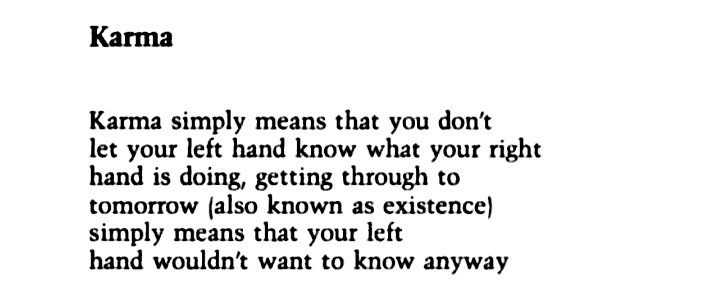
“Karma” — Tom Clark

karma

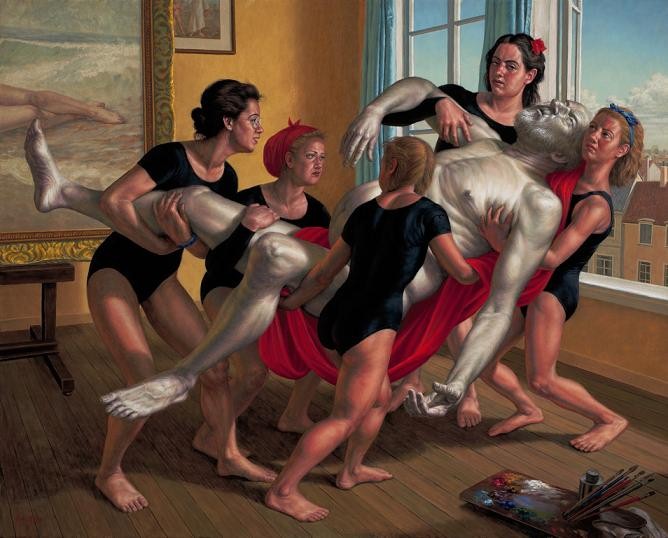
The Death of William Adolphe Bouguereau — F. Scott Hess

hess024

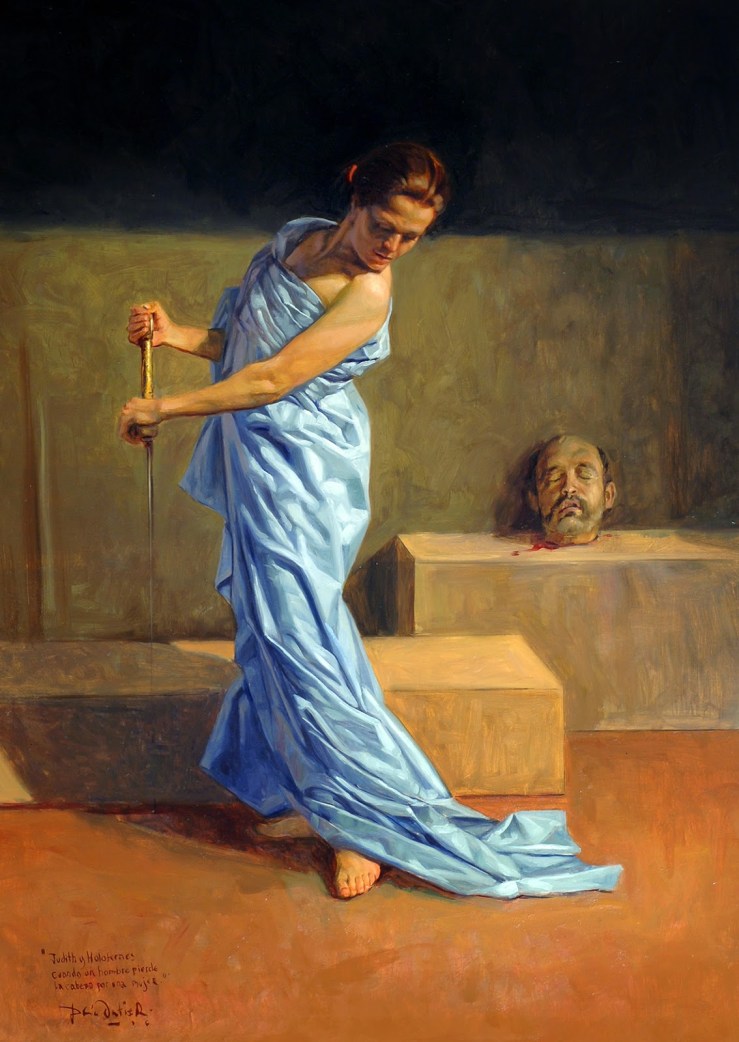
Judith and Holofernes — Dario Ortiz

d09ed0a0d0a29

Read a short story by Witold Gombrowicz

Witold Gombrowicz’s (very) short story “The Tragic Tale of the Baron and His Wife” is up at The Paris Review (translation by Tul’si Bhambry). First section of the story—

The Baroness was a charming creature. The Baron had taken her from a family of high principles and had no reason to mistrust her, despite the fact that the tooth of time had already gnawed into him quite deeply . . . And yet a disquieting element of grace and charm lay dormant within her, which could easily complicate the practical application of the Baron’s imponderabilia (since the Baron was a bit of a stickler). One day, after a period of conjugal life graced with the quiet bliss of marital duty, the Baroness came running to her husband and threw her arms around his neck. “I think I ought to tell you this. Henryk has fallen in love with me . . . Yesterday he declared himself to me, so quickly and suddenly that I had no time to stop him.”

“And are you in love with him, too?” he asked.

“No, I don’t love him, because I have pledged my love to you,” she replied.

“Very well then,” he said. “If you are in love with him but do not love him because it is your duty to love me, then my esteem for you doubles and I love you twice as much. And the young chap’s suffering is a well-­deserved punishment for his weakness of character—losing his heart to a married woman! Principles, my dear! Should he ever make another declaration of love, tell him that you also have a declaration to make—but of principles. A man of unshakable principles can walk through life with his head held high.”

Read the rest of “The Tragic Tale of the Baron and His Wife.”

The Little Street — Johannes Vermeer

the-little-streethd

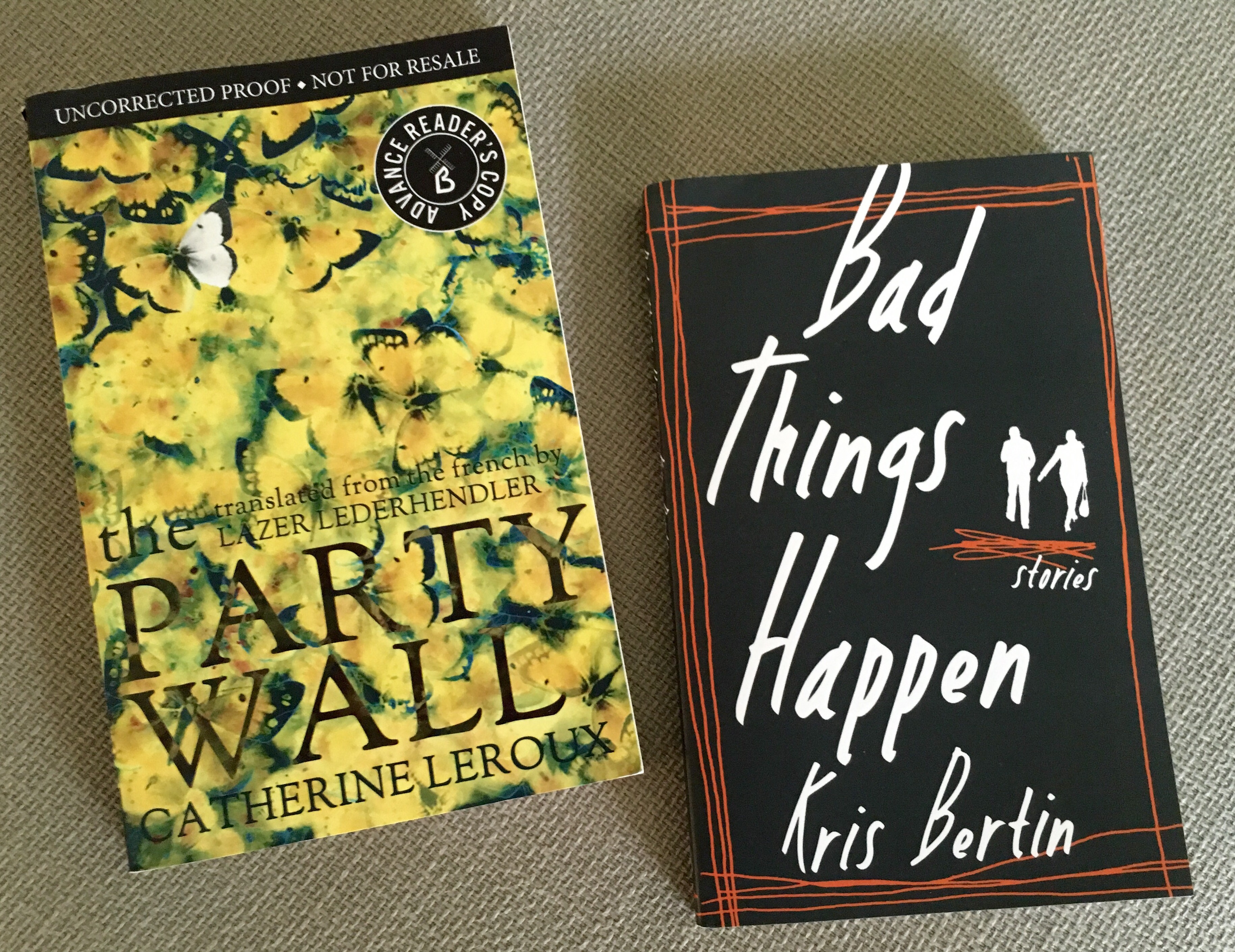
Party Wall/Bad Things Happen (Books acquired, 05.10.2016)

Two new ones from Biblioasis.

Party Wall is a novel by Catherine Leroux (English translation by Lazer Lederhendler). The blurb:

Catherine Leroux’s The Party Wall shifts between and ties together stories about pairs joined in surprising ways. A woman learns that she may not be the biological mother of her own son despite having given birth to him; a brother and sister unite, as their mother dies, to search for their long-lost father; two young sisters take a detour home, unaware of the tragedy that awaits; and a political couple—when the husband accedes to power in a post-apocalyptic future state—is shaken by the revelation of their own shared, if equally unknown, history.

Lyrical, intelligent, and profound, The Party Wall is luminously human, a surreally unforgettable journey through the barriers that can both separate us and bring us together.


And Bad Things Happen, a story collection by Kris Bertin. The blurb:

The characters in Bad Things Happen—professors, janitors, webcam models, small-time criminals—are between things. Between jobs and marriages, states of sobriety, joy and anguish; between who they are and who they want to be. Kris Bertin’s unforgettable debut introduces us to people at the tenuous moment before everything in their lives change, for better or worse.

The hoary periwigs of dandelions gone to seed | Nathaniel Hawthorne’s journal entry for May 23, 1851

May 23d.–I think the face of nature can never look more beautiful than now, with this so fresh and youthful green,–the trees not being fully in leaf, yet enough so to give airy shade to the woods. The sunshine fills them with green light. Monument Mountain and its brethren are green, and the lightness of the tint takes away something from their massiveness and ponderosity, and they respond with livelier effect to the shine and shade of the sky. Each tree now within sight stands out in its own individuality of hue. This is a very windy day, and the light shifts with magical alternation. In a walk to the lake just now with the children, we found abundance of flowers,–wild geranium, violets of all families, red columbines, and many others known and unknown, besides innumerable blossoms of the wild strawberry, which has been in bloom for the past fortnight. The Houstonias seem quite to overspread some pastures, when viewed from a distance. Not merely the flowers, but the various shrubs which one sees,–seated, for instance, on the decayed trunk of a tree,–are well worth looking at, such a variety and such enjoyment they have of their new growth. Amid these fresh creations, we see others that have already run their course, and have done with warmth and sunshine,–the hoary periwigs, I mean, of dandelions gone to seed.

Nathaniel Hawthorne’s journal entry for May 23, 1851. From Passages from the American Note-Books.