Three Books

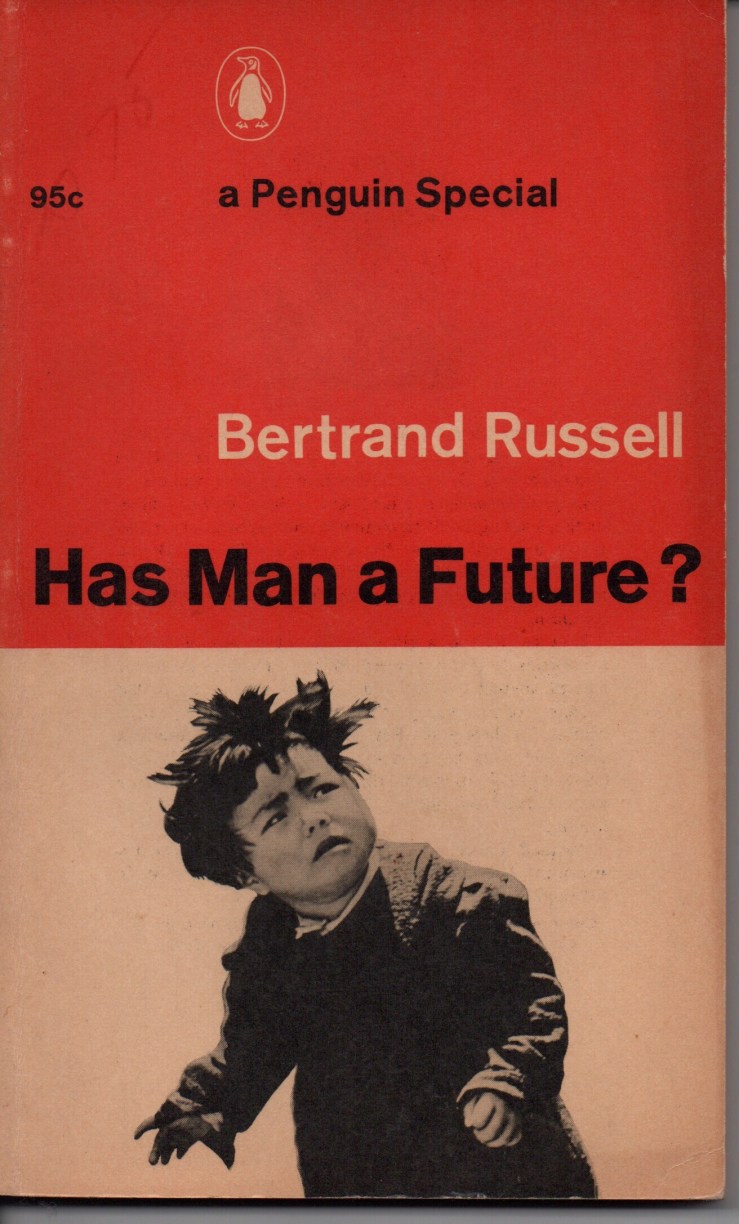
img_1947

Has Man a Future? by Bertrand Russell. 1961 Penugin U.S. paperback. Cover design by Richard Hollis, using a photo credited to USIS.

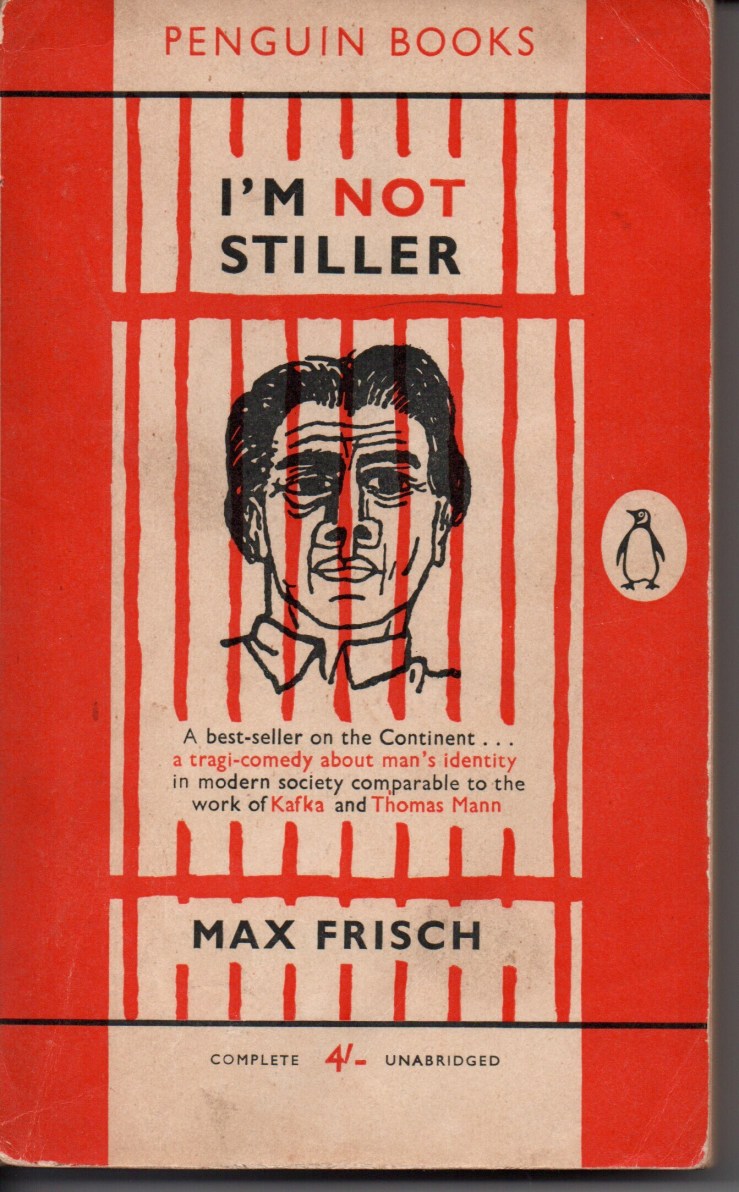
img_1949

I’m Not Stiller by Max Frisch. English translation by Michael Bullock. 1961 Penguin paperback (Great Britain). Cover by John Griffiths.

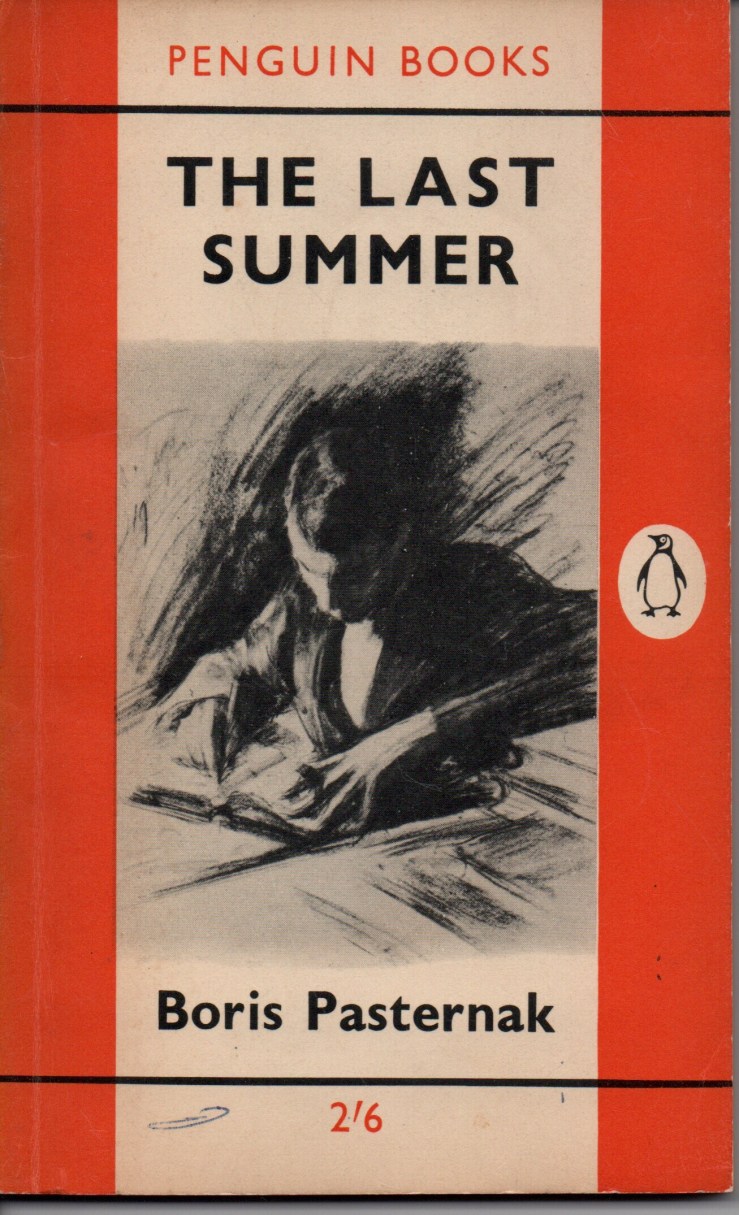
img_1946

The Last Summer by Boris Pasternak. English translation by George Reavey. 1961 Penguin paperback (Great Britain). Cover illustration of the author by his father, Leonid Pasternak.

Read “In the Red Room” by Paul Bowles

“In the Red Room”

by

Paul Bowles


When I had a house in Sri Lanka, my parents came out one winter to see me. Originally I had felt some qualms about encouraging their visit. Any one of several things–the constant heat, the unaccustomed food and drinking water, even the presence of a leprosy clinic a quarter of a mile from the house might easily have an adverse effect on them in one way or another. But I had underestimated their resilience; they made a greater show of adaptability than I had thought possible, and seemed entirely content with everything. They claimed not to mind the lack of running water in the bathrooms, and regularly praised the curries prepared by Appuhamy, the resident cook. Both of them being in their seventies, they were not tempted by the more distant or inaccessible points of interest. It was enough for them to stay around the house reading, sleeping, taking twilight dips in the ocean, and going on short trips along the coast by hired car. If the driver stopped unexpectedly at a shrine to sacrifice a coconut, they were delighted, and if they came upon a group of elephants lumbering along the road, the car had to be parked some distance up ahead, so that they could watch them approach and file past. They had no interest in taking photographs, and this spared me what is perhaps the most taxing duty of cicerone: the repeated waits while the ritual between man and machine is observed. They were ideal guests.

Colombo, where all the people I knew lives, was less than a hundred miles away. Several times we went up for weekends, which I arranged with friends by telephone beforehand. There we had tea on the wide verandas of certain houses in Cinnamon Gardens, and sat at dinners with professors from the university, Protestant ministers, and assorted members of the government. (Many of the Sinhalese found it strange that I should call my parents by their first names, Dodd and Hannah; several of them inquired if I were actually their son or had been adopted.) These weekends in the city were hot and exhausting, and they were always happy to get back to the house, where they could change into comfortable clothing.

One Sunday not long before they were due to return to America, we decided to take in the horse races at Gintota, where there are also some botanical gardens that Hannah wanted to see. I engaged rooms at the New Oriental in Galle and we had lunch there before setting out.

As usual, the events were late in starting. It was the spectators, in any case, who were the focus of interest. The phalanx of women in their shot-silk saris moved Hannah to cries of delight. The races themselves were something of a disappointment. As we left the grounds, Dodd said with satisfaction: It’ll be good to get back to the hotel and relax.

But we were going to the botanical gardens, Hannan reminded him. I’d like to have just a peek at them. Continue reading “Read “In the Red Room” by Paul Bowles”

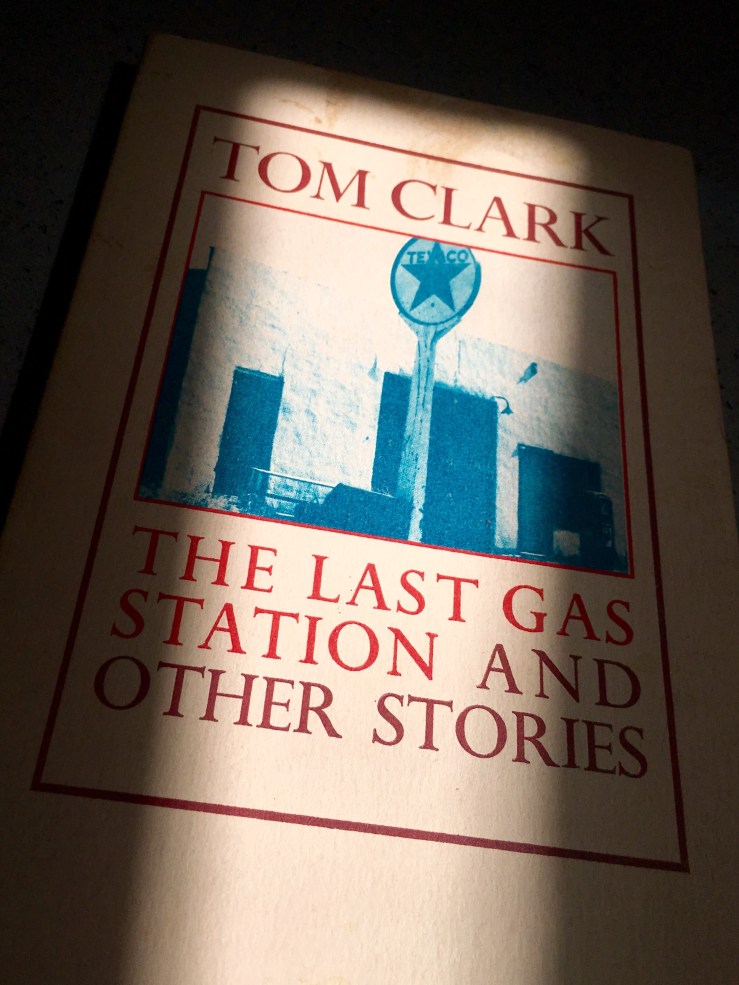
Tom Clark stories (Book acquired, 4.09.2016)

img_1945

Mitch Hedberg…Outside!

Danae — Max Slevogt

danaeblog

“All art constantly aspires towards the condition of music”

Portrait of a Lady Spinning — Maerten van Heemskerck

portrait-of-a-lady-spinninghalfhd

Nathaniel Hawthorne’s journal entry for April 7th, 1840

April 7th.–It appears to me to have been the most uncomfortable day that ever was inflicted on poor mortals. . . . Besides the bleak, unkindly air, I have been plagued by two sets of coal-shovelers at the same time, and have been obliged to keep two separate tallies simultaneously. But I was conscious that all this was merely a vision and a fantasy, and that, in reality, I was not half frozen by the bitter blast, nor tormented by those grimy coal-heavers, but that I was basking quietly in the sunshine of eternity, . . . Any sort of bodily and earthly torment may serve to make us sensible that we have a soul that is not within the jurisdiction of such shadowy demons,–it separates the immortal within us from the mortal. But the wind has blown my brains into such confusion that I cannot philosophize now.

Nathaniel Hawthorne’s journal entry for April 7th, 1840.

“For a Coming Extinction” — W.S. Merwin

“For a Coming Extinction”
by
W.S. Merwin

Gray whale
Now that we are sending you to The End
That great god
Tell him
That we who follow you invented forgiveness
And forgive nothing


I write as though you could understand
And I could say it
One must always pretend something
Among the dying
When you have left the seas nodding on their stalks
Empty of you
Tell him that we were made
On another day


The bewilderment will diminish like an echo
Winding along your inner mountains
Unheard by us
And find its way out
Leaving behind it the future
Dead
And ours


When you will not see again
The whale calves trying the light
Consider what you will find in the black garden
And its court
The sea cows the Great Auks the gorillas
The irreplaceable hosts ranged countless
And fore-ordaining as stars
Our sacrifices


Join your word to theirs
Tell him
That it is we who are important

Pasteque no. 2 – Rufino Tamayo

Rufino Tamayo - Pasteque 2

Beheading of St. Catherine — Albrecht Altdorfer

beheading-of-st-catherine-1506hd

Lydia Davis’s “In a House Beseiged,” visually adapted by Roman Muradov

housebeseiged1-1

Enjoy the rest of Roman Muradov’s visual adaptation of Lydia Davis’s microfiction at The Paris Review.

RIP Merle Haggard

RIP Merle Haggard, 1937-2016. One of the realest.

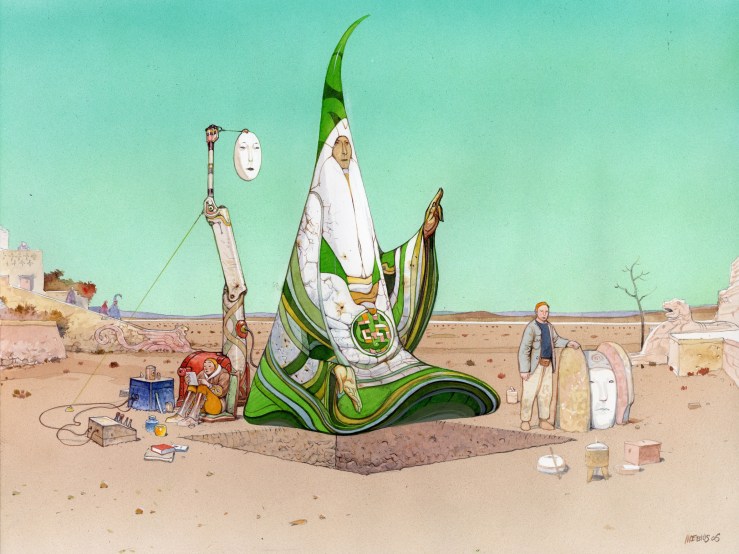
Levitation — Moebius

dessinmoebius

The reason the Dead do not return nowadays is the boredom of it | “On the Return of the Dead,” Hilaire Belloc

“On the Return of the Dead”

by

Hilaire Belloc

from On Nothing and Kindred Subjects (1908)


The reason the Dead do not return nowadays is the boredom of it.

In the old time they would come casually, as suited them, without fuss and thinly, as it were, which is their nature; but when such visits were doubted even by those who received them and when new and false names were given them the Dead did not find it worth while. It was always a trouble; they did it really more for our sakes than for theirs and they would be recognised or stay where they were.

I am not certain that they might not have changed with the times and come frankly and positively, as some urged them to do, had it not been for Rabelais’ failure towards the end of the Boer war. Rabelais (it will be remembered) appeared in London at the very beginning of the season in 1902. Everybody knows one part of the story or another, but if I put down the gist of it here I shall be of service, for very few people have got it quite right all through, and yet that story alone can explain why one cannot get the dead to come back at all now even in the old doubtful way they did in the ’80’s and early ’90’s of the last century.

There is a place in heaven where a group of writers have put up a colonnade on a little hill looking south over the plains. There are thrones there with the names of the owners on them. It is a sort of Club.

Rabelais was quarrelling with some fool who had missed fire with a medium and was saying that the modern world wanted positive unmistakable appearances: he said he ought to know, because he had begun the modern world. Lucian said it would fail just as much as any other way; Rabelais hotly said it wouldn’t. He said he would come to London and lecture at the London School of Economics and establish a good solid objective relationship between the two worlds. Lucian said it would end badly. Rabelais, who had been drinking, lost his temper and did at once what he had only been boasting he would do. He materialised at some expense, and he announced his lecture. Then the trouble began, and I am honestly of opinion that if we had treated the experiment more decently we should not have this recent reluctance on the part of the Dead to pay us reasonable attention.

In the first place, when it was announced that Rabelais had returned to life and was about to deliver a lecture at the London School of Economics, Mrs. Whirtle, who was a learned woman, with a well-deserved reputation in the field of objective psychology, called it a rumour and discredited it (in a public lecture) on these three grounds:

(a) That Rabelais being dead so long ago would not come back to life now.

(b) That even if he did come back to life it was quite out of his habit to give lectures.

(c) That even if he had come back to life and did mean to lecture, he would never lecture at the London School of Economics, which was engaged upon matters principally formulated since Rabelais’ day and with which, moreover, Rabelais’ “essentially synthetical” mind would find a difficulty in grappling. Continue reading “The reason the Dead do not return nowadays is the boredom of it | “On the Return of the Dead,” Hilaire Belloc”

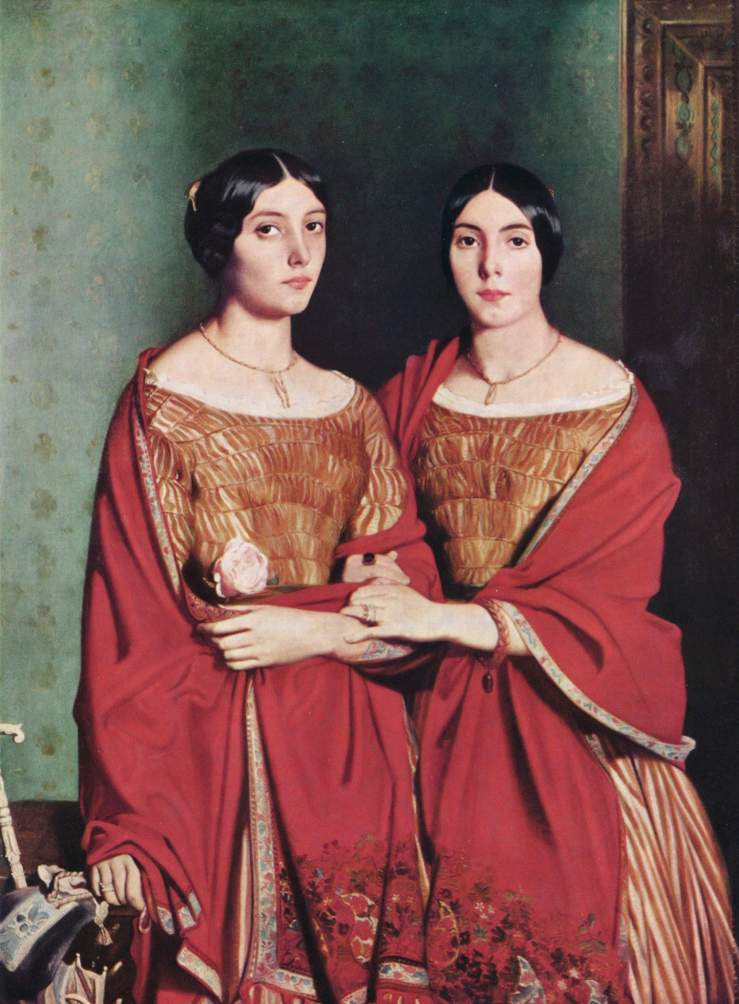
The Two Sisters — Theodore Chasseriau

thc3a9odore_chassc3a9riau_003