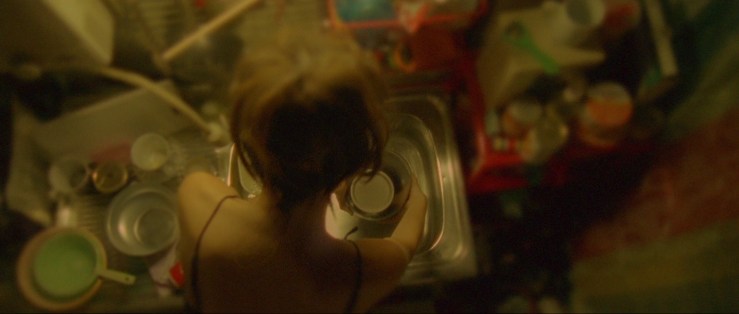
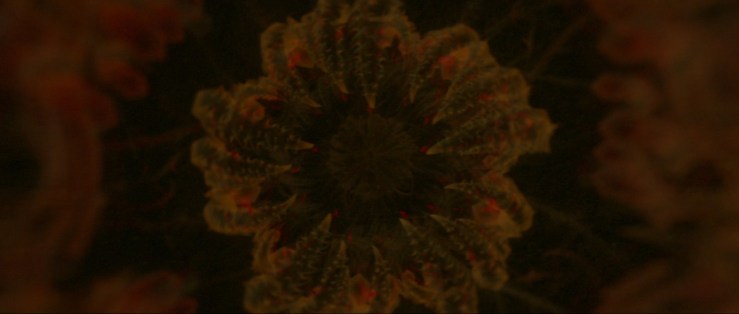
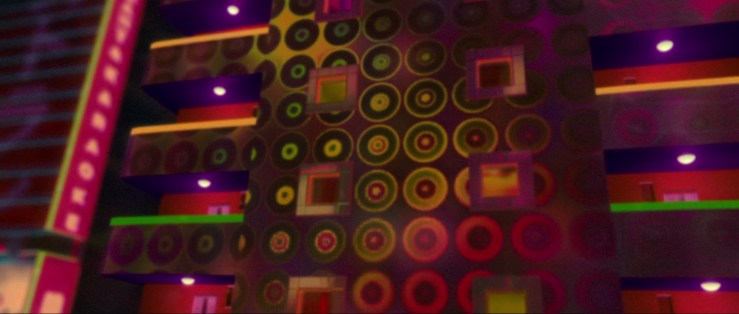
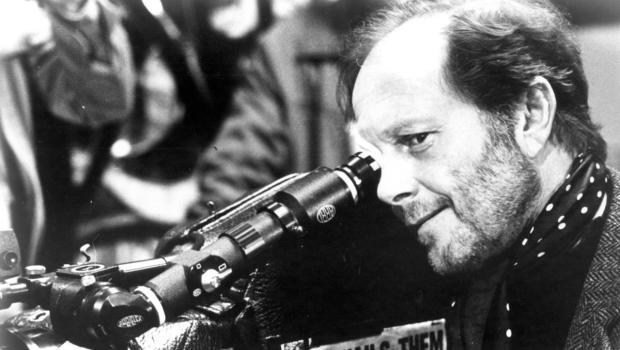
Ishmael Reed at the Brockport Writers Forum, 1974

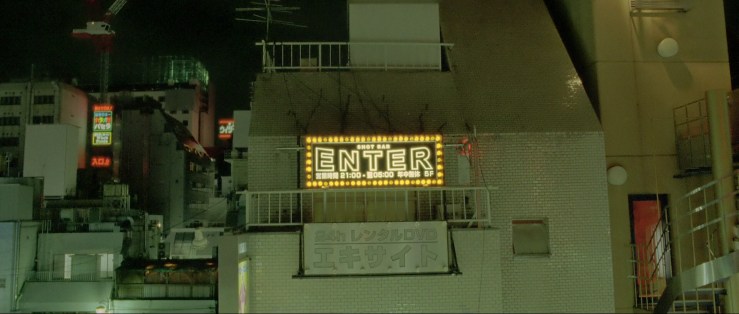
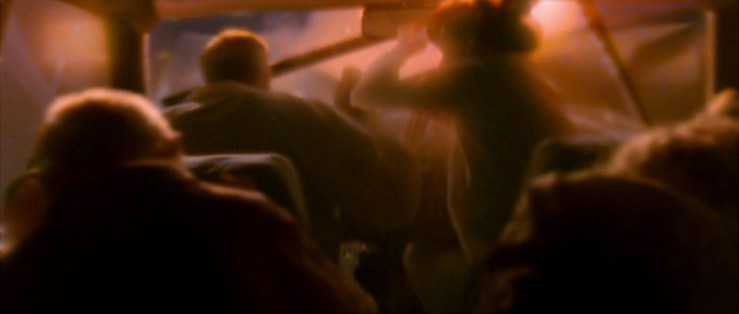
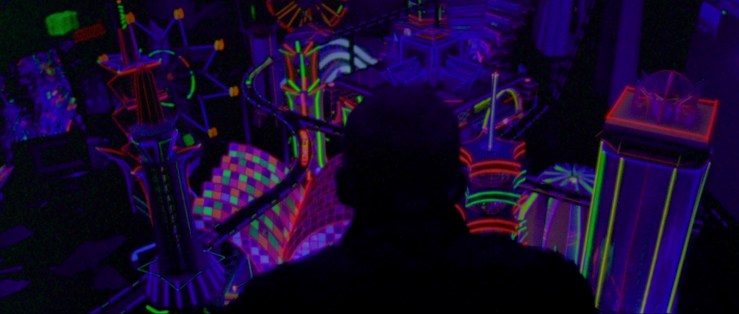
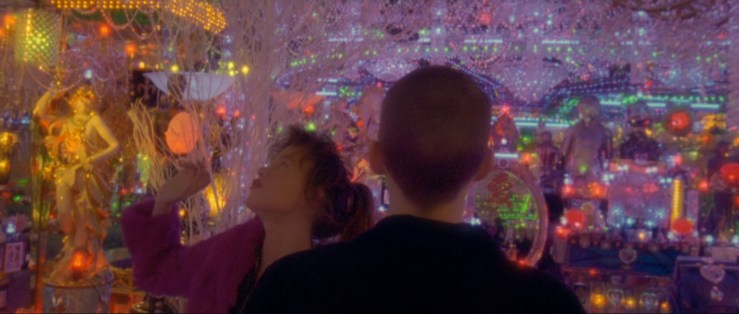
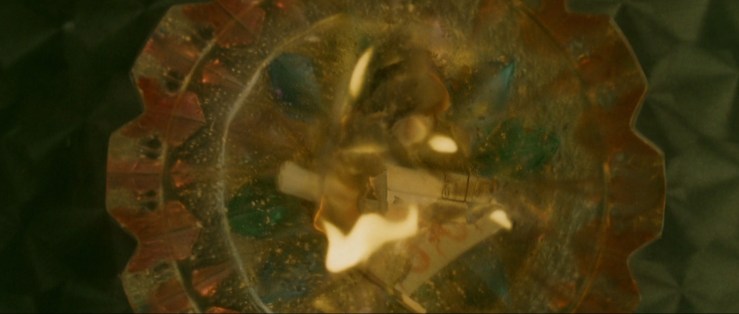
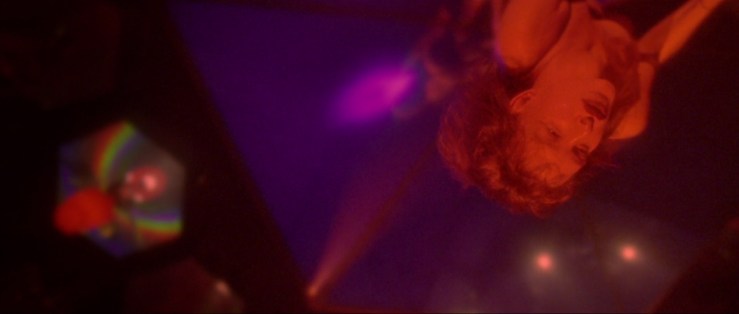
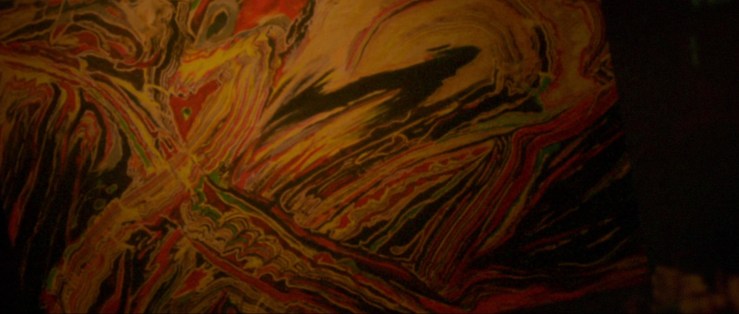
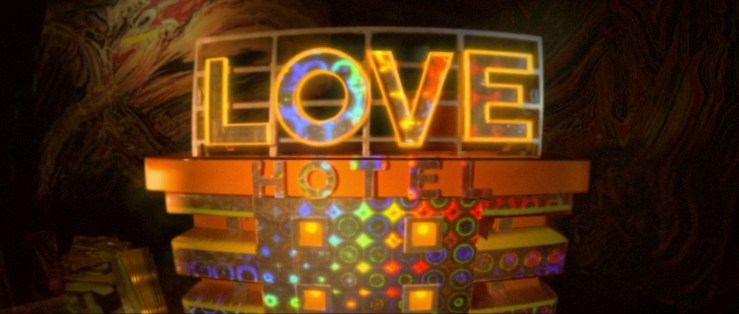
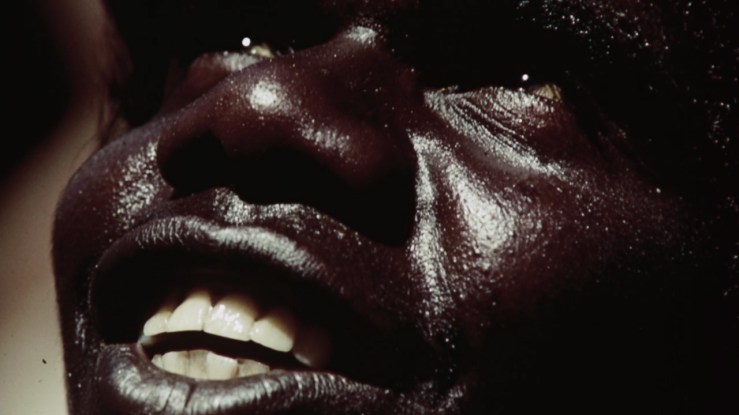
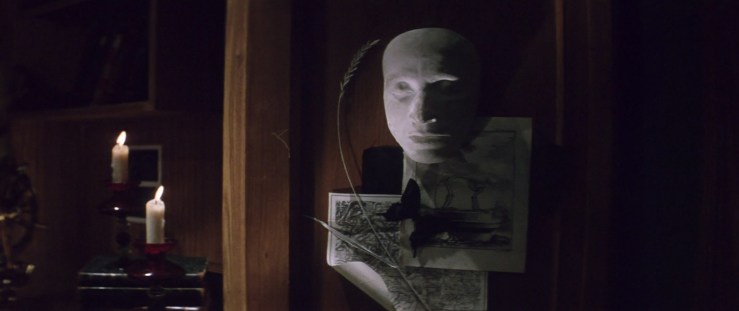
25 still frames from Gaspar Noé’s Enter the Void

123enter-the-void-10156789101112131415161718192021enter-the-void-463enter-the-void-46624enter-the-void-469

From Enter the Void, 2009. Directed by Gaspar Noé with cinematography by Benoît Debie. Via Screenmusings.

A review of Hayao Miyazaki’s film Porco Rosso

porco-rosso

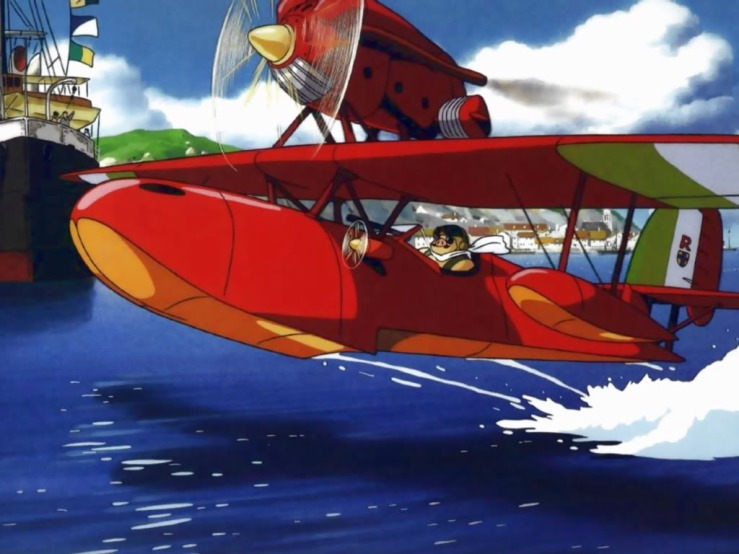
Hayao Miyazaki’s Porco Rosso (1992) is one of my favorite films, and I was able to see it this summer for the first time on the big screen thanks to Studio Ghibli Fest 2018. Although I’ve seen Porco Rosso maybe a dozen times, seeing its rich, deep, bold animation on an enormous screen felt like seeing it for the first time.

Porco Rosso takes place in and around various islands in the Adriatic Sea during the thin slice of years between the First and Second World Wars. Italy, like much of the world, is in the midst of a severe economic depression, and is slowly sliding into fascism. World War II is clearly on the horizon. Miyazaki pushes these problems to the margins of his film, conjuring instead a romanticized Mediterranean. However, this romantic space is always under the pressure of a coming disaster—fascism and a new war.

porcorosso5

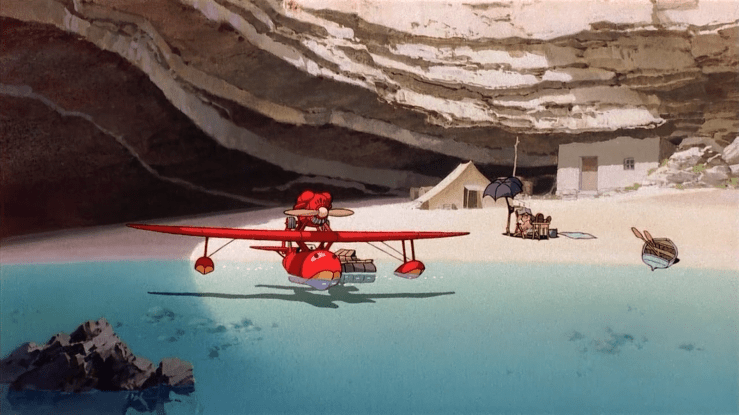
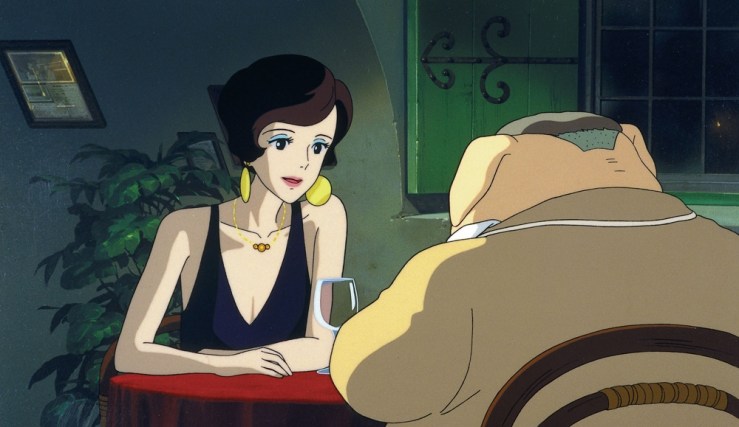
The hero of Porco Rosso is Marco Pagot (called Marco Rossolini in the American dub). Marco is an ex-military pilot, an aviation ace who fought with honor for the Italian air force in the Great War. He now spends his days drinking red wine and smoking cigarettes on a beautiful deserted island, occasionally taking jobs as a bounty hunter, retrieving hostages and other stolen goods from the nefarious and unwashed air pirates who plunder the ships of the Adriatic. Marco makes occasional concessions to civilization by taking a meal at the Hotel Adriano, a charming resort run by his oldest friend Gina. Gina is love with Marco and we come to realize Marco is in love with Gina, but he cannot come out and say this. Marco is a pig.

20130812-161255

Marco is literally a pig. He is the victim of a curse that the film never explicitly names or addresses, although a late scene late in which Marco essentially survives an attack that should have killed him—an event that gives him a dramatic glimpse of a heaven of pilots—may be a clue to the origins of Marco’s porcine curse. In any case, Marco’s pigman existence is the film’s only concession to the kind of mythical and magical fantasy that otherwise permeates Miyazaki’s canon (with the notable exception of The Wind Rises (2013), which in some ways is a sequel to Porco Rosso).

This isn’t to say that Porco Rosso isn’t a fantasy though. Miyazaki’s world of air pirates and bounty hunters, attractive hoteliers and hotshot engineers, and seaplanes dueling in a radiant sky, brims with an effervescent energy that counterbalances the grim specter of the Great War that preceded the film’s narrative action and the Second World War—and a Fascist Italy—that the narrative’s “real” time must eventually intersect. Ever the lone pig, Marco seeks to fly away from the social and historical forces that would constrain him.

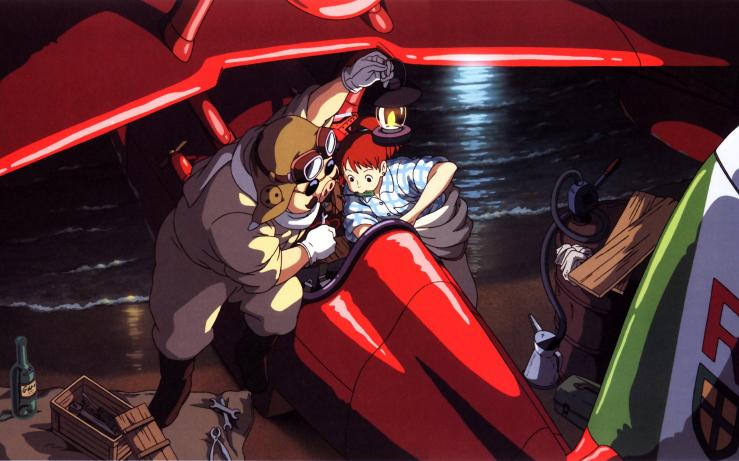
Unfortunately for Marco, luxurious isolation remains an impossibility. The air pirates hire a hotshot American to take out the damned Crimson Pig once and for all. Donald Curtis (hailing from Alabama in the Japanese version and Texas in the American) exemplifies American cockiness. His enormous jaw precedes the rest of his swaggering body, he falls in love at first sight with any beautiful woman he sees, and he’s brash and impetuous. He wants to transition to Hollywood and eventually become the President of the United States! Curtis shoots up Marco’s plane early in the film, but our porcine hero escapes to Milan, where he rebuilds his plane with the help of a whiskered mechanic named Piccolo and his charming granddaughter Fio. Fio redesigns the plane and eventually becomes Marco’s sidekick, traveling with him back to the Adriatic and helping him face Curtis and the air pirates.
2_porco_rosso

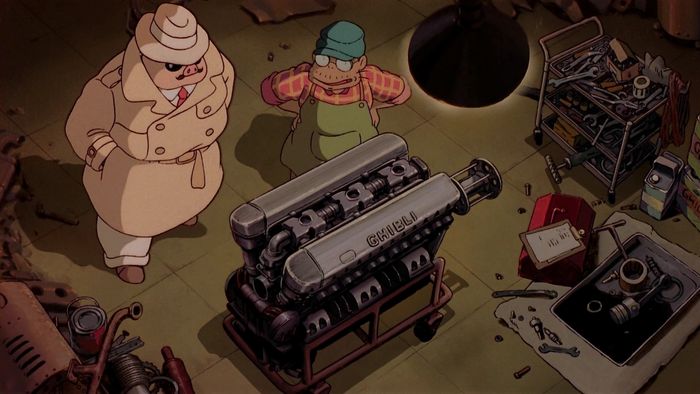
Fio, whose character design recalls Nausicaa of Nausicaä of the Valley of the Wind (1984), is another of Miyazaki’s prominent female protagonists. In some ways she is the secret hero of the film; she takes over the narration at the end, implicitly assuming Porco Rosso’s mantle. Fio has earned Marco’s trust after he is initially dubious of her ability because of her age and his sexism. Fio leads an all-female team of builders and engineers to recreate a superior version of Marco’s plane. This workshop sequence is one of the film’s finest. Miyazaki often foregrounds labor in his films, but Porco Rosso explicitly shows how a complex work—whether it’s a plane, or, y’know, a film—is never the singular work of a gifted genius, but rather the concentrated effort of a team. Miyazaki underscores the connection between the creative process of plane-building and film-making, stamping his studio’s name on Marco’s new engine. (Studio Ghibli was named after an Italian war plane, the Caproni Ca.309, which was nicknamed Ghibli—“Desert Wind”).

85268fc75512cda8cc331109c81ec95c

While in Milan, Marco realizes that the fascist secret police are after him. The Fascists in Porco Rosso (who want to conscript Marco—or take his plane) are far more ominous than Curtis. Curtis serves as an actual antagonist for Marco to face, and the fight between the two at the end of Porco Rosso, although violent, plays with a light comic touch. Miyazaki references the “gentlemen pilots” of World War I here. The Fascists, in contrast, are a spectral force lurking behind the narrative, threatening Marco’s individuality and autonomy. The film affirms itself as a comedy that resists encroaching fascism in a conclusion that sees Marco, Fio, Gina Curtis, the air pirates, and every other member of this strange Adriatic paradise working together to escape their approaching air force.
The film’s denouement is a retreat into the romantic Adriatic community, a kind of gauzy, rosy vision of an isolated paradise untouched by war or fascism. The fantasy reminds one of an island from some lost book of The Odyssey, a tranquil paradise unbothered by Trojans or Greeks. Marco—Porco—too feels like a figure from the margins of The Odyssey, a hero transfigured into a pig. The end of Porco Rosso refuses to give us a direct answer as to what happens to Porco. Does he regain his human form? Or, perhaps more importantly, is there a happy ending for Porco and Gina? The film offers a number of clues, some explicit and some implicit, but a first viewing may feel ambiguous for many viewers. However, subsequent viewings reveal a clearer picture as to what happens to Gina and Marco. Why the ambiguity then? Porco Rosso is (apart from The Wind Rises) the Miyazaki film with the strongest historicity. The historical reality of a looming World War II threatens to devour the romance of Gina and Porco—so Miyazaki and the inhabitants of his secret Adriatic world conspire to hide it. Lovely stuff.

[Ed. note–Biblioklept ran a version of this review in the summer of 2018].

Shooting Barry Lyndon

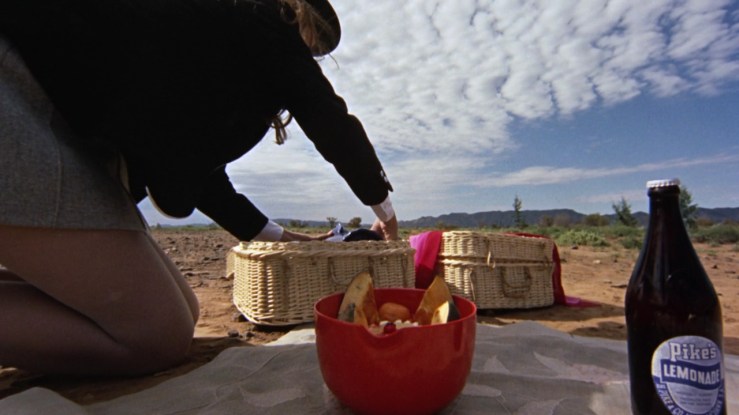
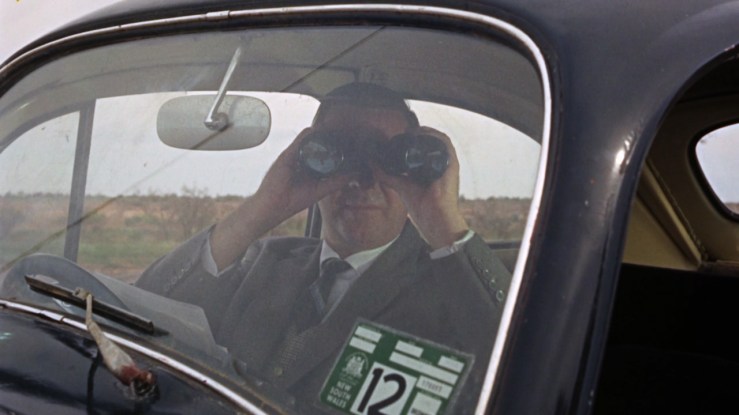
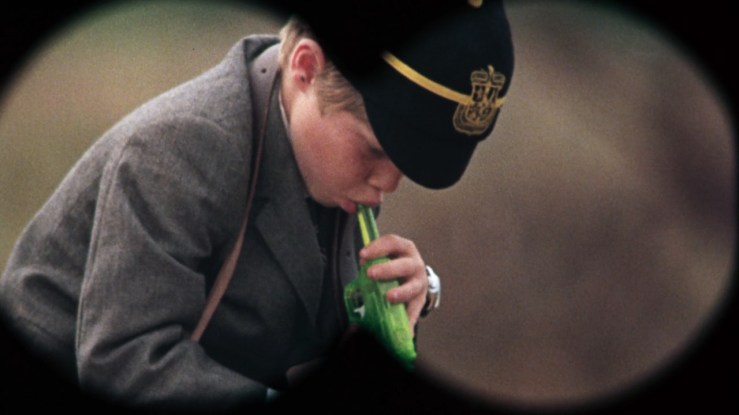
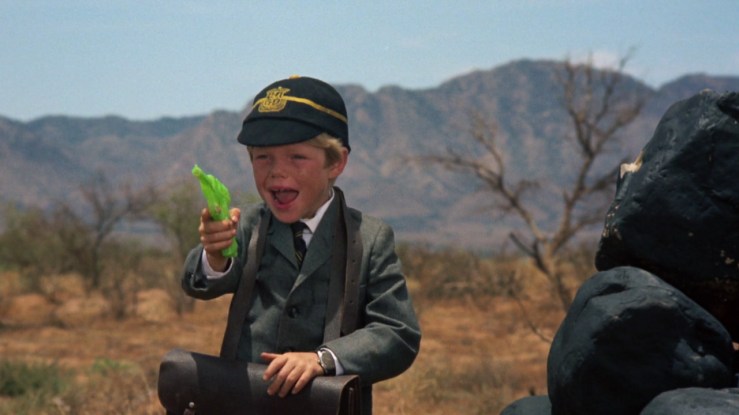
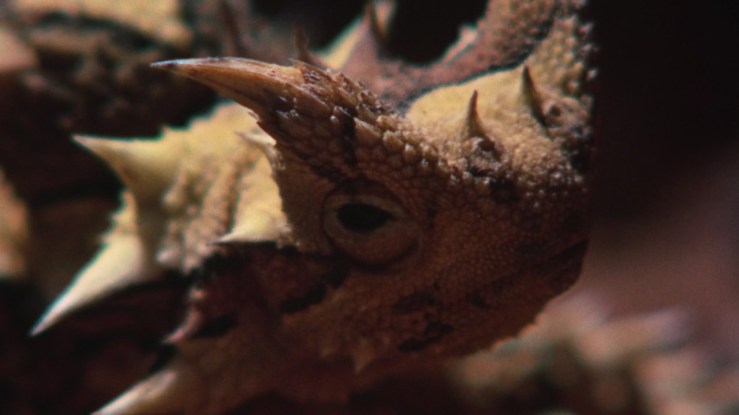
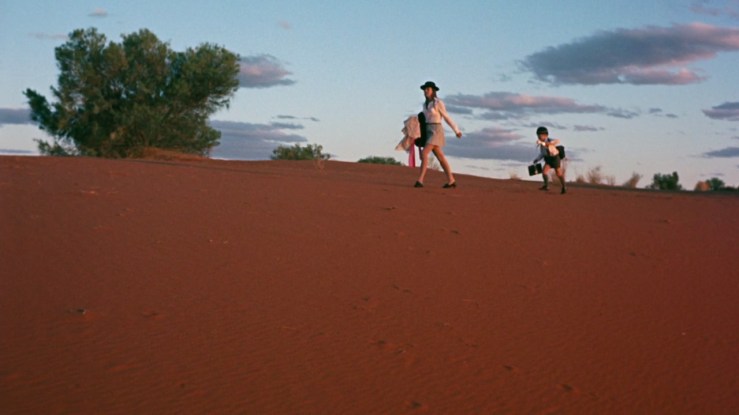
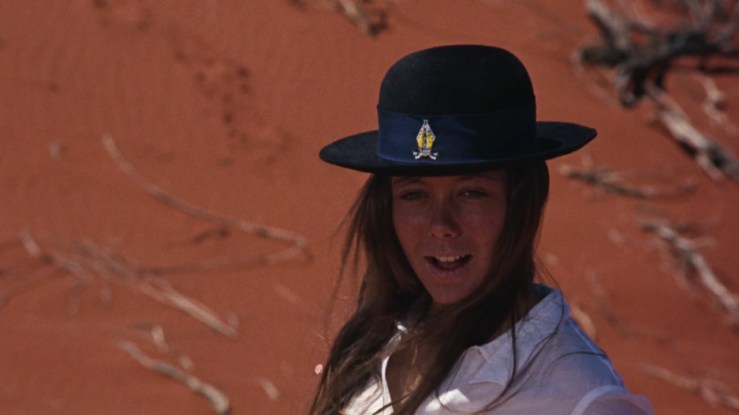
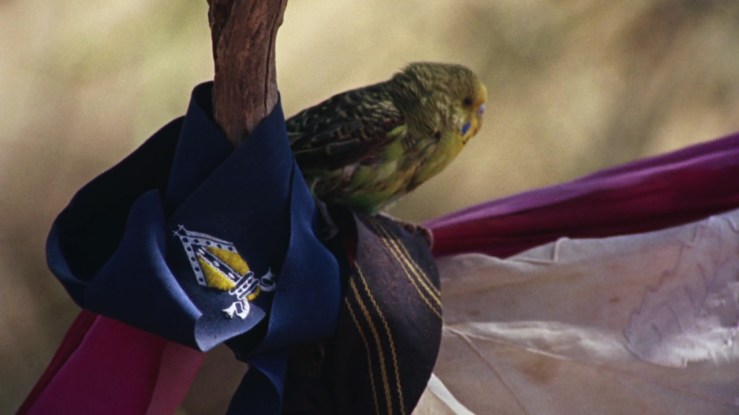
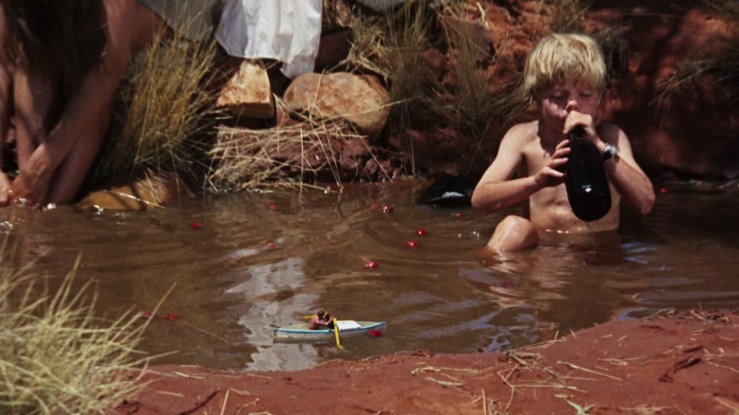
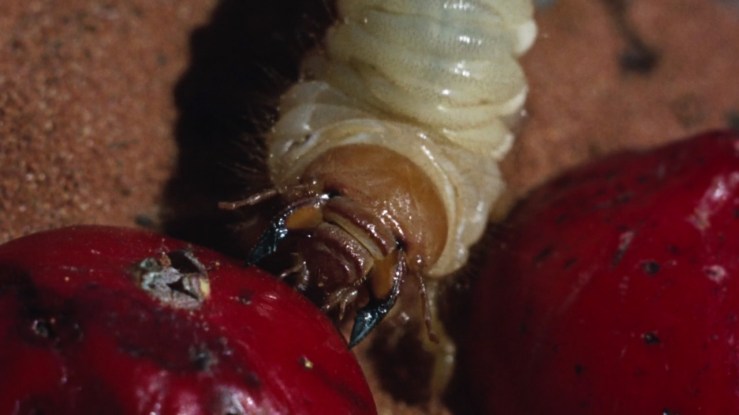
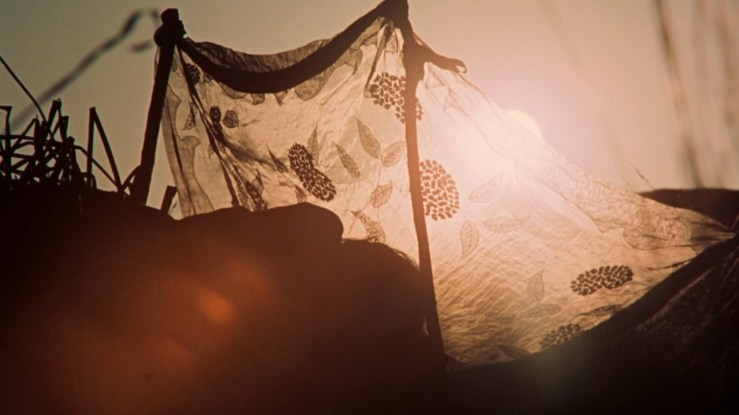
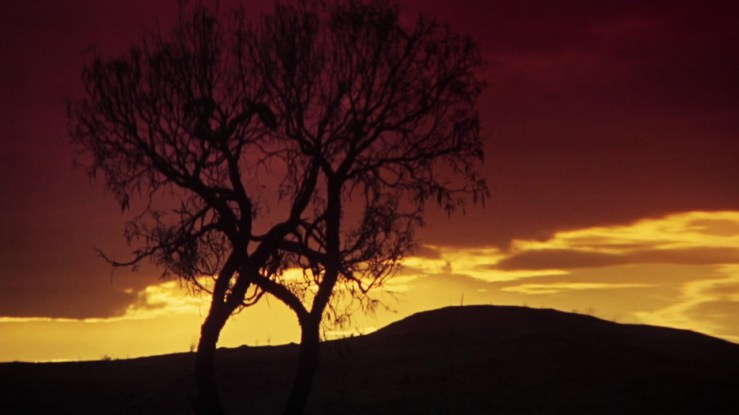
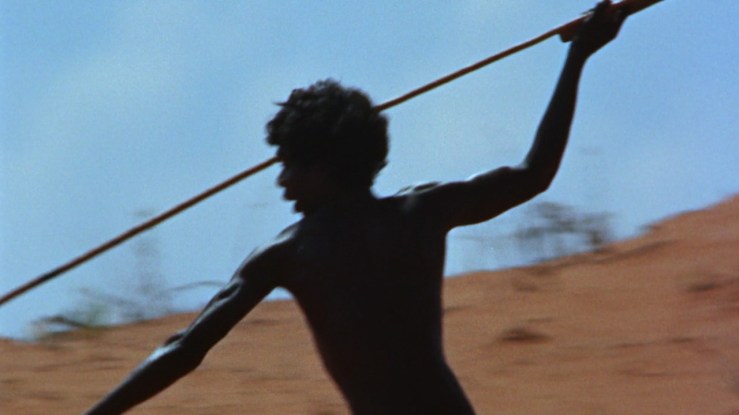
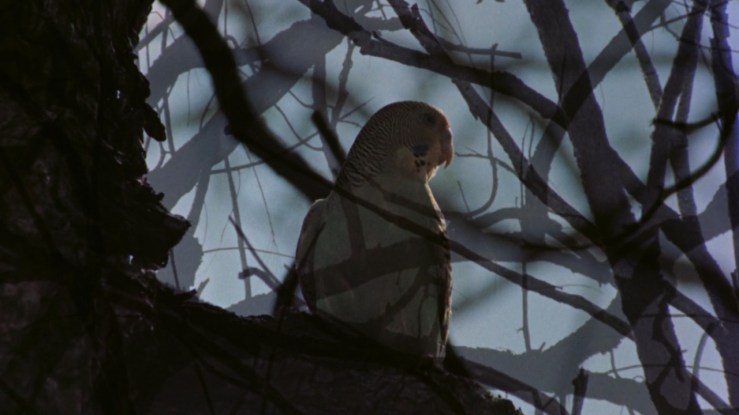
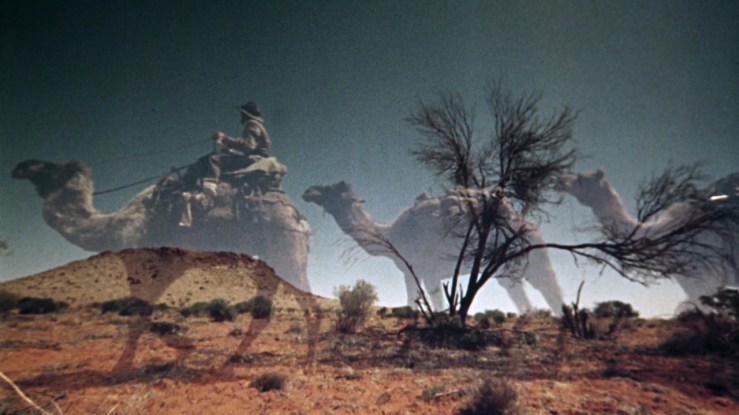
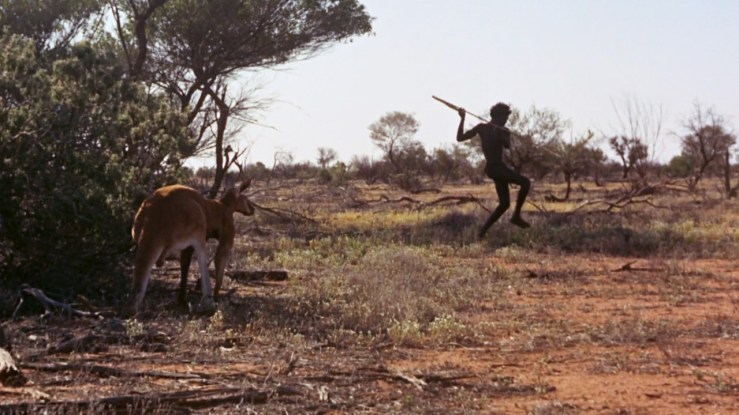
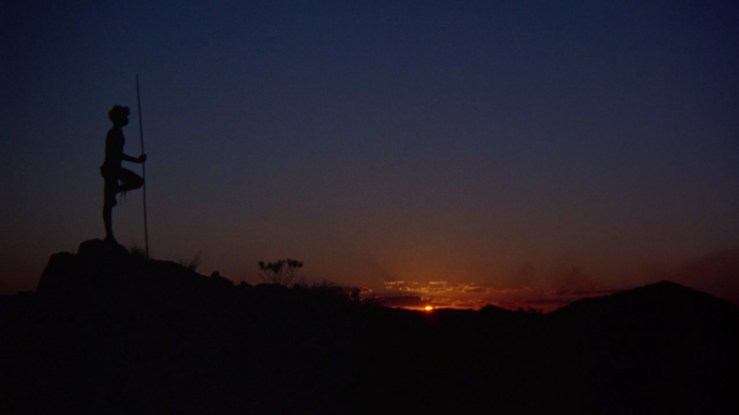
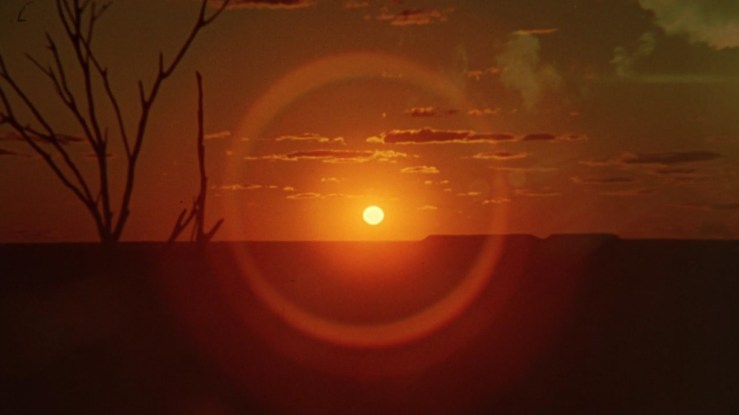
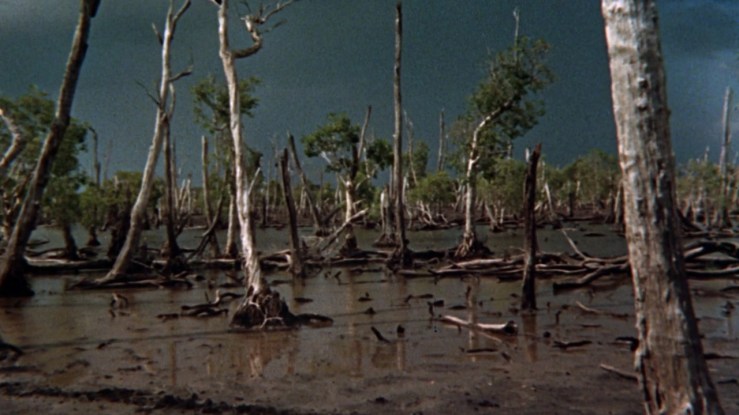
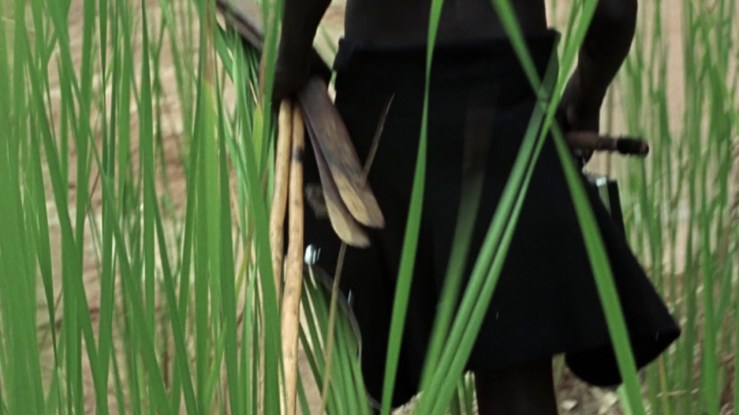
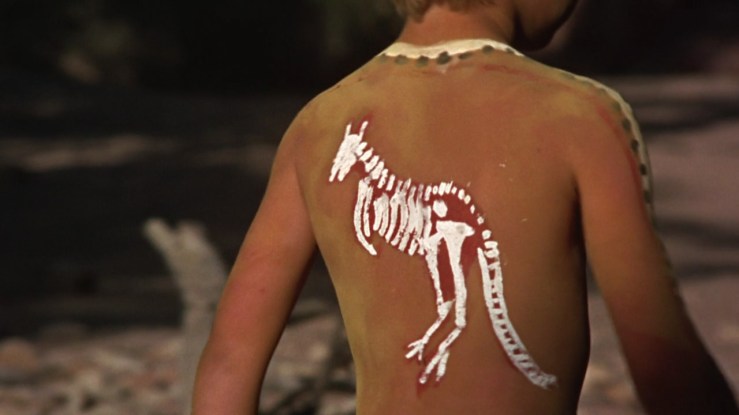
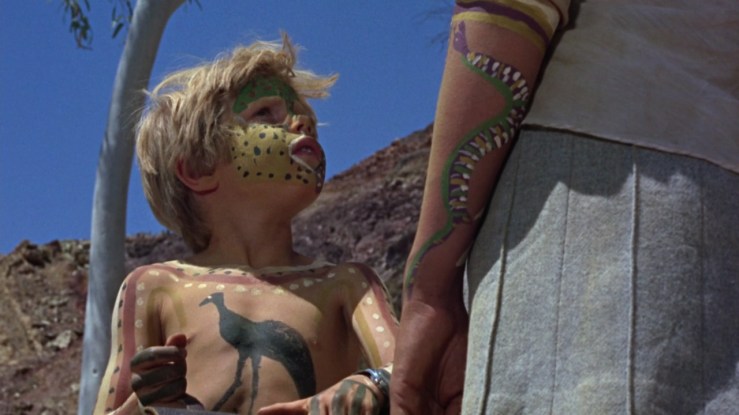
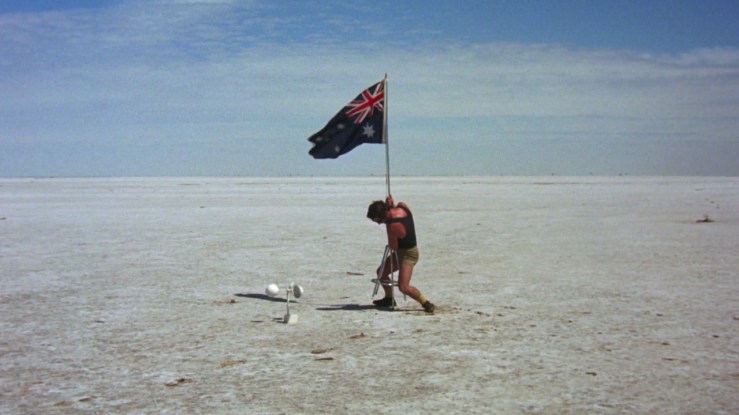
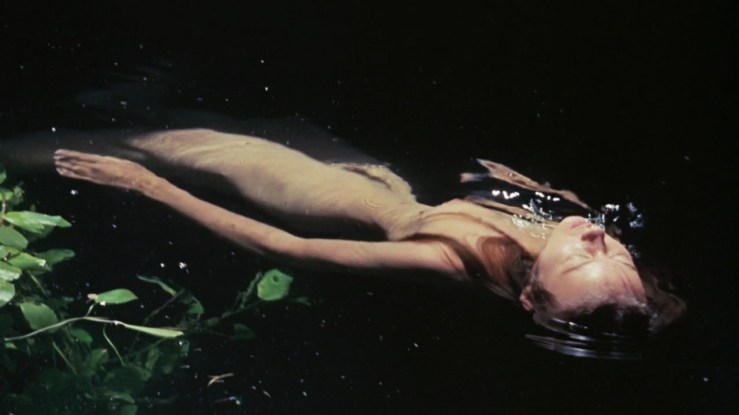
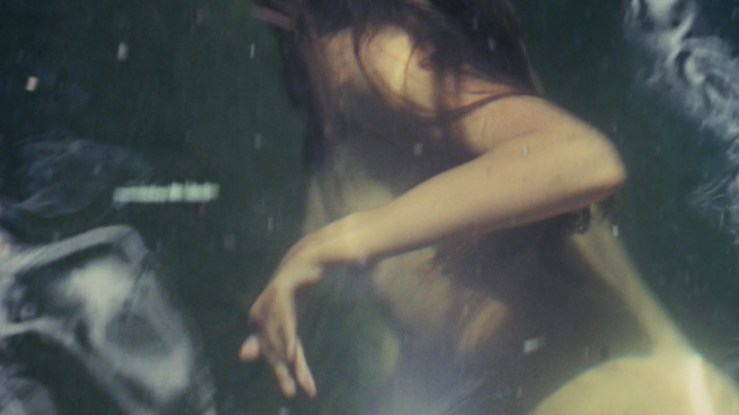
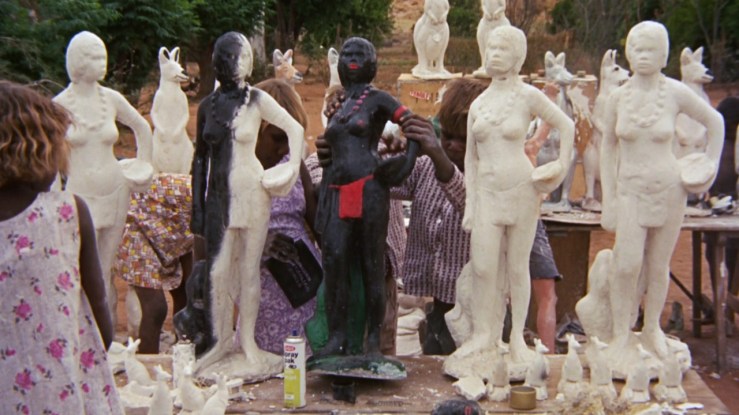
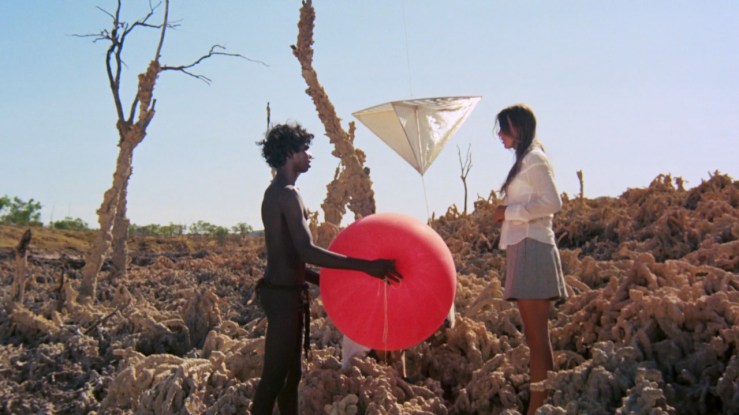
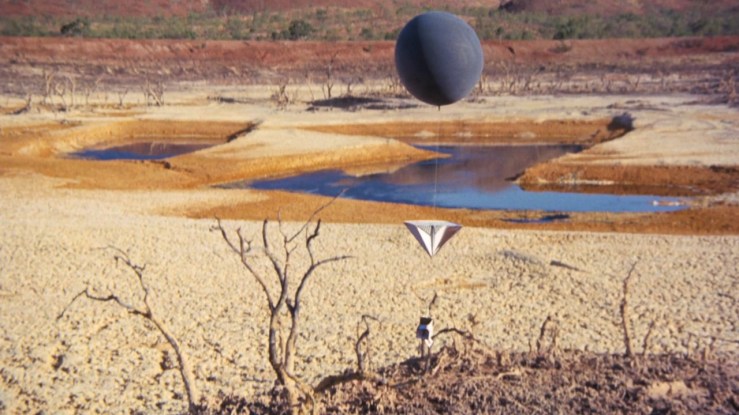
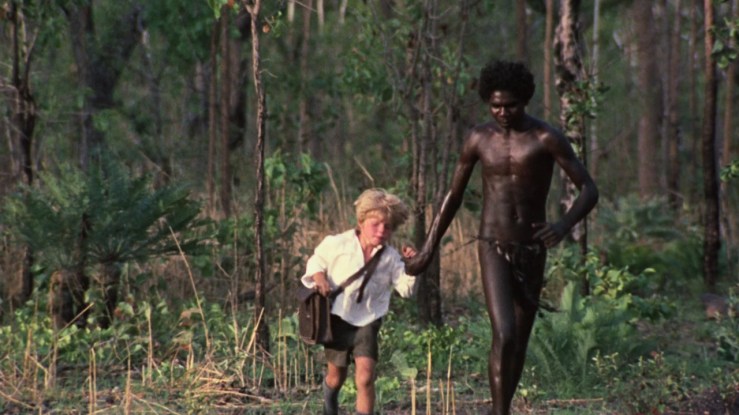
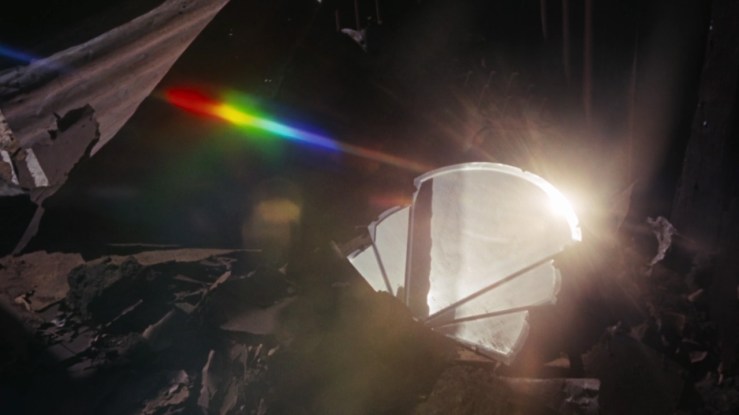
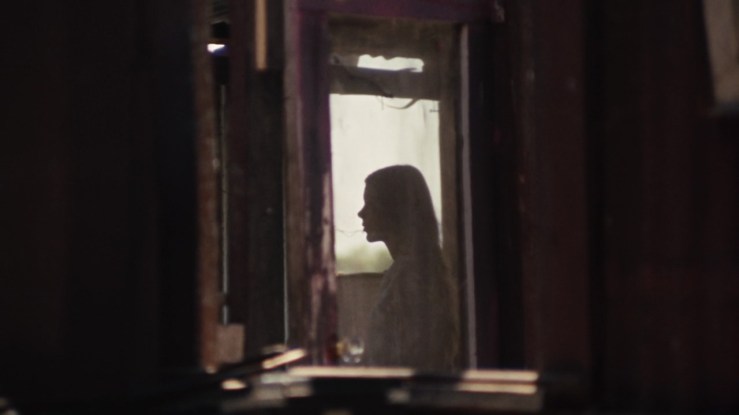
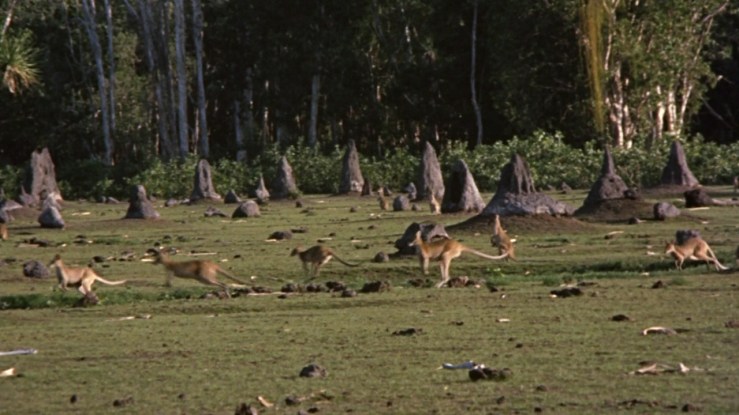
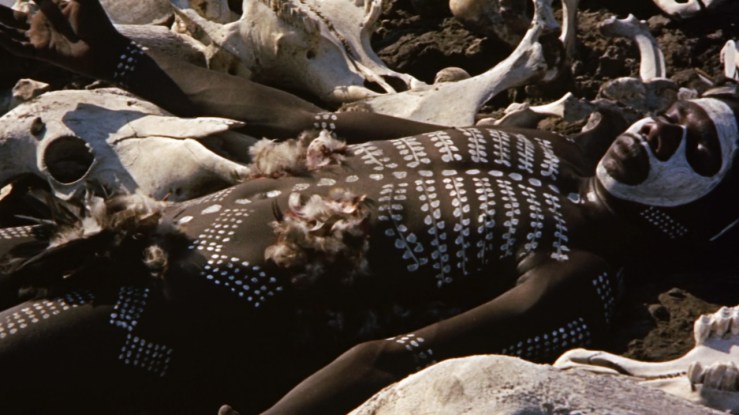
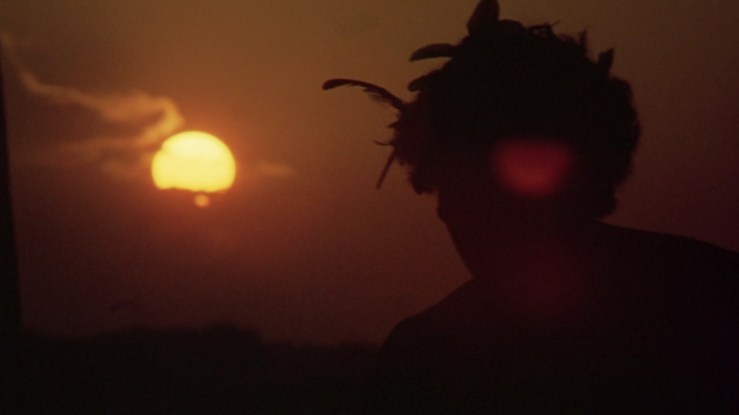
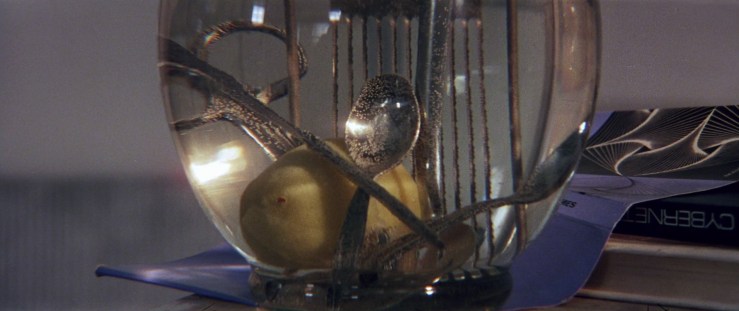
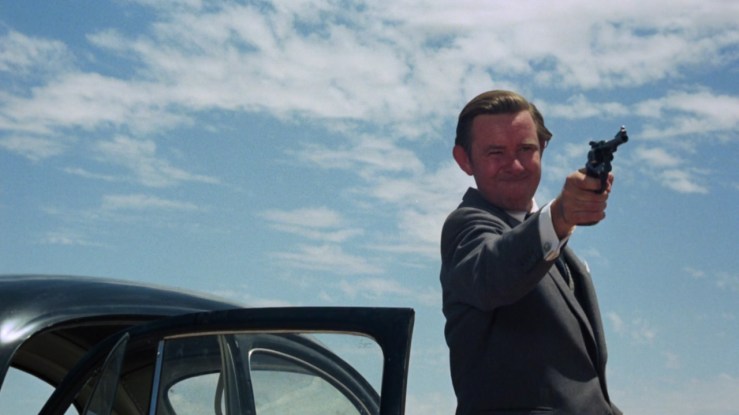
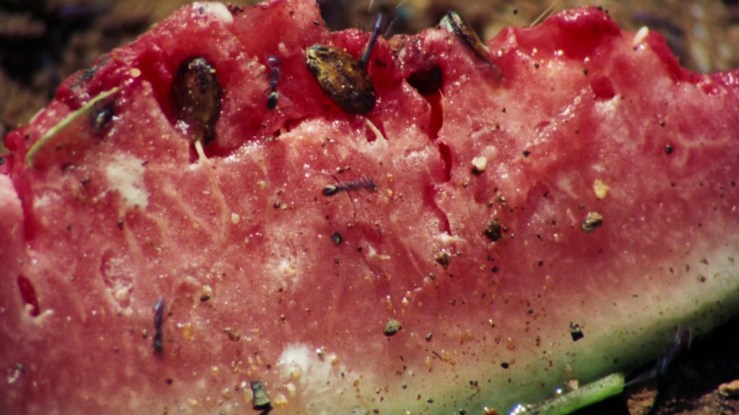
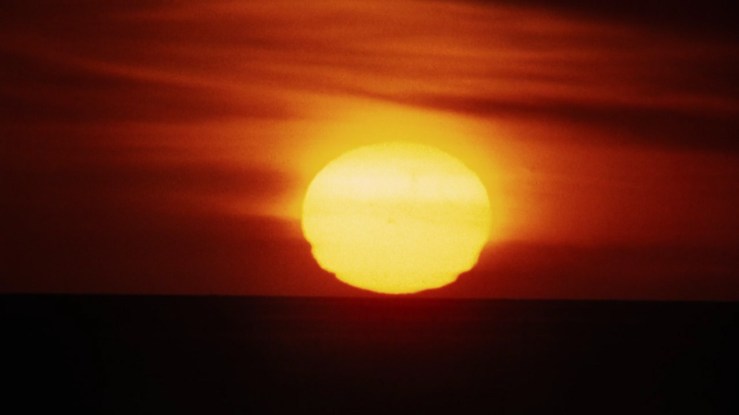
40 still frames from Nicolas Roeg’s film Walkabout

Walkabout-002Walkabout-036Walkabout-041Walkabout-042Walkabout-050Walkabout-051Walkabout-058Walkabout-069Walkabout-078Walkabout-088Walkabout-089Walkabout-095Walkabout-111Walkabout-114Walkabout-134Walkabout-138Walkabout-141Walkabout-164Walkabout-181Walkabout-188Walkabout-190Walkabout-195Walkabout-217Walkabout-222Walkabout-227Walkabout-231Walkabout-237Walkabout-243Walkabout-247Walkabout-268Walkabout-272Walkabout-315Walkabout-328Walkabout-332Walkabout-335Walkabout-351Walkabout-365Walkabout-376Walkabout-387Walkabout-406

From Walkabout, 1971. Directed and shot by Nicolas Roeg. Via Screenmusings.

Donald Barthelme interviewed by George Plimpton

RIP Nicolas Roeg

Nicolas Roeg

RIP Nicolas Roeg, 1928–2018

I was saddened to hear of the death of filmmaker Nicolas Roeg, who passed away yesterday at the age of 90. The first film I saw by Roeg was his adaptation of Roald Dahl’s The Witches (1990). I saw it in a theater with my mother when I was maybe eleven. I loved the book that it was based on and I loved the film just as much. Roeg captured the comic grotesquerie and sheer terror of the Dahl’s novel, as well as the abiding love that underpins the narrative. I’ve since seen the film many times, including earlier this year when I watched it with my own children, who also loved it.

Of course when I was eleven I had no notion that I was watching a “Nic Roeg film” — that is, a film by a director with a strange body of cult classics behind him. It wasn’t until I was in college and watched The Man Who Fell to Earth (1976) that I began to seek other Roeg films. The Man Who Fell to Earth is Roeg’s adaptation of Walter Tevis’s 1963 novel. It stars David Bowie, which was of course my initial attraction. The film became a college staple for myself and my friends, the kind of film that simply ran in the background while we hung out.

https://www.youtube.com/watch?v=sGCm1BtOnZU

I had a little setup with two old VCRs, and I would dub tapes I’d check out from my university’s film library, and The Man Who Fell to Earth was one of the first films I copied. I also copied Performance (1970), another film featuring a rock star (Mick Jagger). I had actually already seen Performance in a film class, and somehow knowing that the guy who had made The Man Who Fell to Earth and The Witches had made this film made me like it even more.

https://www.youtube.com/watch?v=MxdBpLQsOW8

My university’s film library did not have a copy of Walkabout (1971) though, and I didn’t see the film until 2002, when I rented it from the most amazing video cassette rental spot in my neighborhood in Tokyo, the kind of place that I still dream about. Walkabout is a perfect film—my favorite film of Roeg’s and one of my favorite films in general. It is the story of a teenage girl and her much younger brother who are stranded in the Australian outback after their father’s inexplicable suicide. They manage to survive with the help of an aboriginal teenage boy. This summary is no good though: The film is simply gorgeous, a kind of poem in light and sound. I watch it every few years. If you’ve never seen it, I hope that you will make time to watch it.
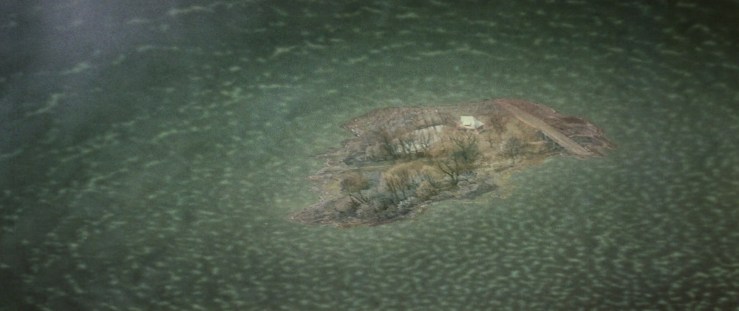
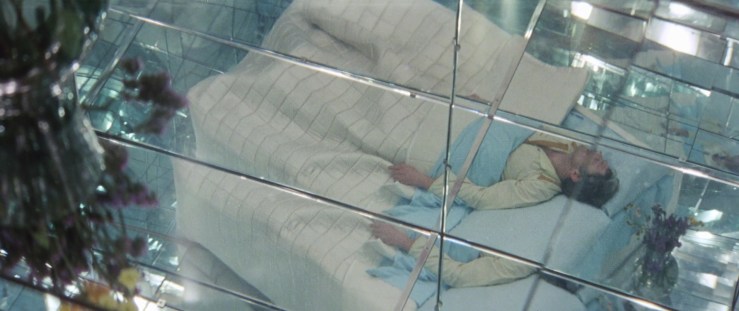
I’m thankful that I didn’t see Roeg’s follow up to Walkabout,  Don’t Look Now (1973) when I was younger. I think I wouldn’t have understood it as well, if at all, in all its Gothic evocations of grief. Don’t Look Now is an impressionistic psychological thriller (based on a short story by  Daphne du Maurier) about a husband and wife who travel to Venice after the recent death of their daughter. Like Walkabout, there’s an impressionistic, fluid quality to the film’s composition, and like WalkaboutDon’t Look Now is ultimately about the limits of communication. The pair are, in my estimation, the strongest of Roeg’s films.

Roeg’s films in the first half of the eighties are, if not quite as strong as his work in the seventies, still fascinating cult entries. Bad Timing (1980) is the best of the three I’m thinking of here. It’s both visually and thematically reminiscent of Don’t Look Now (and stars Art Garfunkel!). Bad Timing is not a film I ever want to rewatch, and I say that as a compliment. Eureka (1983), another thriller (starring Gene Hackman) is a bit harder to find—I didn’t track it down until the Golden Age of Torrents a few years ago. Insignificance (1985) is adapted from and feels like a play. It’s a take on the American mythos of the 1950s, putting Einstein, Marilyn Monroe, Joe DiMaggio, and Joseph McCarthy together in an imagined scenario that anticipates the shift from Modernism to postmodernism. All three of these films held a special fascination for me because 1) they were extremely difficult to find for a long time and 2) one of my favorite musicians, Jim O’Rourke, named a loose trilogy of his albums after them.

Roeg directed two films in the late eighties that I haven’t seen (Castaway, 1986 and Track 29, 1988). His adaptation of The Witches (1990) was his last major feature film, although he made three films after: Cold Heaven (1991), Two Deaths (1995), and Puffball (2007). I’ll admit that I don’t recall Puffball’s release at all—but it does look interesting.

But I started with The Witches, so I’ll end with it: It’s a wonderful film, maybe not really the most Roegish of Roeg films, but a Roeg film nonetheless, a film made with a cinematographer’s eye with a touch of a documentarian’s objectivity and a large dose of artistic panache. I’m glad I got to see it on a big screen, and I hope that I’ll get to see Don’t Look Now and Walkabout on a big screen too one day.


Like the first 12 minutes of Nic Roeg’s film Walkabout

https://www.youtube.com/watch?v=UKWARDEyIuk

Watch the other minutes, too.

Barry Hannah reading “All the Old Harkening Faces at the Rail” on his porch swing

Barry Hannah reading “All the Old Harkening Faces at the Rail” (from Airships) and talking about memory and voice at his home in Oxford, Mississippi in February, 1986.

Seven still frames from Jarmusch’s Only Lovers Left Alive

only-lovers-left-alive-045only-lovers-left-alive-046only-lovers-left-alive-039only-lovers-left-alive-050only-lovers-left-alive-057only-lovers-left-alive-048only-lovers-left-alive-047

From Only Lovers Left Alive, 2013. Directed by Jim Jarmsuch with cinematography by Yorick Le Saux. Via Screenmusings.

Read the Biblioklept review of Only Lovers Left Alive.

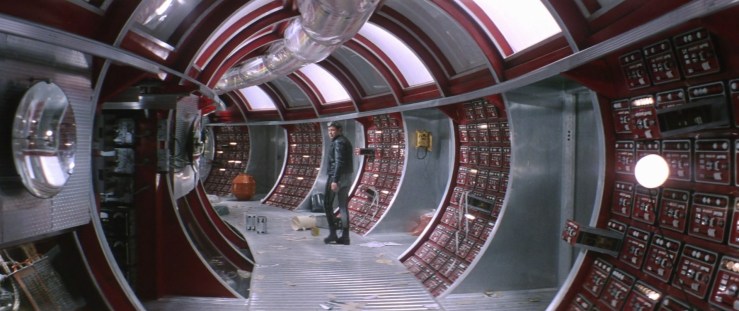
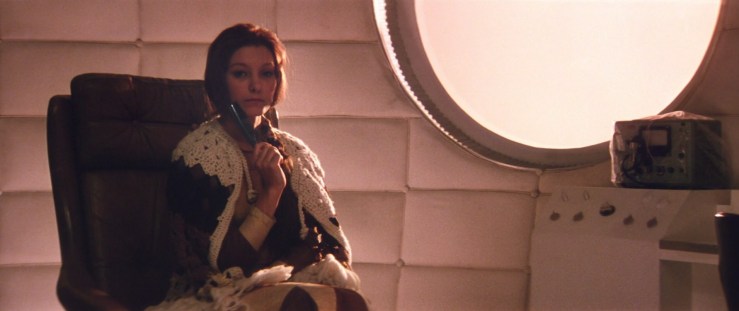
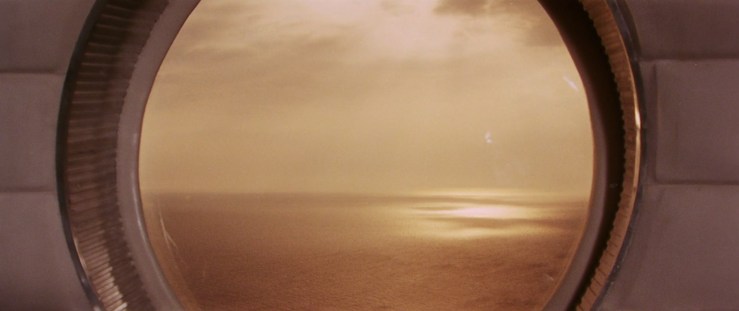
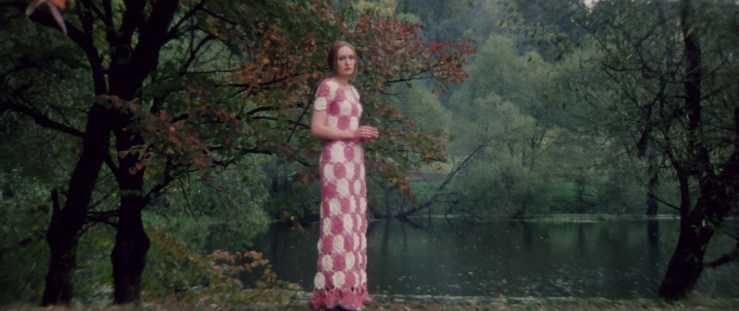
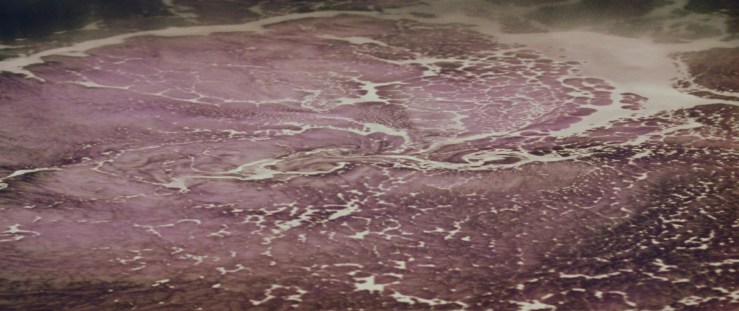
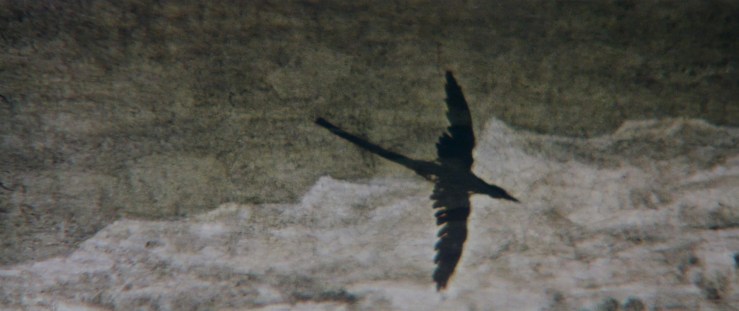
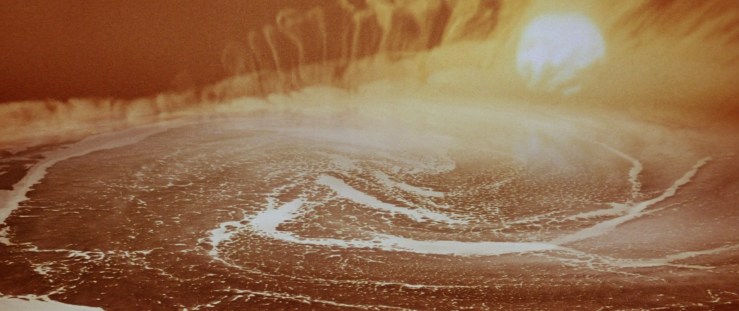
Nineteen still frames from Tarkovsky’s Solaris

solaris-1972-016solaris-1972-023solaris-1972-026solaris-1972-039solaris-1972-046solaris-1972-051solaris-1972-055solaris-1972-067solaris-1972-089solaris-1972-079solaris-1972-094solaris-1972-096solaris-1972-106solaris-1972-102solaris-1972-117solaris-1972-118solaris-1972-123solaris-1972-126solaris-1972-143

From Solaris, 1972. Directed by Andrei Tarkovsky with cinematography by Vadim Yusov. Via Screenmusings.

Robby Müller on shooting Down By Law

A scene from Taxi Driver with commentary from Martin Scorsese and Paul Schrader

Fantasy. You’re imagining things again.

Blog about a list of films included in Antoine Volodine’s short story “The Theory of Image According to Maria Three-Thirteen”

img_1148

Antoine Volodine’s short story “The Theory of Image According to Maria Three-Thirteen” is collected in Writers, a book available in English translation by Katina Rogers from Dalkey Archive Press.

Writers is one of the best books I’ve read in the past few years: unsettling, bizarre, satirical, and savage, its stories focus on writers who are more than writers: they are would-be revolutionaries and assassins, revolting humans revolting against the forces of late capitalism.

Writers (which I wrote about here) functions a bit like a discontinuous novel that spins its own web of self-references to produce a small large gray electric universe—the Volodineverse, I guess—which we can also see in post-exotic “novels” like Minor Angels and Post-Exoticism in Ten Lessons, Lesson Eleven. 

Volodine’s post-exotic project refers obliquely to the ways in which the late 20th century damns the emerging 21st century. And yet the trick of it all is that the stories and sketches and vignettes seem ultimately to refer only to themselves, or to each other—the world-building is from the interior. This native interiority is mirrored by the fact that many of his writer-heroes are prisoners communicating from their cells, often to interrogators, but just as often to an unresponsive void.

“The Theory of Image According to Maria Three-Thirteen” takes place in such a void, a kind of limbo into which the (anti-)hero Maria Three-Thirteen speaks herself into existence. It’s an utterly abject existence; Maria Three-Thirteen crouches naked like “a madwoman stopped before the unknown, before strangers and nothingness, and her mouth and her orifices unsealed after death…all that remains for her is to speak.” She speaks to a semi-human tribunal, a horrorshow, creatures “without self-knowledge.” After several paragraphs of floating abject abstraction, Maria eventually illustrates her thesis—an evocation of speech without language, speech in a deaf natural voice–to this audience.

Her illustration is a list of scenes from 20th-century films.

I found this moment of the story initially baffling—it seemed, upon first reading, an utter surrender to exterior referentiality on Volodine’s part, a move inconsistent with the general interiority of Writers. Even though the filmmakers alluded to made and make oblique, slow, often silent, often challenging (and always beautiful) films, films aesthetically similar to Volodine’s own project, I found Volodine’s gesture too on-the-nose: Of course he’s beholden to Bergman, Tarkovsky, Bela Tarr!

Rereading the story, and rereading it in the context of having read more of Volodine’s work, I take this gesture as the author’s recognition of his aesthetic progenitors. Volodine here signals that the late 20th-century narrative that most informs his work is cinema—a very specific kind of cinema—and not per se literature.

This reading might be a misreading on my part though. Maybe Volodine simply might have wanted to make a list of some of his favorite scenes from some of his favorite films, and maybe Volodine might have wanted to insert that list into a story. And it’s a great list. I mean, I like the list. I like it enough to include it below. I have embedded the scenes alluded to where possible, and in a few places made what I take to be worthy substitutions.

Here is Volodine; here is Volodine’s Maria Three-Thirteen, speaking the loud deaf voice—

And now, she begins again, to illustrate, I will cite a few images without words or almost without words, several images that make their deaf voice heard. You know them, you have certainly attended cinema showings during which they’ve been projected before you. These are not immobile images, but they are fundamentally silent, and they make their deaf voice heard very strongly.

The chess match with death in The Seventh Seal by Ingmar Bergman, with, in the background, a procession of silhouettes that undertake the arduous a scent of a hill.

https://www.youtube.com/watch?v=abusPM-9mqQ

The man on all fours who barks in the mud facing a dog in Damnation by Bela Tarr.

https://www.youtube.com/watch?v=NJH5BspgKOI

The baby that cries in a sordid and windowless apartment in Eraserhead by David Lynch.

https://www.youtube.com/watch?v=dKhURjt9x5A

The bare facade of an abandoned apartment building, with Nosferatu’s head in a window, in Nosferatu by Friedrich Murnau.

https://www.youtube.com/watch?v=mS4DtjzNudg

The boat that moves away from across an empty sea, overflowing with cadavers, at the end of Shame by Ingmar Bergman.

https://www.youtube.com/watch?v=wHpTmZYL9JM

The desert landscape, half hidden by a curtain that the wind lifts in Ashes of Time by Wong Kar Wai.

The early morning travel by handcar, with the regular sound of wheels, in Stalker by Andrei Tarkovsky.

The old man with cancer who sings on a swing in Ikiru by Akira Kurosawa.

https://www.youtube.com/watch?v=umLtGRl_WE4

The blind dwarfs with their enormous motorcycle glasses who hit each other with canes in Even Dwarfs Started Small by Werner Herzog.

The train station where three bandits wait at the beginning of Once Upon a Time in the West by Sergio Leone.

The flares above the river in Ivan’s Childhood by Andrei Tarkovsky.

The prairie traveled over by a gust of wind in The Mirror by Andrei Tarkovsky.

She is quiet for a moment.

There are many others she thinks. They all speak. They all speak without language, with a deaf voice, with a natural and deaf voice.


Joachim Trier on Nicolas Roeg’s film Don’t Look Now

Blog about not seeing Darren Aronofsky’s seventh film Mother! in the theater

120171105173333

I did not see Darren Aronofsky’s seventh feature film Mother! in the theater.

***

I saw director Darren Aronofsky’s first feature film Pi at the Reitz Union theater at the University of Florida in the fall semester of my sophomore year of college. In my four years attending the University of Florida, I always made a point to go watch the free films the Union’s theater screened. I saw The Big Lebowski and Fear and Loathing in Las Vegas there. I saw Christopher Nolan’s film Memento there, and Harmony Korine’s follow-up to Gummo, the unfortunate Julien Donkey-Boy (Chloe Sevigny ice-skating to Oval’s skittering soundtrack left a permanent mark on my memory). I saw Austin Powers: The Spy Who Shagged Me there. I saw a hypnotist there, also. (It was all free, in the sense that no money was required). And, like I said, I saw director Darren Aronofsky’s first feature film Pi there.

***

I saw Pi with my girlfriend and her roommate and her roommate’s boyfriend, who I was starting to be friends with. We—by which I mean my girlfriend and I—loved it; roommate and roommate’s boyfriend hated it. We found this out minutes after leaving the theater. I might have argued for it, using terms like claustrophobia and paranoia and German expressionism; I am the kind of asshole who might have brought up, like, The Cabinet of Dr. Caligari at this point of my life. The roommate’s boyfriend—who turned out to be and remains to this day one of the greatest friends I’ve ever made—pointed out that the film was silly–self-important, muddled, vague. He may or may not have used the word histrionic.

(He could be entirely right. I’ve never rewatched Pi).

***

(I’ve never rewatched any film directed by Darren Aronofsky).

***

The same roommate’s boyfriend, at this point broken up with the roommate (also no longer the roommate) would have been present at the small-screen screening of Requiem for a Dream held in The House Where We Always Drank Excessively some time in the fall of 2000. We–the ten or maybe twelve of us—did not Drink Excessively during the film, leaving bottles and bongs and etc. largely untouched after the first half hour, our horror slowly growing. This was No Fun. We didn’t talk after, slinking off in the humid Gainesville night. We tacitly agreed not to see each other for at least a week or two.

***

Aronofsky’s film The Fountain arrived in the mail on DVD via the mail-DVD service Netflix some time at my house in 2007. The film had a certain mystique to it—it was a boondoggle, an interesting failure, a trial balloon that popped. I recall liking it quite a bit, as I told my wife after she woke up after having fallen asleep thirty minutes into the film.

***

(I might have actually watched The Fountain a few times).

***

My daughter was an infant when The Wrestler was in theaters. I watched it too via a mail-ordered DVD from Netflix, and thought it was Pretty Good, but no My Cousin Vinny or By the Time the Devil Knows You’re Dead. (Marisa Tomei Forever).

***

My son was an infant when Black Swan was in theaters. So again: Netflix DVD, no big screen. My wife liked this one—we both laughed and laughed. At some point, maybe, one of us, getting up to pee or pour another glass of wine or check that a child was tidily asleep—well, I guess we took to it as a kind of histrionic comedy, a comedy-horror. This could be an entirely wrong take, but I don’t know. (I’ve never rewatched any film directed by Darren Aronofsky).

***

By the time I watched Aronofsky’s sixth film Noah, I had essentially given up on him: I found his films a remarkable mix of camp, melodrama, and repulsion—hard to read, searingly original, visually compelling areas I couldn’t wait to leave. I reviewed Noah on this blog, writing,

Aronofksy is an auteur, and like most auteurs, I’m sure rewatching his films would enrich an understanding of the themes and problems he’s trying to address. However, I find his films repulsive, by which I mean the opposite of compelling. I have never wanted to exit a fictional world as much as I wanted to escape Requiem for a Dream. I found The Wrestler depressing and empty. I’m afraid if I watch Black Swan again it will turn out that Aronofsky was actually not attempting to make a comedy about psychosis, but was rather actually serious about his melodrama’s tragic scope.

***

When Mother! (or mother!, as it is sometimes stylized) came out last year I was intrigued, first by the film’s marvelous posters (by James Jean), and then by the advance word on it. Mother! sounded Rosemary’s Baby, but also something like Salo or Irreversible or even Ichi the Killer—something scary and a bit psychotic and divisive and depraved. Something that some folks would certainly hate. But two kids and a job and etc. make a movie hard to grab on the go, and we wanted to see PT Anderson’s Phantom Thread, of course, which is what I think we ended up seeing instead of Mother! Maybe a week or two later at a party, a friend immediately asked me if I had seen Mother! yet. She wanted to talk about it very much. She told me to go see it.

***

Mother!: I should have gone to the theater to see Mother!

***

We watched Mother! via a streaming service in a very dark room on the largest TV we have ever owned, and I’m sure that this is not even close to what it was like to see the film in the theater. It was great. Great! I should have gone to see Mother! in the theater.

***

This blog began with the bestest of best intentions. I was going to write a proper review of Mother!, or not a review so much as a riff, or not so much a riff, really, but rather an appreciation, a take on the feeling of watching Mother!—but when I started writing I realized that I had these other thousand words to write first. And now that I’ve written them, I hate to just delete them—and anyway, it’s only blog. But I mostly see that I’d like to  watch Mother! again before I write about it again.

w3jbjps3wbmz