Reading/Have Read/Should Write About

img_1954

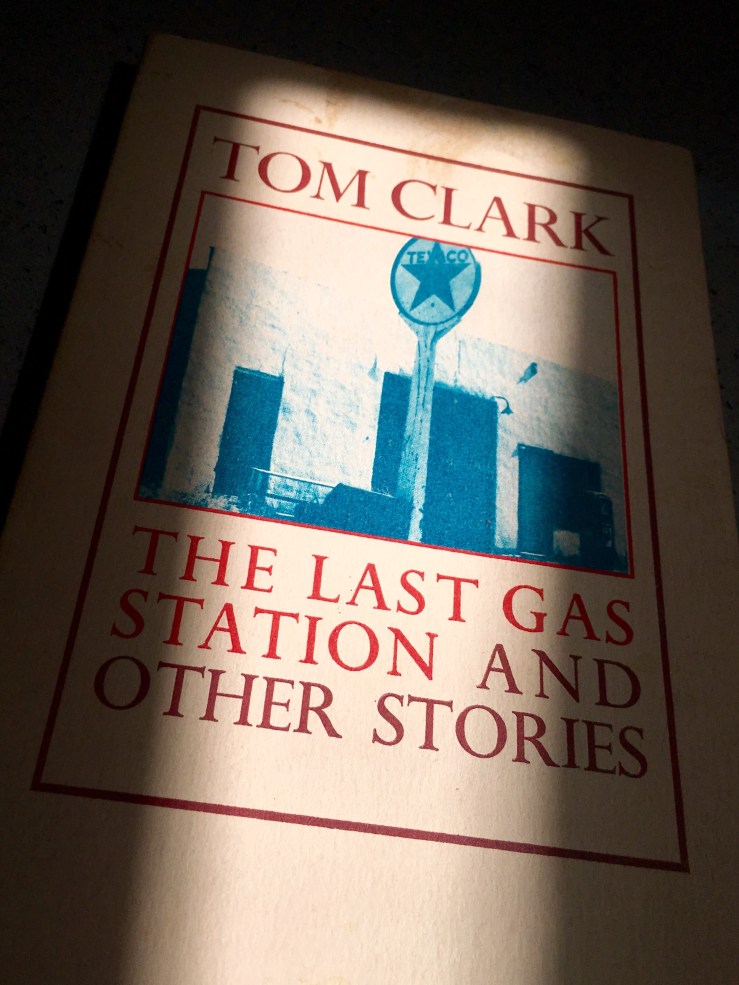
I just spent the past hour reading from Tom Clark’s 1980 short story collection The Last Gas Station and Other Stories. Is this the only collection of short stories by Clark? I don’t know. Maybe I prefer not knowing. I was excited to find this at the bookstore yesterday so maybe I’ll be excited to find some other phantom collection in some eventual phantom future. Stories that are like poems, or infused by poems—or dialogues, or spirit rants, ersatz music reviews for bands that may or may not exist. Heidegger complains to Hitler; Ty Cobb gets turned on to Little Orphan Annie. Tales of sex and love and other things. Find it if you can get it.

Sleepless Nights by Elizabeth Hardwick is a riff-novel, or a thought-novel, or an I-don’t-know-what, I mean. Is it about memory? Or is it memory?  “If only one knew what to remember or what to pretend to remember”—If I remember correctly, this is the first sentence of the novel’s second paragraph.

Mahendra Singh’s American Candide is forthcoming from Rosarium. It is funny and sad and even cruel, but also sweet (and bitter and very very funny). I’ll have a full review forthcoming closer to its pub date, but the short review is: Buy it.

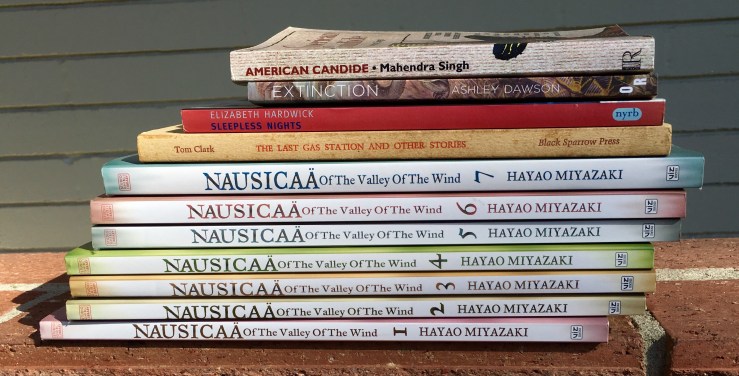
I wrote about Ashley Dawson’s Extinction  a week or two ago…finished it since then and it’s a good, sad, angrifying read. I read Extinction with/against a viewing of Miyazaki’s Princess Mononoke, and then I got sick, like, the next week, which led to a big re-read of  Nausicaä of the Valley of the Wind. I’m better now, thanks to fantasy and manga.

Three Books

img_1947

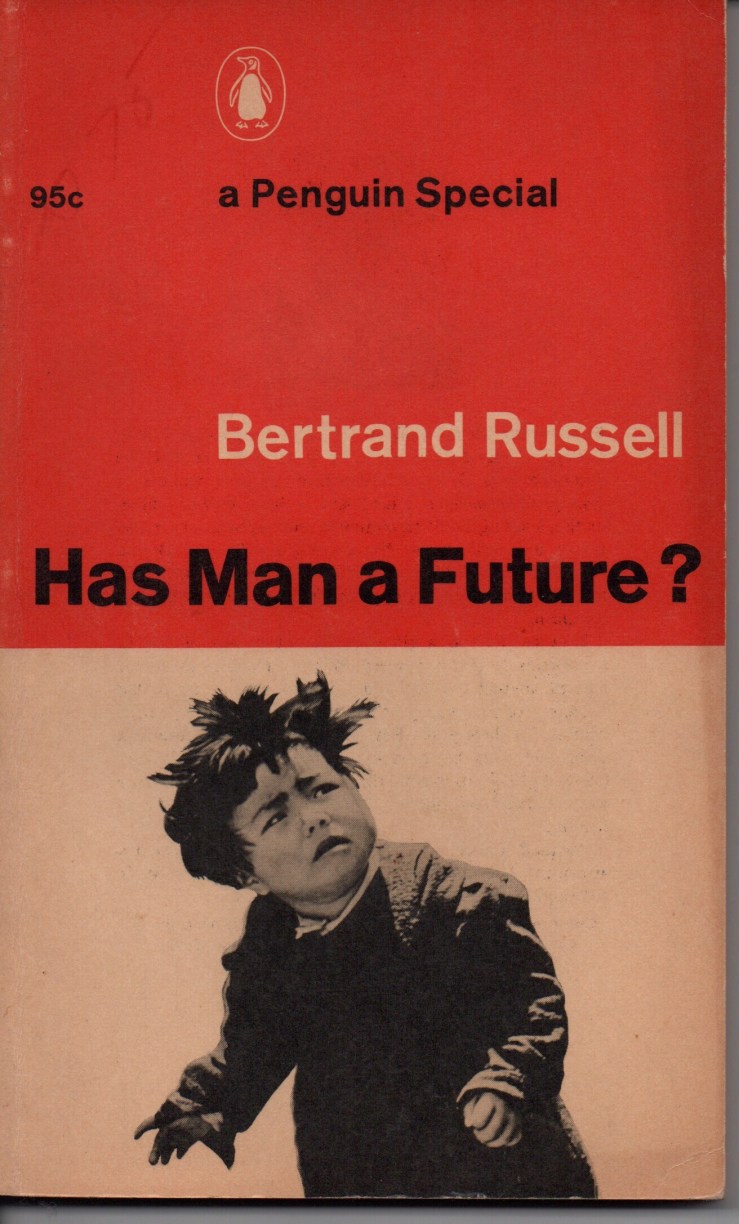
Has Man a Future? by Bertrand Russell. 1961 Penugin U.S. paperback. Cover design by Richard Hollis, using a photo credited to USIS.

img_1949

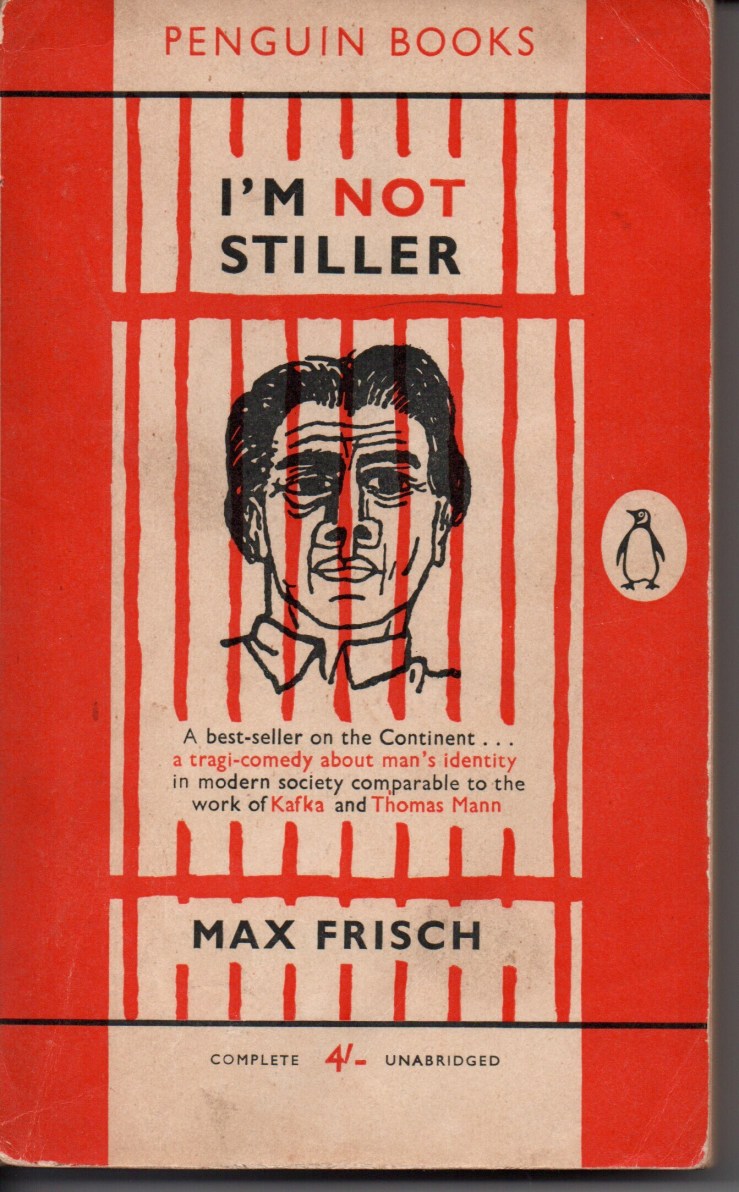
I’m Not Stiller by Max Frisch. English translation by Michael Bullock. 1961 Penguin paperback (Great Britain). Cover by John Griffiths.

img_1946

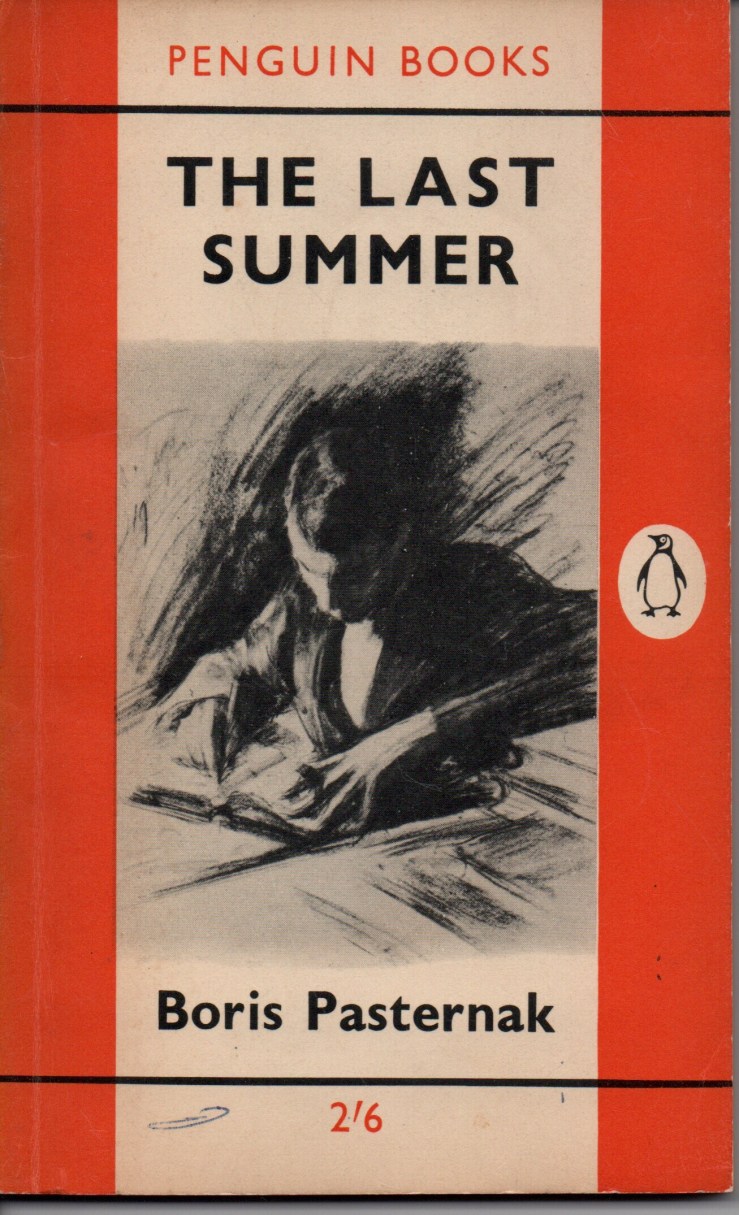
The Last Summer by Boris Pasternak. English translation by George Reavey. 1961 Penguin paperback (Great Britain). Cover illustration of the author by his father, Leonid Pasternak.

Tom Clark stories (Book acquired, 4.09.2016)

img_1945

Nathaniel Hawthorne’s journal entry for April 7th, 1840

April 7th.–It appears to me to have been the most uncomfortable day that ever was inflicted on poor mortals. . . . Besides the bleak, unkindly air, I have been plagued by two sets of coal-shovelers at the same time, and have been obliged to keep two separate tallies simultaneously. But I was conscious that all this was merely a vision and a fantasy, and that, in reality, I was not half frozen by the bitter blast, nor tormented by those grimy coal-heavers, but that I was basking quietly in the sunshine of eternity, . . . Any sort of bodily and earthly torment may serve to make us sensible that we have a soul that is not within the jurisdiction of such shadowy demons,–it separates the immortal within us from the mortal. But the wind has blown my brains into such confusion that I cannot philosophize now.

Nathaniel Hawthorne’s journal entry for April 7th, 1840.

“First—listen. Listen to Joyce, to Woolf, to Faulkner, to Melville” | On Audiobooks of “Difficult” Novels

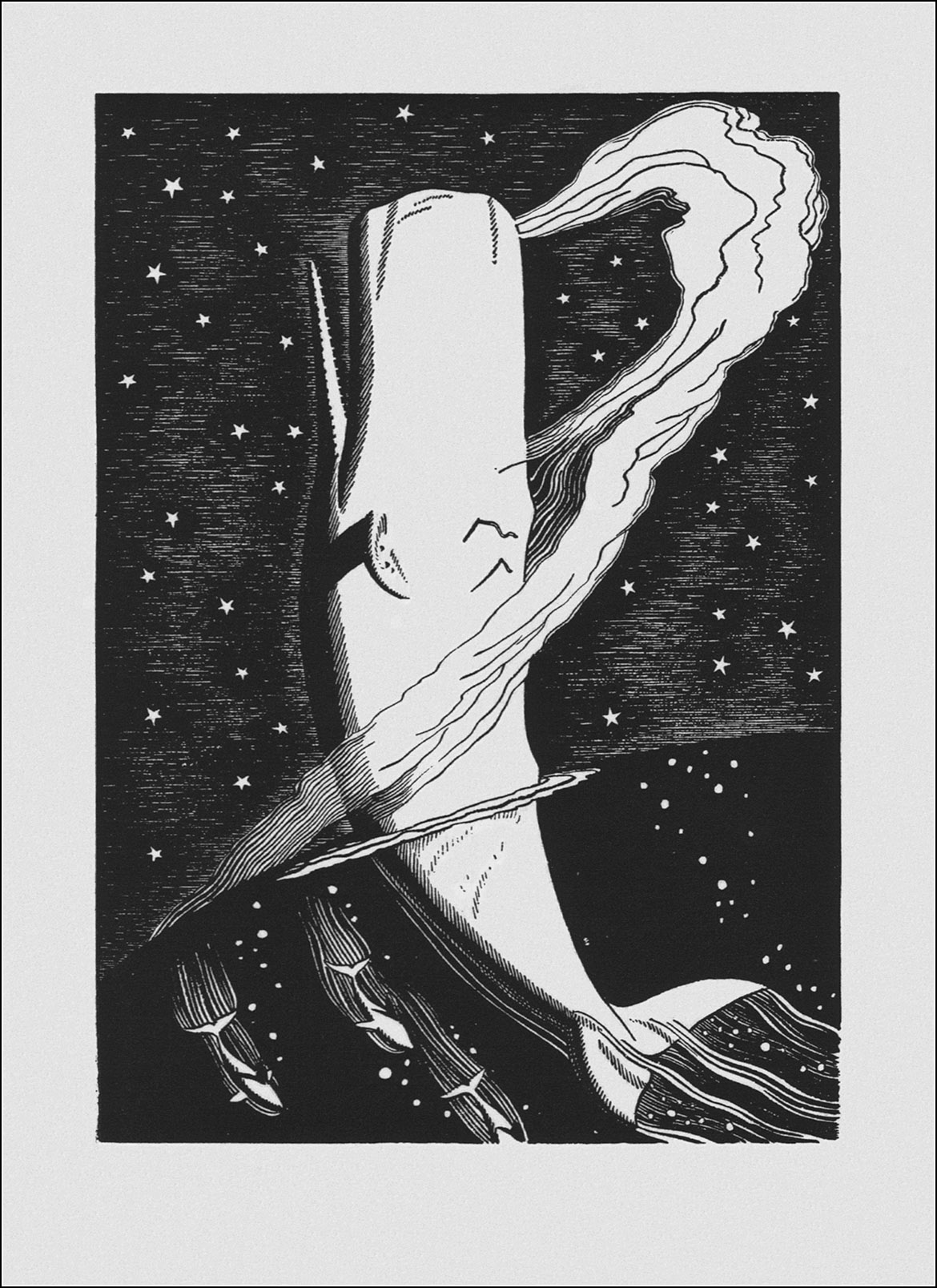
Moby-Dick, Rockwell Kent
I am a huge fan of audiobooks. I’ve pretty much always got one going—for commutes, jogs, workaday chores, etc. The usual. I love to listen to audiobooks of books I’ve already read, in particular, but I of course listen to new stuff too, or stuff that’s new to me, anyway. There just isn’t time to get to all the reading and rereading I want to do otherwise.

Beyond the fact that audiobooks allow me to experience more books than I would be able to otherwise, I like the medium itself: I like a reader reading me a story. Like a lot of people, some of my earliest, best memories are of someone reading to me. (The narrative in my family was always that my mother fell asleep while reading me The Lion, the Witch and the Wardrobe and that I picked it up and finished it on my own and that’s how I “learned” to read—I’m not really sure of this tale’s veracity, which makes it a good story, of course). So I’ve never fully understood folks who sniff their noses at audiobooks as less than real reading. 

Indeed, the best literature is best read aloud. It is for the ear, as William H. Gass puts it in his marvelous essay “The Sentence Seeks Its Form”:

Breath (pneuma) has always been seen as a sign of life . . . Language is speech before it is anything. It is born of babble and shaped by imitating other sounds. It therefore must be listened to while it is being written. So the next time someone asks you that stupid question, “Who is your audience?” or “Whom do you write for?” you can answer, “The ear.” I don’t just read Henry James; I hear him. . . . The writer must be a musician—accordingly. Look at what you’ve written, but later … at your leisure. First—listen. Listen to Joyce, to Woolf, to Faulkner, to Melville.

Joyce, Woolf, Faulkner, Melville—a difficult foursome, no? I would argue that the finest audiobooks—those with the most perceptive performers (often guided by a great director and/or producer) can guide an auditor’s ear from sound to sense to spirit. A great audiobook can channel the pneuma of a complex and so-called difficult novel by animating it, channeling its life force. The very best audiobooks can teach their auditors how to read the novels—how to hear and feel their spirit.

I shall follow (with one slight deviation, substituting one William for another) Gass’s foursome by way of example. Joyce initiates his list, so:

I had read Joyce’s Ulysses twice before I first experience RTÉ’s 1982 dramatized, soundtracked, sound-effected, full cast recording of the novel (download it via that link). I wrote about the Irish broadcast company’s production at length when I first heard it, but briefly: This is a full cast of voices bringing the bustle and energy (and torpor and solemnity and ecstasy and etc.) of Bloomsday to vivid vivacious vivifying life. It’s not just that RTÉ’s cast captures the tone of Ulysses—all its brains and hearts, its howls and its harrumphs—it’s also that this production masterfully expresses the pace and the rhythm of Ulysses. Readers (unnecessarily) daunted by Ulysses’s reputation should consider reading the book in tandem with RTÉ’s production.

Woolf is next on Gass’s list. Orlando is my favorite book of hers, although I have been told by scholars and others that it is not as serious or important as To the Lighthouse or Mrs. Dalloway. It is probably not as “difficult” either; nevertheless, put it on the list! Clare Higgins’s reading of Orlando remains one of my favorite audiobooks of all times: arch without being glib, Higgins animates the novel with a picaresque force that subtly highlights the novel’s wonderful absurdities.

Faulkner…well, did you recall that I admitted I would not keep complete faith to Gass’s short list? Certainly Faulkner’s long twisted sentences evoke their own mossy music, but alas, I’ve yet to find an audiobook with a reader whose take on Faulkner I could tolerate. I tried Grover Gardner’s take on Absalom, Absalom! but alas!—our reader often took pains to untangle what was properly tangled. I don’t know. I was similarly disappointed in an audiobook of The Sound and the Fury (I don’t recall the reader). And yet I’m sure Faulkner could be translated into a marvelous audiobook (Apprise me, apprise me!).

Let me substitute another difficult William: Gaddis. I don’t know if I could’ve cracked J R if I hadn’t first read it in tandem with Nick Sullivan’s audiobook. J R is a tragicomic opera of voices—unattributed voices!—and it would be easy to quickly lose heart without signposts to guide you. Sullivan’s reading is frankly amazing, a baroque, wild, hilarious, and ultimately quite moving performance of what may be the most important American novel of the late twentieth century. A recent reread of J R was almost breezy; Sullivan had taught me how to read it.

Mighty Melville caps Gass’s list. I had read Moby-Dick a number of times, studying it under at least two excellent teachers, before I first heard William Hootkins read it. (Hootkins, a character actor, is probably most well-known as the X-wing pilot Porkins in A New Hope). As a younger reader, I struggled with Moby-Dick, even as it intrigued me. I did not, however, understand just how funny it was, and even though I intuited its humor later in life, I didn’t fully experience it until Hootkins’ reading. Hootkins inhabits Ishmael with a dynamic, goodwilled aplomb, but where his reading really excels is in handling the novel’s narrative macroscopic shifts, as Ishmael’s ego seems to fold into the crew/chorus, and dark Ahab takes over at times. But not just Ahab—Hootkins embodies Starbuck, Flask, and Stubb with humor and pathos. Hootkins breaths spirit into Melville’s music. I cannot overstate how much I recommend Hootkins audiobook, particularly for readers new to Moby-Dick. And readers old to Moby-Dick too.

“What can we do to find out how writing is written? Why, we listen to writers who have written well,” advises (or scolds, if you like) William Gass. The best audiobook performances of difficult books don’t merely provide shortcuts to understanding those books—rather, they teach auditors how to hear them, how to feel them, how to read them.

Audiobook Riff 1 (a non-definitive list (mine) and a Maqroll anecdote (not mine))

I got a lovely email, with the subject line “Audiobooks,” a few weeks ago from a guy named Ben. Basically, he asked me to do a post on some of my favorite audiobooks, which I suppose I could’ve done fairly easy as a list (and which, yes, if you want to drop down, I will list below, oh-so-non-definitively)—but after thinking about his question, I thought I might break the post up into a couple of posts on audiobooks in general—the excellent ones, the average ones, the terrible ones afflicted by readers who misread the material; the audiobooks I’m auditing now/recently; childhood favorites (on vinyl!); hell, maybe even a totally pretentious post called “How to listen to audiobooks” or some such garbage.

Before I go on though, let me share Ben’s email (he gave me his permission), which is mostly a marvelous anecdote about Álvaro Mutis’s Maqroll novellas:

After reading your post on The Adventures and Misadventures of Maqroll, I immediately ordered the book and read it with my father as we travelled through Borneo, passing it back and forth every dozen pages. The reading became even more significant as we reached the passage in which Maqroll is laid up sick in Northridge, California, in an area surrounded by orange groves. This area is where my father spent his childhood. Reading Maqroll with my father on that trip stands as my most meaningful reading experience. I thank you for putting us onto that book.

Have you done a post yet on your favorite audiobooks? I’d like to get your recommendations. I recall you mentioning a few in previous posts, but could not track them down. Keep at it.

Ben’s Maqroll story surely deserves a response in full, fleshed out detail, and my next post will discuss in detail why I praise the following audio productions. But for now a list (sans, alas, Álvaro Mutis: our Gaviero Maqroll has not found his way into an audiobook yet, at least to my knowledge).

In no real order, and by no means definitive, a list of eight perfect or near-perfect audiobooks:

Herman Melville’s Moby-Dick, as read by William Hootkins

James Joyce’s Ulysses,  RTÉ’s 1982 full cast production (that second link links to a free download!).

Virginia Woolf’s Orlando, as read by Claire Higgins

J.R.R. Tolkien’s The Hobbit, as read by Nicol Williamson

William Gaddis’s J R, as read by Nick Sullivan

Cormac McCarthy’s Blood Meridian, as read by Richard Poe

Gordon Lish’s The Collected Fictions of Gordon Lish, as read by Gordon Lish 

Denis Johnson’s Train Dreams, as read by Will Patton

Three Books

img_1930

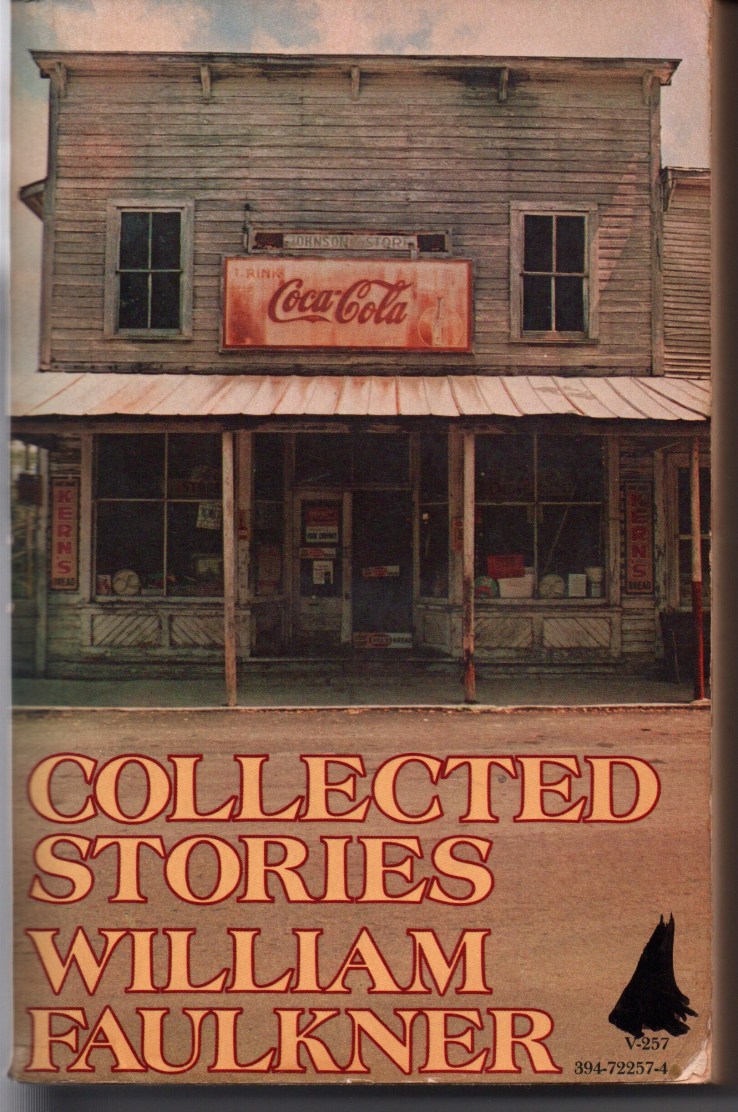
Collected Stories by William Faulkner. 1977 first edition trade paperback from Vintage. This book is 900 pages, exactly, not including the ancillary pages that detail publication dates and rights, as well as Vintage’s back catalog—and yet not one of those pages manages to credit the cover designer or photographer.

I’ve been reading/re-reading this very slowly, with the loose goal of finishing this year.

img_1929

Nausicaä of the Valley of the Wind, Vol. 4 by Hayao Miyazaki. English translation by David Lewis and Toren Smith. Studio Ghibli Library edition by Viz Media, 2010. No designer credited, but the cover is by Miyazaki and I imagine we can probably credit Studio Ghibli with the design.

I started rereading Nausicaä this week after revisiting Princess Mononoke this week. Then I got horribly ill, and the only stuff I can really read when I’m really sick are comics. I scanned Vol. 4 for this week’s Three Books post; I finished it pretty late last night. Vol 5-7 remain.

img_1931

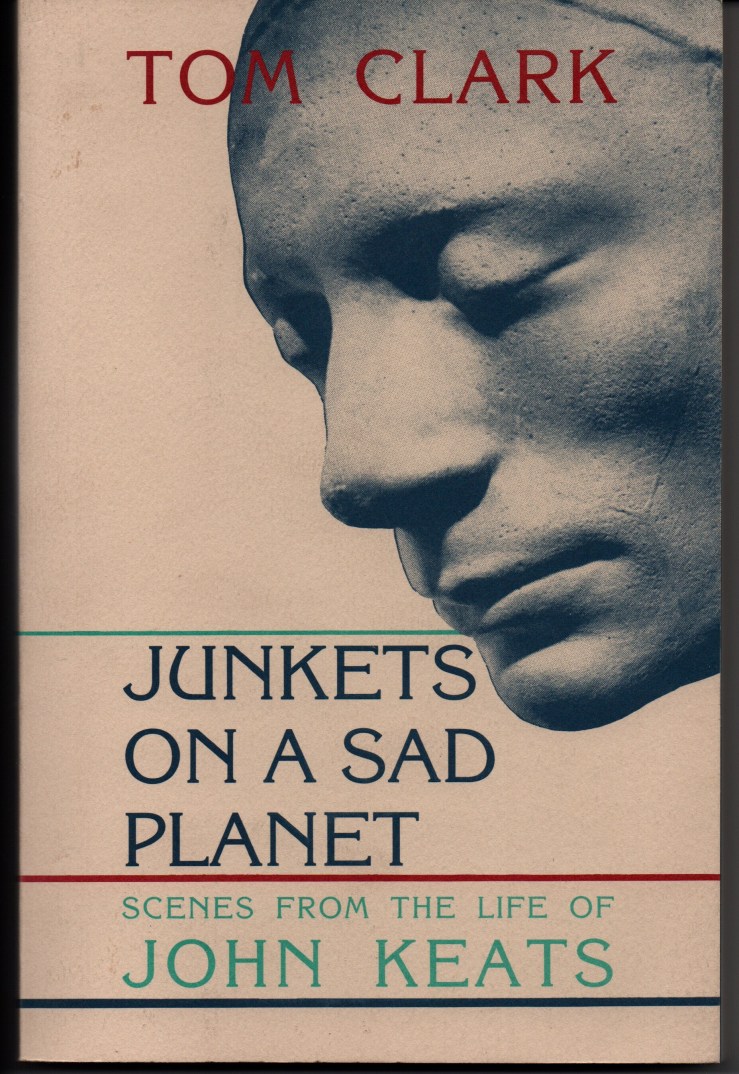
Junkets on a Sad Planet by Tom Clark. First edition trade paperback by Black Sparrow Press, 1994. Cover design by Barbara Martin. The image is of Benjamin Robert Haydon’s life mask for John Keats (from a photo by Christopher Oxford).

I awoke around 1am in the middle of last week, and unable to sleep, I wandered to our den and randomly took this from the shelf to begin reading/rereading. The book (its title is a pun) is difficult to explain, a beautiful experience, rich. Here’s Clark’s own description: “…an extended reflection on the modern poet’s life, as Keats lived it. The book may be read by turns as poetic novel, biography in verse, allegorical masque, historical oratorio for several voices.”

Dictionaries (William H. Gass)

Dictionaries are supposed to influence usage. Usage is what dictionaries record. “This is what we have meant,” they say; “continue in the same vein so that communication will be accurate, reliable, and fluent.” Then the next dictionary will record that fidelity, and issue the same command, which will complete the cycle. Among users, however, there are many who are incompetent, inventive, or disobedient. The French Academy tries to drive strays back into the herd. English has no comparable guardian and its speakers lack every discipline. Soon meanings have multiplied or slid or mushed, and niceties—delicate distinctions—lost along the way. In this haphazard fashion, influence has come to mean a kind of causality that operates only through the agency of a consciousness. Where this puts the stars, I’m not sure. Because of smog or city glare, we often don’t even know the stars are there.

From: William H. Gass’s essay “Influence.” Collected in A Temple of Texts.

Extinction, Gilgamesh, Miyazaki’s Wolfchild, etc. (A Riff)

img_1916

Reading the introduction to Ashley Dawson’s Extinction: A Radical History this afternoon (forthcoming from OR Books), I felt a surreal yet nevertheless familiar twinge of apocalypse anxiety creeping into my right eye, where it tussled around. Is unnerved the metaphor I look for, here? Or is my response more literal? “Extinction is the product of a global attack on the commons, the great trove of air, water, plants and creatures, as well as collectively created cultural forms such as language, that have been regarded traditionally as the inheritance of humanity as a whole,” writes Dawson, and I nod my head. Dawson continues: “capital of course depends on continuous commodification of this environment to sustain its growth.” I nod some more. “Indeed, there is no clearer example of the tendency of capital accumulation to destroy its own conditions of reproduction than the sixth extinction.” More nodding, more anxiety.

Chapter 2 of Extinction, “An Etiology of the Present Catastrophe,” assuages (not its intent, thank gawd) some of my anxiety by beginning with a passage from old ancient historical literature. Dawson gives us a passage from The Epic of Gilgamesh; we get Gilgamesh and his homeboy Enkidu killing the forest guardian spirit Humbaba. I’m more at home in literature, in history, outside of the awful present (I’m thinking that later in the book, in chapters titled “Anti-Extinction” and “Radical Conservation,” that Dawson might like call on me to do something other than to extol the virtues of Thoreau and Emerson to college sophomores. (And nod in agreement with him)).

But so and anyway, reading this prefatory paragraph from Gilgamesh, I made the immediate imaginative leap that literature licenses me: the episode that Dawson has invoked, this city-statesman vs. nature narrative featuring Gilgamesh straight up beheading the forest protector—well, that’s the central conflict/plot in Hayao Miyazki’s 1997 film Mononoke-hime (rendered in English as Princess Mononoke, but I think better translated as Spirit-Monster Wolfchild or something like that, although no one asked me).

More on that in a second, but first, Dawson again, from the middle of “An Etiology of the Present Catastrophe,” wherein we move from literature to history to the present:

The violence generated by what geologists call the Holocene epoch was directed not just at other human beings but also at nature. Indeed what is perhaps humanity’s first work of literature, the Epic of Gilgamesh (1800 BCE), hinges on a mythic battle with natural forces. In the epic, the protagonist Gilgamesh, not content with having built the walls of his city-state, seeks immortality by fighting and beheading Humbaba, a giant spirit who protects the sacred cedar groves of Lebanon. Gilgamesh’s victory over Humbaba is a pyrrhic one, for it causes the god of wind and storm to curse Gilgamesh. We know from written records of the period that Gilgamesh’s defeat of the tree god reflects real ecological pressures on the Sumerian empire of the time. As the empire expanded, it exhausted its early sources of timber. Sumerian warriors were consequently forced to travel to the distant mountains to the north in order to harvest cedar and pine trees, which they then ferried down the river to Sumer. These journeys were perilous since tribes who populated the mountains resisted the Sumerians’ deforestation of their land.

Dawson goes on to to detail how the Sumerians’ short-sighted, expansion-oriented agricultural methods led to the downfall of their empire: A scarcity of timber and farming practices that led to a “salt-soaked earth” led to Iraq’s modern deserts.

Before my eye starts twitching again let me return (retreat) to Miyazaki—
111

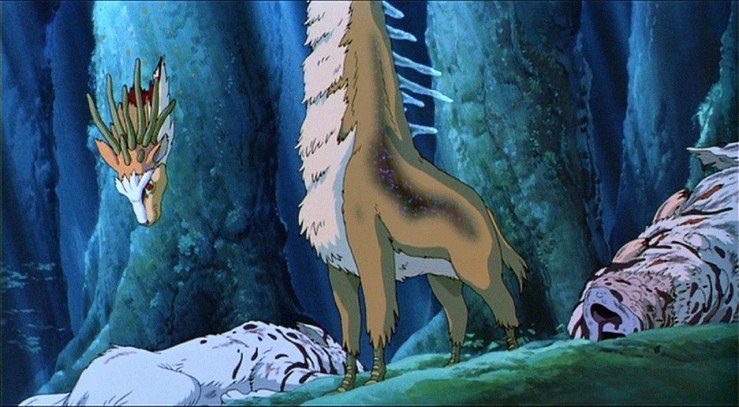
—well, I watched Princess Mononoke just this Saturday, the Saturday before Easter—for like the first time in a decade. (We watch his films all the time with our kids (Ponyo, Totoro, and Spirited Away especially), but not Mononoke, which is too abject and violent yet for their tender years. And not Porco Rosso, which isn’t really for kids. Or The Wind Rises).

Anyway: So: Mononoke, I was thinking, rewatching it, was/is this wonderfully, beautiful, aesthetically astonishing take on the beginning of industrialization, and the weaponization of industry, and, like man vs nature, in a primordial sense. It’s also a Japanese Western, a meditation on purity and defilement, and a study of sorts on a feral child. Not having seen it in some time, I was perhaps most struck by how complex, brave, and intriguing I found the industrialist arms-designer/manufacturer Lady Eboshi (voiced by Minnie Driver). She fights against the forest gods, she destroys and pollutes nature, she creates new weapons capable of killing people with a proficiency not yet seen on this earth. And yet at the same time, she finds a home for lepers and prostitutes—and not just a home, but a reason to be, an agency, an existential calling outside of the feudal system that would otherwise reject them. She’s the most human character in the film, perhaps. Miyazaki’s villains are rarely absolute. They are gray, human. And in their complicated, seemingly realistic humanity, I find the consolation of fantasy, yes?

So in viewing Mononoke this Easter eve—well maybe it was the wine I drank transubstantiating (or do I mean consubstantiating?) my blurred vision toward something more (an aesthetic illusion)—

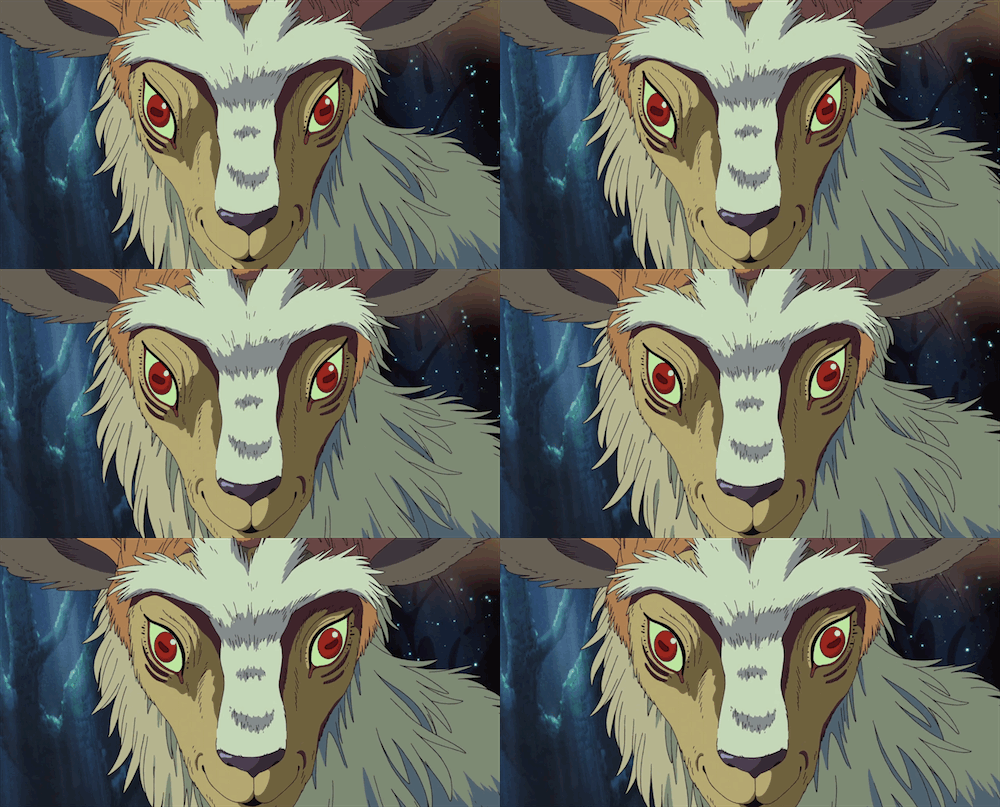
—or and but anyway, so in Mononoke, I found some kind of synthesis, some kind of reconciliation between the wolfchild (Princess Mononoke, human-divine emissary of the old gods, the human not in nature but of and for nature) and the film’s protagonist (the self-exiled marked man Ashitaka—a cursed wanderer like Cain).
tumblr_inline_o1qoyqk5ln1t6t6sv_500

But no redemption. Or maybe only aesthetic redemption—which is ultimately anaesthetic, no? The rebirth in Mononoke—spoilers, maybe sorry—well the rebirth is predicated on the same sacrifices (same same but different) detailed in the Easter story.  Self-sacrifice: Obliteration of self. The tree-god-guardian—as in Gilgamesh—is beheaded. But Miyazaki contrives a heroic restoration of the godhead, one that turns the literal megafauna creature into a metaphor, an idea—a concept of nature to be attended to—stewarded by—humankind. This is wish-fulfillment, of course.

But hey and so: that fantastic wonderful megafauna, eh? They range and lumber and speak and act and assert agency throughout Mononoke. Boars, wolves, elk. A kirin. Hell, apes. In Extinction, Dawson takes us through the mass extinction of the megafauna that once trudged and bounded over the earth, detailing the “Pleistocene wave of megadeath.” (Should I note that saber tooth tigers and giant sloths and wooly mammoths populated my childhood fantasies more than any T-rex or triceratops?). We—that is humans—we are the big animals now, elephants be damned! (Dawson opens his book with the shocking line “His face was hacked off.” This, in reference to the elephant Satao, felled by poachers). Is it my dreams and fantasies that I find consolation in? In aesthetics? In the crusty rime of religion that sticks to my consciousness?

Extinction frightens me—wait, I said that already, forgive me, I’ve been applying anaesthetics, okay—Dawson’s take is real, urgent, vital. It makes me face that I prefer my ecological criticism couched in the fantasy of the fantasy-past (Mononoke) or the doomed-but-hey-maybe-not-so-doomed-future (I’ll call here on Mononoke’s twin, Miyazaki’s 1984 epic Nausicaä of the Valley of the Wind, as an example). But prefer is not the right mode/verb here (and neither is the spirit of this riff, a solipsistic navel-gazing blog of myself). This failure is my failure.

Maybe skip ahead, eh?— “The struggle to preserve global biodiversity must be seen as an integral part of a broader fight to challenge an economic and social system based on feckless, suicidal, expansion,” Dawson writes later. And skimming ahead more, I see notes on regenesis, ideas toward rewilding. Dawson’s last paragraphs—damn me, I skipped way ahead, looking for rhetorical solace—point toward “a human capacity to dream and to build a more just, more biologically diverse world.” A rhetorical flourish is easy but Dawson’s claim here is real—a future requires imagination, but an imagination beyond solace, beyond consolation. Miyazaki’s ecoverses perhaps point toward an imaginative collective future—or perhaps don’t. I don’t have a rhetorical flourish to finish off this riff.

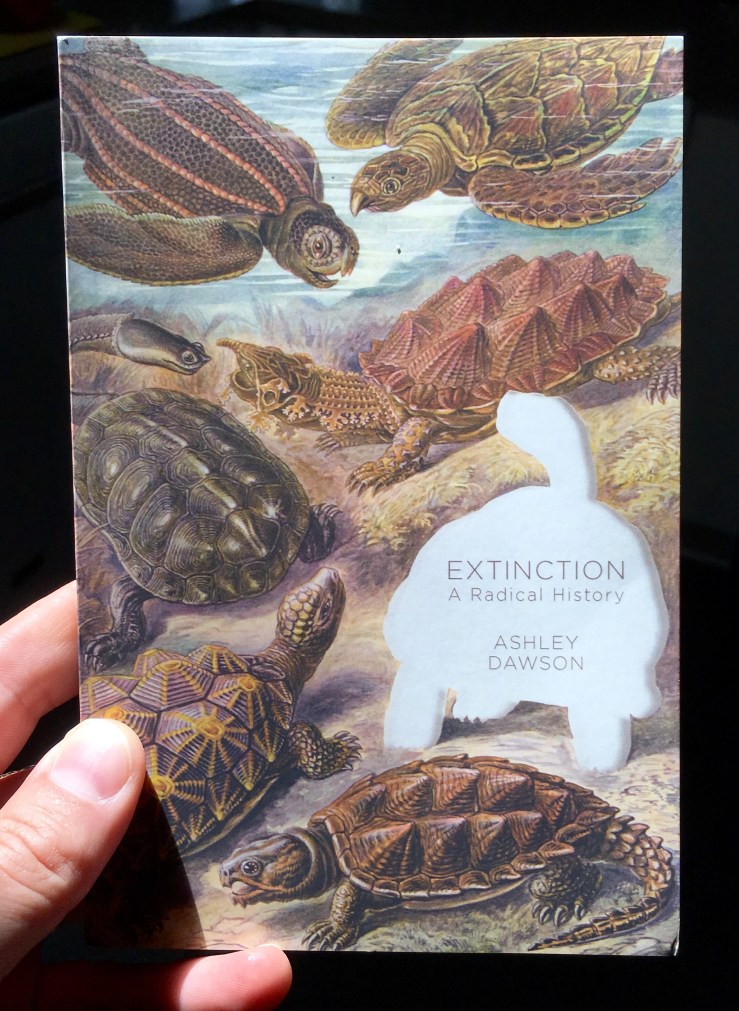
Extinction: A Radical History (Book acquired, 3.28.2016)

img_1916

I’ve been looking forward to this one. Ashley Dawson’s Extinction: A Radical History is forthcoming from OR Books. Their blurb:

Some thousands of years ago, the world was home to an immense variety of large mammals. From wooly mammoths and saber-toothed tigers to giant ground sloths and armadillos the size of automobiles, these spectacular creatures roamed freely. Then human beings arrived. Devouring their way down the food chain as they spread across the planet, they began a process of voracious extinction that has continued to the present.

Headlines today are made by the existential threat confronting remaining large animals such as rhinos and pandas. But the devastation summoned by humans extends to humbler realms of creatures including beetles, bats and butterflies. Researchers generally agree that the current extinction rate is nothing short of catastrophic. Currently the earth is losing about a hundred species every day.

This relentless extinction, Ashley Dawson contends in a primer that combines vast scope with elegant precision, is the product of a global attack on the commons, the great trove of air, water, plants and creatures, as well as collectively created cultural forms such as language, that have been regarded traditionally as the inheritance of humanity as a whole.

This attack has its genesis in the need for capital to expand relentlessly into all spheres of life. Extinction, Dawson argues, cannot be understood in isolation from a critique of our economic system. To achieve this we need to transgress the boundaries between science, environmentalism and radical politics. Extinction: A Radical History performs this task with both brio and brilliance.

The Hatred of Music / The Hatred of Poetry

The Hatred of Music The Hatred of Poetry

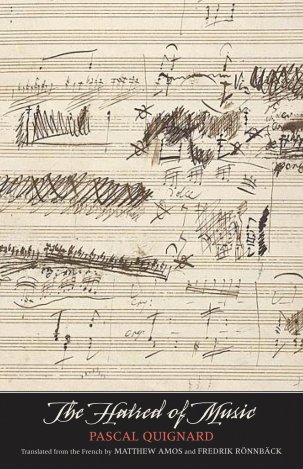
The Hatred of Music by Pascal Quignard, translated by Matthew Amos and Fredrik Rönnbäck, Yale Margellos World Republic of Letters (Yale University Press). Published March 2016.

The Hatred of Poetry by Ben Lerner, FSG. Out June 7, 2016. Read an excerpt in the April 2016 issue of Poetry magazine (not yet online, but will eventually be here).

Three Books

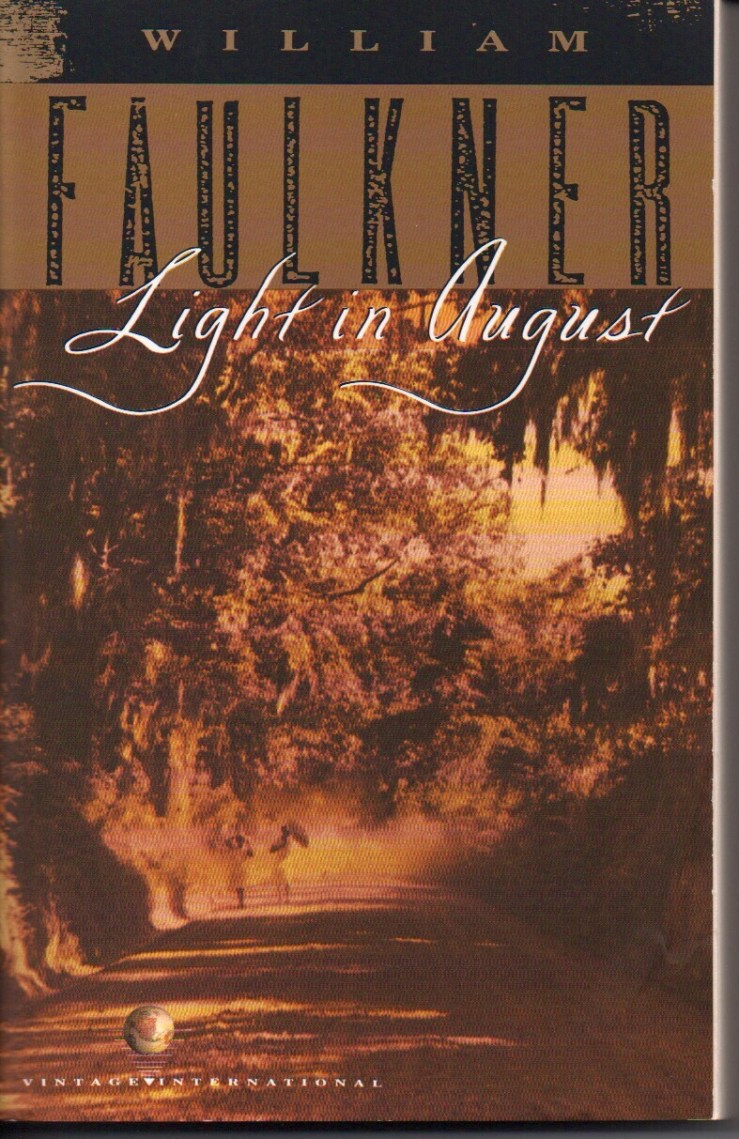
img_1894

Light in August by William Faulkner. Vintage International trade paperback. Design by Marc J. Cohen from a photograph by Marion Post Wolcott. I wrote about Light in August here. Joe Christmas is a Jesus Christ figure.

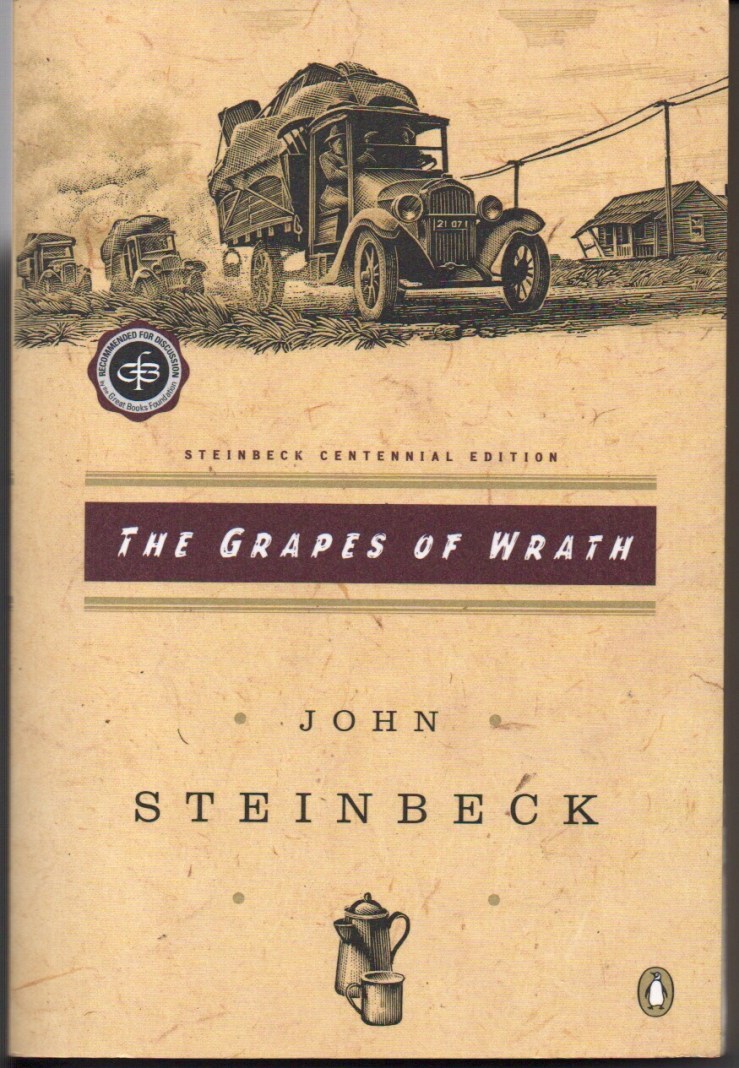
img_1895

The Grapes of Wrath by John Steinbeck. An oversized trade paperback edition with French flaps and deckle edges from Penguin. Cover design by Paul Buckley, using art by Andrew Davidson. This was part of a class set I used in a school where I used to teach; it left with me when I left. Jim Casy is a Jesus Christ figure.

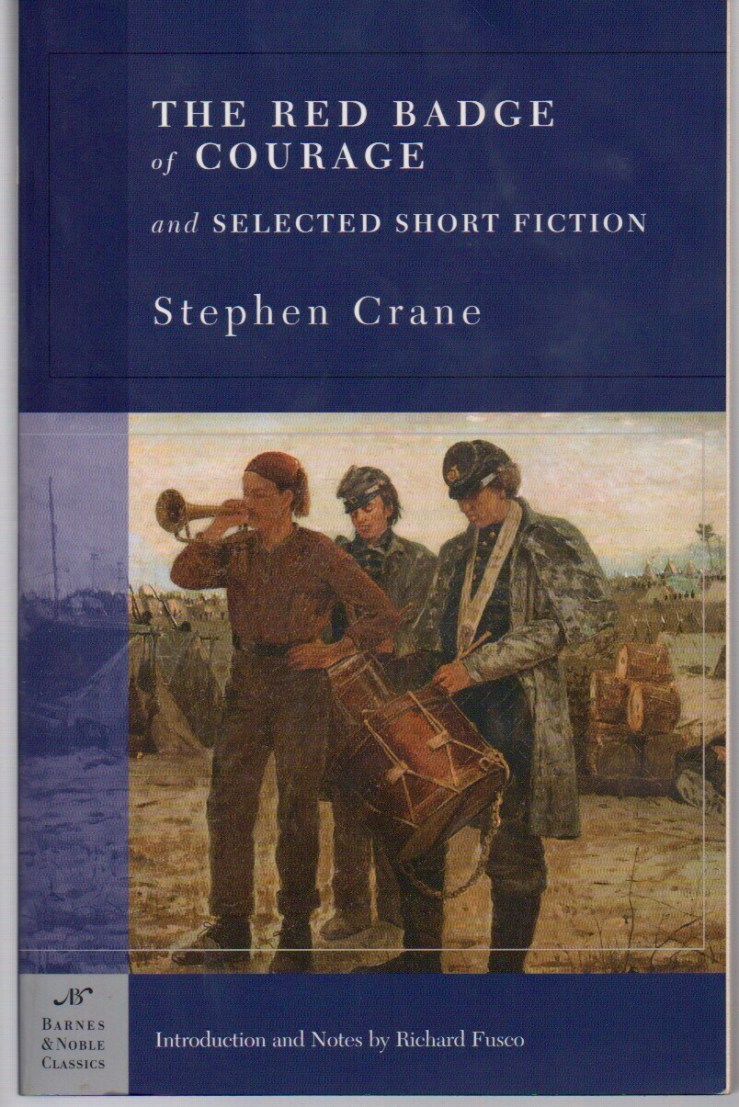
img_1893

The Red Badge of Courage and Selected Short Fiction by Stephen Crane. A cheap trade paperback by Barnes & Nobles Classics. Cover design by Dutton & Sherman, using a detail from Winsolw Homer’s painting Drum and Bugle Corp, Civil War Encampment. Another class set copy that made its way to my home. Jim Conklin is a Jesus Christ figure.

“Holy Thursday” — William Blake

Scissors-and-paste man | William Gaddis’s notes toward composing J R

eb1b6f6b730cf59966ae75f4247bec94f055c992e8bf39d5915fc20aaae4672a

William Gaddis’s cut-and-paste notes toward composing his novel J R. Check out more of Gaddis’s notes for J R at the Modern Literature Collection at Washington University. (They also have a really cool new YouTube channel).

Gaddis’s cut-and-paste technique evinces in J R, particularly in the authorial stand-in Jack Gibbs, who muddles about with scraps of ideas in his pockets—scraps that perhaps eventually become (a version of) Gaddis’s last novel Agapē Agape.

I wrote about Agapē Agape here and a recent rereading of J R here.

The con man succeeds (William H. Gass)

An intelligence without integrity (a condition so often found in people of public life) is likely to succumb to the blandishments of ideology; otherwise, the mind’s inherent skepticism will guarantee its safety from superstition and other forms of sugary conjecture. Socrates knew nothing really awful could happen to him if he kept his mind free of unwarranted opinions. True strength, throughout its spectrum, shows itself through unflustered gentleness and forbearance, since only such strength has nothing to fear. The con man succeeds by exploiting the greed of his marks and is often reluctantly admired because wit is on his side, as well as discipline. His cynicism is just good sense and his nose for moral weakness is like the dowser’s wand for water. Similarly, when ill-formed or palpably false ideas make their way through the multitude, it is because the comforts they bring are so ardently desired.If you enjoy the opinions you possess, if they give you a glow, be suspicious. They may be possessing you. An opinion should be treated like a guest who is likely to stay too late and drink all the whiskey.

Plato treated poetic inspiration as a case of such irrational infection: The gods bypass sober skill to make the pen prophetic so that the resulting poem, recited by a rhapsode similarly tranced, becomes an incitement to the mob. Or an unconscious wish, sneaky as an odor, enters the author’s awareness disguised as its opposite, and arranges the stage for a coup d’éclat. Thus the magnetic coil is closed: muse to poet, poet to page, page to performer, and performer to audience, whose applause pleases the muse, encourages the poet, and grants his forbidden desire: to rule.

From William H. Gass’s essay influence. Collected in A Temple of Texts.

Three Books

img_1820

Madness and Civilization by Michel Foucault. English translation by Richard Howard. Second edition Pantheon hardback, 1965. Cover design by Pan Visual, featuring a detail from Bosch’s Christ Carrying the Cross.

img_1819

Correction by Thomas Bernhard. English translation by Sophie Wilkins. 1983 first edition trade paperback by Aventura. Cover design by Keith Sheridan featuring an illustration by Marshall Arisman. I wrote about Correction here.

img_1818

The Tanners by Robert Walser. English translation by Susan Bernofsky. Irregular-sized trade paperback by New Directions, 2009. Cover design by Erik Rieselbach.

Selections from One-Star Amazon Reviews of Ursula K. Le Guin’s The Left Hand of Darkness

Editorial note: The following citations come from one-star Amazon reviews Ursula K. Le Guin’s novel The Left Hand of Darkness. I’ve preserved the reviewers’ original punctuation and spelling. I love Le Guin’s novel, by the way, and wrote about it here.  More one-star Amazon reviews].


I burned this book

I don’t have a college education

I started reading this book years ago

How they kemmer (Another word for mating)?

I find the use of made up language difficult to interpret

The Left Hand of Darkness it nothing but some sort of feminist garbage

After reading just over 100 pages of this utterly worthless book

no depth of character or feeling coming thu

I was just forced to read this book

I don’t care what her father did

I haven’t read hardly any Sci Fi

as good as a warm cup of milk

no story whatsoever

no plot

I’ve read a lot of scifi

I read couple of chapters

I was forced to read this novel

I will NOT be reading any more Sci Fi

I was a biology and psychology major in college back in the mid 70’s

I think she was trying to impress people back when she originally wrote the book

Ask youself why people keep on bringing up the fact that her father was an anthropologist?

Being an honors lit. student thu high scool and college, I am no stranger to classic lit

minor cultural concepts (language, religion, hierarchy)

there are no kemmering in a pornographic sense

I could NOT follow what was even going on

I’m still trying to read my way through

My taste is sophisticated

I love Sci Fi on TV

no excitement

I read 75%

just a description of a planet

He certainly isn’t particularly manful

Give me a setting that isn’t a prescription for Prozac waiting to happen!

the jumping from old folklore stories on the planet and the tale being told

she gives characters such crazy names that it’s hard to remember who’s who

I read up to the chapter where the main character was imprisoned, and I don’t care

Some cultures belong in a petri dish and should be treated with biocide rather than respect

a totalitarian pesthole notable only for the biological oddity of its people

Is Ursula Le Guin the worst writer in American history?

dated, cumbersome and boring

Enough said

boring

Hated it

It’s about an envoy

bizarre characters and other minor details

A good candidate for the first sci-fi book burning

The author should have gone into anthropology like her great father

Nothing but some dude wandering around curious about gender roles

This was purchased and read for a book club. Absolutely no one liked it

Simply put, this book is just a 60’s retread going through a mental exercise

It is just a silly exercise in exploring what a world without genders would be like

Is Shakespeare’s daughter a good storyteller just because her father was the greatest writer ever?

the culture she has created in this book is uninteresting, unbelieveable, and sounds like the more dismal parts of New Jersey anyway

The author waste a lot of pages on unnecessary side stories

Had NO idea what was going on throughout the entire book

The worst (psudo) ethnography I have ever read

Could NOT follow the author’s train of thought

and then they kemmered