Behold!!! I am Senta Klaws (George Herriman)

Santa-Kat-1

(Via/more).

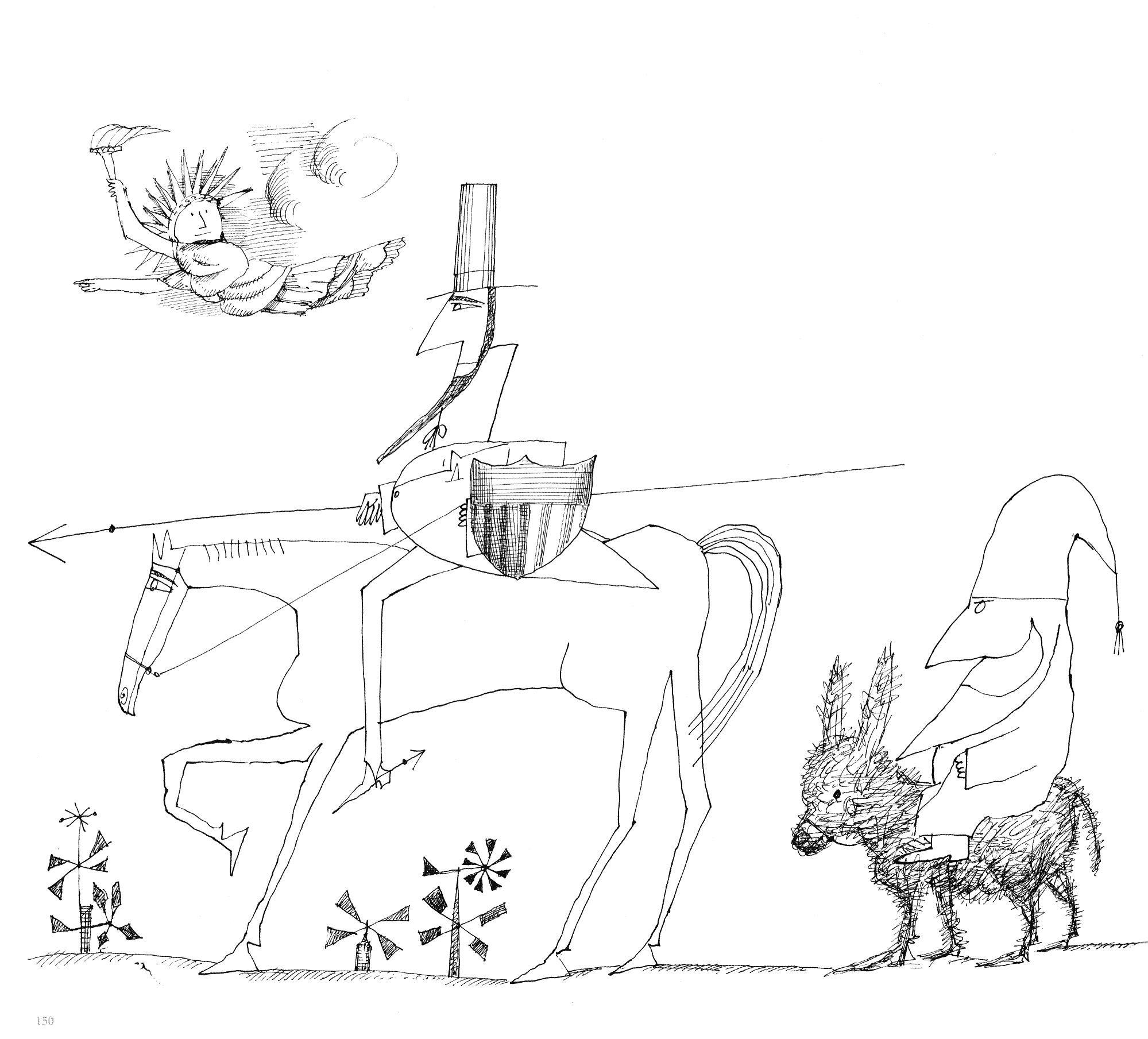
Untitled (Abraham Lincoln and Santa Claus as Don Quixote and Sancho Panza) — Saul Steinberg

ss2

Untitled, 1959 by Saul Steinberg (1914-1999). From The Labyrinth.

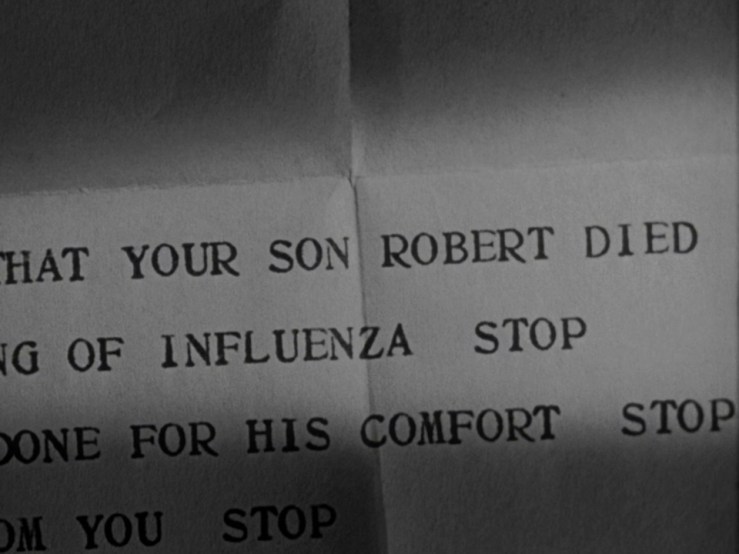
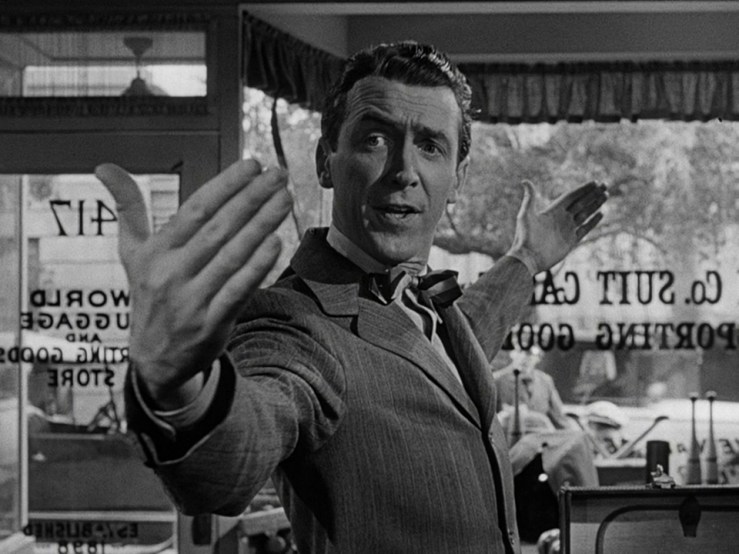
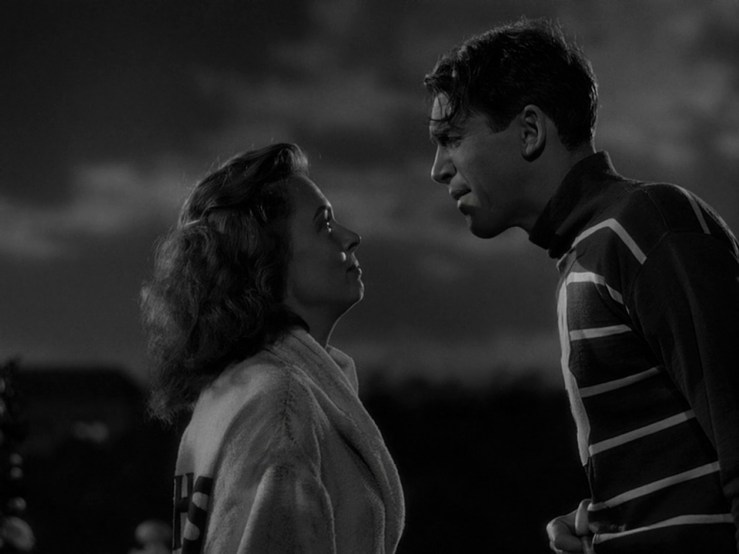
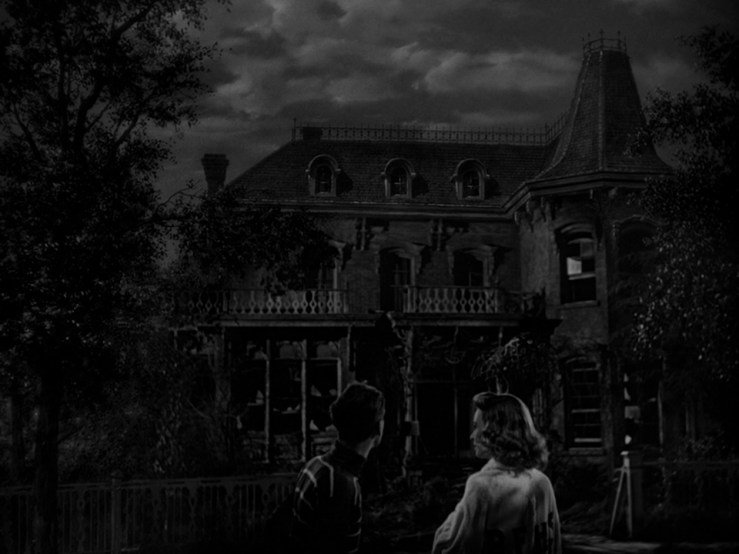
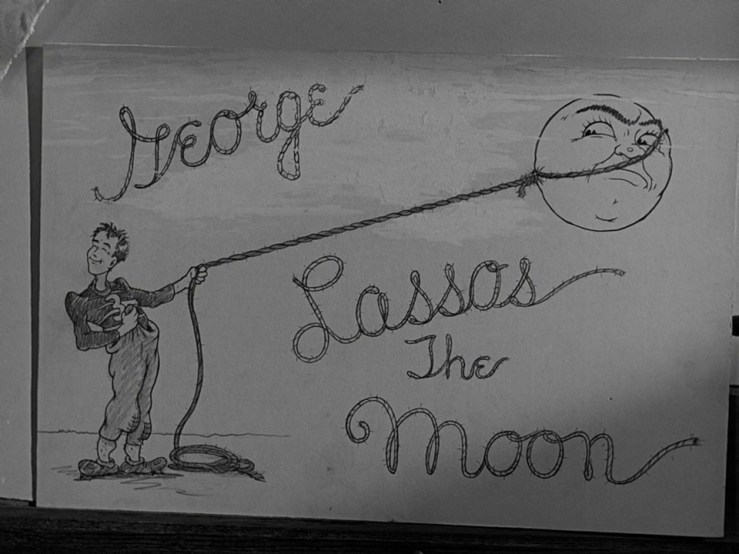
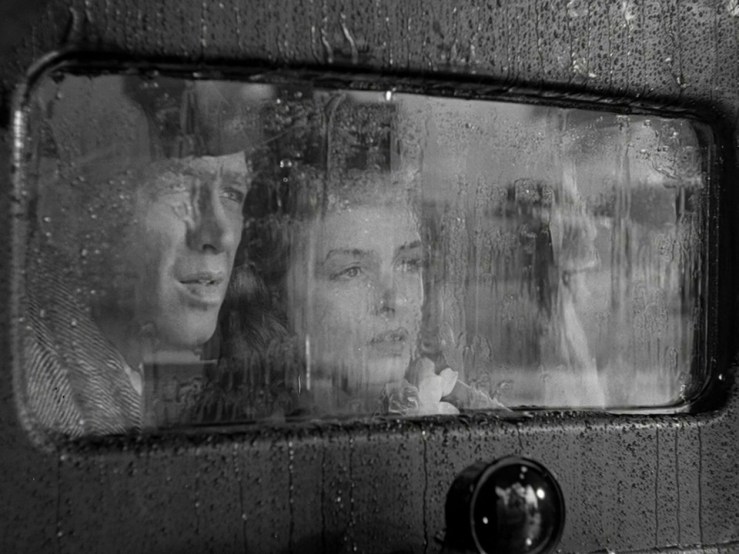
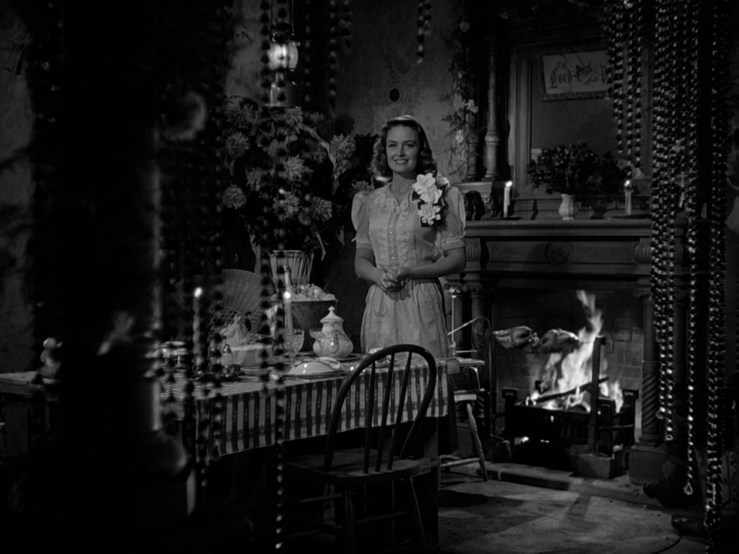
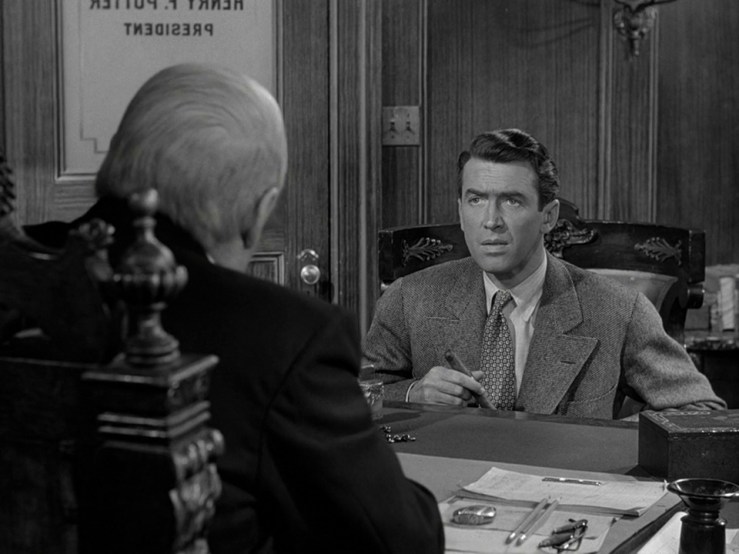
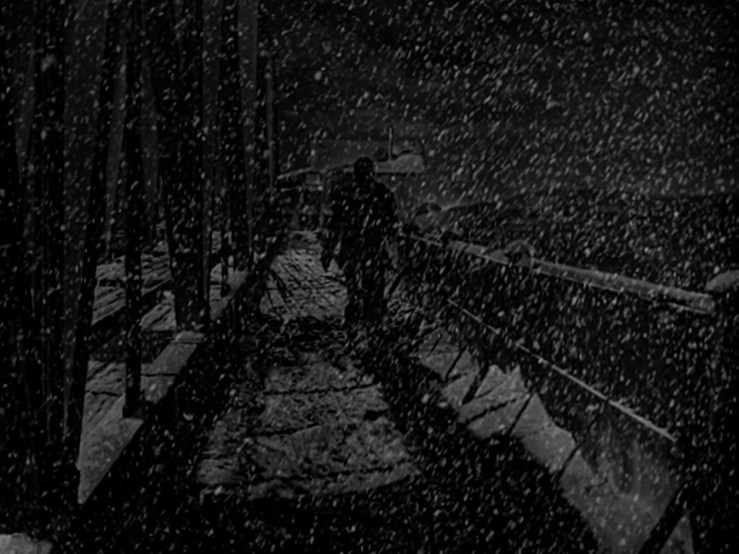
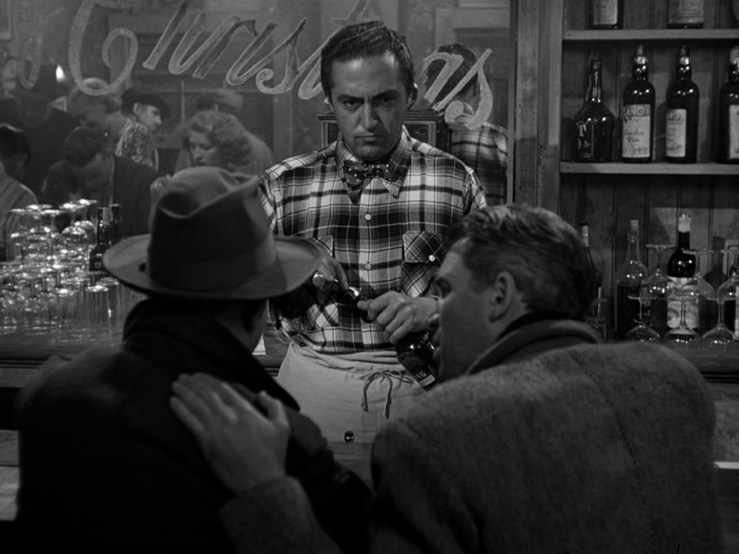
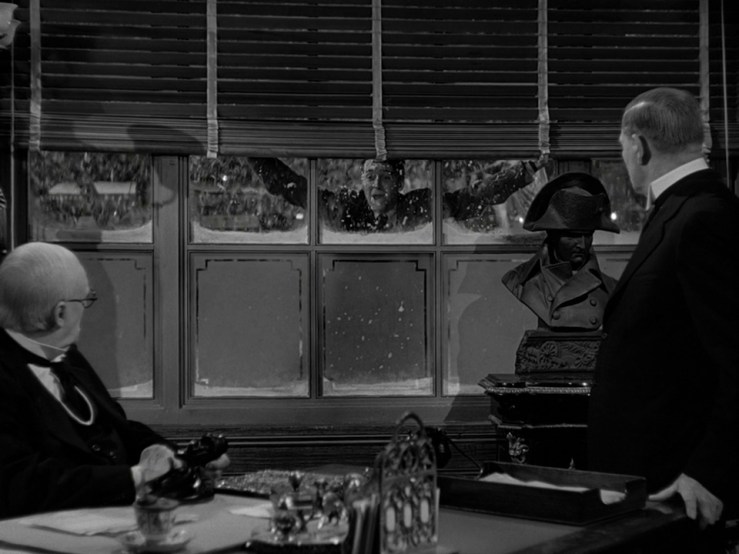
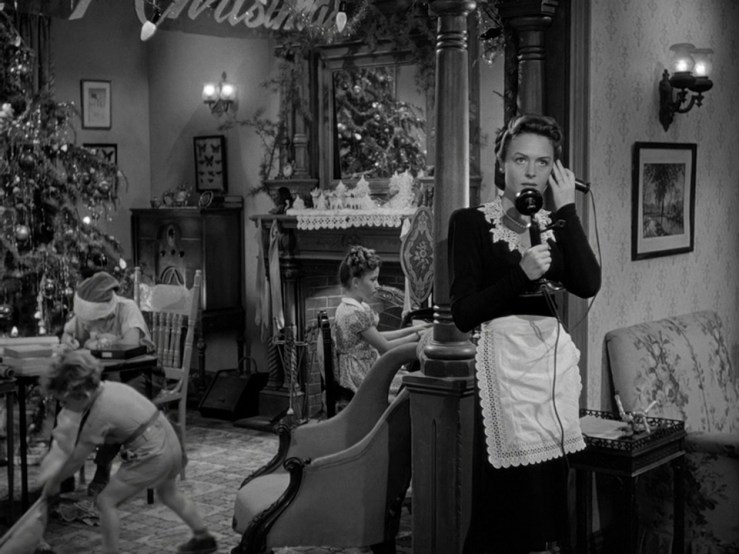
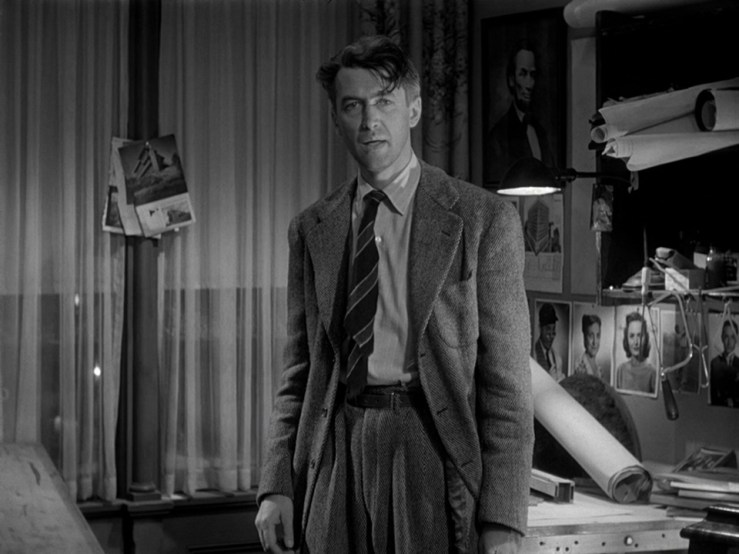
35 frames from Frank Capra’s It’s a Wonderful Life

From It’s a Wonderful Life, 1946. Directed by Frank Capra; cinematography by Joseph Walker and Joseph Biroc. Via FilmGrab.

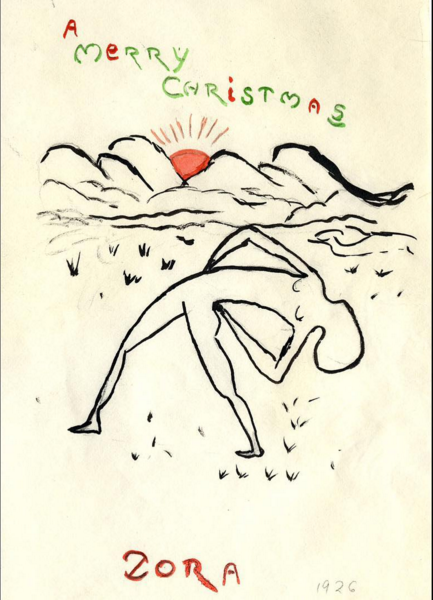
Zora Neale Hurston’s hand-drawn Christmas card

Screenshot 2015-12-25 at 4.34.25 PM

Zora Neale Hurston’s hand-drawn Christmas card (1926). From Fannie Hurst’s papers at the Harry Ransom center in Austin, TX. Via the Ransom Center’s Instagram account.

A review of Alasdair Gray’s novel Poor Things (and an anticipation of Yorgos Lanthimos’ film adaptation)

I. What I read

I read Alasdair Gray’s 1992 novel Poor Things. It was the second time I’d read the novel. I first read it close to ten years ago, after I read Gray’s superior but more flawed cult novel Lanark (1981).

II. What I remembered from that first reading

The basic contours of the plot; the postmodernist matryoshka-doll structure; the typography; the engravings; the art.

III. Why I reread it

Director Yorgos Lanthimos has adapted Poor Things into a film. The four films I have seen by him (Dogtooth, 2009; The Lobster, 2015; The Killing of a Sacred Deer, 2017; The Favourite, 2018) are formally daring, horrific, hallucinatory, and darkly funny. 

(The final two minutes of The Favourite are absolutely hypnotic.)

I had the good fortune to see all of these films cold, with no awareness of plot or structure, and I have extended this gift to myself again with Lanthimos’ adaptation of Gray’s novel: I have avoided watching any of the trailers for the film or reading any reviews or other bright clippings. I do know the identity of some of the actors involved, but do not know which characters they play. (I assume Emma Stone is Bella.)

Of course, in rereading the source novel, I have perhaps primed myself to a first viewing of Lanthimos’ Poor Things by setting Lanthimos’ vision against its literary and visual antecedent. This might be a way of saying I am not going into his film cold.

IV. About the plot of Alasdair Gray’s Poor Things

Poor Things riffs on Shelley’s Frankenstein. 

It is also a passionate defense for rationality, sexuality, feminism, and humanism. It is set primarily in the nineteenth century and in Glasgow, Scotland, but it is also set elsewhen and elsewhere.

There are three primary characters: Archibald McCandless, Bella Caledonia, and Godwin Baxter. They are depicted rather allegorically on Gray’s wonderful cover for his novel, Archie and Bella cuddled up to God:

Godwin is not a mad scientist, but he does undertake some radical experiments.

Bella is the chiefest of those experiments. I will not spoil all the details. The narrative hints too that Godwin himself, surgeon son of a famous surgeon, might himself be an experimental creation.

Archibald McCandless, who narrates most of the novel, is of poorer stock than rich Godwin Baxter. A rural bastard with a chip on his shoulder, McCandless finds himself out of sync with his fellow medical students, rich boys all. But he finds a fellow to his liking in weirdo Godwin, through whom he meets Bella. He quickly falls deeply in love with the strange creature.

There are engagements, elopements, entanglements; there are dialectics, debates, debaucheries.

The rest of the plot of Poor Things should not be recounted in too much detail. It draws from Marys Shelley and Wollstonecraft; from Candide and Gray’s Anatomy, from 18th and 19th c. travelogues and Fabian Society tracts.

I should let Bella offer her own (which is to say Gray’s ironic metareflexive) dissection of the novel’s sources. In a letter that appends the narrative proper, she suggests that the “story positively stinks of all that was morbid in that most morbid of centuries, the nineteenth,” cribbing

…episodes and phrases to be found in Hogg’s Suicide’s Grave with additional ghouleries from the works of Mary Shelley and Edgar Allan Poe. What morbid Victorian fantasy has he NOT filched from? I find traces of The Coming Race, Dr. Jekyll and Mr. Hyde, Dracula, Trilby, Rider Haggard’s She, The Case-Book of Sherlock Holmes and, alas, Alice Through the Looking-Glass; a gloomier book than the sunlit Alice in Wonderland. He has even plagiarized work by two very dear friends: G. B. Shaw’s Pygmalion and the scientific romances of Herbert George Wells.

The “he” in the text above is Archibald McCandless (although it is also of course Alasdair Gray).

V. About the structure of Alasdair Gray’s Poor Things

The narrative structure of Gray’s Poor Things is indissoluble from the plot, images, and themes. I have used the word structure in the above; perhaps presentation of events would be better. Nevertheless.

The bulk of the novel consists of a “lost” vanity-press memoir entitled Episodes from the Early Life of Archibald McCandless M.D., Scottish Public Health Officer. This narrative includes the ostensible etchings of one “William Strang” (the illustrations are of course by Gray himself).

Inside McCandless’ Episodes are nested other episodes, purportedly by other authors. First, there’s the letter from Duncan Wedderburn, once a lustful rake, now reduced to lunacy after his entanglement with Bella (his riff on Scotland and The Book of Revelations is a wonderful moment of true crankery).

Then, McCandless’s narrative gives way for quite some time to the purported letters of Bella herself, off adventuring away from Father God and Betrothed Archie. These letters are the philosophical backbone of Poor Things; the moral meat of its plot. McCandless then regains his Episodes; it ends with wonderful gothic violence.

But the novel Poor Things continues. We have another letter from Bella, now much advanced in age, herself a famous doctor, having taken up the family trade. Her silly husband Archie is dead and she’s destroyed all but a single copy of his memoir Episodes—the single copy we’ve just read. Her letter is addressed to the possible future heirs who have failed to materialize, and who thus have been spared the scandal of their antecedent’s apparent lunacy. Bella’s letter seeks to undo the gothic fantasies that preceded it, puncturing McCandless’s swollen fancies with surgical rationality while at the same time reasserting the essential feminist qualities of that precursor text. The effect is somewhat deflationary—but the novel is not yet complete!

Gray’s Poor Things is framed by two bookends, both attributed to “Alasdair Gray.”

The initial frame is “Introduction,” in which Gray explains how a friend found McCandless’s Episodes in a pile of documents that were set to be destroyed, read it, and passed it along to Gray. Gray then explains how he edited together the volume we are about to read (he “unfortunately” managed to lose the original volume in the process), cribbing it together along with Bella’s letter and some other visual materials—an assemblage, a lovely literary Frankenstein’s creature.

The final bookend is “Notes Critical and Historical.” In this section, Gray simultaneously bolsters and undermines all the narrative material that’s come before it. As one might expect from “historical” end notes, Gray (or “Gray”) lards this section with other narrative materials—anecdotes, citations, bibliographies, and interviews, among other apparent ephemera. And yet this conclusion is hardly ephemeral—indeed, the material Gray includes serves to again puncture the narratives that precede it.

Gray’s bookending gambit pays dividends in the last paragraph of the novel, by which I mean the last paragraph of “Notes Critical and Historical.” Again, I will not spoil the content here, but rather suggest that Gray has covered all his bets. The real fun in the novel is to immediately re-read the beginning: flip the frames around. Maybe fan the book about. Facts and fancies may fall out of it.

VI. An anticipation of Yorgos Lanthimos’ film adaptation of Poor Things

I have no strong emotional investment in the quality of a film adaptation of an Alasdair Gray novel. (I’m far more aesthetically invested in a possible video game adaptation of his cult classic Lanark.)

I don’t mean the previous unparantheticalized sentence to sound dismissive; to be very clear, I don’t think I’d object to any novel I loved being adapted to film or any other medium. The filmmaker might fuck up their own adaption but they could never truly affect the novel itself. At one point I think I’d have been aghast at someone’s attempt to adapt Gravity’s Rainbow or Blood Meridian; I’ve felt bad about film adaptations of Under the Volcano and Moby-Dick, no matter how grand their ambitions.

Now, I just don’t give a fuck. Go for it. Something interesting might happen, but you can’t hurt the text. At best, you’ll end up with a New Thing, which is what I expect and hope from Yorgos Lanthimos’ Poor Things. Who knows?

In rereading Gray’s Poor Things, I thought of what other filmmakers might do with the novel. Guillermo del Toro would fuss over its visuals too much at the expense of characterization. (Maybe Matteo Garrone could reign him in.) Jane Campion could likely channel its gothicism, its wit, its intellect. Peter Greenaway in his prime could have made a brilliant series of tableaux from Gray’s material. Gaspar Noé could explode a few pages of its essence over a few hours without ever getting to its core. Wes Anderson might have skillfully arranged its nested narratives, but perhaps too cleanly, too precisely even. Lars Von Trier might lean into the dirt. I suppose I could go on.

But really, while rereading Poor Things the thought that kept coming back to life was, Hey, how will Lanthimos adapt this to film?

VII. A possible answer to the above question

I hope he’s created his own beautiful monster.
Walton Ford’s illustration for Joy Williams’ story “The Last Generation”

Walton Ford’s illustration for Joy Williams’ story “The Last Generation.” The story appeared in the 1 April 1989 issue of Esquire.

It Is December and Already Dark Forces Are Gathering — Glen Baxter

Portrait of Edgar Allan Poe — Alberto Breccia

A panel from “Poe? Yuck!”, 1983 by Alberto Breccia (1919-93)

Untitled (From Approaching Centauri) — Moebius

A page from Approaching Centauri by Moebius (Jean Giraud, 1938–2012)

A review of Escape from the Great American Novel, Drew Lerman’s zany satire on art, nature, and capitalism

Drew Lerman’s comic strip Snake Creek takes us into the world of best pals Roy and Dav, weirdos among weirdos in Weirdest Florida. Their adventures and misadventures are both absurdly comic and zanily tragic, calling to mind George Herriman’s Krazy Kat strips and Samuel Beckett’s pessimism, Walt Kelly’s primeval Pogo and Robert Coover’s jivetalk, all rendered in kinetic black ink four-panel doses. I’ve been a big fan of the strip for a few years now, and Lerman’s latest collection Escape from the Great American Novel is his best work to date, a fun, messy, spirited send-up of the relationship between art, nature, and commerce.

Escape from the Great American Novel is a novel in just over 150 strips, spanning the end of August, 2019 through the beginning of August, 2021. If you reflect on those dates for a minute, you might recall that we squeezed in a lot of history there. Many of the (so-called) real-life tensions of that tumultuous time bubble up (and occasionally erupt) in the zany, myth-elastic world of Snake Creek.

Things begin simply enough, with Dav seeking to reclaim his “status as a reader of books.” Our protagonist simply wants to dig in to fine literature, but news of approaching Hurricane Dorian blocks his book time. Lerman is a Miamian (a Floridian like myself), and although the world of Snake Creek reverberates with massive streaks of irreality, it is nevertheless also beholden to real-life forces of nature. Ever the slackers, Dav and Roy are ill-prepared for an impending Cat 5. Lerman lays out a comedic scene that might be familiar to anyone who’s tried to buy batteries and water and plywood at the last minute:

The early Dorian episodes of Escape usher in a critique of capitalism-as-religion, or capitalism-as-philosophy (as opposed to, say, the naked reality of exploitation both of people, animals, and natural resources). Short on capital or material, Dav and Roy concoct a plan to forge receipts, totems of capital that might ward off the angry Nature God Dorian. Lerman sneaks in a reference to the erstwhile hero of William Gaddis’s 1955 novel The Recognitions, the forger Wyatt Gwyon:

The storm passes, post-hurricane sobriety settles in, and Dav finds himself reflective: Just what is he doing with his life? And, maybe more to the point, what can he do to extend that life into immortality? His solution, immediately ridiculed by friend Roy, is to commit himself to writing The Great American Novel:

Dav’s quest takes a solipsistic turn. He plays the tortured artist, his ambition a block to his actual progress in writing The Great American Novel. Lerman satirizes the over-inflated but self-defeating ego of the artist who aspires to surpass all the great works came before him. While the pratfalls of a would-be tortured artist is not a particularly fresh subject matter, Lerman brings vitality to his depiction of Dav’s struggle against the anxiety of influence. If we enjoy mocking Dav, it’s because we understand and empathize with him. Who doesn’t want to contend with the greats?

Dav’s quest also takes a turn away from his shenanigans with Roy. The pair’s riffing has always been the heart of Snake Creek, but Lerman keeps his partners apart for much of Escape. Dav’s dive into writing (or preparing to write, or preparing to prepare to write) distract him from Roy time. Initially, Dav chugs out reams of pages in the thrill of early enterprise. His ego swells, inflated by the grandeur of his illusions:

Only a few strips later, we find Dav’s illusions deflated. “S’all trash!” he declares over the mess of his nascent manuscript. Roy tries to help Dav. Snake Creek folk are all riled up over the plans of some “ollie garx” and the people are protesting. Roy rightfully recognizes potential inspiration here. He can bring his pal back to earth. “Sum sorter politicka thing” is happening, and that might be the inspirational grist Dav needs, right? But Dav rejects him: “I do not wish to know about anything that happened on this earth.” It might be hard to change the course of earthly life with that attitude. Instead of heeding Roy’s advice, Dav falls deeper into navel-gazing, imagining his future success, and generally doing anything except writing.

Dav’s dithering with the typewriter leaves Roy loose and “roving.” An amiable fellow, Roy soon takes up with two Russian oligarchs, Lev and Igor. This nefarious pair wishes to drill for oil in Snake Creek, destroying the weird paradise for profit. They plan to use charismatic, naïve Roy as their mouthpiece, a trusted liaison to the Creek community who can convince the locals on board to “drill baby drill.”

Lerman’s satire of these “ollie garx” and their relations with Roy is riddled with great gags. The oligarchs give Roy bald eagle eggs, which he proceeds to fry up to Dav’s dismay. They take him golfing and try to get him into Ayn Rand. They explain their anti-nature views—Mother Earth isn’t a caring mother but a devouring father who must, in oh-so Freudian terms, be eliminated. (Lerman, who always sneaks literary allusions into his strips, can’t resist referencing Faulkner’s As I Lay Dying during this exchange.) In one of my favorite exchanges in Escape, the oligarchs try to explain to Roy why his main talking point to convince the Snake Creek denizens to drill should be the promise of jobs:

“But people hate jobs” — yes. And it is ideology, but you’re not stupid, reader, although the oligarchs might think you are. Their attempted seduction of sweet Roy plays out against Dav’s egotistical self-seduction into a fantasy of literary greatness in the twin threads of Escape from the Great American Novel. There are meditations on art, immortality, capitalism, and the role of our native environs. There are throwaway jokes on Harold Bloom and arguments over the better English translation of Camus’ L’Etranger. There are drones and fecal preoccupations and a nice ACAB reference; there are anarchist swamp folk and bombs! And there are puns. I hope you like puns.
The strips collected in Escape from the Great American Novel span two years that often felt in “real time” like an eternity. Many of us were separated from friends and family over these months. Lerman’s gambit, intentional or otherwise, is to keep his central characters separated, which adds real tension to a comic novel that otherwise might be a loose collection of funny riffs. As I stated before, Roy and Dav are the heart of Snake Creek, so when Lerman finally reunites them the moment is not just cathartic, it’s literarily metaphysical. For all its sardonic jags, ribald japes, and erudite allusions, Escape from the Great American Novel is in the end a sweet, even heartwarming read (Dav and Roy would find a way to mock this sentiment, I’m sure). I loved it. Highly recommended.

Escape from the Great American Novel is available in print from Radiator Comics.


Untitled (Hallucinate) — Eric Haven

From Vague Tales, 2017 by Eric Haven.

Professor of High Caliber (Portrait of Barry Hannah) — Steve Brodner

Professor of High Caliber, 1988, a portrait of Barry Hannah by Steve Brodner (b. 1954)

The portrait appeared in the 1 July 1988 issue of Esquire, accompanied by the following text:

There he stood, in front of his class at the University of Alabama, tooting on his trumpet: Barry Hannah, gonzo novelist and pseudo-jazz musician, a man possessed by more than the English language. He was playing his own brand of jazz, the kind only a tonedeaf mother could love. Pausing to wipe his brow, Hannah exclaimed, “Whew, this is some good soul!” and began to squawk again. The class grew restive. Several made a break for the door. Hannah pulled a gun out and motioned them back to their seats. “Now this,” he said, waving the gun, “is some bad soul. You guys had better learn the difference.”
Coat Check Girl — Nigel Van Wieck

Coat Check Girl by Nigel Van Wieck (b. 1947)

A Portent for All Good Dogs of Tulsa Who Want to Show Their Quality — Peter Ferguson

A Portent for All Good Dogs of Tulsa Who Want to Show Their Quality by Peter Ferguson (b. 1968)

Conspirators — Aaron Gilbert

Conspirators, 2020 by Aaron Gilbert (b. 1979)

The Signing of the Declaration of Independence — Sandow Birk 

The Signing of the Declaration of Independence, 2022 by Sandow Birk (b. 1962)

Grown Upstalking — Barry Flanagan

Grown Upstalking, 1972 by Barry Flanagan (1941-2009)