He Wants (Book acquired, some time in February 2016)

img_1651

British author Alison Moore’s novel He Wants is getting a release on this side of the Atlantic from Canadian publisher Biblioasis.

From novelist Rachel Cusk’s review of He Wants two years ago in The Guardian:

Following her Booker-shortlisted The Lighthouse, Alison Moore’s artistically pleasing second novel is a sort of Midlands Death in Venice, a story of ageing and thwarted desire in which a man drifts away from his moorings into Dionysian impulses, after a lifetime spent serving the values of the humdrum contemporary community in which he lives.

He Wants evokes a world that is purposefully pedestrian – the Dionysian impulses pertain to halves of shandy and the desire to taste a Swiss liqueur called Goldschläger – but its themes of self-realisation, identity and mortality are grand enough. Moore’s protagonist, a widower RE teacher who is approaching retirement, is intimately captured in the midst of a disintegration brought about by the loss of the structures that have thus far formed and maintained his personality: work, marriage and certain relationships that have created or reinforced his sense of existence.

Three Books

img_1571

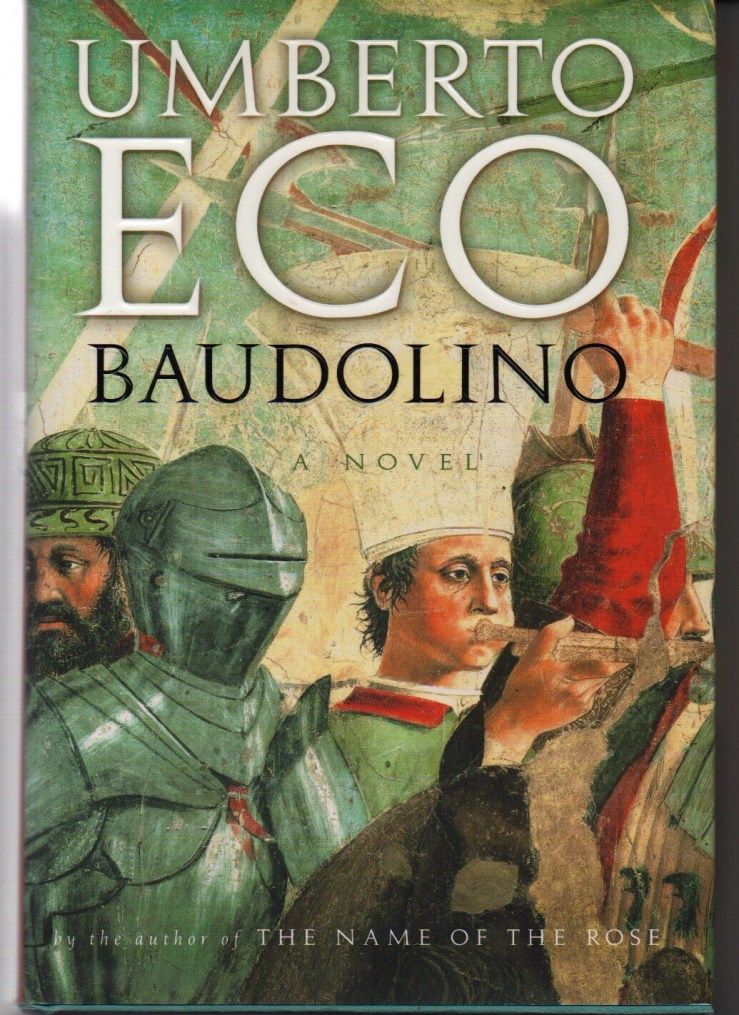
Baudolino by Umberto Eco. First edition hardback by Harcourt, 2002. English trans. by William Weaver. Jacket design by Vaughn Andrews, featuring a detail from the lefts side of Piero  della Francesco’s fresco Battle between Heraclius and Chosroes. 

I bought this in the last days of 2002 from the dollar table at the Barnes & Noble store near my parents house. I was 23 and had just moved home after living in Japan. I had no plans and was kind of depressed. I really can’t remember what I read around that time, but I know it wasn’t Baudolino. I didn’t get to it until the summer of 2011. It’s a fun, propulsive, sloppy quest narrative—bawdy, rich, a picaresque take on the (not-so-secret) mythological backgrounding of medieval Europe. It kind of unravels at the end.

I had initially planned this Sunday’s Three Books post to feature three Eco titles as a sort of tribute to our deceased semiotician, but alas I only have two here at the house (The Name of the Rose is the other one). I lost my copy of Foucault’s Pendulum over a decade ago, and I gave a colleague my copy of Misreadings just a few months ago (she had expressed a certain distaste for The Prague Cemetery). My copy of On Literature is in my office (although if I’m being honest, I use a samizdat digital copy more often as a reference point). Eco was a sort of gateway drug though to his spiritual brothers, Calvino and Borges. I actually read both of them before Eco, but understood them better when approached after Eco. I don’t know if that makes any sense (and I don’t think it has to make any sense).

img_1572

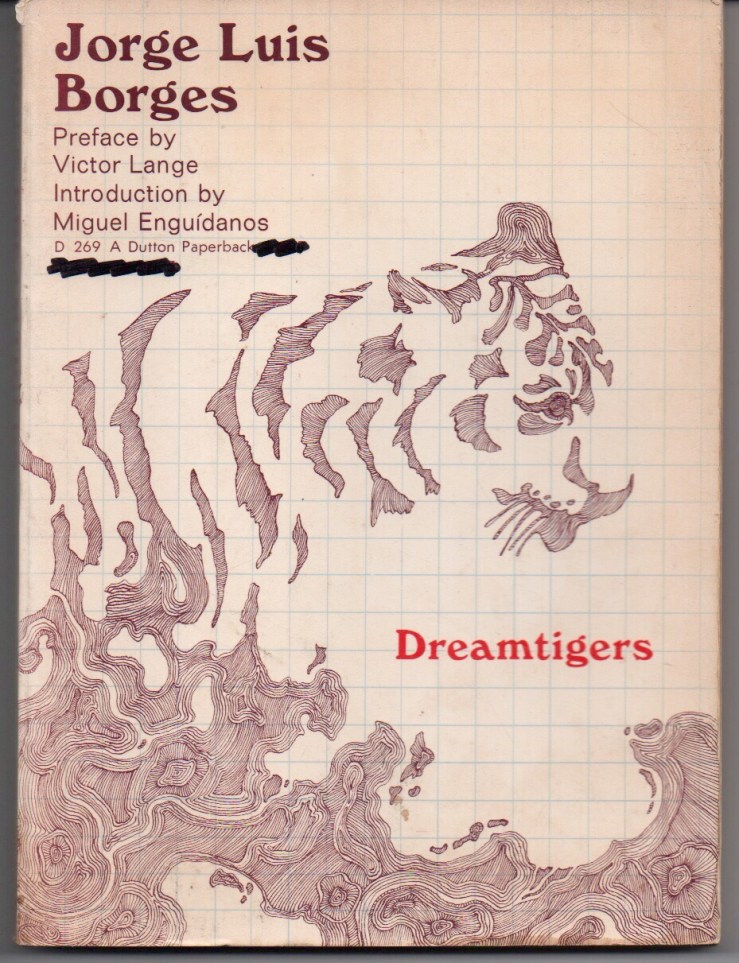
Dreamtigers by Jorge Luis Borges. An irregularly shaped trade paperback by E.P. Dutton & Co., 1970. English translation by Mildred Boyer (prose) and Harold Morland (poetry). Cover design by James McMullan. I love the cover and hate that a bookseller decided to mark out the original pricing with ugly Sharpie ink.

img_1574

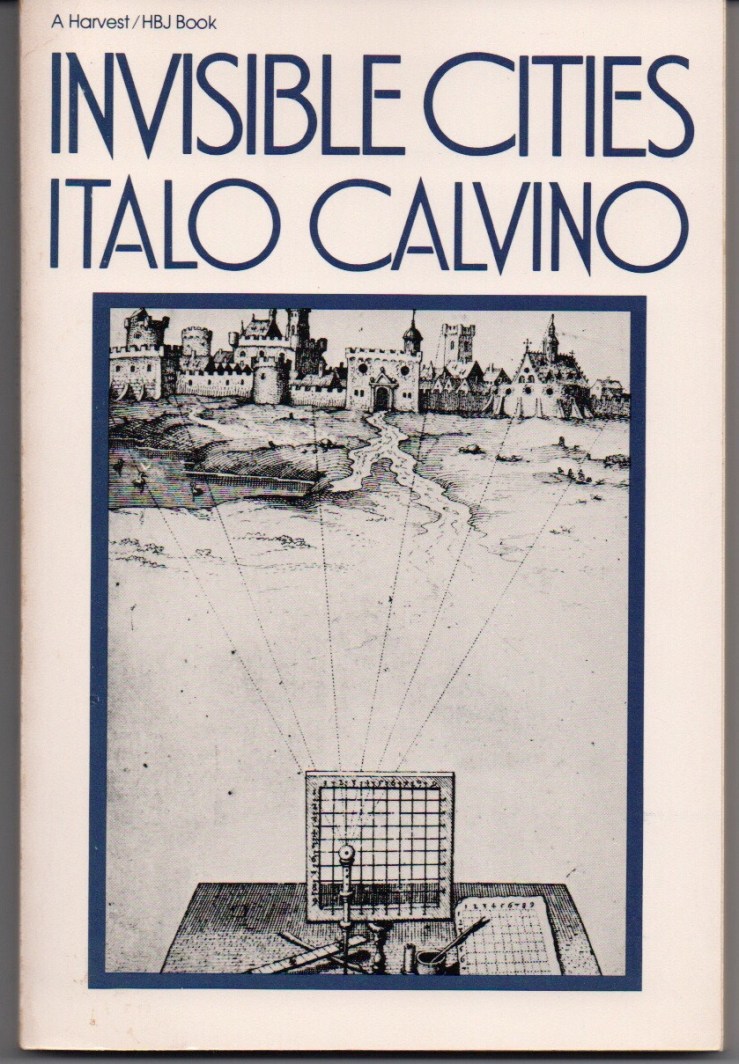
Invisible Cities by Italo Calvino. Harvest/HBJ trade paperback; no year given. English trans. by (Eco’s translator) William Weaver. Cover design by Louise Fili, employing a 17th-c. woodcut of a drawing screen. I first read Invisible Cities in 2002, in spots and places around Thailand. I read my friend’s copy; he had brought it with him to meet me there. He was the same guy who took my copy of Foucault’s Pendulum and never returned it.

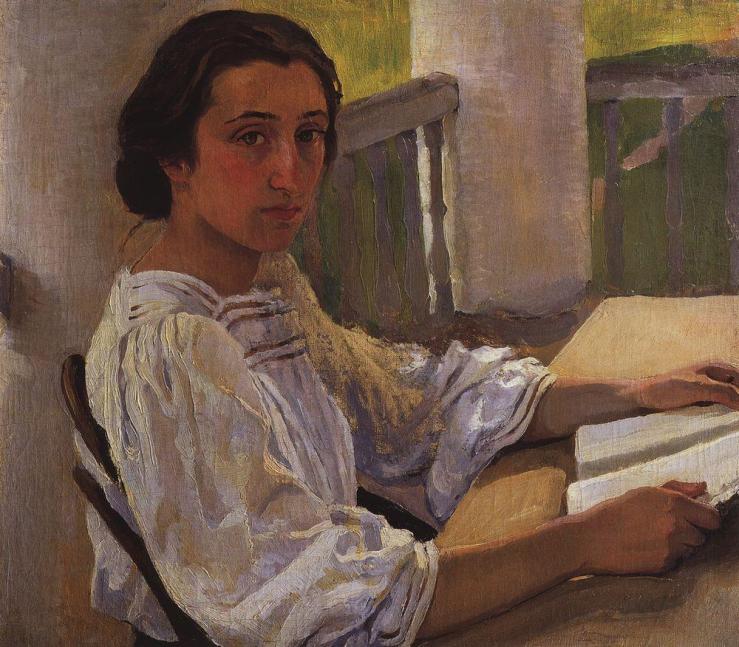
The Artist’s Sister — Zinaida Serebriakova

serebriakova_portrait-of-e-solntseva-sister-of-artist-1914

Why the hell did I buy William Vollmann’s Argall? (Book acquired, 2.12.2016)

img_1546

I don’t know what’s wrong with me.

First, I bought an ebook of William T. Vollmann’s really really long new novel The Dying Grass a few weeks ago.

I bought this ebook rather late at night, after rather many drinks, against rather better judgment—or, rather, no judgment. If I can reconstruct my thought process: I think I rationalized paying so much money for an electronic file would like, necessitate a commitment to reading The Dying Grass that I might not feel if it were, say, a review copy, or a copy obtained via store credit at my favorite local book shop. Well I’ve been reading the ebook, putting a little edent in it in little eincrements, but it’s still damn long, and our narrator William the Blind can be awfully opaque at times (not to mention the shifts in narrative).

Anyway, I’ve been reading the ebook, which does, I think (?) a nice job of preserving Vollmann’s occasional indulgence in Whitmanesque free verse (prose) style—but well, I sort of want the physical thing too. So I went by my local bookshop in the hopes of securing a copy (and also pick up some Valentine’s books for my kiddoes). No luck in the new hardback section, so they directed me to Historical Fiction, an area I rarely browsed. No luck for The Dying Grass, but there was a hardback copy of Argall there. All 736 pages of it.

Reader, I acquired it.

Why? I don’t know. I love the faux-Elizabethan prose that Pynchon deployed in Mason & Dixon (and I tolerated Barth’s in The Sot-Weed Factor)—and Vollmann’s has a different flavor that’s intriguing (and difficult). The story, the base story, is the Pocahontas story, which in Vollmann’s telling might go past the Pocahontas myth (more than Malick, more than Disney).

But when oh when am I going to get to the thing?!

I’ll close with a selection from Vollmann’s own review of his novel;  the review originally ran in the October 7, 2001 edition of The Los Angeles Times, and was later collected in Expelled from Eden:

“Argall,” whose story emblematizes a personified and of course feminine Virginia, is no better or worse than any of the other “Seven Dreams.” That is why nobody reads “Argall.” No one looks for “Argall.” No one can find “Argall.” Good riddance, say I. To quote from “Argall” itself (the reference is to a fellow who’s searching for Pocahontas’ skeleton), “had the critic found her, what would he have done? Coffined her, borne her back seaward to some brown Virginian marsh crowned by grey and yellow weeds? Locked her into his cabinet of curiosities? All he discovered was a menagerie of human and animal remnants. What power could have swallowed her so thoroughly, but ooze?”

Enough. Holding our noses, let’s try to take this menagerie of remnants on its own terms.

This book’s first sin, as you might have already gathered from the foregoing, consists in its so-called Elizabethan language, whose archaisms, variant spellings and preposterous figures of speech substantially impede the reader in any attempt to envision the ball in any uniform fashion. Here is a sentence plucked at random from the mess: “He search’d for an issue of fair water, there to make another well, for he misdoubted him not that the river they drunk from was somehow tainted with disease, yet could discover no convenient place to make his diggings.” Much time and trouble would have been saved, had this so-called novelist written what he meant: “In order to get more healthful water, he intended to dig a well, but couldn’t.” The arch apostrophe, the ignorant substitution of “drunk” for “drank,” the ink-wasting double negation, well, really all this makes me crave to spew.
Czech King Podjebrad Introduces Matthias the Hungarian Delegates — Viktor Madarász

madarc3a1sz2c_viktor_-_czech_king_podjebrad_introduces_matthias_the_hungarian_delegates_28187329

Three Books

img_1510


Pierre, or The Ambiguities by Herman Melville. First edition hardback, Harper Collins, 1995. Color illustrations, many blatantly erotic, including the cover, by Maurice Sendak (in the mood of Billy Blake). Design by Cynthia Krupat. The editor Hershel Parker has reconstructed the original, shorter version of Pierre that Melville sabotaged (according to Parker) by adding convoluted subplots (in revenge against the Harper brothers who did not wish to publish the book). This is the so-called “Kraken Edition”; the title comes from a letter Melville sent to Hawthorne. If Moby-Dick was the whale, Pierre was his giant monstrous squid.


img_1512

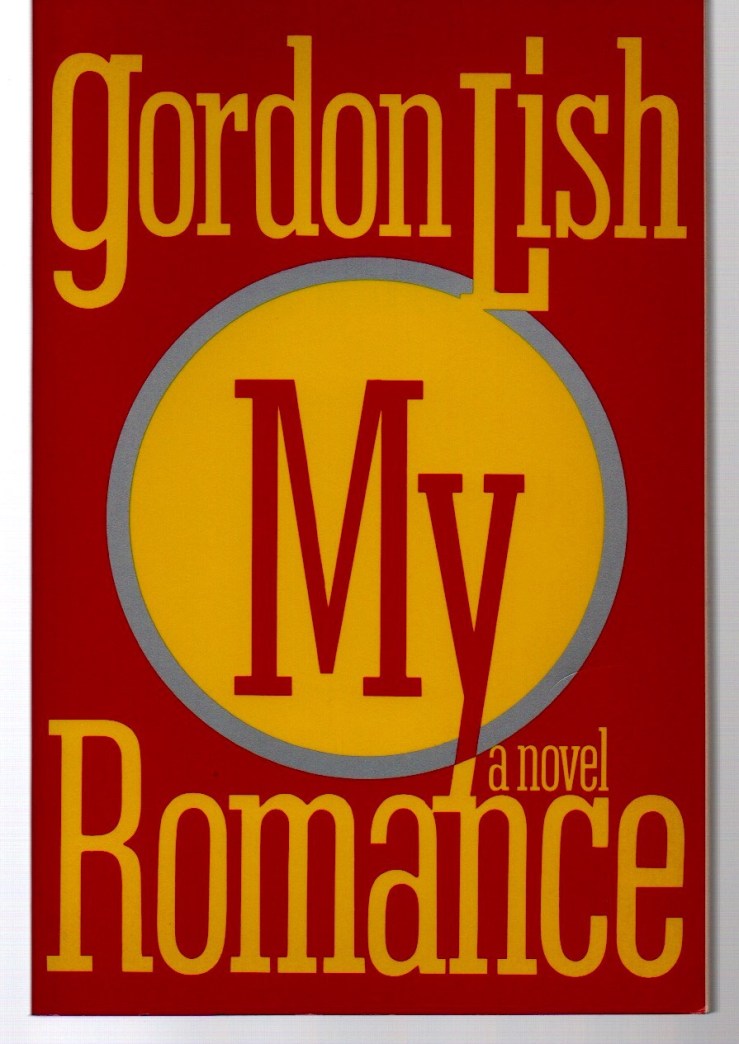
My Romance by Gordon Lish. 1993 Norton trade paperback. Cover design by R.D. Scudellari. There are two paragraphs in this 142-page novel; the first starts on page 1 and ends on page 142; the second begins and ends on page 142 and is all of one sentence.

img_1511


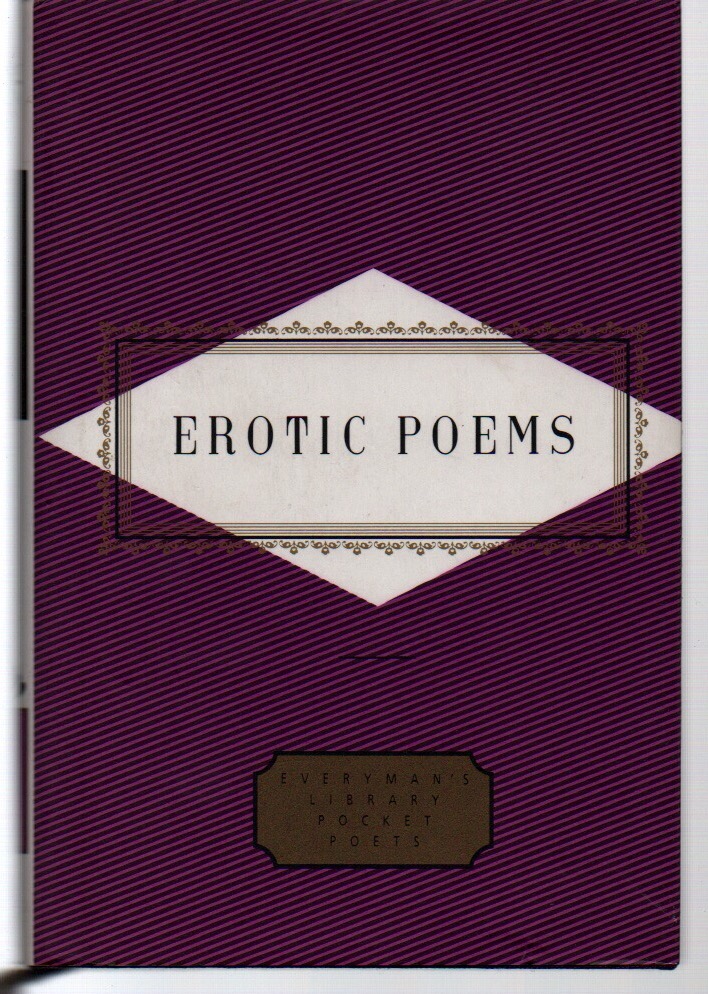
Erotic Poems, an Everyman’s Library Pocket Poets collection. Borzoi/Knopf, tiny hardback 1994. Jacket design by Barbara de Wilde. Happy Valentine’s.

Another trailer for that High-Rise film

Not sure about this one…but I love the Ballard novel, so…

Inherent Vice (William Gaddis’s J R)

img_1471

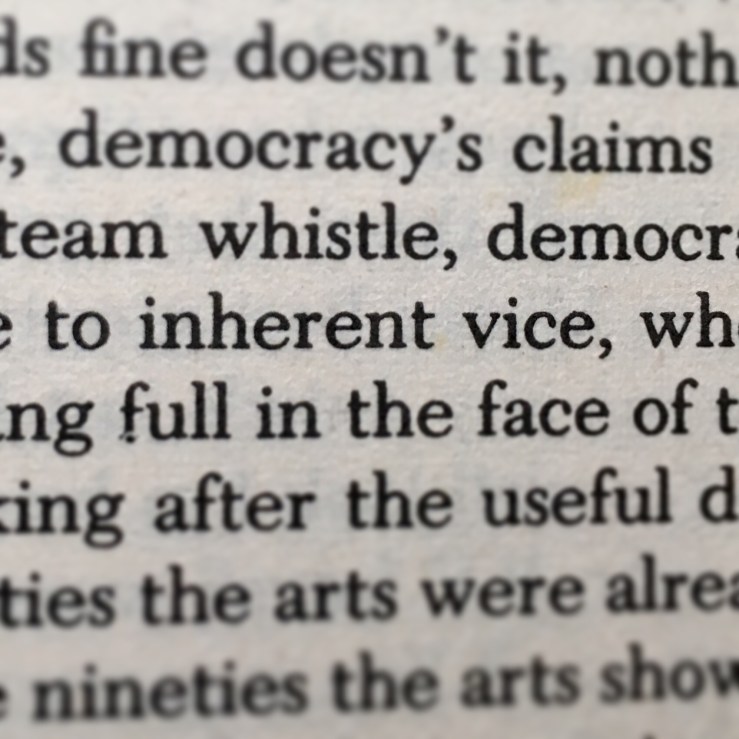
From page 571 of my Penguin edition of William Gaddis’s novel J R. The phrase appears as part of the character Jack Gibbs’s work in progress, Agapē Agape. The phrase is not especially uncommon, I suppose, in art history, and I (obliquely) remark it in this post for my own amusement.

United States of Japan (Book acquired, 2.02.2016)

img_1459

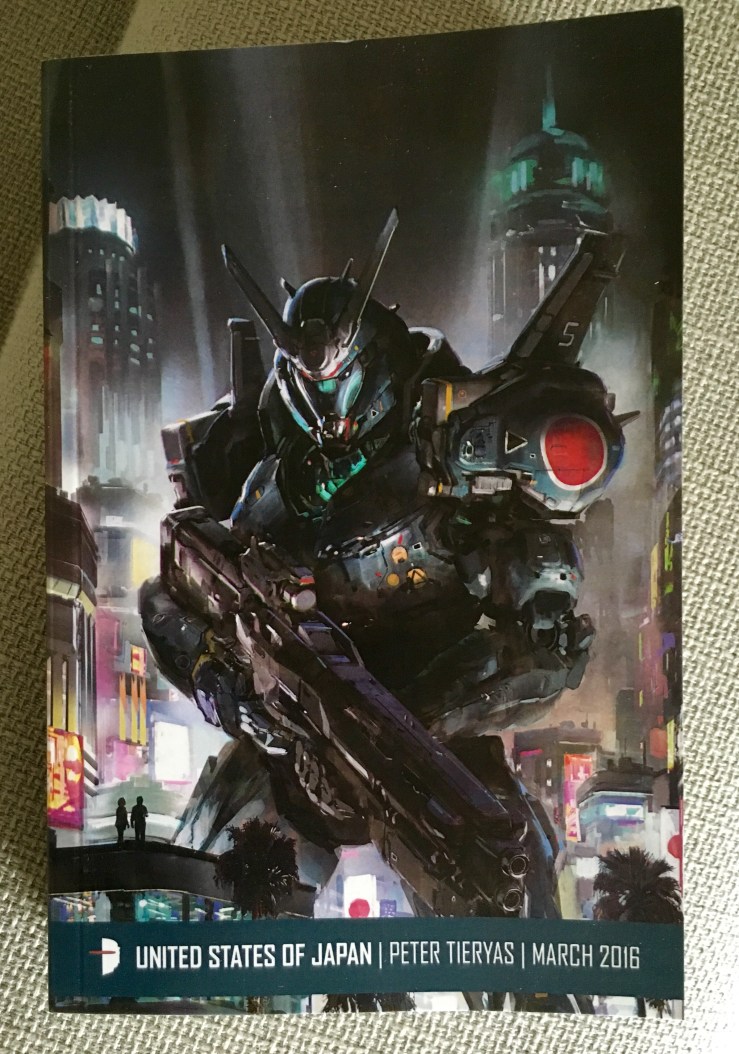
Peter Tieryas’s United States of Japan — a “spiritual sequel to Philip K. Dick’s The Man in the High Castle” — -is forthcoming from Angry Robot. Their blurb:

Decades ago, Japan won the Second World War. Americans worship their infallible Emperor, and nobody believes that Japan’s conduct in the war was anything but exemplary. Nobody, that is, except the George Washingtons — a group of rebels fighting for freedom. Their latest terrorist tactic is to distribute an illegal video game that asks players to imagine what the world might be like if the United States had won the war instead.

Captain Beniko Ishimura’s job is to censor video games, and he’s tasked with getting to the bottom of this disturbing new development. But Ishimura’s hiding something…kind of. He’s slowly been discovering that the case of the George Washingtons is more complicated than it seems, and the subversive videogame’s origins are even more controversial and dangerous than the censors originally suspected.d

A Splendid Savage (Book acquired, 1.29.2016)

img_1407

Steve Kemper’s biography of Frederick Russell Burnham, A Splendid Savage, is new in hardback from Norton. I interviewed Kemper a few years ago about A Labyrinth of Kingdoms, his biography of Heinrich Barth.

Norton’s blurb for A Splendid Savage:

A life of adventure and military daring on violent frontiers across the American West, Africa, Mexico, and the Klondike.

Frederick Russell Burnham’s (1861–1947) amazing story resembles a newsreel fused with a Saturday matinee thriller. One of the few people who could turn his garrulous friend Theodore Roosevelt into a listener, Burnham was once world-famous as “the American scout.” His expertise in woodcraft, learned from frontiersmen and Indians, helped inspire another friend, Robert Baden-Powell, to found the Boy Scouts. His adventures encompassed Apache wars and range feuds, booms and busts in mining camps around the globe, explorations in remote regions of Africa, and death-defying military feats that brought him renown and high honors. His skills led to his unusual appointment, as an American, to be Chief of Scouts for the British during the Boer War, where his daring exploits earned him the Distinguished Service Order from King Edward VII.

After a lifetime pursuing golden prospects from the deserts of Mexico and Africa to the tundra of the Klondike, Burnham found wealth, in his sixties, near his childhood home in southern California. Other men of his era had a few such adventures, but Burnham had them all. His friend H. Rider Haggard, author of many best-selling exotic tales, remarked, “In real life he is more interesting than any of my heroes of romance.”

Among other well-known individuals who figure in Burnham’s story are Cecil Rhodes and William Howard Taft, as well as some of the wealthiest men of the day, including John Hays Hammond, E. H. Harriman, Henry Payne Whitney, and the Guggenheim brothers.

Failure and tragedy streaked his life as well, but he was endlessly willing to set off into the unknown, where the future felt up for grabs and values worth dying for were at stake. Steve Kemper brings a quintessential American story to vivid life in this gripping biography.

Reviews and riffs of November, 2015 – January, 2016 (and unrelated fox studies)

I was unblocked for years, getting reviews or riffs or whathaveyous out at least once a week. For months now—more than months, really—the words don’t come out, or they come out in quips on Twitter. Or I don’t feel like they’re necessary. I guess that’s fine. I’m not sure what I’m doing with the blog at this point. So anyway, these are the signed pieces on the blog over the last three months.

I reviewed two titles from Nowbrow, Vincent Mahé’s 750 Years in Paris and Victor Hussenot’s The Spectators; both graphic novels center on Paris. 

I also reviewed Paul Kirchner’s The Bus 2.

08

I riffed on Star Wars: The Force Awakens, suggesting that “SW: TFA takes Star Wars itself (as brand-mythos) as its central subject. The film is “about” Star Wars.”

David Bowie died.

I read Ursula K. Le Guin’s Hainish novels and riffed on them.

And I wondered if anything good happened in Quentin Tarantino’s film The Hateful Eight.

There were several books I wanted to write about and failed to write about in the past three months, notable The Free-Lance Pall Bearers by Ishmael Reed, Vertigo by Joanna Walsh, and Lucia Berlin’s Homesick. They were all great and good and grand.

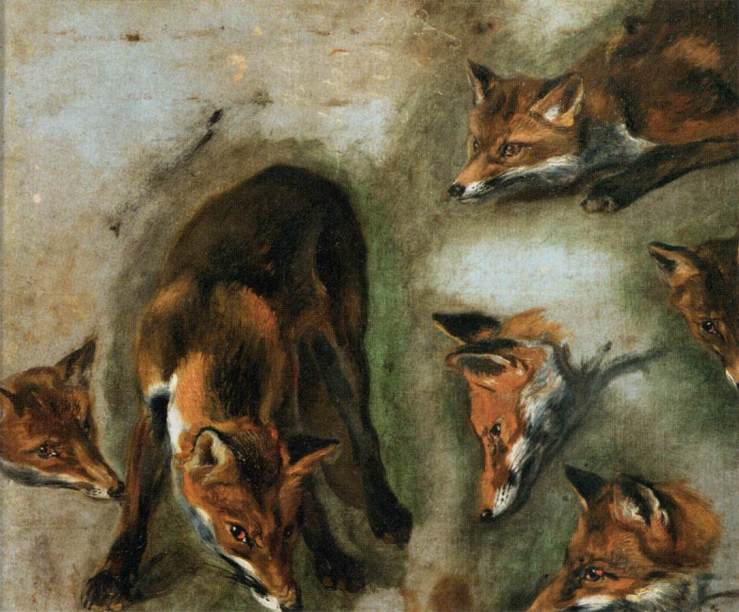
Unrelated Studies of a Fox (1669-1671) by Pieter Boel:

foxes

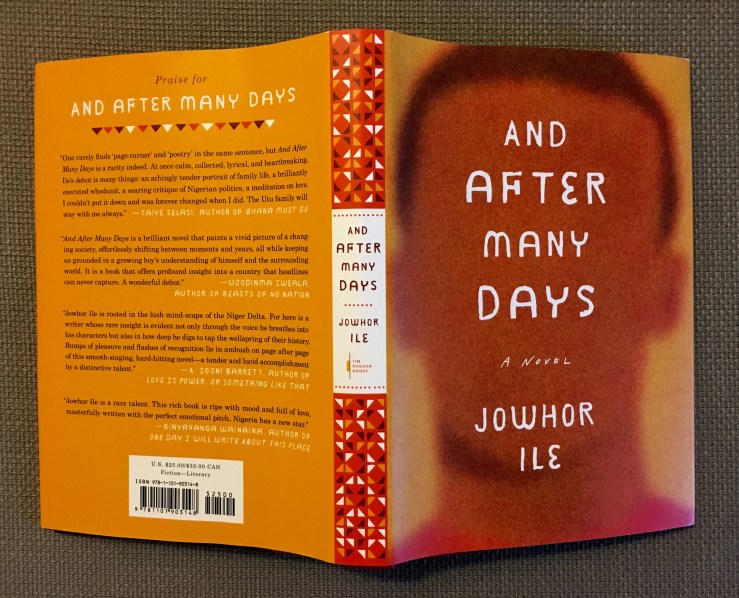
Jowhor Ile’s And After Many Days (Book acquired, 1.27.2016)

img_1406

Jowhor Ile’s novel After Many Days is new in hardback next month from Tim Duggan Books/Penguin Random House. Their blurb:

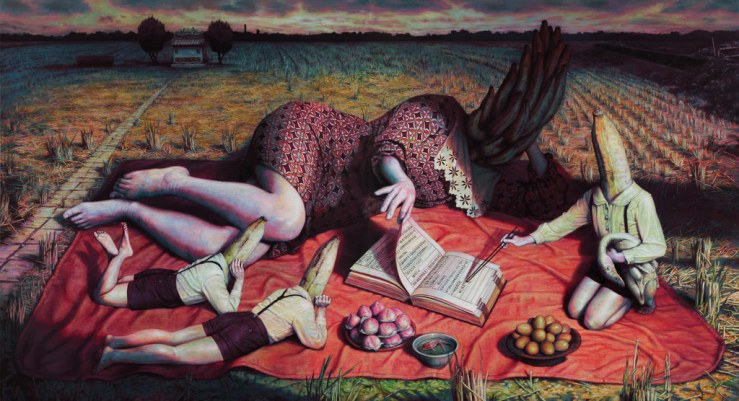
Shuiyuan Recipe — Lin Shih-Yung

14912507205_e6e1329d5f_b

Yann Martel’s The High Mountains of Portugal (Book acquired, 1.28.2016)

img_1401

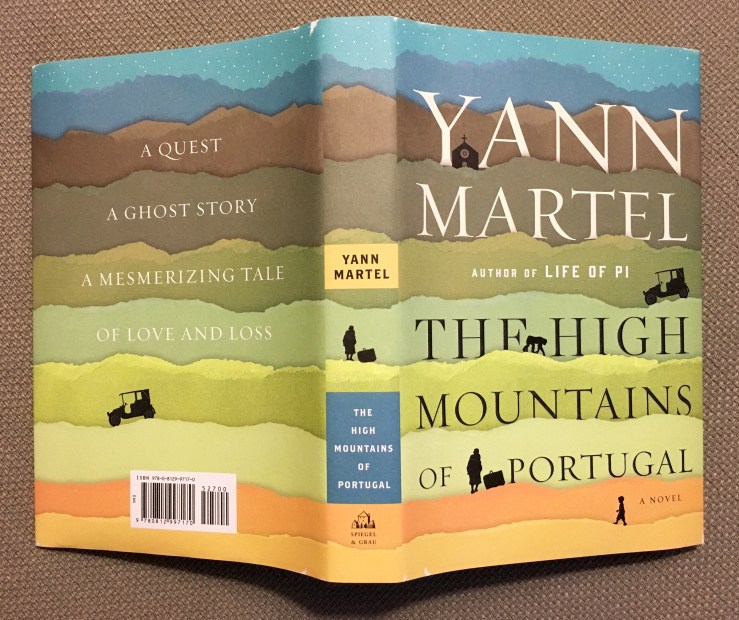
Yann Martel’s novel The High Mountains of Portugal is new in hardback in the U.S. from Speigel & Grau.

Here’s the first two paragraphs of Urusla K. Le Guin’s review of the novel in The Guardian:

The High Mountains of Portugal, in Yann Martel’s novel of that name, turn out to be grassy uplands rather than high mountains; and the book turns out to be three stories rather than a novel. The stories, connected ingeniously, vary greatly in tone and quality. The first two display so little of the author’s narrative skill that they may offer more temptation to stop reading than to go on. Liking the last part of the book much better, I could wish that it stood alone.

In Martel’s Booker-winning Life of Pi, the author within the story tells us that he went to India with the intention of writing a novel set in Portugal. Then he met the Indian who told him the tale of Pi, and Portugal was forgotten. It’s recollected in the first part of this book in great detail: “He heads off down Rue São Miguel on to Largo São Miguel and then Rua de São João da Praça before turning on to Arco de Jesus.” This sort of street-rosary may delight Lisbon initiates but to others is made interesting only by the fact that the protagonist, Tomas, is walking backwards, and that he always does so. After some elaborate rationales for walking backwards, and a farcical encounter with a lamppost, we learn that he walks with “his back to the world, his back to God”, not because he is grieving for the sudden, recent death of his wife, his child, and his father, but because “he is objecting”.

Read the rest of Le Guin’s review.

Three Books

img_1392

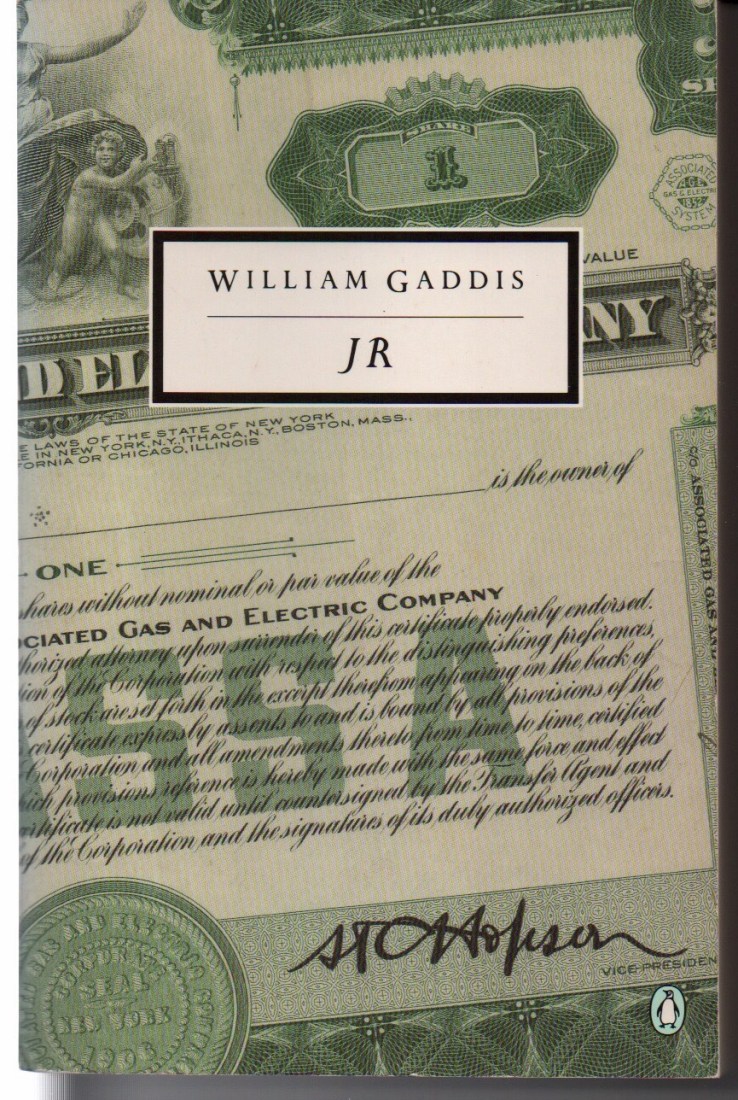
J R by William Gaddis. 1993 trade paperback edition by Penguin. Cover art is a detail of an Associated Gas and Electric Company stock certificate “Courtesy of William Gaddis.” No designer credited.

img_1391

Infinite Jest by David Foster Wallace. 1997 first paperback printing edition by Abacus (Great Britain). No designer credited.

img_1394

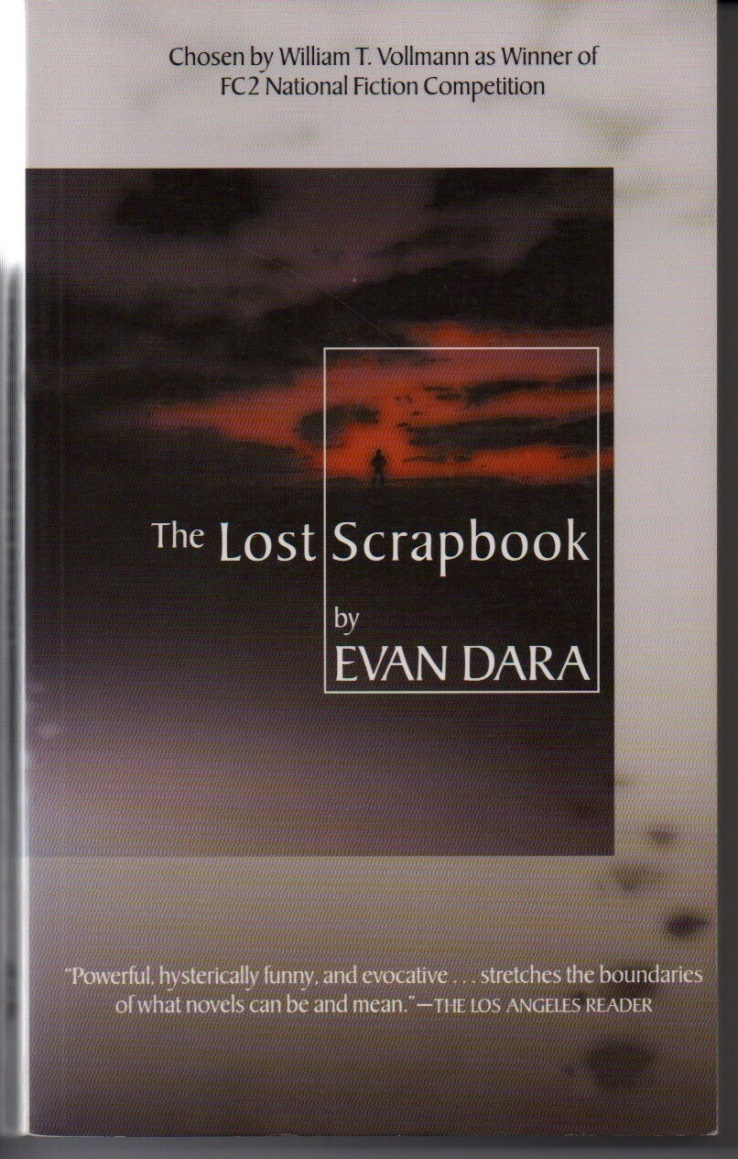
The Lost Scrapbook by Evan Dara. First paperback printing by Aurora, 1998. Cover design by Todd Michael Bushman.

Order is simply a thin, perilous condition we try to impose on the basic reality of chaos (William Gaddis)

Before we go any further here, has it ever occurred to any of you that all this is simply one grand misunderstanding? Since you’re not here to learn anything, but to be taught so you can pass these tests, knowledge has to be organized so it can be taught, and it has to be reduced to information so it can be organized do you follow that? In other words this leads you to assume that organization is an inherent property of the knowledge itself, and that disorder and chaos are simply irrelevant forces that threaten it from the outside. In fact it’s the opposite. Order is simply a thin, perilous condition we try to impose on the basic reality of chaos . . .

So I’m going through William Gaddis’s novel J R again (via Nick Sullivan’s amazing audiobook recording-performance)…

Three Books

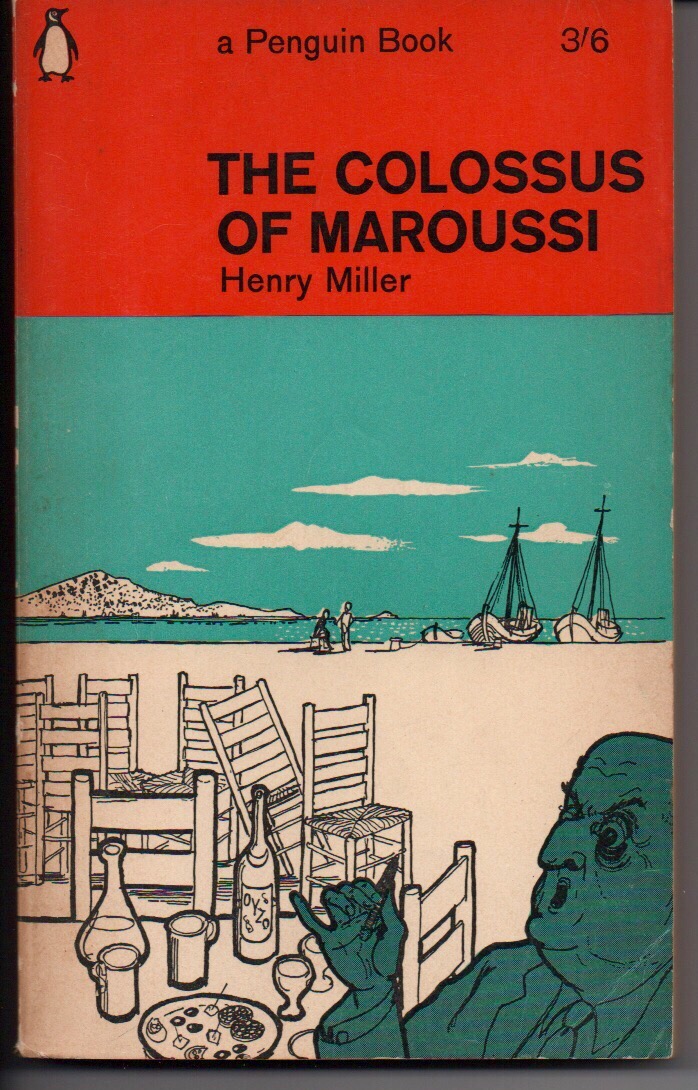
The Colossus of Maroussi by Henry Miller. 1964 paperback by Penguin Books. Cover drawing by the English cartoonist and art critic Osbert Lancaster.

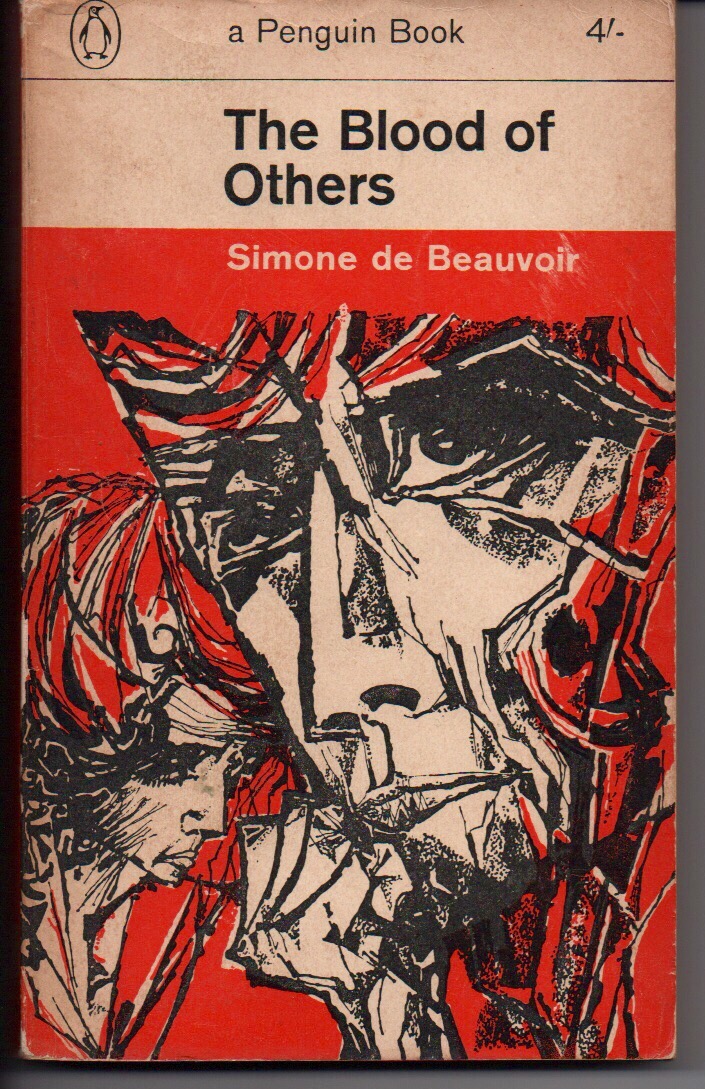
The Blood of Others by Simone de Beauvoir. 1964 paperback by Penguin Books. Cover art by Anthony Common.

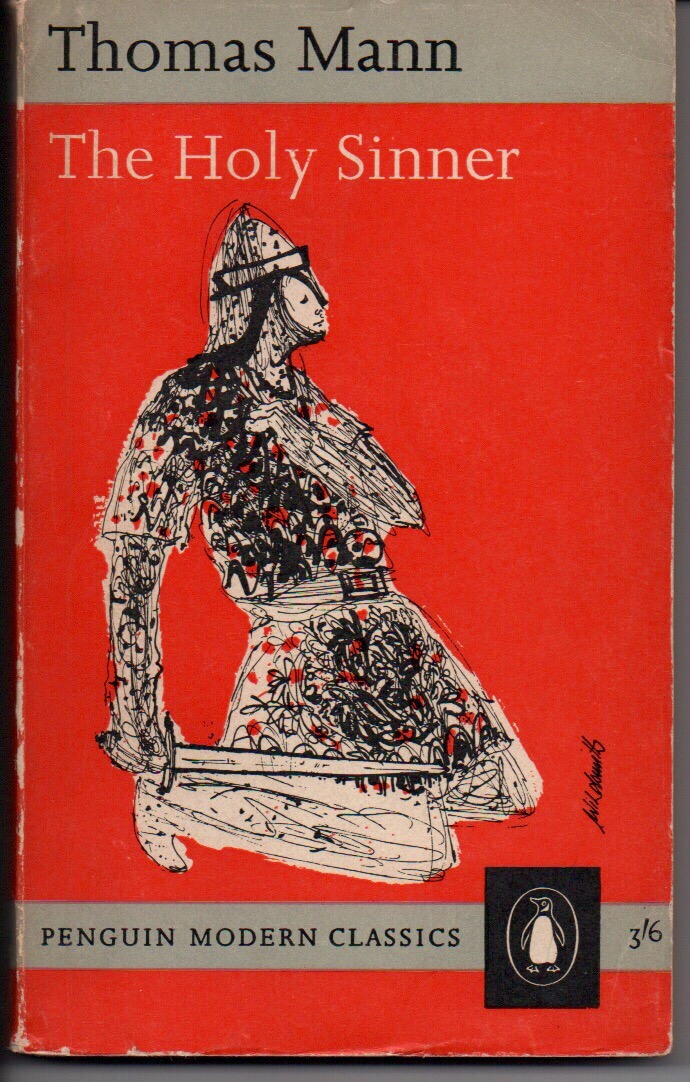
The Holy Sinner by Thomas Mann. 1961 paperback by Penguin Books. Cover art by the English artist Brian Wildsmith, who is perhaps most famous for his marvelous children’s book illustrations.