Three Books

Last week on Three Books, I featured three books I kinda sorta maybe plan to read in 2016. Here are three more:
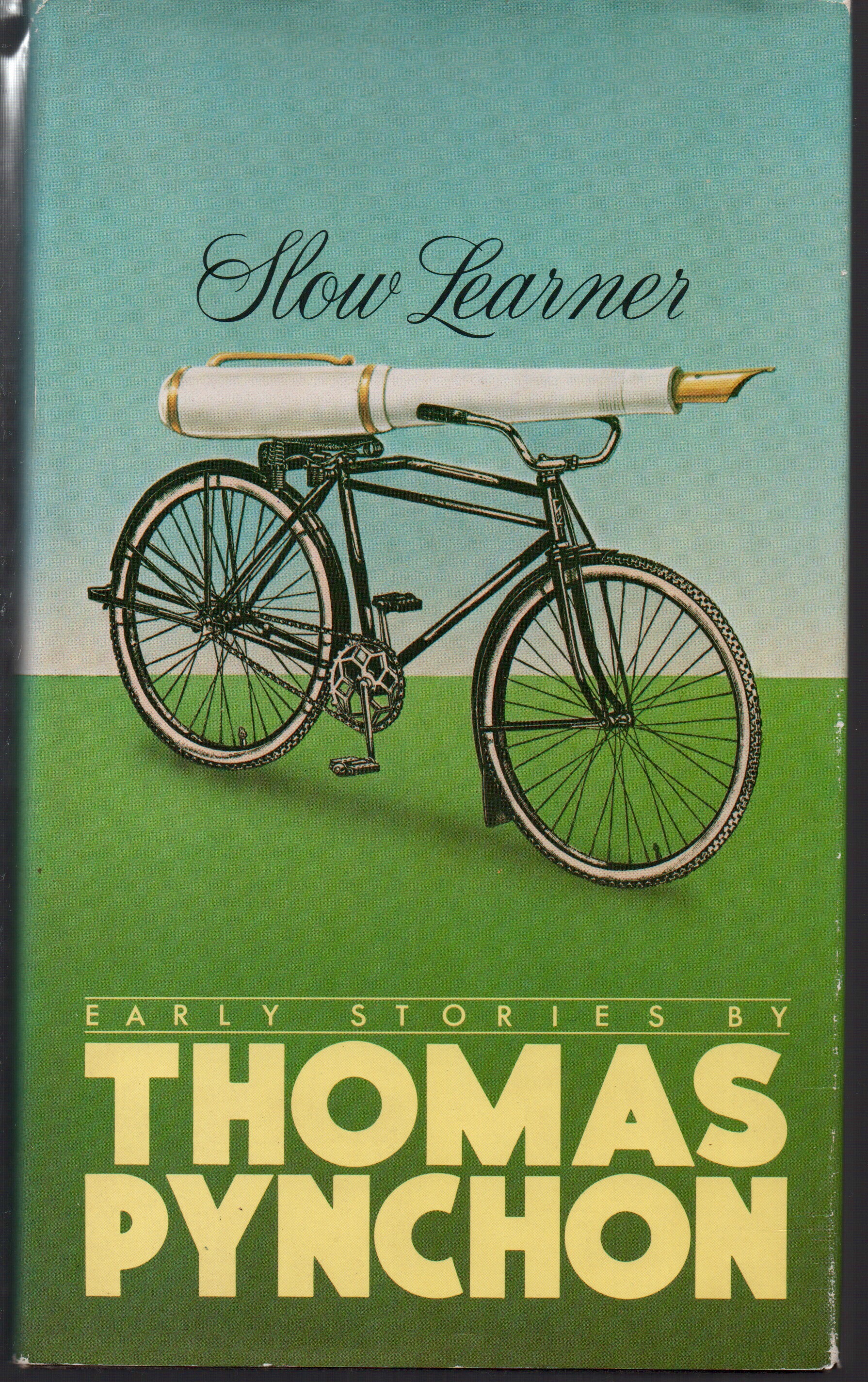
Slow Learner by Thomas Pynchon. First edition hardback by Little, Brown (1984). Jacket design by Fred Marcellino. I’ve only read “Entropy” from this collection so far. (I actually tried to use it in my Intro American Lit class—it’s in The Norton Anthology of American Literature, Vol. E, somehow—and no, it didn’t go over well, but hey).

The Weight of Things by Marianne Fritz; English translation by Adrian Nathan West. First edition trade paperback from Dorothy (2015). Cover art is Anonymous by Hella van ‘t Hof. Book design by Danielle Dutton. I started this as the chaser to Ishmael Reed’s The Free-Lance Pallbearers—proved to be a false start (went on a Le Guin jag instead). Feels like a one-sitting read.

The Easy Chain by Evan Dara. First edition trade paperback from Aurora (2008). Cover and design by Todd Michael Bushman. Does anyone want to read The Easy Chain with me?
There are a number of difficulties with dirty words, the first of which is that there aren’t nearly enough of them (William H. Gass)

There are a number of difficulties with dirty words, the first of which is that there aren’t nearly enough of them; the second is that the people who use them are normally numskulls and prudes; the third is that in general they’re not at all sexy, and the main reason for this is that no one loves them enough. Contrary to those romantic myths which glorify the speech of mountain men and working people, Irish elves and Phoenician sailors, the words which in our language are worst off are the ones which the worst-off use. Poverty and isolation produce impoverished and isolated minds, small vocabularies, a real but fickle passion for slang, most of which is like the stuff which Woolworths sells for ashtrays, words swung at random, wildly, as though one were clubbing rats, or words misused in an honest but hopeless attempt to make do, like attacking tins with toothpicks; there is a dominance of cliché and verbal stereotype, an abundance of expletives and stammer words: you know, man, like wow! neat, fabulous, far-out, sensaysh. I am firmly of the opinion that people who can’t speak have nothing to say. It’s one more thing we do to the poor, the deprived: cut out their tongues . . . allow them a language as lousy as their lives.

Thin in content, few in number, constantly abused: what chance do the unspeakables have? Change is resisted fiercely, additions are denied. I have introduced ‘squeer,’ ‘crott,’ ‘kotswinkling,’ and ‘papdapper,’ with no success. Sometimes obvious substitutes, like ‘socksucker,’ catch on, but not for long. What we need, of course, is a language which will allow us to distinguish the normal or routine fuck from the glorious, the rare, or the lousy one—a fack from a fick, a fick from a fock—but we have more names for parts of horses than we have for kinds of kisses, and our earthy words are all . . . well . . . ‘dirty.’ It says something dirty about us, no doubt, because in a society which had a mind for the body and other similarly vital things, there would be a word for coming down, or going up, words for nibbles on the bias, earlobe loving, and every variety of tongue track. After all, how many kinds of birds do we distinguish?

We have a name for the Second Coming but none for a second coming. In fact our entire vocabulary for states of consciousness is critically impoverished.

From William H. Gass’s On Being Blue.

Three Books

img_1271

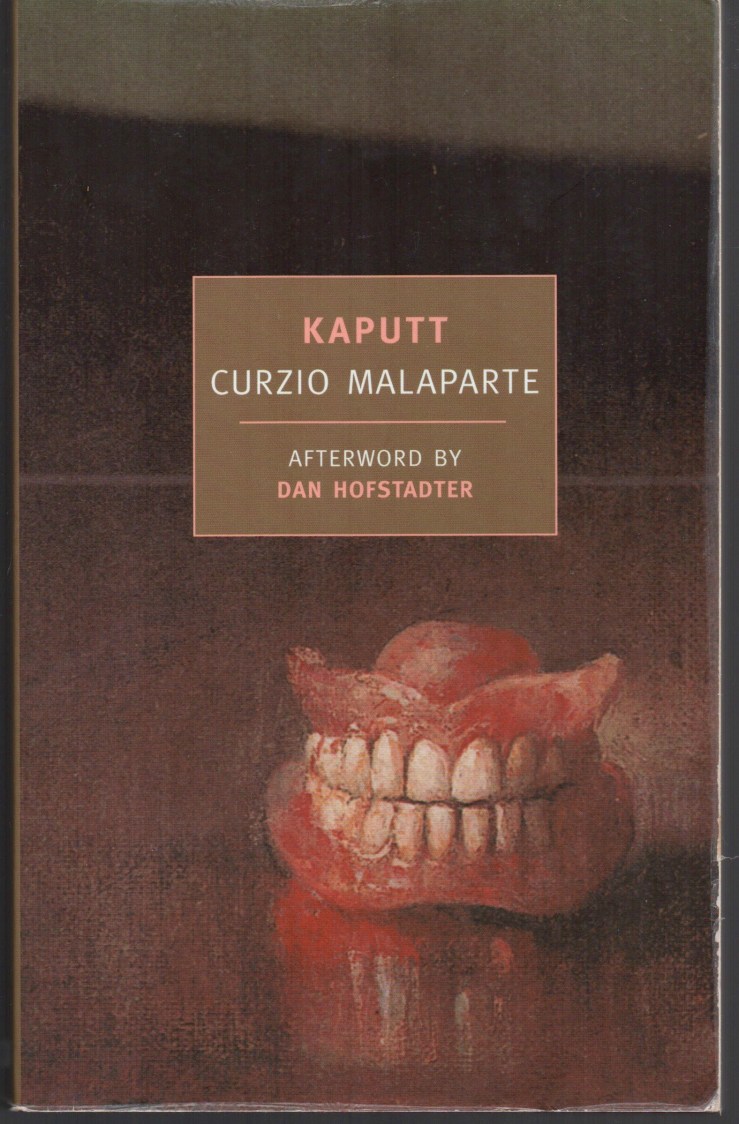
Kaputt by Curzio Malaparte. English translation by Cesare Foligno. 2005 trade paperback by NYRB. Cover painting is Odd Nerdrum’s The Dentures; cover design by Katy Homans. Bought this a while ago and have been meaning to take a serious crack at it for some time now.
img_1273

1982 Janine by Alasdair Gray. 1985 trade paperback by Penguin. No designer credited, but I’d bet money Gray did the cover illustration himself. Picked this up after loving the hell out of Lanark, but I keep getting pulled away from it: another one to try in 2016.img_1272

The Journal of Albion Moonlight by Kenneth Patchen. Trade paperback by New Directions (no year given, but “Fifth Printing” noted). Cover art is a photo of Patchen’s manuscript for the volume; no photographer or designer is credited. Shelved next to the Gray; will attempt again this year.

A probably incomplete list of books I read in 2015

The Crying of Lot 49, Thomas Pynchon*

Dockwood, Jon McNaught

A German Picturesque, Jason Schwartz*

Inherent Vice, Thomas Pynchon*

Two Serious Ladies, Jane Bowles

Flee, Evan Dara

Birchfield Close, Jon McNaught

Nazi Literature in the Americas, Roberto Bolaño*

Signs Preceding the End of the World, Yuri Herrera

Infinite Fictions, David Winters

Syrian Notebooks, Jonathan Littell

Girl in a Band, Kim Gordon

Can’t and Won’t, Lydia Davis

Gravity’s Rainbow, Thomas Pynchon

Gaha: Babes of the Abyss, Jon Frankel

The Spectators, Victor Hussenot

Mumbo Jumbo, Ishmael Reed

Infinite Jest, David Foster Wallace*

The Wallcreeper, Nell Zink

Cess, Gordon Lish

Station Eleven, Emily St. John Mandel

High Rise, J.G. Ballard*

Millennium People, J.G. Ballard

Pale Fire, Vladimir Nabokov

Mislaid, Nell Zink

The Diamond Age, Neal Stephenson

Culture and Value, Ludwig Wittgenstein

Martian Time-Slip, Philip K. Dick

Autobiography of Red, Anne Carson

Suttree, Cormac McCarthy*

Blood Meridian, Cormac McCarthy*

Red Doc>, Anne Carson

The Buried Giant, Kazuo Ishiguro

The Lathe of Heaven, Ursula K. Le Guin

The Bus, Paul Kirchner

The Bus 2, Paul Kirchner

The Free-Lance Pall Bearers, Ishmael Reed

Vertigo, Joanna Walsh

Rocannon’s World, Ursula K. LeGuin

Censorship Now!!, Ian Svenonius

750 Years in Paris, Vincent Mahé

The Dispossessed, Ursula K. Le Guin*

The Word for World Is Forest, Ursula K. Le Guin

Planet of Exile, Ursula K. Le Guin

City of Illusions, Ursula K. Le Guin

Homesick, Lucia Berlin

The Left Hand of Darkness, Ursula K. Le Guin*

* indicates a reread

Three Books (or, My three favorite reading experiences in 2015)

These were my three favorite (?!) reading experiences in 2015:

img_1217

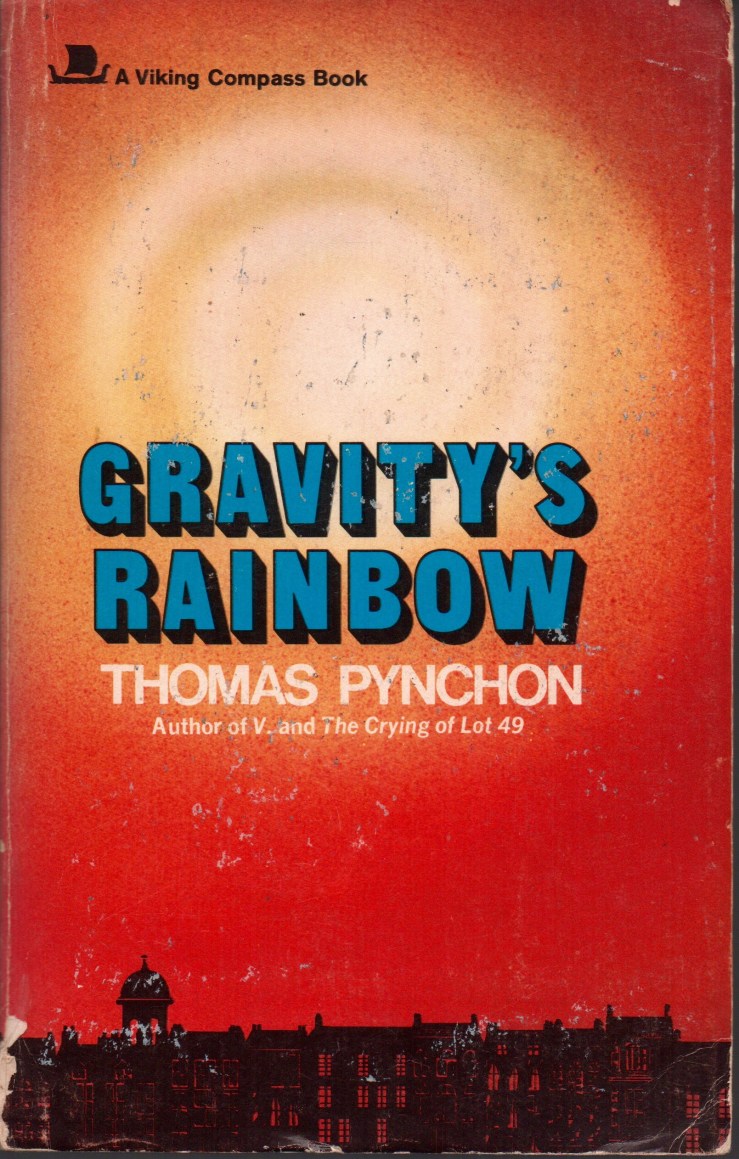
Gravity’s Rainbow by Thomas Pynchon. 1973 first edition trade paperback by Viking. Cover design and illustration by Marc Getter.img_1218

Autobiography of Red by Anne Carson. First Vintage Contemporaries edition, trade paperback, 1998. Cover design by Carol Devine Carson.

IMG_0547

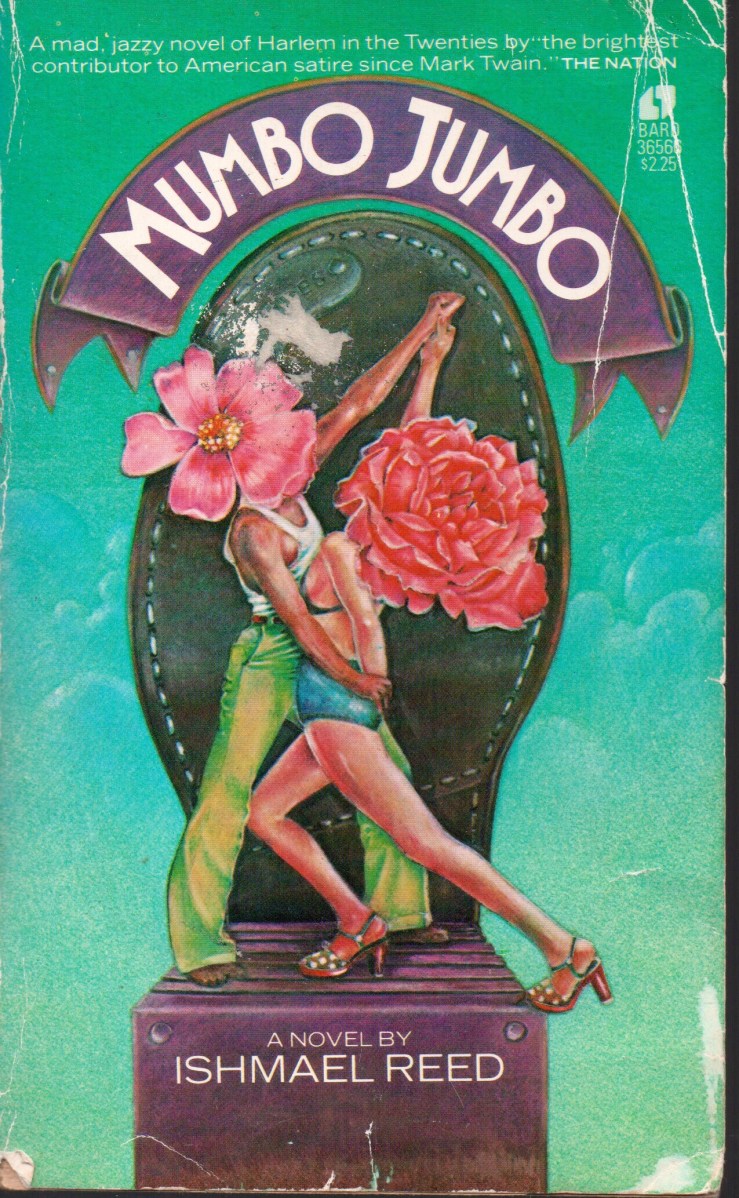
Mumbo Jumbo by Ishmael Reed. 1978 mass market paperback by Bard Books, a division of Avon Books. No designer or illustrator credited.

The Viceroys (Book acquired, 12.22.2015)

img_1195

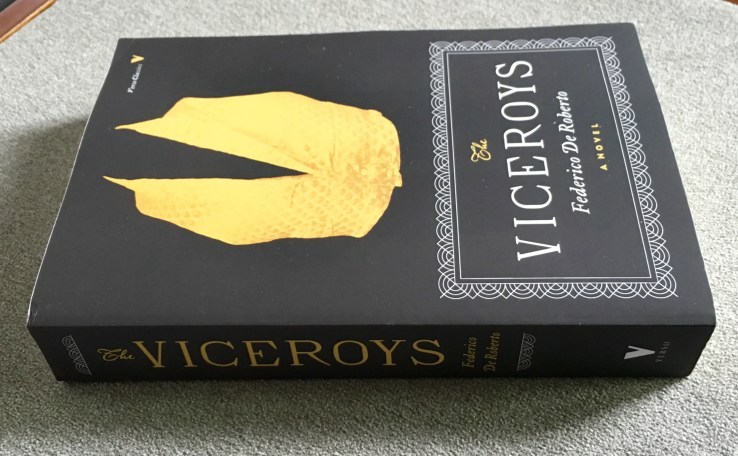
Federico De Roberto 1894 novel The Viceroys is back in print again via the good people at Verso. This edition is translated by Archibald Colquhoun, with a foreword by Franco Moretti. Verso’s blurb:

A lost literary classic, written in 1894, The Viceroys is one of the most acclaimed masterworks of Italian realism.

The novel follows three generations of the aristocratic Uzeda family as it struggles to hold on to power in the face of the cataclysmic changes rocking Sicily. As Garibaldi’s triumphs move Italy toward unification, the Uzedas try every means to retain their position. De Roberto’s satirical and mordant pen depicts a cast of upper-class schemers, headed by the old matriarch, Donna Teresa, and exemplified by her arrogant and totally unscrupulous son, Consalvo, who rises to political eminence through lip service, double-dealing, and hypocrisy. The Viceroys is a vast dramatic panorama: a new world fighting to shrug off the viciousness and iniquities of the old.

Moretti’s blurb:
“A unique combination of naturalistic lucidity over the fate of impoverished aristocracies, and a Goya-like inventiveness in extracting from social disintegration a whole gallery of grotesques and monstrosities … a superb lesson in how coarse and rancid the collapse of a ruling class actually is.

Frankie Styne and the Silver Man (Book acquired, 12.09.2015)

img_1013

Kathy Page’s 1992 novel Frankie Styne and the Silver Man is getting a North American debut thanks to publisher Biblioasis. Blurb from the author’s website:

Frankie Styne, the successful author of a series of gruesome killer novels,  has lived  at 125 Onley Street for many years. Meticulous and obsessive, he lives a life of isolation, managing to keep both future and past at bay.

Next door, live Liz Meredith and her new baby, Jim. Liz has been told by her social worker Mrs Purvis that Jim has a rare disorder, and will never be like other children. But Mrs Purvis can’t see, as Liz can, that Jim already knows things no ordinary person could. Besides, Liz doesn’t want any help from the social services or from Tom and Alice, the couple at number 129. She wants to be left in peace so that she can imagine her way out of how things are.

When Frank’s solitary anonymity is threatened, he hatches a real-life plot which, as he begins to enact it, unexpectedly changes not only his own life, but also those of Liz and Jim. Sifting through our collective nightmares, Kathy Page has written a novel that is powerful, humorous, tragic and thoroughly surprising.

A Mason & Dixon Christmastide (Thomas Pynchon)

They discharge the Hands and leave off for the Winter. At Christmastide, the Tavern down the Road from Harlands’ opens its doors, and soon ev’ryone has come inside. Candles beam ev’rywhere. The Surveyors, knowing this year they’ll soon again be heading off in different Directions into America, stand nodding at each other across a Punch-bowl as big as a Bathing-Tub. The Punch is a secret Receipt of the Landlord, including but not limited to peach brandy, locally distill’d Whiskey, and milk. A raft of long Icicles broken from the Eaves floats upon the pale contents of the great rustick Monteith. Everyone’s been exchanging gifts. Somewhere in the coming and going one of the Children is learning to play a metal whistle. Best gowns rustle along the board walls. Adults hold Babies aloft, exclaiming, “The little Sausage!” and pretending to eat them. There are popp’d Corn, green Tomato Mince Pies, pickl’d Oysters, Chestnut Soup, and Kidney Pudding. Mason gives Dixon a Hat, with a metallick Aqua Feather, which Dixon is wearing. Dixon gives Mason a Claret Jug of silver, crafted in Philadelphia. There are Conestoga Cigars for Mr. Harland and a Length of contraband Osnabrigs for Mrs. H. The Children get Sweets from a Philadelphia English-shop, both adults being drawn into prolong’d Negotiations with their Juniors, as to who shall have which of. Mrs. Harland comes over to embrace both Surveyors at once. “Thanks for simmering down this Year. I know it ain’t easy.”
“What a year, Lass,” sighs Dixon.
“Poh. Like eating a Bun,” declares Mason.”

The last paragraphs of Ch. 52 of Thomas Pynchon’s novel Mason & Dixon.

Three Books

img_1191

Homesick: New & Selected Stories by Lucia Berlin. Lovely Black Sparrow trade edition, 1990; design by Barbara Martin. An amazing book, a revelation to me. I picked it up looking for the posthumous collection A Manual for Cleaning Women (that track is collected here) based on, well, the hype. But the hype was more than right, and I feel simultaneously abashed that I didn’t know Berlin before and grateful to know her writing now.

img_1190

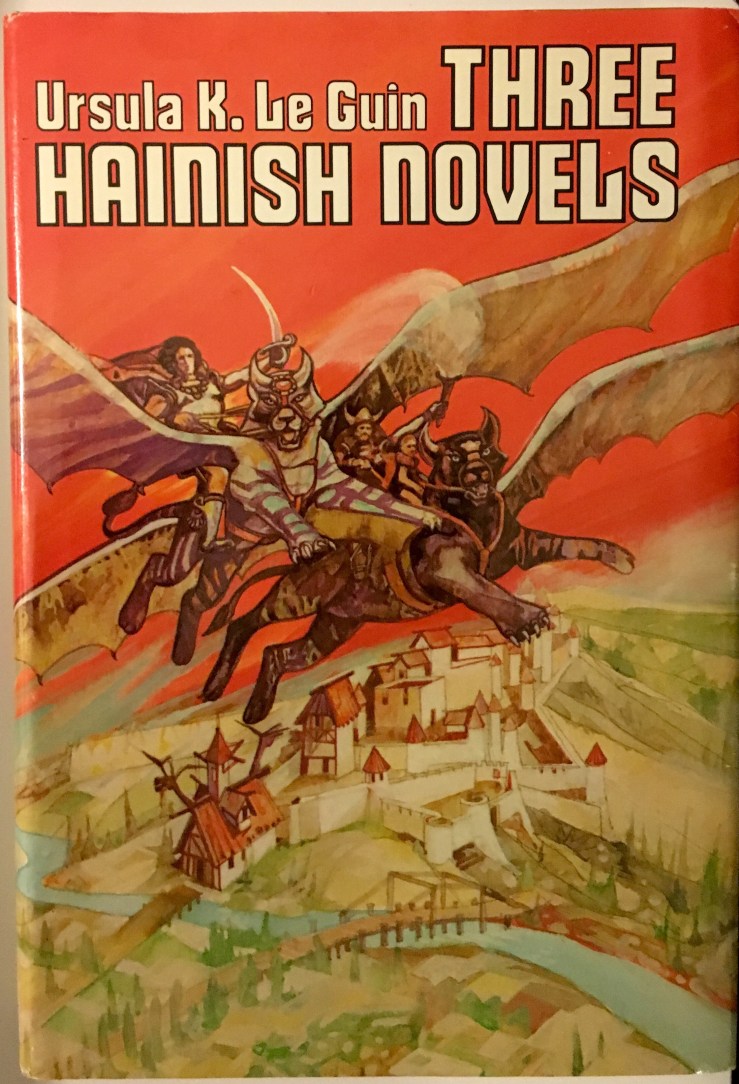
Three Hainish Novels by Ursula K. Le Guin. An omnibus collecting Rocannon’s World, Planet of Exile, and City of Illusions. 1967 hardcover by Nelson Doubleday. Jacket design by John Lisco; cover illustration by Jack Woolhiser. I finished City of Illusions this weekend—probably the most accomplished of her earliest (non-)trilogy, synthesizing high adventure into a philosophical exploration of truth and lie. A reread of The Left Hand of Darkness is next.img_1187

Purity and Danger by Mary Douglas. 1988 trade paperback by ARK. No designer or cover artist credited. I dug this out at some point in my big Le Guin read/re-read, and it’s been hanging around since. Can’t remember why.

A Young Scholar and His Tutor — Rembrandt

00086201.jpg

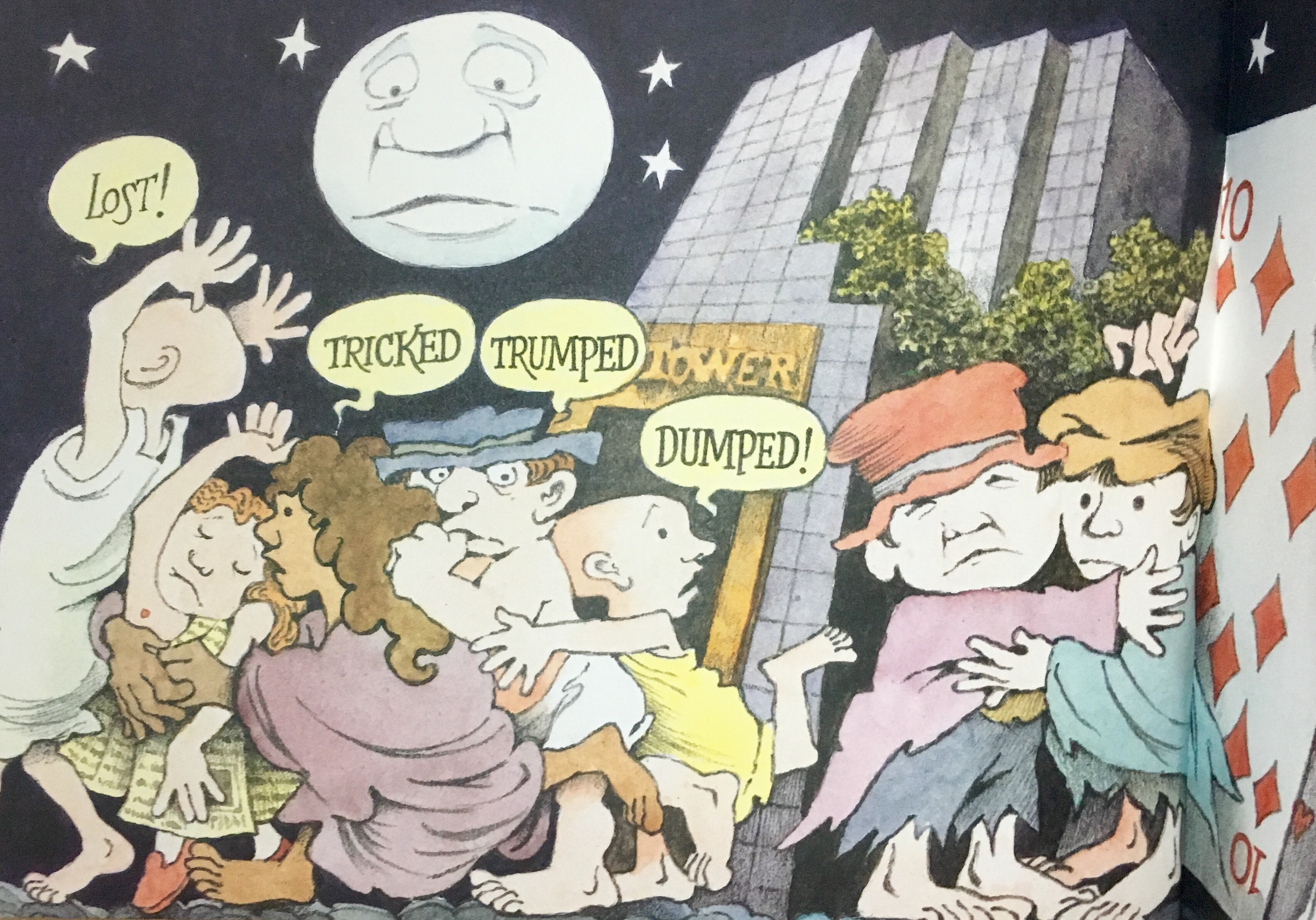
Lost! Tricked / Trumped / Dumped! (Maurice Sendak)

IMG_1038

From Maurice Sendak’s We Are All Down in the Dumps with Jack and Guy, which seems to me a more important book than ever.

Lucia Berlin/Ursula K. Le Guin (Books acquired, 12.11.2015)

IMG_1016

Went to the bookstore this afternoon to pick up the much-acclaimed collection of stories by Lucia Berlin, A Manual for Cleaning Women (typing out the title, I suddenly hear its ambiguities). My trusty local used bookshop didn’t have a copy, but they did have Homesick, and I love Black Sparrow editions, so hey, cool.

IMG_1017

I’ve been tearing through Ursula K. Le Guin’s Hainish novels lately after picking up Rocannon’s World at sorta-random. I’m in the middle of City of Illusion right now, having finished (a third read of) The Dispossessed (fantastic), The Word for World Is Forest (a bit too on-the-nose critique of the Vietnam War; also, James Cameron should send Le Guin some Avatar bucks), and Planet of Exile, which was great. (And oh: George R.R. Martin should send Le Guin some Game of Thrones bucks for that one: Planet of Exile has barbarian invaders from the north, seasons that last for decades, a constant fear that “winter is coming,” and its own white walkers (snow ghouls)).

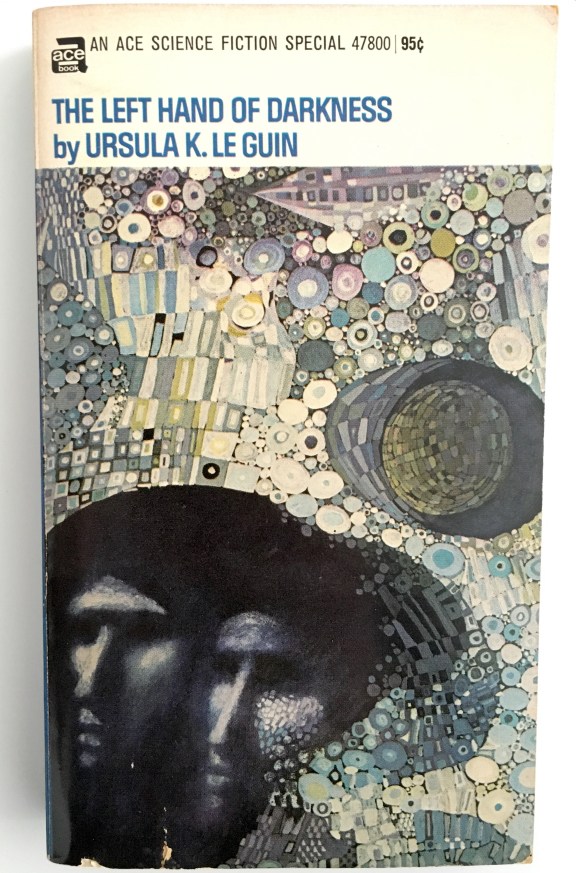
So well and anyway: I already have a copy of The Left Hand of Darkness, which is the next title in the sequence in which I’m reading the Hainish books. My pilfered copy isfrom years back, and I’ve read it a few times—but I just couldn’t pass up this first edition copy with its lovely Klimtesque cover art by Leo and Diane Dillon.

One of the better autobiographical notes I’ve ever read

1563_001

One of the better autobiographical notes I’ve read. This comes from The Norton Anthology of American Literature, Vol. E (8th ed.); my copy of Yellow Back Radio Broke-Down unfortunately doesn’t actually include this note.

Bernard Sumner’s memoir, Chapter and Verse (Book acquired sometime in November of 2015)

IMG_0971

This afternoon, I finally got into Bernard Sumner’s memoir Chapter and Verse: New Order, Joy Division and Me. Actually, I obviously flicked through it when it showed up, looking at the glossy pictures, dabbling here and there (somehow read not one but two anecdotes about Seal (?)), and then reading the book’s first appendix, a transcript of a recording of Sumner’s hypnotizing Ian Curtis (excuse that mangled clause). The book has a U.S. Hardcover release from Thomas Dunne; their blurb:

Founding member and guitarist of Joy Division and the lead singer of New Order, Bernard Sumner has been famous over the years for his reticence. Until now . . .

An integral part of the Manchester, UK, music scene since the late 1970s, his is the definitive version of the events that created two of the most influential bands of all time.

Chapter and Verse includes a vivid and illuminating account of Bernard Sumner’s childhood, the early days of Joy Division, the band’s enormous critical and popular success, and the subsequent tragic death of Ian Curtis. Sumner describes the formation of New Order, takes us behind the scenes at the birth of classics such as “Blue Monday,” and gives his firsthand account of the ecstasy and the agony of the Haçienda days.

Sometimes moving, often hilarious, and occasionally completely out of control, this is a tale populated by some of the most colorful and creative characters in music history, such as Ian Curtis, Tony Wilson, Rob Gretton, and Martin Hannett. Others have told parts of the story, in film and book form. Now, for the first time, Bernard Sumner gives you chapter and verse.

Three Books

IMG_0950

Speedboat by Renata Adler. 1988 trade paperback edition by Perennial Fiction Library (Harper & Row). No designer credited, but the cover illustration is by Steve Guarnaccia. A strange and funny (anti-)novel.

IMG_0953

The Uses of Literature by Italo Calvino (trans. Patrick Creagh). 1986 trade paperback by Harvest/HBJ. Design by Kaelin Chappell, with a cover illustration by Saul Steinberg. A book to never finish.


IMG_0951

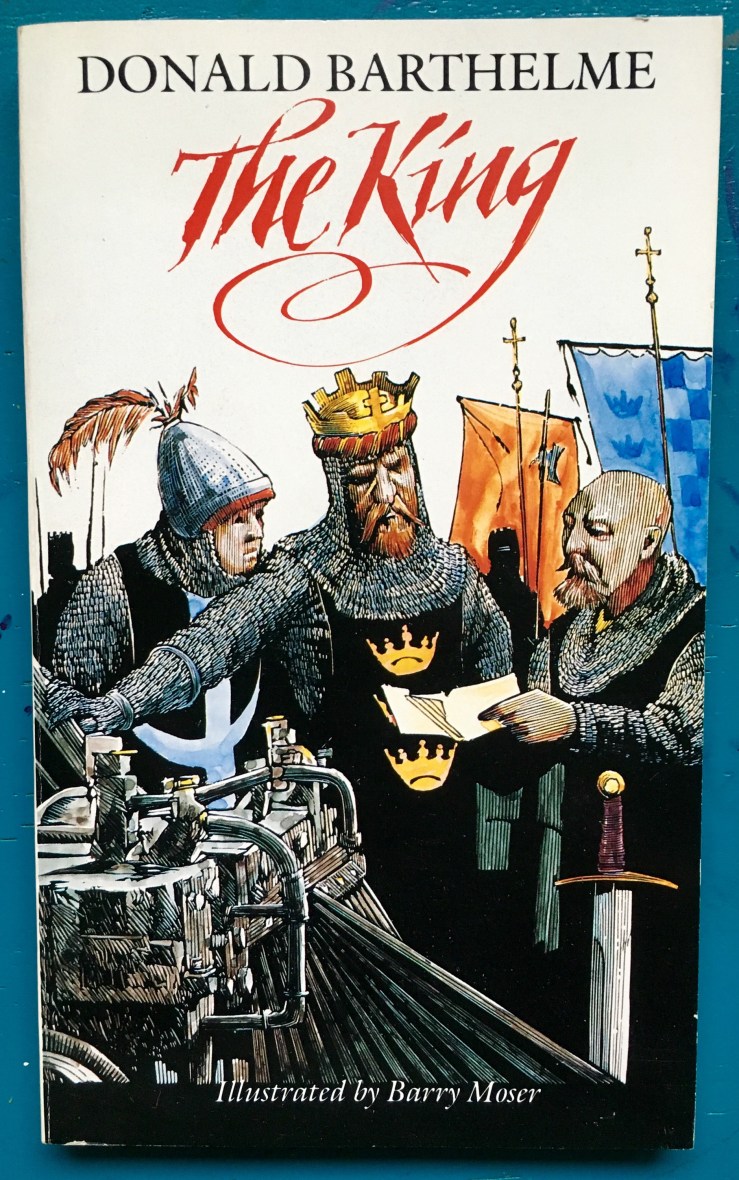
The King by Donald Barthelme. Features wood engravings by Barry Moser. 1990 trade paperback by Harper and Row. No designer credited, but surely Moser had a hand, no? This is the only Barthelme novel I haven’t read. Every time I pick it up I think, But then there will be no more. Fool. One can always reread.

…it was here that Melville saw the work of JMW Turner

DP169567.jpg
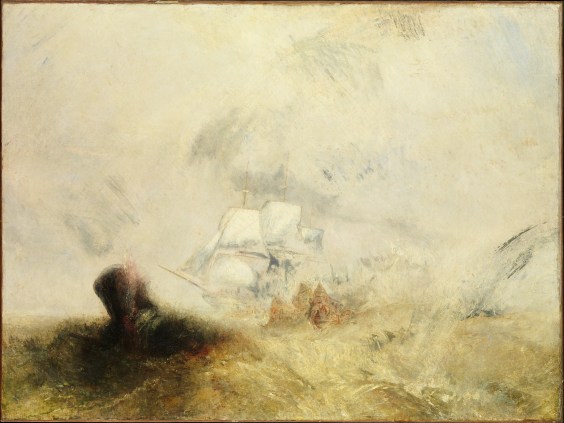
Whalers, JMW Turner

It is clear from Melville’s journal, one of only two such surviving documents, that his mind was already playing with these ideas. Late at night, he “turned flukes” down Oxford Street as if he were being followed by a great whale, and thought he saw “blubber rooms” in the butcheries of the Fleet Market. And when he saw Queen Victoria riding past in a carriage, he joked that the young man sitting beside her was the Prince of Whales. London – which itself had only lately been a whaling port – was stirring up the ghosts of his past.

Perhaps most importantly, it was here that Melville saw the work of J M W Turner, a clear visual influence on his book-to-be. Turner had painted a series of whaling scenes for Elhanan Bicknell, whose British whaling company was based in the Elephant and Castle; parts of Moby-Dick would read like commentaries to those tempestuous, brutally poetic canvases, not least the painting that greets Ishmael at the Spouter-Inn, “a boggy, soggy, squitchy picture” of “a black mass . . . floating in a nameless yeast . . . an exasperated whale”. It is all the more intriguing to note how Melville’s Anglophilia was the yeast out of which this great American novel emerged – especially given that the book failed spectacularly in his homeland and it was left to British writers to recognise first its wilful, prophetic genius.

Read the rest of Philip Hoare’s essay “White Whale in the Big Smoke: How the Geography of London Inspired Moby-Dick” at the New Statesmen.

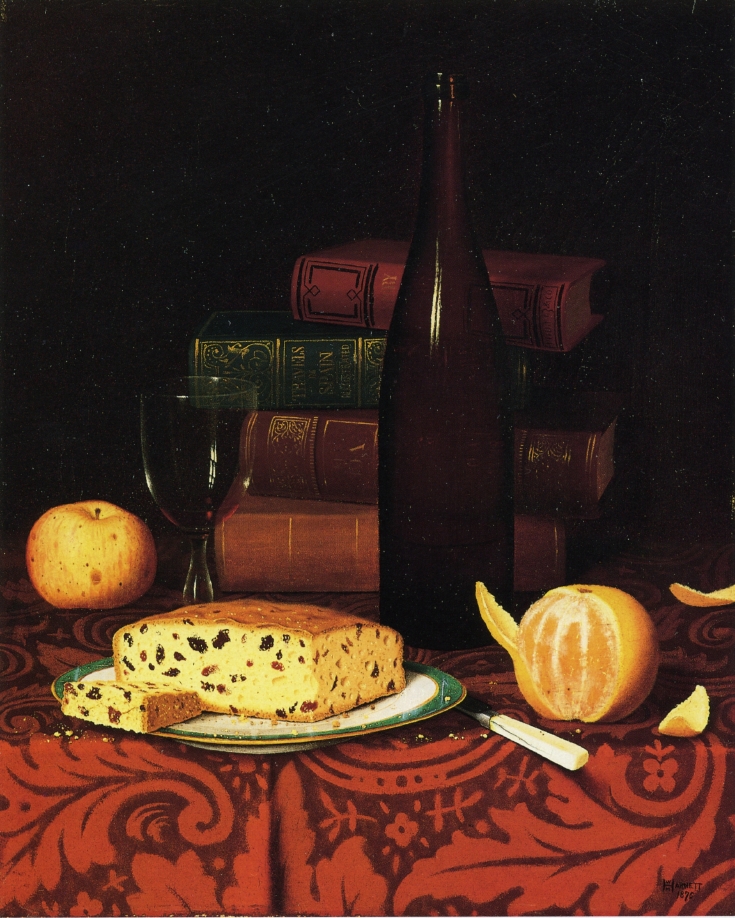
Still Life with Raisin Cake, Fruit and Wine — William Michael Harnett

still-life-with-raisin-cake-fruit-and-wine-1876