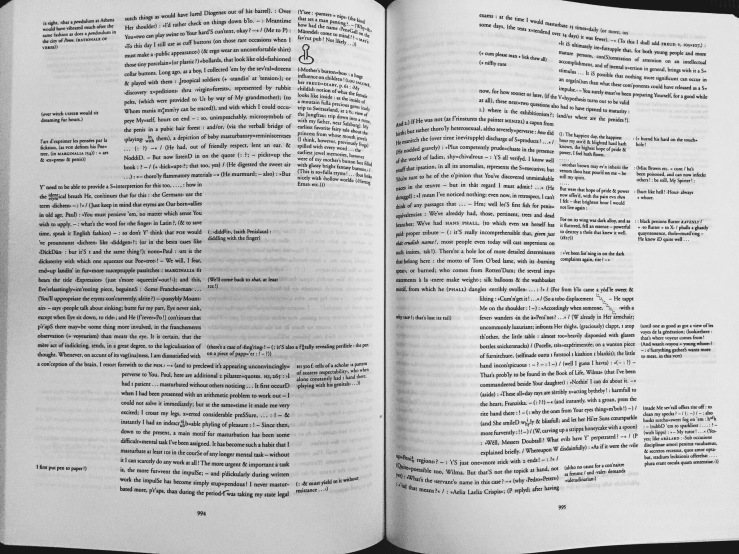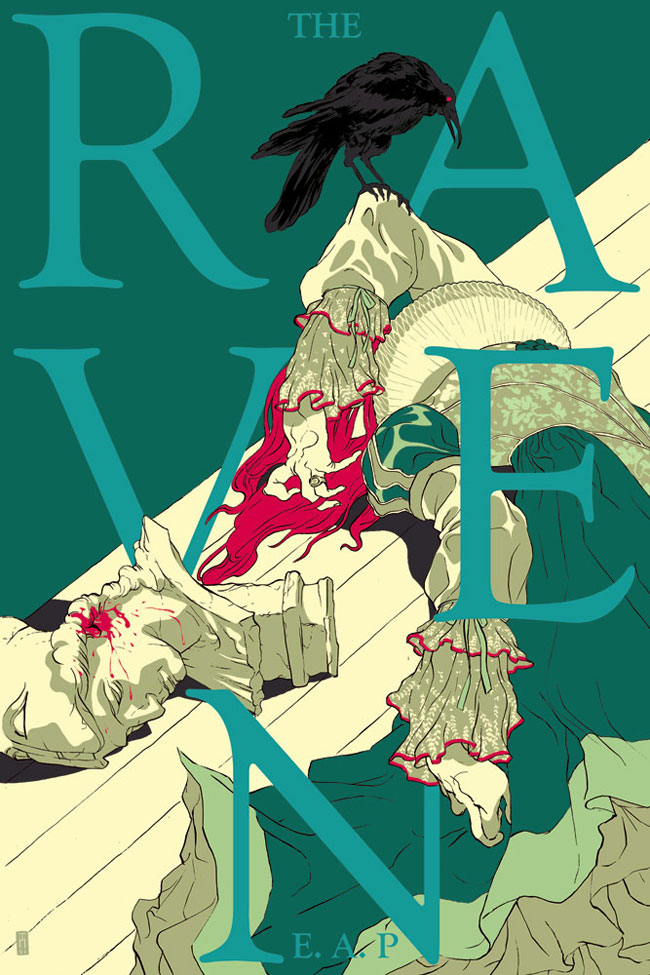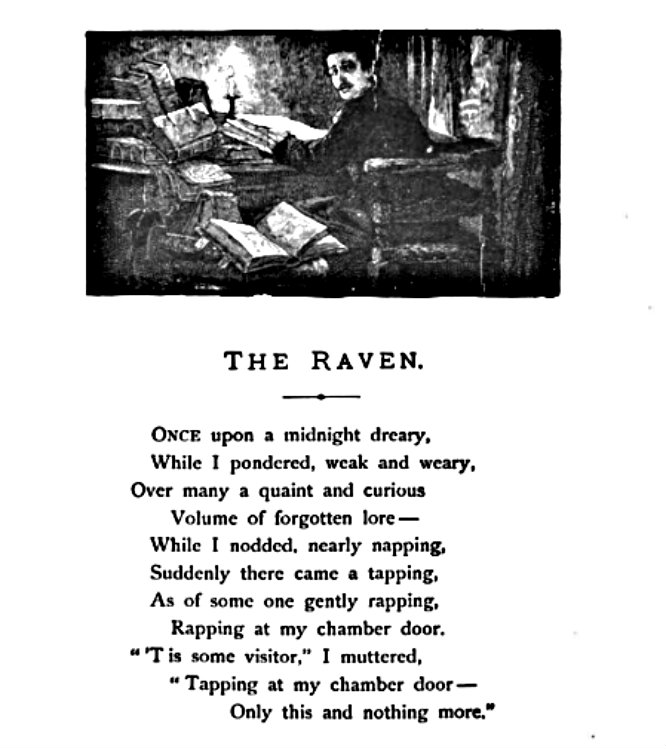
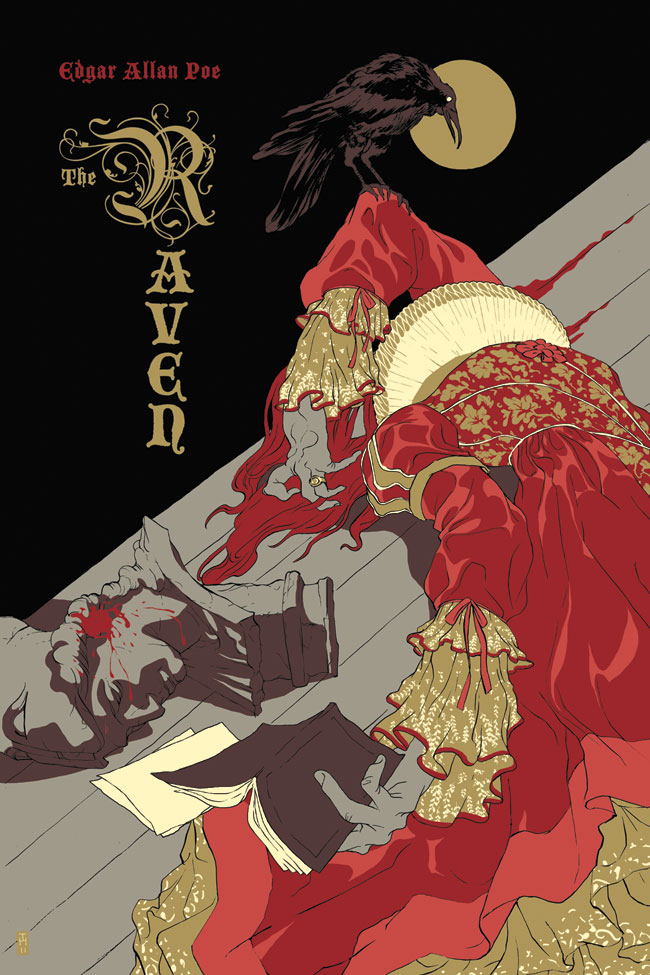
Tomer Hanuka’s illustrations for Poe’s poem “The Raven”

raven_850

raven_650

screenshot-2016-10-29-at-1


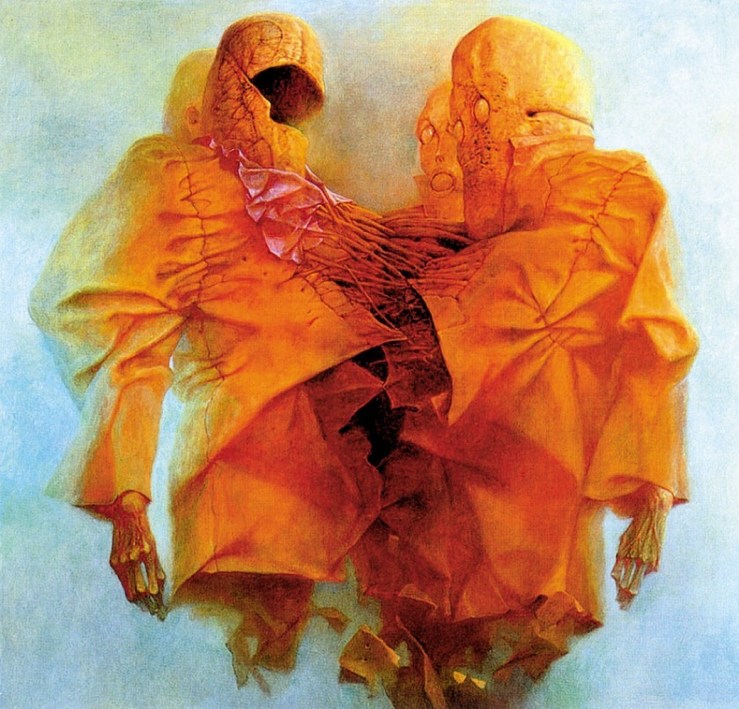
Untitled — Zdzisław Beksiński

1287434163_beksinski-kartiny-096

Curation and creation in Jim Jarmusch’s vampire film Only Lovers Left Alive

20140520-082414-30254444.jpg

Jim Jarmusch’s film Only Lovers Left Alive is excellent. 

Moody, sometimes funny, always gorgeous, and largely plotless, the film centers on two vampires—Adam and Eve, played by Tom Hiddleston and Tilda Swinton—who fill their long lives with music, literature, and love. At its core, the film is an elegiac love song to aesthetic originary creation in the age of the curator.

As Mike D’Angelo points out in his smart review

What really interests Jarmusch is immortality, or at least longevity. How would we behave if we lived for centuries, and were free to do pretty much anything we wanted? What sort of aesthetes and collectors might we become? … In this world, the vampire’s primary function is to appreciate the things we humans take for granted; they’re much more like curators than monsters.


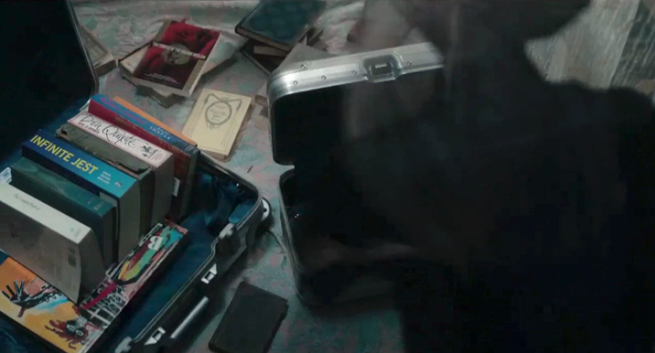
Eve’s curatorial powers are enviable—she merely has to touch an object to know its age (and quality). She touches Adam’s beloved Gibson guitar, declaring “1905.” As she packs her suitcase full of books (Don QuixoteInfinite Jest, and Kafka all make the cut), she scrolls her fingers through pages briskly but lovingly, seeming to absorb each one instantly.

book5

Adam’s curatorial impulses manifest in his collection of antique musical and electronic equipment, his claustrophobic crumbling mansion a mad scientist’s lab of sight and sound. Adam creates plodding dirges, death songs, elegies for the end of romance. Reclusive cult hero, he hides in the outskirts of Detroit from his growing fanbase who demand to know who made this music. Like Wyatt, the masterful forger of William Gaddis’s novel The Recognitions, Adam wonders what people want from the person that they couldn’t get from the work of art. Still, as he mournfully complains to Eve, Adam wants a reflection, something to echo back to him. His fans—the “zombies”—are not enough.

adam

Eve’s library and Adam’s studio allow Jarmusch to perform his own curatorial impulses. On one wall in a room of Adam’s mansion hang the portraits of dozens of writers and musicians, including Blake, Poe, Twain, and Christopher Marlowe. Marlowe it turns out is a vampire—and the real author of Shakespeare to boot. 

It might be tempting to accuse Jarmusch of merely providing fan service for hipsters, but there’s more going on here than simple name-checking. Adam’s wall isn’t simply a shrine for hero-worship. Instead, it feels like a gallery of family portraits.  Continue reading “Curation and creation in Jim Jarmusch’s vampire film Only Lovers Left Alive”

“The Tell-Tale Heart” — Edgar Allan Poe


Illustration for
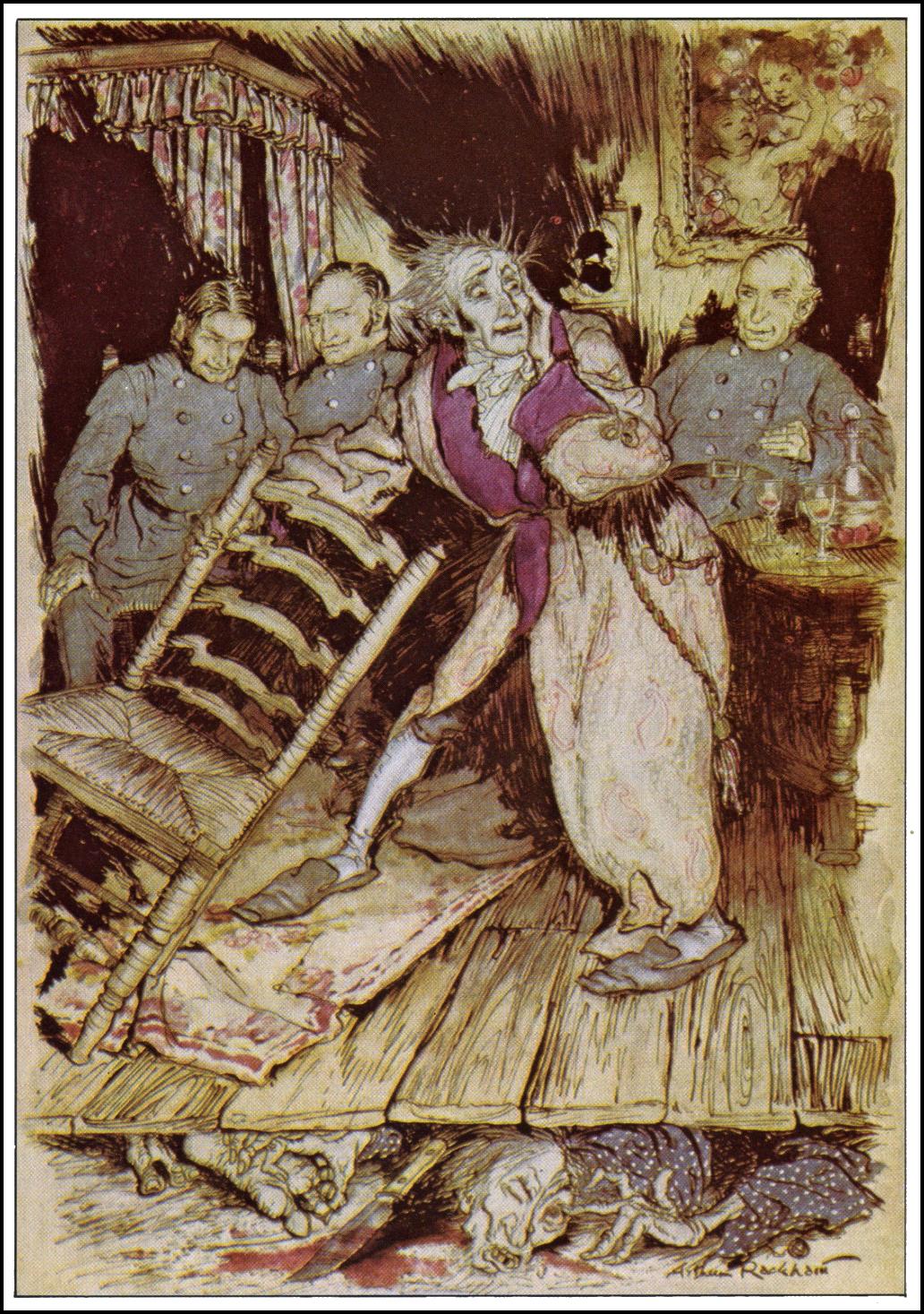
Illustration for Poe’s”The Tell-Tale Heart,” Arthur Rackham (1935)

“The Tell-Tale Heart”

by

Edgar Allan Poe


TRUE!—nervous—very, very dreadfully nervous I had been and am; but why will you say that I am mad? The disease had sharpened my senses—not destroyed—not dulled them. Above all was the sense of hearing acute. I heard all things in the heaven and in the earth. I heard many things in hell. How, then, am I mad? Hearken! and observe how healthily—how calmly I can tell you the whole story.

It is impossible to say how first the idea entered my brain; but once conceived, it haunted me day and night. Object there was none. Passion there was none. I loved the old man. He had never wronged me. He had never given me insult. For his gold I had no desire. I think it was his eye! yes, it was this! He had the eye of a vulture—a pale blue eye, with a film over it. Whenever it fell upon me, my blood ran cold; and so by degrees—very gradually—I made up my mind to take the life of the old man, and thus rid myself of the eye forever. Continue reading ““The Tell-Tale Heart” — Edgar Allan Poe”

Pumpkinhead (Self-Portrait) — Jamie Wyeth

062n09503_8rxzw

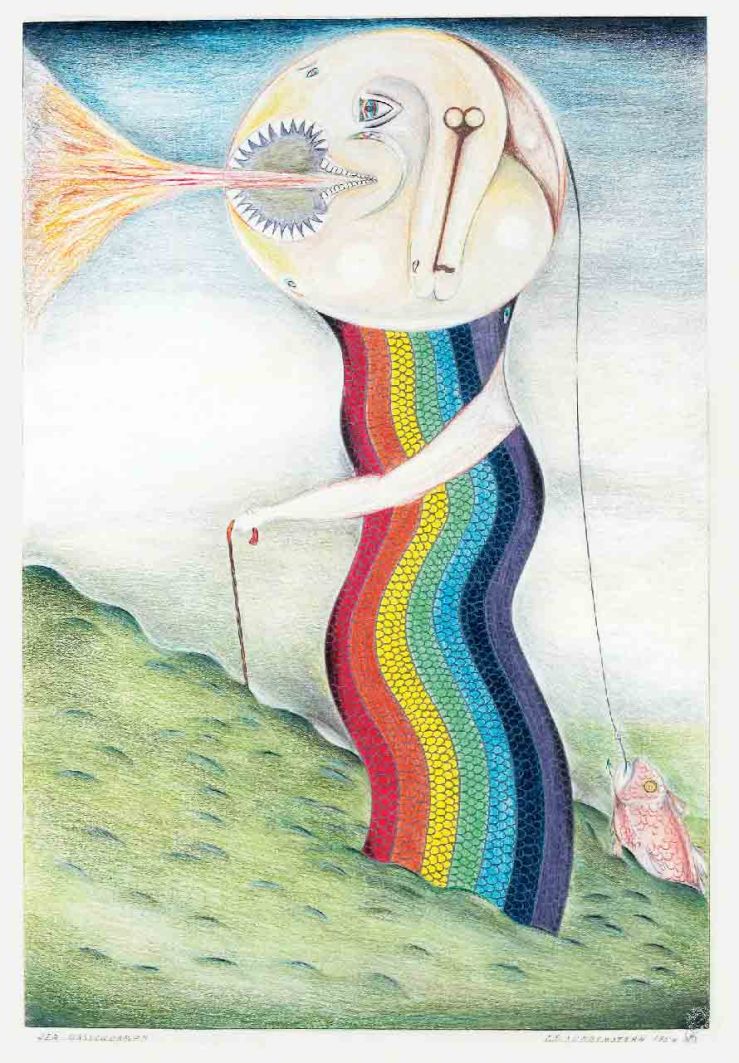
The Mass Demon — Friedrich Schröder Sonnenstern

tumblr_ncujd7nwcs1qzse0lo1_1280

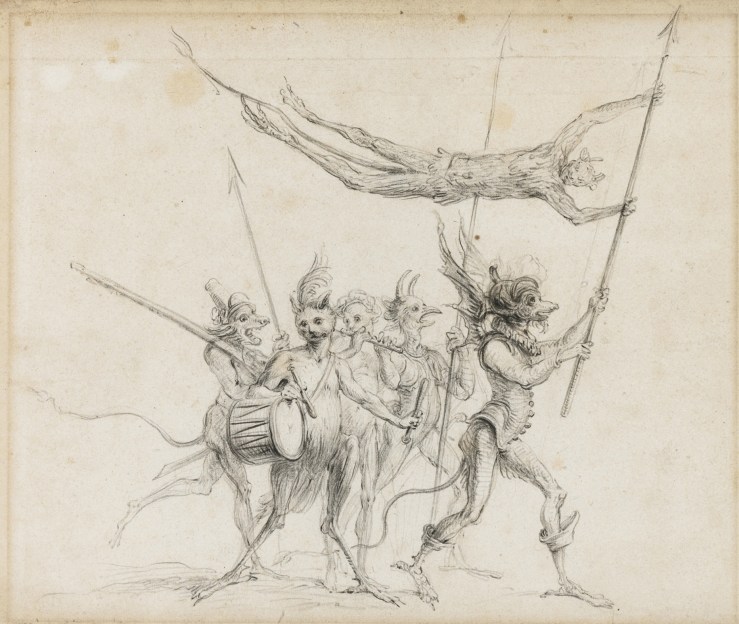
A Procession of Diabolical Creatures — Cornelis Saftleven

16341462425_90298a561e_o

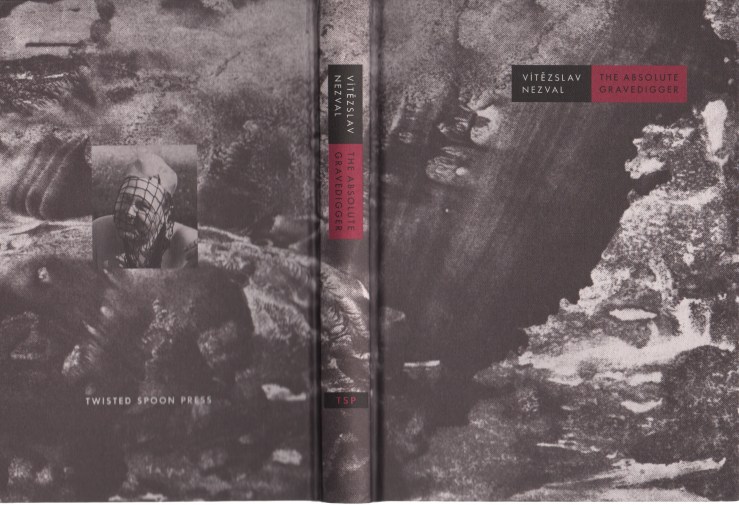
Vítězslav Nezval’s The Absolute Gravedigger (Book acquired, 10.17.2016)

img_4036

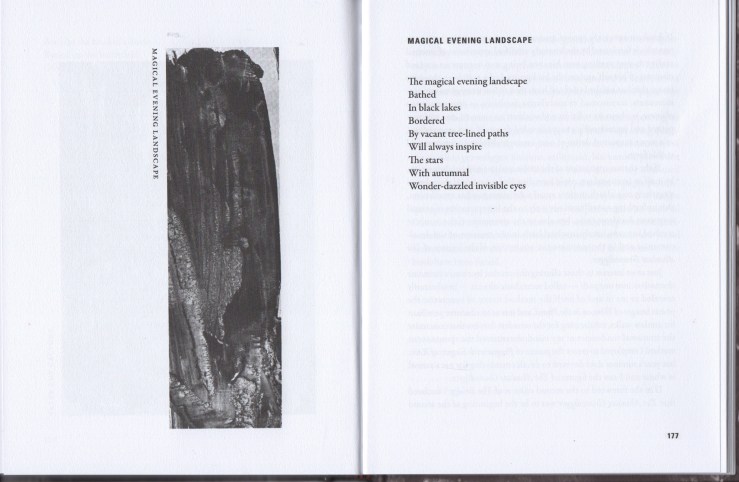
Vítězslav Nezval’s 1937 poetry collection The Absolute Gravedigger is new in English translation by Stephan Delbos and Tereza Novická, thanks to Twisted Spoon Press. As usual, Twisted Spoon’s edition is a beauty, including some of Nezval’s original illustrations.

img_4034

The Absolute Gravedigger seems comprised of seven “books,” and I ended up barreling through one of them, Bizarre Town, in one sitting. Nezval’s surrealist poems are seemingly spare, but the parts jar against each other in unsettling ways; Bizarre Town evokes Bosch, or Goya’s etchings.

img_4035

You might know Nezval as the author of Valerie and Her Week of Wonders, which was adapted into a marvelously disturbing 1970 film by Jaromil Jireš.


More to come as I read more, but for now, here’s Twisted Press’s blurb:

The Absolute Gravedigger, published in 1937, is in many ways the culmination of Vítězslav Nezval’s work as an avant-garde poet, combining the Poetism of his earlier work and his turn to Surrealism in the 1930s with his political concerns in the years leading up to World War II. It is above all a collection of startling verbal and visual inventiveness. And while a number of salient political issues emerge from the surrealistic ommatidia, Nezval’s imagination here is completely free-wheeling and untethered to any specific locale, as he displays mastery of a variety of forms, from long-limbed imaginative free verse narratives to short, formally rhymed meditations in quatrains, to prose and even visual art (the volume includes six of his decalcomania images).

Together with Nezval’s prior two collections, The Absolute Gravedigger forms one of the most important corpora of interwar Surrealist poetry. Yet here his wild albeit restrained mix of absolute freedom and formal perfection has shifted its focus to explore the darker imagery of putrefaction and entropy, the line breaks in the shorter lyric poems slicing the language into fragments that float in the mind with open-ended meaning and a multiplicity of readings. Inspired by Salvador Dalí’s paranoiac-critical method, the poems go in directions that are at first unimaginable but continue to evolve unexpectedly until they resolve or dissolve – like electron clouds, they have a form within which a seemingly chaotic energy reigns. Nezval’s language, however, is under absolute control, allowing him to reach into the polychromatic clouds of Surrealist uncertainty to form shapes we recognize, though never expected to see, to meld images and concepts into a constantly developing and dazzling kaleidoscope.

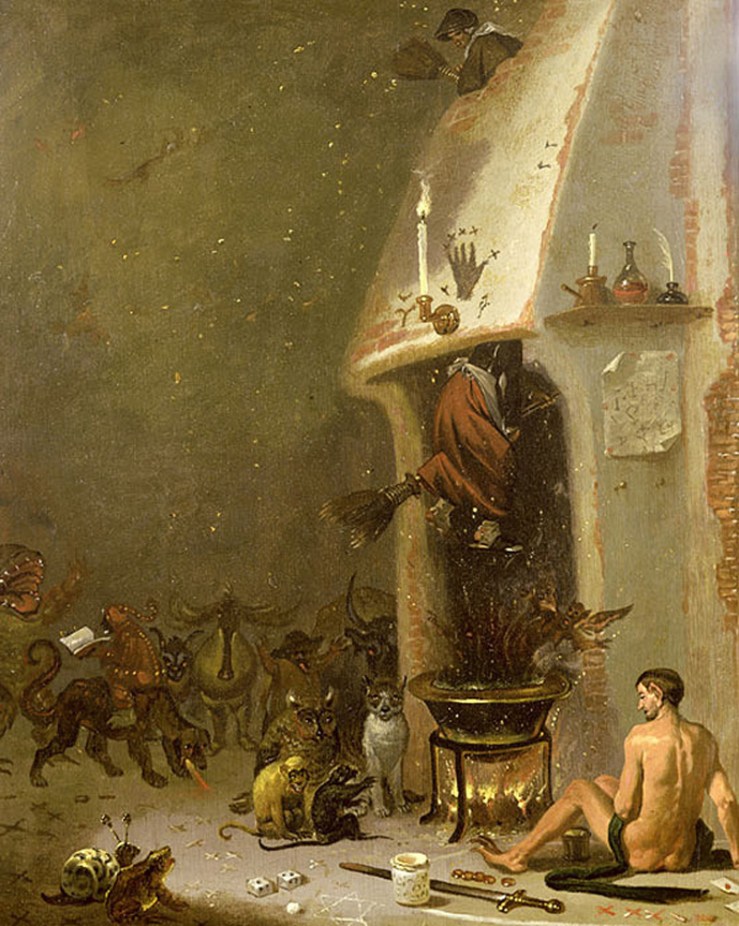
Witch’s Tavern — Cornelis Saftleven

4ec9a18e9574fbbdedab2756efcf8903

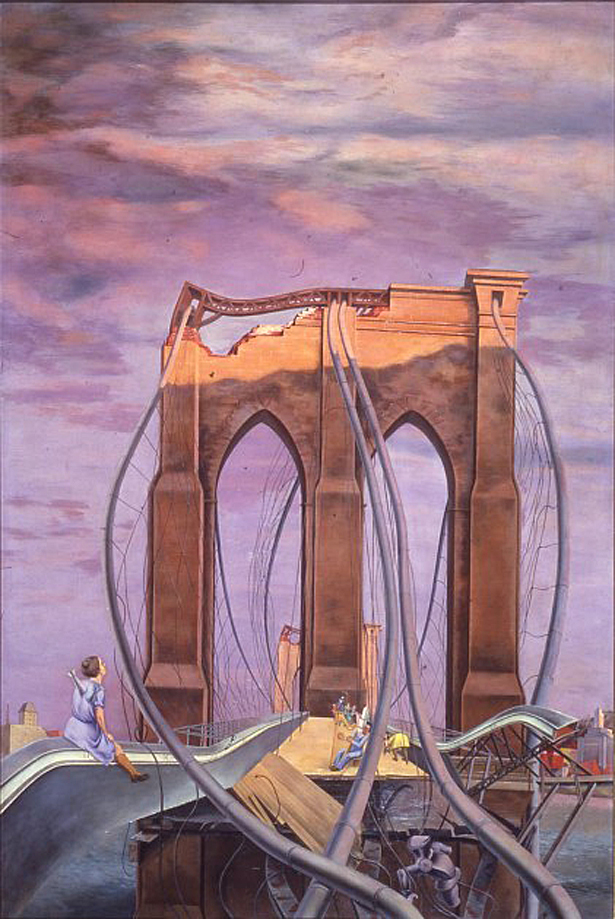
Mental Geography — O. Louis Guglielmi

thecitysend4

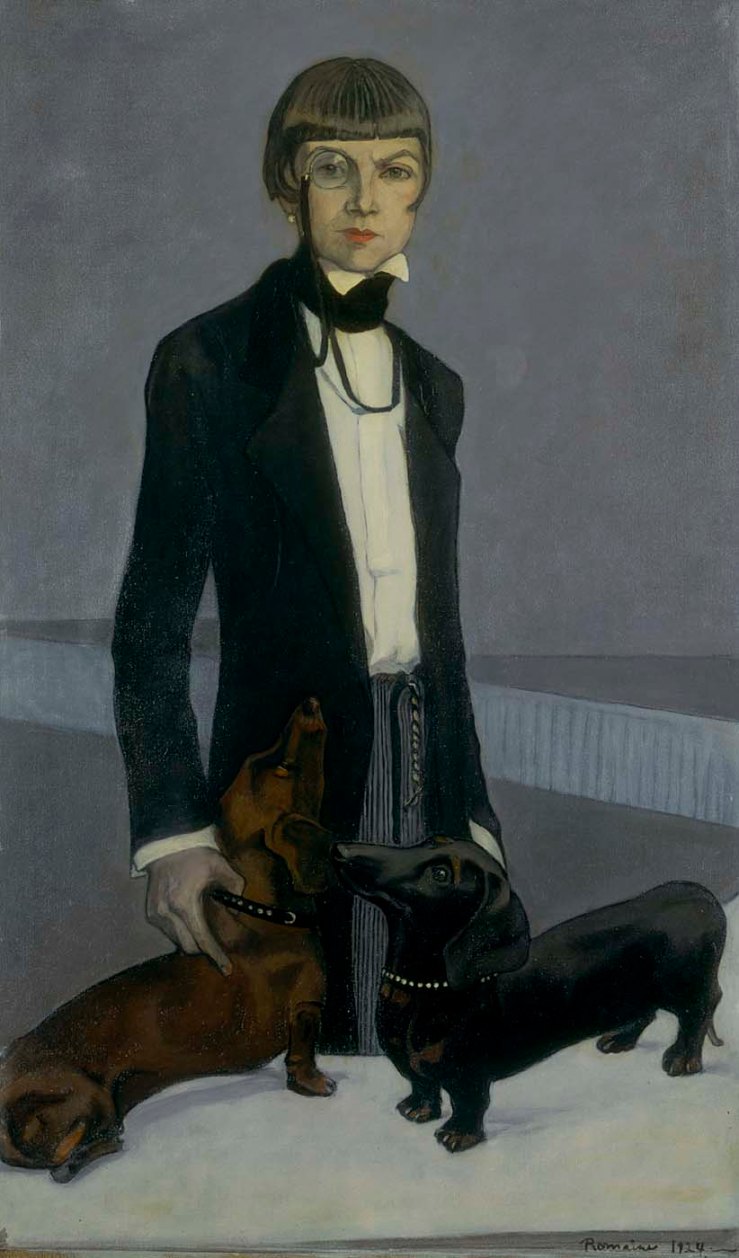
Una, Lady Troubridge — Romaine Brooks

1966-49-6_1a

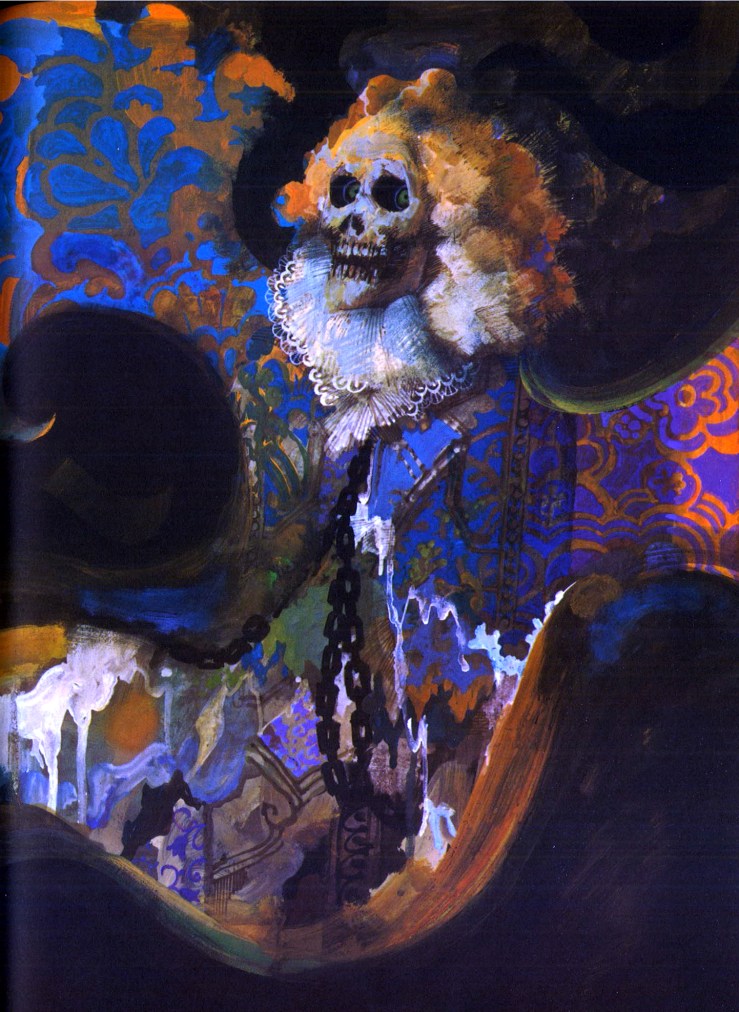
Illustration for Oscar Wilde’s “The Canterville Ghost” — James Hill

Canterville

James Hill’s illustration for The Canterville Ghost by Oscar Wilde. From The Short Stories of Oscar Wilde, Heritage Press, 1968.


The Canterville Ghost

by

Oscar Wilde

When Mr. Hiram B. Otis, the American Minister, bought Canterville Chase, every one told him he was doing a very foolish thing, as there was no doubt at all that the place was haunted. Indeed, Lord Canterville himself, who was a man of the most punctilious honour, had felt it his duty to mention the fact to Mr. Otis when they came to discuss terms.

“We have not cared to live in the place ourselves,” said Lord Canterville, “since my grandaunt, the Dowager Duchess of Bolton, was frightened into a fit, from which she never really recovered, by two skeleton hands being placed on her shoulders as she was dressing for dinner, and I feel bound to tell you, Mr. Otis, that the ghost has been seen by several living members of my family, as well as by the rector of the parish, the Rev. Augustus Dampier, who is a Fellow of King’s College, Cambridge. After the unfortunate accident to the Duchess, none of our younger servants would stay with us, and Lady Canterville often got very little sleep at night, in consequence of the mysterious noises that came from the corridor and the library.”

“My Lord,” answered the Minister, “I will take the furniture and the ghost at a valuation. I have come from a modern country, where we have everything that money can buy; and with all our spry young fellows painting the Old World red, and carrying off your best actors and prima-donnas, I reckon that if there were such a thing as a ghost in Europe, we’d have it at home in a very short time in one of our public museums, or on the road as a show.”

“I fear that the ghost exists,” said Lord Canterville, smiling, “though it may have resisted the overtures of your enterprising impresarios. It has been well known for three centuries, since 1584 in fact, and always makes its appearance before the death of any member of our family.”

“Well, so does the family doctor for that matter, Lord Canterville. But there is no such thing, sir, as a ghost, and I guess the laws of Nature are not going to be suspended for the British aristocracy.”

“You are certainly very natural in America,” answered Lord Canterville, who did not quite understand Mr. Otis’s last observation, “and if you don’t mind a ghost in the house, it is all right. Only you must remember I warned you.”

Read the rest of The Canterville Ghost at Project Gutenberg.

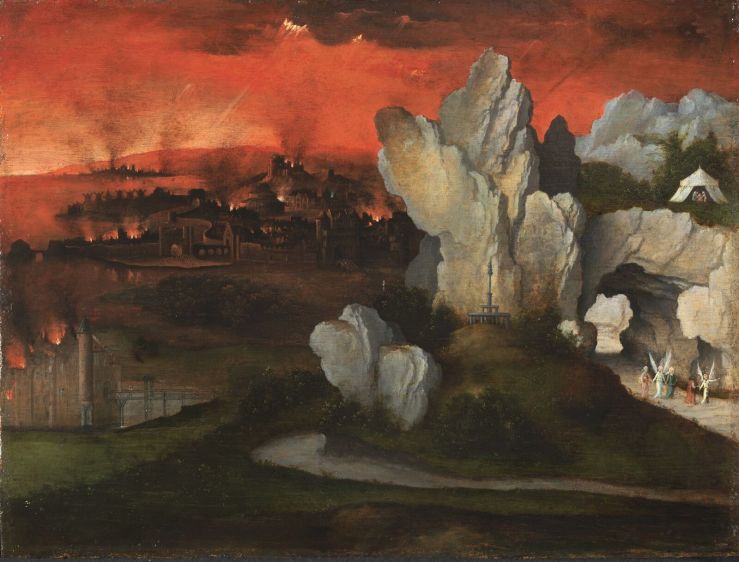
Landscape with the Destruction of Sodom and Gomorrah — Joachim Patinir

landscape-with-the-destruction-of-sodom-and-gomorrah

Girl — Unichi Hiratsuka

girl-1930large

>intoxication o’r dizziness< | On "starting" Arno Schmidt's enormous novel Bottom's Dream

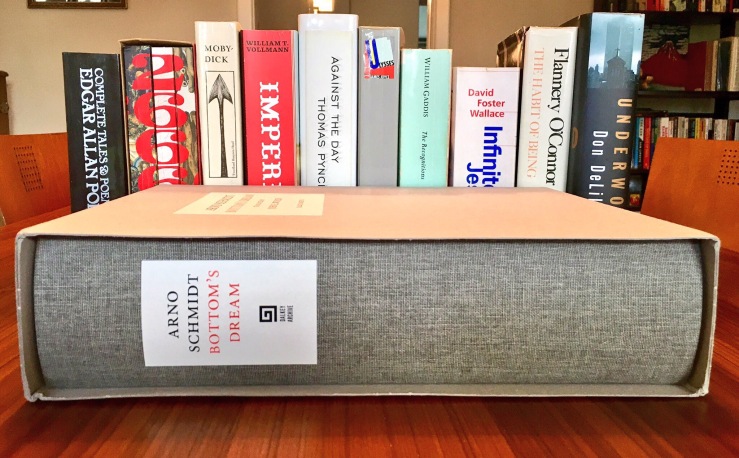
img_3817

Arno Schmidt’s 1970 novel Bottom’s Dream is finally available in English translation by John E. Woods. The book has been published by the Dalkey Archive.

It is enormous.

As you can see in the picture above: Enormous.

But what’s Bottom’s Dream about? (This is the wrong question).

Dalkey’s blurb:

“I have had a dream past the wit of man to say what dream it was,” says Bottom. “I have had a dream, and I wrote a Big Book about it,” Arno Schmidt might have said. Schmidt’s rare vision is a journey into many literary worlds. First and foremost it is about Edgar Allan Poe, or perhaps it is language itself that plays that lead role; and it is certainly about sex in its many Freudian disguises, but about love as well, whether fragile and unfulfilled or crude and wedded. As befits a dream upon a heath populated by elemental spirits, the shapes and figures are protean, its protagonists suddenly transformed into trees, horses, and demigods. In a single day, from one midsummer dawn to a fiery second, Dan and Franzisca, Wilma and Paul explore the labyrinths of literary creation and of their own dreams and desires.

And Wikipedia’s summary:

The novel begins around 4 AM on Midsummer’s Day 1968 in the Lüneburg Heath in northeastern Lower Saxony in northern Germany, and concludes twenty-five hours later. It follows the lives of 54-year-old Daniel Pagenstecher, visiting translators Paul Jacobi and his wife Wilma, and their 16-year-old daughter Franziska. The story is concerned with the problems of translating Edgar Allan Poe into German and with exploring the themes he conveys, especially regarding sexuality.

Did I mention that it’s enormous?

Look, I know that dwelling on a book’s size probably has nothing to do with literary criticism, but Bottom’s Dream poses something of a special case. As an article on Bottom’s Dream at The Wall Street Journal points out, Schmidt’s opus is 1,496 pages long, contains over 1.3 million words, and weighs 13 pounds.

It’s a physical challenge as well as a mental challenge.

And, Oh that mental challenge!

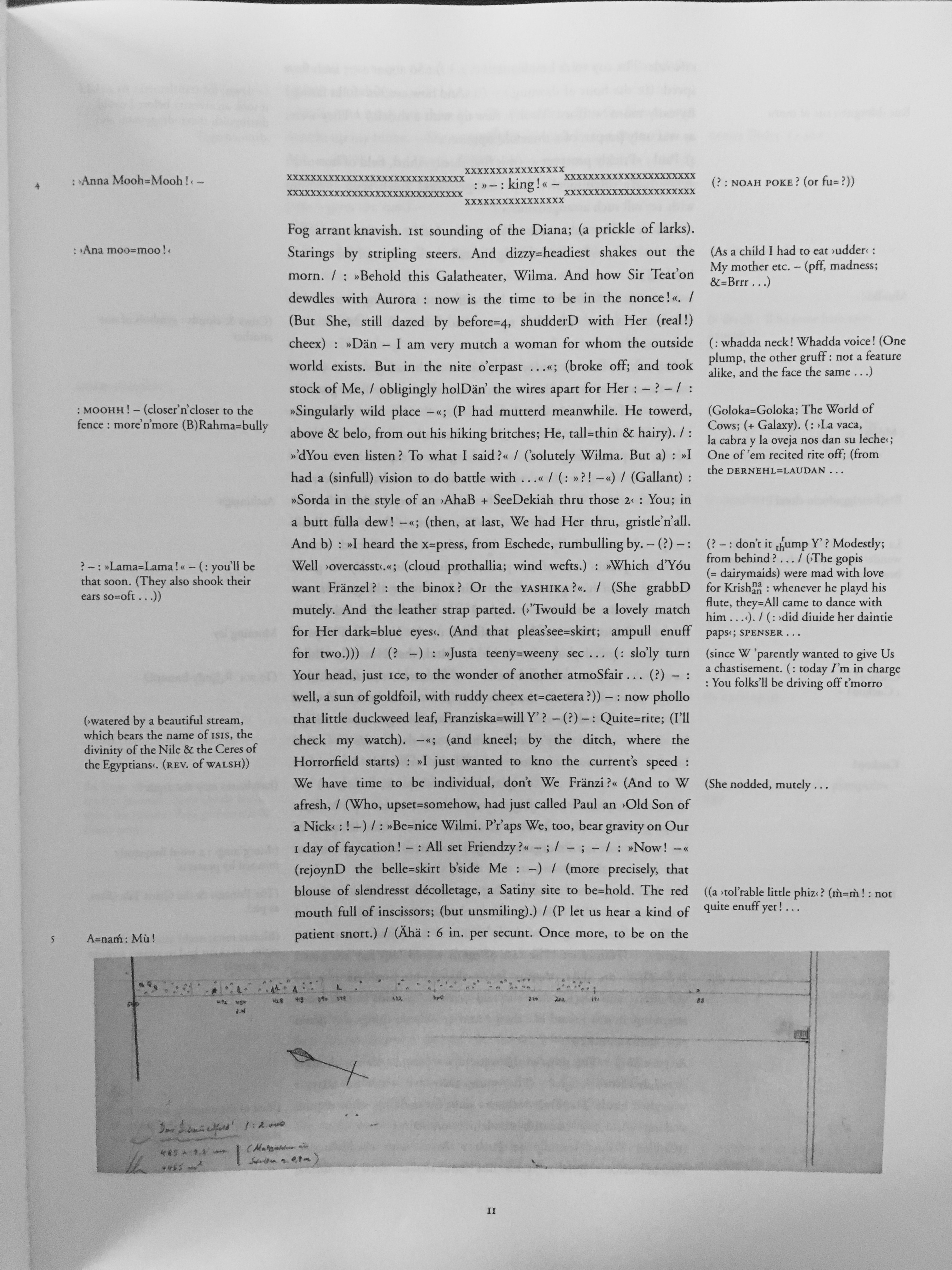
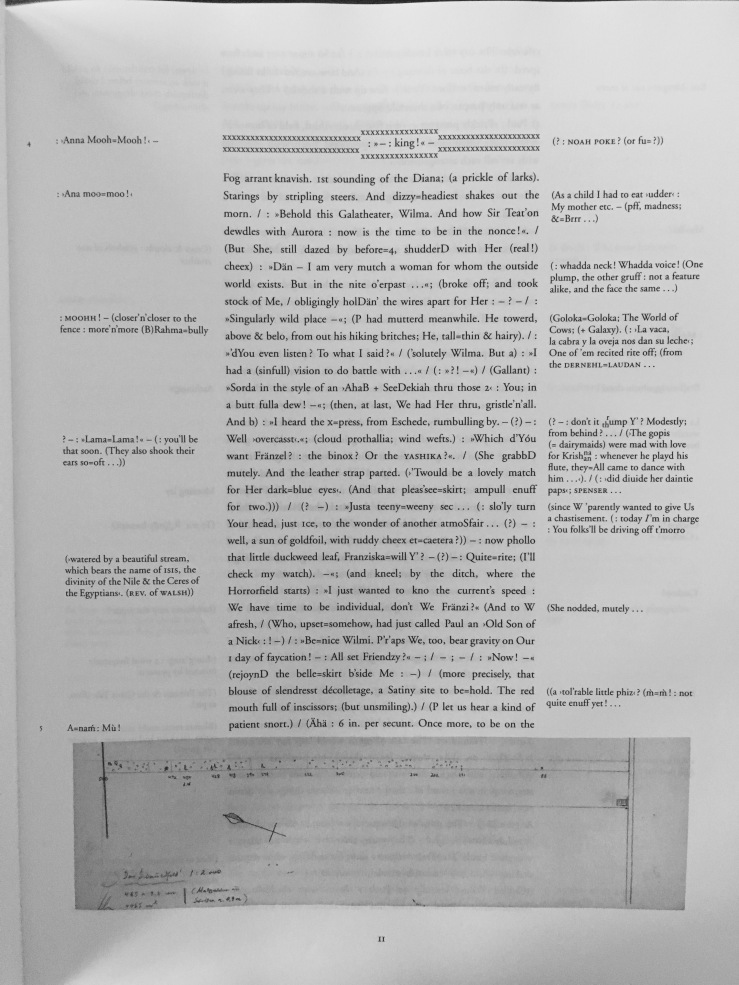
Here’s the first page of Bottom’s Dream (the pic links to a much larger image):
img_3901

Hmmm…? What do you think?

The obvious easy reference point here is Joyce’s Finnegans Wake, which indeed Schmidt was actively following, both in form and style: competing columns, a fragmentary and elusive/allusive style, collage-like metacommentary, an etymological explosion—words as paint, text as meaning. Etc.

(Did I mention it’s a lot longer than Finnegans Wake? Did I mention it’s enormous?)
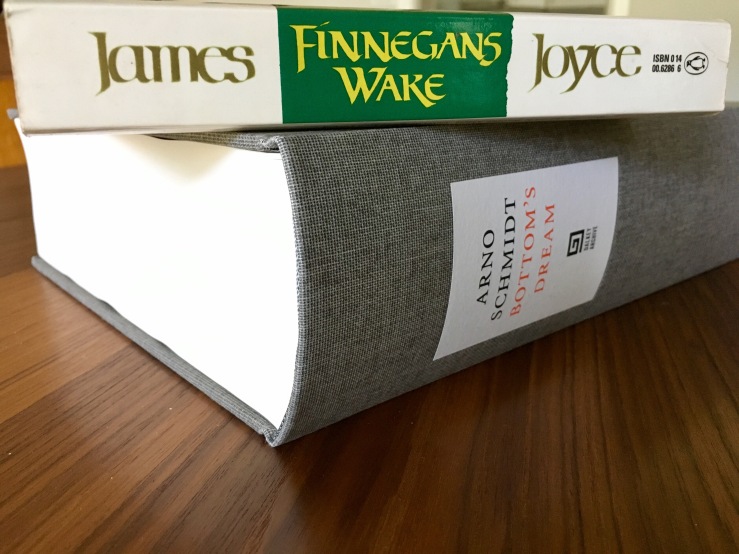
img_3841

Here’s a glimpse at two random pages (don’t be afraid to click on that image and get the full, y’knoweffect):

img_3811

I’ll never forget one of my graduate school professors warning us not to “peer too long into Finnegans Wake.” He called it an abyss. (The man loved Joyce’s work, by the way, and had studied under Hugh Kenner. I’m not sure if he meant abyss pejoratively. It was, like I say, a warning).

Bottom’s Dream seems like an abyss. As its title (a reference to A Midsummer Night’s Dream) suggests, “it hath no bottom.”

After nine days, I’m “on” page 21 of Schmidt’s novel now, and I have no idea what’s going on. And not just because it’s a primal gobbledygook wordmass. No, part of my incomprehension results from a very strong physical reaction to “reading” Bottom’s Dream. This physical reaction goes beyond the size of the volume—although there’s certainly something to the size. I more or less have to read the thing on my dining room table; it’s dreadfully uncomfortable on a couch, and probably impossible on my hammock or in the bathtub. I can’t really hold it while I read it. I think this matters, although I can’t really say how right now. The multiple columns, marginalia, images, etc. are engaging but also fragment my attention—and I generally find myself flicking through Bottom’s Dream, rather than sustaining the will to follow the “plot.” Right now, anyway, I find myself wrapped up in the aesthetics of reading Bottom’s Dream. It’s a tactile read. I enjoy it most when I smooth my hands over it, jump out of the stream, 20, 30, 100 pages forward, backwards. Relax a little.

Otherwise, Bottom’s Dream becomes a bit of a nightmare for me: I get all dizzy, thirsty, my eyes seem to thrum. Something going on in the inner-ear. It’s like a slow-motion panic attack. When that abyss-stress comes on, I jump ahead.

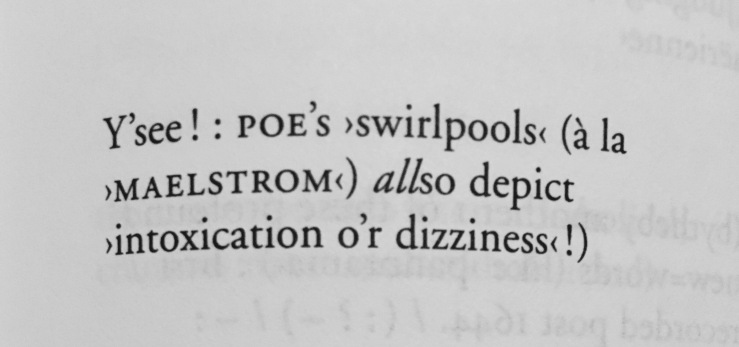
Which is how I found this bit of marginalia (I wish I’d recorded the page when I photographed it; but, also: the iPhone camera is a better recorder of Bottom’s Dream’s aesthetic textuality than any word-processing program. Even a scanner might straighten some of its bends and arcs, its voluminous volume):
img_3818

Yes! Poe’s >swirlpools<! >intoxication o’r dizziness<! — there’s a description for me of my own reaction to reading Bottom’s Dream.

Poe might be something of a guide for me if I do try to stick out wandering through Bottom’s Dream, and his story “A Descent into the Maelstrom,” referenced above, seems a particularly nice parallel to Schmidt’s bigass book.

“Descent” relates the tale of a sailor (a voyager!–a, like, metaphorical reader, y’know) transformed by his encounter with the “Moskoestrom” —a swirling abyss from which no one returns. This vortex, “absurd and unintelligible,” breaks the sailor, “body and soul.” He can’t comprehend the storm. It’s unknowable, un-nameable. At best, he is able to make a sidelong glance at it, but can never plumb its depths. And not only is his glance broken, but all of his senses are fragmented. He escapes the maelstrom, but is unrecognizable to the sailors who rescue him. He becomes the voice of the vortex, the metonymy of a force he can perceive but can’t comprehend.

The maelstrom—the vortex, the abyss—this, for Poe, was language.

I’m not sure how deep I’ll travel into Schmidt’s maelstrom. I managed large sections of Finnegans Wake—but I had a guide in Joseph Campbell’s Skeleton Key. Someone to map out the terrain, show me the ropes, etc.

Obviously, there isn’t much English-language scholarship on Bottom’s Dream right now (and in a very real and radical sense that I’m not touching on here, Woods’s translation is its own separate book). There are a few blogs taking on Schmidt’s monster though. The Untranslated has been writing (in English) about the original German text for over a year now. At Messenger’s Booker, Tony Messenger has been writing about Woods’s translation. There might be some other folks out there attempting the same—if you know let me know. For now, my updates from this maelstrom will be sporadic at best.
A potted kop (George Herriman’s Krazy Kat)

img_2969

Andy Warhol — Alice Neel

80_52_neela