Charles Olson/Conrad Aiken (Books Acquired, 6.09.2012)

20120611-143045.jpg

Charles Olson’s Selected Writing (New Directions): In all seriousness, why don’t more publishers go for simple covers like this one? Love it.

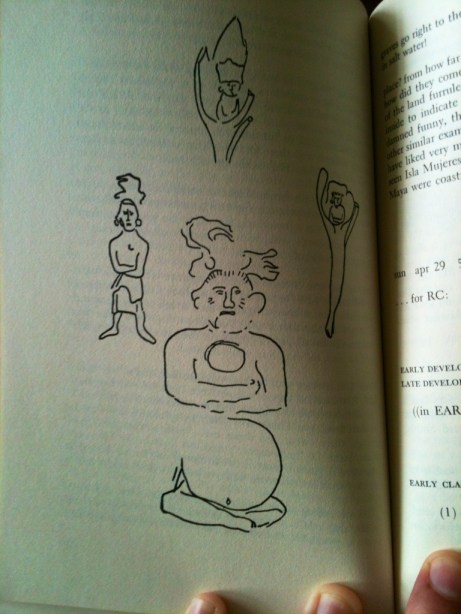
A scribbling:

20120611-143050.jpg

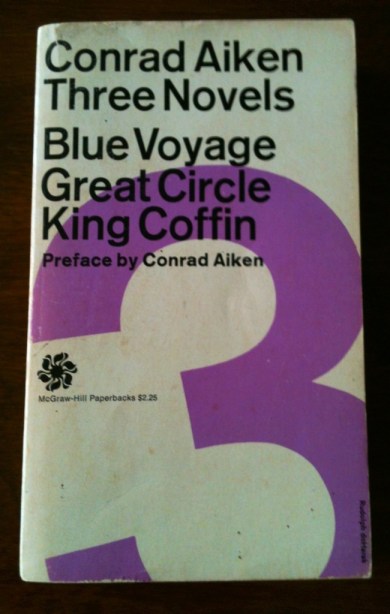
Also, had to pick up something by Conrad Aiken after reading about his influence on Malcolm Lowry:

20120611-143056.jpg

Books Acquired, 6.02.2012 (Comix + Angela Carter)

20120611-142705.jpg

Little Lit: Strange Stories for Strange Kids is a collection of comix (and other oddities) for kids, edited by Art Spiegelman and his wife artist/publisher Françoise Mouly. I saw at random and picked it up for my daughter, whose birthday was the next day. She loves, loves, loves this book, spending hours poring over all its weird images and picture games. Cover is by the great Charles Burns; there are also comics by Spiegelman, the late great Maurice Sendak—

20120611-142717.jpg

—a weird search picture by Martin Handford (here’s a detail)—-

20120611-142725.jpg

—and comics by other notables like David Sedaris, Paul Auster, Claude Ponti, Jules Feiffer, and Kim Deitch. The endpapers — “Strange Cartoon Lessons” are by Kaz:

20120611-142742.jpg

I also picked up Burning Your Boats, which collects all of Angela Carter’s short stories:

20120611-142812.jpg

I was looking for her dystopian novel The Passion of New Eve, but no go. Of course, I couldn’t pass up this volume, which comprises four collections, as well as early and uncollected stuff.

The Abdication (Book/Ero(t)icomic Epic Aquired, Sometime Last Week)

20120606-120115.jpg

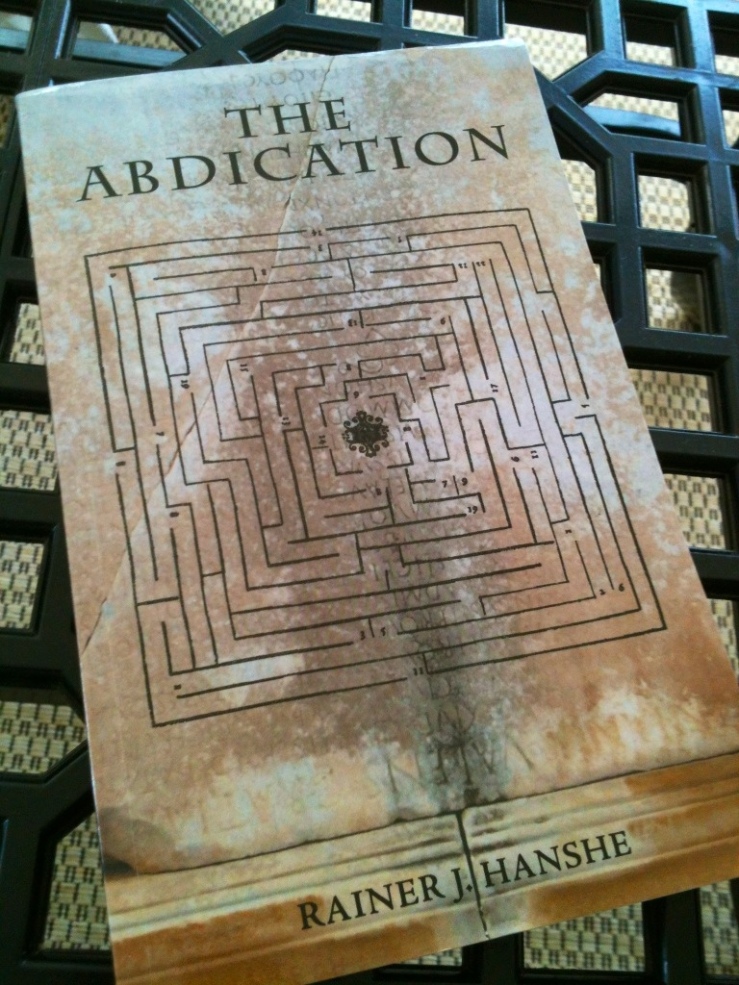
Rainer J. Hanshe’s The Abdication. Started this one the yesterday. Very weird, very cool. More thoughts to come, but here’s the blurb:

Spring 2032: an enigmatic bandleader named Triboulet arrives by helicopter in Rome, where his carnivalesque troupe awaits with a legion of animals and unruly kids. When provoking states of joyous panic through their ritualistic frenzies, the troupe’s arrival proves restorative, for the world is beset with famines, plagues, and religious conflicts, which Triboulet seeks to neutralize with freeing laughter. As he and his troupe begin constructing strange edifices in the Eternal City, sacred sites around the world suffer terrible, often beguiling forms of vandalism, and rumors abound that the Christ has actually finally returned.
Although radical Islamic sects claim responsibility for the vandalism, the culprits remain unknown: is it the Jihadists, anarcho-atheist intellectuals, or eco-terrorists? Religious and political authorities grow leery of the troupe and suspicious of Triboulet, whose true identity remains a mystery. The very future of the world is at stake, and while touring Israel during Christmas, Triboulet and his raucous band of pranksters bear witness to the world’s pivotal crossing into a new reality.
Albert Camus noted that ‘the metaphysics of the worst’ expresses itself in a literature of damnation and argued that ‘we have still not yet found the exit’ from such literature. With his second novel, Hanshe has found the way out, offering in fact something not only promising, but astounding, a pathway that is into a new reality, into a ‘physics of the best.’ The Abdication is a true ero(t)icomic epic.

Books Acquired, Sometime in the Past Two Weeks

20120606-120050.jpg

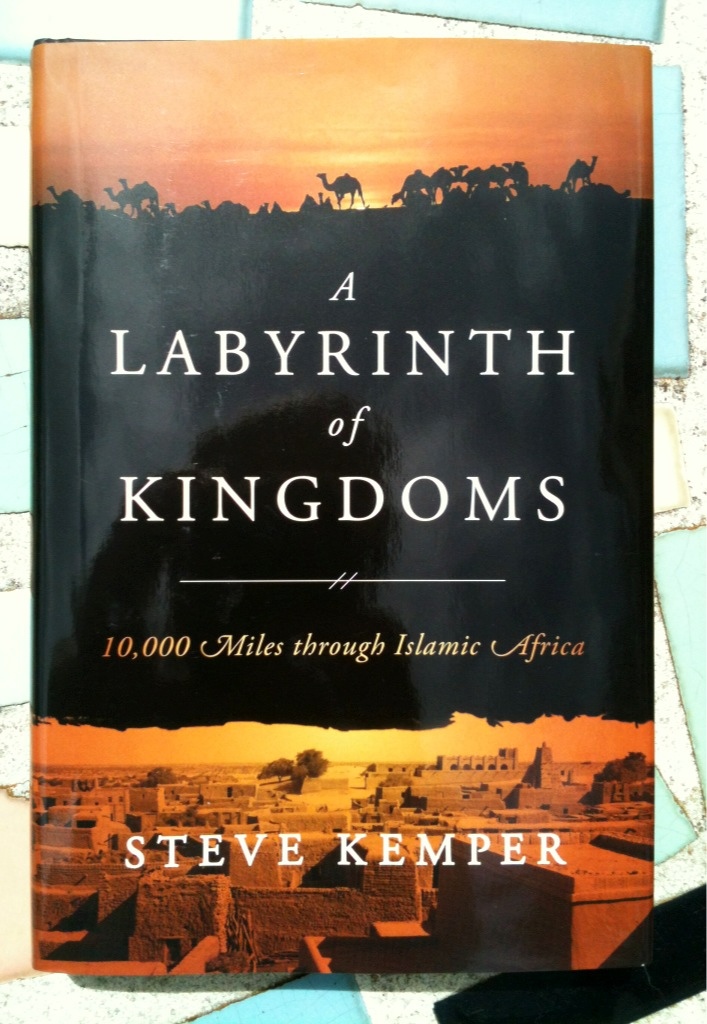
Steve Kemper’s Labyrinth of Kingdom looks pretty cool. Here’s publisher Norton’s write up:

In 1849 Heinrich Barth joined a small British expedition into unexplored regions of Islamic North and Central Africa. One by one his companions died, but he carried on alone, eventually reaching the fabled city of gold, Timbuktu. His five-and-a-half-year, 10,000-mile adventure ranks among the greatest journeys in the annals of exploration, and his discoveries are considered indispensable by modern scholars of Africa.

Yet because of shifting politics, European preconceptions about Africa, and his own thorny personality, Barth has been almost forgotten. The general public has never heard of him, his epic journey, or his still-pertinent observations about Africa and Islam; and his monumental five-volume Travels and Discoveries in North and Central Africa is rare even in libraries. Though he made his journey for the British government, he has never had a biography in English. Barth and his achievements have fallen through a crack in history.

20120606-120043.jpg

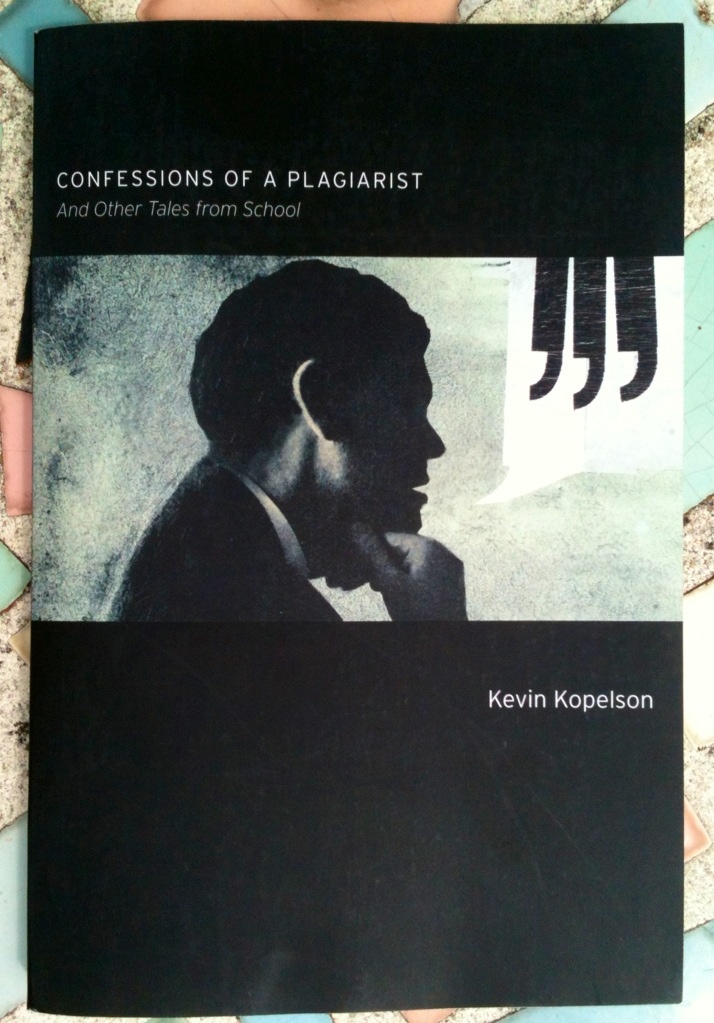
Kevin Kopelson’s Confessions of a Plagiaristnot really sure what to make of this one. Publisher Counterpath’s blurb:

In college, Kevin Kopelson passed off a paper by his older brother Robert as his own. In graduate school, he plagiarized nearly an entire article from a respected scholar, and then later, having met her and been asked if he would send something for her to read, sent that essay he had plagiarized from her work. This is not to mention the many instances in which he quoted others extensively, not passing their work off as his own, but substituting it for his own words when his words were what were called for. Until recently, such plagiarisms and thefts had been his most shameful secret, shared only with a trusted few. But then Kopelson—now an English professor and the author of a number of respected books, most recently 2007’s Sedaris—wrote an essay entitled “My Cortez,” which was published in the London Review of Books in 2008. It was a satirical literary confession, an exploration of Kopelson’s personal and professional life via his various acts of plagiarism. From that jumping off point and exploring also his other vices, Confessions of a Plagiarist is the compelling and clever retelling (not to mention renovation) of Kopelson’s life, one transgression at a time.


Books Acquired, 5.17.2012—Or, Here’s What’s New from Picador This June

20120521-122547.jpg

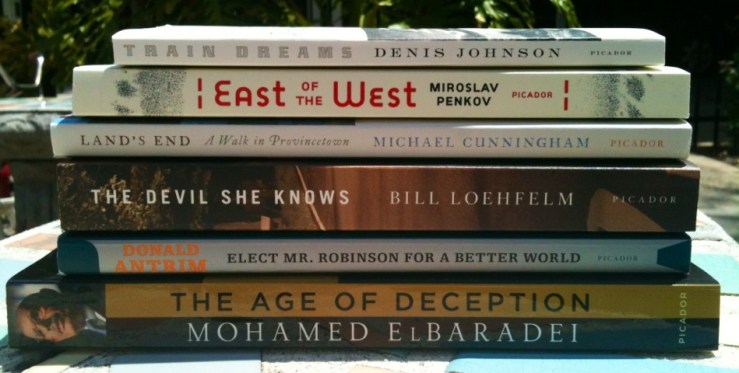
Nice little batch from the good folks at Picador, including Bill Loehfelm’s thriller The Devil She Knows, Mohamed ElBarardei’s The Age of Deception, an analysis of nuclear politics, and Michael Cunningham’s Land’s End, which I assume is a novelization of the clothing catalog.

Also in the batch: Denis Johnson’s novella Train Dreams, which I read in one sitting this Sunday. It’s a perfect novella, its pathos balanced with humor, its realism tempered in something of the mythic spirit of the American frontier. Full review forthcoming.

20120521-122553.jpg

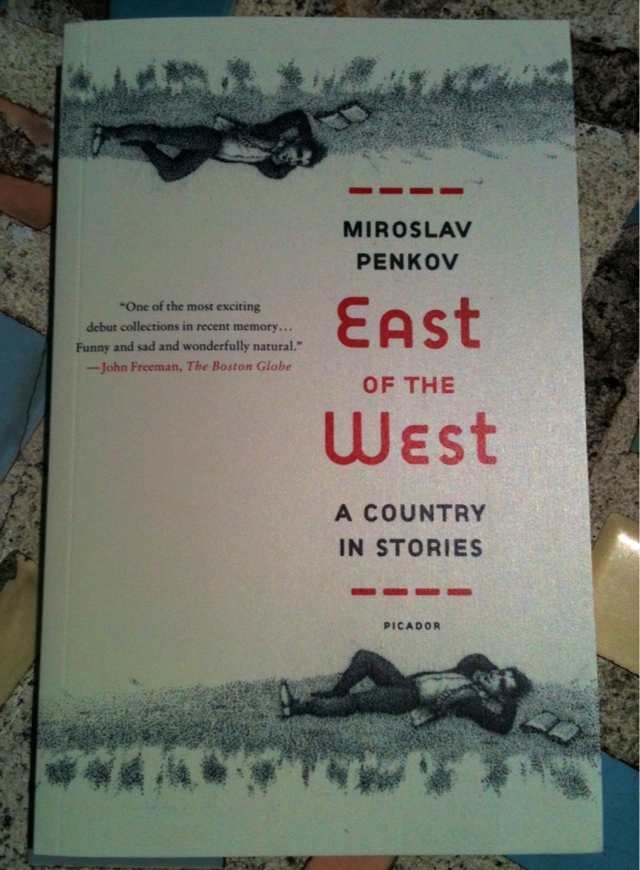
Miroslav Penkov’s collection East of the West looks pretty cool.

20120521-122559.jpg

Here’s a description from his website:

A grandson tries to buy the corpse of Lenin on eBay for his Communist grandfather. A failed wunderkind steals a golden cross from an Orthodox church. A boy meets his cousin (the love of his life) once every five years in the river that divides their village into east and west. These are Miroslav Penkov’s strange, unexpectedly moving visions of his home country, Bulgaria, and they are the stories that make up his charming, deeply felt debut collection.

20120521-122605.jpg

Donald Antrim’s debut Elect Mr. Robinson for a Better World has also been reissued with a new intro by Jeffrey Eugenides. Here’s an excerpt of the novel:

It was Friday, the day of the big theriomorphism workshop Rotary luncheon out at the Holiday Inn. My wife, Meredith, and I and a crowd of red-faced Rotarians and their well-dressed wives (Rotary Anns) sat around hotel banquet tables and listened to a visiting anthropology professor at the junior college say, “Pick an animal, any animal, fish, fowl, beast. Concentrate on aspects of the animal. Is it big? Small? Cute? Does it eat other animals? What color fur? If the animal is a bird, what color are its feathers? What song does it sing?”

“This is stupid,” I whispered to Meredith.

“It’s your fault we’re here, Pete. Why don’t you give it a chance?”

The anthropologist said, “Why don’t we all think about it for a minute? Okay, everybody got one?”

“Yes,” “No,” “Wait,” people said. Meredith whispered, “What’s yours?”

“I don’t know, what’s yours?”

“Coelacanth.”

“The prehistoric fish?”

“I need a volunteer,” declared the professor. Meredith raised her hand, and the man at the podium said, “Yes, back there. Tell us your name and the name of the animal you’ve chosen to become today.”

“Meredith Robinson. Coelacanth. It’s a kind of fish that scientists believed extinct until one was caught off the coast of Africa.”

“Excellent. Come forward. Sit here. Would someone please dim the lights?” I watched Rotary guys watch my wife. Bill Nixon, Tom Thompson, Abraham de Leon, Dick Morton, Terry Heinemann, Robert Isaac—all the usuals, plus others. Jerry and his wife, Rita, sat up front. The professor soothingly said, “Close your eyes, breathe deeply, and tell us about the coelacanth. Everybody else, let’s all breathe deeply too, and be thinking about our own animals. Go ahead, Meredith.”

“Well, it’s four feet long, deep slate blue, with bony, protruding fins and big jaws with scary teeth. It goes back seventy million years. It moves slowly, it dwells in dark water.” The professor nodded. Audience members inched forward in their seats. Meredith said, “At night it swims upside down with its head pointed to the sea bottom, bobbing along.”

“A feeding technique?”

“Maybe.”

“How’s the water?” I could see Meredith’s head settle forward as she softly answered, “Cold.”

“Feel the cold. Breathe that cold. Inhale that water. What do you feel?”

“Colors.”

“Colors?”

“Blue, black, indigo.”

António Lobo Antunes (Book Acquired, 5.15.2012)

20120521-122454.jpg

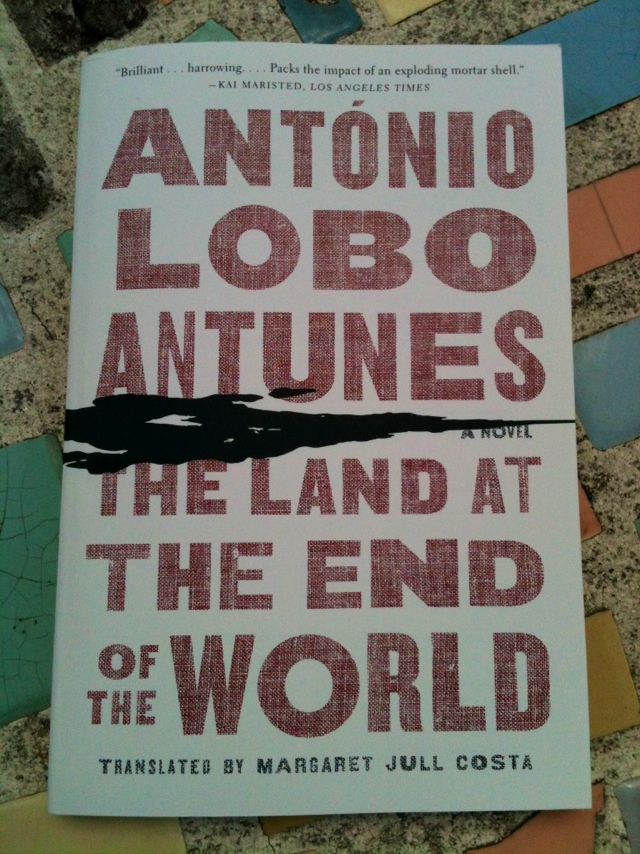
I’ve never read anything by Portuguese author António Lobo Antunes, so I was psyched when his novel The Land at the End of the World showed up in paperback. Here’s an excerpt from Larry Rohter’s review at the NTY:

Combat experiences are like Tolstoy’s unhappy families: no two are alike, which may be why they often make for great novels, as Tolstoy also knew. The cause need not even be noble, since a hopeless situation and senseless violence can actually fortify a work of fiction. Certainly that is the case with António Lobo Antunes’s “Land at the End of the World,” set in Angola in the early 1970s, as Portugal’s ludicrous effort to preserve its African empire was meandering to an inglorious end. . . .

“The Land at the End of the World,” newly translated by Margaret Jull Costa, was originally published in 1979, four years after Portugal’s withdrawal from Africa and the final collapse of America’s intervention in Vietnam. At that time it was interpreted as a comment on the inherent futility of those recent Western adventures in the third world. But read at more than 30 years’ remove from those events much of this account of what Mr. Lobo Antunes’s narrator calls a “painful apprenticeship in dying” would no doubt make sense to survivors of the Iraq and Afghanistan wars.

20120521-122516.jpg

David Markson, Cormac McCarthy, Slavoj Žižek (Books Acquired, 5.19.2012)

20120521-122339.jpg

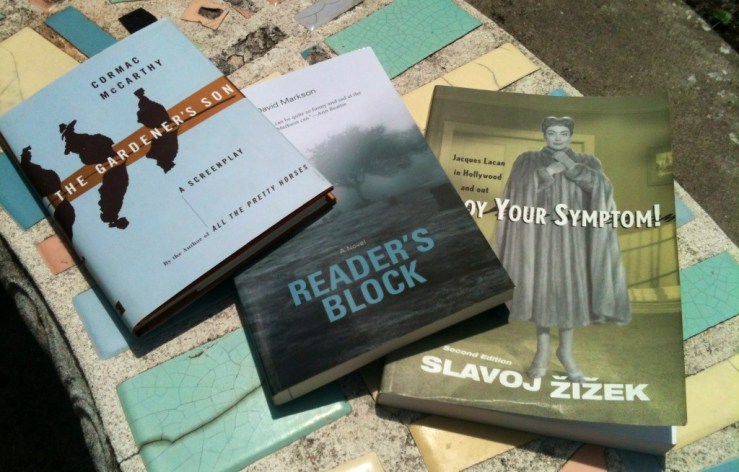
I ordered David Markson’s Reader’s Block from my local book shop, and intended to get it—and only it—this Saturday. Somehow I took a detour through the film section and picked up the Žižek and didn’t put it back; in the same section I also picked up McCarthy’s screenplay The Gardener’s Son, which is the only thing I haven’t read by him to date, so I picked it up too. So there you go.

Flann O’Brien and Alasdair Gray (Books Acquired, 5.12.2012)

20120512-174120.jpg

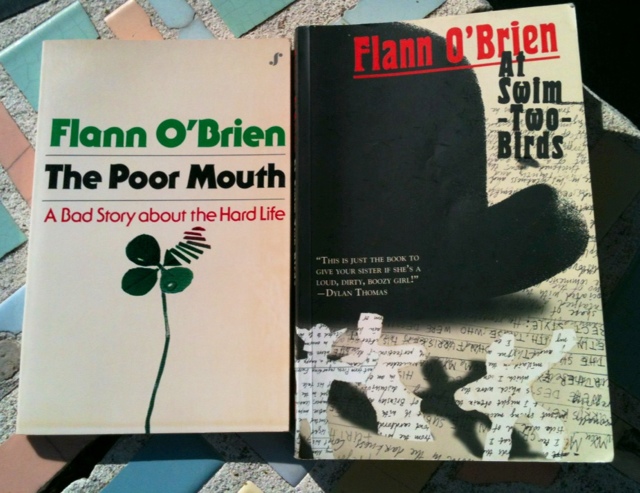
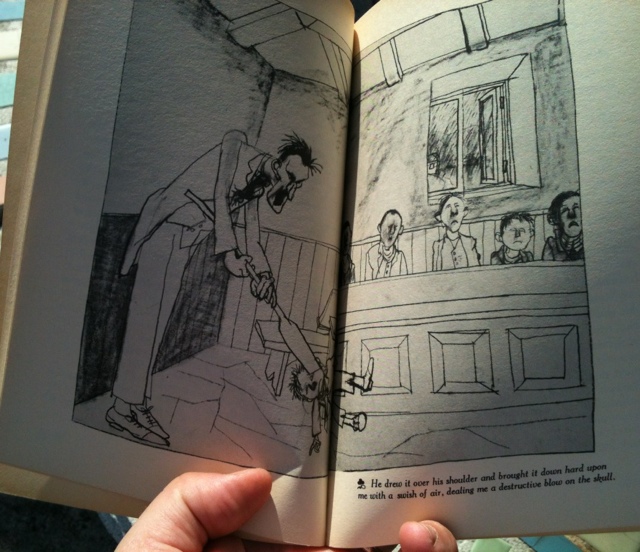
Picked up two more by Flann O’Brien after enjoying The Third Policeman so very much; thanks again to the reader suggestions on that one. The Poor Mouth has pictures:

20120512-175150.jpg
20120512-174128.jpg

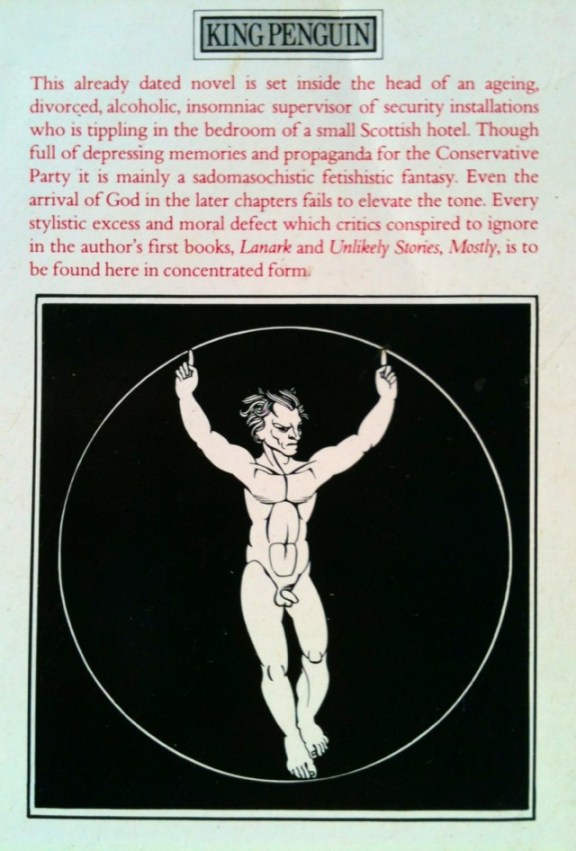
I was looking for Alasdair Gray’s first novel Lanark (no dice), but picked up 1982 Janine read the back and immediately knew I had to have it.

20120512-174146.jpg

I picked up Poor Things just to riffle a bit, and again, very intrigued. Also, another book with illustrations. Here’s one:

20120512-175200.jpg

And, as I shot these outside in the cheap showiness of nature, here’s a picture of a large plant’s tumescent bloom, because hey why not:

20120512-174156.jpg

Didion with Tomato and Blackberries (Book Acquired, 5.11.2012)

20120511-144837.jpg

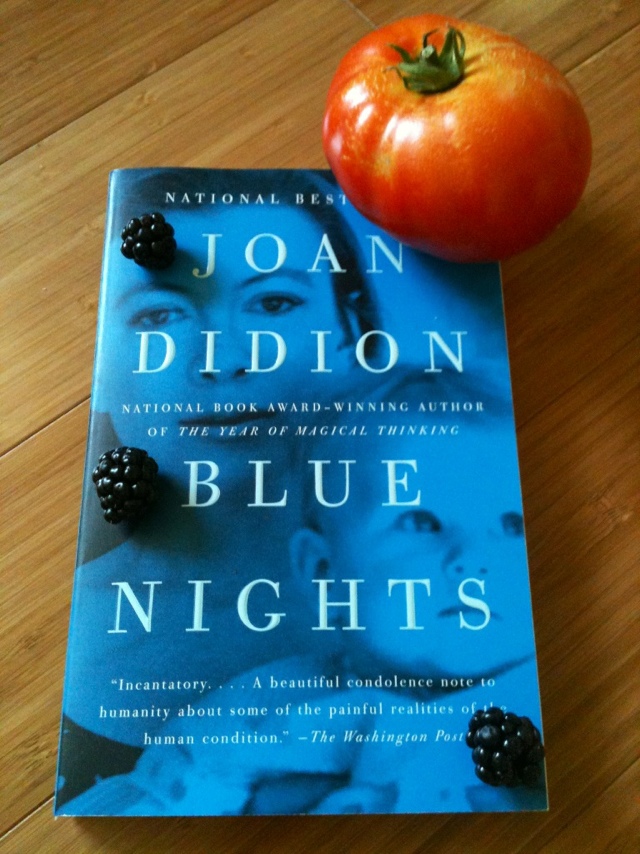
Joan Didion’s memoir about the death of her daughter is now in trade paperback from Vintage. These blackberries and this tomato were featured in an earlier “Books Acquired” post; they are among the first yield of my spring garden. I will eat them tonight.

From John Banville’s NYT review:

Somewhere in his published diaries the playwright Alan Bennett observes that when misfortune befalls a writer the effect of it is in a small but significant measure ameliorated by the fact that the experience, no matter how dire, can be turned into material, into something to write about. Thus Joan Didion, after her husband, John Gregory Dunne, died suddenly of a heart attack on Dec. 30, 2003, made out of her bereavement a remarkable book, “The Year of Magical Thinking,” which became an international success, speaking directly as it must have not only to those who themselves had been recently bereaved, but to hundreds of thousands of readers wishing to know what it feels like to lose a loved one, and how they might themselves prepare for the inevitable losses that life sooner or later will cause us all to suffer.

Now Didion has written a companion piece to that book.“Blue Nights” is an account of the death, in 2005, of her and Dunne’s adopted daughter, Quintana Roo, and more specifically, of Didion’s struggle, as a mother and a writer, to cope with this second assault upon her emotional and, indeed, physical resources.

Books Acquired, Some Time Over the Past Two Weeks

20120510-132200.jpg

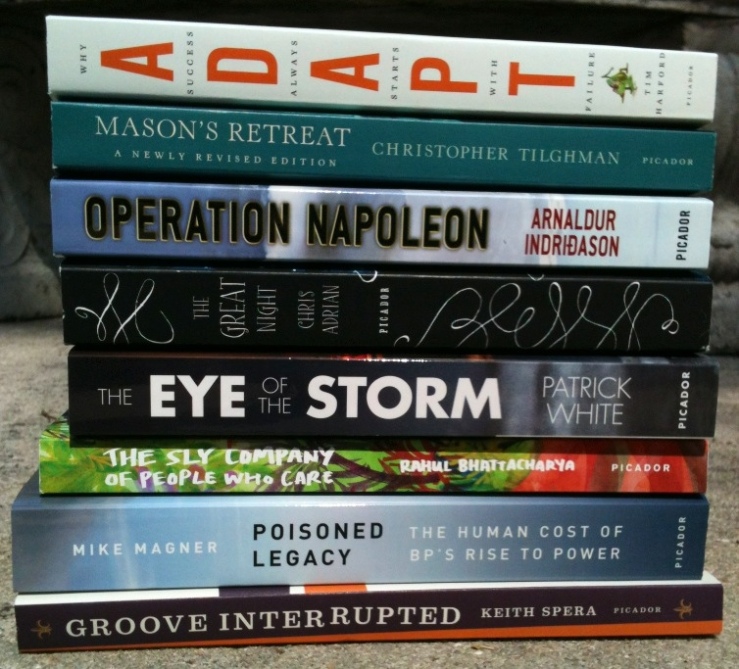
Books Acquired, 4.23.2012 — Or, Here’s What’s New from Picador This Month

20120502-162855.jpgNice little stack from the good people at Picador—novels, reissues, first-time-in-trade-paperbacks, nonfiction . . . a nice little spread.

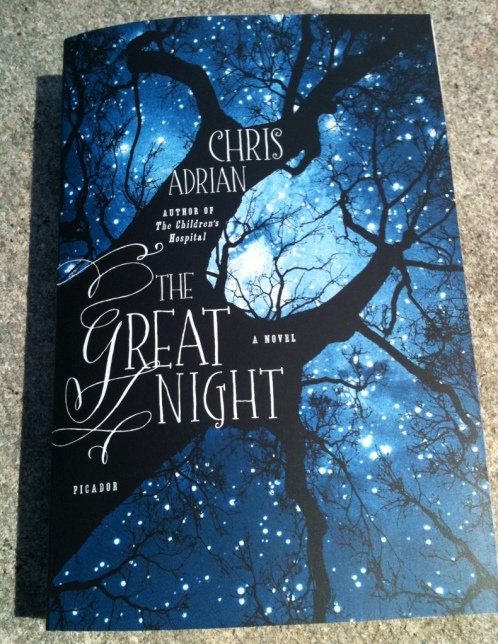
First up is Chris Adrian’s latest novel The Great Night, which, improbably, I’ve yet to read—I’m a huge fan of Chris Adrian’s other books, especially The Children’s Hospital (although I’ve reviewed his other books here too, for those inclined to hit the archives), and I love A Midsummer Night’s Dream, which I know The Great Night basically riffs on. Anyway, my wife snapped this one up right away (I had to go through her nightstand to fetch it up for yon photograph), so my reading will be delayed (although I will likely con her into reviewing it here).
20120502-162916.jpg

From Patrick Ness’s review at The Guardian

The Great Night is set in Buena Vista Park in San Francisco. Titania and Oberon – the very ones from Shakespeare’s play – live under the park’s main hill with their full court. Puck is there too, a malevolent but chained force, chafing for revenge against his masters. He may get his chance, for Titania is collapsing under grief. Boy, a changeling brought in by Oberon to amuse her and for whom she felt the first maternal feelings of her immortal life, has died of a very human disease, leukaemia.

Consumed by the pain of her loss, Titania makes a terrible mistake and tells Oberon she never loved him. Furious, he abandons her and shows no signs of returning. But perhaps if Titania releases Puck, who the other faeries refer to as the Beast, then Oberon will have to return to enslave him again. Won’t he? She breaks Puck’s bonds on the Great Night – Midsummer’s Eve, naturally – for which he says, “Milady, I am in your debt, and so I shall eat you last.” . . .

. . . Adrian does nearly everything right here. The Shakespearean references are worn lightly, and the plotting is so skilful you barely notice it falling into place. The characterisations are rich, too. There’s a spellbinding chapter on Molly’s childhood in a performing Christian family band that is both deeply weird and blisteringly sad. Plus there’s an eye-wateringly matter-of-fact approach to sex (and lots of it), which here is essentially indistinguishable from magic, and from love as well, in all its “intimations from the world that there was more to be had, something different and something better”.

I like the cover of the Adrian, which I only mention here to transition into The Eye of the Storm, the novel that won Patrick White the Nobel in 1973. The book has been adapted into a film, so of course there’s a reissue with a film tie-in cover. (Buzzfeed’s addressed this phenomena recently; I did it a few years ago myself).
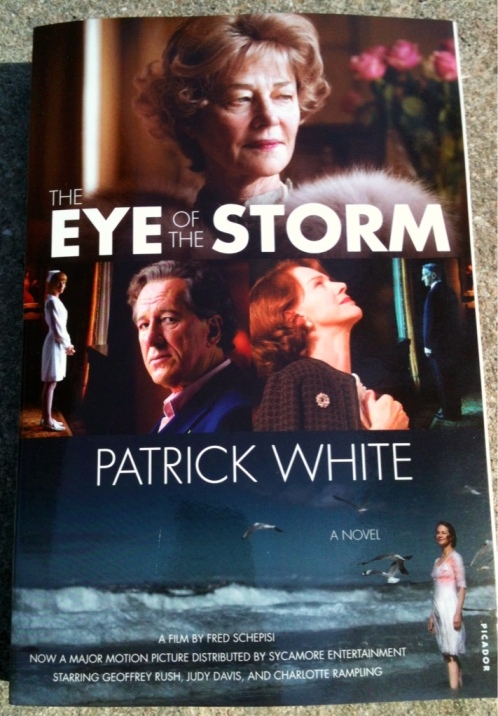
20120502-162937.jpg

Speaking of covers: Love love love this one for The Sly Company of People Who Care by  Rahul Bhattacharya:
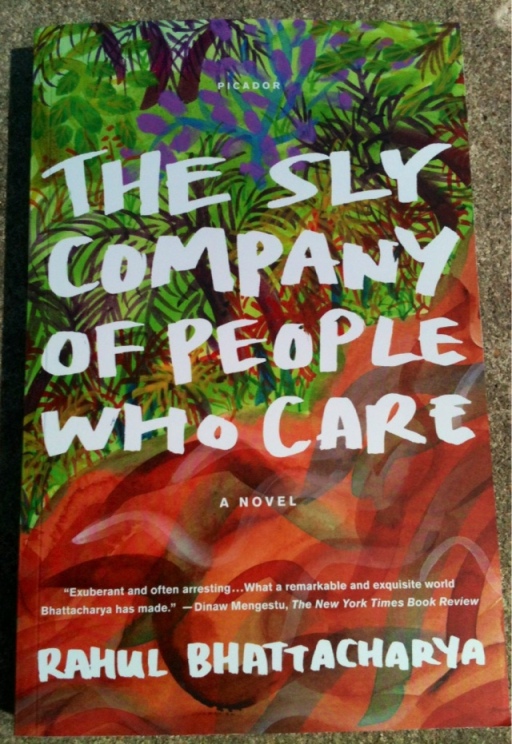
20120502-162952.jpg

Here’s novelist Dinaw Mengestu, from his review in The New York Times:

In the opening paragraph of Rahul Bhattacharya’s first novel, “The Sly Company of People Who Care,” the unnamed narrator, a former cricket journalist from India, declares his intentions for his life, and thus his story — to be a wanderer, or in his words, “a slow ramblin’ stranger.” That rambling, through the forests of Guyana; the ruined streets of its capital, Georgetown; and out to the borders of Brazil and Venezuela, constitutes the novel’s central action. But its heart lies in the exuberant and often arresting observations of a man plunging himself into a world full of beauty, violence and cultural strife.

20120502-163001.jpg

The Kirkus review of Mike Magner’s Poisoned Legacy:

This angry investigative report begins well before the 2010 Deepwater Horizon catastrophe.

In the first chapter, National Journal editor Magner describes a possible cancer epidemic in a Kansas town where refinery wastes have poisoned a wide area and where a courageous retired schoolteacher is fighting an uphill battle to force BP to clean up. Apparently, he had been researching this problem when the Gulf blowout forced him to change the book’s focus, but both stories alternate throughout the narrative. Readers with a taste for heated fist-shaking will have plenty of opportunities as Magner delivers detailed accounts of BP’s mishaps, emphasizing the massive 2005 Texas refinery explosion, leaks and malfunctions along the Alaska pipeline and the Deepwater disaster. Each follows an identical pattern: BP officials cut costs, safety budgets drop, employees grumble and warn of disaster, disaster occurs, individuals who suffered terribly tell their stories and government regulators and the media suddenly show interest, resulting in an outpouring of outrage, investigations, damning reports, fines and apologies from BP executives and the inevitable avalanche of lawsuits. Magner makes a strong case for BP’s negligence and the American government’s feeble oversight, but his case that BP operates less competently than other oil companies is not as convincing. Perhaps wisely, the author makes no argument that Americans are willing to make the painful sacrifices necessary to ensure that these catastrophes never recur. We want oil, and we don’t want it to cost too much.

A relentlessly critical denunciation of the latest environmental disaster that leaves the impression that more will follow.
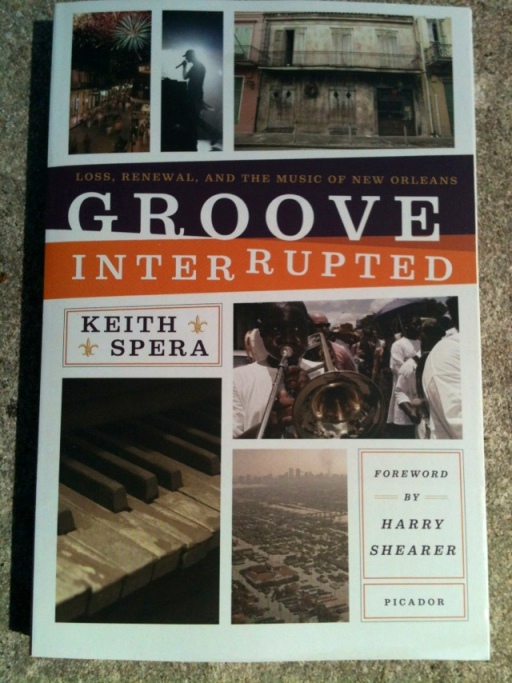
20120502-163011.jpg

Groove Interrupted immediately piqued my interest and quickly found its way into my stack. Excerpt from Jazz Time’s review:

New Orleans native Spera, a longstanding music writer for The Times-Picayune who was also part of the newspaper’s Pulitzer Prize-winning Hurricane Katrina coverage team, focuses on tales of musicians confronting the challenges of trying to continue to make music in a post-Katrina environment. He covers those displaced New Orleanians forced to seek refuge in Houston, Austin, Nashville and other points around the country in the wake of Hurricane Katrina (known around New Orleans as “the Federal flood”). His profile of the cantankerous, Slidell-based blues guitarist-singer-fiddler Gatemouth Brown, who succumbed to lung cancer shortly after Katrina hit, is particularly moving, as is his eloquent recounting of Aaron Neville’s escape from his beloved hometown in the face of Katrina, his subsequent mourning over the loss of his wife to lung cancer in 2006 and triumphant return to New Orleans in 2008.

Books Acquired, Some Time Last Week (Plus Some Garden Shots)

20120502-155420.jpg

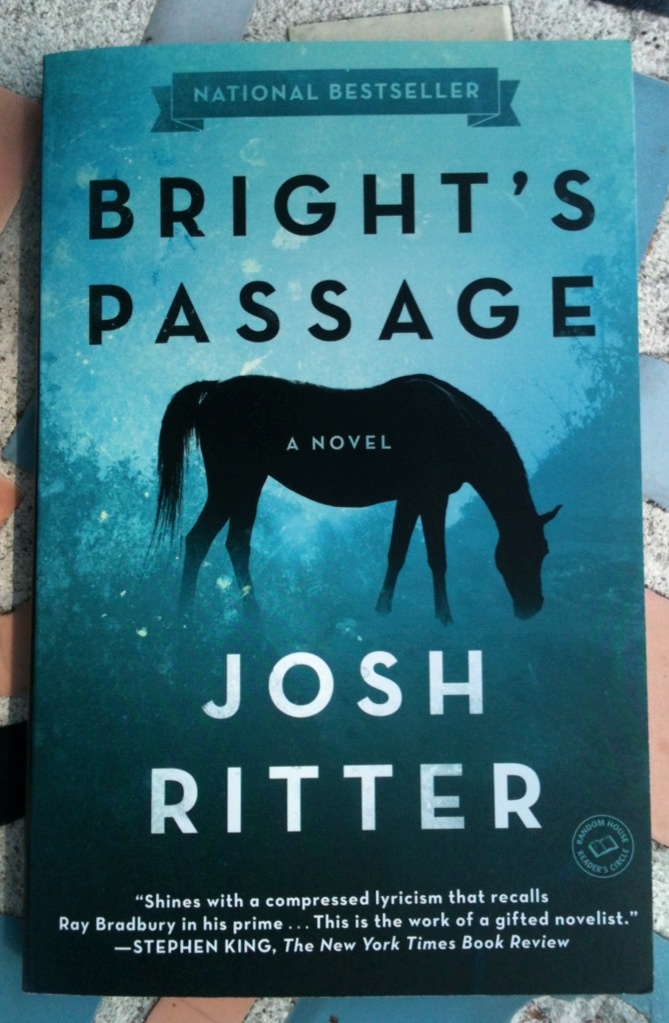
Josh Ritter’s Bright’s Passage is out in trade paperback, featuring a Q&A at the end with Ritter and some guy named Neil Gaiman who used to write comic books or something. Here’s my write up from last year, wherein I quote some guy named Stephen King:

Bright’s Passage is the début novel from songwriter/musician Josh Ritter. This slim novel tells the story Henry Bright, a man who returns to the hills of West Virginia after the trauma of World War I only to have his wife (who is also his first cousin) die in childbirth. Bright buries her body and sets fire to their cabin, which sparks a massive forest fire. Bright then takes his infant son and flees, both from the fire and his unstable father-in-law, “The Colonel,” a vet of America’s adventures in the Philippines who still wears his uniform. The Colonel and his crazy sons pursue Bright, who is guided on the lam by the angel who talks to him—yeah, an angel directs Bright; in fact it was the angel’s idea that Bright marry his cousin, burn down his cabin, and run . . . also, the angel swears that Bright’s son is going to be, like, the new Messiah. Also, Bright’s horse talks. Ritter moves the action between Bright’s flight, his ordeal in WWI, and his youth in simple, concrete, declarative prose. There are echoes here of Chris Adrian’s angel stories (The Children’s Hospital and A Better Angel), and perhaps something of a Cormac McCarthy-lite vibe. Here’s an excerpt from obscure author Stephen King’s review in the Times

At its best, “Bright’s Passage” shines with a compressed lyricism that recalls Ray Bradbury in his prime. When Henry, his talking horse — a kind of holy Mr. Ed — and the Future King of Heaven leave the woods and enter a small town, Ritter writes: “It seemed a tidy place of dappled white houses and American flags. . . . Even the trees here seemed to have a kind of deep green and prepossessing prosperity that the trees of the forest could have no share in.” Recalling his mother’s death, Henry remembers “a windstorm that made the trees bow to one another like ballroom dancers.” More striking still are Henry’s memories of life in the trenches, some of which compare favorably to the prose in Mark Helprin’s “Soldier of the Great War”: “Artillery passed high above their heads in singsong trajectories that merged and lifted with one another into strange musical chords, like cats crossing pump organs.”

And here’s a tomato from my spring garden:

20120502-155432.jpg

20120502-155445.jpg

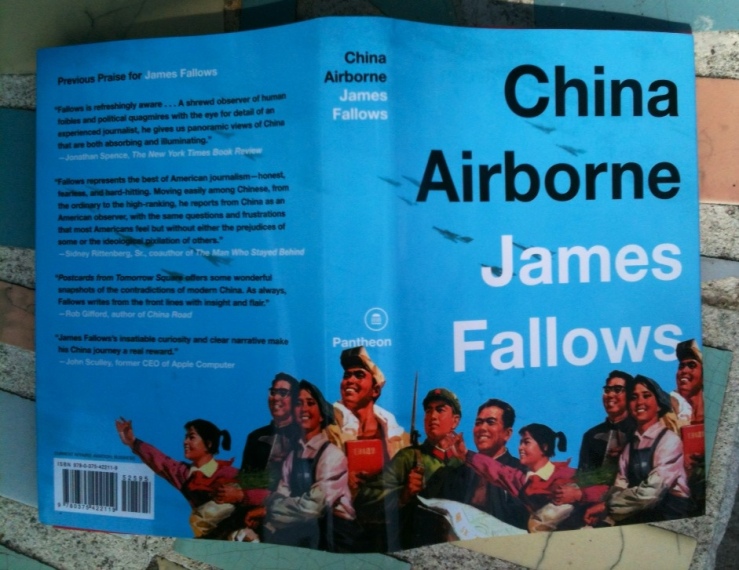
Nice cover on China Airborne, a book about the rise of Chinese industry by James Fallows. Pantheon’s write up:

More than two-thirds of the new airports under construction today are being built in China. Chinese airlines expect to triple their fleet size over the next decade and will account for the fastest-growing market for Boeing and Airbus. But the Chinese are determined to be more than customers. In 2011, China announced its Twelfth Five-Year Plan, which included the commitment to spend a quarter of a trillion dollars to jump-start its aerospace industry. Its goal is to produce the Boeings and Airbuses of the future. Toward that end, it acquired two American companies: Cirrus Aviation, maker of the world’s most popular small propeller plane, and Teledyne Continental, which produces the engines for Cirrus and other small aircraft.

In China Airborne, James Fallows documents, for the first time, the extraordinary scale of this project and explains why it is a crucial test case for China’s hopes for modernization and innovation in other industries. He makes clear how it stands to catalyze the nation’s hyper-growth and hyper- urbanization, revolutionizing China in ways analogous to the building of America’s transcontinental railroad in the nineteenth century. Fallows chronicles life in the city of Xi’an, home to more than 250,000 aerospace engineers and assembly workers, and introduces us to some of the hucksters, visionaries, entrepreneurs, and dreamers who seek to benefit from China’s pursuit of aerospace supremacy. He concludes by examining what this latest demonstration of Chinese ambition means for the United States and the rest of the world—and the right ways to understand it.

Some not-quite-ripe blackberries from my garden:

20120502-155455.jpg

20120502-155504.jpg

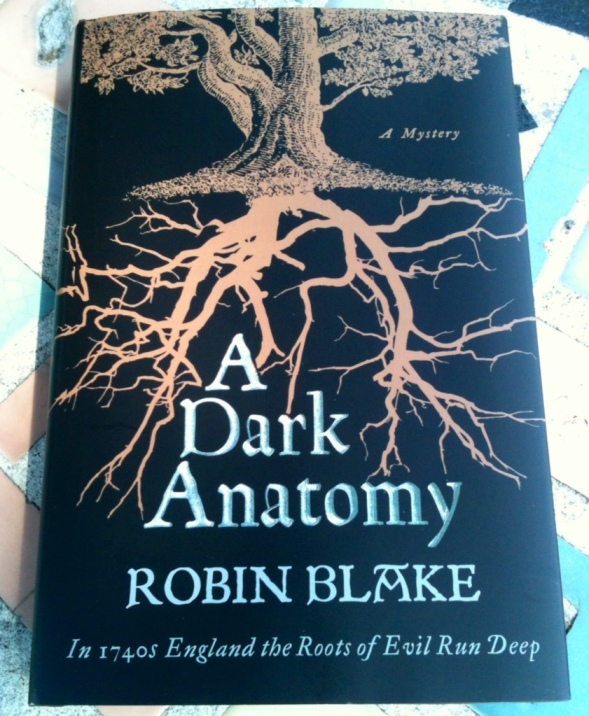
 I like the cover on this one too, a historical mystery by Robin Blake called A Dark Anatomy (and I know someone who might like this book for a present). From Blake’s site:

Mid-Georgian Preston was one of England’s ancient self-governing charter towns, pleasantly and strategically located in the heart of Lancashire, with a thriving agricultural market, and a significant concentration of craft workers amongst its stable population of below 5,000. In the 1600s the town gradually became Lancashire’s prime social and legal centre, and remained so until industrialization transformed and disfigured the town at the end of the century, turning it into the grimy and overcrowded manufactory that Charles Dickens called Coketown, the setting for Hard Times.  Today hardly anything pre-Victorian remains except the medieval street-plan around the central area: the three principle streets of Church Gate (now Church Street), Friar Gate and Fisher Gate,  leading away from the focal point of the flagged market and the site of the old timber-framed Moot Hall, where a 1960s office block of remarkable ugliness now stands.

Politically, like most other borough towns, Georgian Preston was an oligarchy. The council’s 24 members (or burgesses) appointed each other and parceled out the senior offices, including the Mayor and two Bailiffs, annually between themselves. Charter towns like this were virtual city-states where (in Tom Paine’s scathing words) a man’s “rights are circumscribed to the town and, in some cases, to the parish of his birth; and all other parts, though in his native land, are to him as a foreign country”.  These communities reserved the right to run their own affairs, and keep outsiders away at all costs.

I take a few liberties with details of local administration, not least in the Coroner’s office. In historical Preston the unusual custom was for the annually appointed  Mayor to sit as Coroner ex officio. But I wanted my investigator to stand apart from local politics, so I have imposed the more usual model whereby the Coroner was a Crown appointment with life-tenure, and independent of the Corporation. My other inventions in A Dark Anatomy include Garlick Hall, the nearby village of Yolland, and most of the cast of characters.

And here’s a white eggplant from my garden:

20120502-155540.jpg

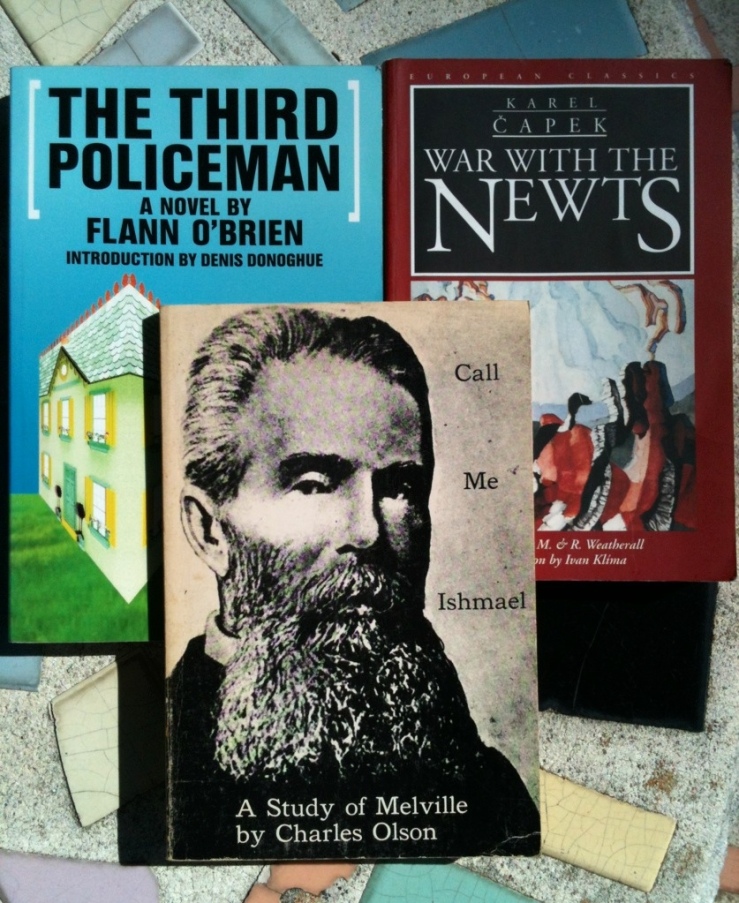
Flann O’Brien, Charles Olson, Karel Capek (Books Acquired, Earlier This Week)

20120426-161730.jpg

Books Acquired, This Week and Last

20120426-161440.jpg

Reading for Our Time by J. Hillis Miller from Columbia University Press. Their copy:

A masterclass in attentive reading that opens up brilliant insights into two of George Eliot’s novels. J. Hillis Miller shows how reading Eliot’s great novels Adam Bede and Middlemarch can provide the pleasure and insight unique to reading fiction. The readings focus on famous passages in which the narrator reflects about the story and its characters. What do these passages really say? What role does Eliot’s figurative language play in her storytelling? These stories deal with uncovering their characters’ ideological illusions. By understanding how to expose these illusions, readers will be able to recognize how easy it is to be taken in by such mistakes, both in the personal and in the political worlds.

20120426-161452.jpg

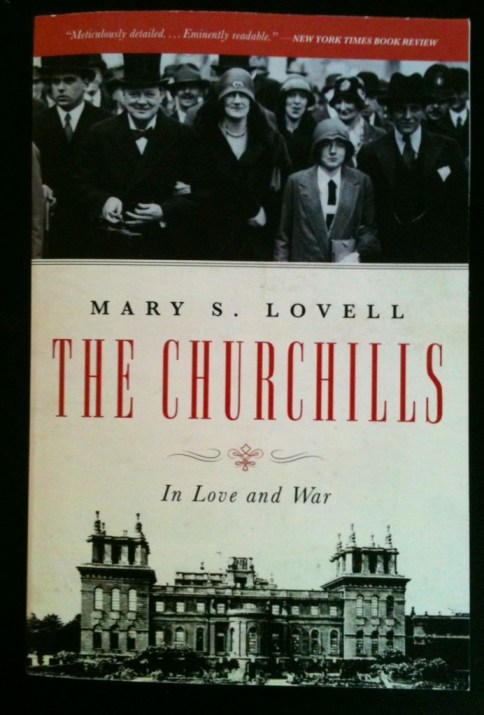
Mary S. Lovell’s The Churchills is new in trade paperback from Norton. From the LA Times review:

Intelligent and well-written, like all of Mary S. Lovell’s biographies, “The Churchills” provides a vivid introduction to the family of English aristocrats whose nation-preserving achievements stretch from the Battle of Blenheim to the Battle of Britain and beyond. The Churchills are a much-chronicled clan, and although footnotes indicate that Lovell has read all the relevant books and delved into vast archives of personal papers, there’s nothing startlingly new here. Instead, as she did in “The Mitford Girls,” the author synthesizes a variety of familiar material to create a lively collective portrait.

20120426-161503.jpg

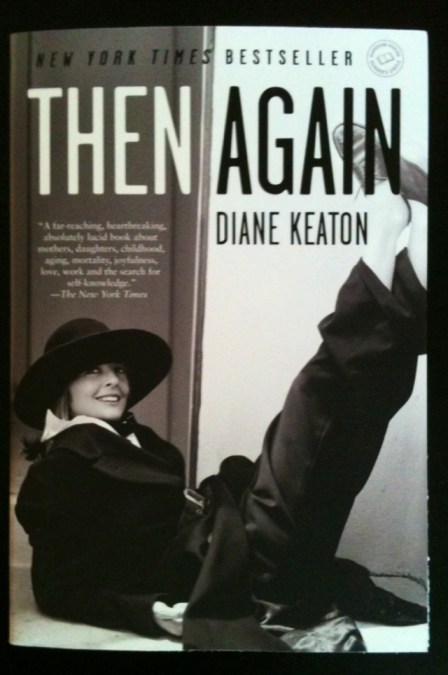
Diane Keaton’s memoir is out in trade paperback. It’s a handsome book with stylish color inserts. New from Random House.

20120426-161518.jpg

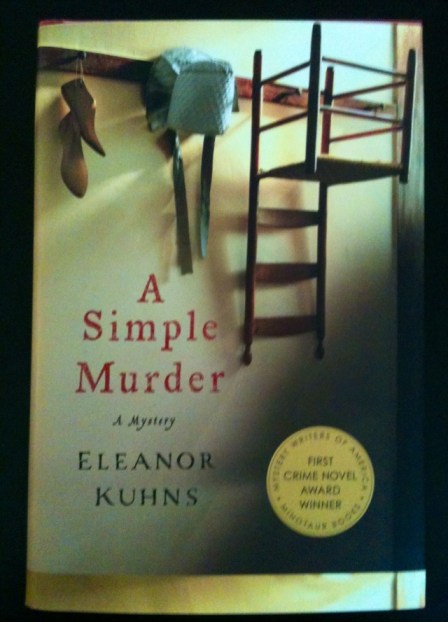
 Great cover on A Simple Murder, new from Eleanor Kuhns. Publisher Minotaur/Macmillan’s write-up:

Five years ago, while William Rees was still recovering from his stint as a Revolutionary War soldier, his beloved wife died. Devastated, Rees left his son, David, in his sister’s care, fled his Maine farm, and struck out for a tough but emotionally empty life as a traveling weaver. Now, upon returning unexpectedly to his farm, Rees discovers that David has been treated like a serf for years and finally ran away to join a secluded religious sect—the Shakers.

Overwhelmed by guilt and hoping to reconcile with his son, Rees immediately follows David to the Shaker community. But when a young Shaker woman is brutally murdered shortly after Rees’s arrival, Rees finds himself launched into a complicated investigation where the bodies keep multiplying, a tangled web of family connections casts suspicion on everyone, and the beautiful woman on the edge of the Shaker community might be hiding troubling ties to the victims. It quickly becomes clear that in solving Sister Chastity’s murder, Rees may well expose some of the Shaker community’s darkest secrets, not to mention endanger his own life.

An atmospheric portrait of a compelling time in American history, A Simple Murder is an outstanding debut from Eleanor Kuhns, Minotaur Books/Mystery Writers of America’s 2011 First Crime Novel Competition Winner.

Bloodstained Book Acquired, 4.16.2012

20120418-144945.jpg

Okay. There aren’t really bloodstains on Catriona McPherson’s mystery Dandy Gilver and the Proper Treatment of Bloodstains—but I’m a sucker for alliteration (and you clicked on the link, didn’t you?).  From The Independent’s review:

. . . Catriona McPherson’s novel . . . appears to be firmly in the cosy camp – but is it? The Dandy Gilver series demonstrates the author’s faultless assimilation of this idiom. A genteel note is sounded throughout, with the middle-class Dandy, an amateur female sleuth in the 1920s, solving knotty mysteries. But there’s a subtle detonation of the cosy genre, as the books soothe the reader while clandestinely taking on more serious concerns.

Subtle detonation? I don’t know enough about the genre to assess such claims. Good cover though. Bloodstains is new in the US from Minotaur.

Books Acquired, 4.10.2012

20120417-145226.jpg

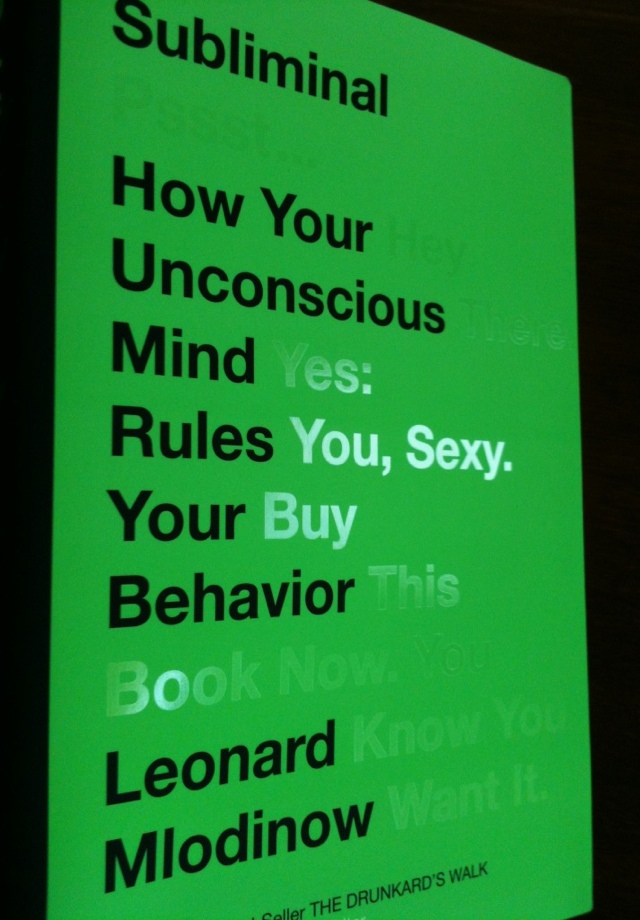
Subliminal by Leonard Mldodinow is new from Random House. Their description:

Leonard Mlodinow, the best-selling author of The Drunkard’s Walk and coauthor of The Grand Design (with Stephen Hawking), gives us a startling and eye-opening examination of how the unconscious mind shapes our experience of the world and how, for instance, we often misperceive our relationships with family, friends, and business associates, misunderstand the reasons for our investment decisions, and misremember important events.

Your preference in politicians, the amount you tip your waiter—all judgments and perceptions reflect the workings of our mind on two levels: the conscious, of which we are aware, and the unconscious, which is hidden from us. The latter has long been the subject of speculation, but over the past two decades researchers have developed remarkable new tools for probing the hidden, or subliminal, workings of the mind. The result of this explosion of research is a new science of the unconscious and a sea change in our understanding of how the subliminal mind affects the way we live.

Employing his trademark wit and lucid, accessible explanations of the most obscure scientific subjects, Leonard Mlodinow takes us on a tour of this research, unraveling the complexities of the subliminal self and increasing our understanding of how the human mind works and how we interact with friends, strangers, spouses, and coworkers. In the process he changes our view of ourselves and the world around us.

Read a profile of Mlodinow at The Los Angeles Times (dude used to work on MacGyver, so . . .)

20120417-145237.jpg

Also new from Random House is Against Wind and Tide, a collection of letters, journals, and other documents by Anne Morrow Lindbergh. Jacket copy:

Why, as an eager and talented writer, has Anne Morrow Lindbergh published so relatively little in forty years of marriage?” asked reviewer John Barkham in 1970. “After a promising start with those first books on flying, she tapered off into long silences broken by an infrequent volume of verse or prose.”  Many years later, Lindbergh replied with a quote from Harriet Beecher Stowe, who claimed that writing, for a wife and mother, is “rowing against wind and tide.”

In this sixth and final collection of Lindbergh’s diaries and letters, taking us from 1947 to 1986, we mark her progress as she navigated a remarkable life and a remarkable century with enthusiasm and delight, humor and wit, sorrow and bewilderment, but above all devoted to finding the essential truth in life’s experiences through a hard-won spirituality and a passion for literature.

Between the inevitable squalls of life with her beloved but elusive husband, the aviator Charles A. Lindbergh, she shepherded their five children through whooping cough, horned toads, fiancés, the Vietnam War, and their own personal tragedies.  She researched and wrote many books and articles on issues ranging from the condition of Europe after World War II to the meaning of marriage to the launch of Apollo 8.  She published one of the most beloved books of inspiration of all time, Gift from the Sea. She left penetrating accounts of meetings with such luminaries as John and Jacqueline Kennedy, Thornton Wilder, Enrico Fermi, Leland and Slim Hayward, and the Frank Lloyd Wrights. And she found time to compose extraordinarily insightful and moving letters of consolation to friends and to others whose losses touched her deeply.
More than any previous books by or about Anne Morrow Lindbergh, Against Wind and Tide makes us privy to the demons that plagued this fairy-tale bride, and introduces us to some of the people—men as well as women—who provided solace as she braved the tides of time and aging, war and politics, birth and death. Here is an eloquent and often startling collection of writings from one of the most admired women of our time.

Book Acquired, 4.14.2012

20120417-113551.jpg

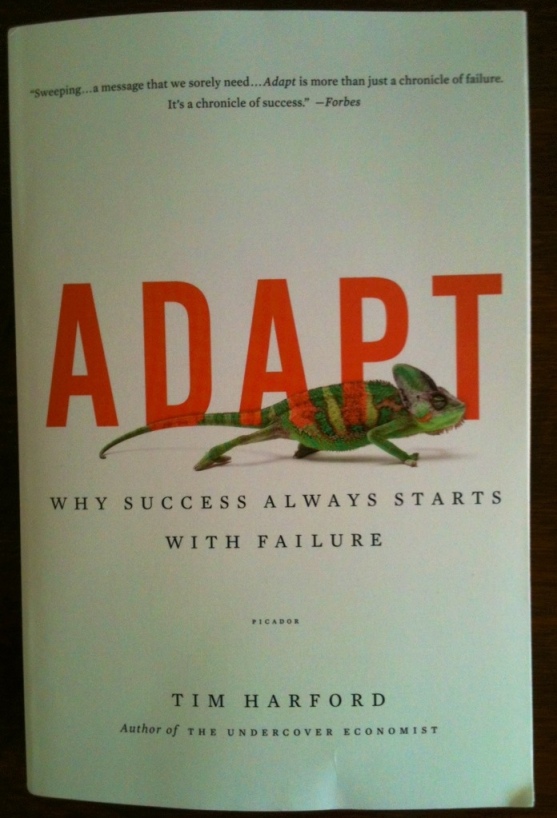
Adapt by Tim Harford. New from Picador. Their description:

In this groundbreaking book, Tim Harford, the Undercover Economist, shows us a new and inspiring approach to solving the most pressing problems in our lives. When faced with complex situations, we have all become accustomed to looking to our leaders to set out a plan of action and blaze a path to success. Harford argues that today’s challenges simply cannot be tackled with ready-made solutions and expert opinion; the world has become far too unpredictable and profoundly complex. Instead, we must adapt.

Deftly weaving together psychology, evolutionary biology, anthropology, physics, and economics, along with the compelling story of hard-won lessons learned in the field, Harford makes a passionate case for the importance of adaptive trial and error in tackling issues such as climate change, poverty, and financial crises—as well as in fostering innovation and creativity in our business and personal lives.

Taking us from corporate boardrooms to the deserts of Iraq, Adapt clearly explains the necessary ingredients for turning failure into success. It is a breakthrough handbook for surviving—and prospering— in our complex and ever-shifting world.