A Splendid Savage (Book acquired, 1.29.2016)

img_1407

Steve Kemper’s biography of Frederick Russell Burnham, A Splendid Savage, is new in hardback from Norton. I interviewed Kemper a few years ago about A Labyrinth of Kingdoms, his biography of Heinrich Barth.

Norton’s blurb for A Splendid Savage:

A life of adventure and military daring on violent frontiers across the American West, Africa, Mexico, and the Klondike.

Frederick Russell Burnham’s (1861–1947) amazing story resembles a newsreel fused with a Saturday matinee thriller. One of the few people who could turn his garrulous friend Theodore Roosevelt into a listener, Burnham was once world-famous as “the American scout.” His expertise in woodcraft, learned from frontiersmen and Indians, helped inspire another friend, Robert Baden-Powell, to found the Boy Scouts. His adventures encompassed Apache wars and range feuds, booms and busts in mining camps around the globe, explorations in remote regions of Africa, and death-defying military feats that brought him renown and high honors. His skills led to his unusual appointment, as an American, to be Chief of Scouts for the British during the Boer War, where his daring exploits earned him the Distinguished Service Order from King Edward VII.

After a lifetime pursuing golden prospects from the deserts of Mexico and Africa to the tundra of the Klondike, Burnham found wealth, in his sixties, near his childhood home in southern California. Other men of his era had a few such adventures, but Burnham had them all. His friend H. Rider Haggard, author of many best-selling exotic tales, remarked, “In real life he is more interesting than any of my heroes of romance.”

Among other well-known individuals who figure in Burnham’s story are Cecil Rhodes and William Howard Taft, as well as some of the wealthiest men of the day, including John Hays Hammond, E. H. Harriman, Henry Payne Whitney, and the Guggenheim brothers.

Failure and tragedy streaked his life as well, but he was endlessly willing to set off into the unknown, where the future felt up for grabs and values worth dying for were at stake. Steve Kemper brings a quintessential American story to vivid life in this gripping biography.

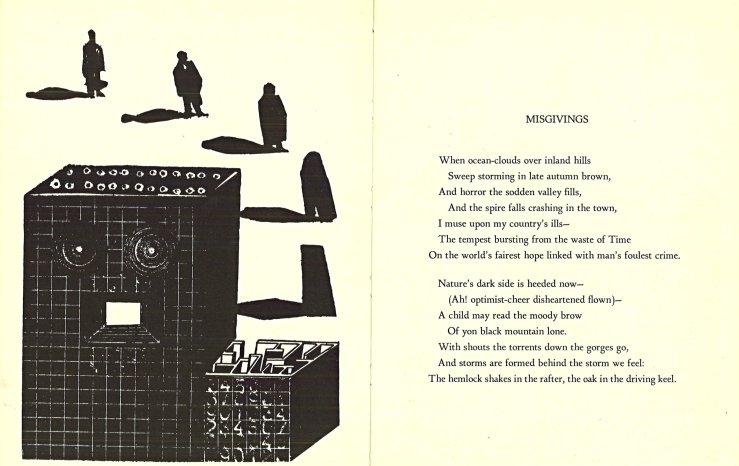
Misgivings (Herman Melville/Antonio Frasconi)

misgivings

From On the Slain Collegians: Selections from the poems of Herman Melville. Edited, and with woodcuts by Antonio Frasconi. Noonday Press, 1971.

James Joyce’s Death Mask

James Joyce’s death mask, by Paul Speck (1941)

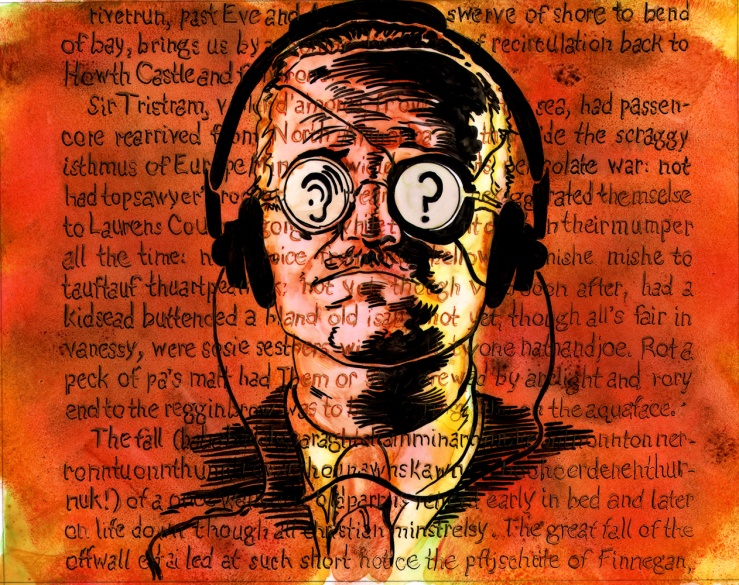
Waywords and Meansigns: Recreating Finnegans Wake [in its whole wholume], Wholume 2

Robert Berry copy
Image by Robert Berry

Last year, I talked to Derek Pyle about his production Waywords and Meansigns, a collaborative music project that recreates James Joyce’s Finnegans Wake in a range of musical genres by all kinds of musicians. In our interview, he revealed that there would be a second volume adaptation of the Wake this winter:

Biblioklept: When do you anticipate the completed project being released?

DP: So we’re actually doing two separate editions of Waywords and Meansigns; both will be unabridged, all 17 chapters. When we first put out the call for musicians, there were so many folks we didn’t want to turn away. So the first edition will debut very soon — 4 May 2015. Then the second edition will debut sometime during the coming winter, with a whole new cast of musicians.

And so well that coming winter is here now—on JJ’s birthday. So Here Comes Everybody! Check it out.

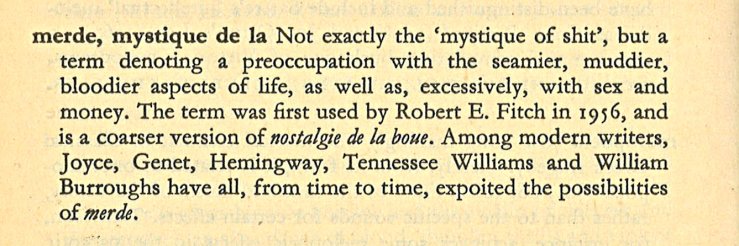
merde, mystique de la

merde

From J.A. Cuddon’s A Dictionary of Literary Terms (Penguin, 1979)

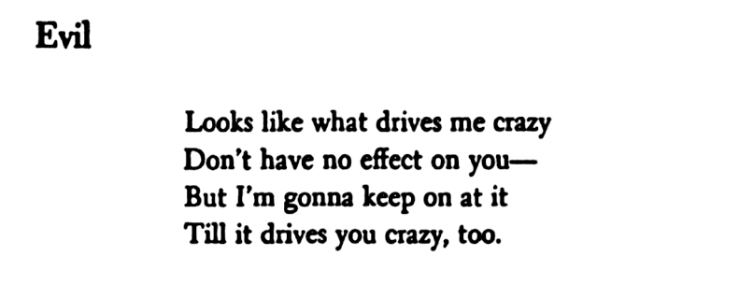
“Evil” — Langston Hughes

Screenshot 2016-02-01 at 6

Selections from One-Star Amazon Reviews of David Foster Wallace’s Infinite Jest

[Ed. note: I usually don’t preface these one-star Amazon selection riffs with much, other than to note the occasion for the post. In this case, the occasion is my coming to the end of a second reading of Pynchon’s novel Gravity’s Rainbow, a novel that is very much about the military-industrial-entertainment complex. And so well anyway, I keep thinking about Infinite Jest, which I have not read in full since 2002, but plan to reread later this summer. I expected Pynchon to show up a few times in the one-star reviews, but he’s present throughout, often obliquely referenced. Otherwise, the one-star reviews are typical: Rants against academia, “literary elites,” etc. The term “self-indulgent” appears again and again. Only one reviewer bothers to engage the plot though.

Update: I ran this post (minus this update) in the summer of 2015; I’m running it again because today’s the 20th anniversary of IJ’s publication]

***

slop

passably clever

completely pointless

superfluous logorrhea

spawn of PC Elitist writers

reads like a math textbook

This is the T.S. Eliot Effect

terminally adolescent drivel.

The footnotes have footnotes.

Big words and run-on sentences

utterly lacking in aesthetic merit

I only read the first 50 pages or so

wow, that’s a heck of a lot of words.

challenging, involving, and horrifying

A humorous book? – no. Absurd – Yes.

never made it to the end of chapter one.

I never did get through Gravity’s Rainbow

the magnum opus of American hipsterism.

the worst science fiction novel ever written.

If you like Pynchon, fine, go ahead, you’ll like this.

over a hundred pages of notes that serve no purpose

I pride myself on being an intelegent well read person

At least Pynchon, has humor, literary references, etc.

He probably sold more books on hype than on talent.

All in all, I suppose Wallace will just become a footnote.

this book(?) would not be worth the money if it was free

I trie d to think of Catcher in the Rye, but no comparison.

If you want to be warm, burn your overrated copy of Infinite Jest.

Wallace makes up words which does not help one reading a story.

I think it was in that book that I learned the word “omphaloskepsis.”

I’ll bet Dave had to beat off the nubile young co-eds after they read this one

obviously didn’t follow Elmore Leonard’s last tenet of his “10 Rules for Writing”

I suppose that some might consider Wallace a great writer, but was he popular?

It’s written in the first-person from the point of view of a mentally ill teenager.

he filled it with worthless footnotes that pretend to enlighten the victim of his prose

I just don’t understand how my fellow Amazon reviewers could have scored this book highly.

I realize that this book is considered to be “literature” but IMHO the internal ravings of mentally ill people isn’t literature.

It is called “INFINITE JETS” but there is not a single aircraft within, in fact the book is about people on land with drugs problems.

The book contains an anecdote plagiarized from the humorist, Gerard Hoffnung, who recorded it in the 1950s.

700 pages of clumsy sci-fi and the kind of smarty pants absurdist nonsense you’d expect from a precocious middle schooler

The premise for this novel derives from a Monty Python sketch in which the world’s funniest joke is also fatal.

Oh one other thing that drove me crazy: he started so many sentences with “And but so..” or “So but and…”

if Finnegans Wake was a rancid fart that was proudly left to rip, Infinite Jest is a weak one, lacking sound and odor.

Just a bunch of irrelevant words to set the scene…. not to mention he described everything into painful detail.

a kid thinks he’s going to the dentist but it’s really some sort of counselor and they have a long battle of wits to see which one of them is the bigger booger-eating nerd

DWF is desperately trying to emulate one of the century’s greatest authors, and utterly fails.

Put down the bong, go outside and get some real world experience before putting pen to paper.

Comparing Wallace to Pynchon is like comparing a kettle of sponges to Disney World

Academics also praise it as a badge of courage for (allegedly) reading it

It’s just the narrator’s interior thoughts about trying to buy drugs.

I was two pages in and started to feel confused, zoned out, and lost.

It reads like the stream of consciousness of a spoiled 10th grader.

What I read would have gotten an F in a freshman writing class.

The style is Pynchon. And by style, I mean, an exact duplication

At least, now I know where Dave Eggers ripped off his garbage

sorry Amazon,you definitely missed the boat with this one.

completely lacking in any kind of moral or ethical center

He and this book are simply silly, and a waste of pulp.

Book was a work of art, one I wasted my time viewing.

seems to spend forever talking about tennis and drugs

Characters are unbelievable and are over analyzed

Sure, he was making good points, for the 1990s!

Reading a thesaurus does not count as research.

Over 1000 pages of pseudo-subersiveness.

It’s the tyranny of the English Deparment

I only read about four percent of the book

For my taste, there were too many words

I think his suicide inflated his reviews.

I still feel awful thinking about it.

narcissistic garbage

wannabe Pynchon

Bad read no stars.

…is this an essay?

Generic Pynchon

Troglodyte.

Boring.

Skip it.

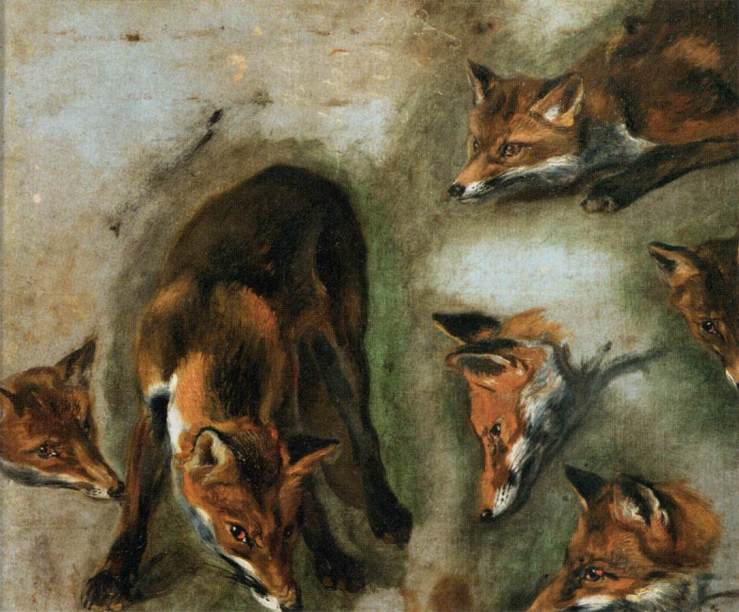
Reviews and riffs of November, 2015 – January, 2016 (and unrelated fox studies)

I was unblocked for years, getting reviews or riffs or whathaveyous out at least once a week. For months now—more than months, really—the words don’t come out, or they come out in quips on Twitter. Or I don’t feel like they’re necessary. I guess that’s fine. I’m not sure what I’m doing with the blog at this point. So anyway, these are the signed pieces on the blog over the last three months.

I reviewed two titles from Nowbrow, Vincent Mahé’s 750 Years in Paris and Victor Hussenot’s The Spectators; both graphic novels center on Paris. 

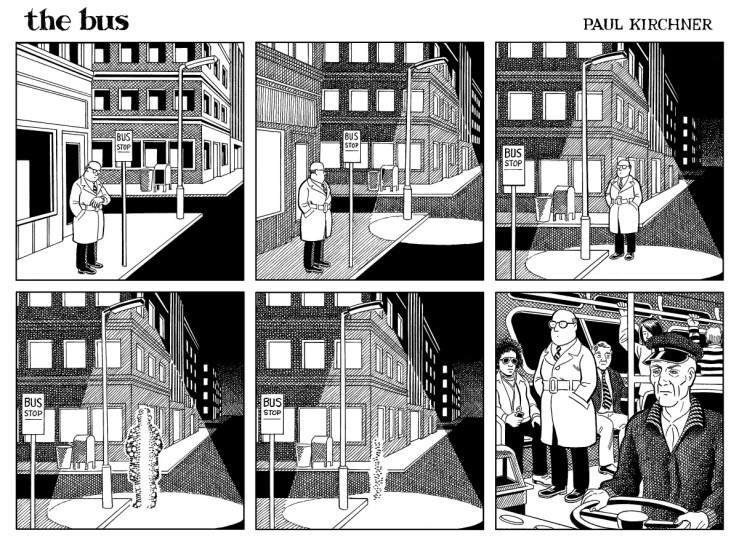
I also reviewed Paul Kirchner’s The Bus 2.

08

I riffed on Star Wars: The Force Awakens, suggesting that “SW: TFA takes Star Wars itself (as brand-mythos) as its central subject. The film is “about” Star Wars.”

David Bowie died.

I read Ursula K. Le Guin’s Hainish novels and riffed on them.

And I wondered if anything good happened in Quentin Tarantino’s film The Hateful Eight.

There were several books I wanted to write about and failed to write about in the past three months, notable The Free-Lance Pall Bearers by Ishmael Reed, Vertigo by Joanna Walsh, and Lucia Berlin’s Homesick. They were all great and good and grand.

Unrelated Studies of a Fox (1669-1671) by Pieter Boel:

foxes

Three Books

img_1423

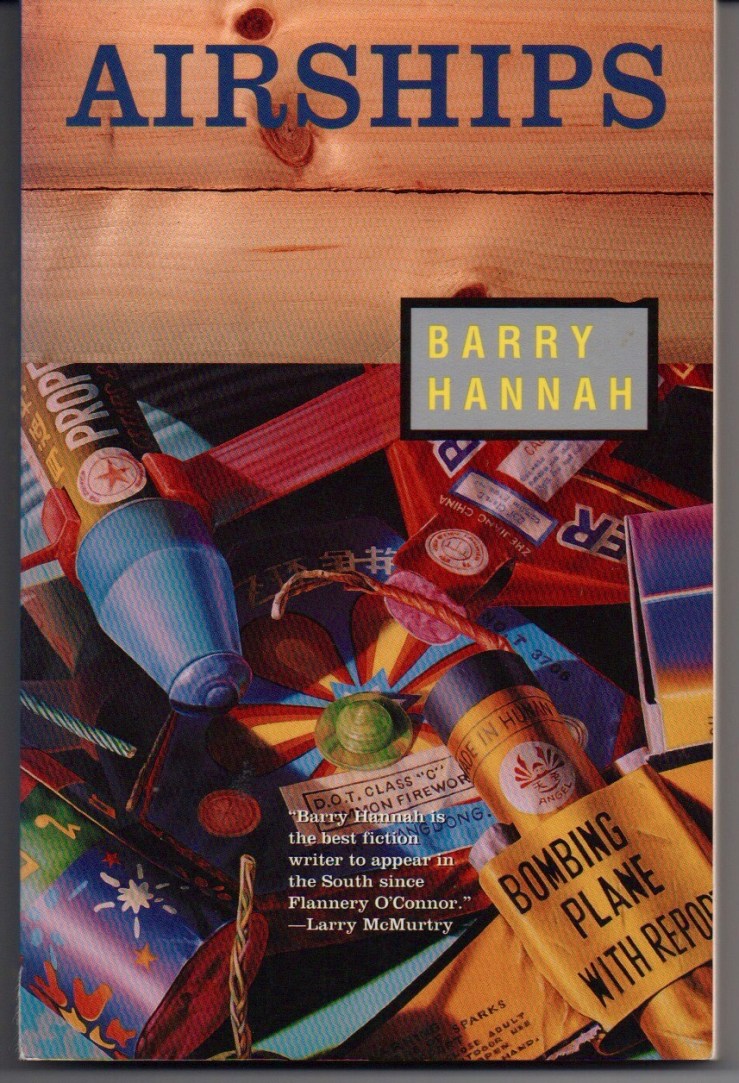
Airships by Barry Hannah. 1994 trade paperback by Grove Press. Cover design by Rick Pracher. The cover painting is Chrysanthemum by Hannah’s contemporary, the photorealist painter Glennray Tutor. Hannah wrote an essay about Tutor’s work called “Deep Pop,” declaring

Once one’s amazement at the astonishing precision in the paintings of Glennray Tutor has had time to sink in, the opportunity arises to contemplate the visual eloquence in his depictions of the small artifacts of life, and how such compositions can say profound things about the nature of our existence.

I reviewed Airships on this blog some years ago.

img_1421

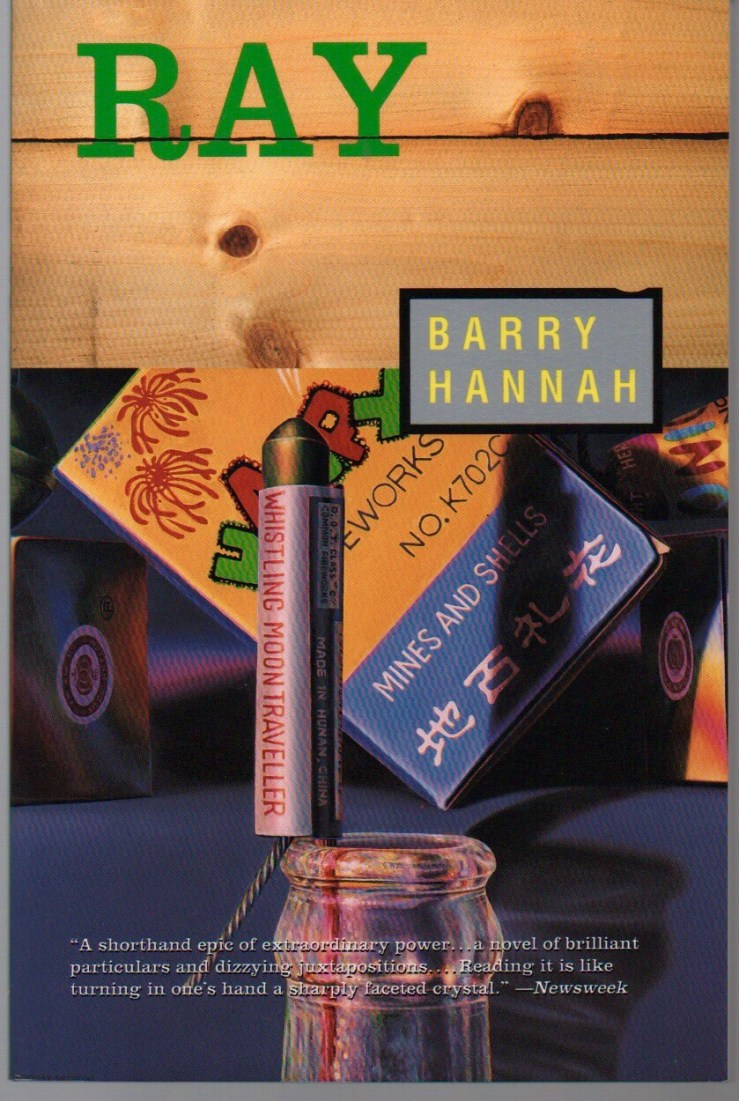
Ray by Barry Hannah. 1994 trade paperback by Grove Press.  Cover design by Rick Pracher. The cover painting is the center panel of Glennray Tutor’s triptych Whistling Moon Traveler. I reviewed Ray on this blog the same year I reviewed Airships.

img_1422

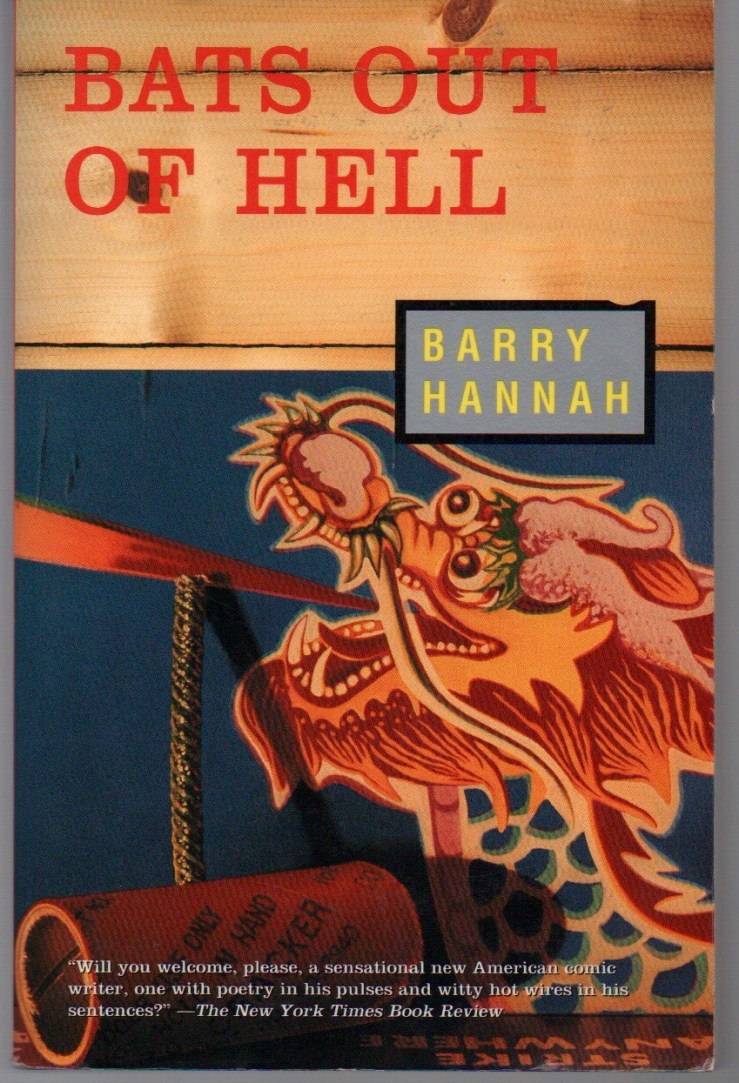
Bats out of Hell by Barry Hannah. 1994 trade paperback by Grove Press.  Cover design by Rick Pracher. The cover painting is the left panel of Glennray Tutor’s triptych Dragon Boat. I did not review Bats out of Hell, but some of the sketches contained therein appear in Hey Jack!, which I did review.

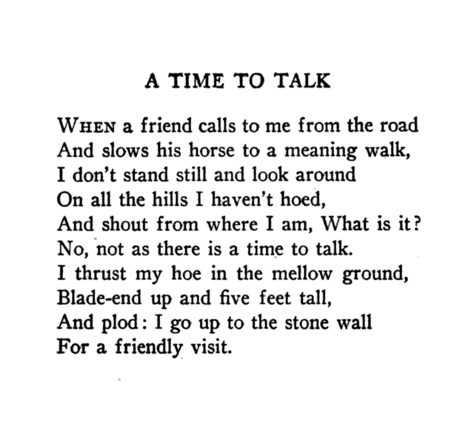
“A Time to Talk” — Robert Frost

Screenshot 2016-01-28 at 8.46.39 PM

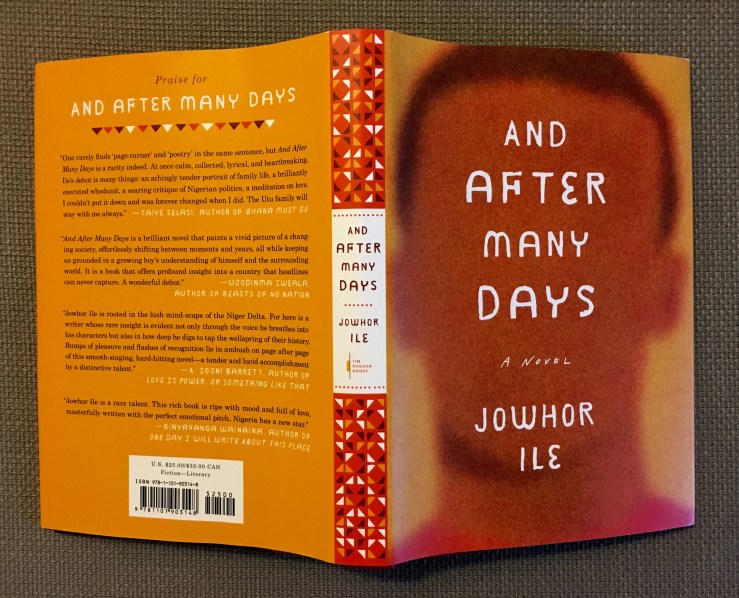
Jowhor Ile’s And After Many Days (Book acquired, 1.27.2016)

img_1406

Jowhor Ile’s novel After Many Days is new in hardback next month from Tim Duggan Books/Penguin Random House. Their blurb:

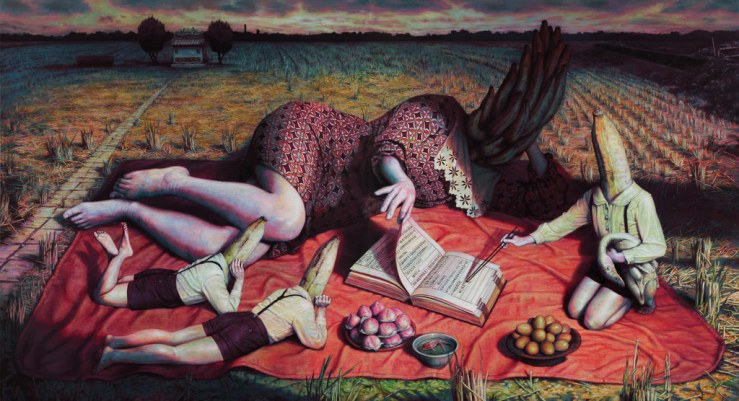
Shuiyuan Recipe — Lin Shih-Yung

14912507205_e6e1329d5f_b

Yann Martel’s The High Mountains of Portugal (Book acquired, 1.28.2016)

img_1401

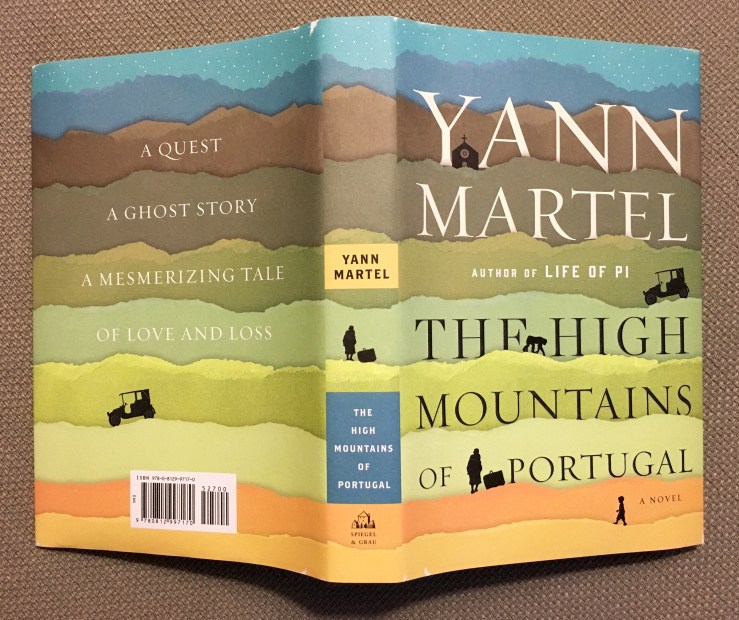
Yann Martel’s novel The High Mountains of Portugal is new in hardback in the U.S. from Speigel & Grau.

Here’s the first two paragraphs of Urusla K. Le Guin’s review of the novel in The Guardian:

The High Mountains of Portugal, in Yann Martel’s novel of that name, turn out to be grassy uplands rather than high mountains; and the book turns out to be three stories rather than a novel. The stories, connected ingeniously, vary greatly in tone and quality. The first two display so little of the author’s narrative skill that they may offer more temptation to stop reading than to go on. Liking the last part of the book much better, I could wish that it stood alone.

In Martel’s Booker-winning Life of Pi, the author within the story tells us that he went to India with the intention of writing a novel set in Portugal. Then he met the Indian who told him the tale of Pi, and Portugal was forgotten. It’s recollected in the first part of this book in great detail: “He heads off down Rue São Miguel on to Largo São Miguel and then Rua de São João da Praça before turning on to Arco de Jesus.” This sort of street-rosary may delight Lisbon initiates but to others is made interesting only by the fact that the protagonist, Tomas, is walking backwards, and that he always does so. After some elaborate rationales for walking backwards, and a farcical encounter with a lamppost, we learn that he walks with “his back to the world, his back to God”, not because he is grieving for the sudden, recent death of his wife, his child, and his father, but because “he is objecting”.

Read the rest of Le Guin’s review.

Read Philip K. Dick’s early short story “Piper in the Woods”

“WELL, Corporal Westerburg,” Doctor Henry Harris said gently, “just why do you think you’re a plant?”

As he spoke, Harris glanced down again at the card on his desk. It was from the Base Commander himself, made out in Cox’s heavy scrawl: Doc, this is the lad I told you about. Talk to him and try to find out how he got this delusion. He’s from the new Garrison, the new check-station on Asteroid Y-3, and we don’t want anything to go wrong there. Especially a silly damn thing like this!

Harris pushed the card aside and stared back up at the youth across the desk from him. The young man seemed ill at ease and appeared to be avoiding answering the question Harris had put to him. Harris frowned. Westerburg was a good-looking chap, actually handsome in his Patrol uniform, a shock of blond hair over one eye. He was tall, almost six feet, a fine healthy lad, just two years out of Training, according to the card. Born in Detroit. Had measles when he was nine. Interested in jet engines, tennis, and girls. Twenty-six years old.

“Well, Corporal Westerburg,” Doctor Harris said again. “Why do you think you’re a plant?”

The Corporal looked up shyly. He cleared his throat. “Sir, I am a plant, I don’t just think so. I’ve been a plant for several days, now.”

“I see.” The Doctor nodded. “You mean that you weren’t always a plant?”

“No, sir. I just became a plant recently.”

“And what were you before you became a plant?”

“Well, sir, I was just like the rest of you.”

There was silence. Doctor Harris took up his pen and scratched a few lines, but nothing of importance came. A plant? And such a healthy-looking lad! Harris removed his steel-rimmed glasses and polished them with his handkerchief. He put them on again and leaned back in his chair. “Care for a cigarette, Corporal?”

“No, sir.”

The Doctor lit one himself, resting his arm on the edge of the chair. “Corporal, you must realize that there are very few men who become plants, especially on such short notice. I have to admit you are the first person who has ever told me such a thing.”

“Yes, sir, I realize it’s quite rare.”

“You can understand why I’m interested, then. When you say you’re a plant, you mean you’re not capable of mobility? Or do you mean you’re a vegetable, as opposed to an animal? Or just what?”

The Corporal looked away. “I can’t tell you any more,” he murmured. “I’m sorry, sir.”

“Well, would you mind telling me how you became a plant?”

Corporal Westerburg hesitated. He stared down at the floor, then out the window at the spaceport, then at a fly on the desk. At last he stood up, getting slowly to his feet. “I can’t even tell you that, sir,” he said.

“You can’t? Why not?”

“Because—because I promised not to.”

Read the rest of “Piper in the Woods” by Philip K. Dick at Gutenberg. (And consider donating a buck or five or ten or more while you’re there).

“Blue and Green” — Virginia Woolf

“Blue and Green”

by

Virginia Woolf

from Monday or Tuesday


GREEN

The pointed fingers of glass hang downwards. The light slides down the glass, and drops a pool of green. All day long the ten fingers of the lustre drop green upon the marble. The feathers of parakeets—their harsh cries—sharp blades of palm trees—green, too; green needles glittering in the sun. But the hard glass drips on to the marble; the pools hover above the dessert sand; the camels lurch through them; the pools settle on the marble; rushes edge them; weeds clog them; here and there a white blossom; the frog flops over; at night the stars are set there unbroken. Evening comes, and the shadow sweeps the green over the mantelpiece; the ruffled surface of ocean. No ships come; the aimless waves sway beneath the empty sky. It’s night; the needles drip blots of blue. The green’s out.


BLUE

The snub-nosed monster rises to the surface and spouts through his blunt nostrils two columns of water, which, fiery-white in the centre, spray off into a fringe of blue beads. Strokes of blue line the black tarpaulin of his hide. Slushing the water through mouth and nostrils he sings, heavy with water, and the blue closes over him dowsing the polished pebbles of his eyes. Thrown upon the beach he lies, blunt, obtuse, shedding dry blue scales. Their metallic blue stains the rusty iron on the beach. Blue are the ribs of the wrecked rowing boat. A wave rolls beneath the blue bells. But the cathedral’s different, cold, incense laden, faint blue with the veils of madonnas.

Three Books

img_1392

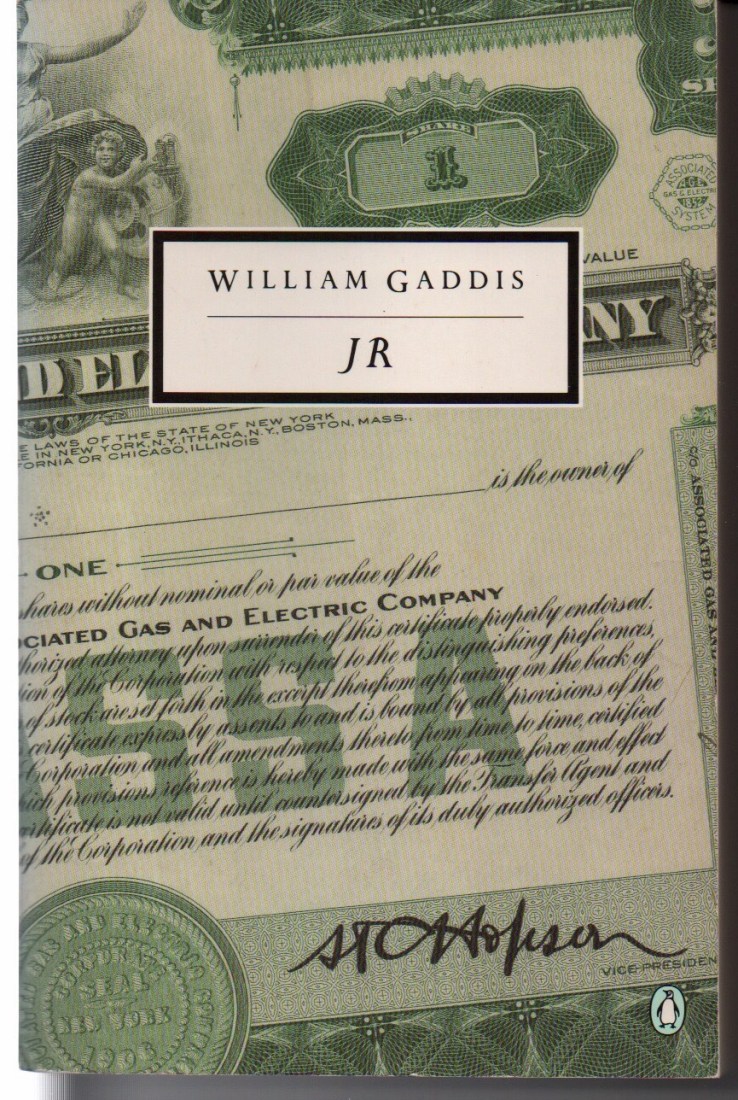
J R by William Gaddis. 1993 trade paperback edition by Penguin. Cover art is a detail of an Associated Gas and Electric Company stock certificate “Courtesy of William Gaddis.” No designer credited.

img_1391

Infinite Jest by David Foster Wallace. 1997 first paperback printing edition by Abacus (Great Britain). No designer credited.

img_1394

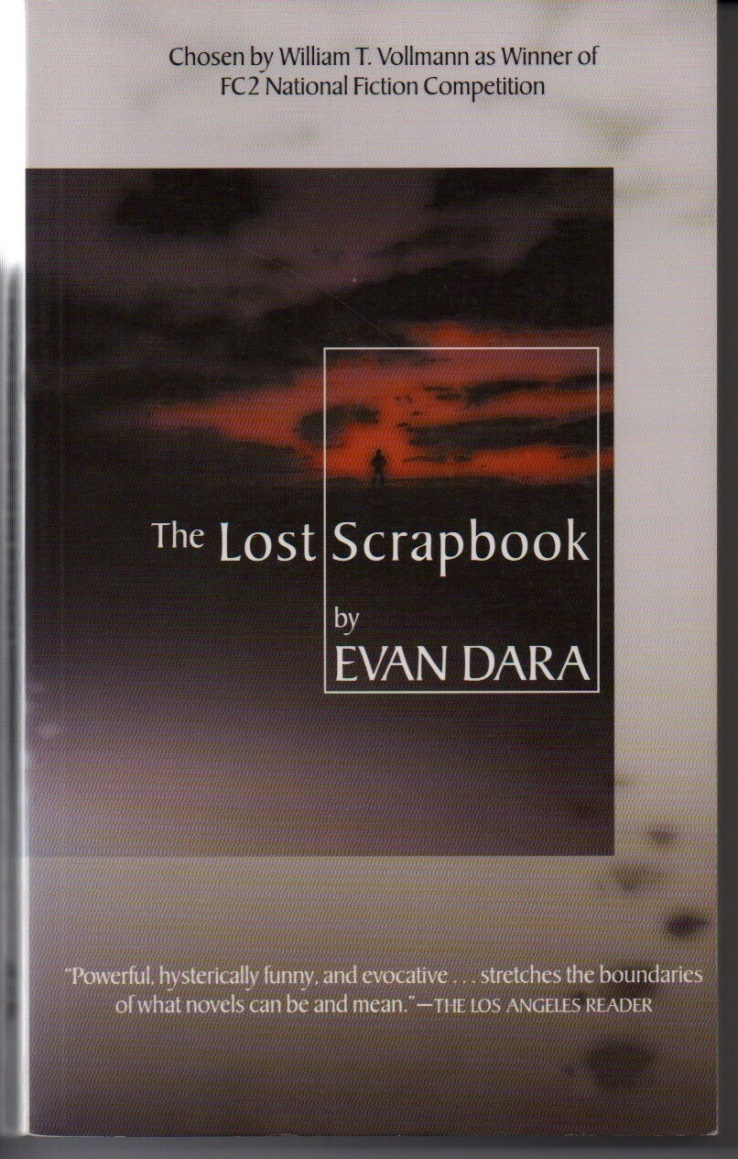
The Lost Scrapbook by Evan Dara. First paperback printing by Aurora, 1998. Cover design by Todd Michael Bushman.

Nothing music (William Gaddis)

—No it’s all right . . . he’d brought his eyes up sharply from the loose collar of her blouseless suit, more the appeal of asking a favor than granting one in his tone—that was when he was old though, Wagner I mean, when Wagner was old and . . .

—Yes but that’s what you meant isn’t it, about creating an entirely different world when you write an opera, about asking the audience to suspend its belief in the . . .

—No not asking them making them, like that E flat chord that opens the Rhinegold goes on and on it goes on for a hundred and thirty-six bars until the idea that everything’s happening under water is more real than sitting in a hot plush seat with tight shoes on and . . .

—Mrs Joubert could I have a dime?

—I think you’ve had enough to eat Debby, we’re . . .

—It’s Linda.

—Linda yes I’m sorry, where’s your sweater.

—Over on the table, I don’t want to eat they said it costs a dime to go to the toilet here, you have to put a dime in to get in the . . .

—Yes yes all right if, oh thank you again we must be taking every penny you.

—No no it’s all right I’ve, I’d put some aside for the union and when they wouldn’t take me, when you say you’re a concert pianist they give you as hard a score as they can find there was a drummer there and all they asked for was give us a paradiddle . . .

—But why must you join at all, if you simply want to compose . . .

—No well since this teaching was, since it didn’t really work out too well I thought if I could find some work playing I could keep on with my . . .

—Mrs Jou . . .

—Here . . .! he thrust a dime at the figure shifting rapidly foot to foot beside her,—that I could keep working on my . . .

—But couldn’t you earn something writing music for, I don’t know but there must be somewhere you could . . .

—Yes well that’s what I did, what I’m doing I mean somebody I met there, a bass player, he was on standby he’s getting paid not to play at a Broadway show they say is a musical just because it . . .

—Mis . . .

—Excuse me, boys please! You’ve just had a dollar J R you don’t need . . .

—No I know, I just wondered if Mister Bast wants me to change some nickels from a dollar for him.

—Not, no but if you’d like something?

—Some, just some tea I think, I don’t feel awfully well . . .

—Yes wait, here . . . he peeled away a bill under the table.

—And he found you something? this bass player?

—No well yes sort of indirectly, he said he wanted to help me out and sent me to a place over on the West Side where they said they wanted some nothing music, three minutes of nothing music it’s for television or something, they said they had three minutes of talk on a track or a tape they needed music behind it but it couldn’t have any real form, anything distinctive about it any sound anything that would distract from this voice this, this message they called it, they . . .

—But of all things how absurd, paying a composer to . . .

—Yes well they didn’t, I couldn’t do it I mean, they were in a hurry they would have paid me three hundred dollars and I tried and all I could, everything I did they said was too . . .

—And that’s hardly what I meant, someone being paid not to play who sends you somewhere to write nothing mus . . .

—Well what do you think I . . .! he caught one hand back with the other,—I’m sorry I, three hundred dollars all I could think of was that concerto of Mozart’s the D-minor, that’s more than he got paid for the whole series and I couldn’t even . . .

—But I think it’s marvelous, that you couldn’t write their nothing music? I mean just because you can’t get paid to play Chopin or even write music that’s . . .

—No but I am though, I didn’t finish . . . he looked up from her fingertips touching his hands clenched there,—when I left somebody else there said he’d like to help me out and sent me downtown to see some dancers who want their own music for . . .

—Boys . . .! her hand was gone,—settle down! she called after the collision at the marbled cashier’s cage—I’m sorry, we . . .

—Do you like Chopin?

—Oh of course I do yes, that ballade the Ballade in G? it’s simply the most roman . . .

—In G-minor yes that’s on the program if I could get tickets would you, it’s next week would you like to go if I can get the tickets it’s a recital by . . .

—That’s awfully sweet Mister Bast I . . .

—No well I guess I, I mean you’re married I didn’t think of that I just . . .

—That’s hardly the reason no but, I’m just afraid I can’t, I’m . . .

—No that’s all right I just, I just thought you, you wanted some tea yes I’m sorry I’ll get it . . .

—Thank you I’d, oh be careful! she’d seized his wrist.

—No I’m all right . . . he came up slowly as her hand fell away,—I’ll get it . . . he righted the chair and stood looking, turned toward the figures huddled at a table near the telephone booths foreheads almost touching, hands churning coins.

Another intersection of art and commerce in William Gaddis’s novel J R.